
France
Where every region tastes, sounds and looks like its own small country.
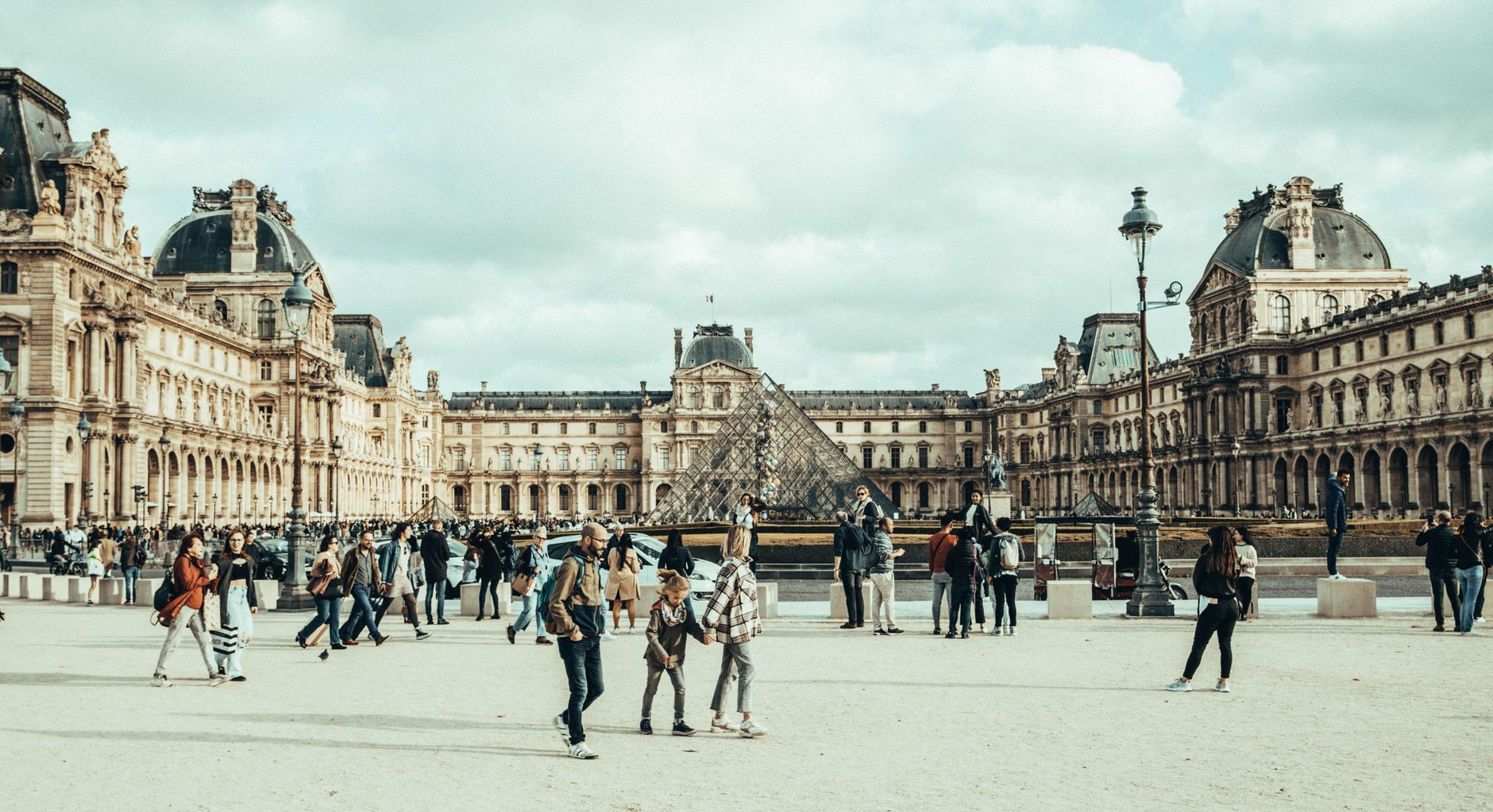
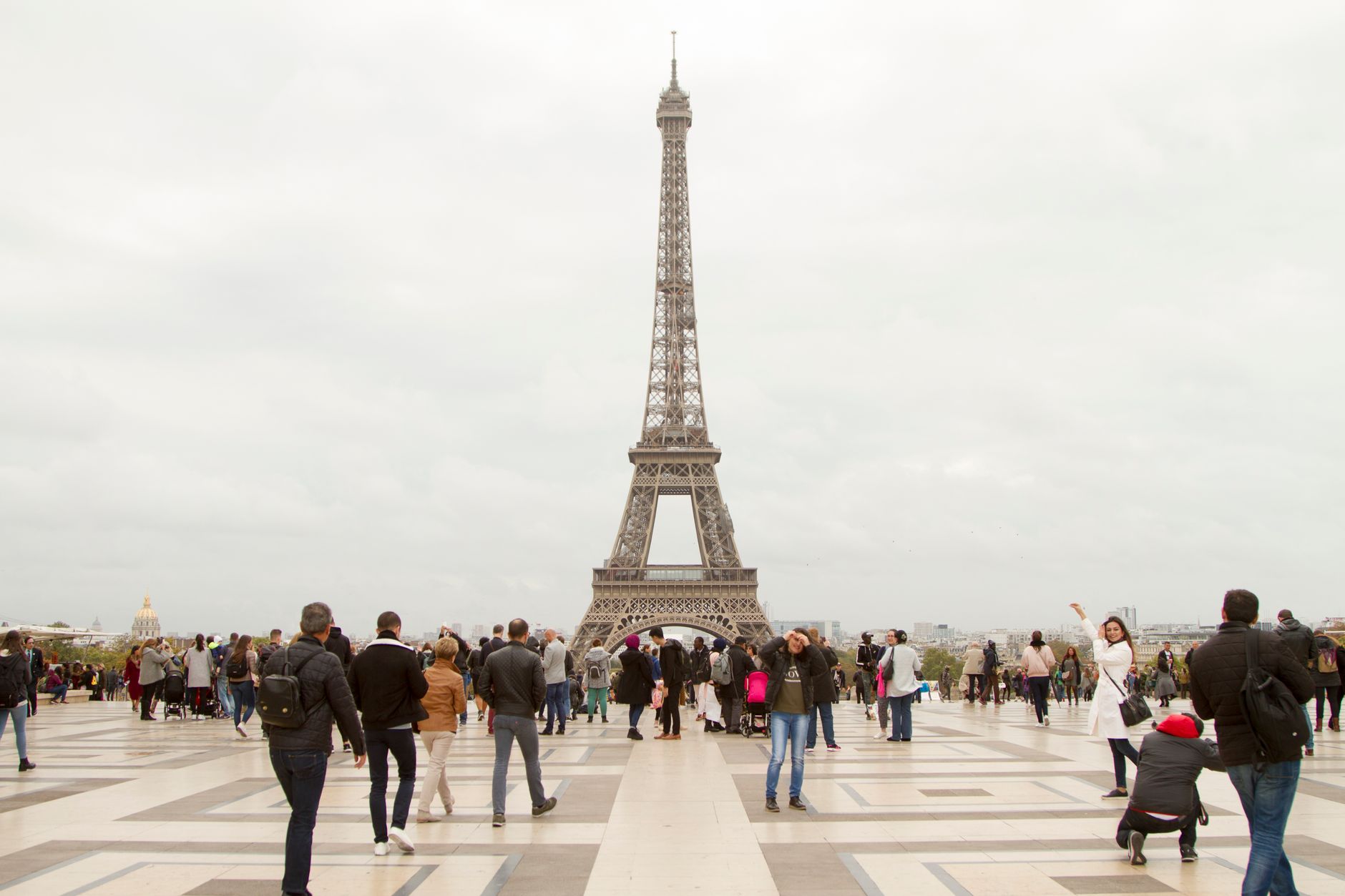
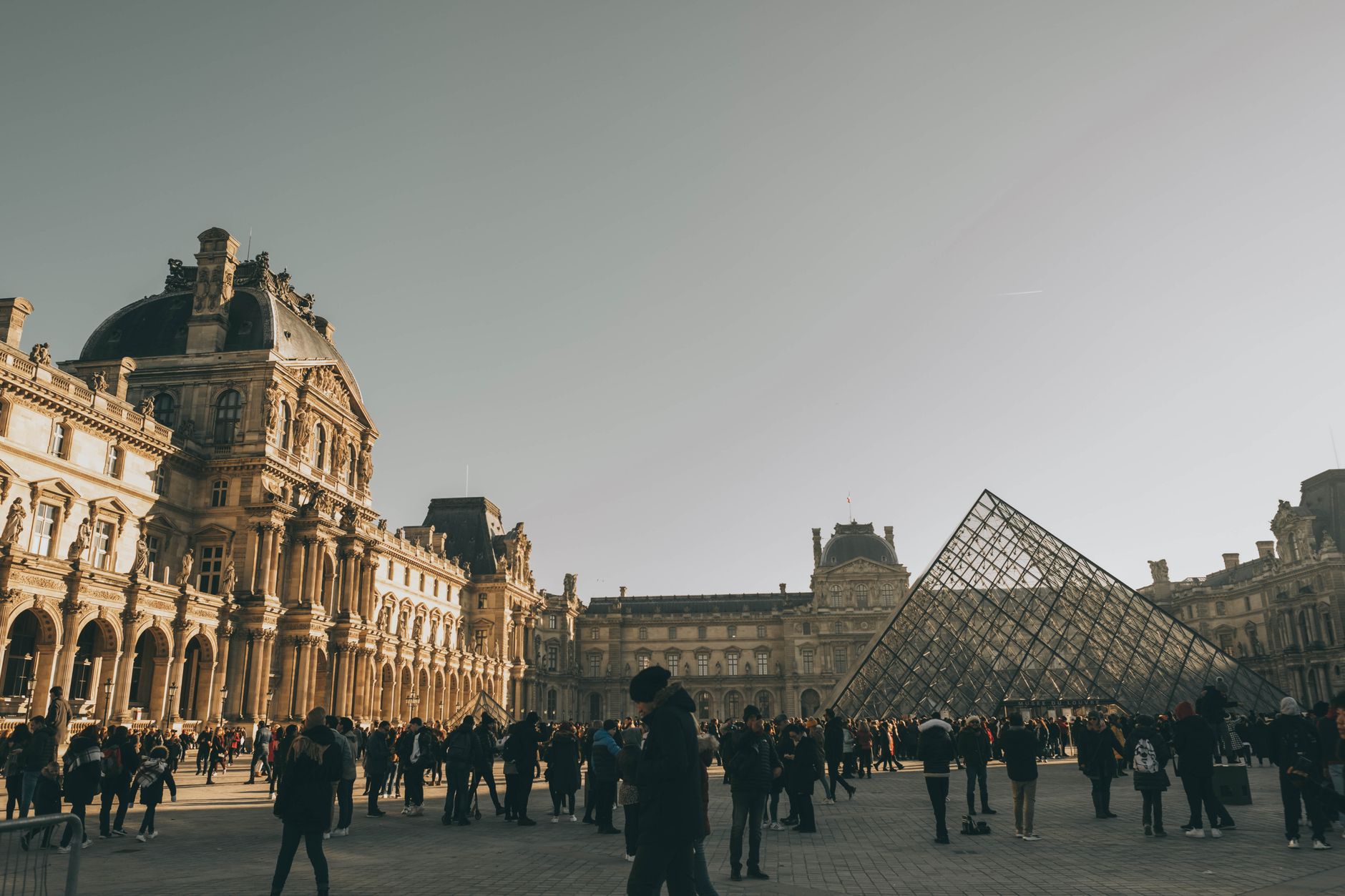
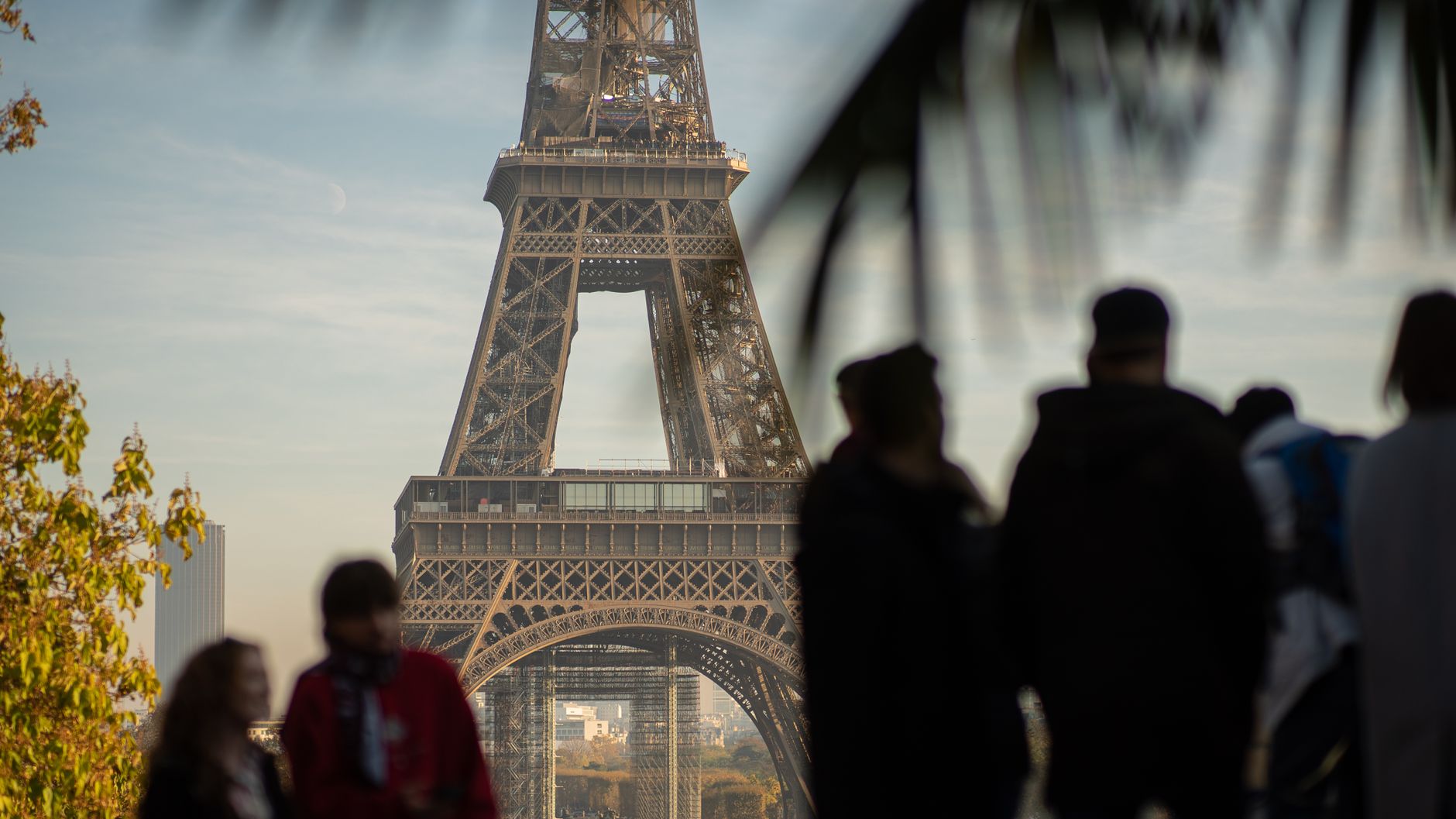
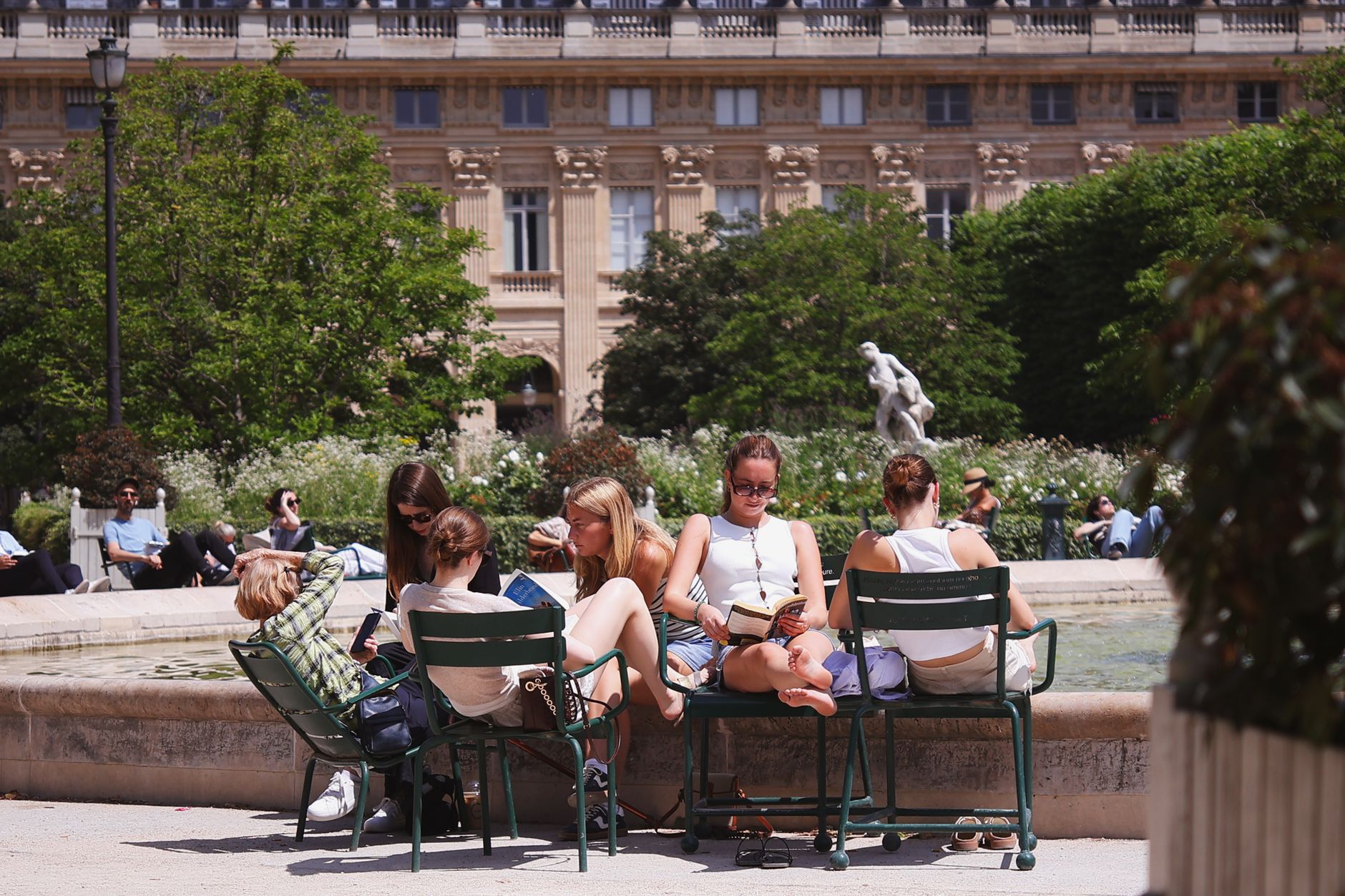
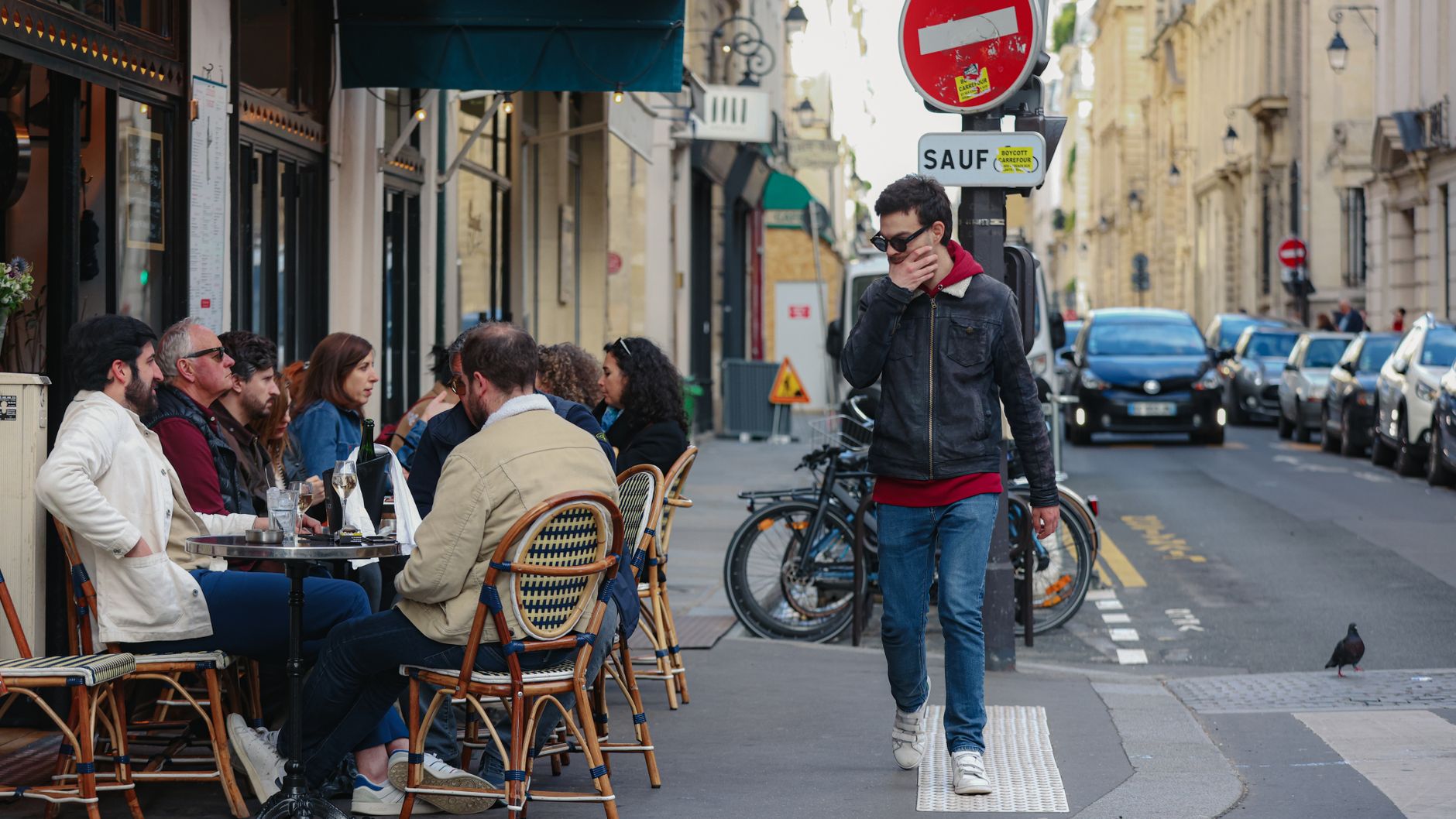
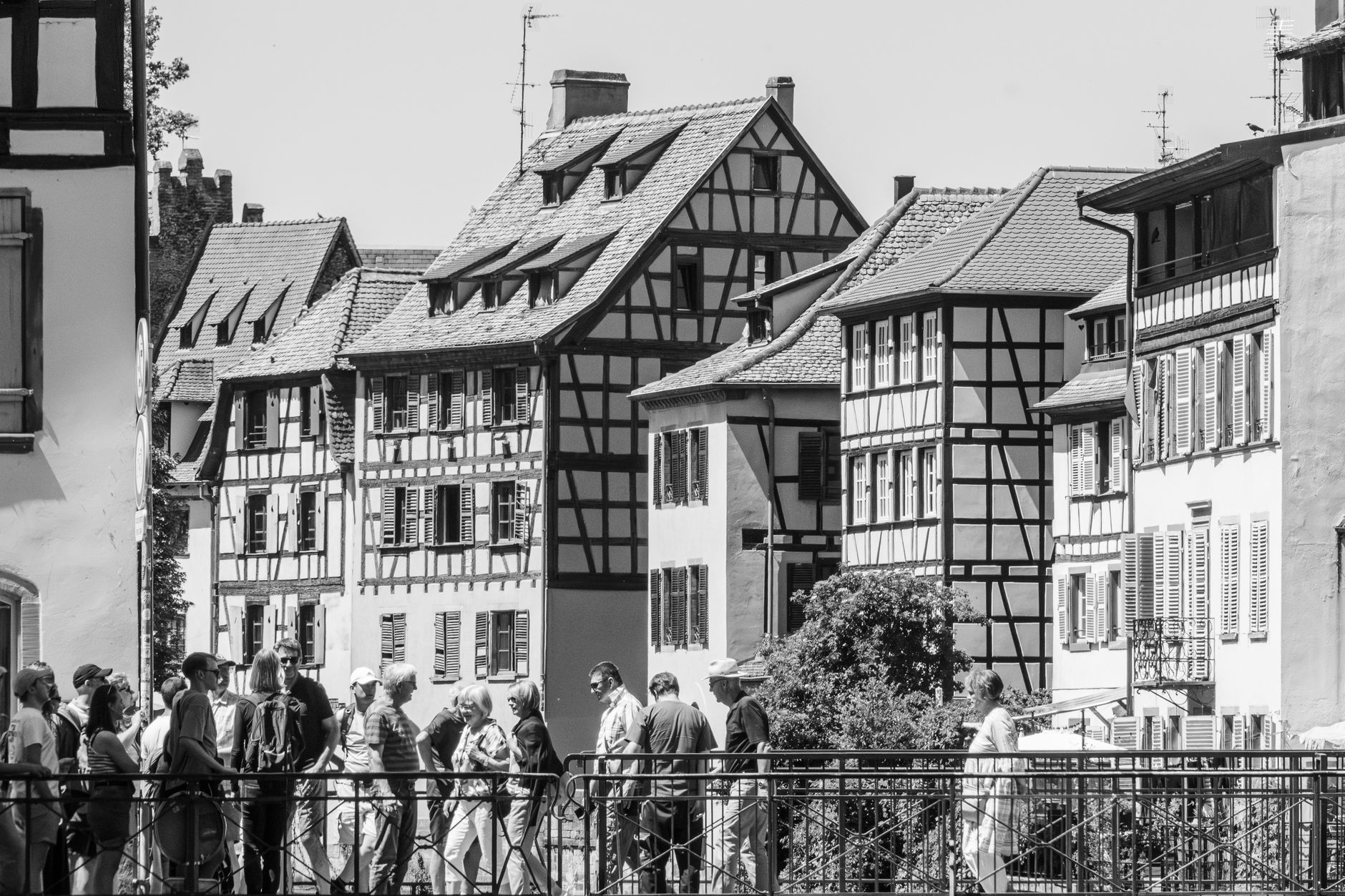
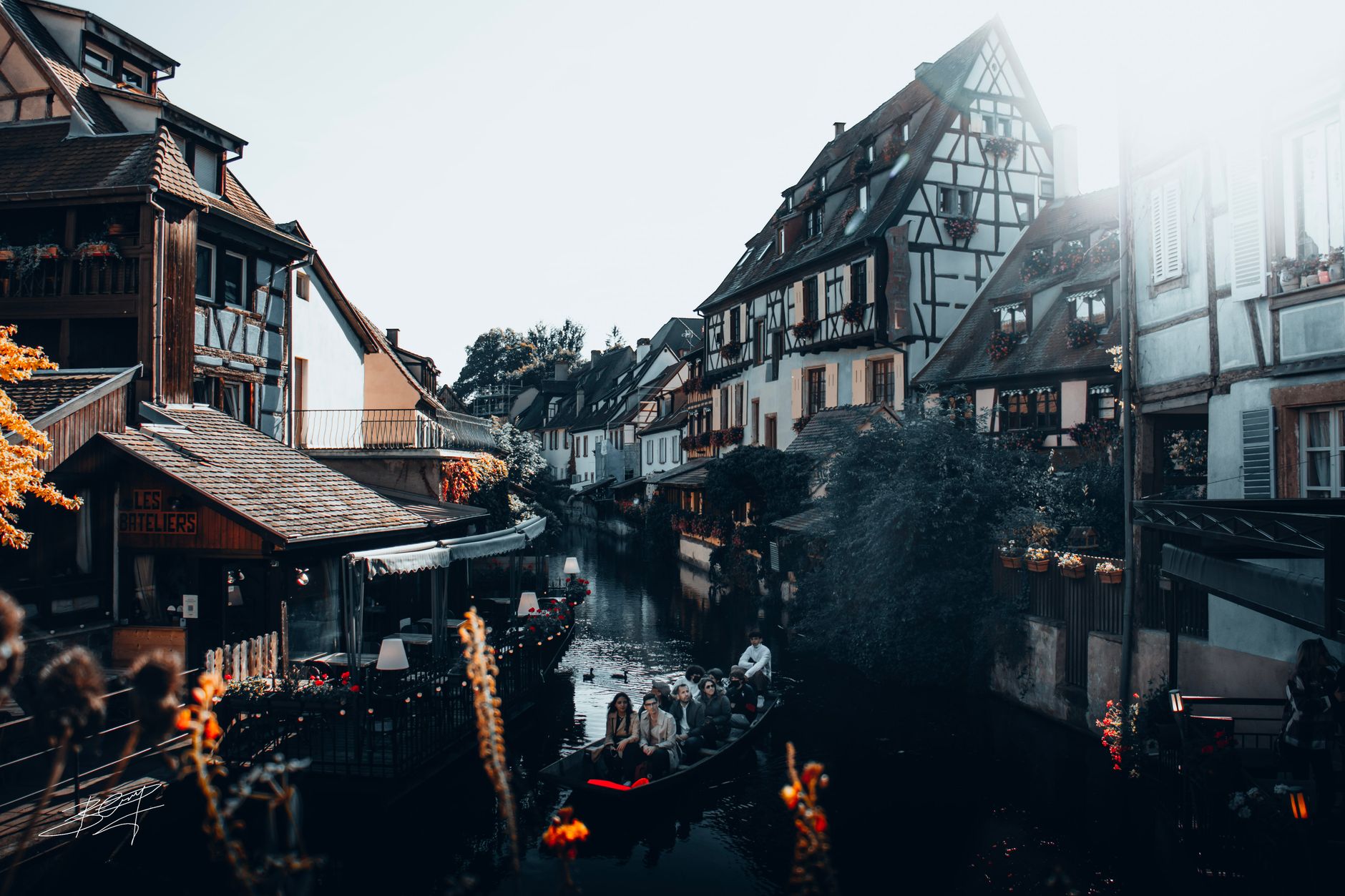
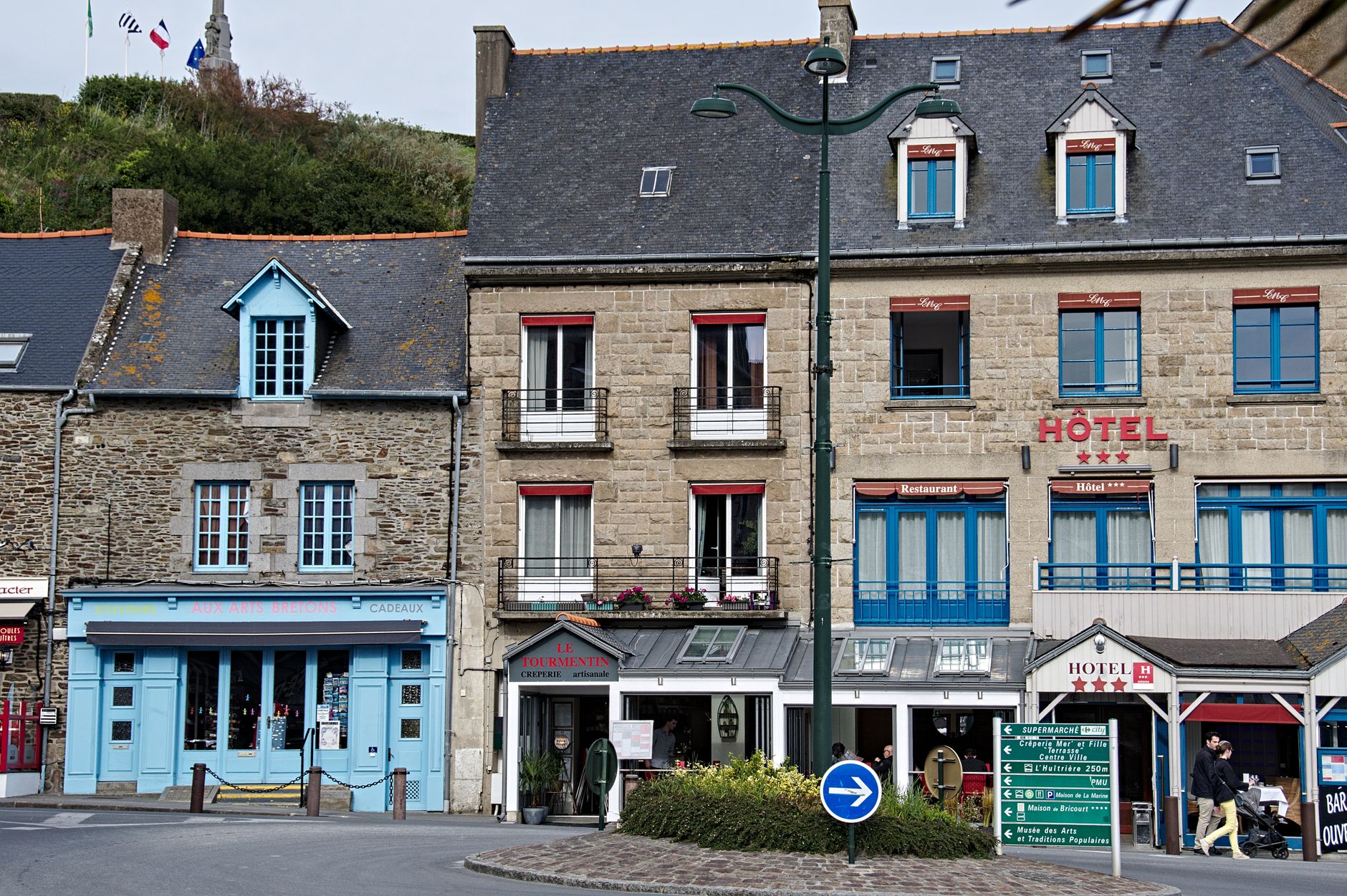
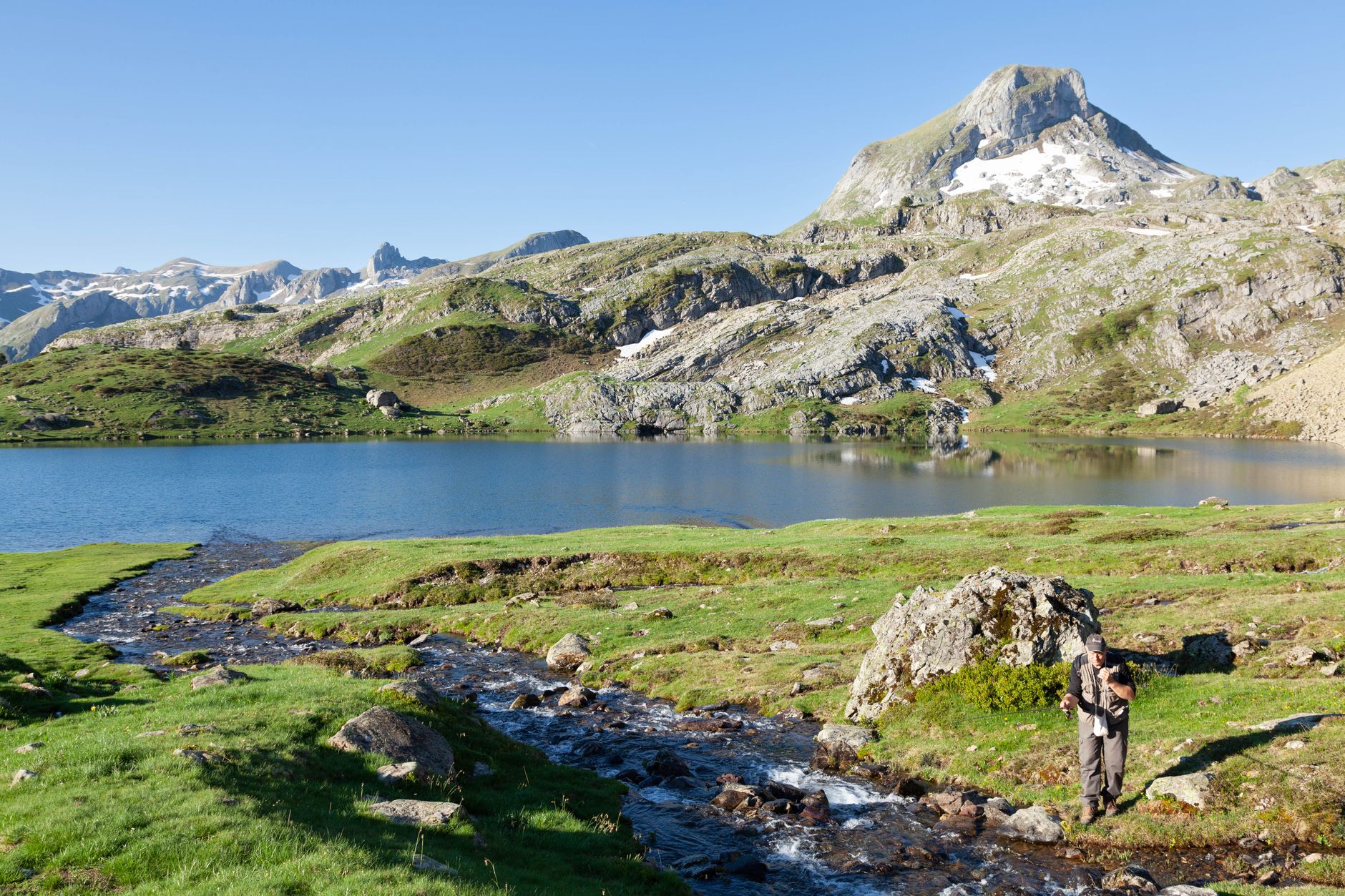
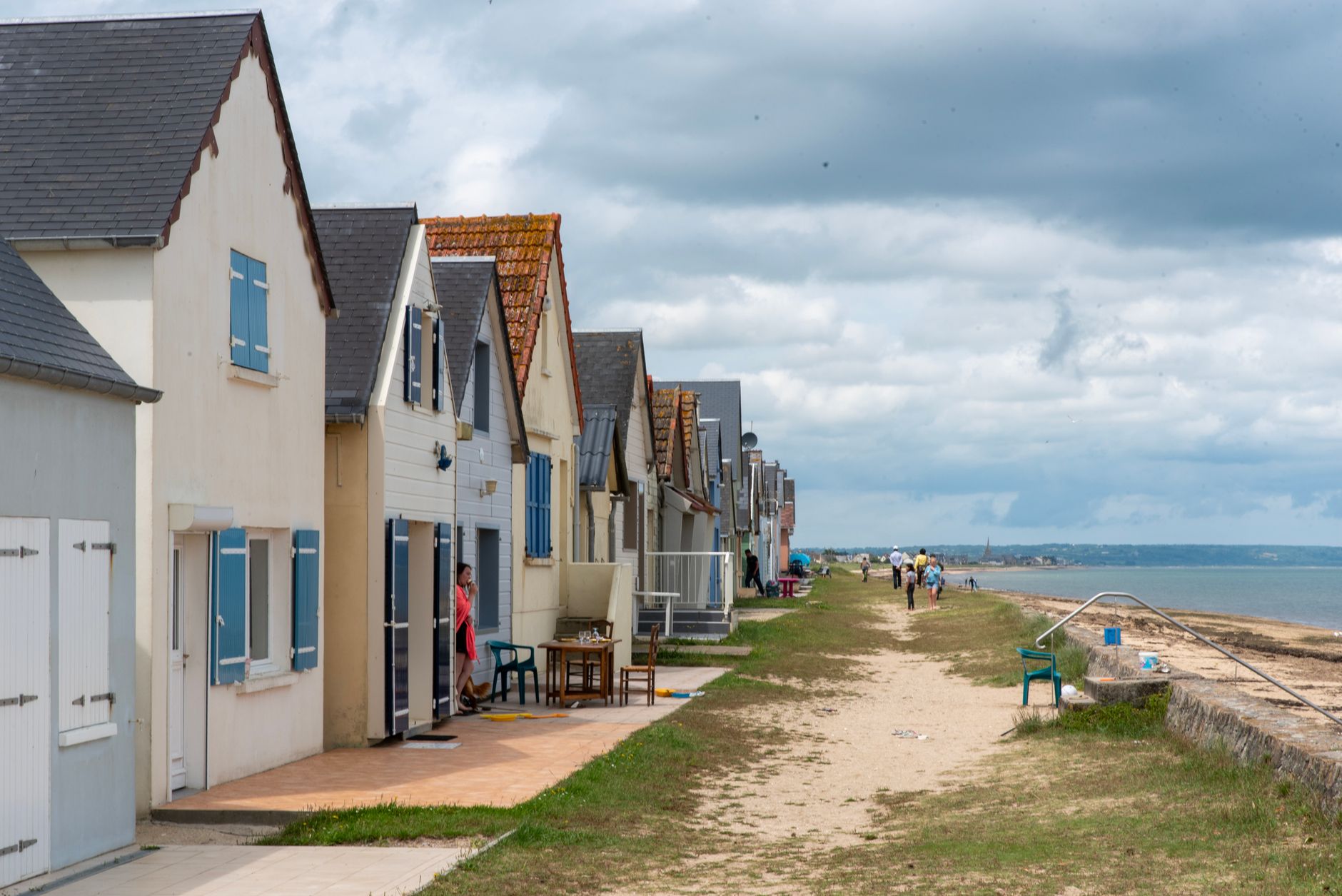
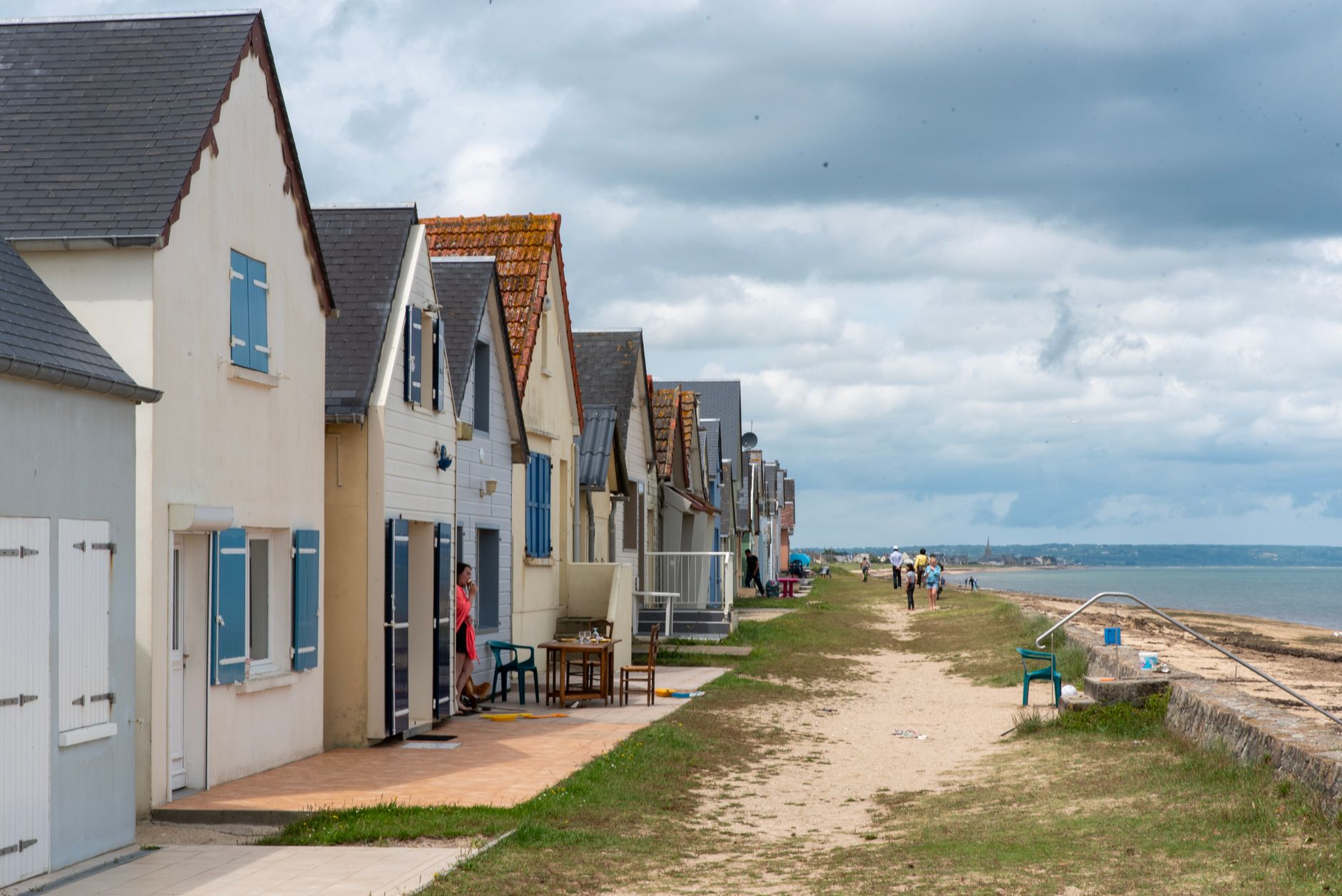
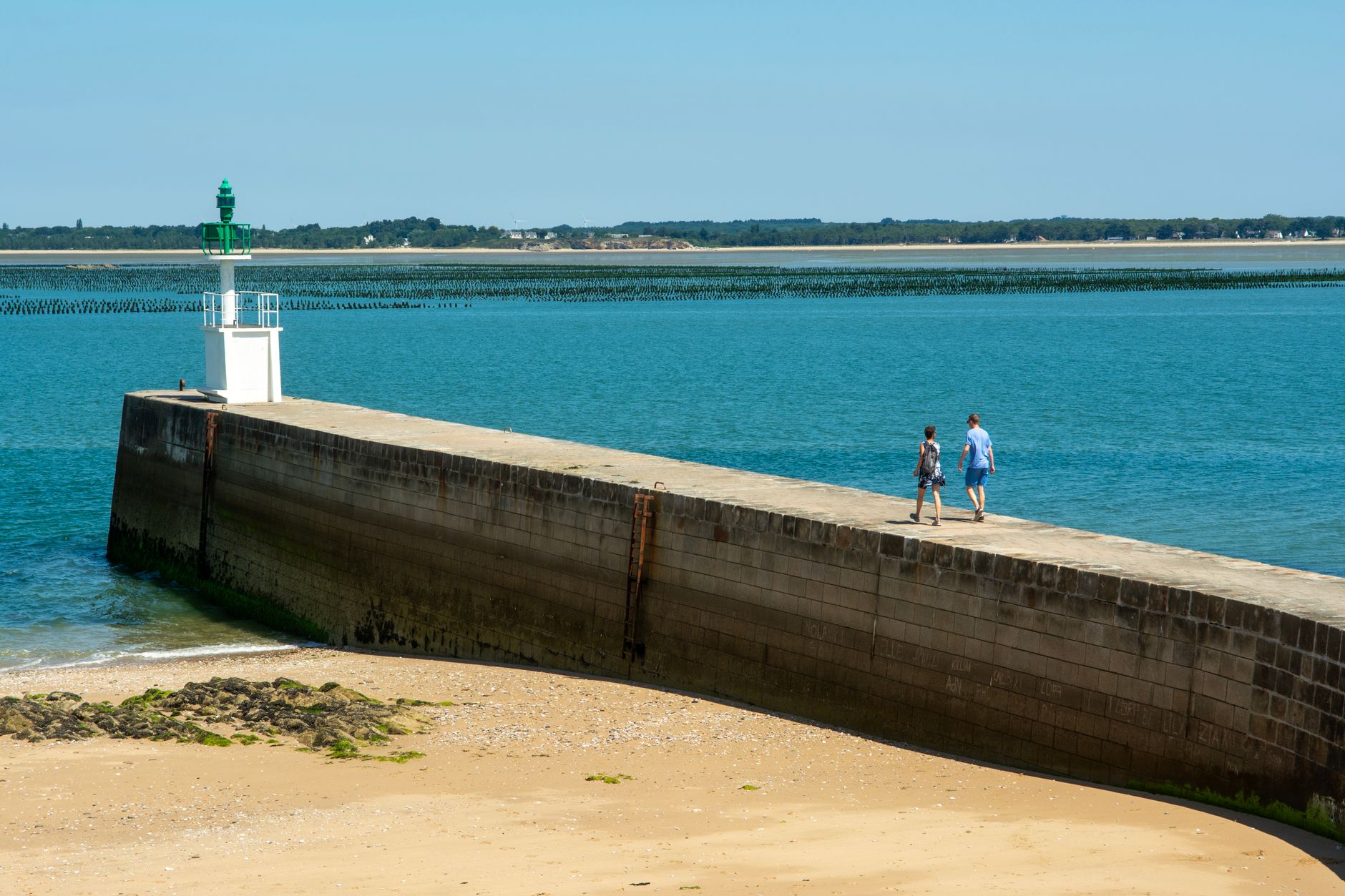
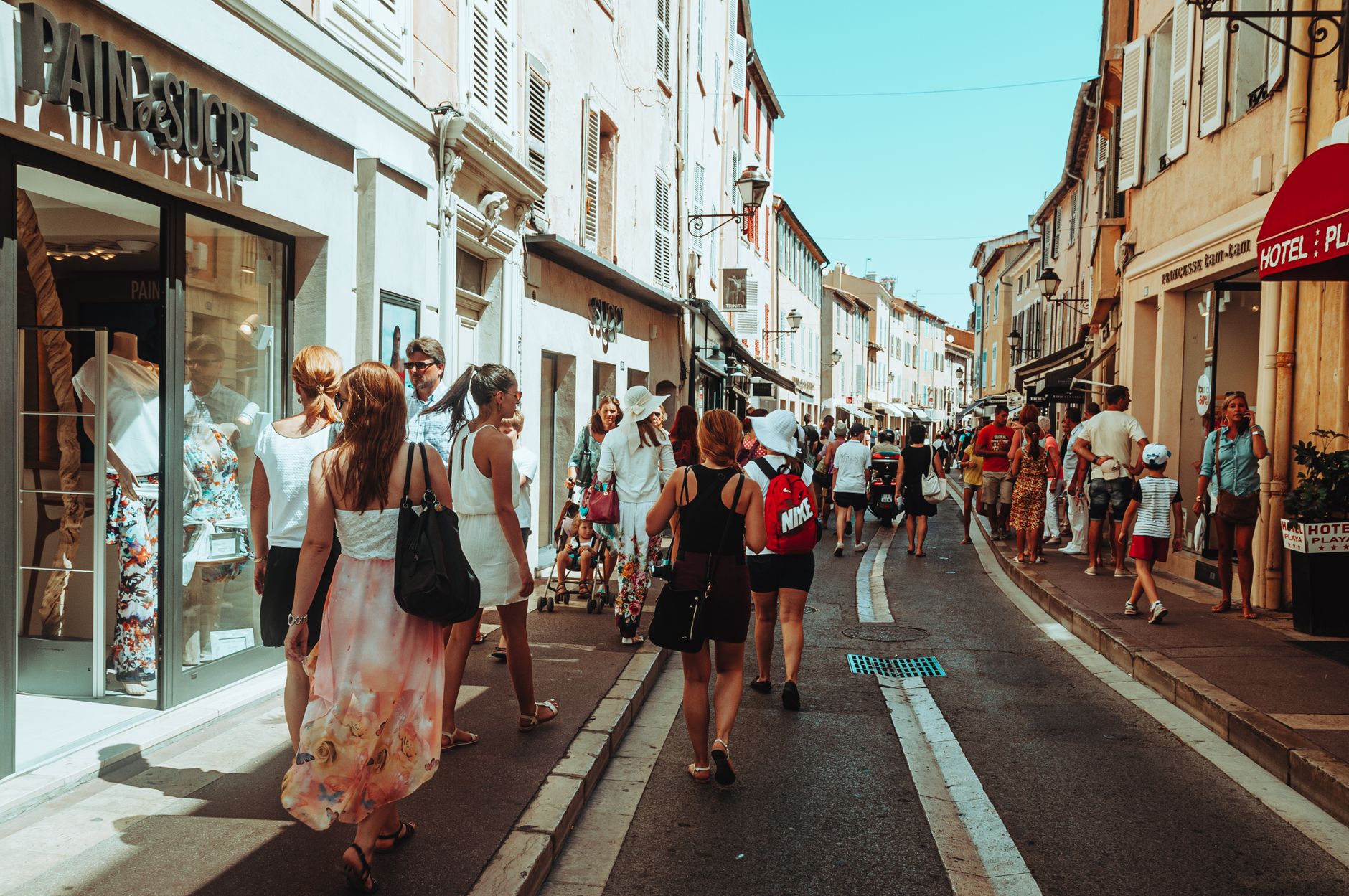
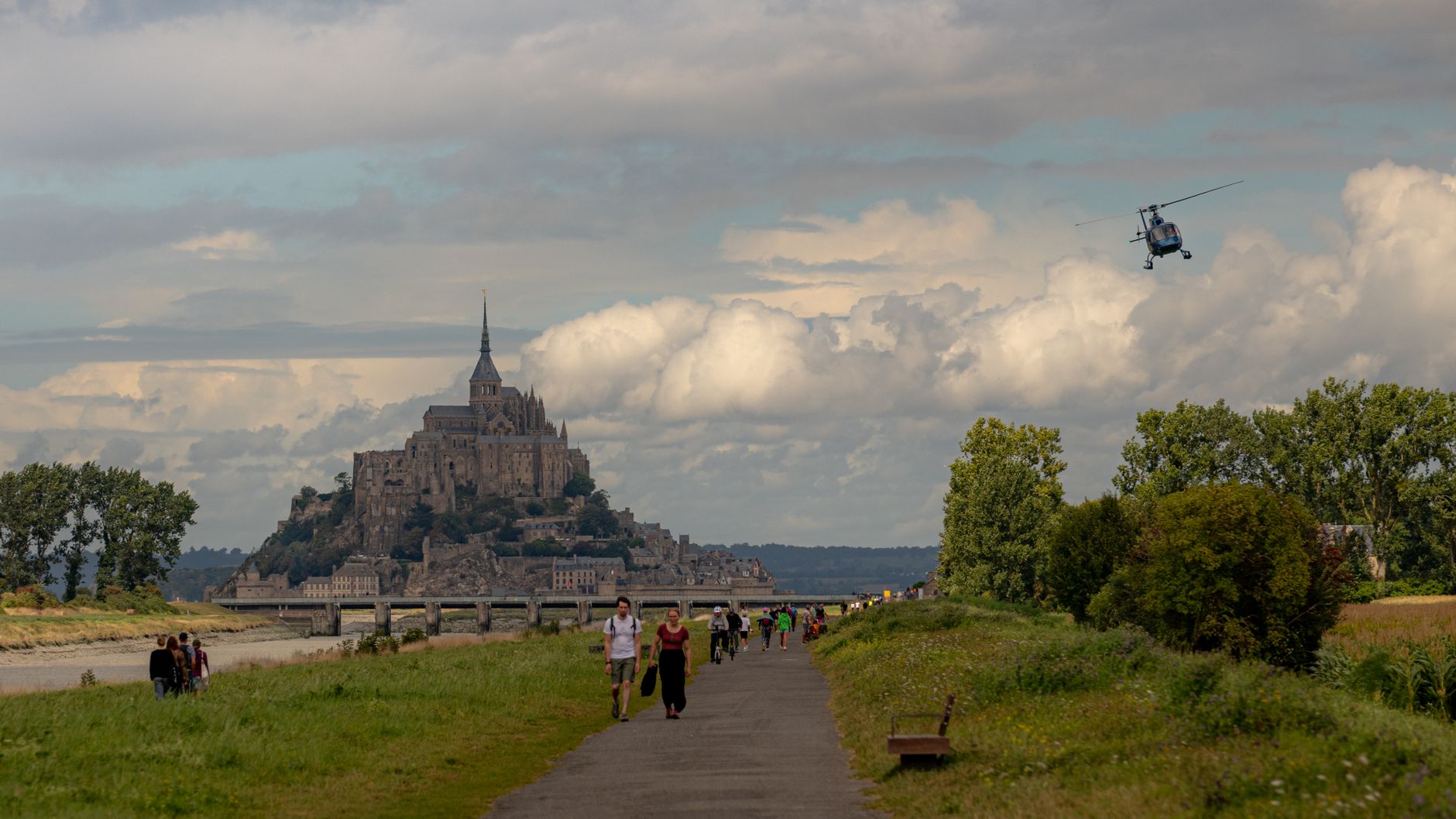
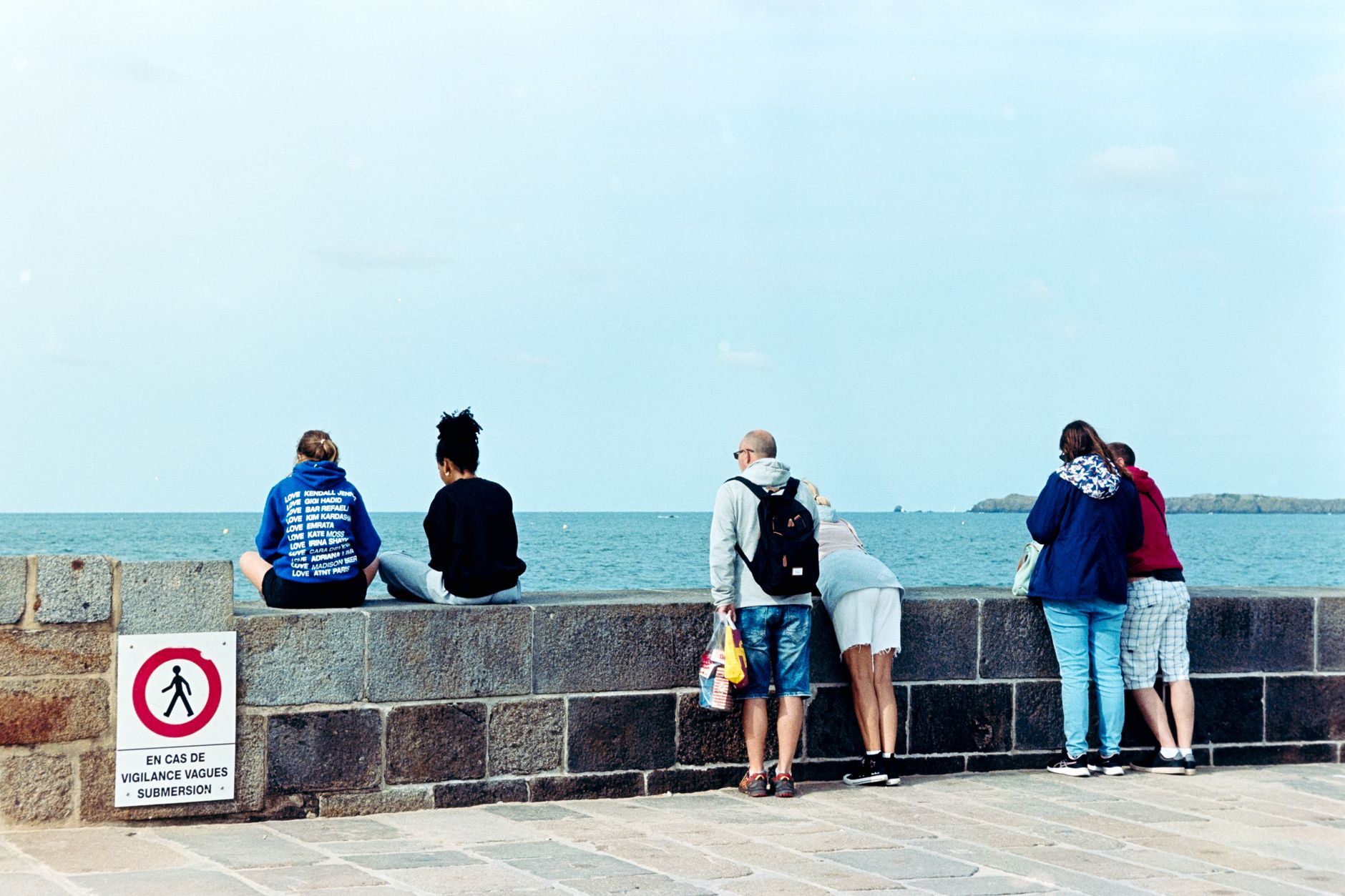
France is the country where the train journey itself becomes an argument for staying longer. An hour south of Paris the vineyards begin; another hour and the light changes colour. Each region — Brittany with its granite coast and buckwheat crêpes, Provence with its lavender plateaus and Roman aqueducts, Alsace with its half-timbered villages and Riesling — operates on its own logic, its own dialect of food and stone and weather.
At country scale, the only honest advice is to resist the urge to cover everything. France rewards the traveller who picks a corner and goes deep rather than the one who races between capitals.
Popular regions in France
💛 What travellers fall for
A few things come up again and again: buy the regional wine where it's made, not at the airport. Learn the lunch hours — they are still real. Take the smaller train lines, not just the TGV. And go somewhere in shoulder season; the light in October in the Dordogne or Burgundy is worth rearranging a trip for.
Experiences you don't want to miss



Deals in France
Book directly at the provider


How France came to be
People have lived on this land for nearly 57,000 years, and the layers show. Greeks from Phocaea founded Marseille around 600 BC; Julius Caesar spent eight years subduing Gaul between 58 and 51 BC. After Rome's decline, the Frankish king Clovis I unified most of the territory in the late 5th century, making Paris his capital. The House of Capet, from 987 onward, gradually shaped the medieval kingdom.
The rupture came in 1789. The Revolution overthrew the Ancien Régime, produced the Declaration of the Rights of Man, and on 21 September 1792 established the Republic — only for Napoleon to proclaim himself Emperor in 1804. The 19th century swung between republics and empires until the Belle Époque steadied things. Then came 6 June 1944, when Allied and French Resistance forces turned the tide in Normandy and sovereignty was restored.
Who and what shaped it
People who shaped it
Landmark buildings
Plan your visit
On the map
When to go
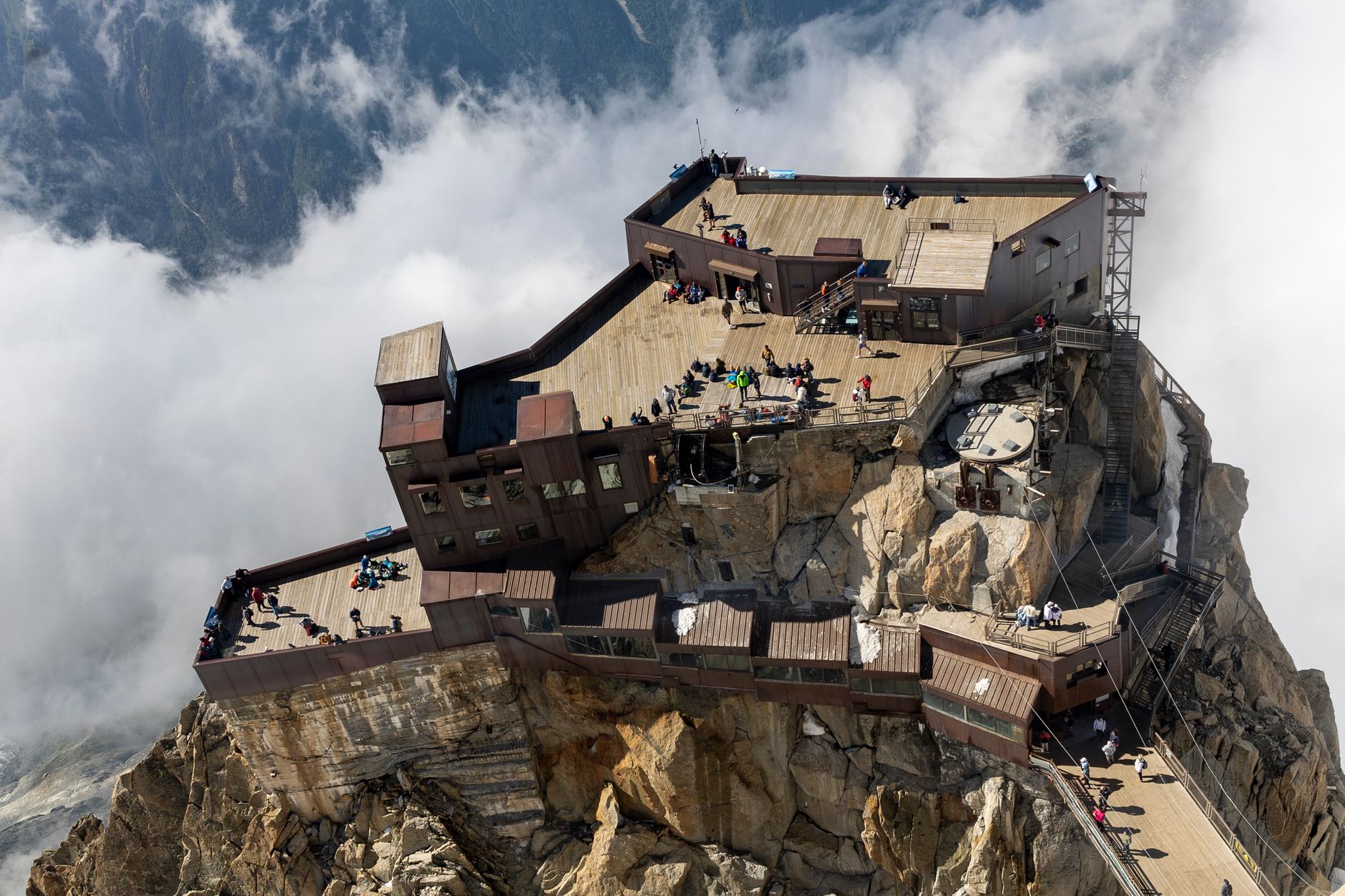
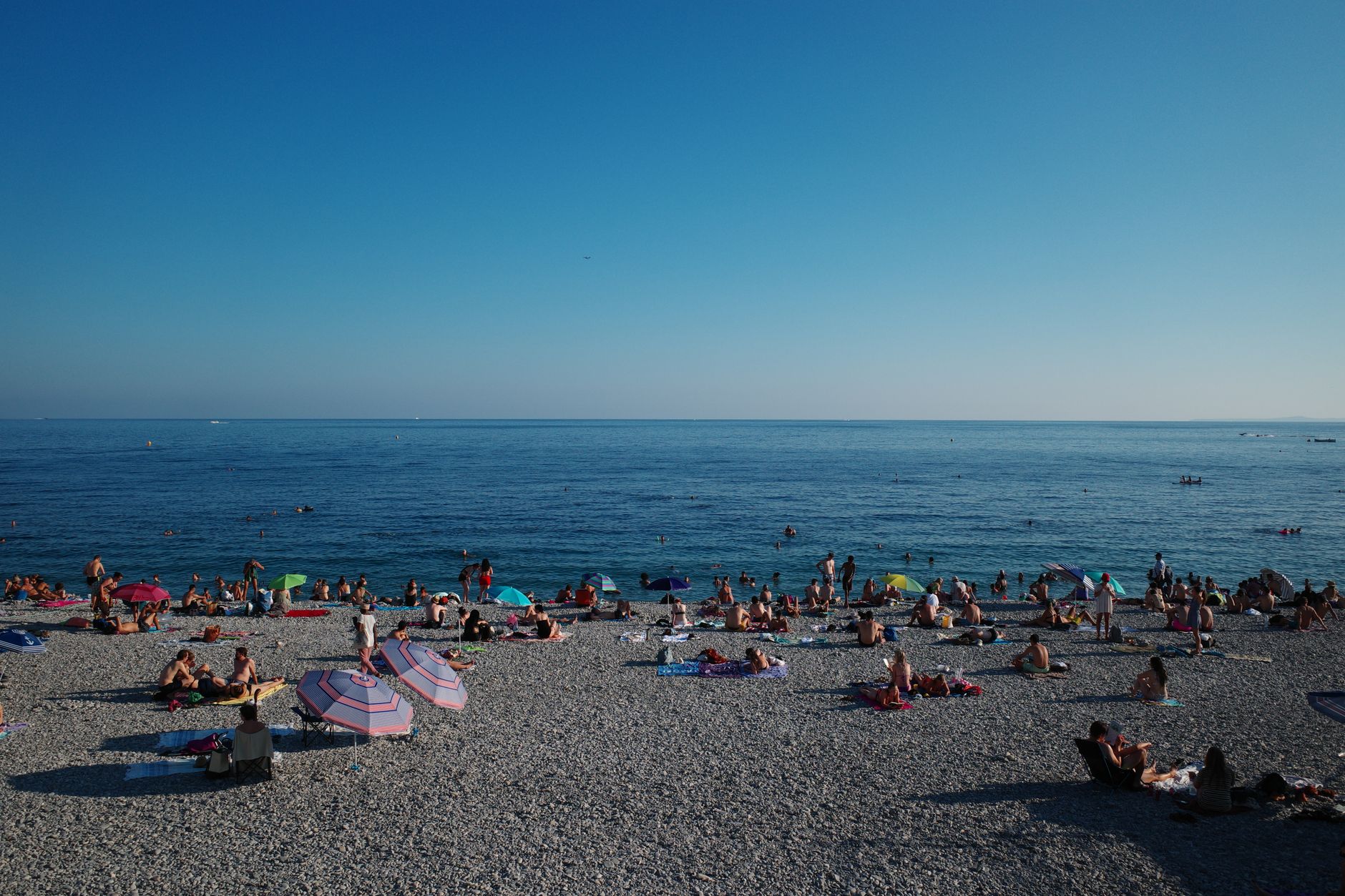
The north — Paris, Normandy — stays mild and damp, rarely freezing in winter, rarely sweltering in summer. The south flips the script: Mediterranean heat pushes Avignon to 33°C in July, while winters stay dry and gentle. The eastern interior runs colder, with mountain snow a reliable feature. Spring and autumn are the most forgiving seasons across all regions.
↡ Regions








↡ Cities



No places match these filters.
Background & history adapted from Wikipedia (CC BY-SA) · specs from Wikidata (CC0) · weather from Open-Meteo · map data © OpenStreetMap contributors · photos from Wikimedia Commons / Unsplash with per-image credit. No third-party reviews or social posts reproduced.