
Ireland
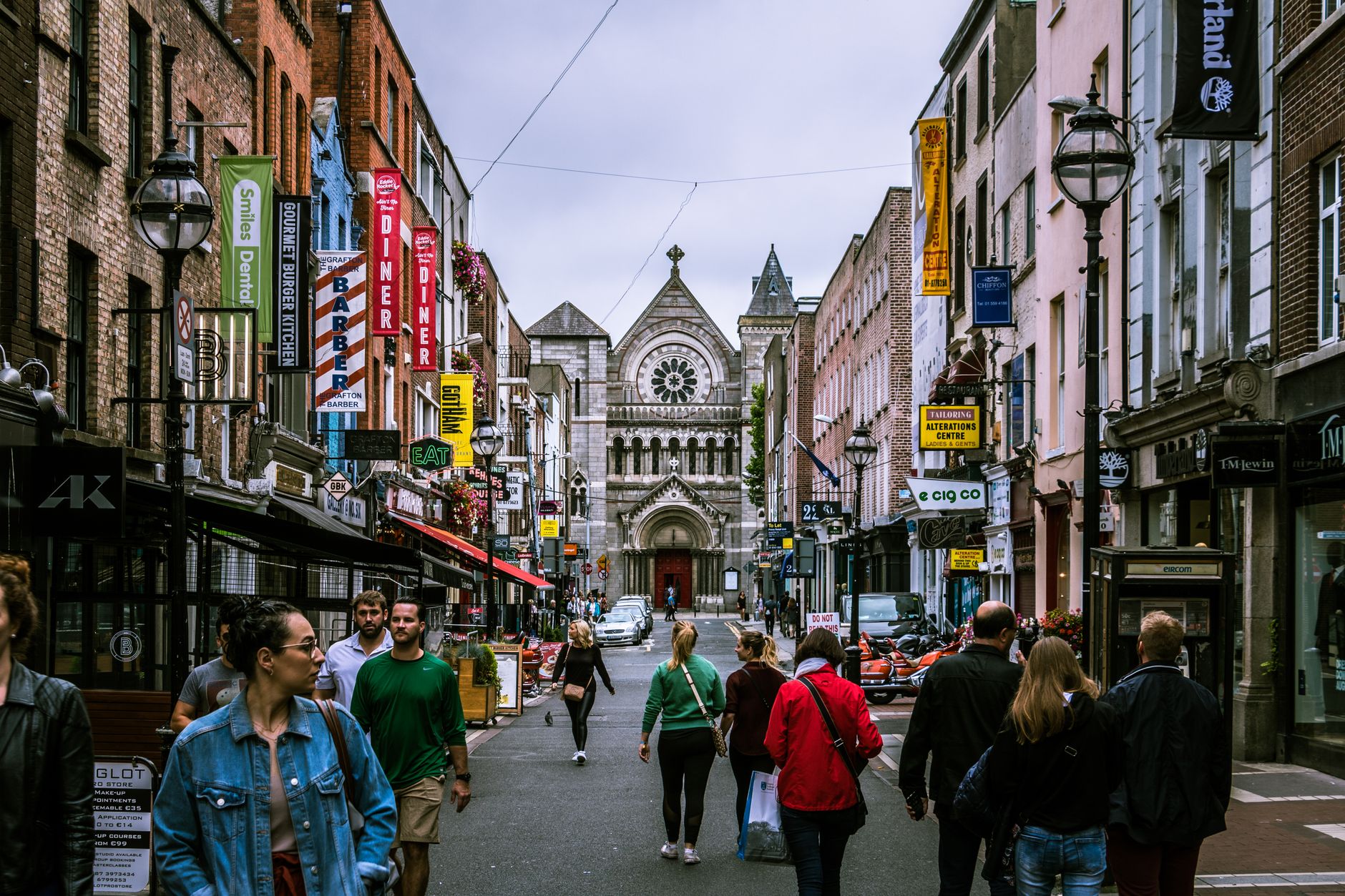
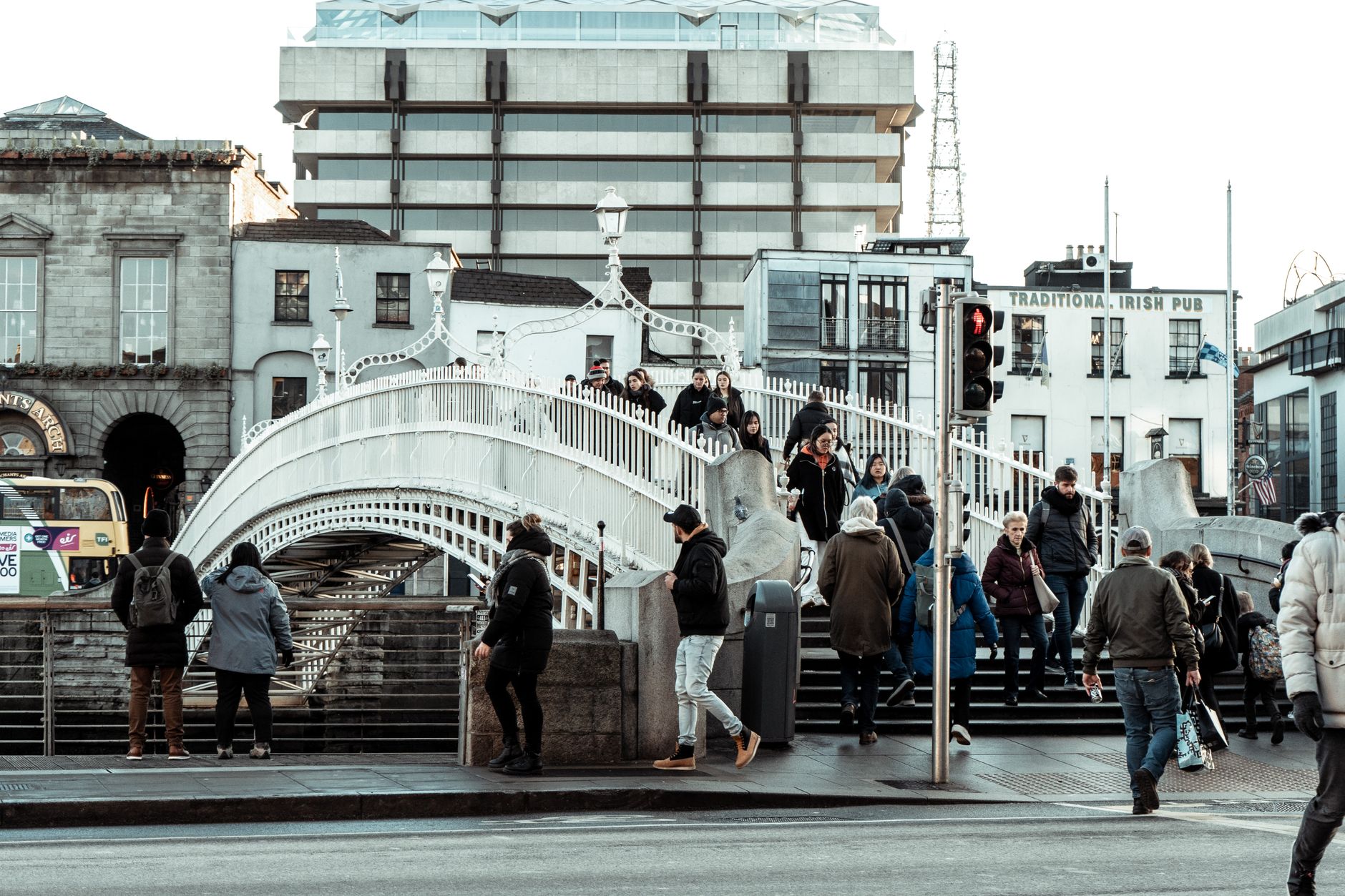
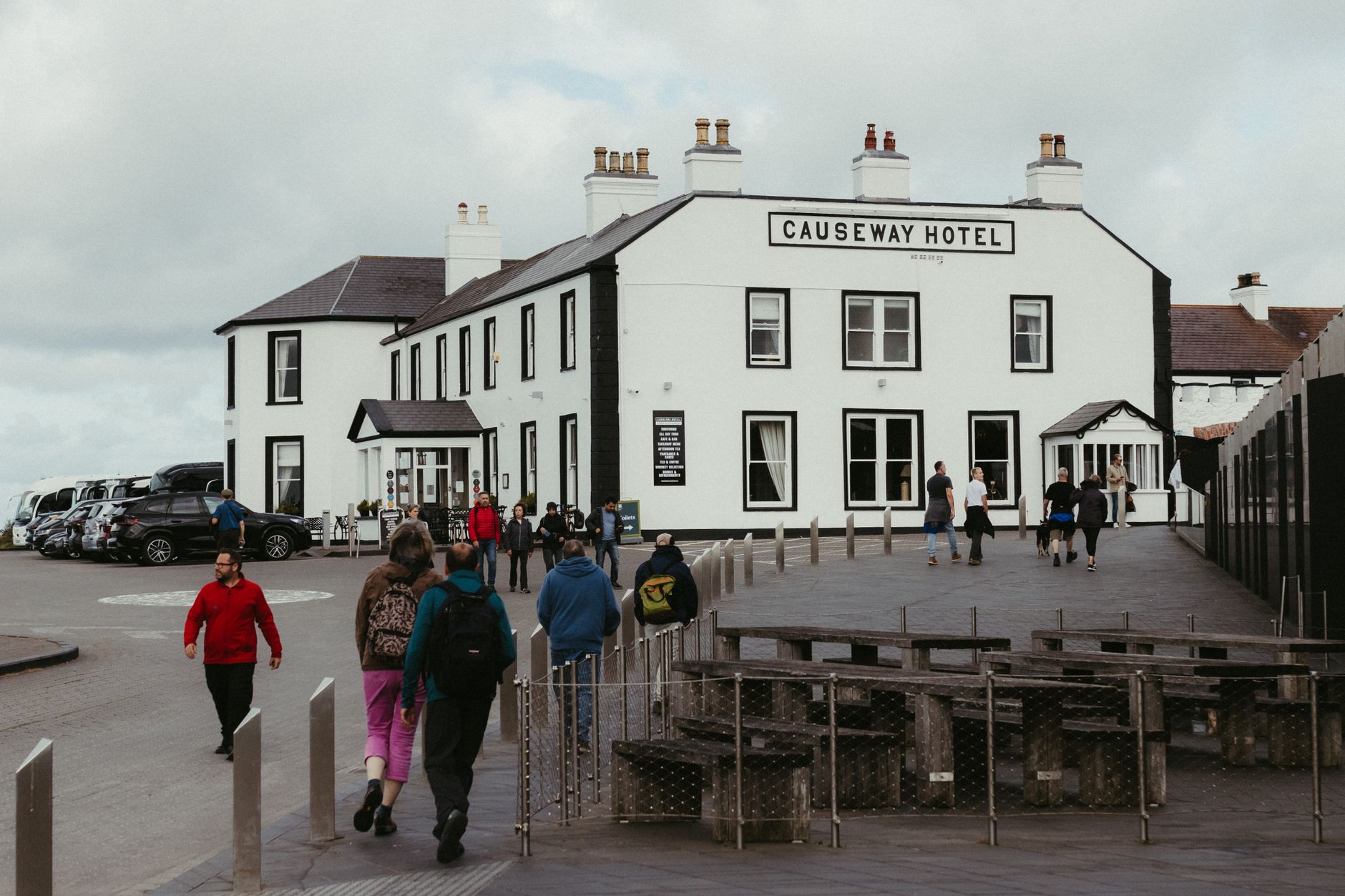
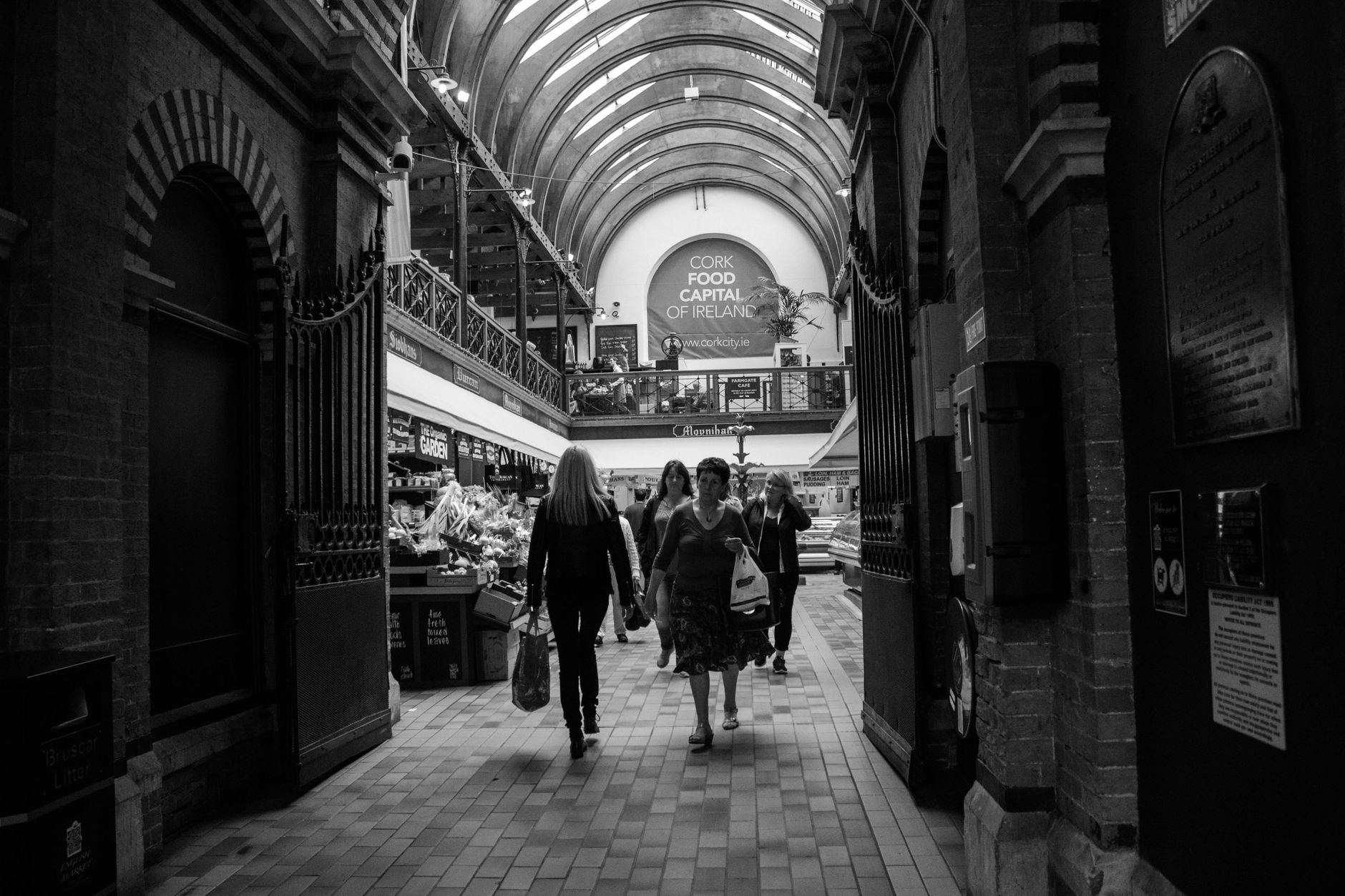
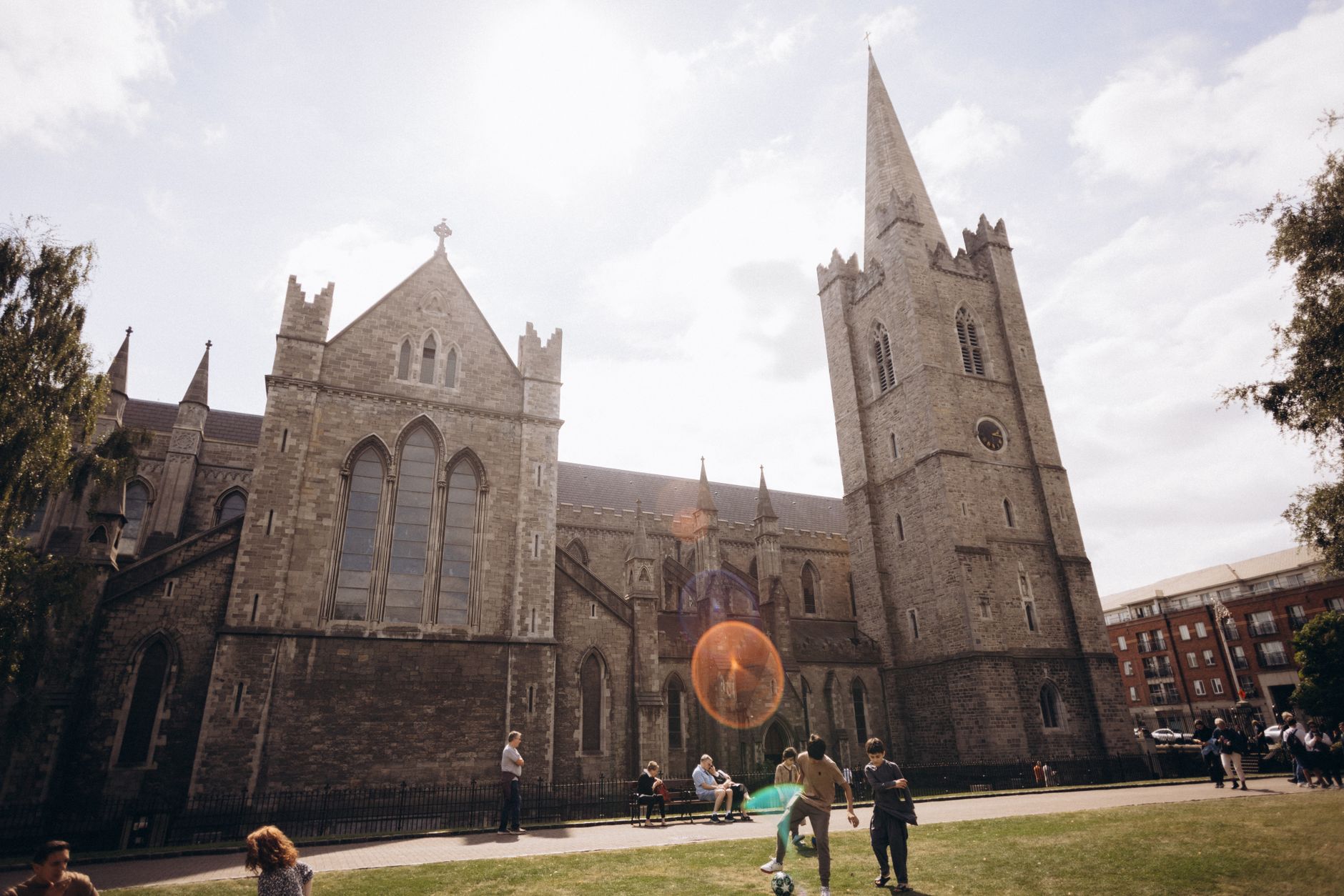
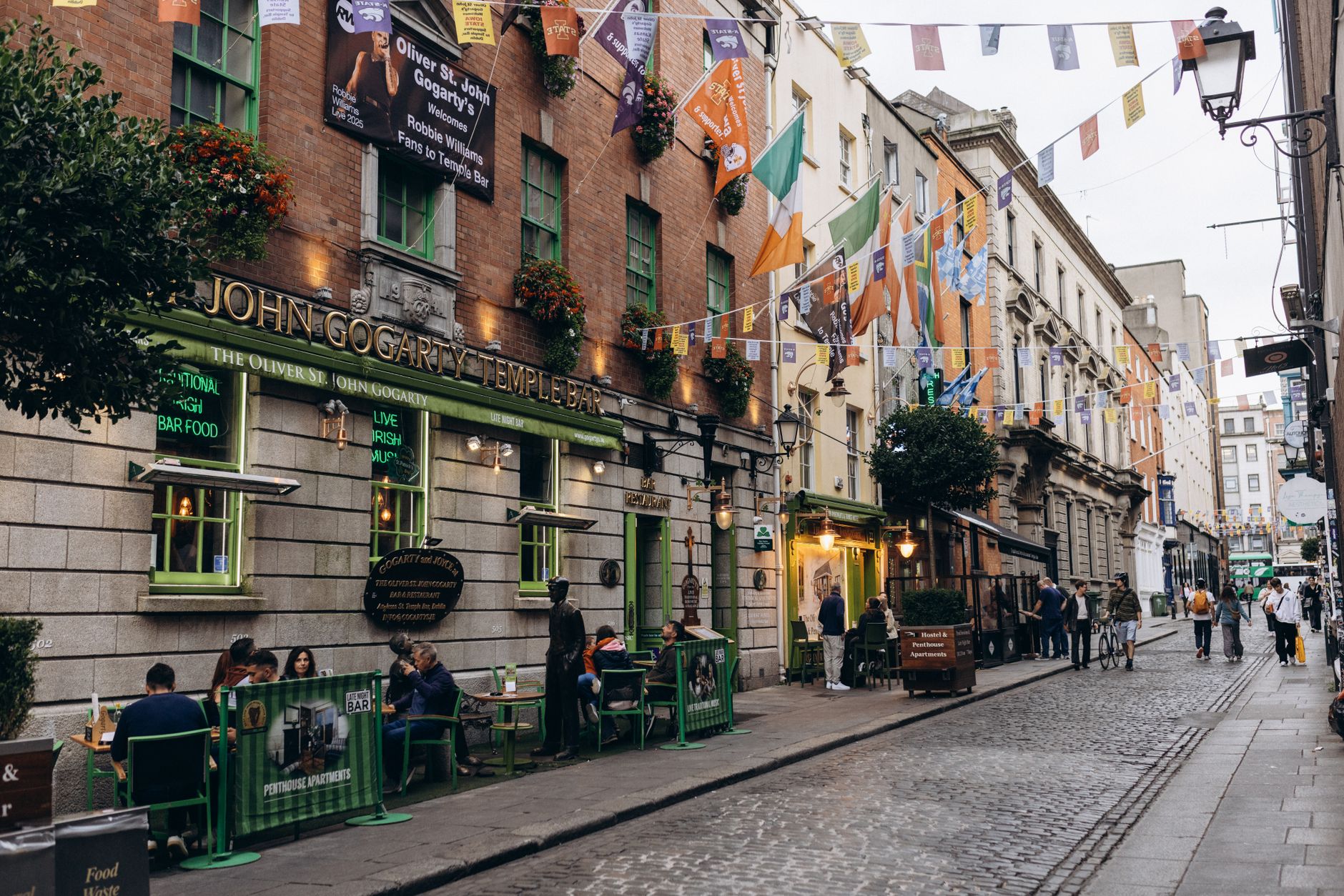
Ireland is a country where the ancient and the recent sit unusually close together. A passage tomb at Newgrange was already older than the Egyptian pyramids when the Celts arrived, and the republic itself only severed its last formal tie with Britain in 1949 — living memory for some. The island is compact enough that a morning on a glacial valley floor in Wicklow can give way to a city evening in Dublin, yet varied enough that the limestone coast of Clare feels like a different world entirely.
Dublin is the natural starting point: the airport, the rail connections, and most of the major accommodation infrastructure radiate outward from here. But the country rewards those who push beyond it — to Waterford, to the Shannon, to the Burren.
💛 What travellers fall for
People who come back tend to sort themselves into two camps: those who anchor in Dublin and take day trains out, and those who hire a car and follow the coast. The Leap Visitor Card handles Dublin's trams, buses and DART efficiently. Beyond the city, booking Bus Éireann seats in advance saves both money and the anxiety of standing.
Deals in Ireland
Book directly at the provider
How Ireland came to be
People have been on this island for at least 12,500 years — a bear bone from a County Clare cave carries the evidence. Celtic-speaking peoples filtered in during the Iron Age, and by around 300 BC their La Tène metalwork was already here. Christianity arrived with Saint Patrick in AD 432 and reshaped the culture profoundly; the monastic settlement at Glendalough, founded in the 6th century, is one visible trace of that transformation.
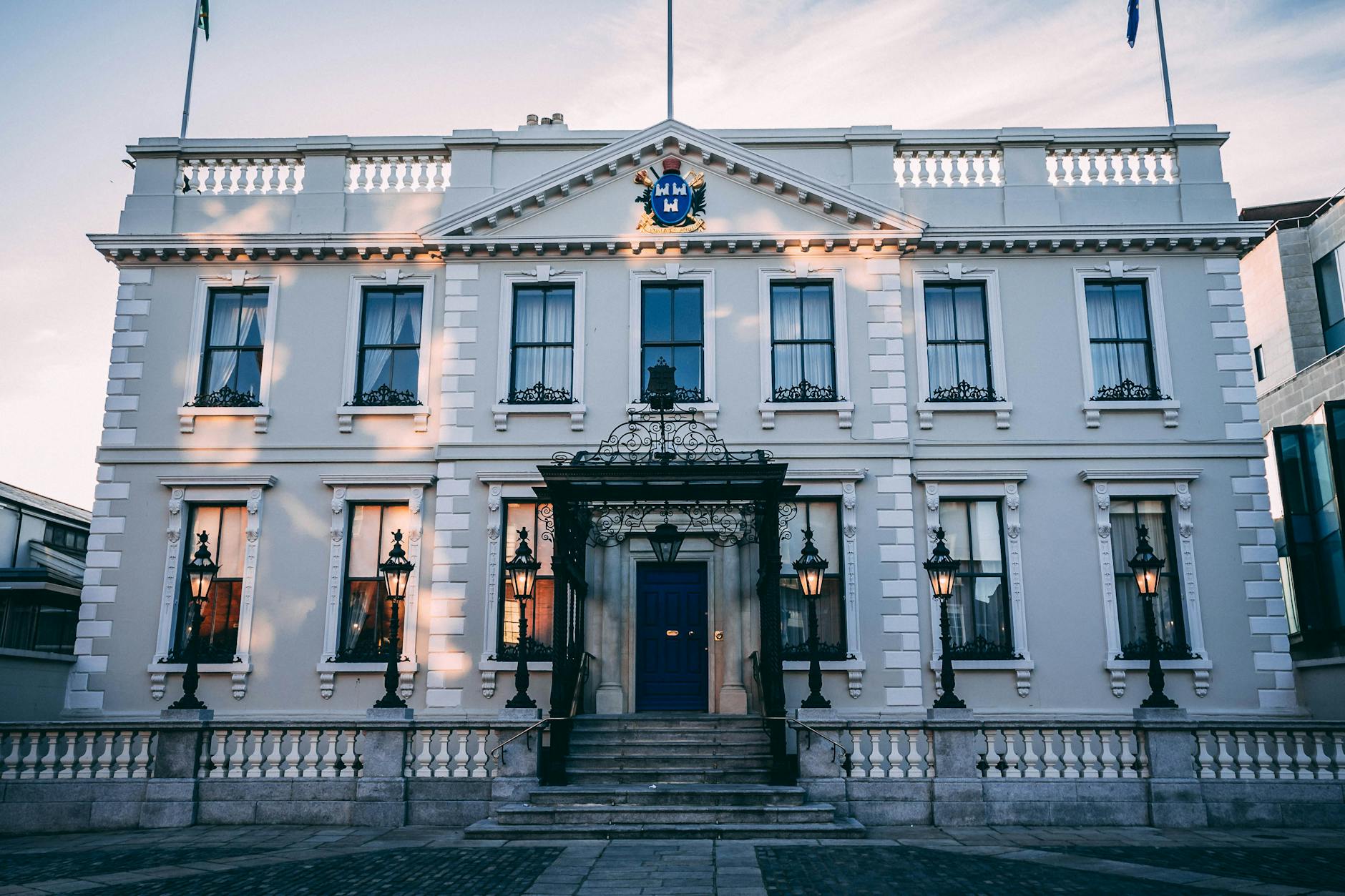
The modern state took shape in the early 20th century. The first Dáil met at Mansion House, Dublin, on 21 January 1919. The Anglo-Irish Treaty, signed 6 December 1921 and negotiated by a delegation that included Michael Collins and Arthur Griffith, produced the Irish Free State — 26 counties with dominion status. Éamon de Valera rewrote the constitutional relationship with Britain through the 1937 constitution, renaming the state Ireland. The Republic of Ireland Act in 1949 completed the break.
Who and what shaped it
People who shaped it
Landmark buildings
See Ireland in motion
Plan your visit
On the map
When to go
Ireland is mild and wet in all seasons; rain can arrive on any day of the year, but summers (June–August) bring the longest light and the most settled spells. Spring and early autumn offer fewer crowds and temperatures that are still workable for outdoor travel.
Right now
↡ Cities
No places match these filters.
Background & history adapted from Wikipedia (CC BY-SA) · specs from Wikidata (CC0) · weather from Open-Meteo · map data © OpenStreetMap contributors · photos from Wikimedia Commons / Unsplash with per-image credit. No third-party reviews or social posts reproduced.