Country

Iceland

Iceland
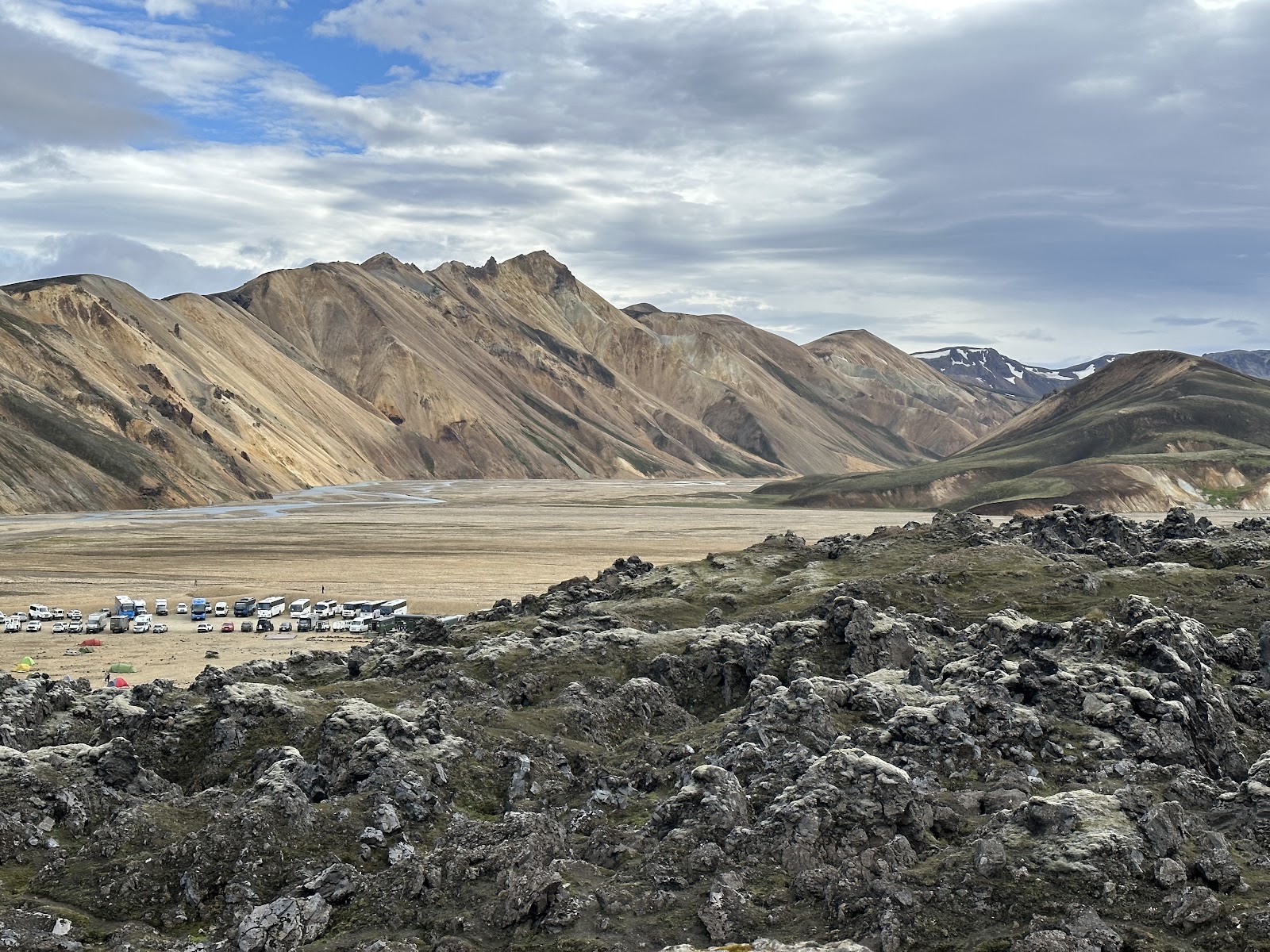
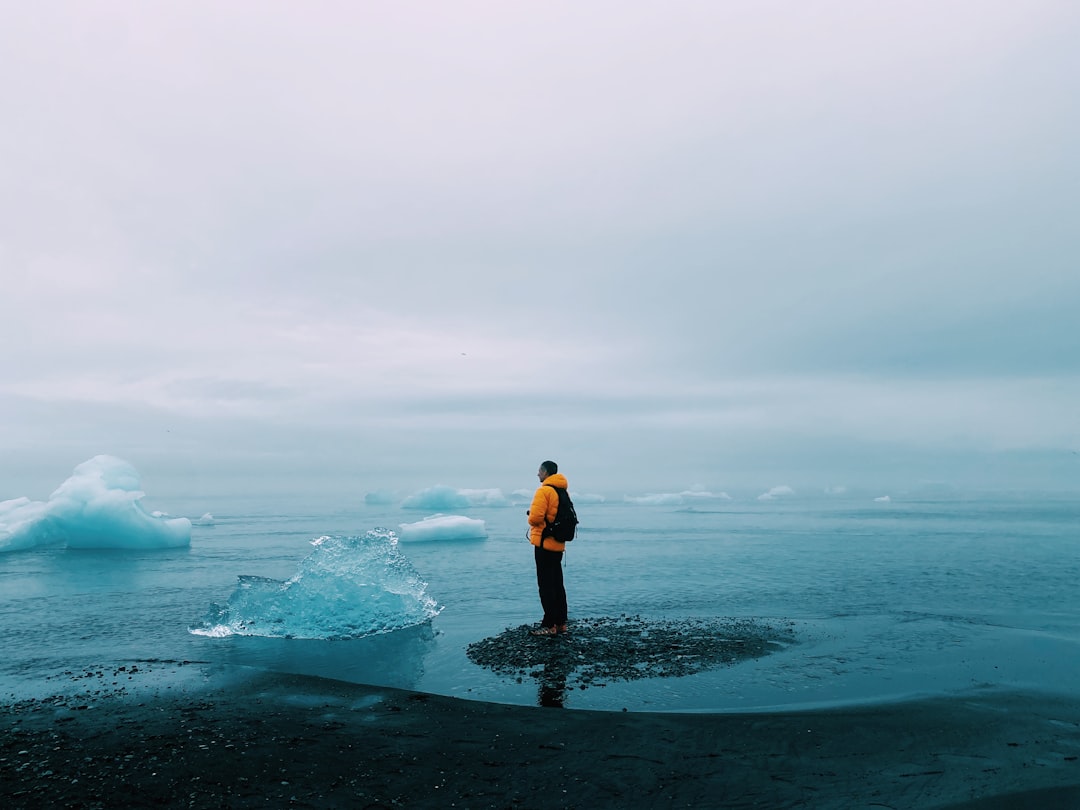
Photo by Jon Tyson on Unsplash
Iceland
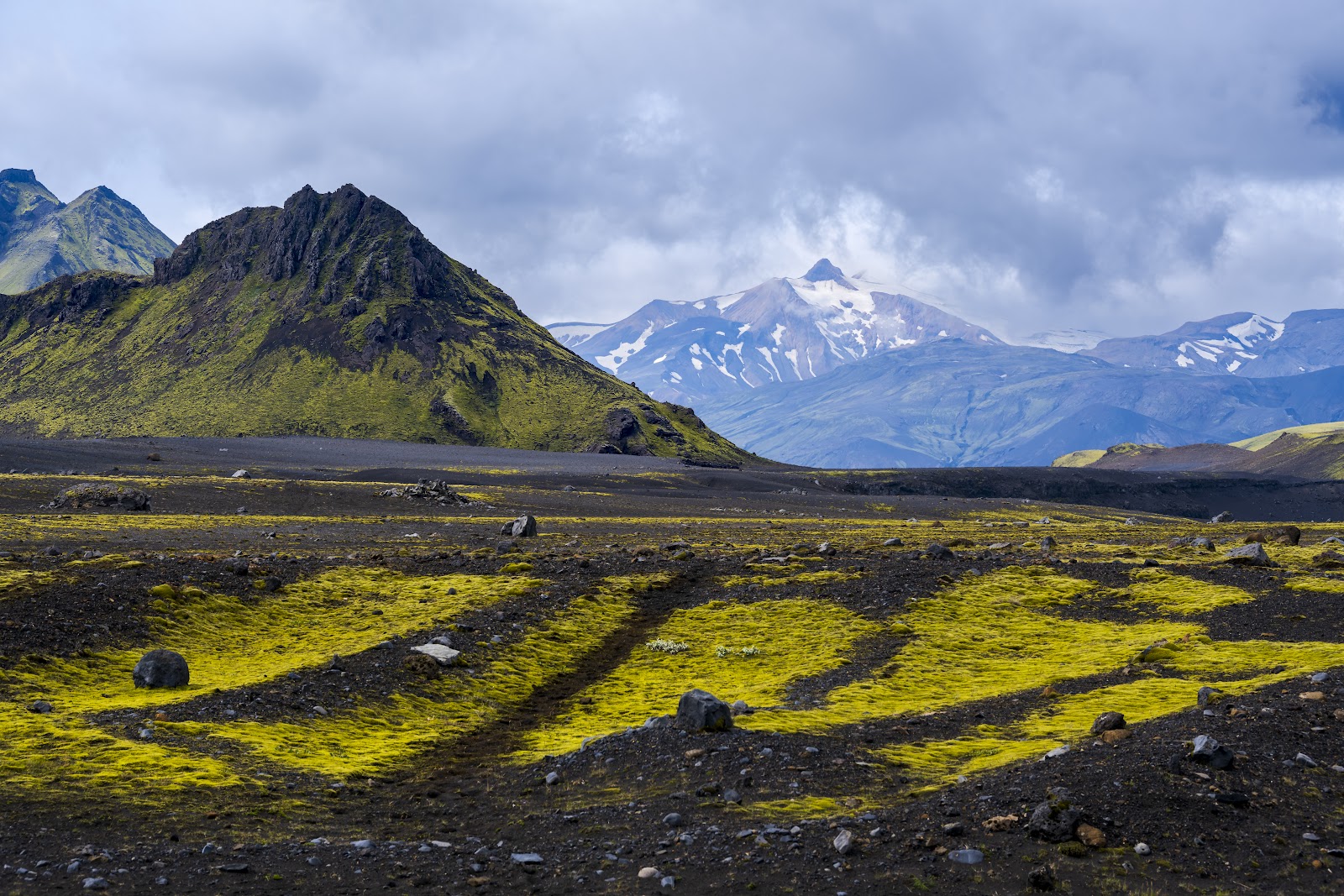
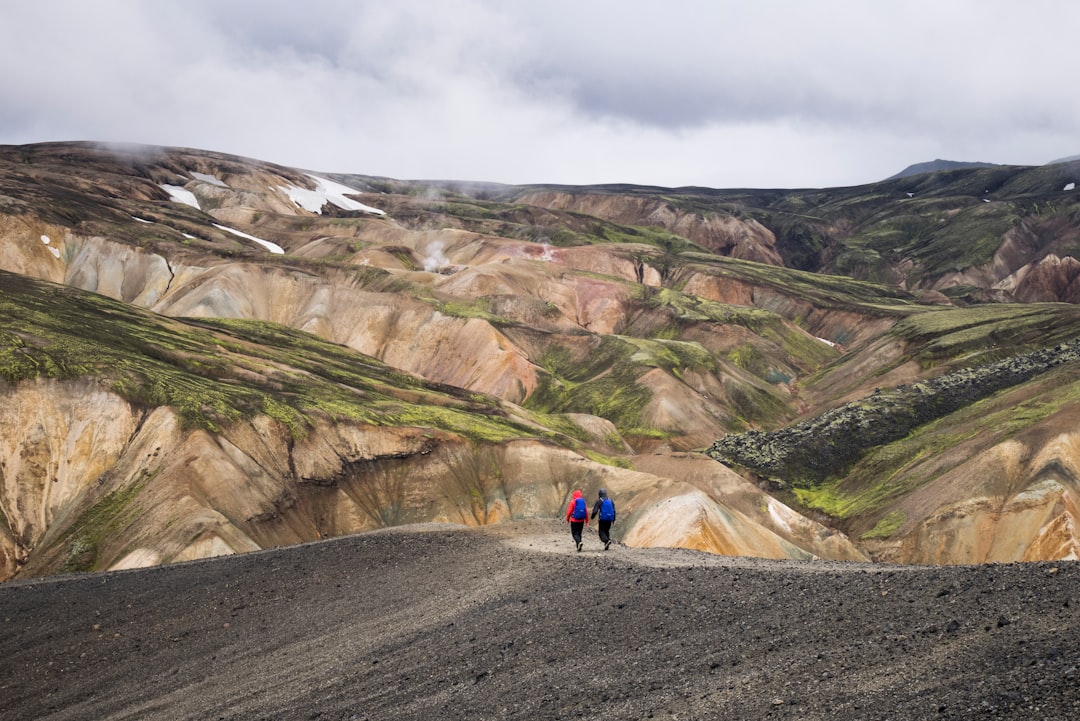
Photo by Davide Cantelli on Unsplash
Iceland
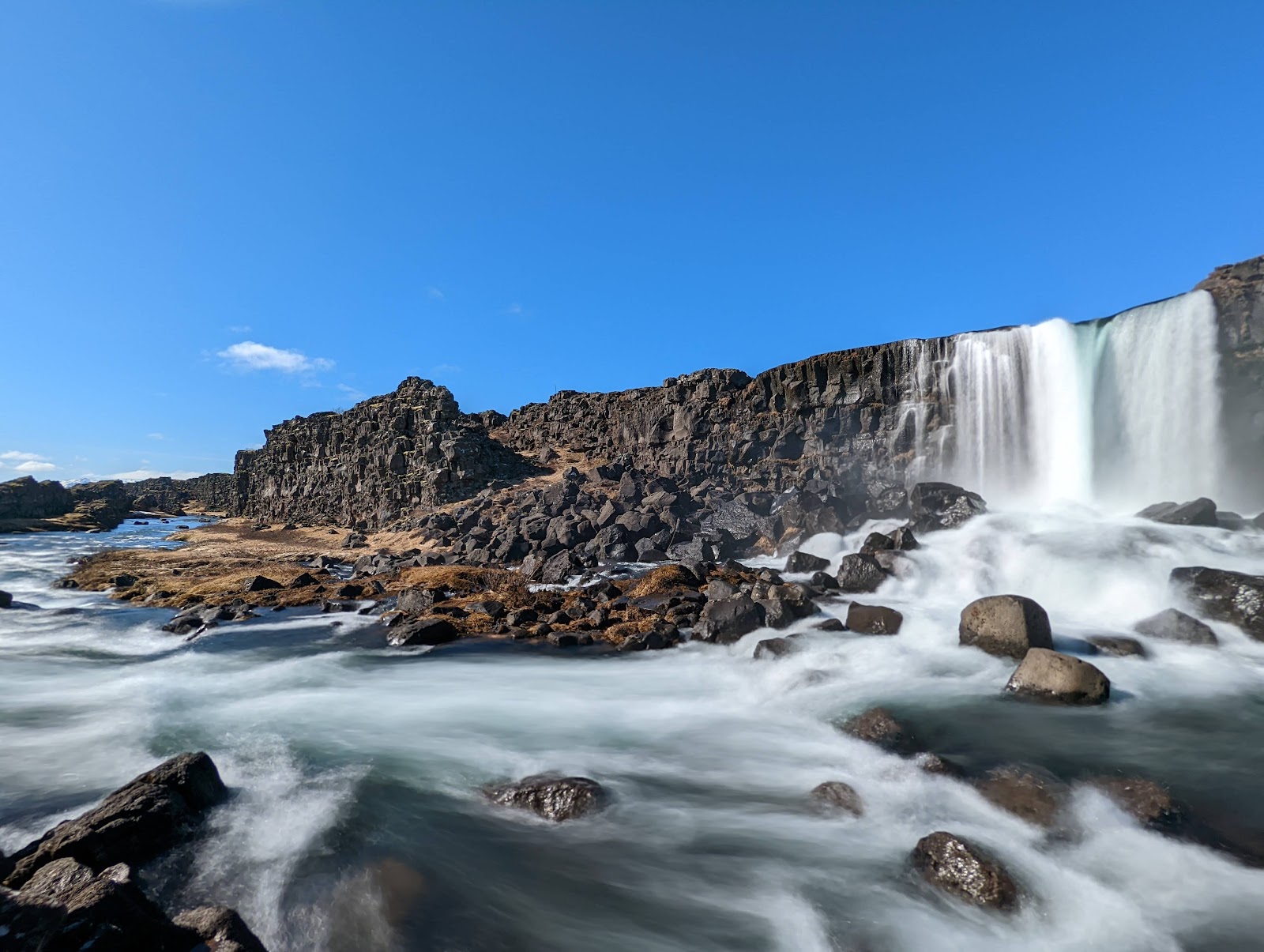
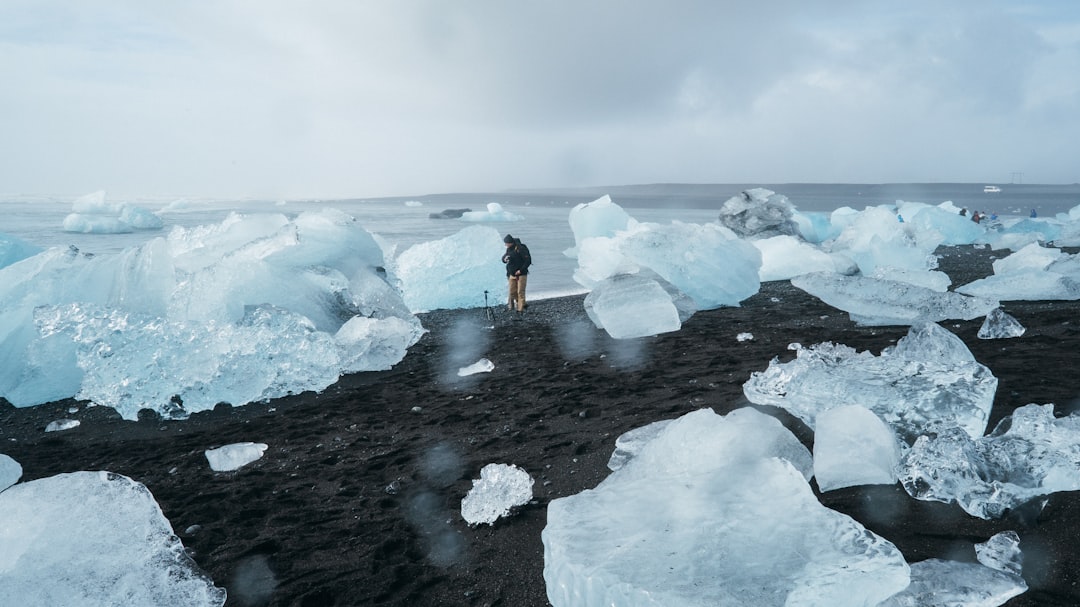
Photo by Valdemaras D. on Unsplash
Iceland
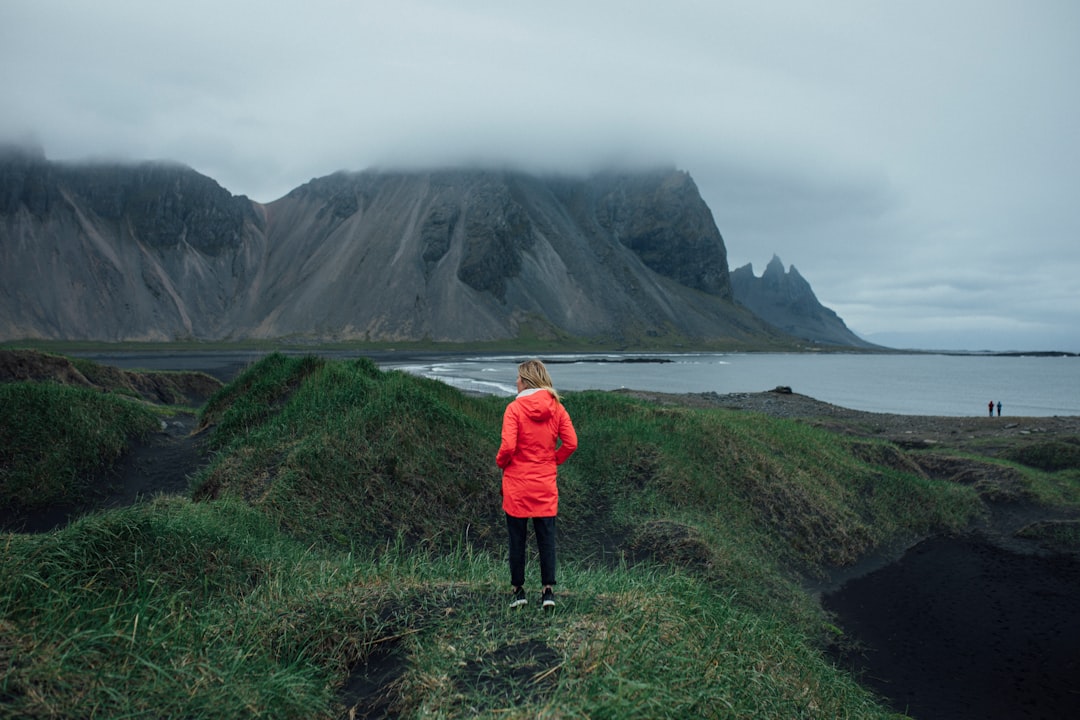
Photo by Lisha Riabinina on Unsplash
Iceland
Photo by Alice Donovan Rouse on Unsplash
Iceland
Photo by Eric Er on Unsplash
Nature & outdoors Hiking & mountains Adventure & active

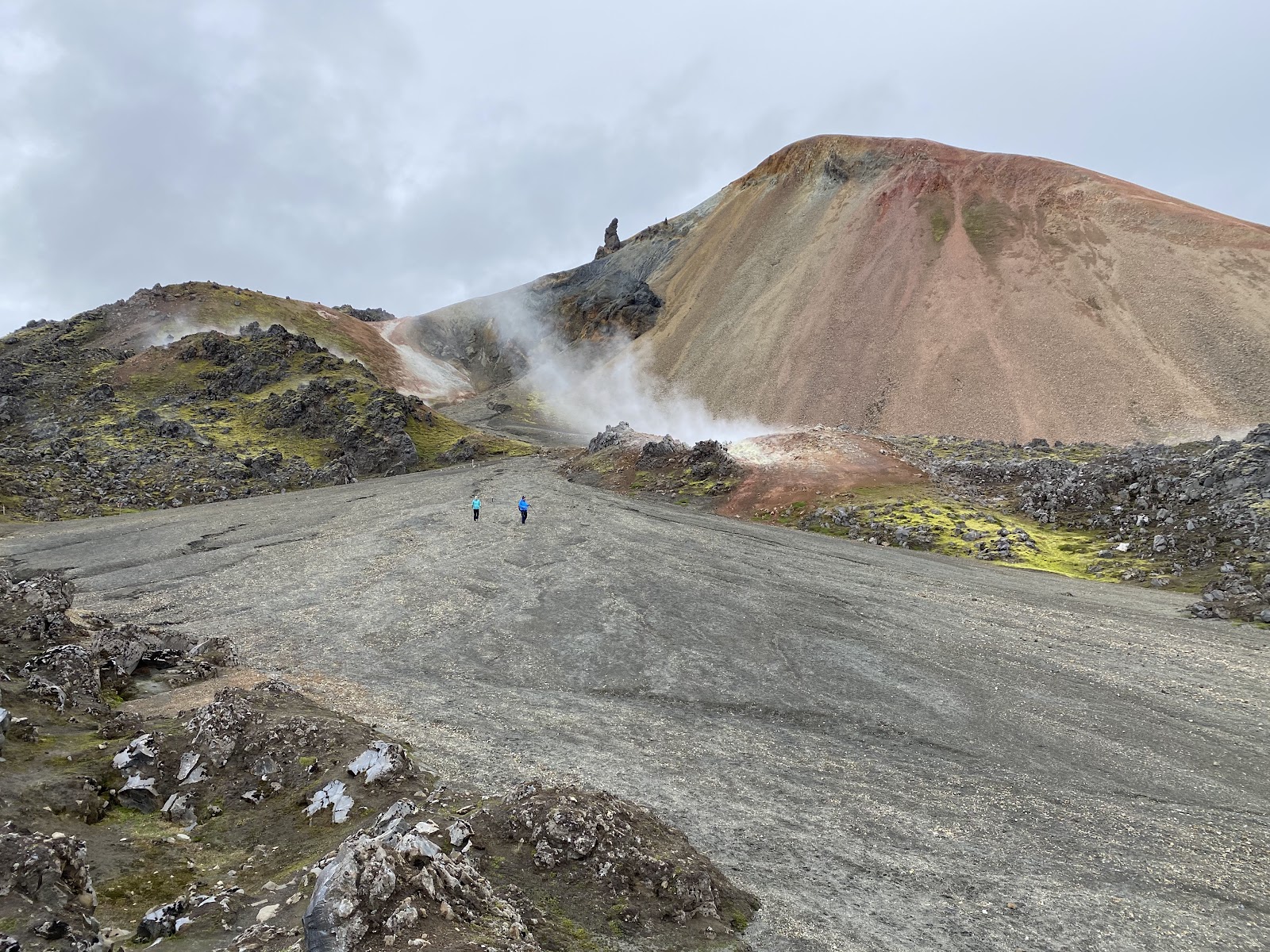
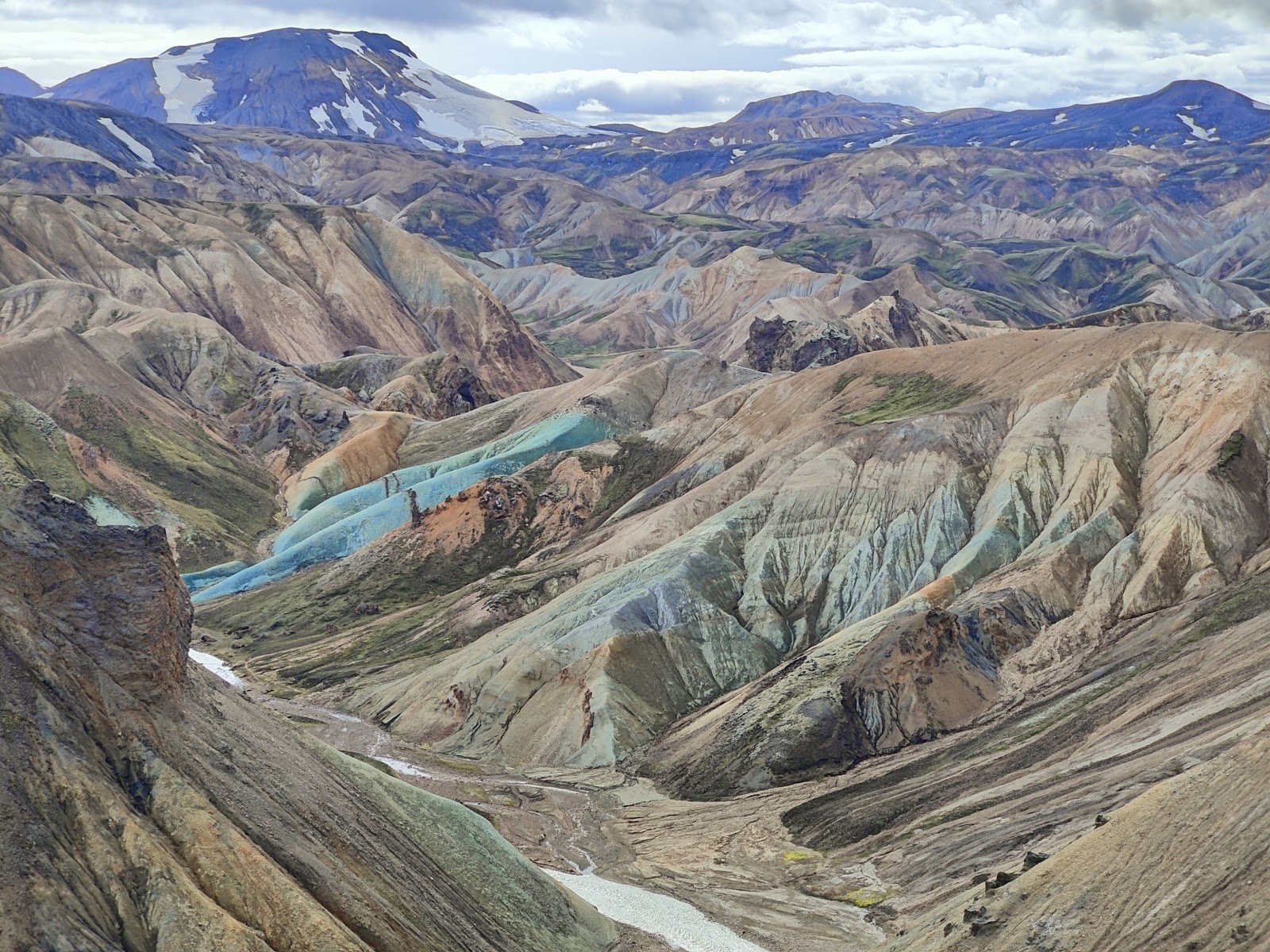
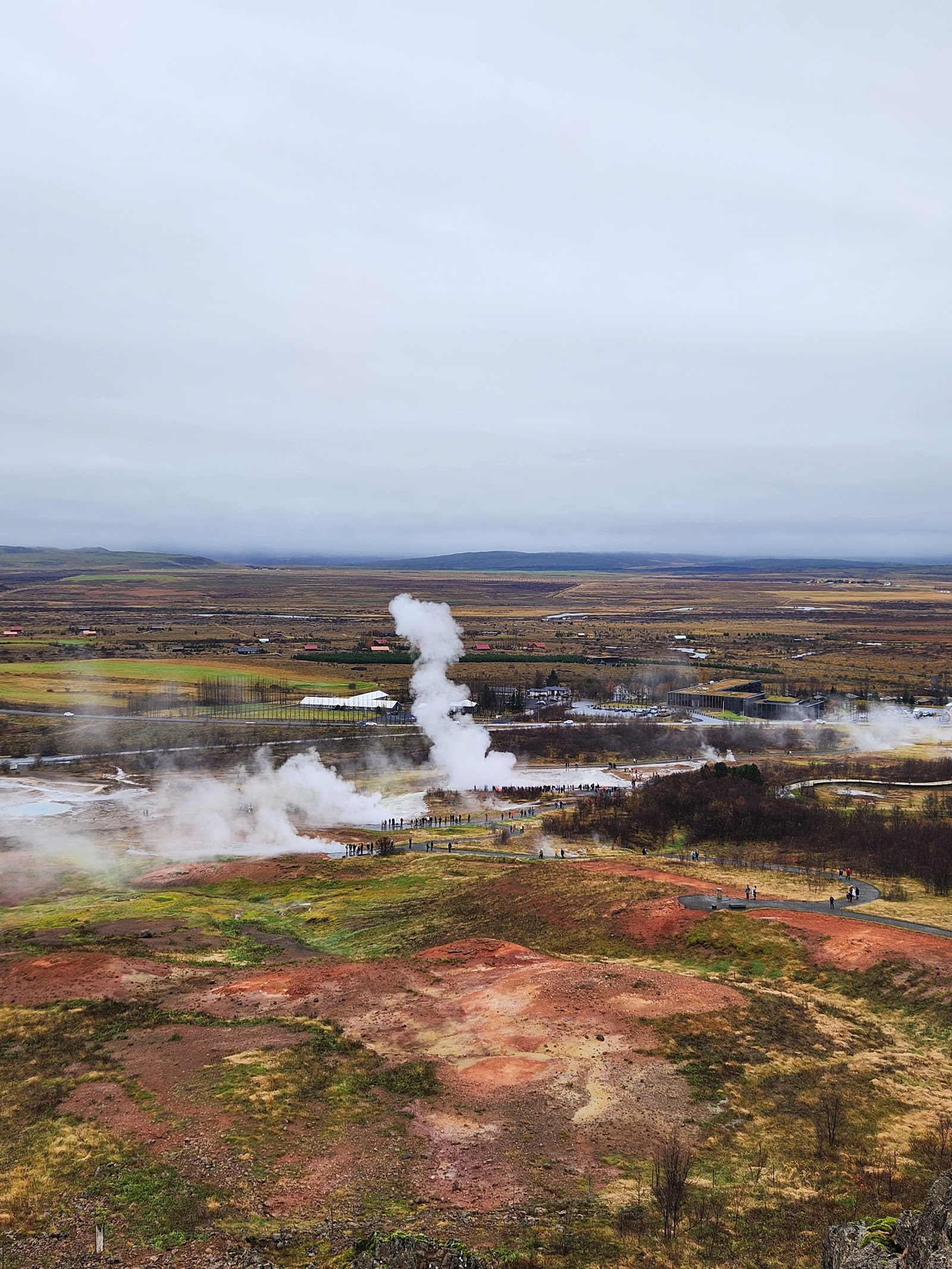
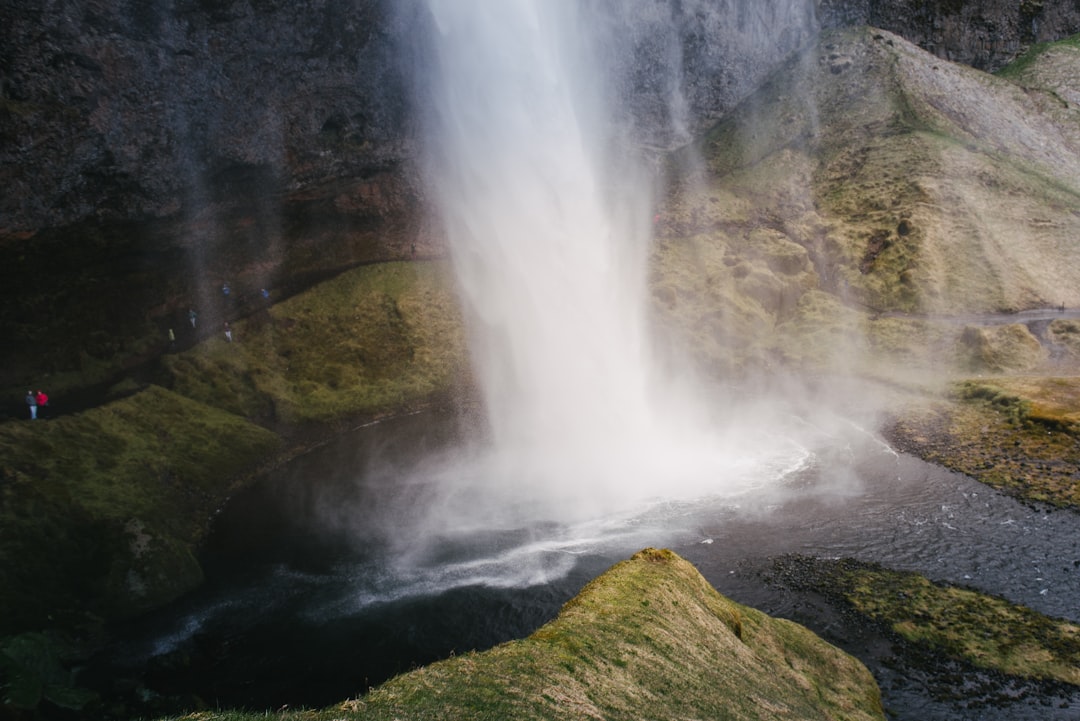
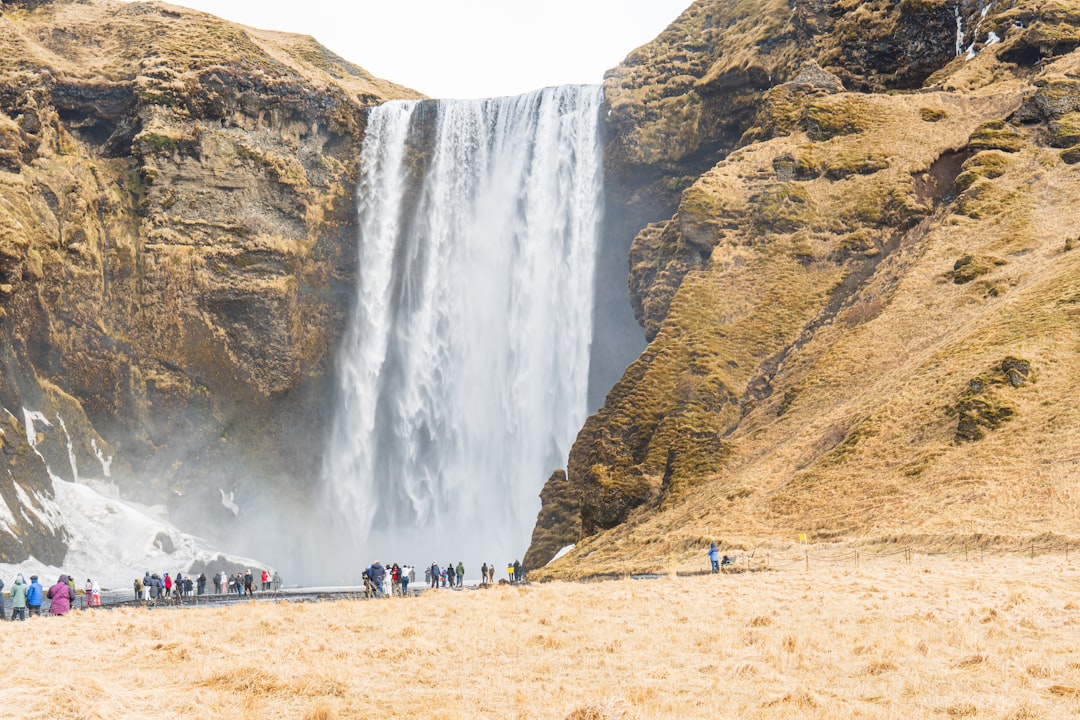
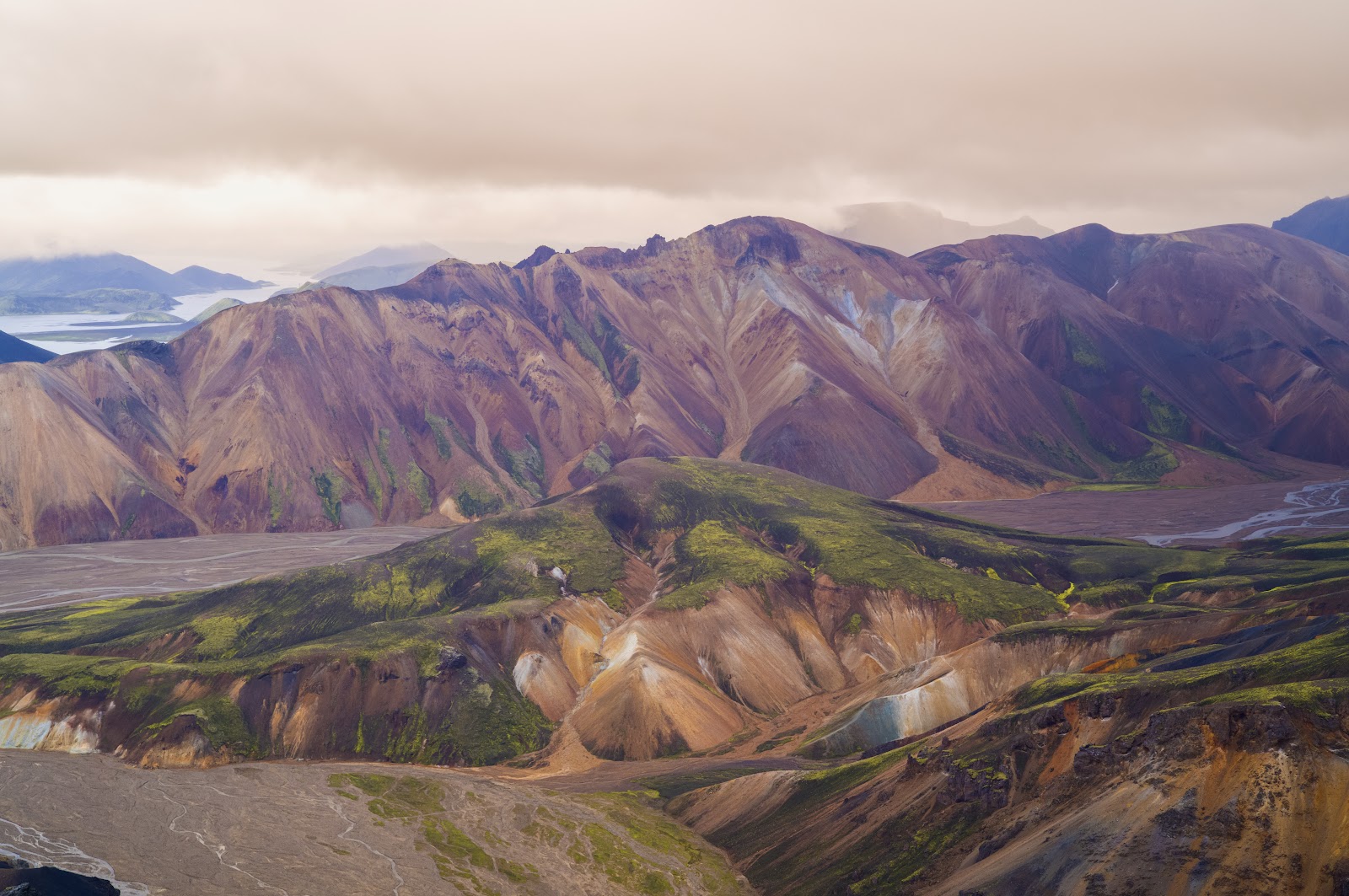
Iceland sits on the Mid-Atlantic Ridge, where two tectonic plates are slowly pulling apart, and the landscape makes no effort to hide it. Lava fields stretch to the horizon, geysers clock themselves like machinery, and in Reykjavík the steam rising from the earth gave the capital its name — Smoke Cove — when Ingólfur Arnarson arrived in 874 AD.

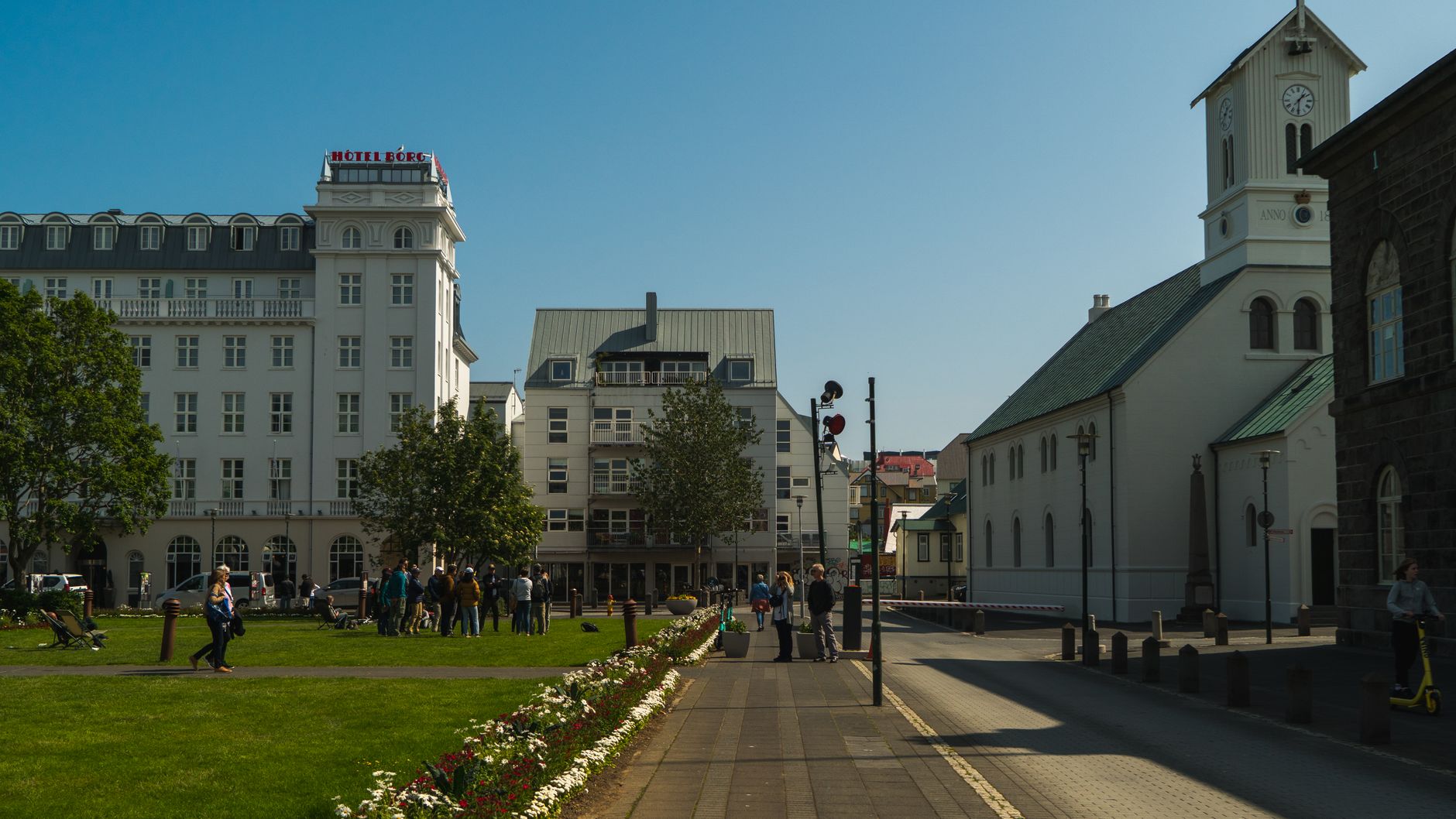
The country is small enough to feel knowable and strange enough to keep surprising you. Reykjavík holds roughly two-thirds of the population, but the interior is largely uninhabited highland. You can be in the city in the morning and standing in silence on a lava plain by afternoon.
Good to know
Keflavík International Airport is the main entry point, about 45 minutes from Reykjavík by Flybus or private transfer — ride-hailing apps don't operate here. Within the capital, the Straeto bus network covers 29 routes. Renting a car unlocks the rest of the country considerably.

Deals in Iceland

Book directly at the provider
The story

How Iceland came to be

The first permanent Norse settlers arrived around 874 AD, during a period of land-claiming that lasted until 930. By that year, the island's ruling chieftains had established the Alþingi at Þingvellir — one of the world's earliest parliamentary assemblies, convening each summer to amend laws, settle disputes and appoint juries. Þingvellir is now a UNESCO World Heritage Site.

Iceland passed through Norwegian and Danish rule over the following centuries before declaring independence on June 17, 1944, when the Republic of Iceland was proclaimed.

People & landmarks

Who and what shaped it

People who shaped it

Ingólfur Arnarson
First permanent Norse settler around 874 AD, traditionally considered founder of Reykjavik.
Guðjón Samúelsson
Architect who designed Hallgrímskirkja, Iceland's tallest church completed in 1986.
Ólafur Elíasson
Designer of Harpa concert hall and conference center, completed in 2011.
Ragnar Kjartansson
Sculptor who created the Bárður Snæfellsás statue in 1985 on the Snaefellsnes peninsula.

Landmark buildings

Hallgrímskirkja
74.5-meter Lutheran church in central Reykjavik, completed 1986; Iceland's tallest church.
Harpa
Concert hall and conference center on Reykjavik's old harbor, designed by Ólafur Elíasson, completed 2011.
Perlan
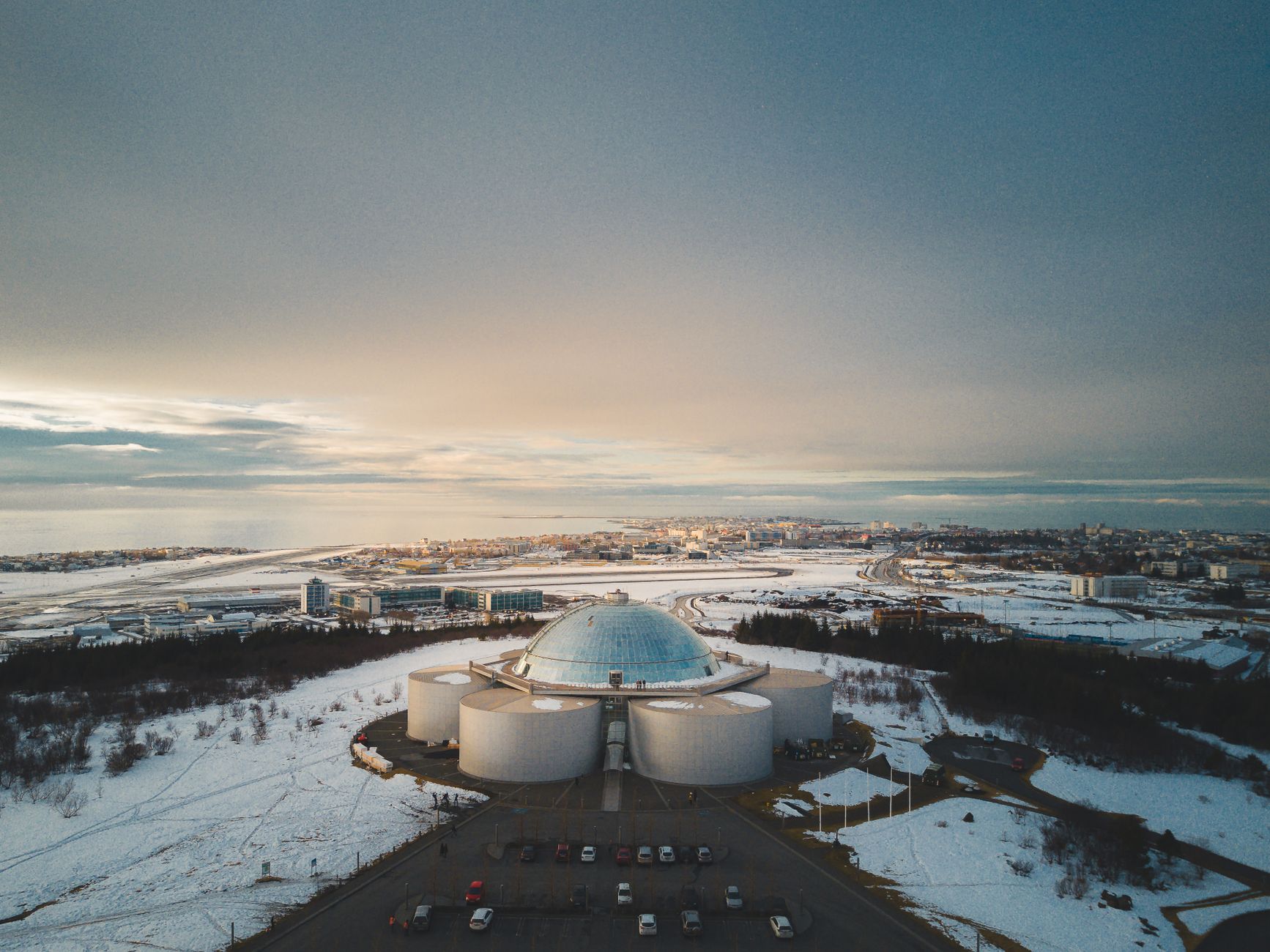
Distinctive glass dome building housing museum, planetarium, viewing deck, and restaurant; originally hot water tanks.
Þingvellir (Thingvellir)
UNESCO World Heritage Site where Alþingi parliament was established in 930; chieftains convened annually to amend laws and settle disputes.
Höfði House
Built 1909 in Reykjavik; hosted 1986 summit between Ronald Reagan and Michael Gorbachev.
Seydisfjardarkirkja
Soft-blue wooden church in Seydisfjordur, East Iceland; early 20th-century design.
Smáratorg Tower
Iceland's tallest building at 78 meters with 20 floors in Kópavogur, completed 2008.
Bárður Snæfellsás statue
6-meter stone figure of mythical guardian in Arnarstapi village, Snaefellsnes peninsula, created 1985.
Arctic Henge
Large stone monument in Raufarhofn, northernmost mainland village; construction began 1996, main arches and central column complete.
Watch

See Iceland in motion

Practical

Plan your visit

On the map

When to go

Summers (June–August) bring long daylight hours and temperatures around 10–15°C — cool by most standards, but ideal for travel. Winters are dark, wet and windy, though they offer the best conditions for seeing the northern lights; snow is common but temperatures rarely drop as low as continental Europe.

Right now

14°C
Partly cloudy
Fri
🌧️
15°
Sat
🌧️
15°
Sun
15°
Mon
🌧️
11°
Weather data: Open-Meteo
Theme

↡ Cities

No places match these filters.


Background & history adapted from Wikipedia (CC BY-SA) · specs from Wikidata (CC0) · weather from Open-Meteo · map data © OpenStreetMap contributors · photos from Wikimedia Commons / Unsplash with per-image credit. No third-party reviews or social posts reproduced.

Top