
Laos
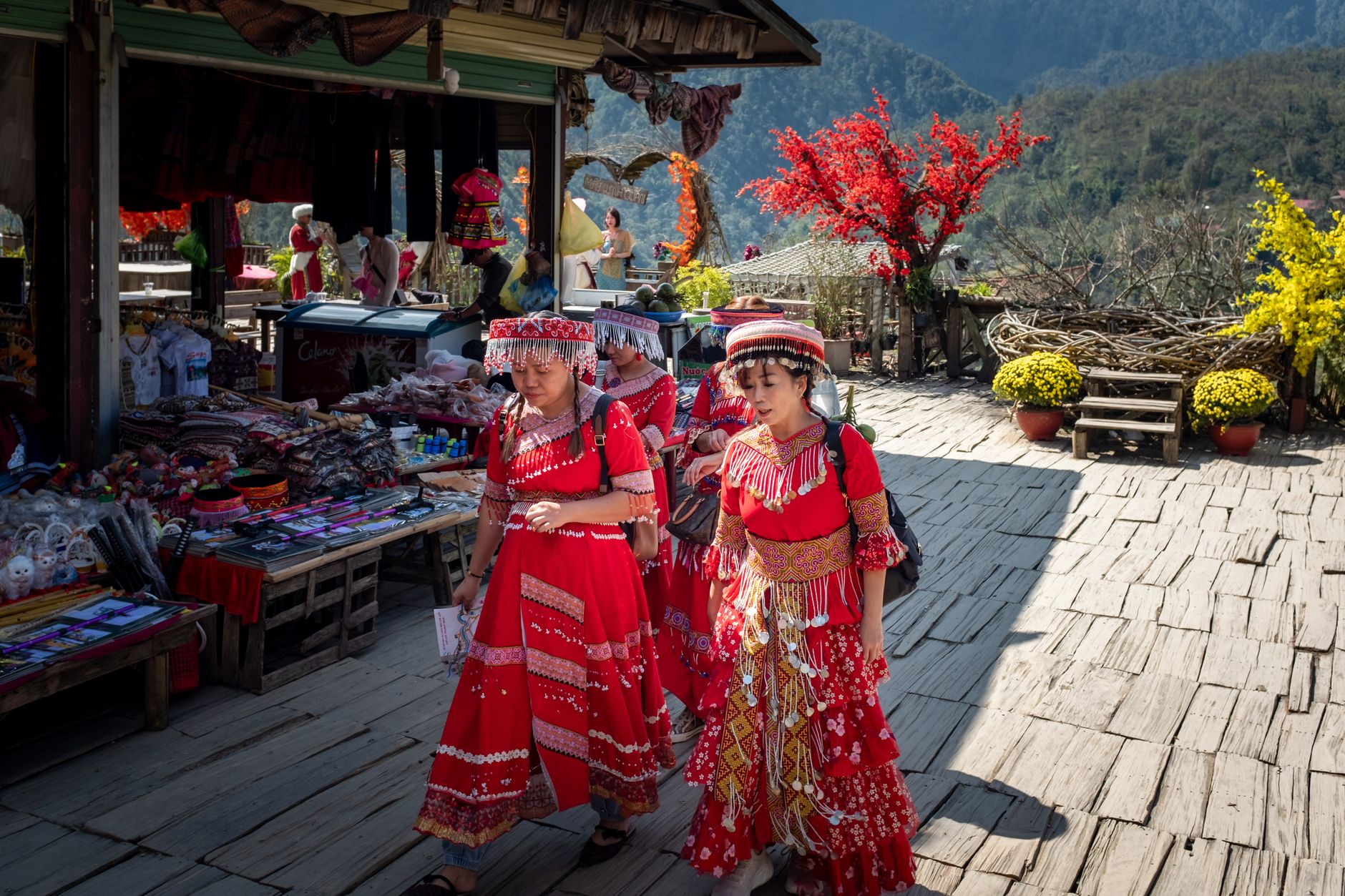
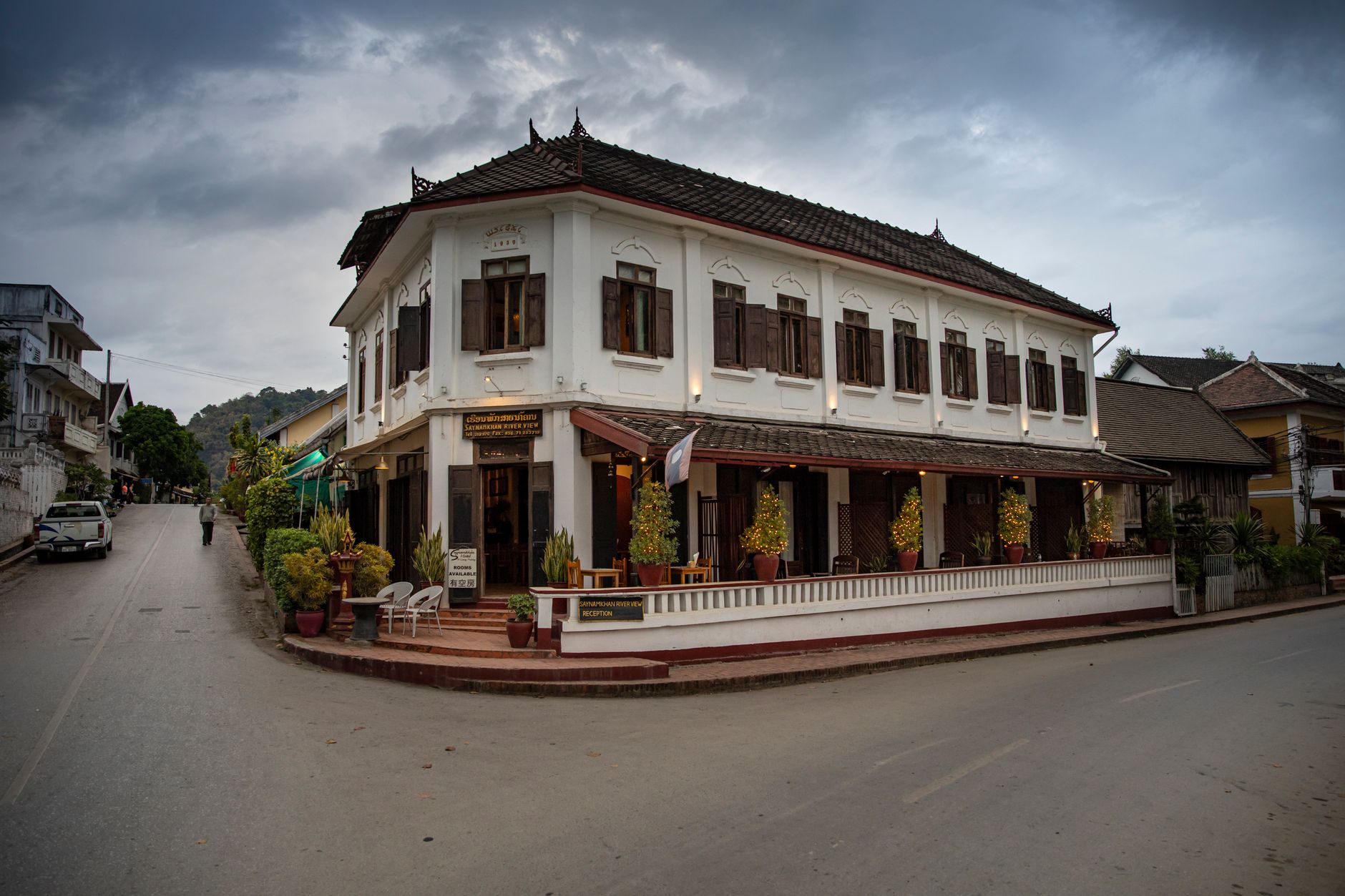
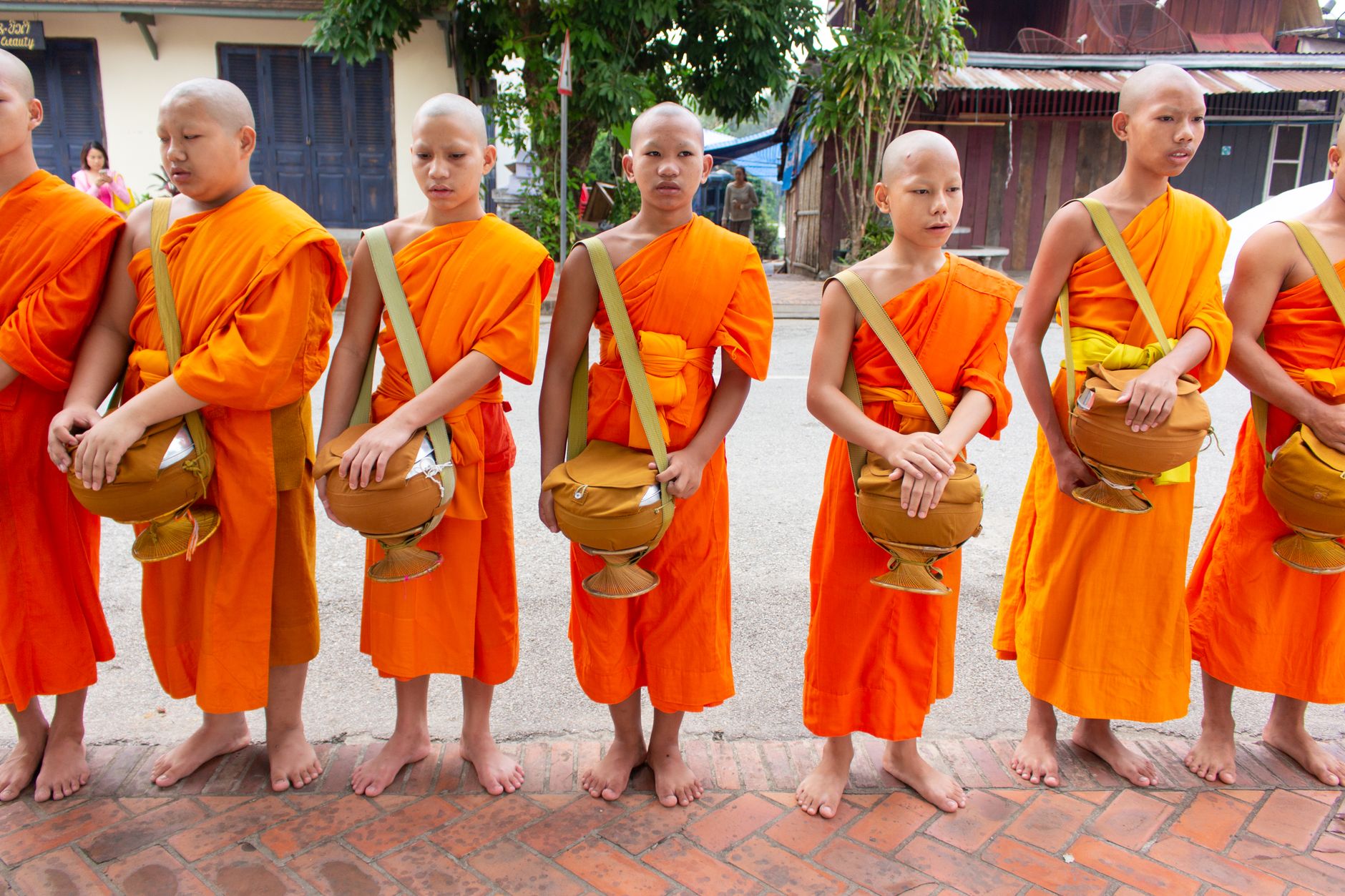
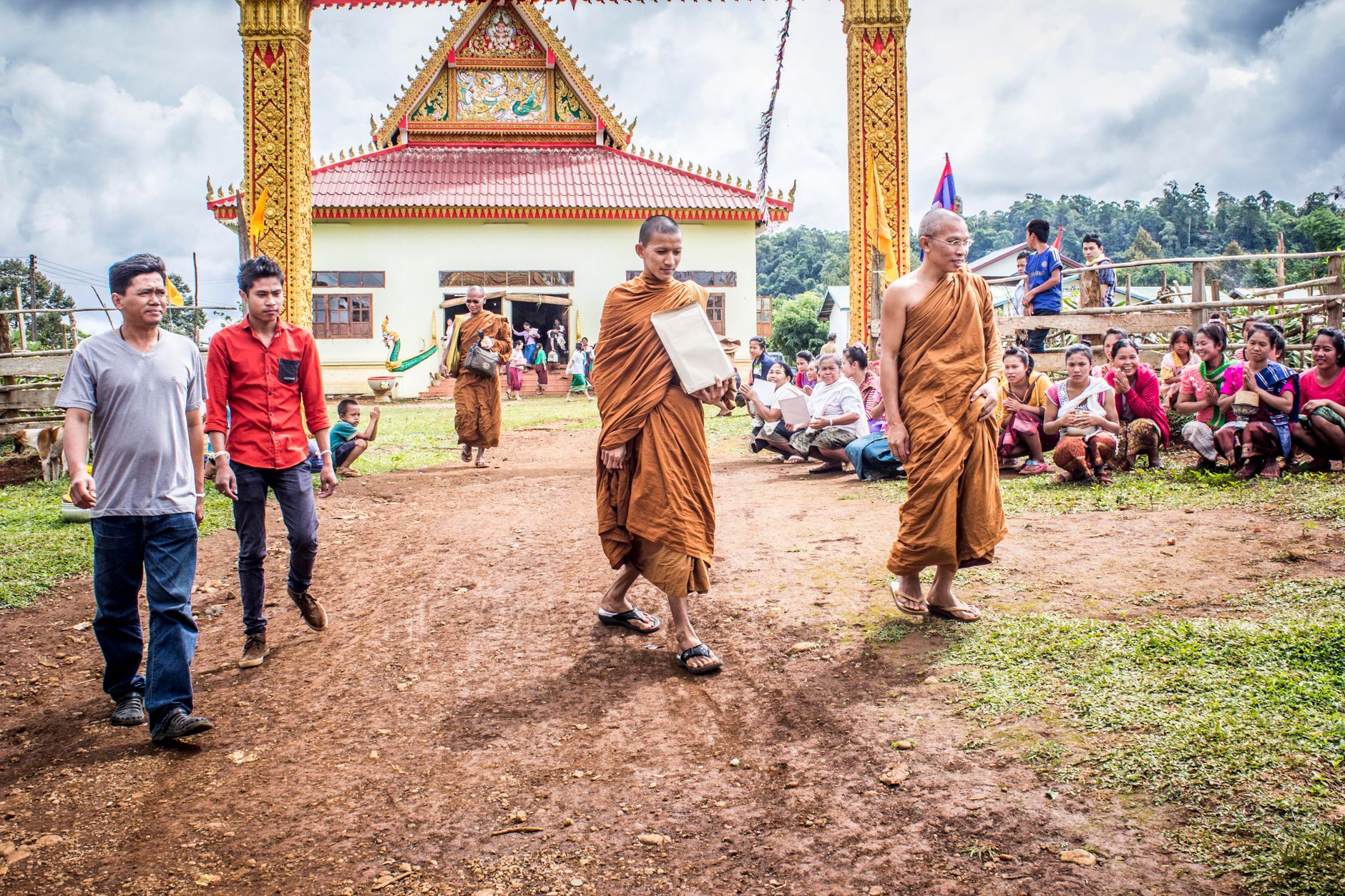
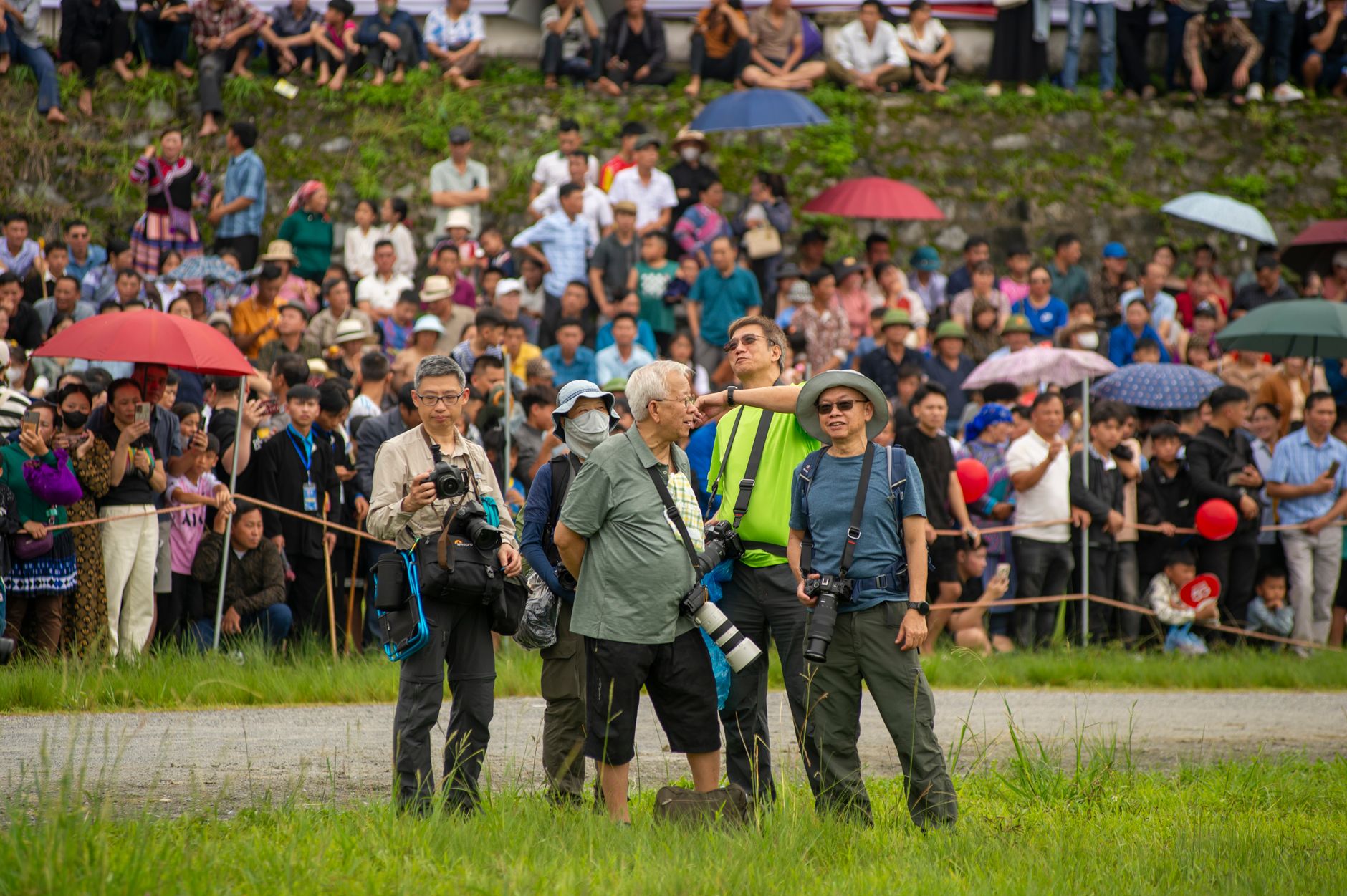
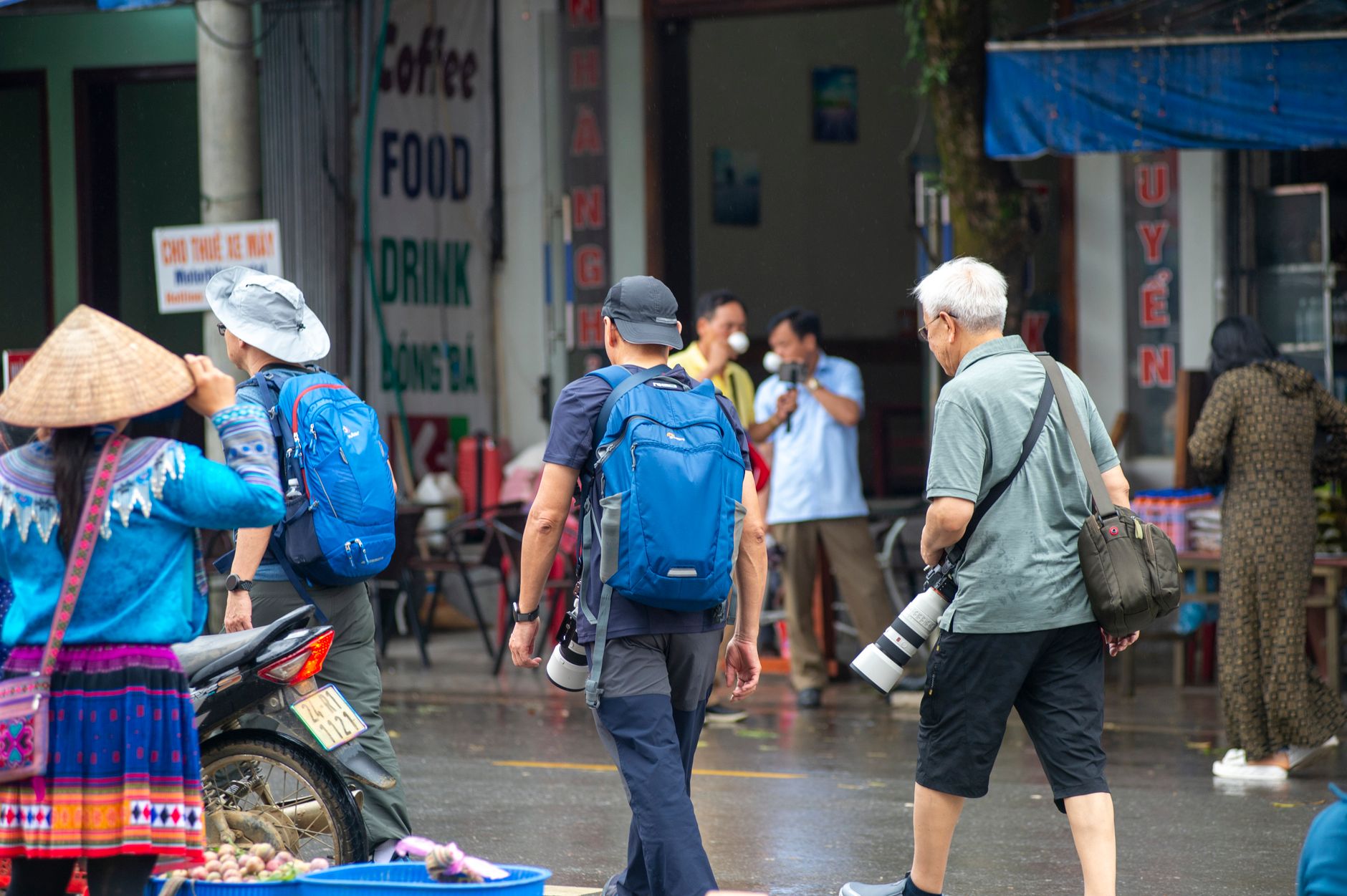
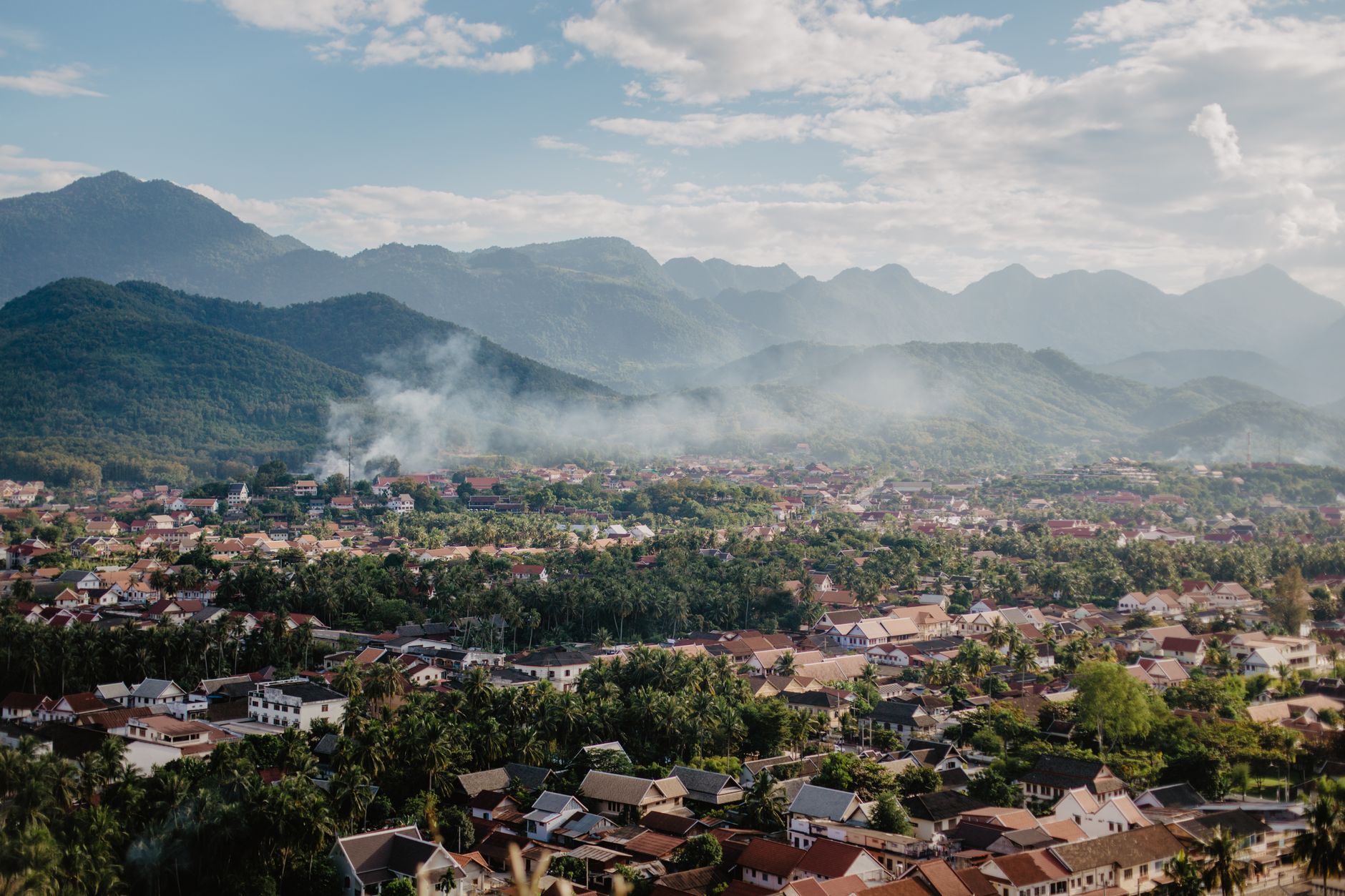
Laos is the only landlocked country in Southeast Asia, and that geographical fact shapes almost everything about it — the pace, the quiet, the sense that the world arrives here on its own terms. The Mekong runs along much of its western border, and life in the lowland towns still organises itself around the river in ways that feel genuinely unhurried.
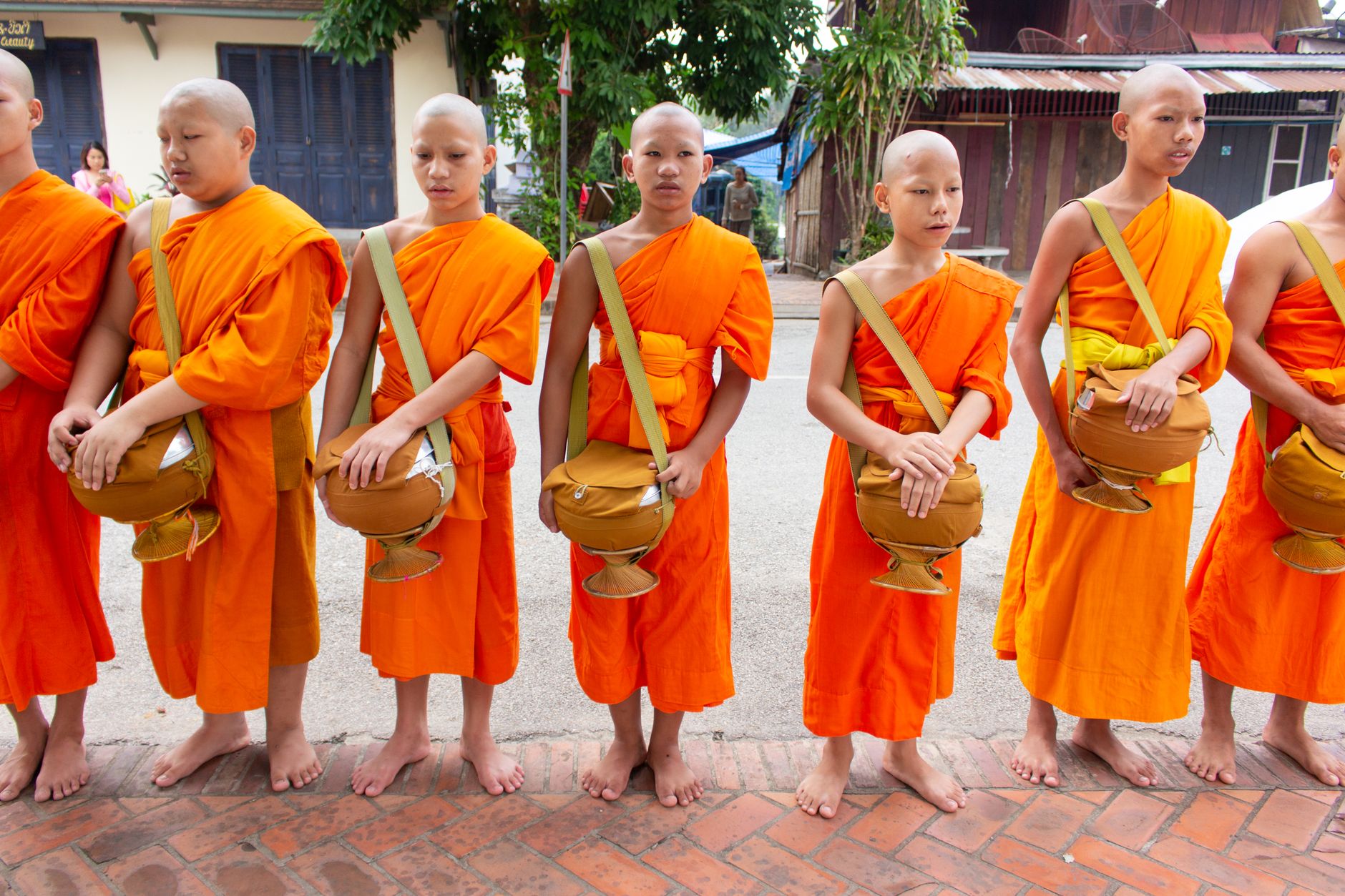
From the gilded stupas of Vientiane to the temple-dense old town of Luang Prabang and the ancient Khmer stones of Vat Phou in the south, the country holds an unusual density of sacred architecture across a relatively small population. The China-Laos high-speed railway, open since 2021, has quietly changed how you can move through it — Vientiane to Luang Prabang now takes 52 minutes by train.
Experiences you don't want to miss


Deals in Laos
Book directly at the provider


How Laos came to be
The kingdom of Lan Xang — 'a million elephants' — was founded in 1354 by Fa Ngum, and for several centuries it ranked among the larger kingdoms of mainland Southeast Asia. It fractured in 1707 into three rival kingdoms centred on Luang Prabang, Vientiane and Champasak, leaving the region vulnerable. France absorbed Laos as a protectorate in 1893, and the country did not achieve full independence as a constitutional monarchy until 22 October 1953, under King Sisavang Vong.
The independence that followed was contested almost immediately. After the fall of Saigon in April 1975, the Pathet Lao — led by Prince Souphanouvong — moved to consolidate power. On 2 December 1975, the last king, Sisavang Vatthana, abdicated, and the Lao People's Democratic Republic was proclaimed, the political structure that governs the country today.
Who and what shaped it
People who shaped it
Landmark buildings
See Laos in motion
Plan your visit
On the map
When to go
Laos has two distinct seasons: a dry season roughly November to April, when skies are clear and temperatures are manageable, and a monsoon season from May to October that brings heavy rain, lush landscapes and occasional flooding in low-lying areas. November through February is the coolest and most comfortable period for travel.
Right now
Background & history adapted from Wikipedia (CC BY-SA) · specs from Wikidata (CC0) · weather from Open-Meteo · map data © OpenStreetMap contributors · photos from Wikimedia Commons / Unsplash with per-image credit. No third-party reviews or social posts reproduced.