
Palau
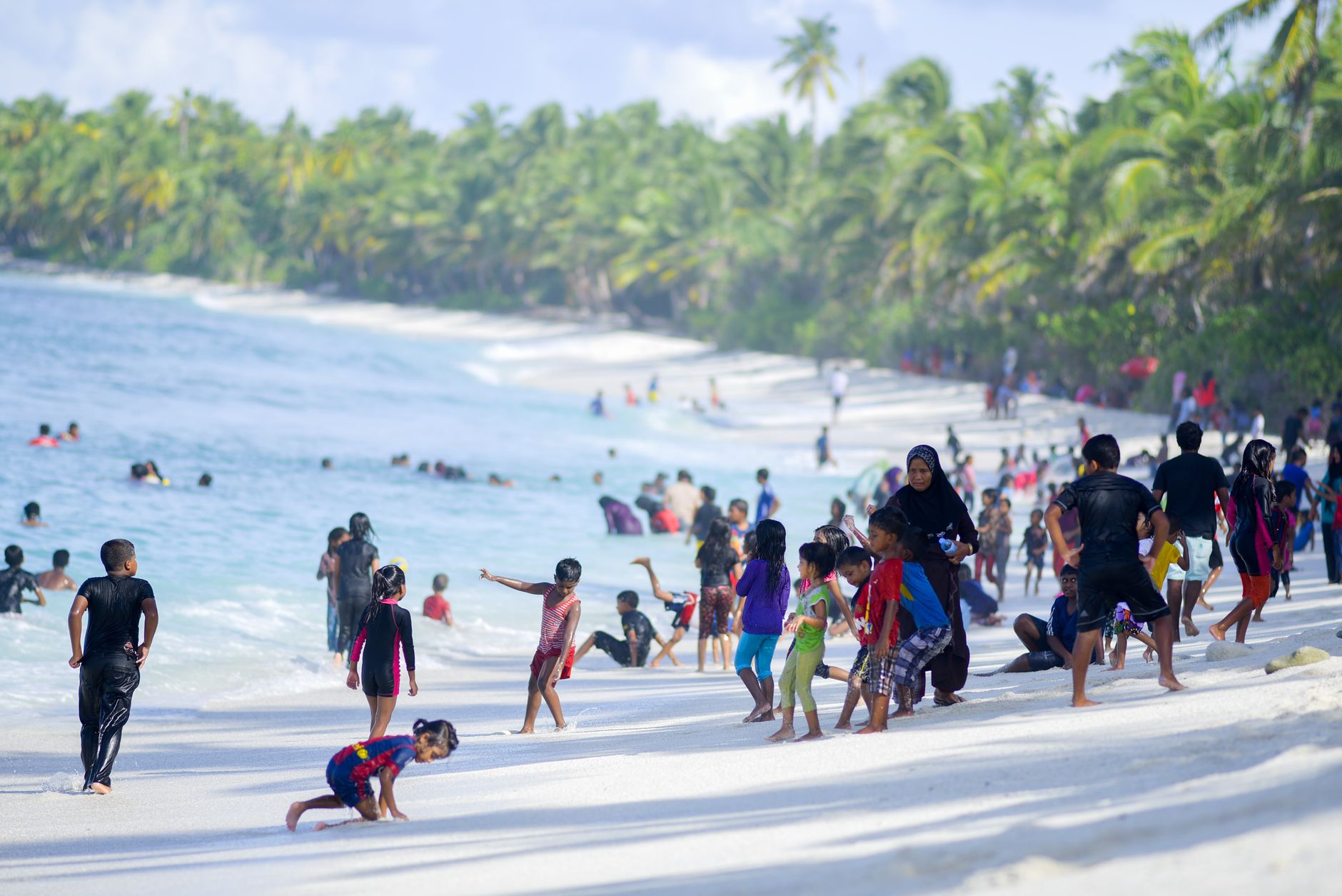
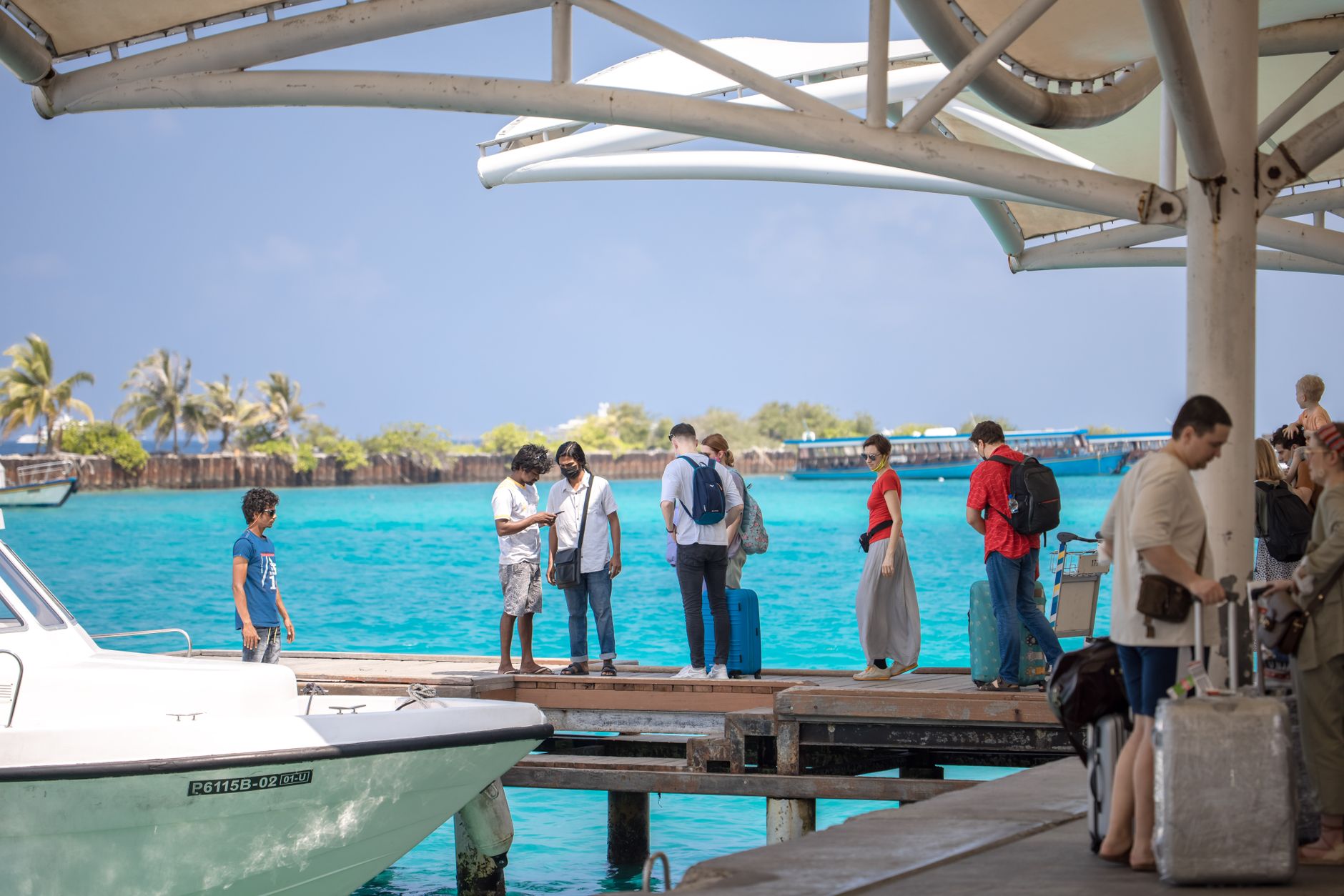

Before you land at Roman Tmetuchl International Airport, the view from the plane already tells you something: 445 limestone islands rising from a turquoise lagoon, each one capped with jungle, each one ringed with reef. Palau sits in the western Pacific, and it has built its identity around that water — the Rock Islands Southern Lagoon is a UNESCO World Heritage Site, and Jellyfish Lake on Eil Malk Island lets you swim among golden jellyfish that have lost their sting through millennia of isolation.
On land, the country is quieter and more layered than the dive brochures suggest. The national capital, Melekeok, holds a capitol complex designed to echo the form of a traditional bai — a men's meeting house — and the oldest surviving bai in the country still stands in Airai village, built around 1890 without a single nail.
Popular regions in Palau
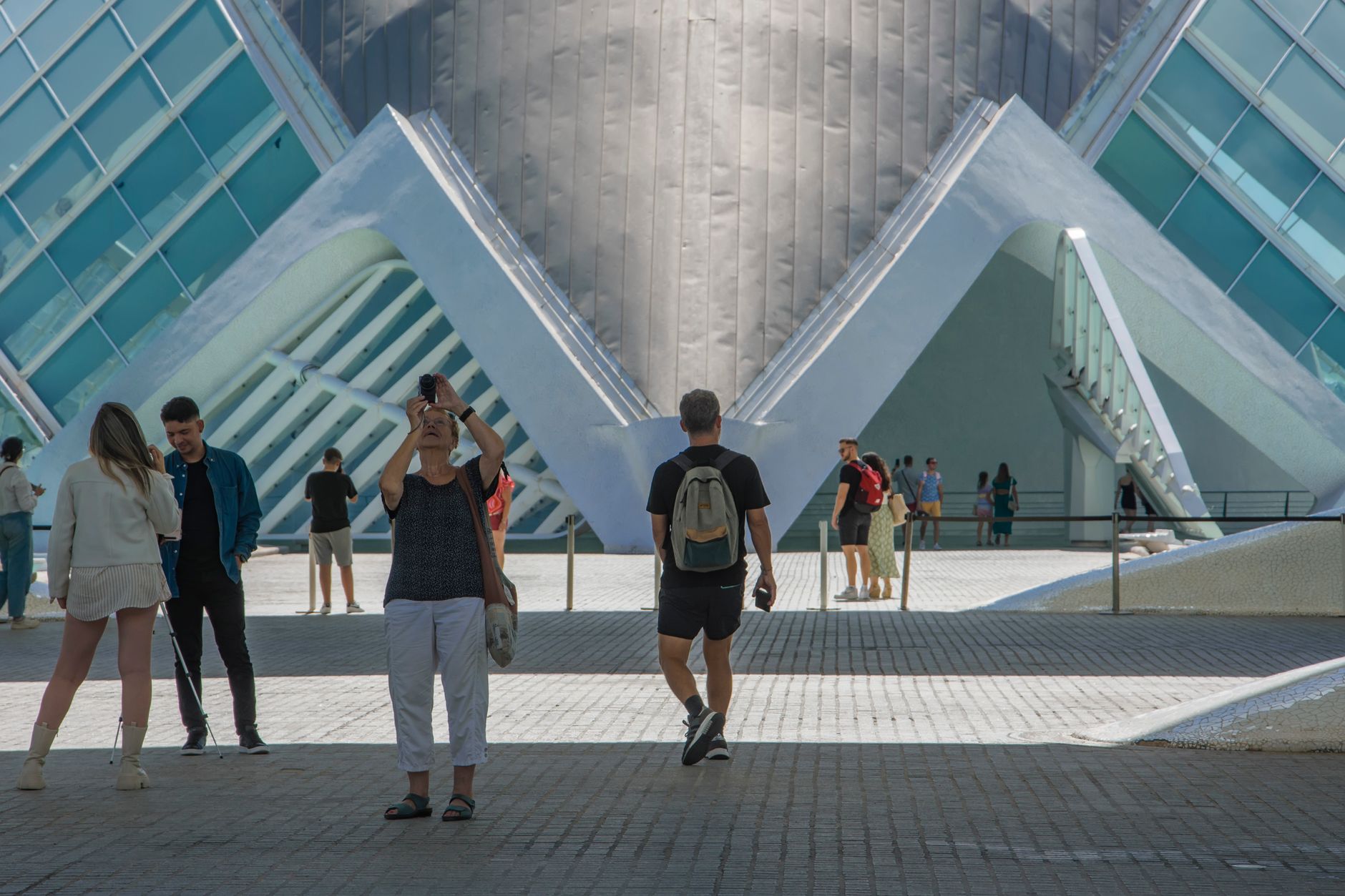
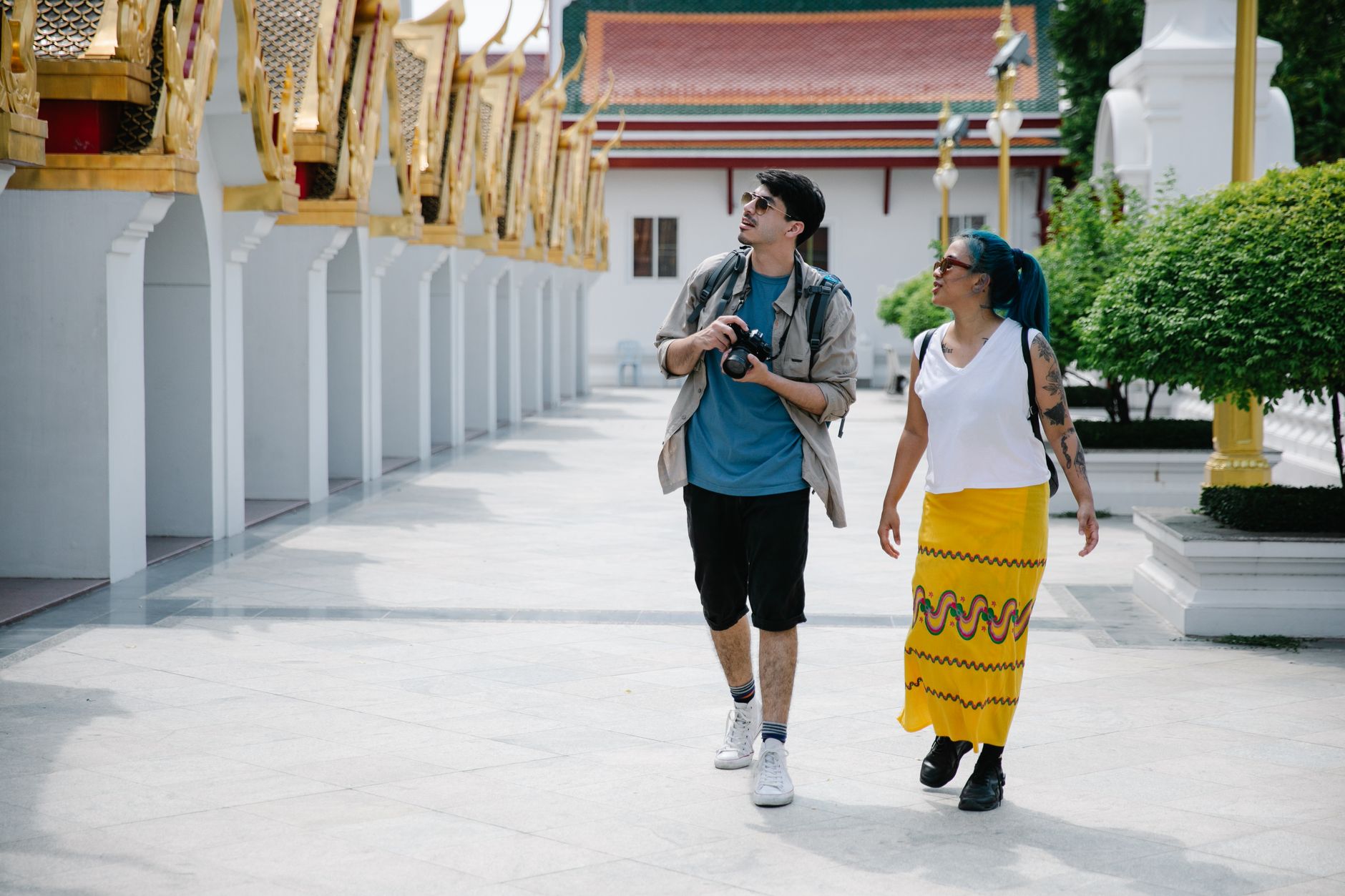
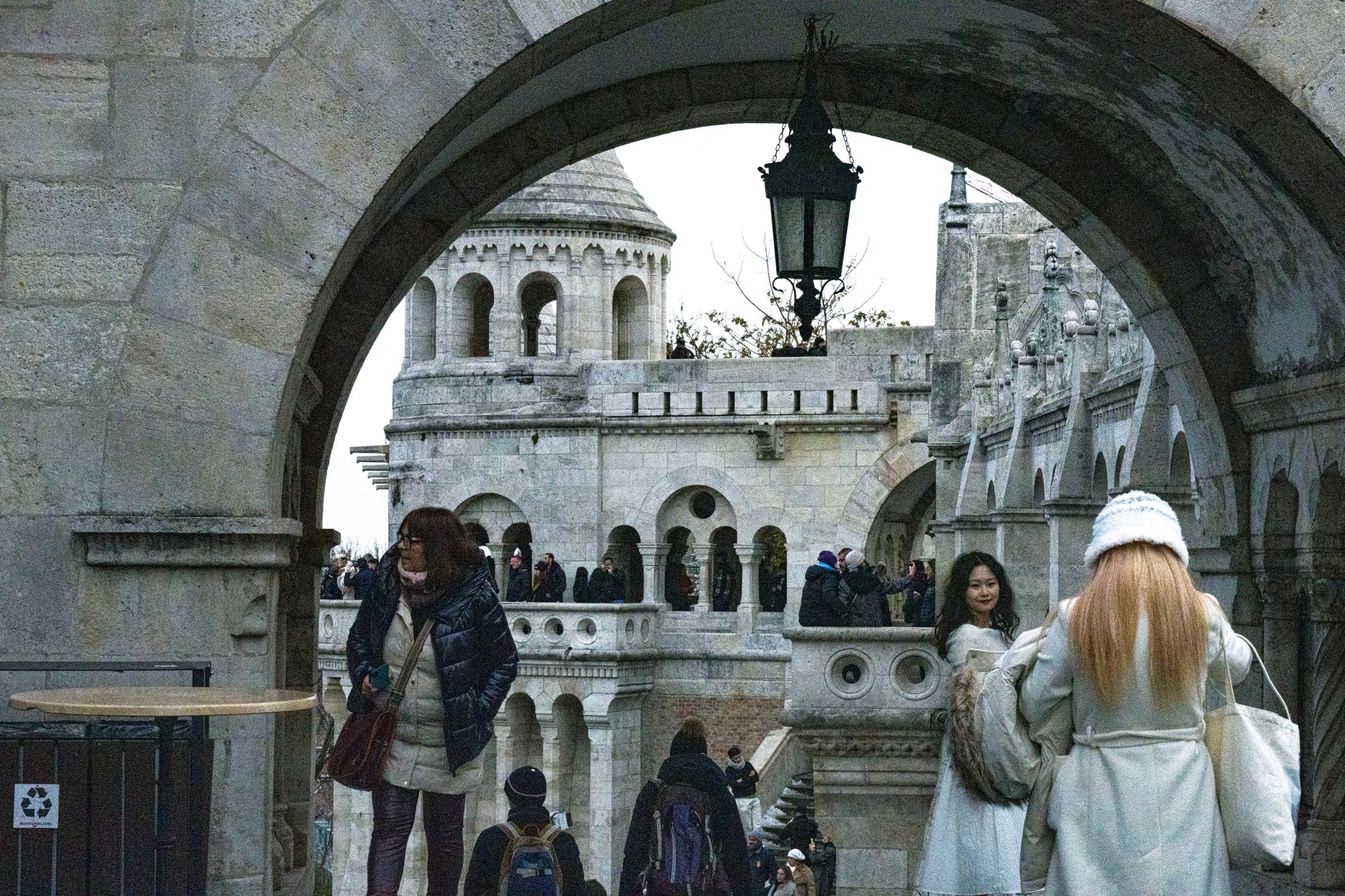
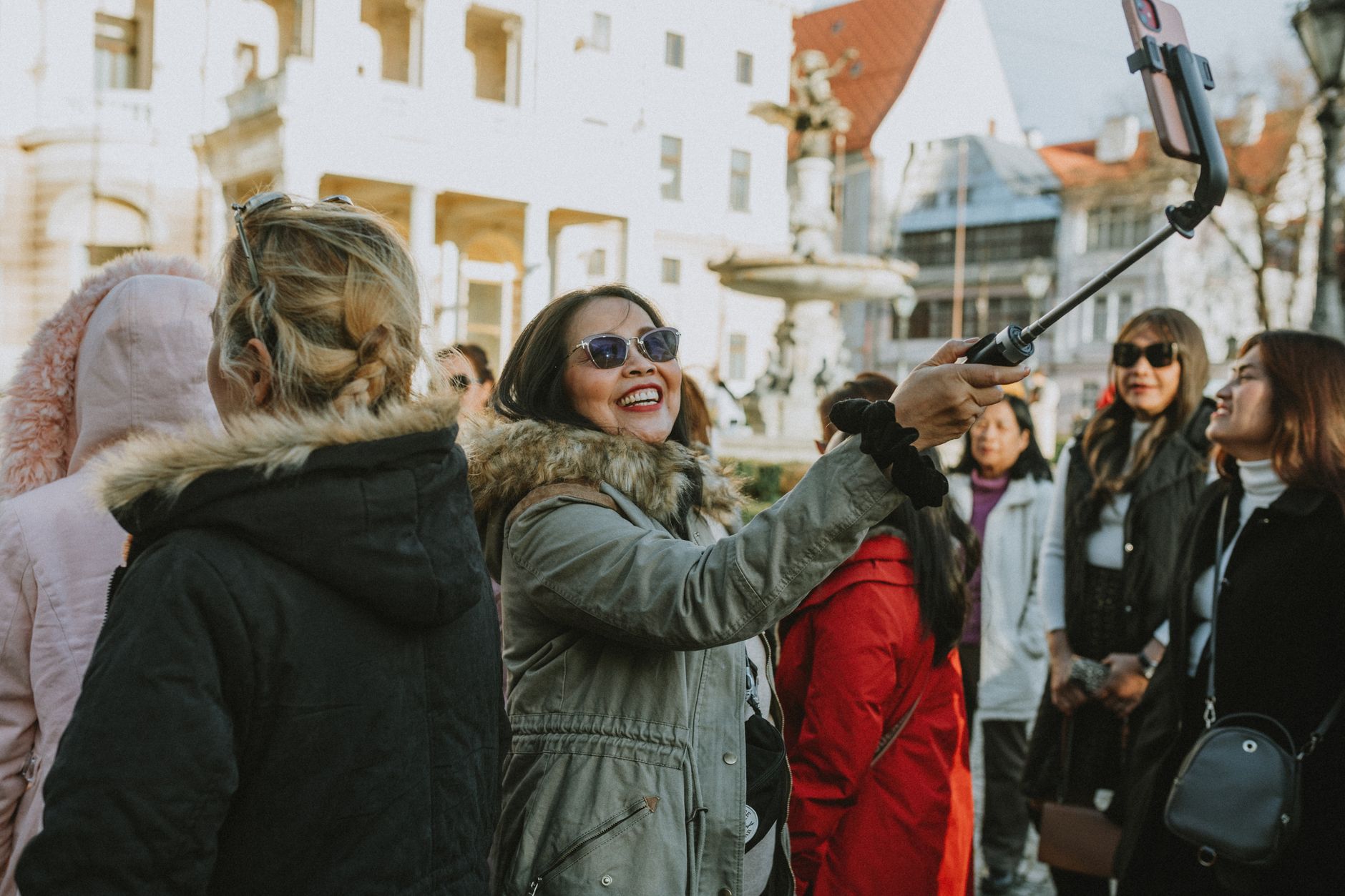
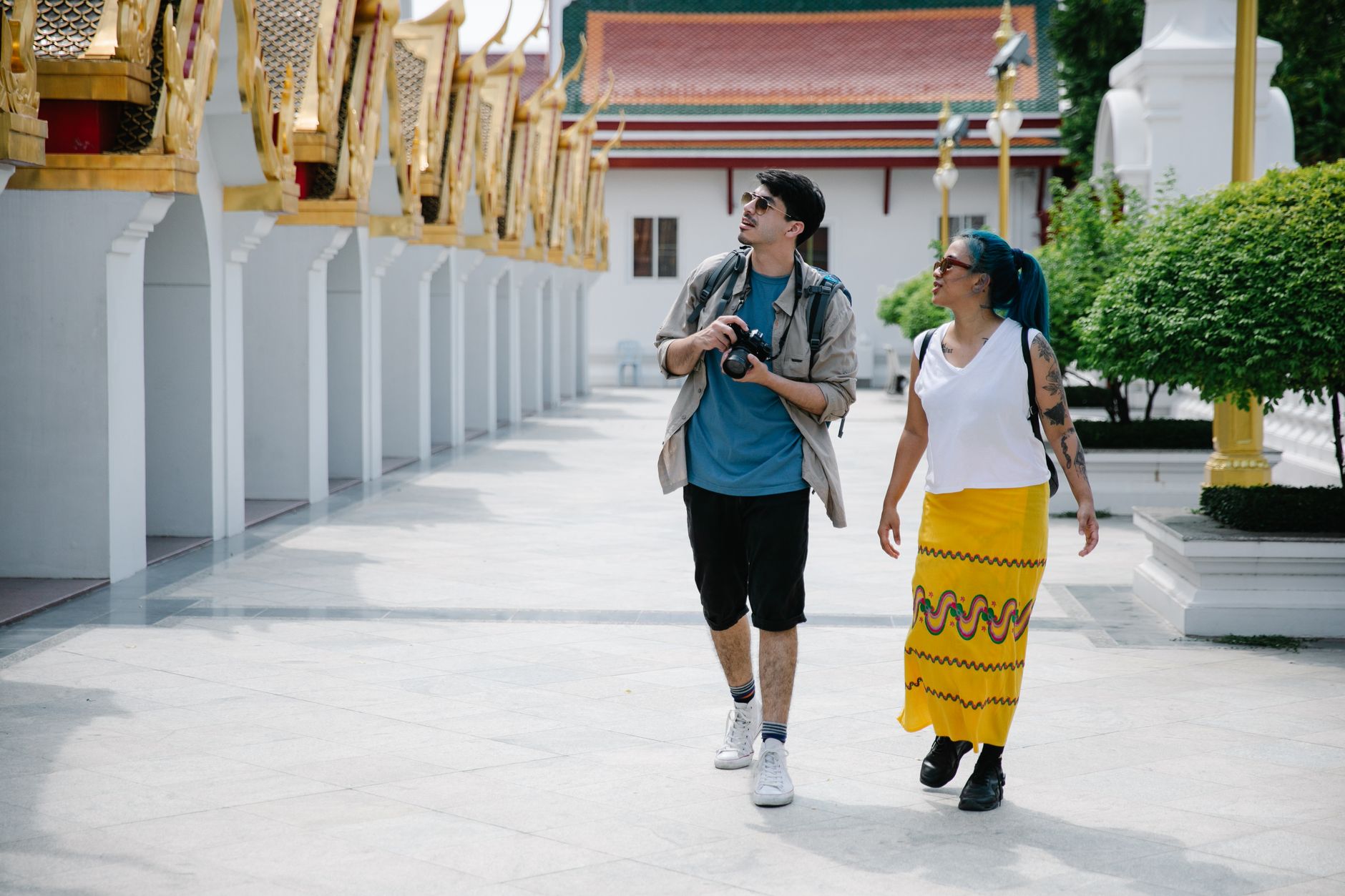
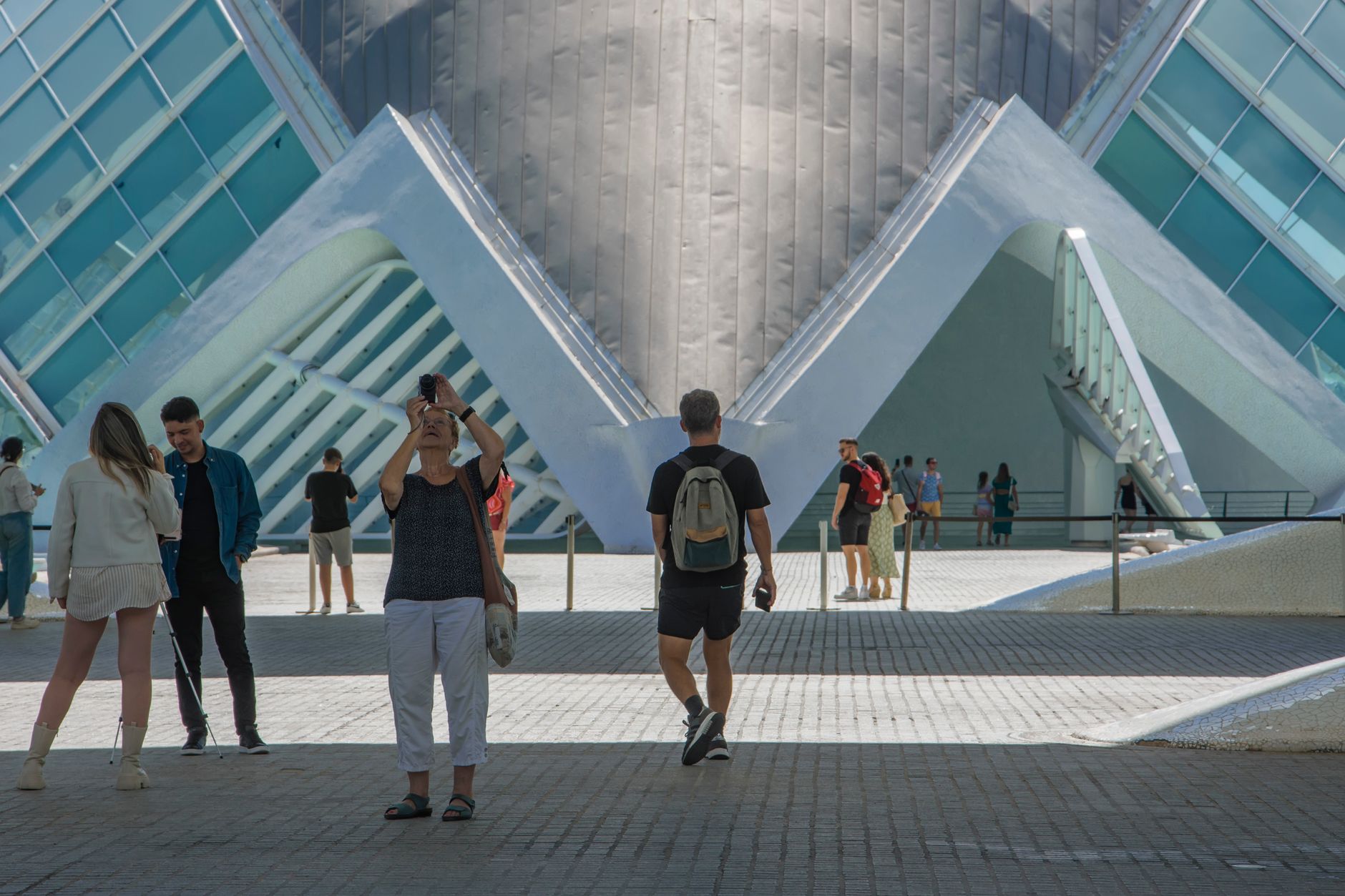
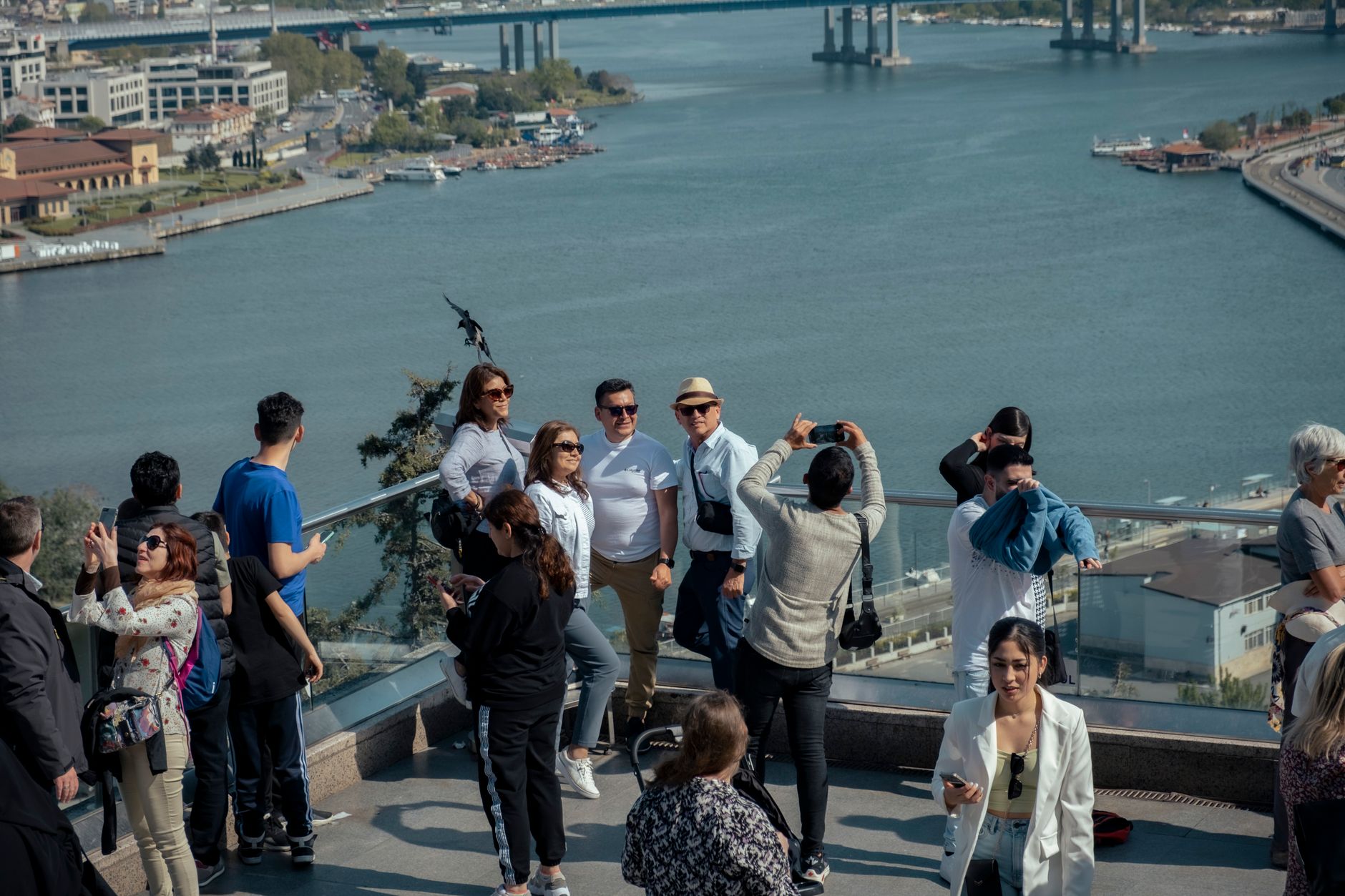
💛 What travellers fall for
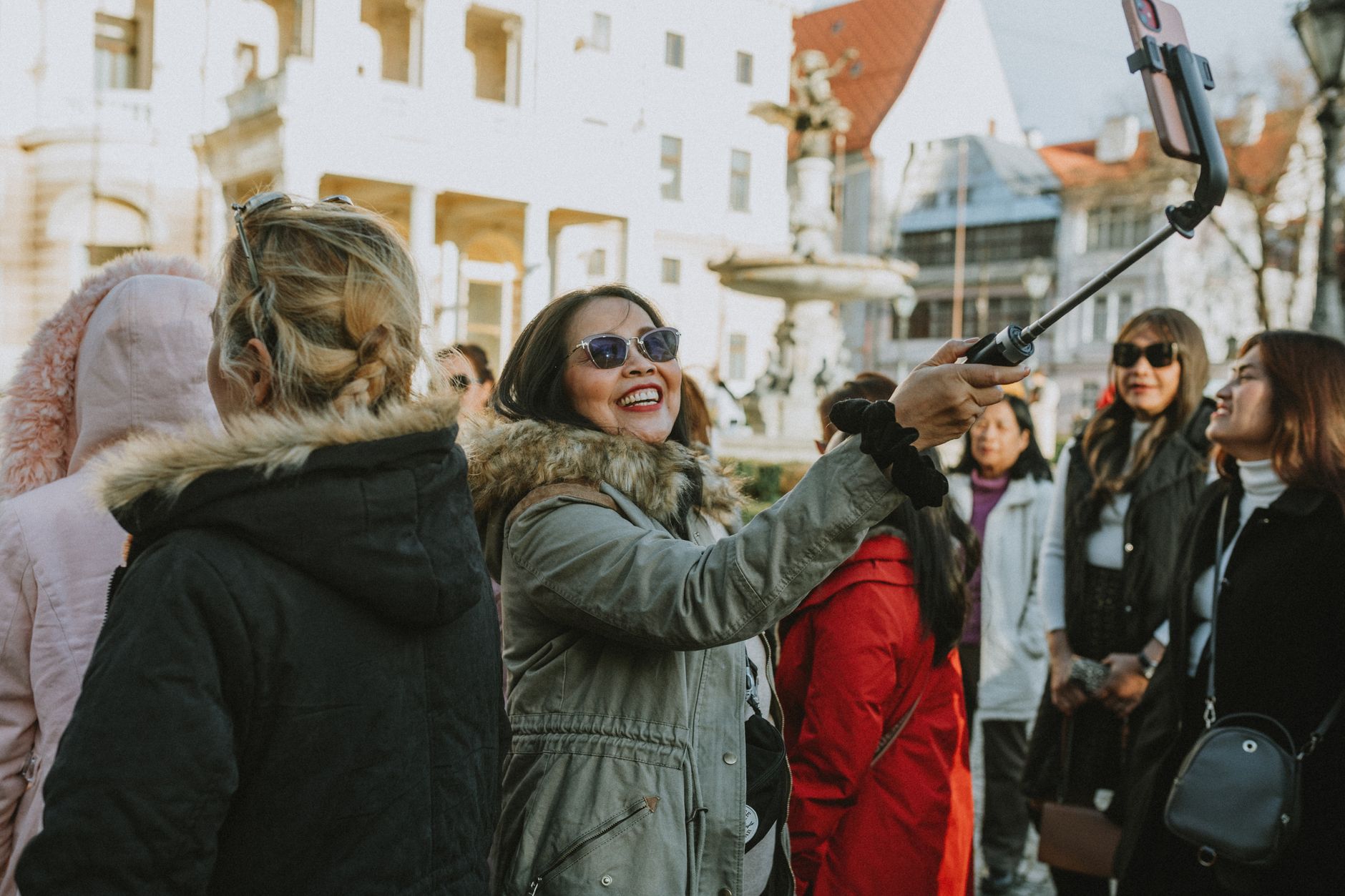
People who return to Palau tend to mention the same shift: the first trip is about the water, the second is about the islands themselves. Spend a morning at the Airai Bai before the tour groups arrive, or take the drive up to Ngardmau Falls on Babeldaob when the trail is still wet from overnight rain. Koror handles logistics; everything interesting is just beyond it.
Deals in Palau
Book directly at the provider
How Palau came to be
People have lived on these islands for at least three thousand years, with carbon-dated village sites on the Rock Islands and agricultural terraces on Babeldaob pointing to settlement as early as 1,000 BC. Genetic research suggests Palauans trace their origins to Morotai Island in what is now Indonesia, and they developed a matrilineal social structure that persists today.
The modern colonial record began in 1783, when English captain Henry Wilson was shipwrecked off Ulong Island. High Chief Ibedul of Koror allowed Wilson to leave with his son, Prince Lee Boo, who traveled to England in 1784 but died of smallpox six months later. Spain, then Germany, then Japan each claimed the islands in turn — the 1944 Battle of Peleliu killed more than 12,000 people combined — before the United States administered Palau as a UN trust territory. Full independence came on 1 October 1994. In 2017, Palau became the first country to institute an eco-pledge stamped directly into visitors' passports.
Who and what shaped it
People who shaped it
Landmark buildings
See Palau in motion
Plan your visit
On the map
When to go
Palau is warm year-round, hovering between 27–30°C. The dry season runs roughly November through April, when diving visibility is at its best; the wet season brings daily squalls but rarely disrupts travel for long.
Right now
↡ Cities
Background & history adapted from Wikipedia (CC BY-SA) · specs from Wikidata (CC0) · weather from Open-Meteo · map data © OpenStreetMap contributors · photos from Wikimedia Commons / Unsplash with per-image credit. No third-party reviews or social posts reproduced.