Country

Hungary

Hungary
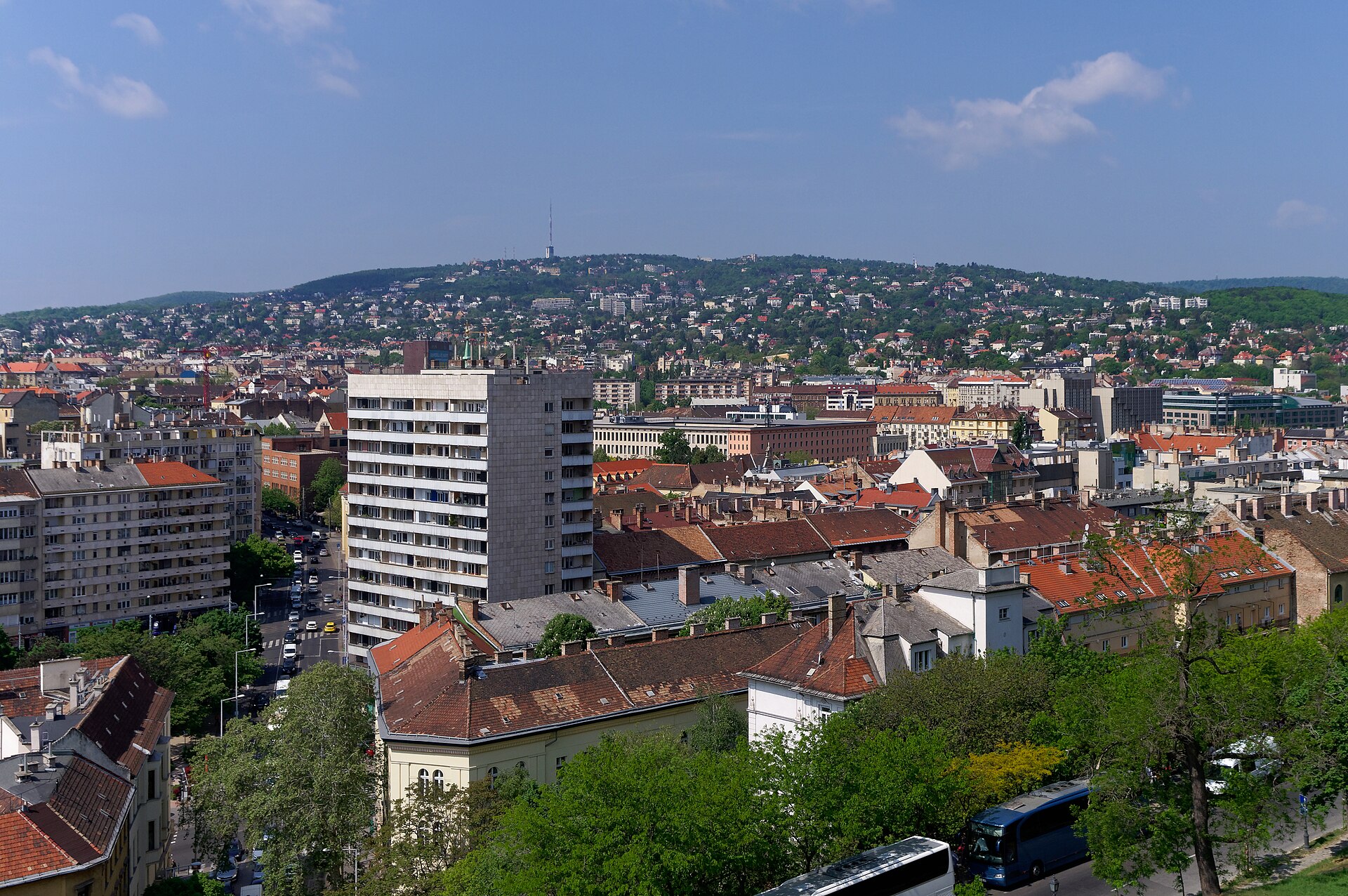
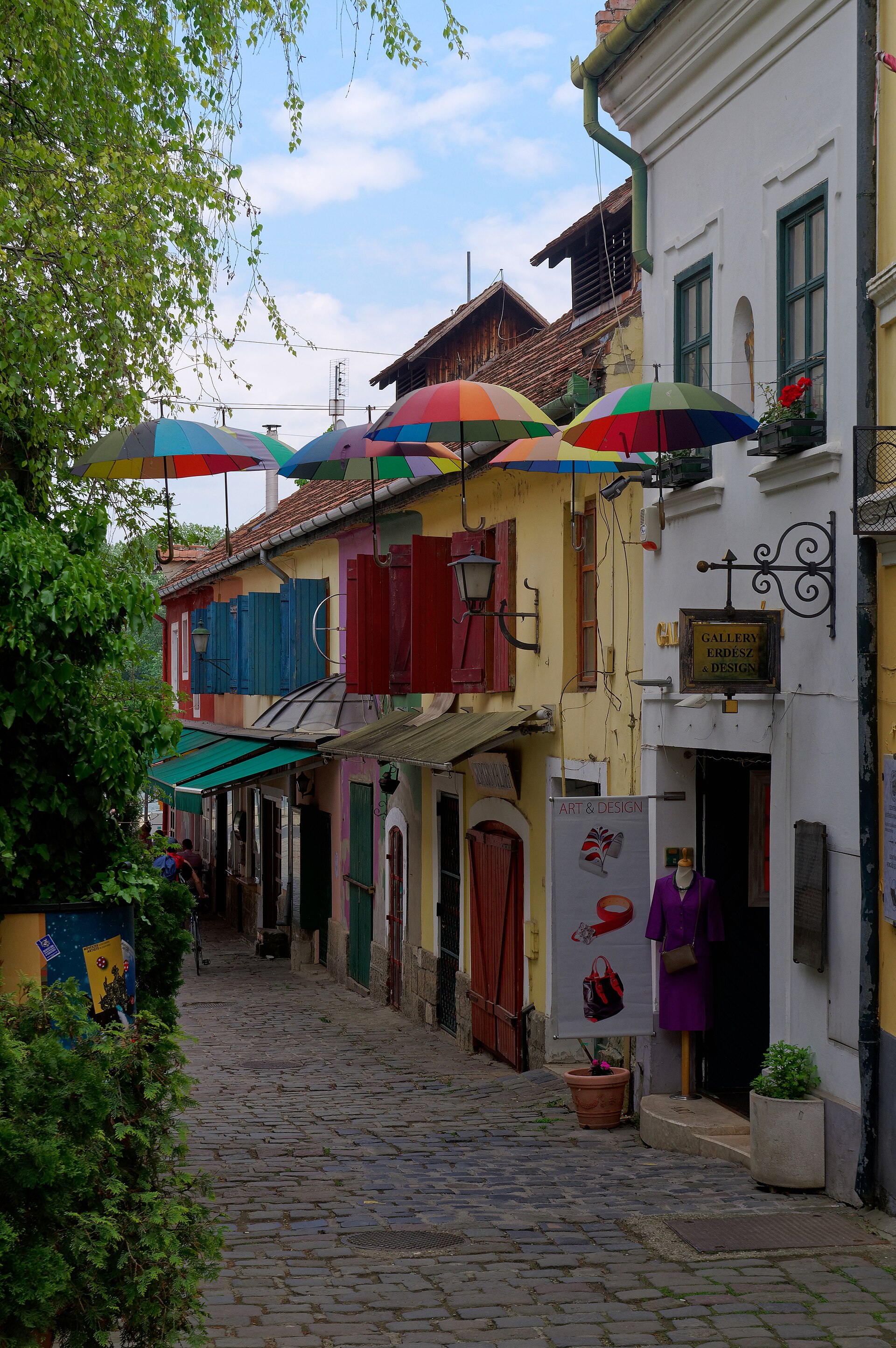
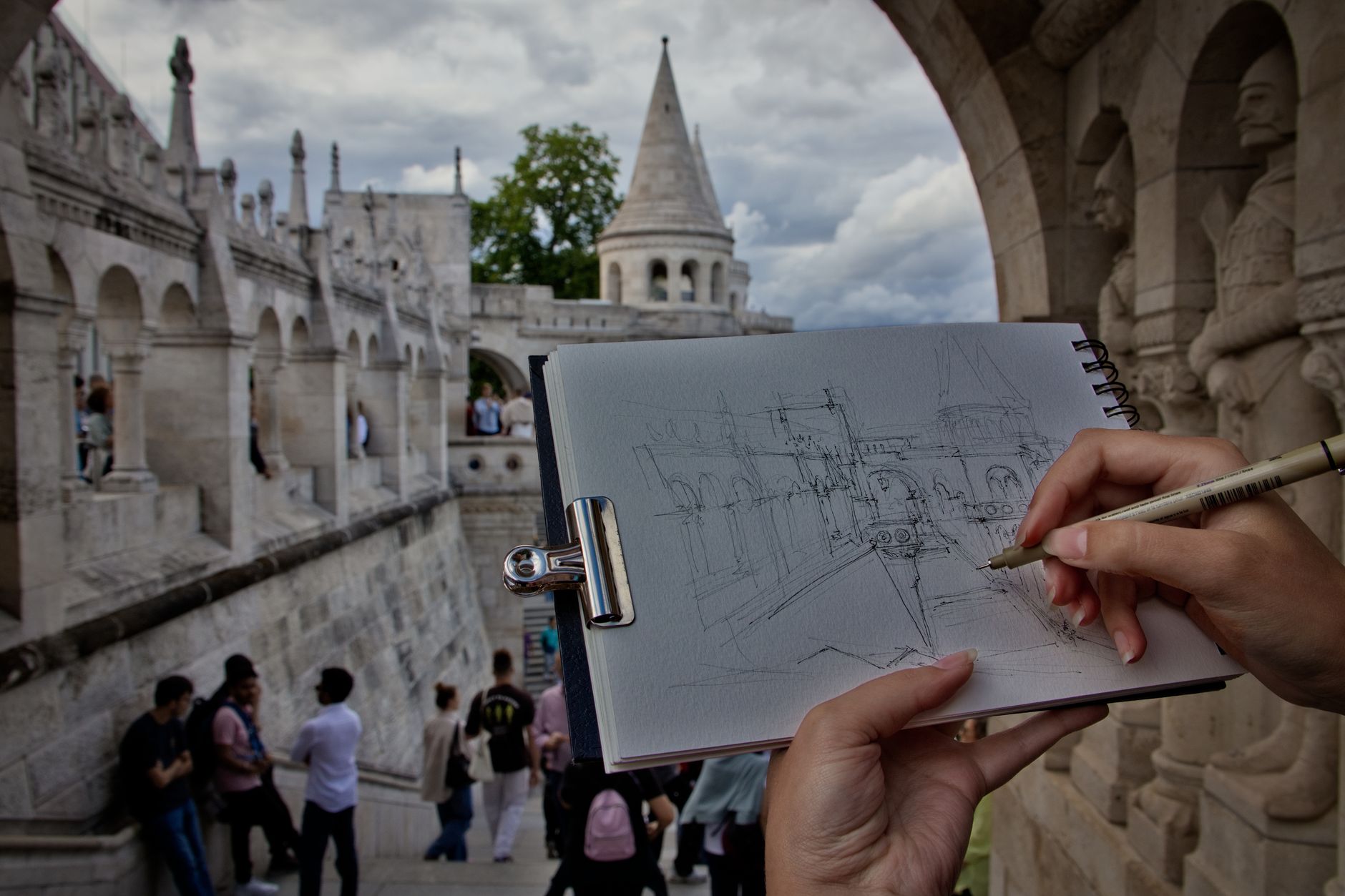
Photo by Jing Zhan on Pexels
Hungary
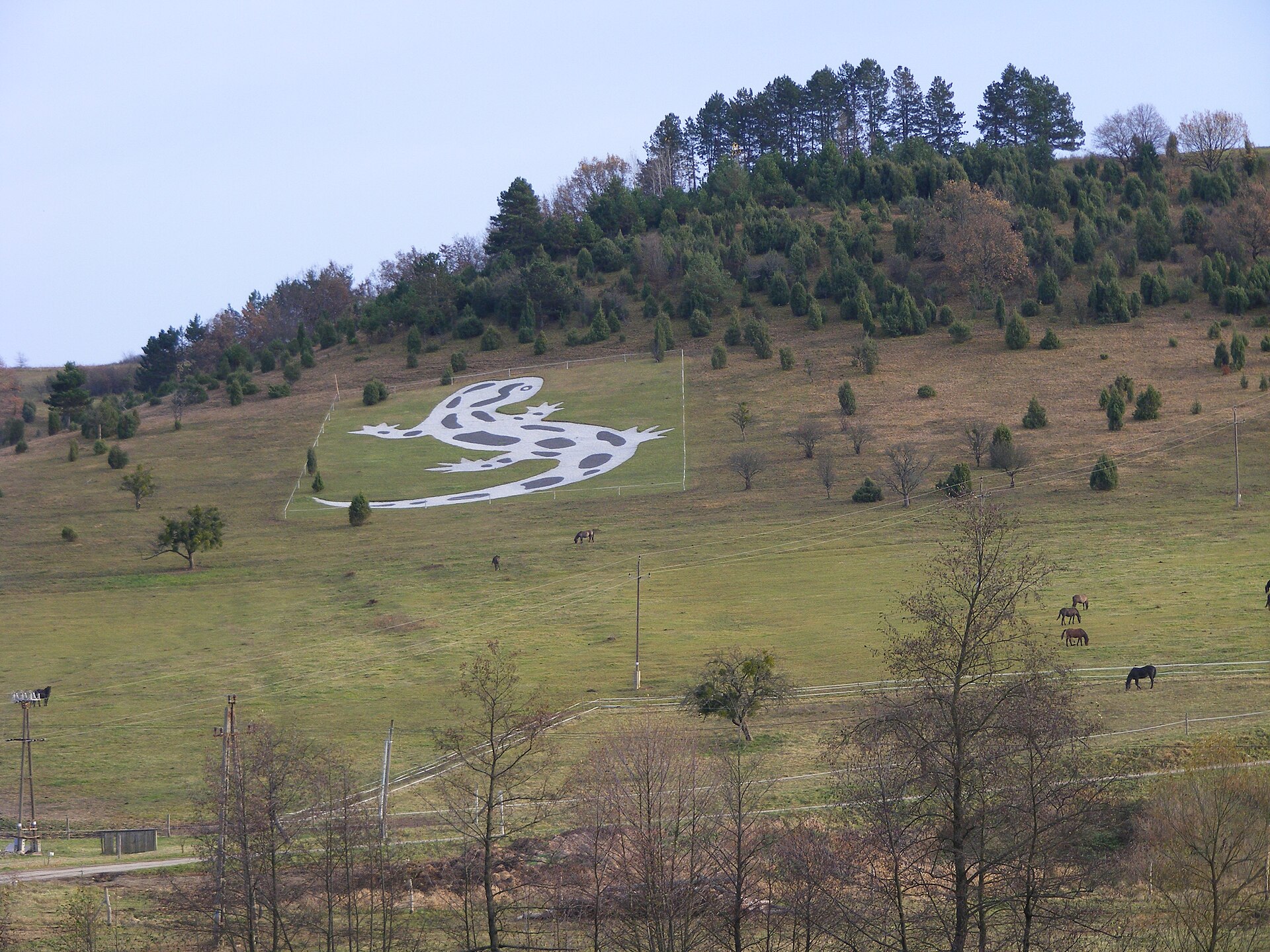
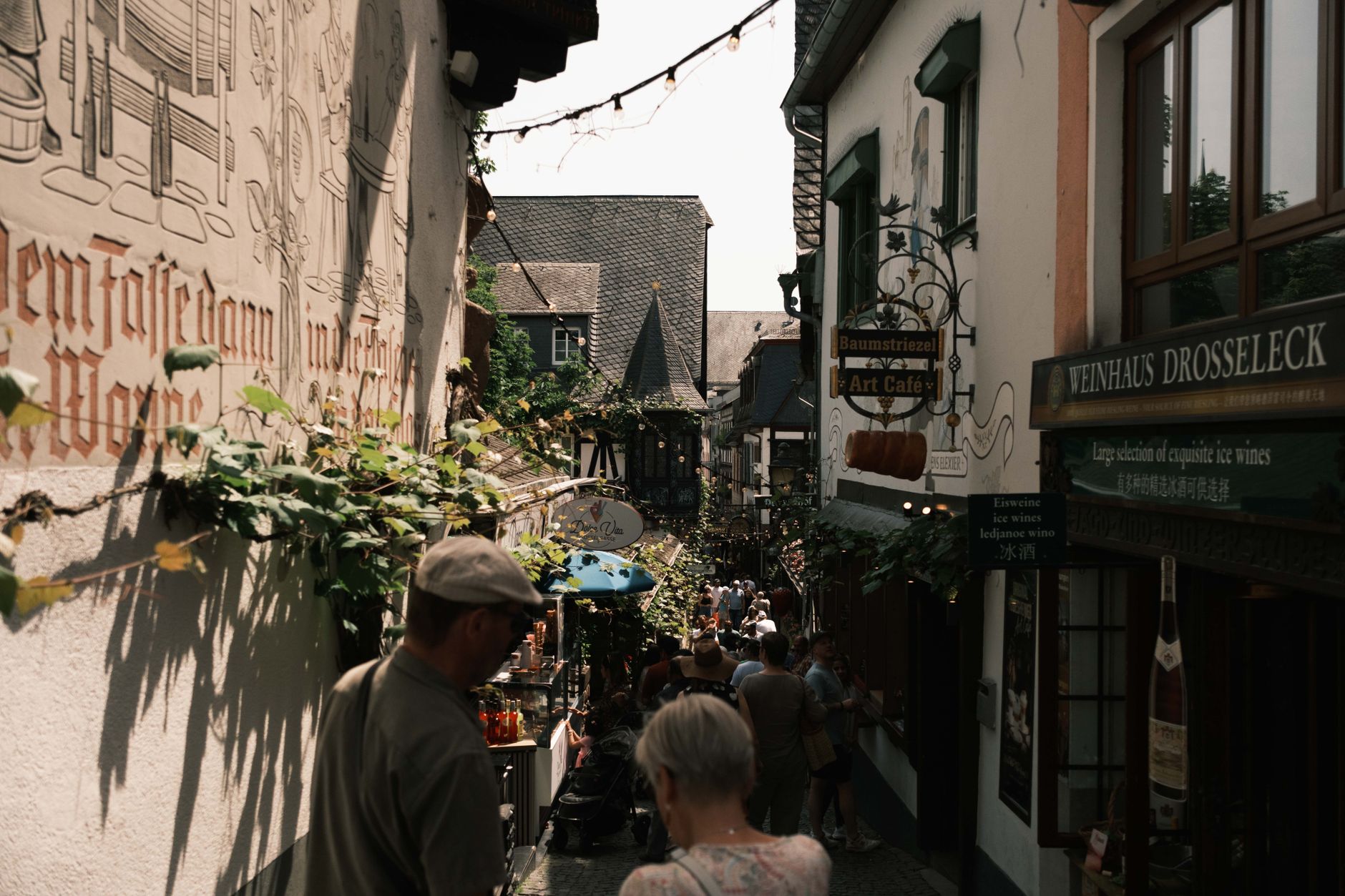
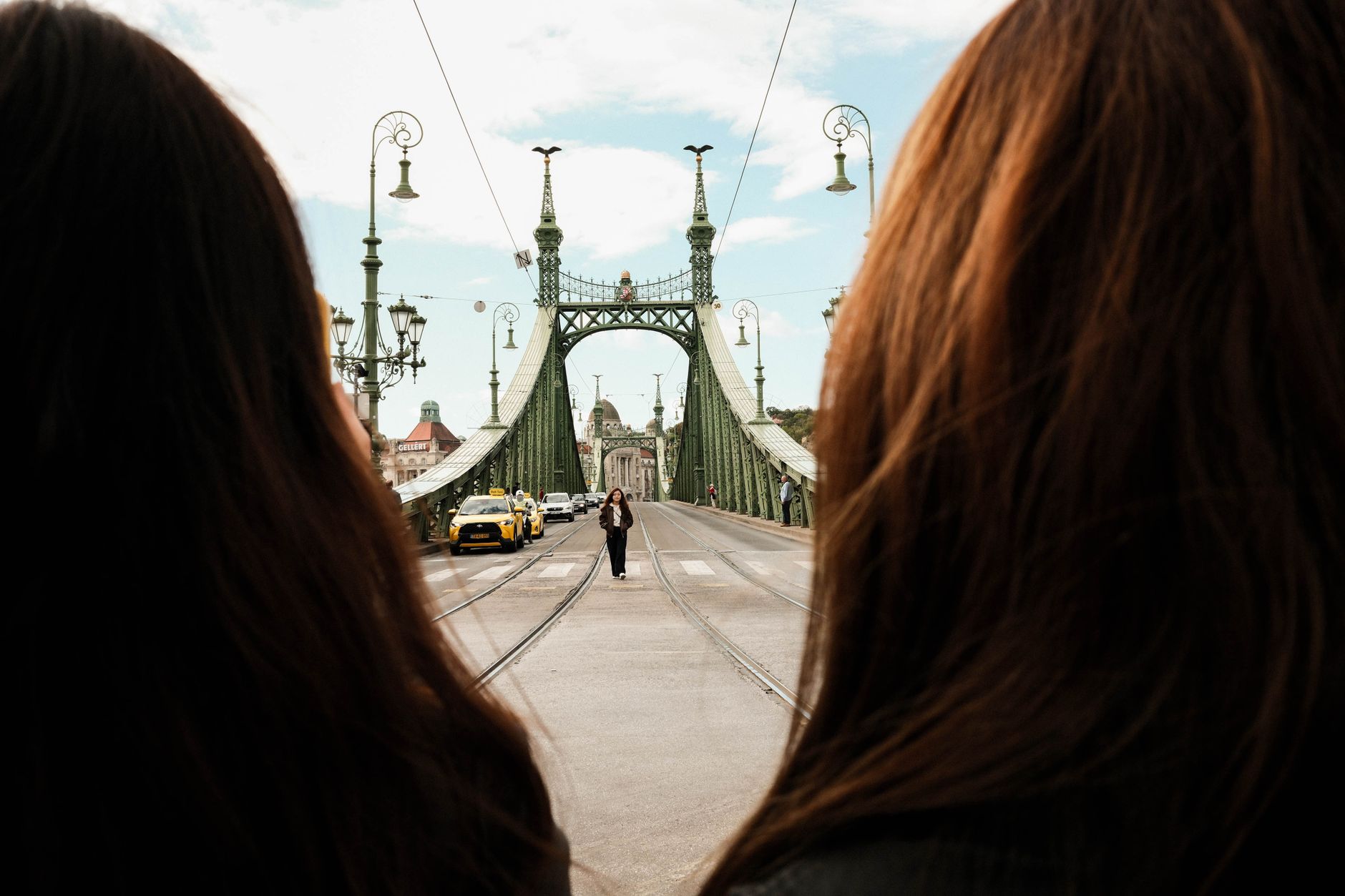
Photo by Vish Pix on Pexels
Hungary
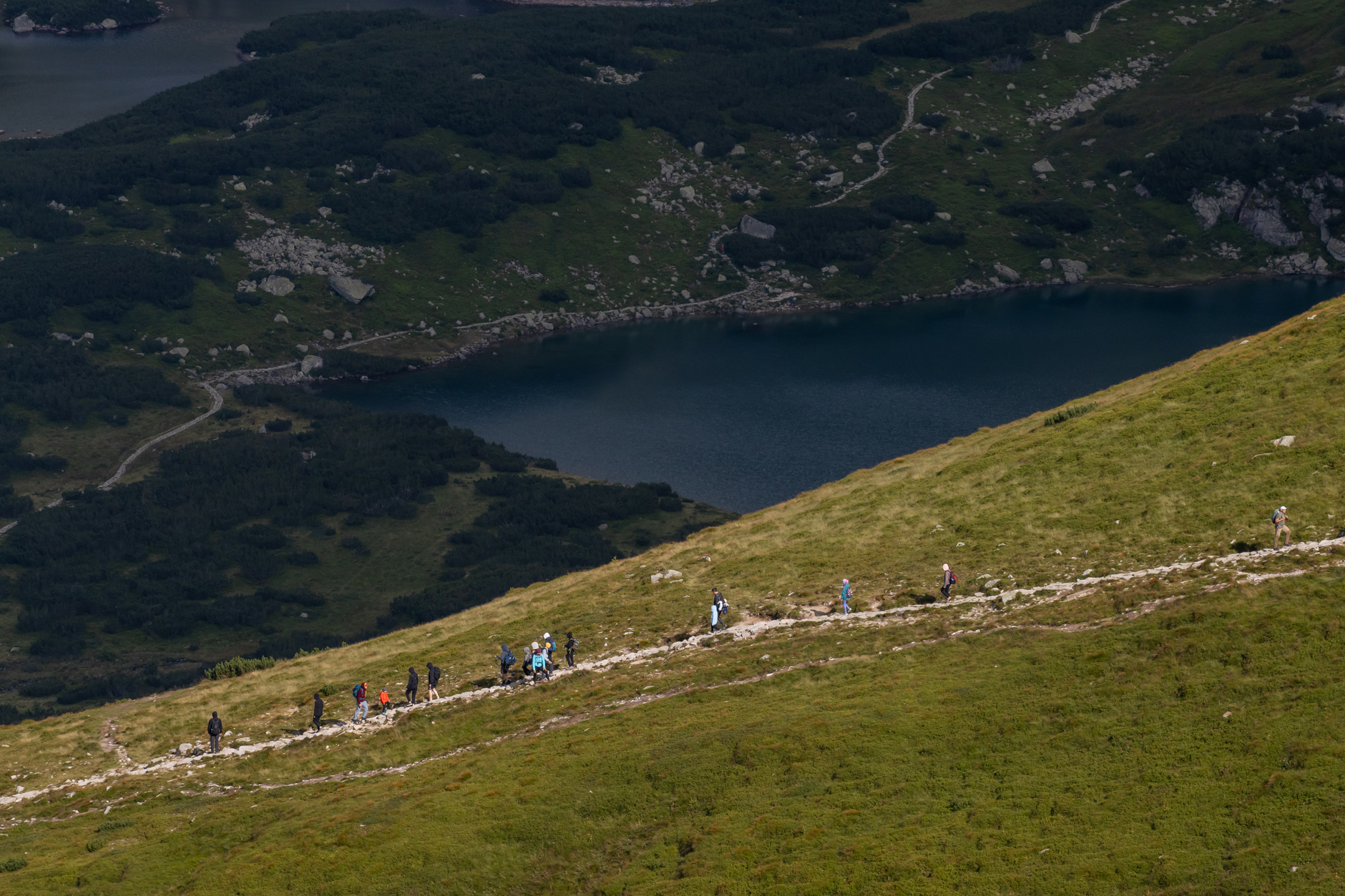
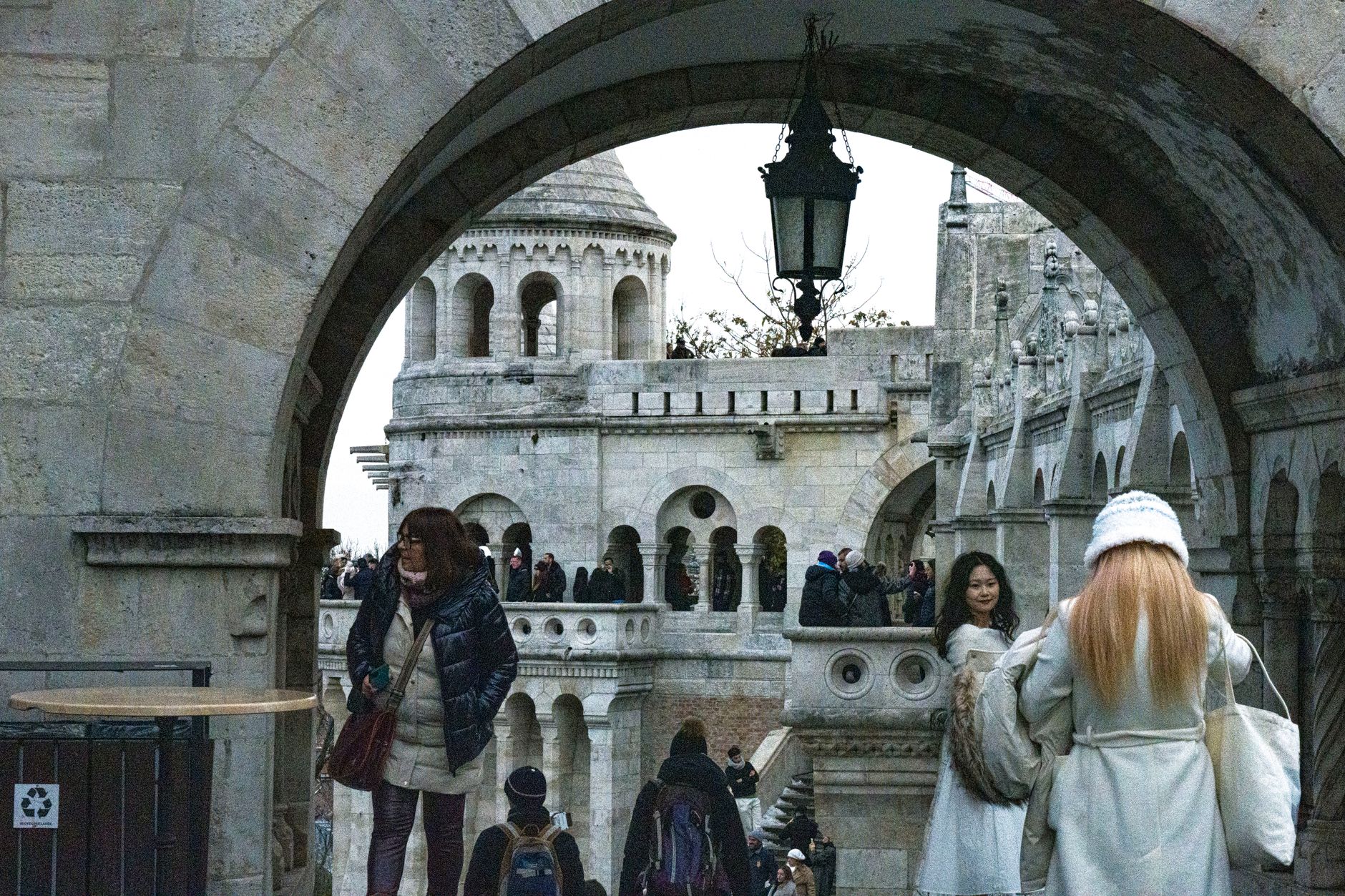
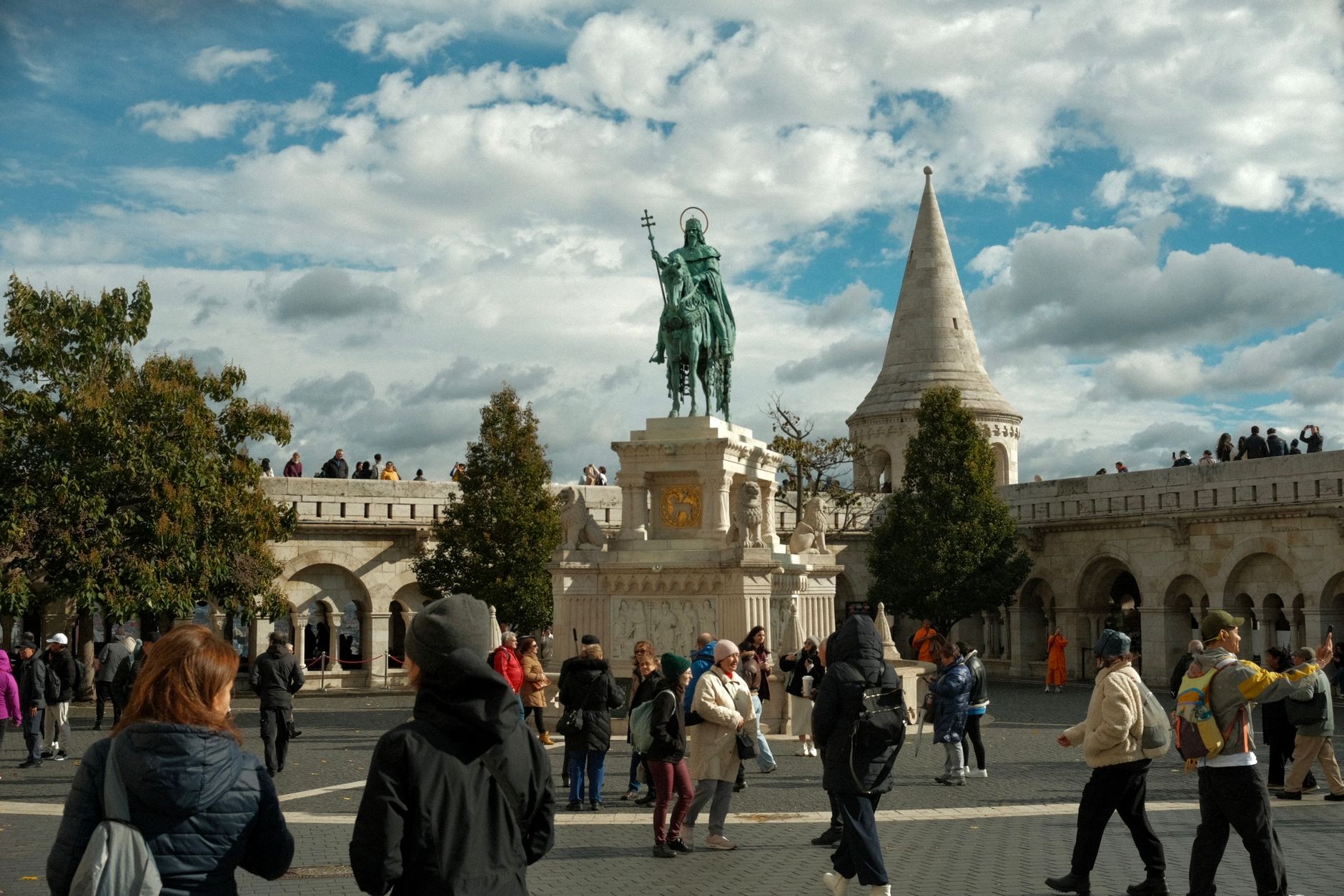
Photo by Airam Dato-on on Pexels
Hungary
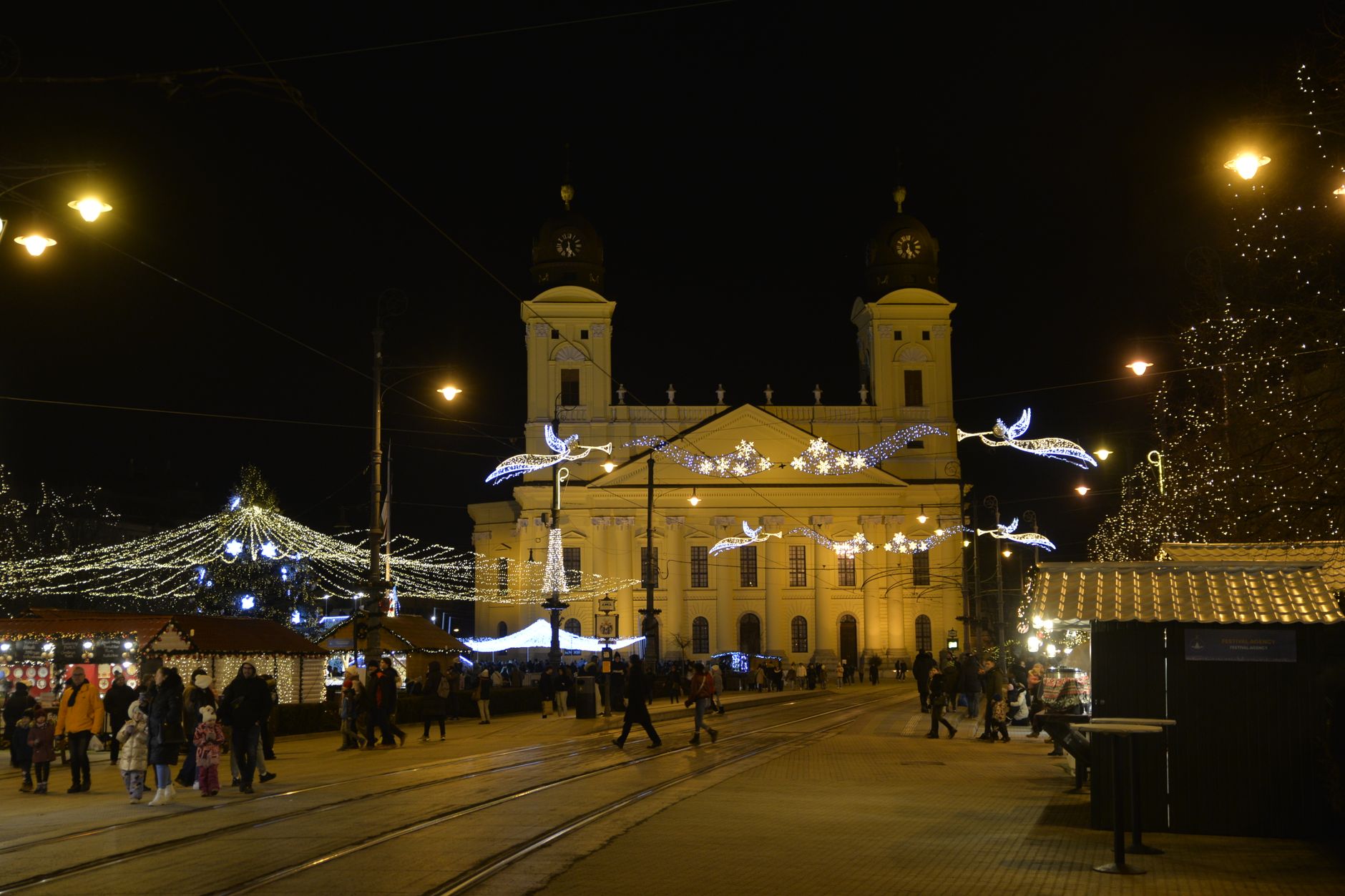
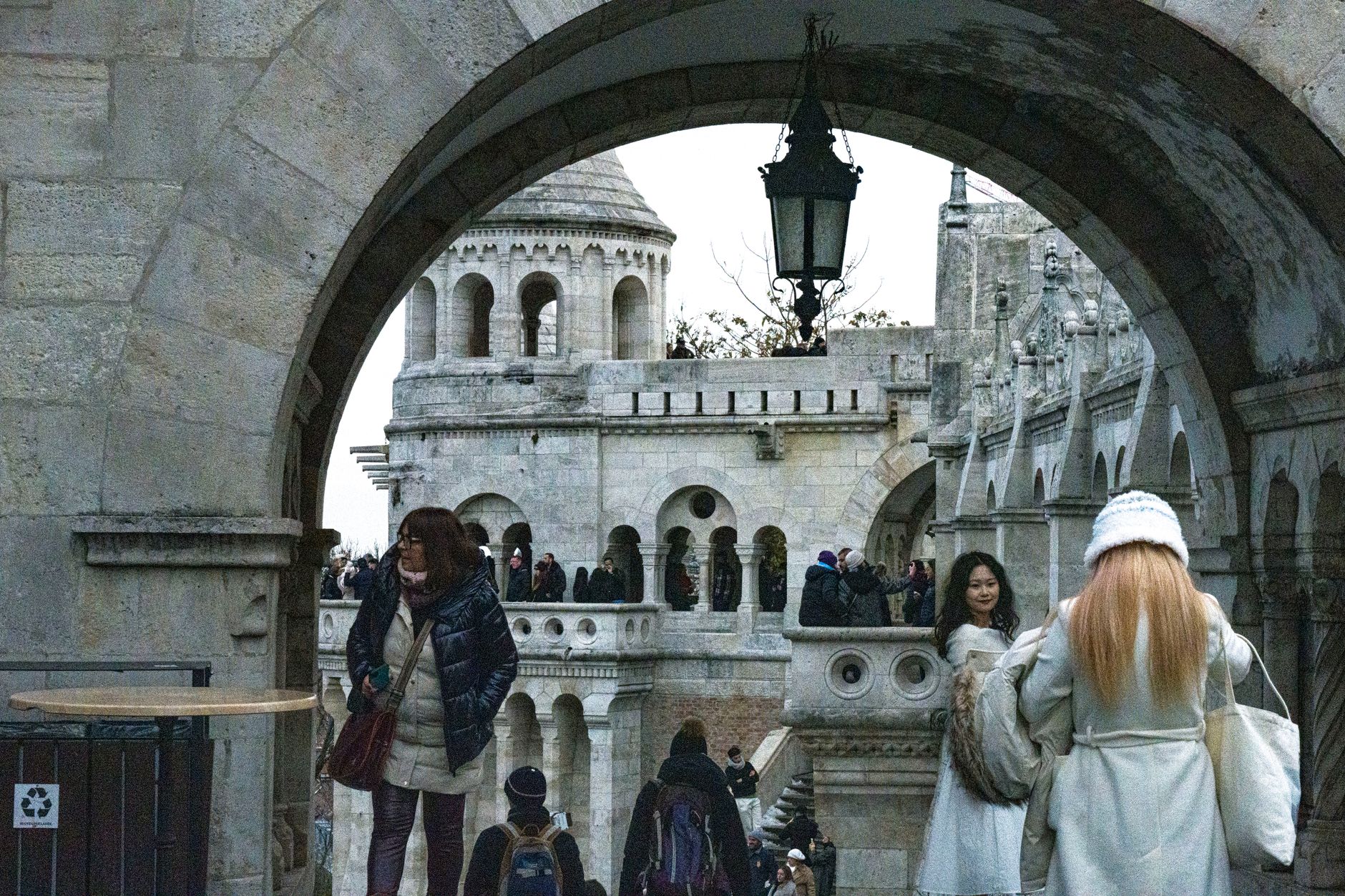
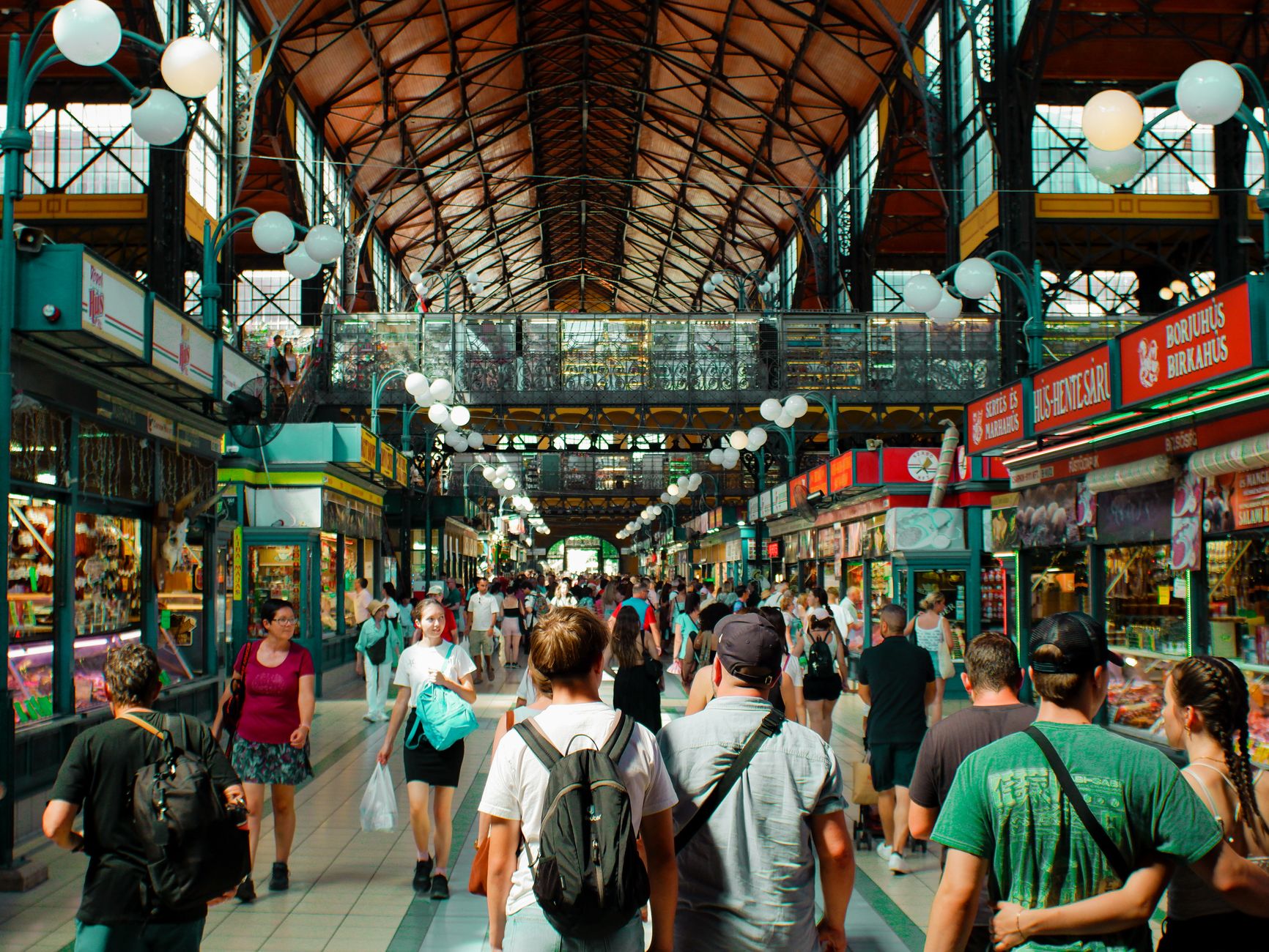
Photo by Fidan Jafarova on Pexels
Hungary
Photo by William Gevorg Urban on Pexels
Hungary
Photo by Han on Pexels
City break Culture & history Wellness & spa

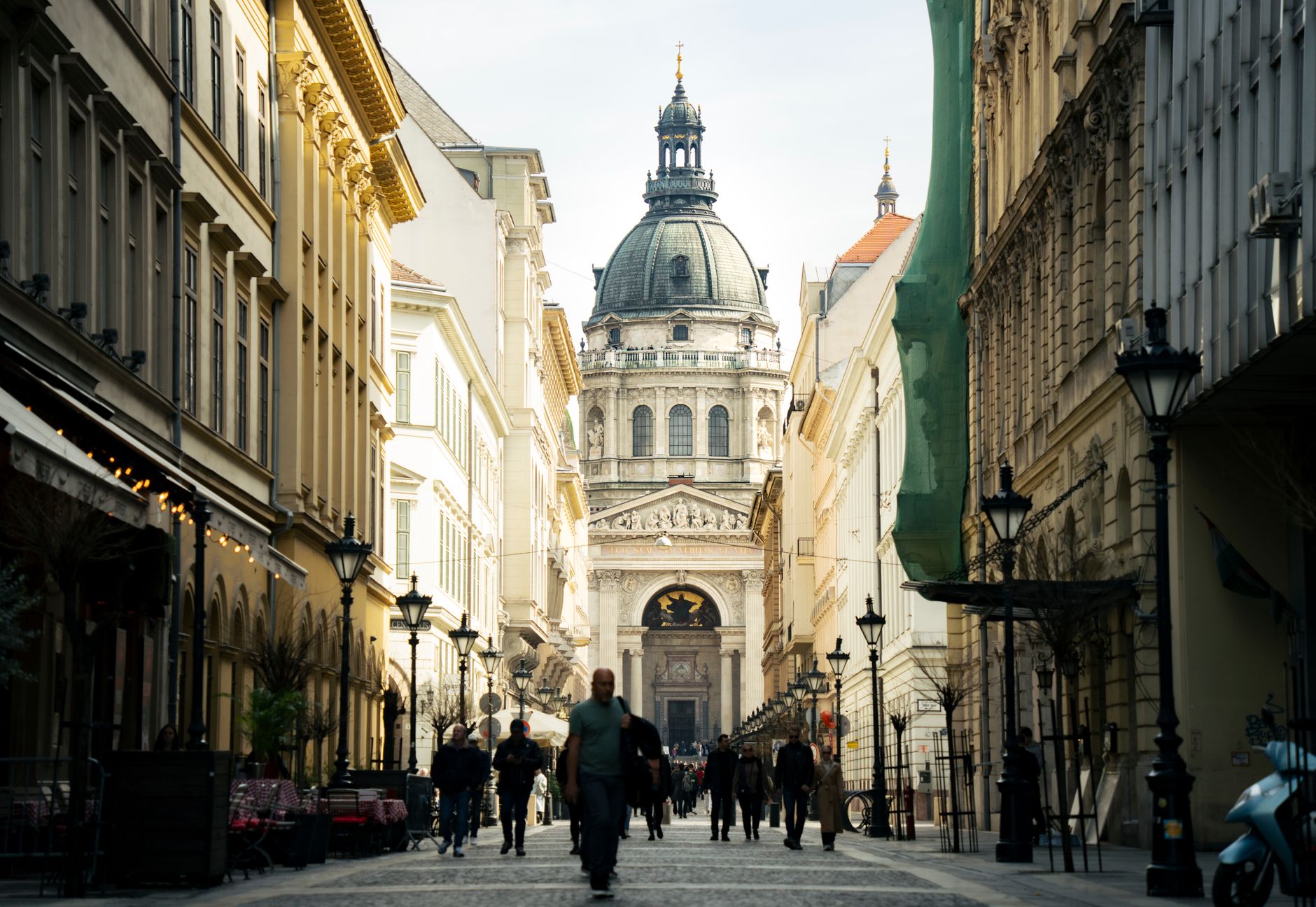
Hungary sits at the centre of Europe in more than a geographical sense — it has been a crossroads of empire, faith, and architecture for over a thousand years. The Parliament Building in Budapest stands 96 metres tall, a height chosen deliberately to echo 896, the year the Magyar tribes rode into the Carpathian Basin. That kind of layered intention runs through the country.

Beyond Budapest, the land opens into thermal plains, Baroque market towns, and a wine culture that predates most of what you know from Western Europe. The language — famously unrelated to its neighbours — is the first sign that Hungary arrived here from somewhere else entirely.

Good to know
Budapest is the main entry point, well connected by rail to Vienna, Prague, and Zagreb. Spring and early autumn are the most comfortable seasons for moving around. EU citizens travel freely; others should check visa requirements. Hungary uses the forint, not the euro.

Deals in Hungary

Book directly at the provider
The story

How Hungary came to be

Seven Magyar tribes, led by Árpád, rode out of the Pontic steppes and took hold of the Carpathian Basin between 862 and 895. The symbolic founding date is 896. A century later, King Stephen I accepted Catholicism as the state religion and formally established the Kingdom of Hungary in 1000, anchoring the country to Western Christendom.

The centuries that followed brought Ottoman conquest in 1526, Habsburg liberation in 1699, and the Ausgleich of 1867, which gave Hungary autonomy within the Austro-Hungarian Dual Monarchy. The Treaty of Trianon in 1920 stripped more than two-thirds of the pre-war territory. Soviet rule lasted until 1989, when the Third Republic was founded; Hungary joined the European Union in 2004.

People & landmarks

Who and what shaped it

People who shaped it

Imre Steindl
Designed Hungarian Parliament Building in neo-Gothic style; opened 1902, died weeks before completion.
Frigyes Schulek
Architect (1841–1919) involved in Gothic and Romanesque Revival; designed Fisherman's Bastion.
Ödön Lechner
Pioneered Hungary's unique Art Nouveau using folk motifs and glazed ceramics; designed Museum of Applied Arts (1896) and Post Office Savings Bank (1901).
Marcel Breuer
Born Pécs, Hungary; modernist architect and designer; designed Whitney Museum of American Art and UNESCO headquarters.
Frigyes Feszl
Mid-19th century architect regarded as first attempt at establishing Hungarian national architecture; designed Vigadó concert hall.
Imre Makovecz
Created organic architecture using timber and skilled carpentry; Church of the Holy Spirit in Paks completed 1990.
King Stephen I
Founded Kingdom of Hungary in 1000 and accepted Catholicism as state religion.
King Matthias
During his reign, Hungary enjoyed Western European standard of living and culture flourished at royal palaces in Buda and Visegrád.

Landmark buildings

Hungarian Parliament Building
Neo-Gothic landmark designed by Imre Steindl, opened 1902; 268 m long, 96 m tall (height alludes to 896, year of Magyar conquest); contains Holy Crown of Hungary since 2000.
Matthias Church
Neo-Gothic coronation church where Matthias Corvinus and Franz Joseph were crowned King of Hungary; reimagined by Frigyes Schulek.
Fisherman's Bastion
Gothic and Romanesque Revival structure designed by Frigyes Schulek.
Dohány Synagogue
Designed by Ludwig Förster; site acquired 1844; among world's largest synagogues with 2,964 seats.
Museum of Applied Arts
Designed by Ödön Lechner in 1896; pioneered Hungarian Art Nouveau with folk art motifs and glazed ceramic decorations.
Post Office Savings Bank
Designed by Ödön Lechner in 1901; exemplifies Hungarian Art Nouveau with distinctive glazed ceramic ornamentation.
Watch

See Hungary in motion

Practical

Plan your visit

On the map

When to go

Summers are warm and dry, often topping 30°C in July and August; winters are cold with occasional snow, particularly in December and January. April through June and September through October offer mild temperatures and fewer crowds.

Right now

35°C
Partly cloudy
Fri
35°
20°
Sat
35°
23°
Sun
🌧️
33°
20°
Mon
🌧️
28°
19°
Weather data: Open-Meteo
Theme

↡ Regions

No places match these filters.


Background & history adapted from Wikipedia (CC BY-SA) · specs from Wikidata (CC0) · weather from Open-Meteo · map data © OpenStreetMap contributors · photos from Wikimedia Commons / Unsplash with per-image credit. No third-party reviews or social posts reproduced.

Top