
Győr
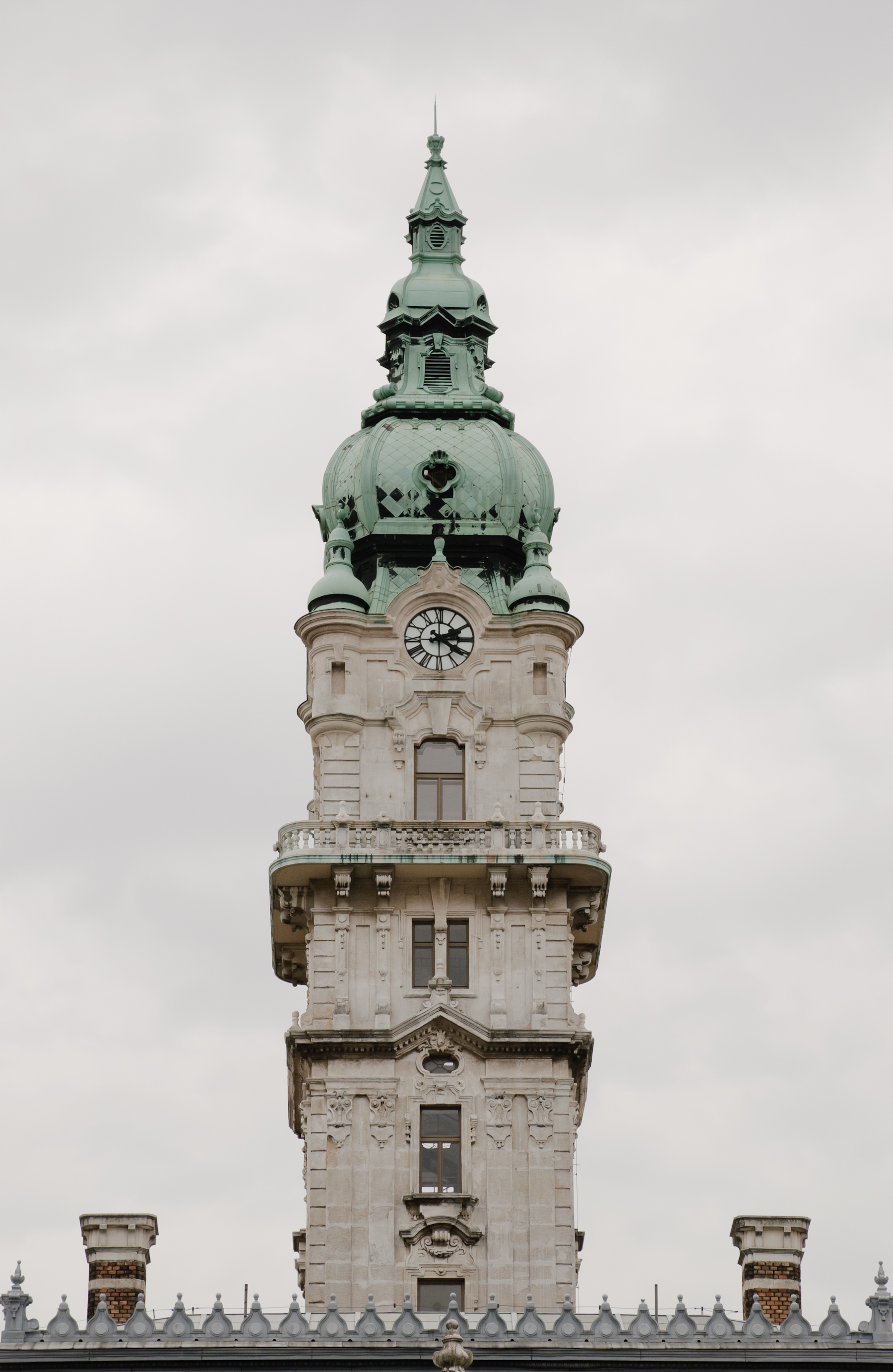
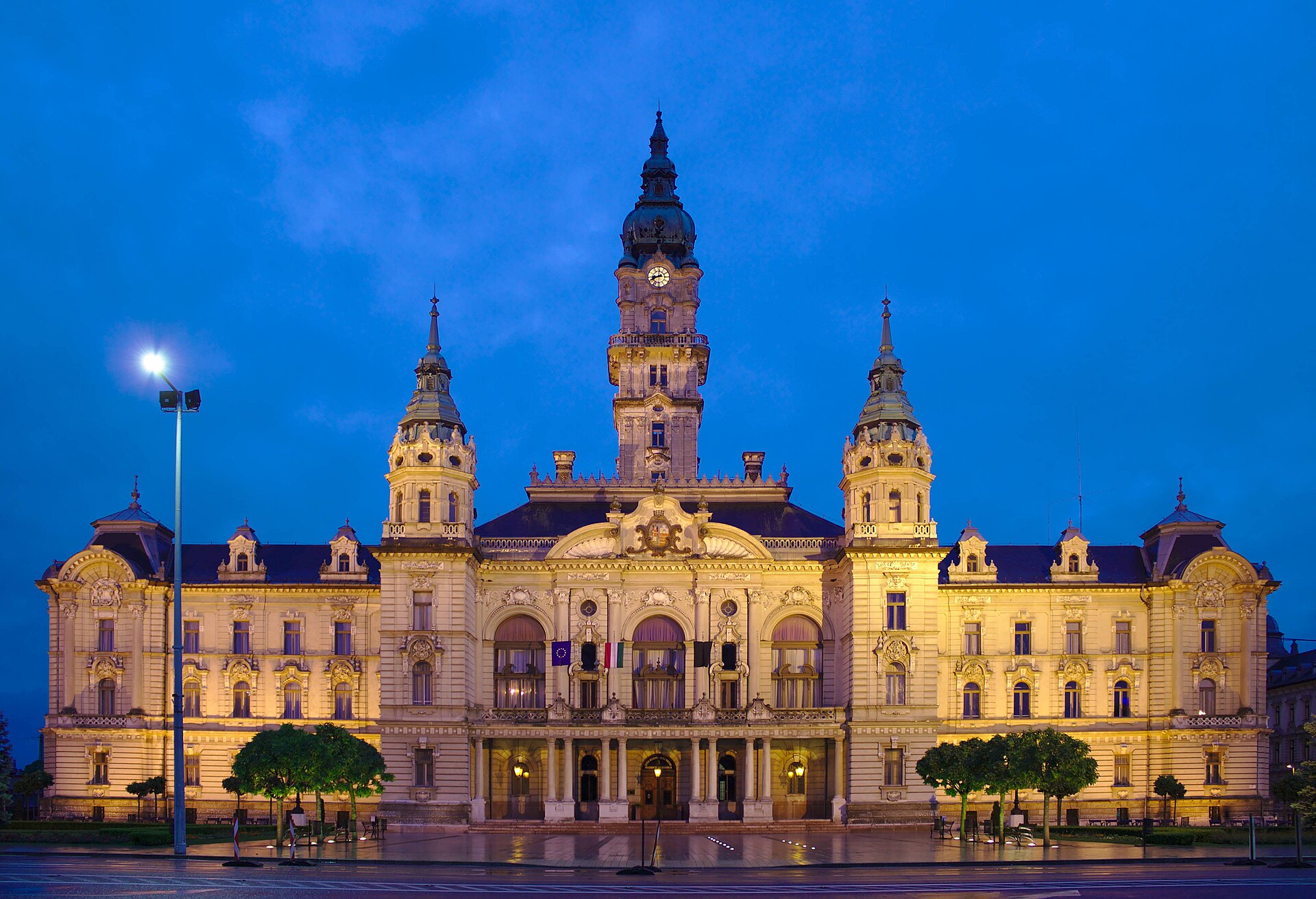
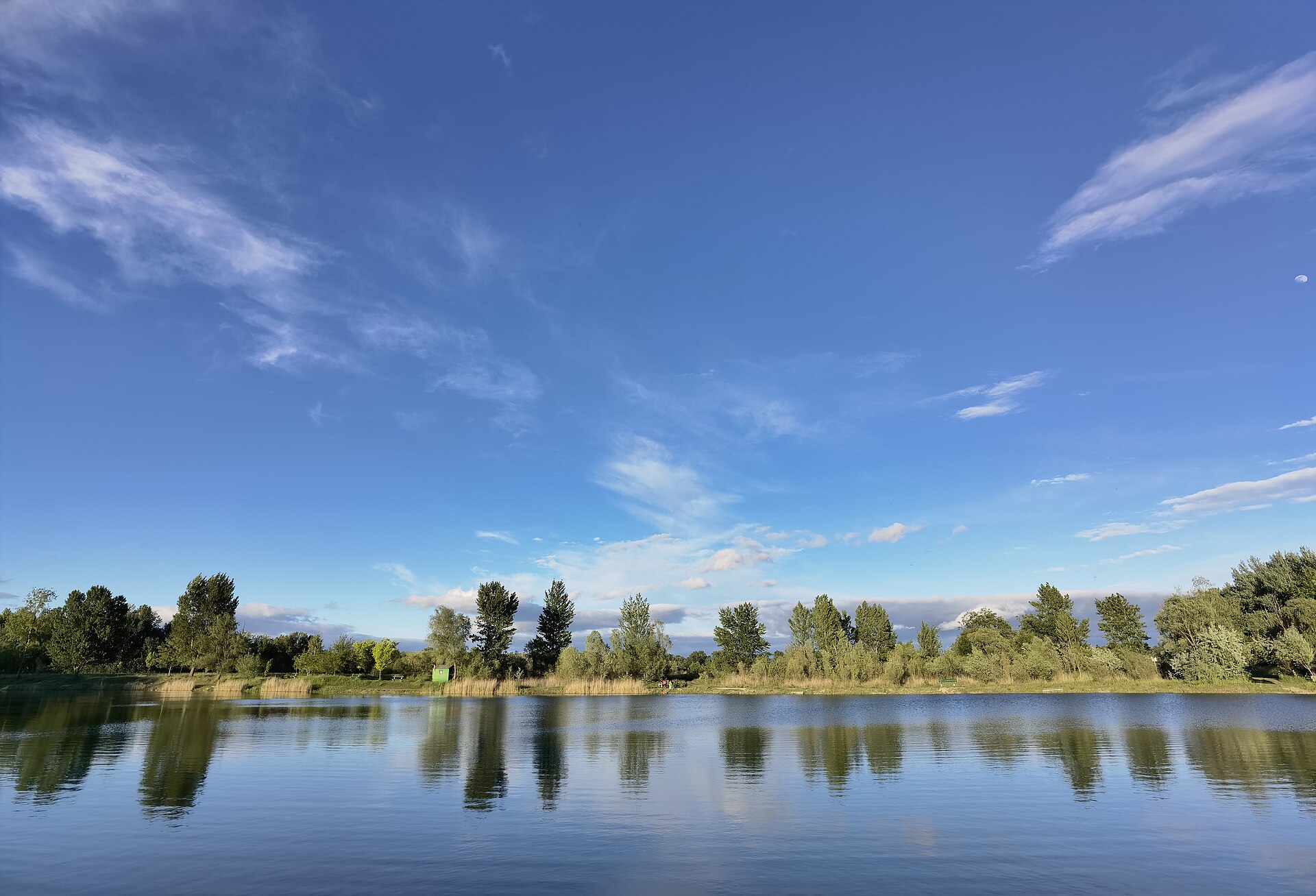
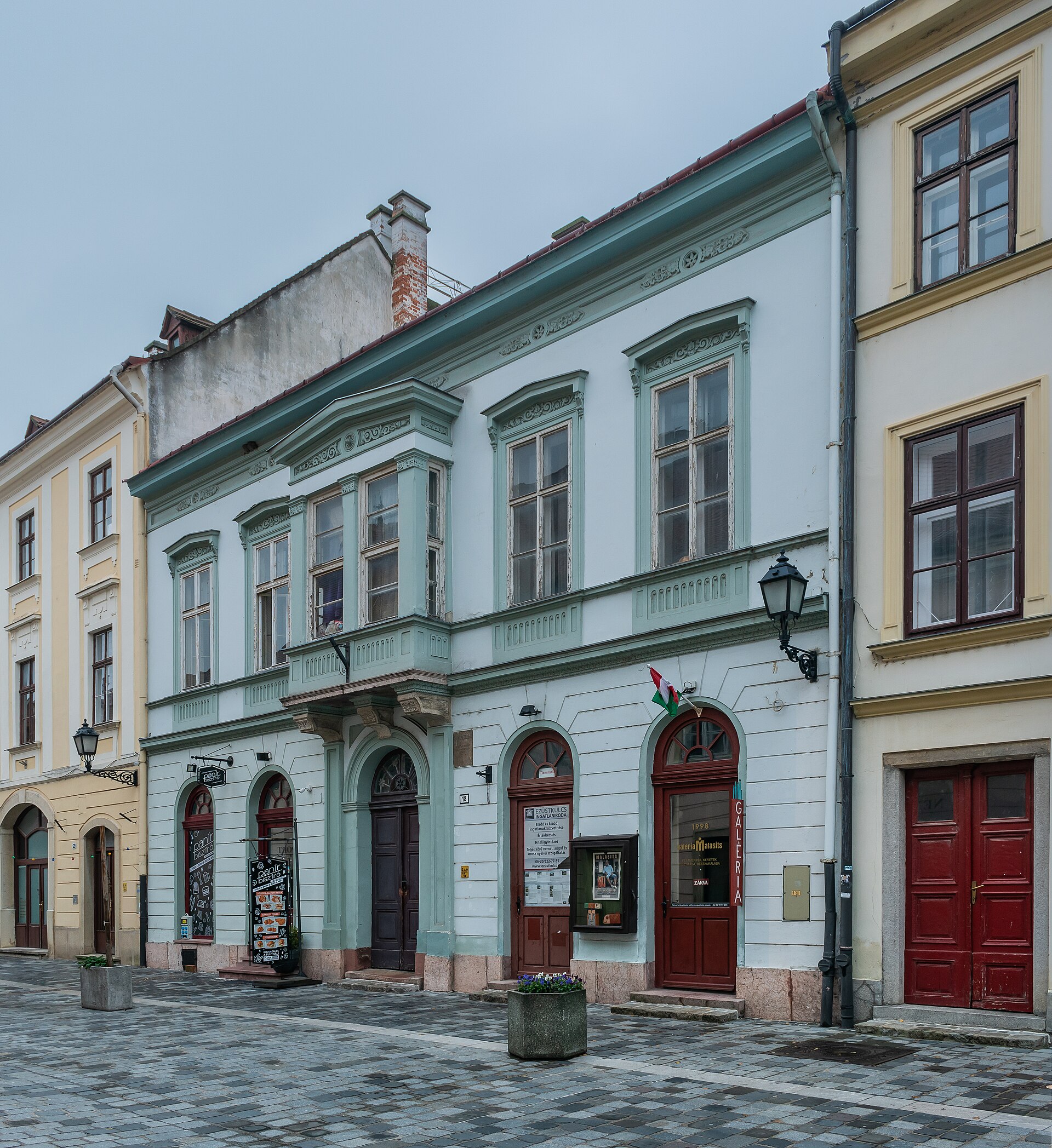
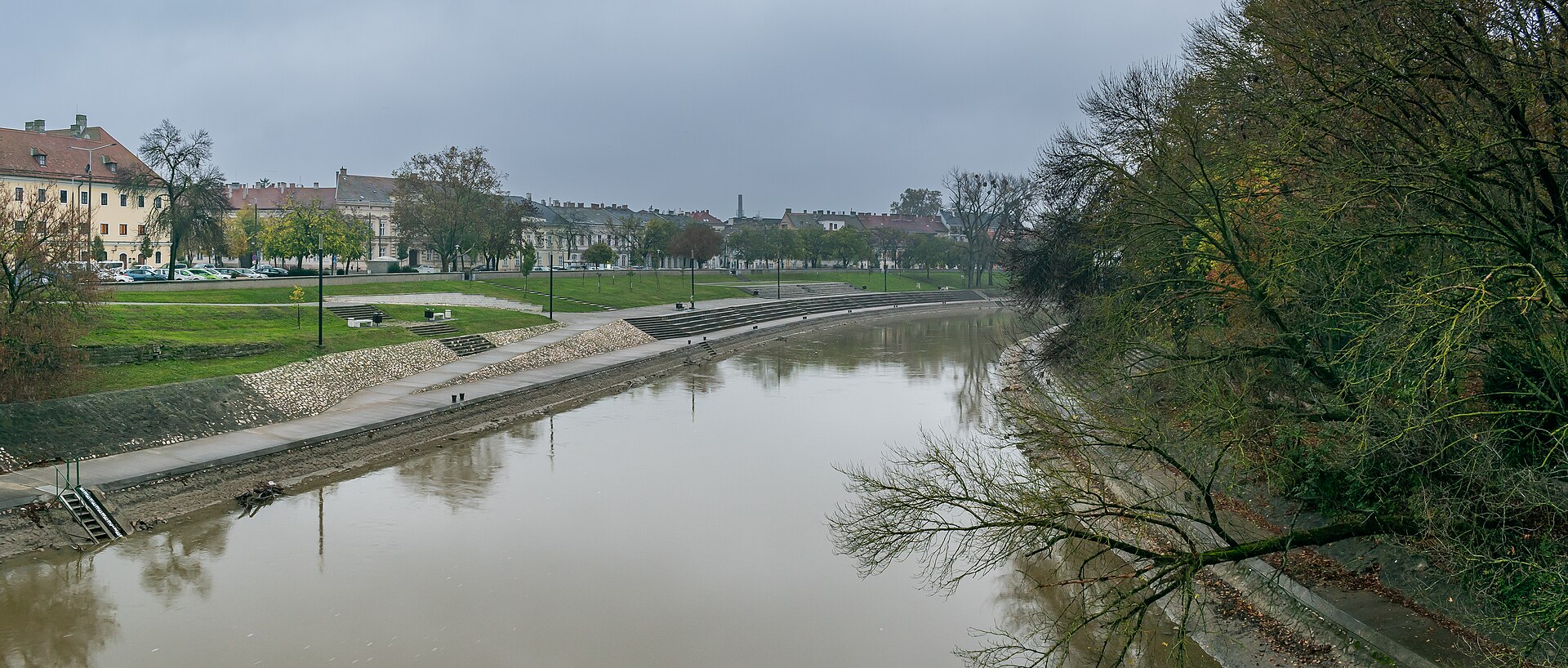
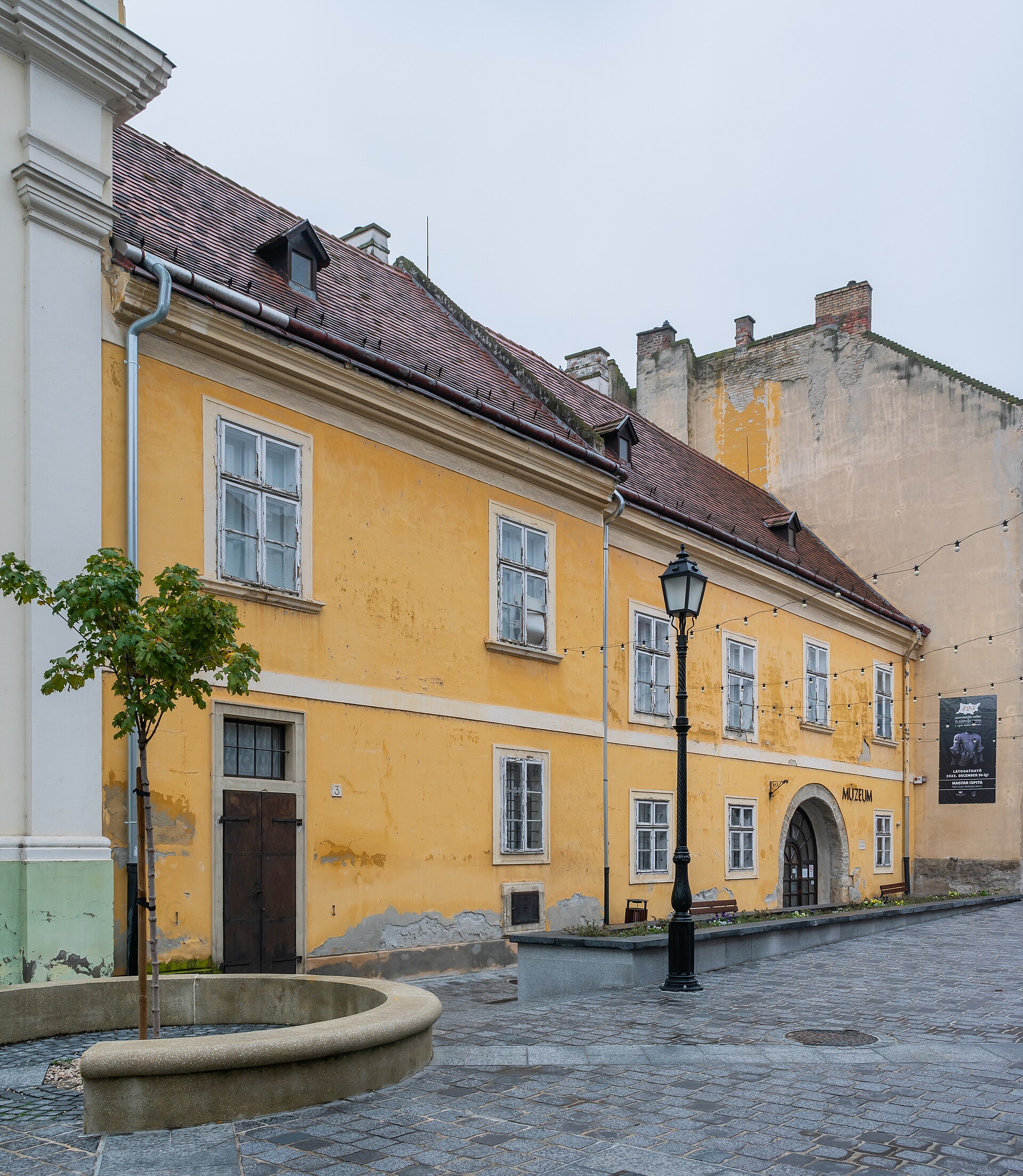
Győr sits at the confluence of three rivers — the Danube, the Rába, and the Rábca — and that geography has shaped everything about it. Romans called it Arrabona and built a garrison here; the Magyars fortified the same riverside bluff a thousand years later; the Ottomans held it for four years before being driven out in 1598. All of that layering is still readable in the Old Town, where Baroque church facades crowd narrow streets and a half-finished castle tower stands watch over the episcopal quarter.
It's a compact city, easily covered on foot, and it sits on the main Vienna–Budapest rail corridor — which makes it a natural stopping point rather than a detour. The Pannonhalma Archabbey, one of Hungary's UNESCO World Heritage sites, is twenty kilometres south and worth the half-day trip on its own.
How Győr came to be
The site was first settled by Celts around the 5th century BCE, who called it Ara Bona. Roman merchants followed, then the Roman army, who built the garrison town of Arrabona around 10 CE. When the Magyars arrived circa 900, they found the Roman fortifications still useful and rebuilt them. Hungary's first king, Stephen I, founded a bishopric here in the early 11th century, anchoring the town's ecclesiastical identity for the next millennium.
The city absorbed repeated violence — the Mongol invasion of 1241–42, a Czech army sack in 1271, four years of Ottoman occupation from 1594 — and rebuilt each time in the style of the moment, which is why so much of the centre is Baroque. Maria Theresa elevated Győr to free royal town status in 1743. Napoleon's forces defeated the Hungarian-Austrian army here on 14 June 1809, a battle still known as the Battle of Raab.
Who and what shaped it
People who shaped it
Landmark buildings
See Győr in motion
Plan your visit
On the map
When to go
Summers are warm and dry, with July temperatures reaching around 29°C — the most comfortable season for walking the Old Town. Winters are cold and grey, with frequent snow and occasional sharp cold spells dropping well below -15°C; spring and early autumn offer a reasonable middle ground.
Right now
Background & history adapted from Wikipedia (CC BY-SA) · specs from Wikidata (CC0) · weather from Open-Meteo · map data © OpenStreetMap contributors · photos from Wikimedia Commons / Unsplash with per-image credit. No third-party reviews or social posts reproduced.