Country

Spain

Spain
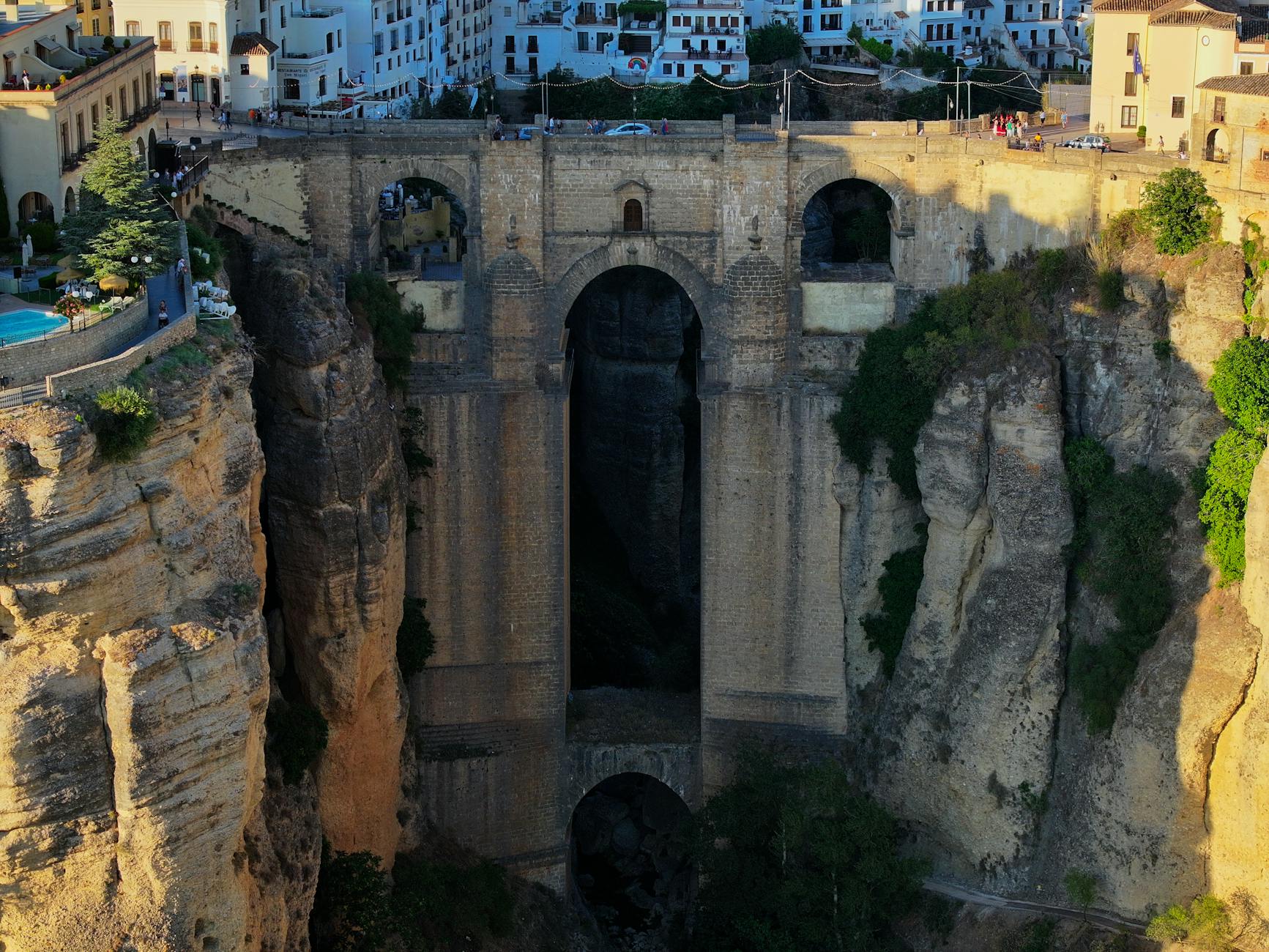
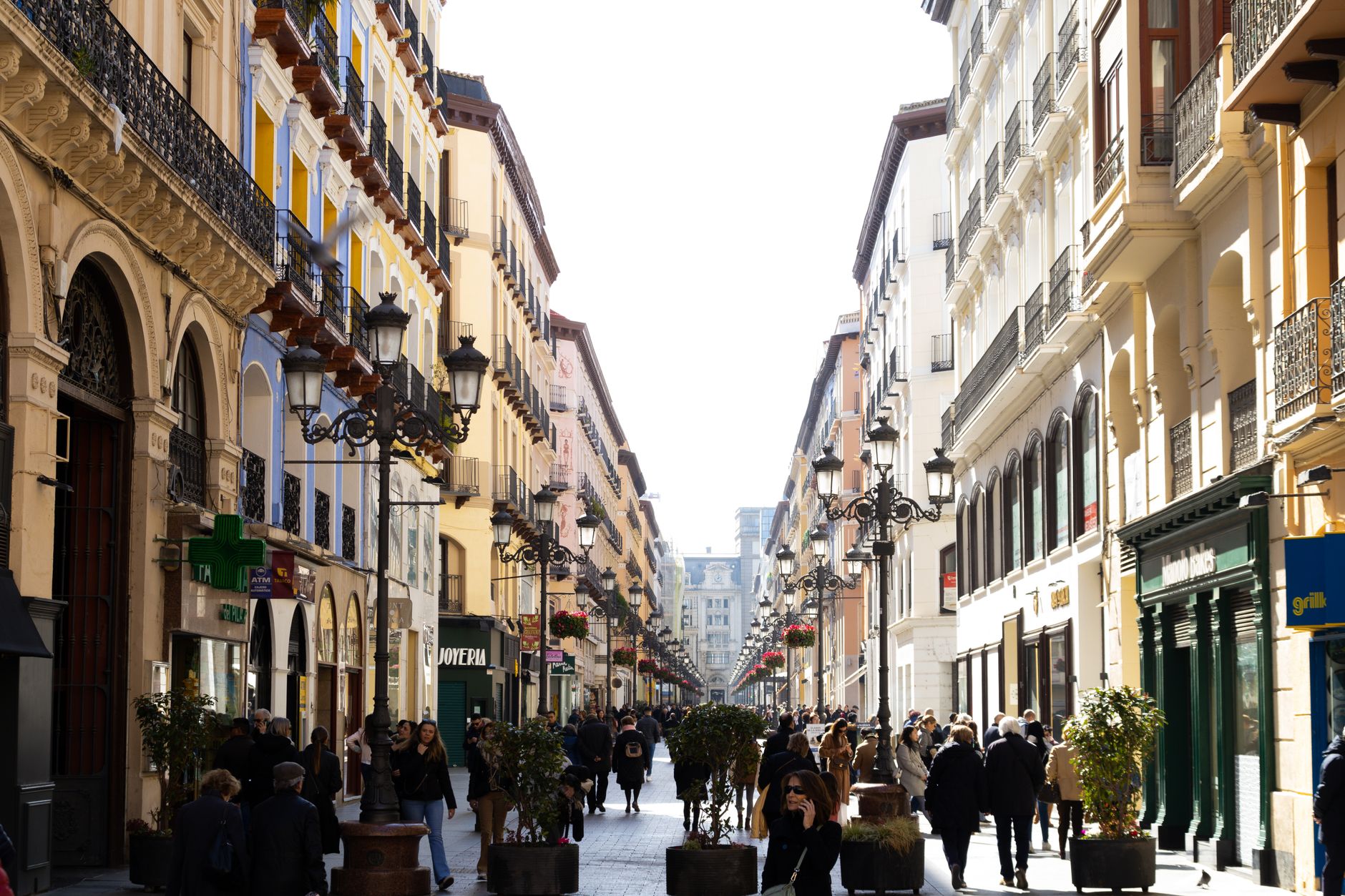
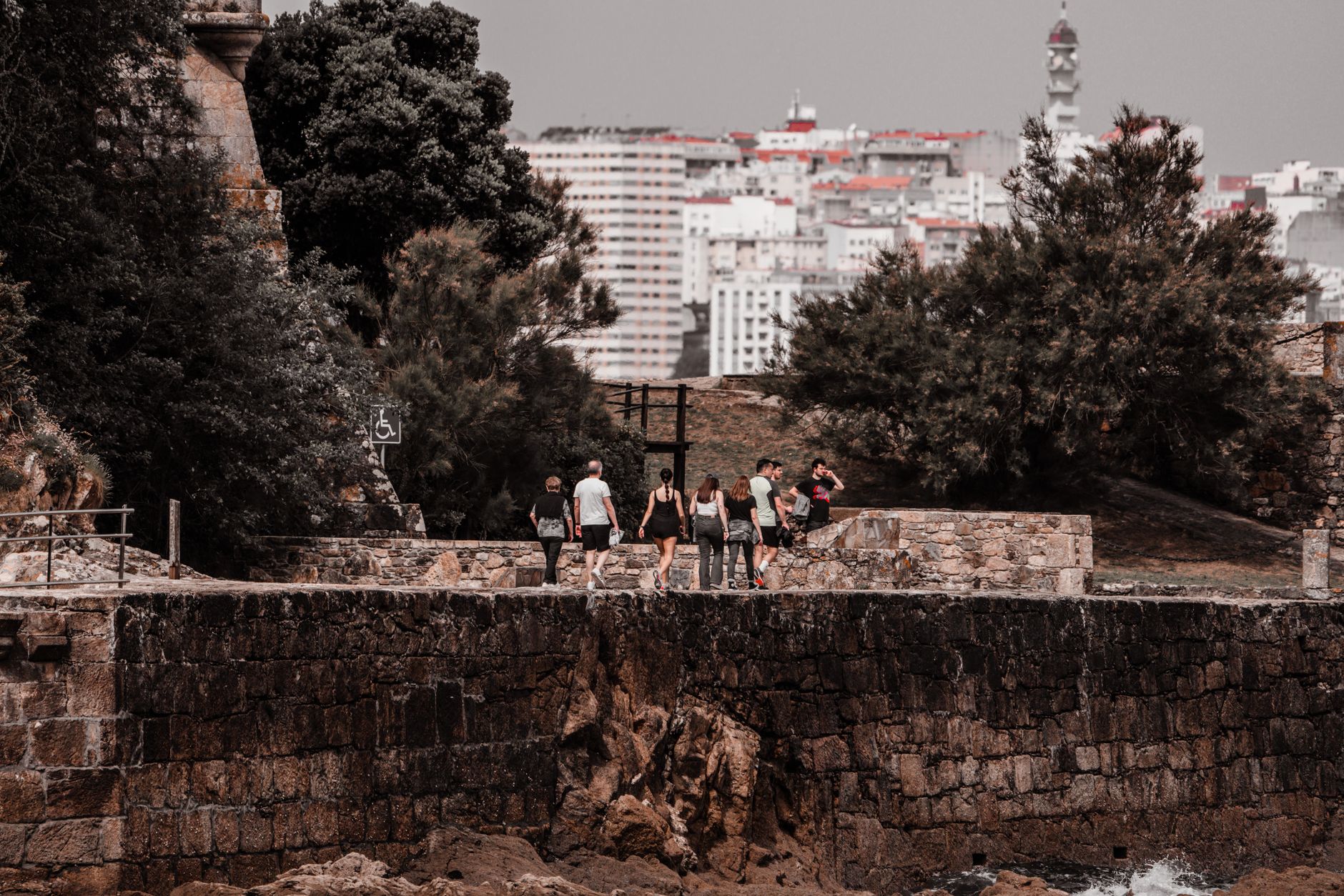
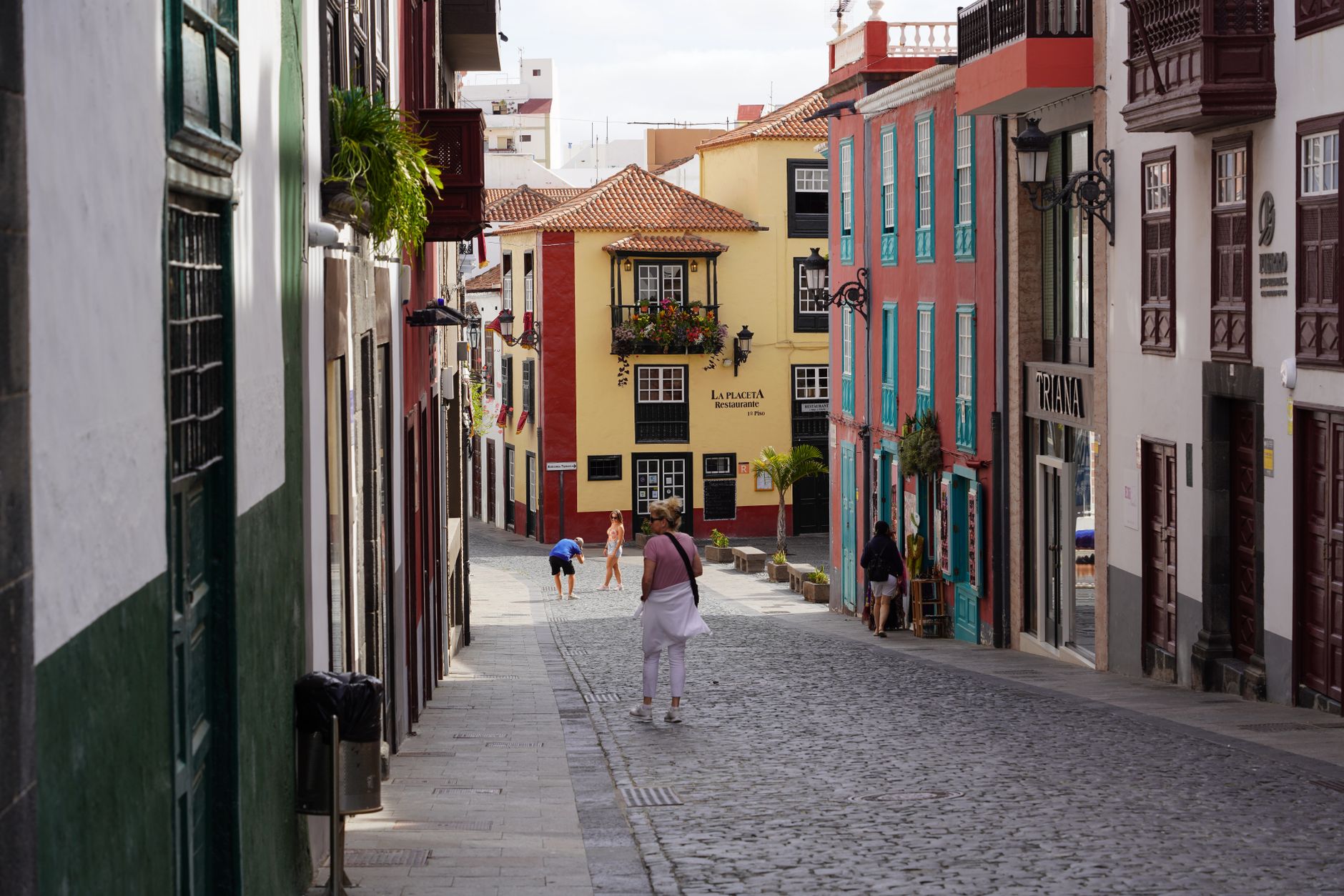
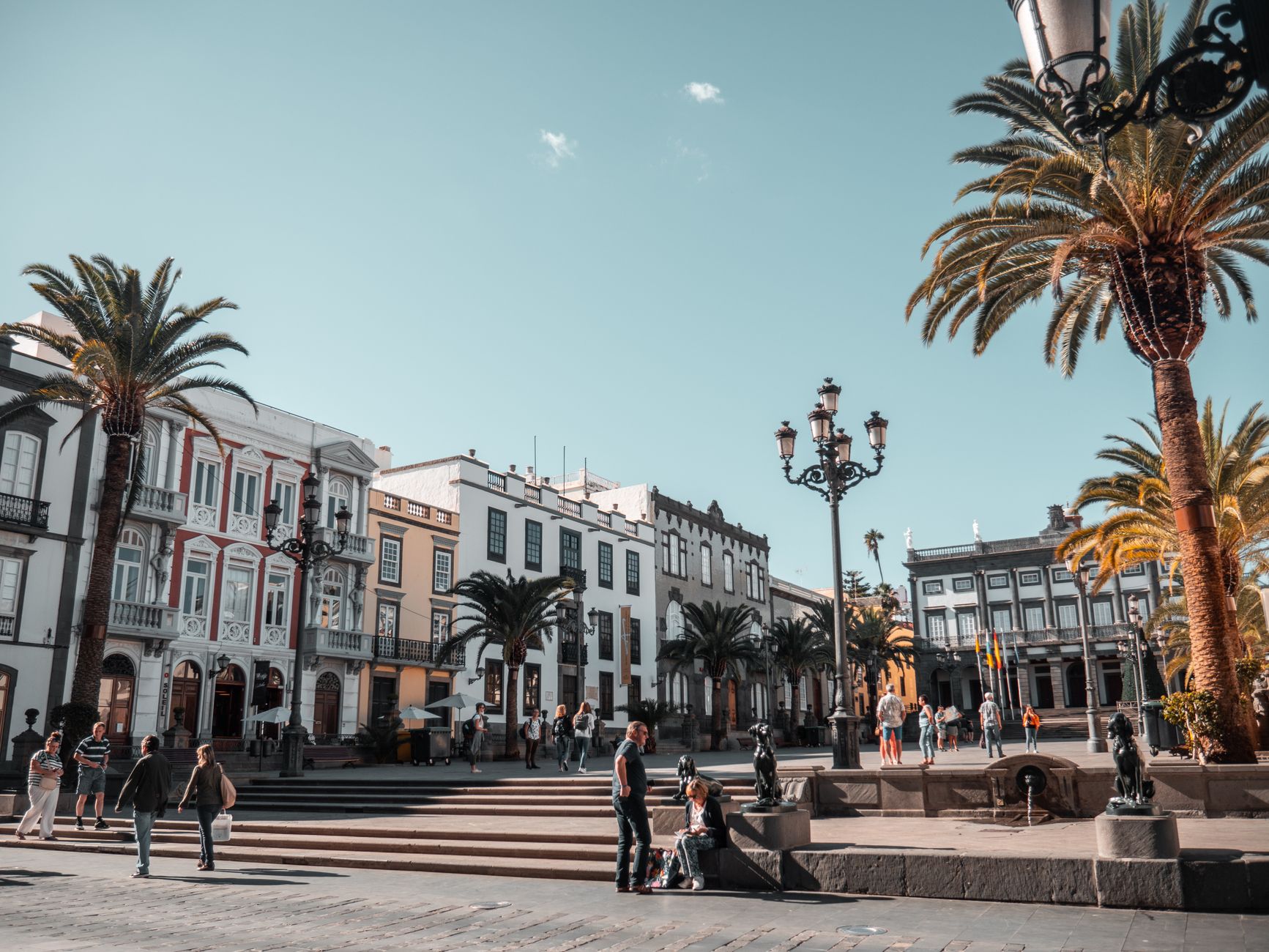
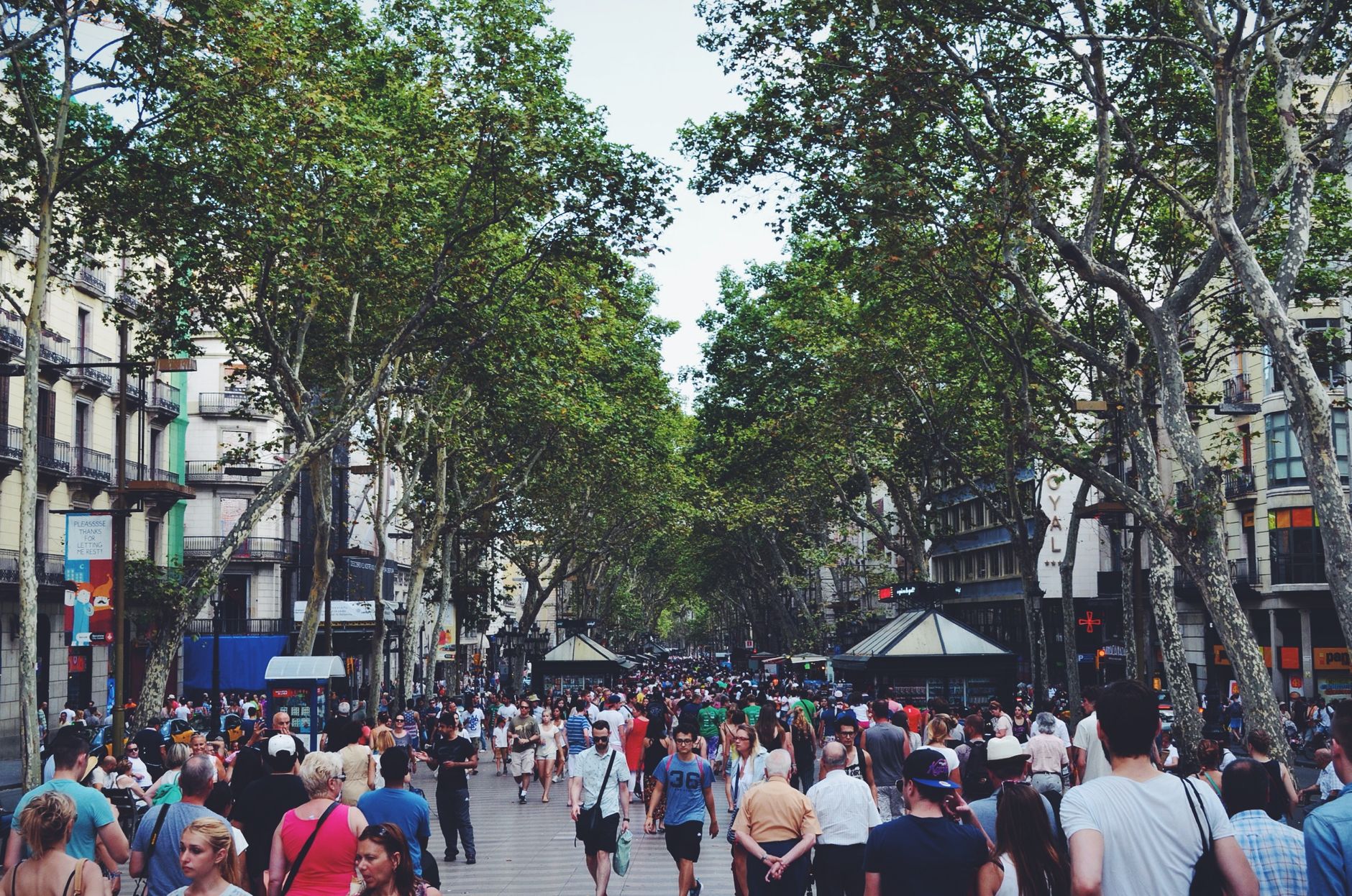
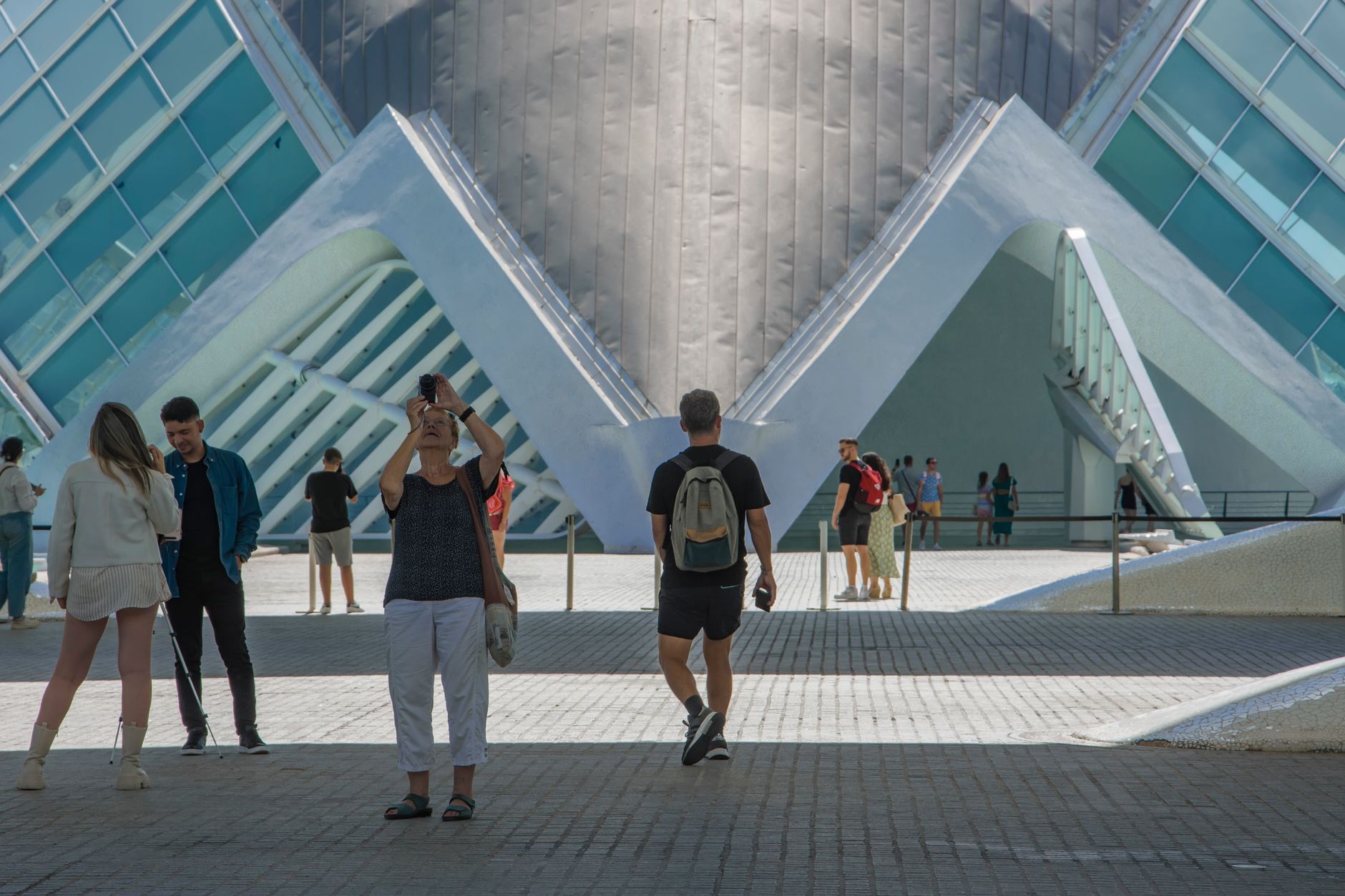
Photo by Ana Hidalgo Burgos on Pexels
Spain
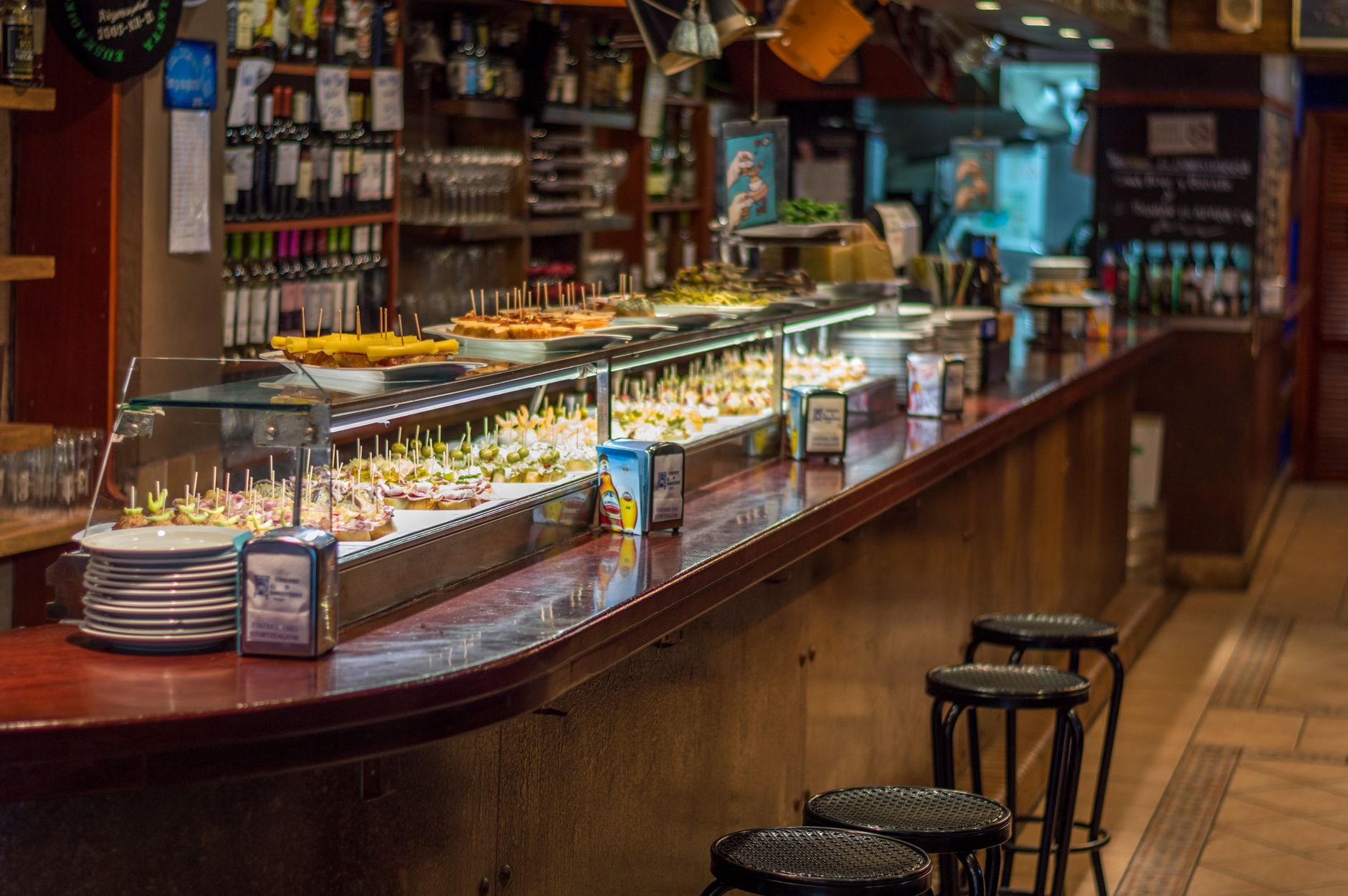
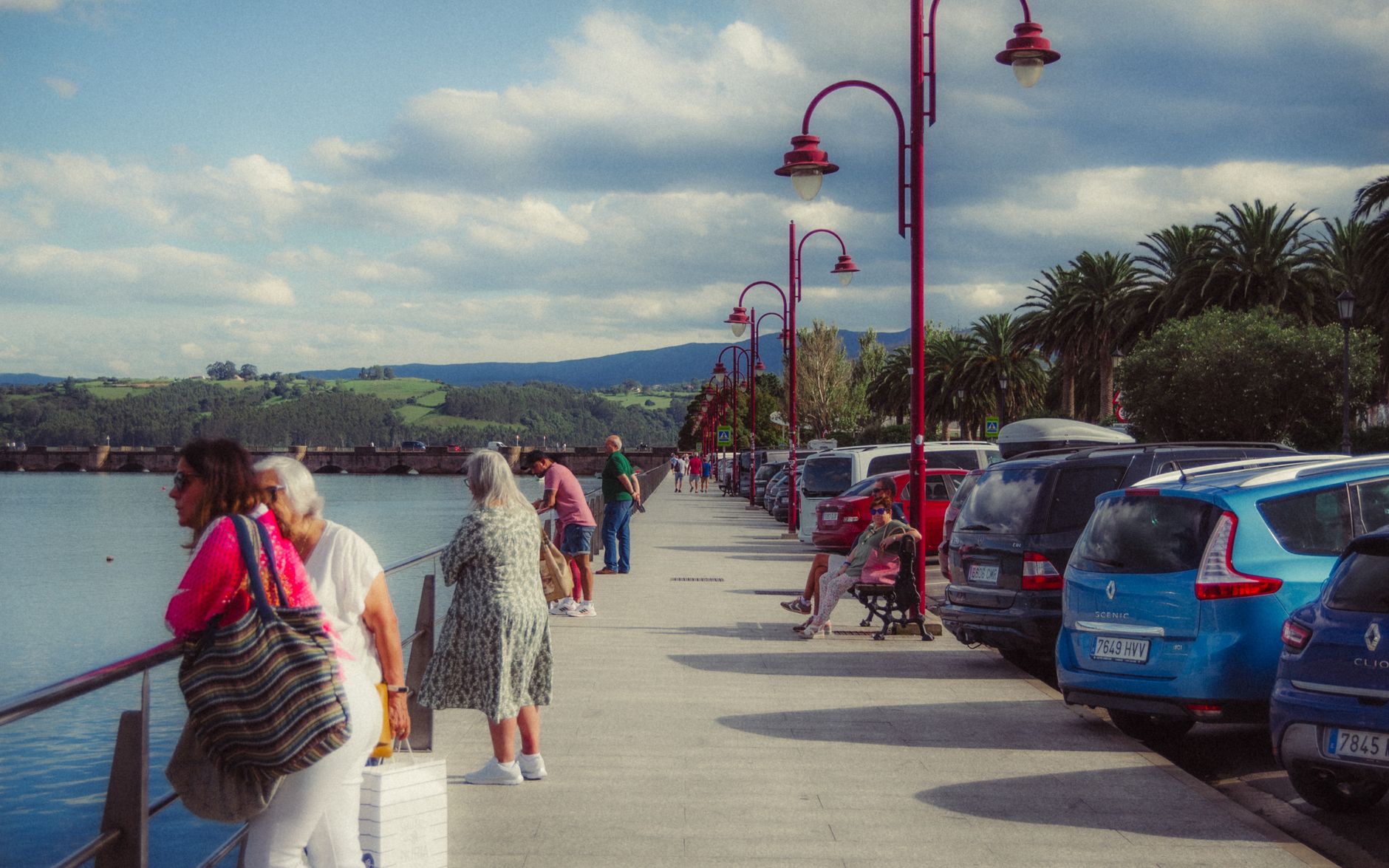
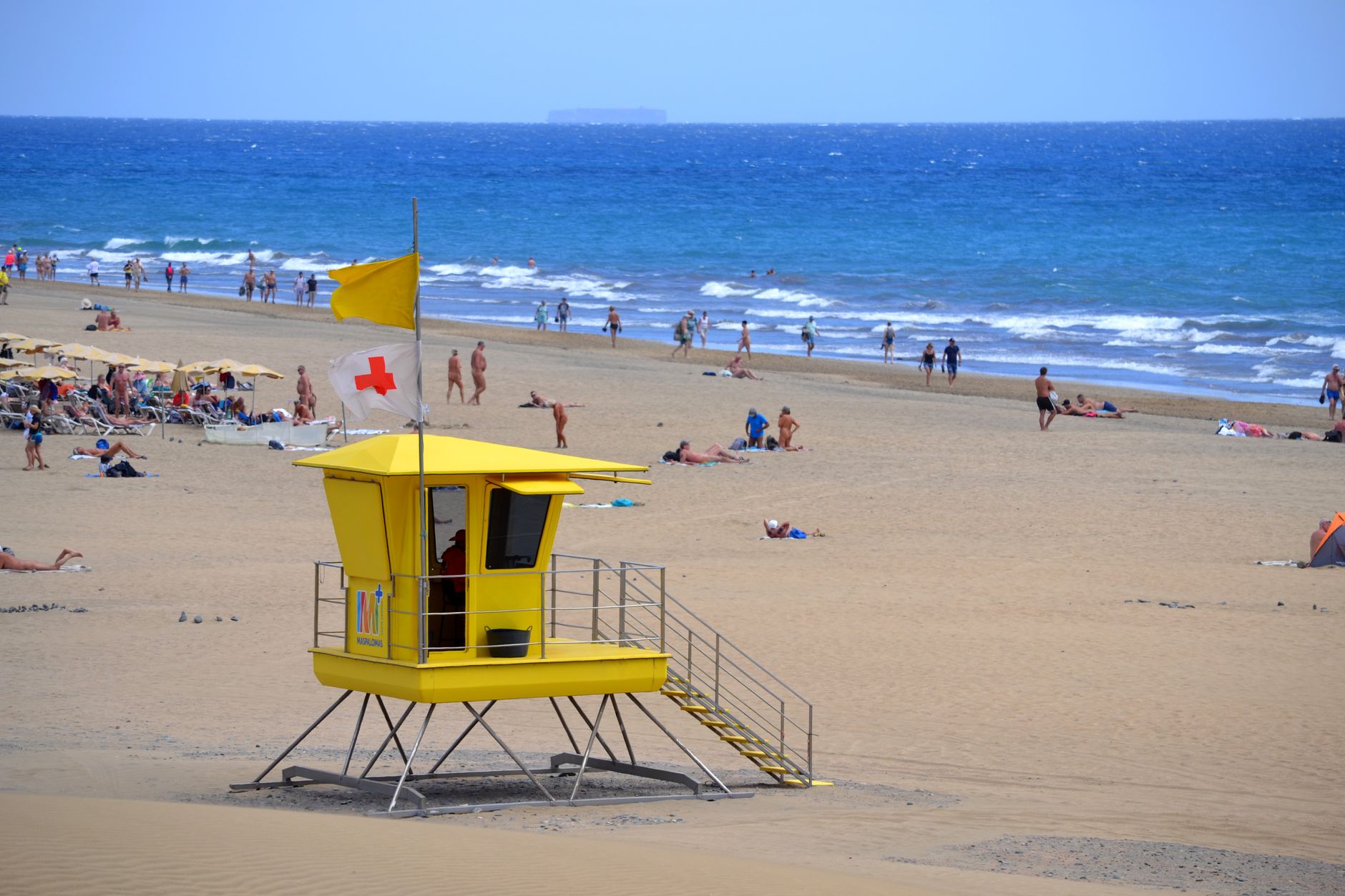
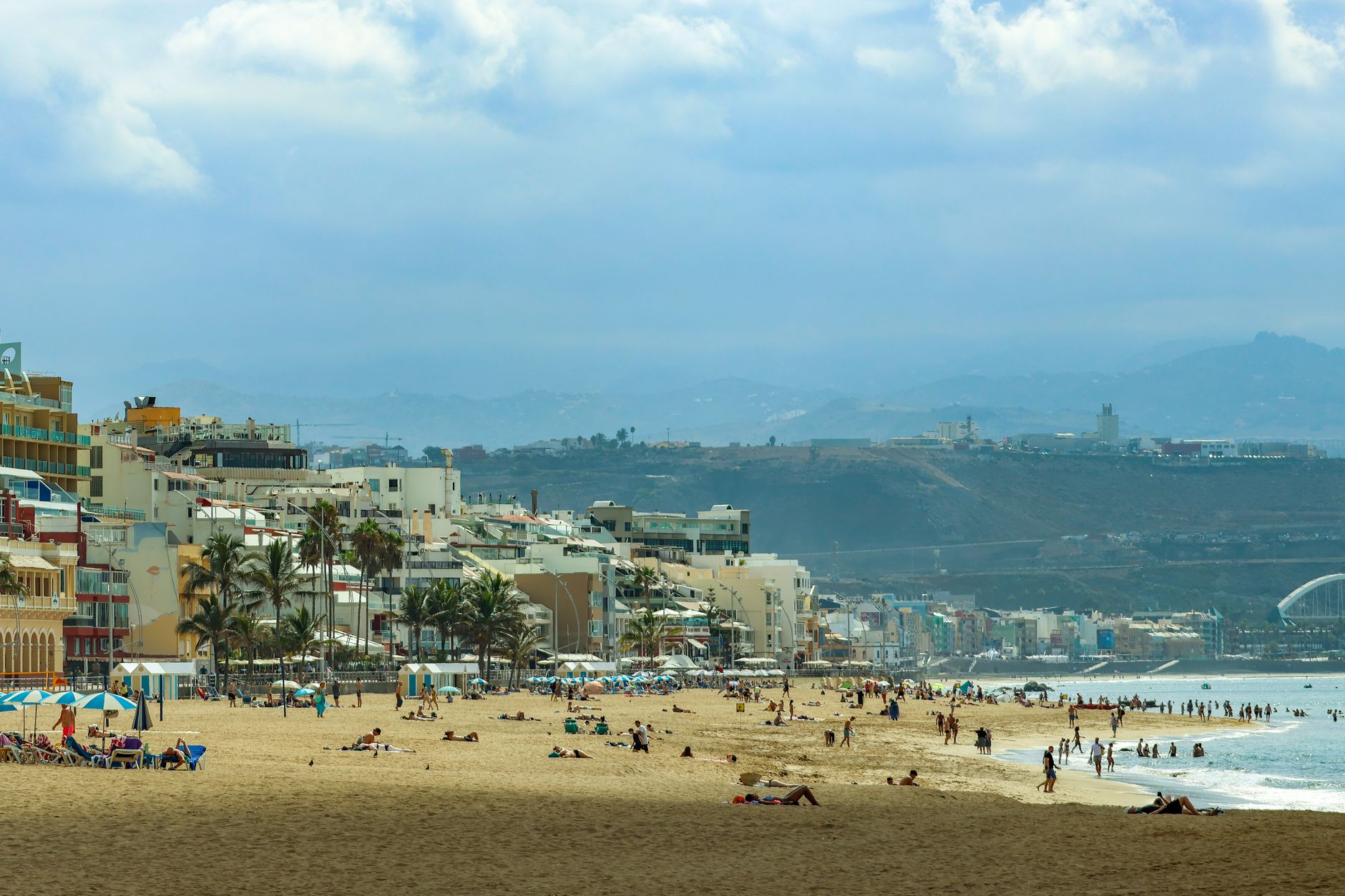
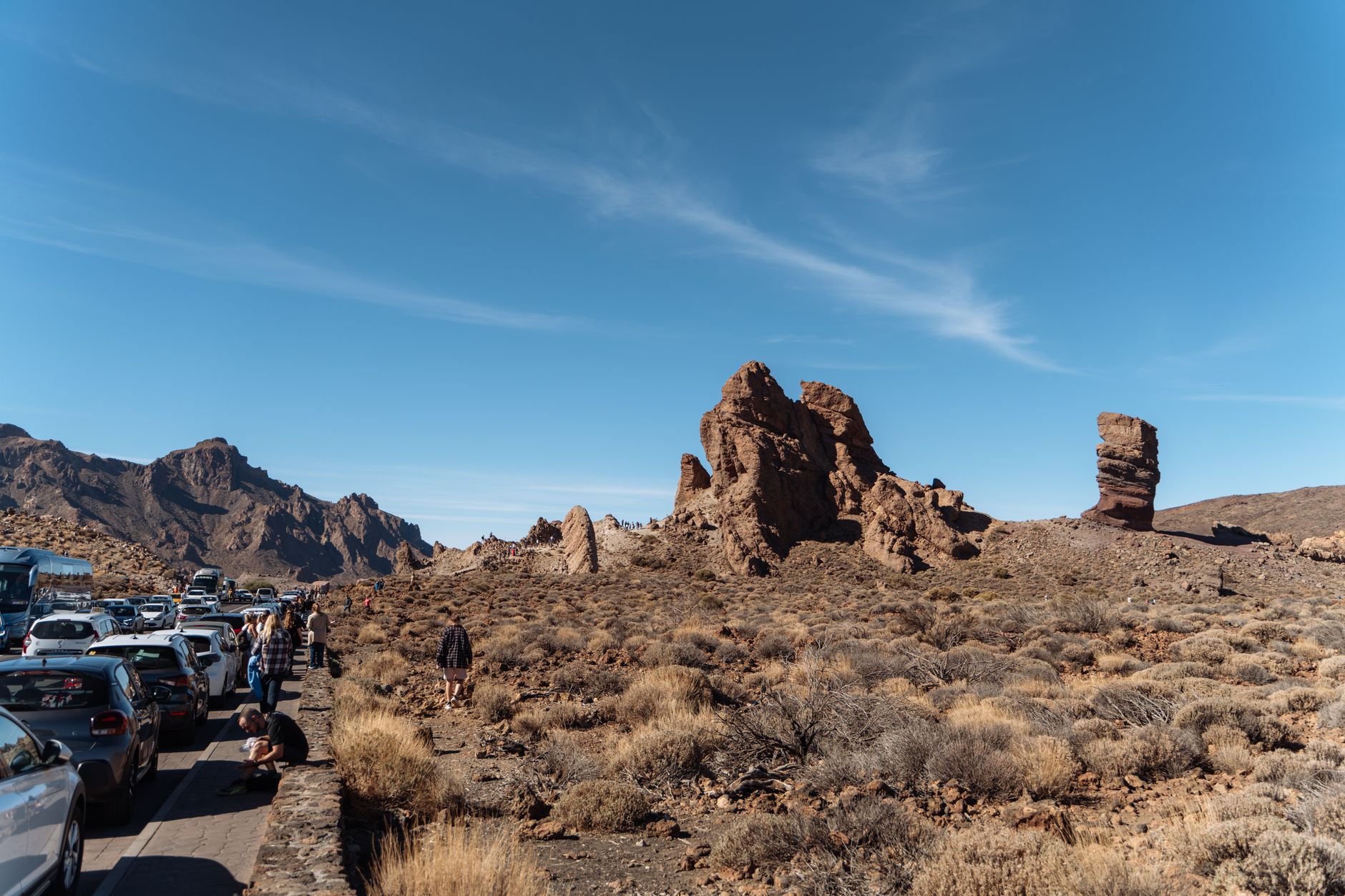
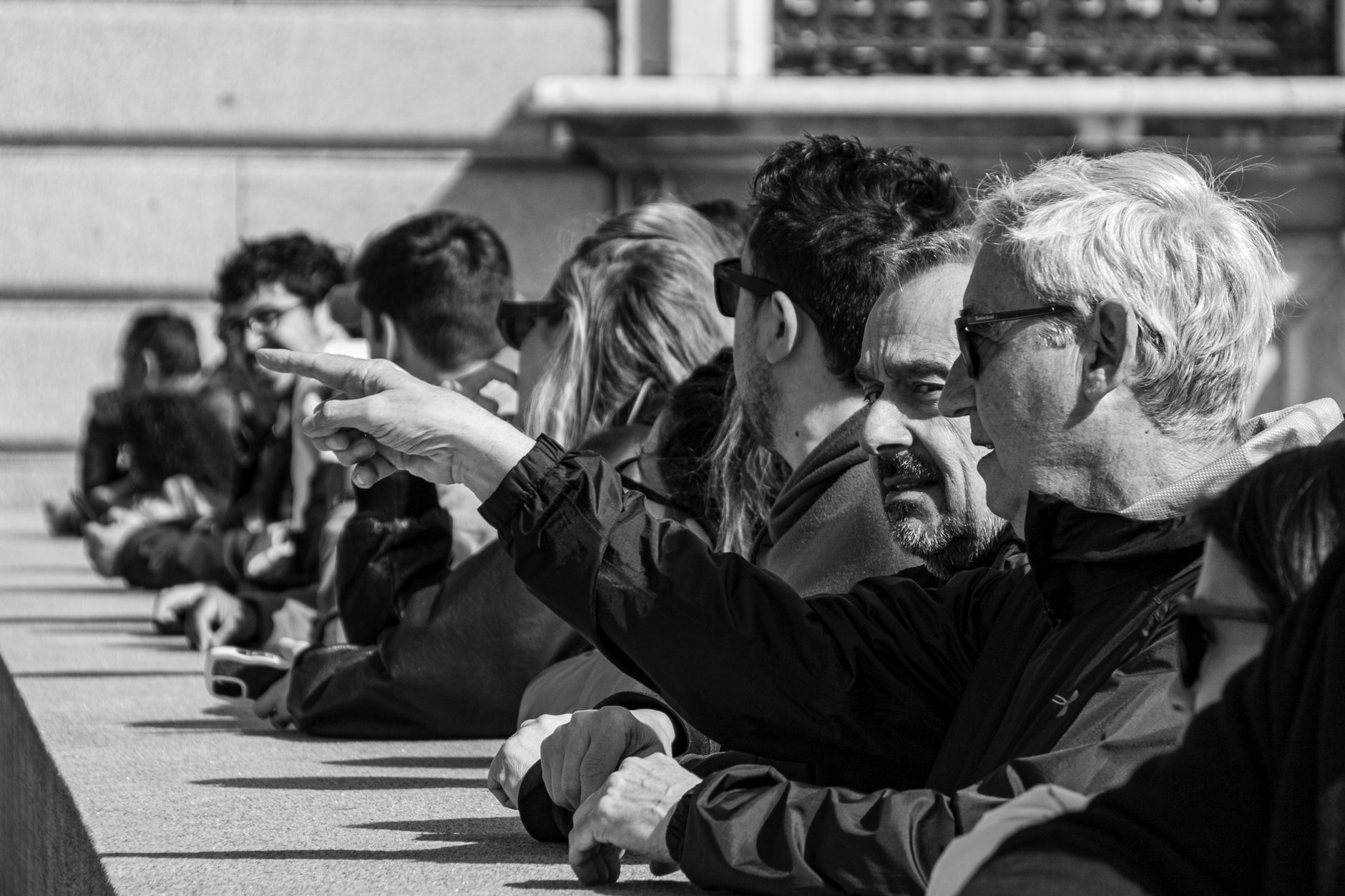
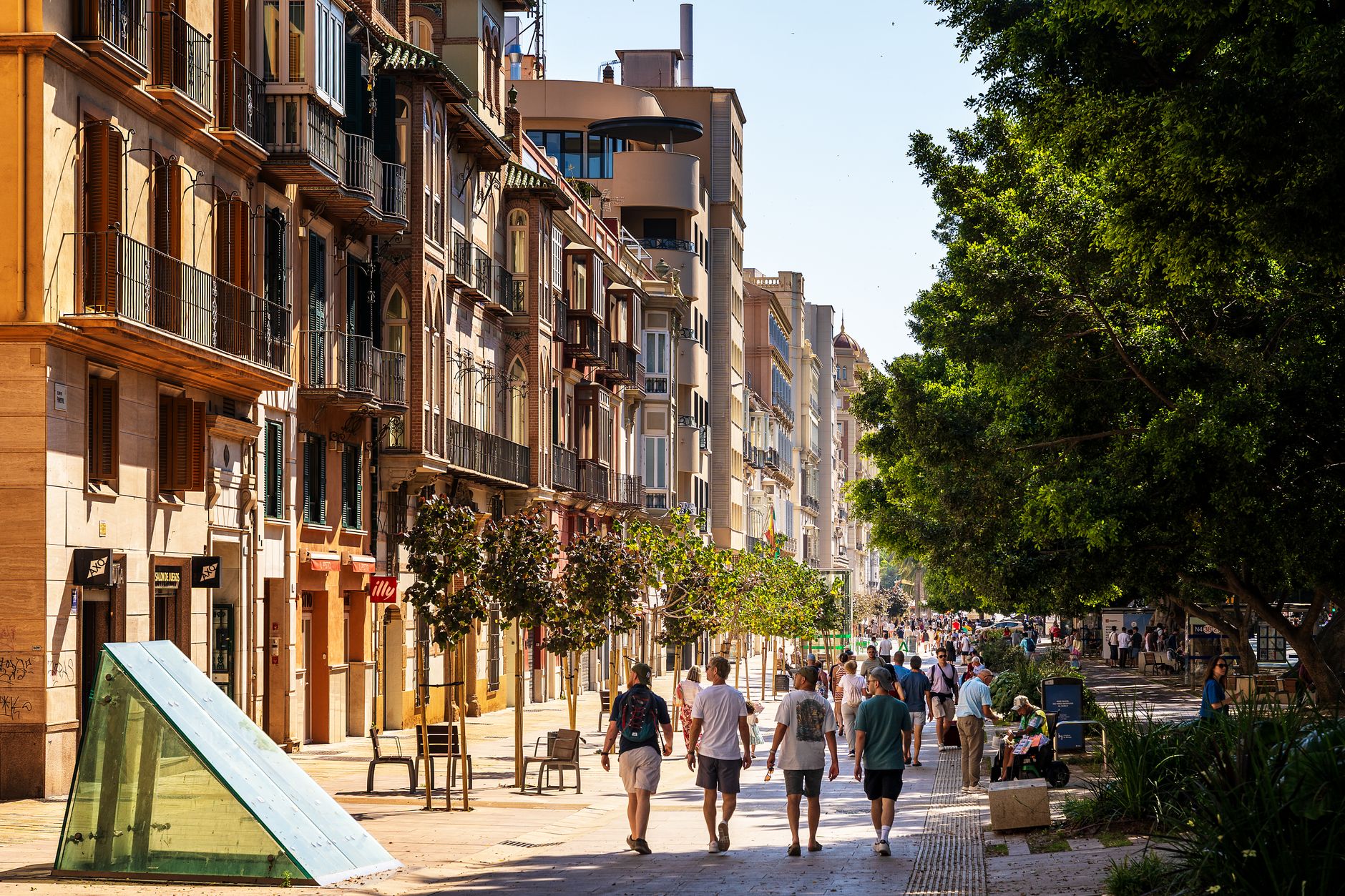
Photo by Michael on Pexels
Spain
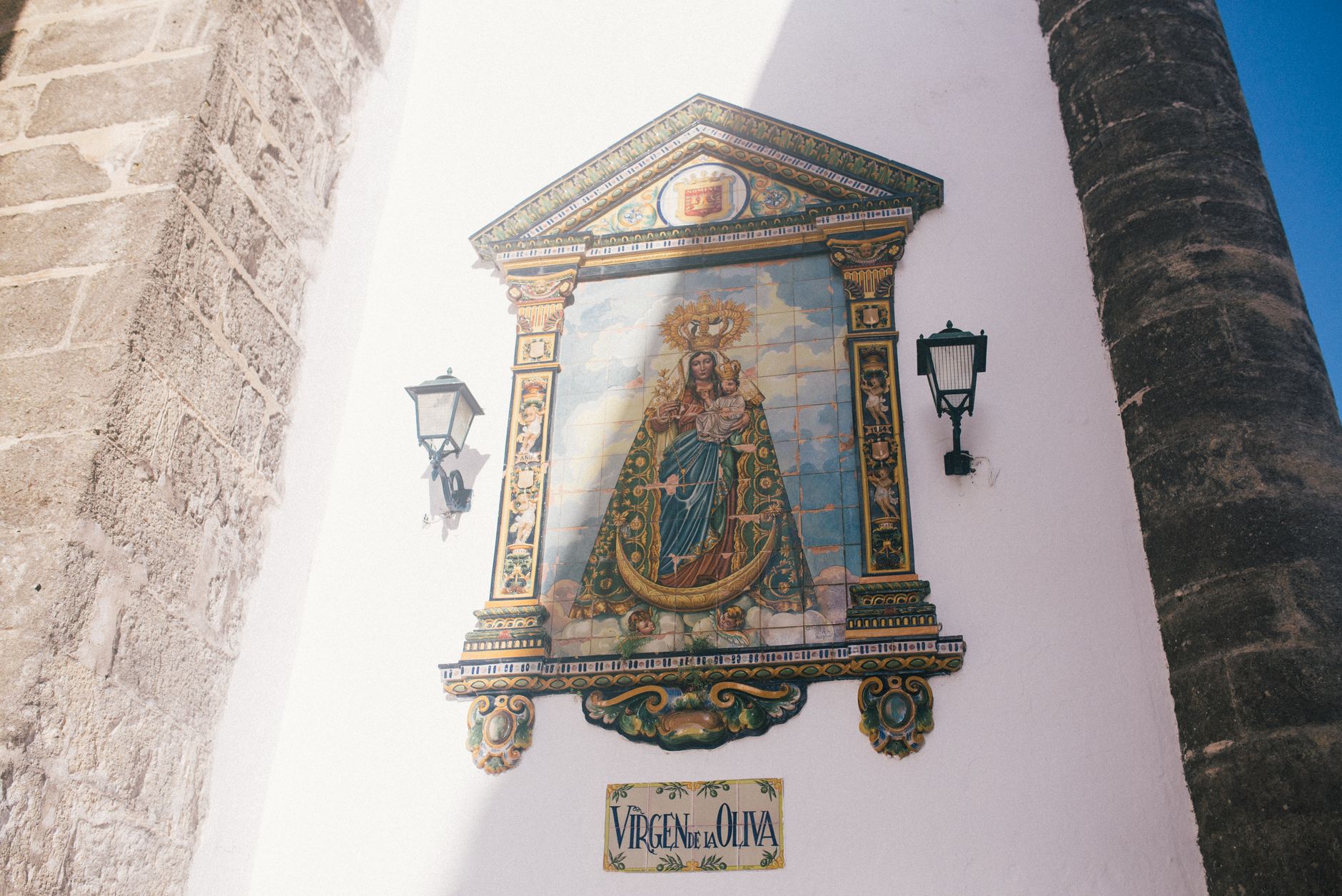
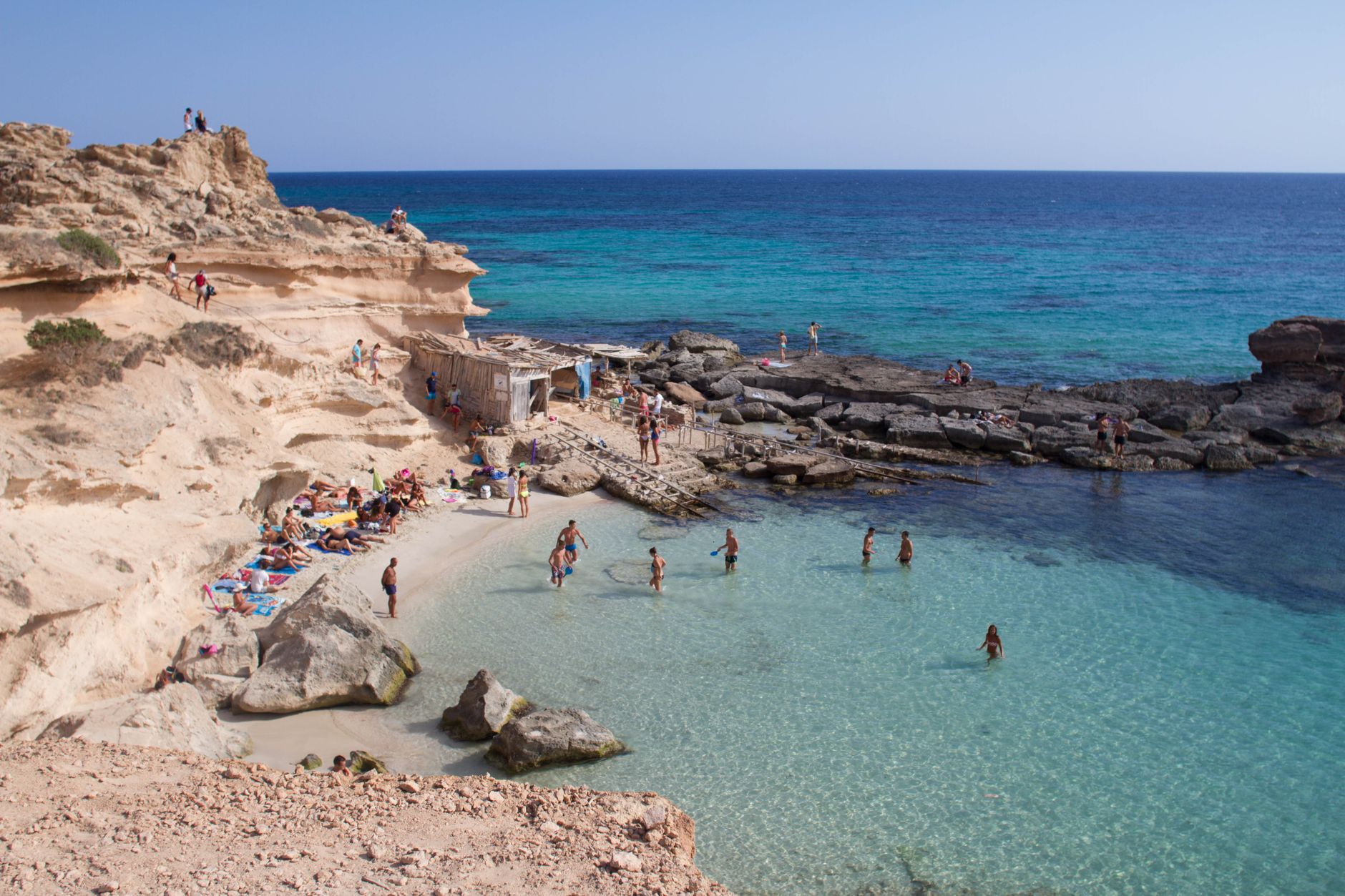
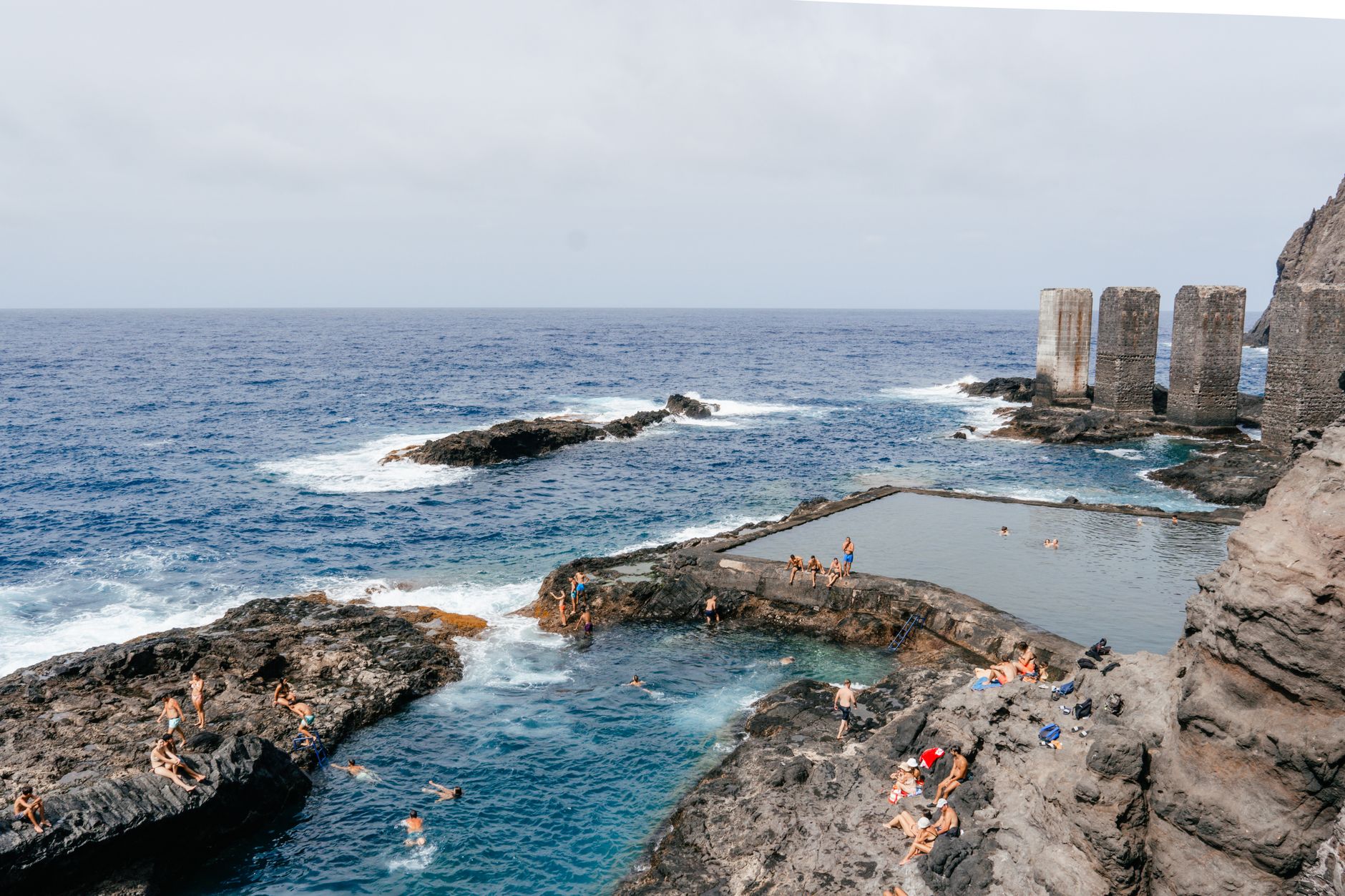
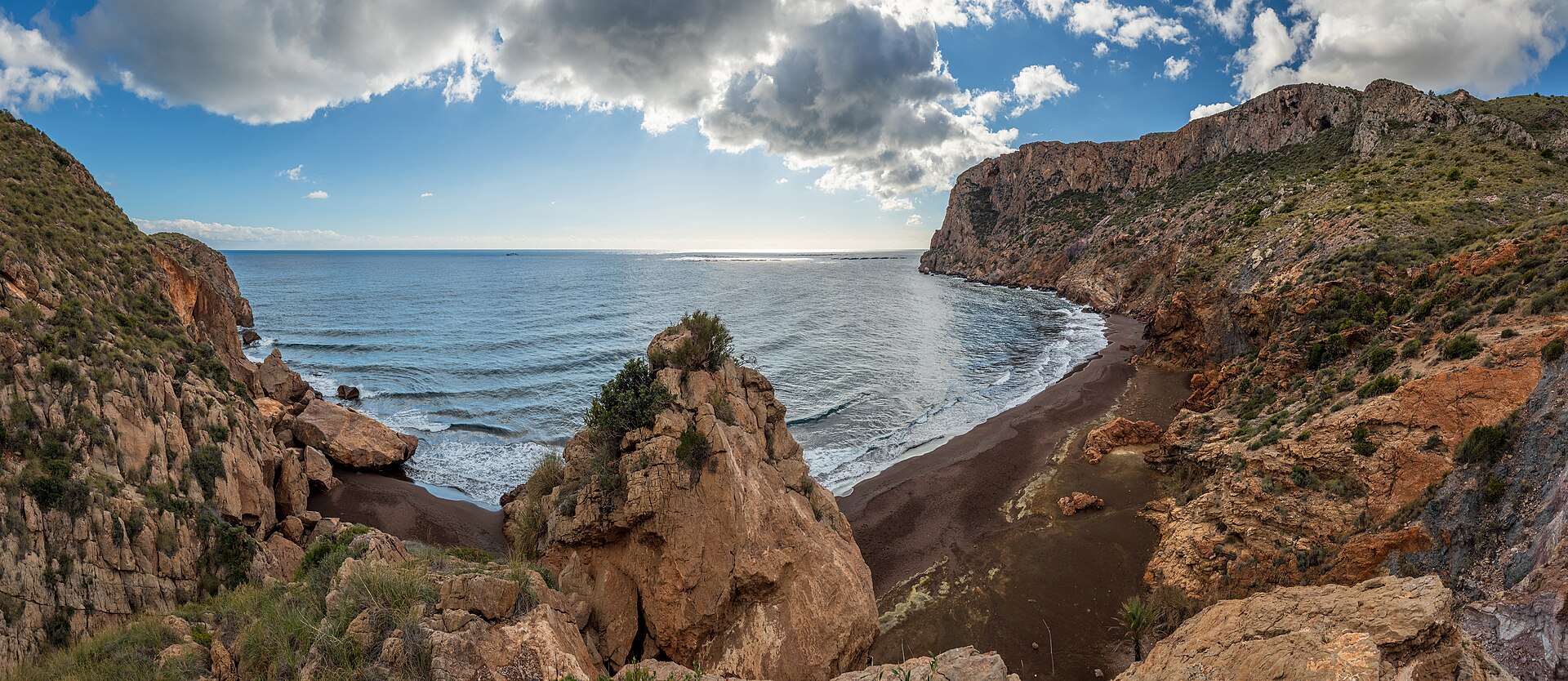
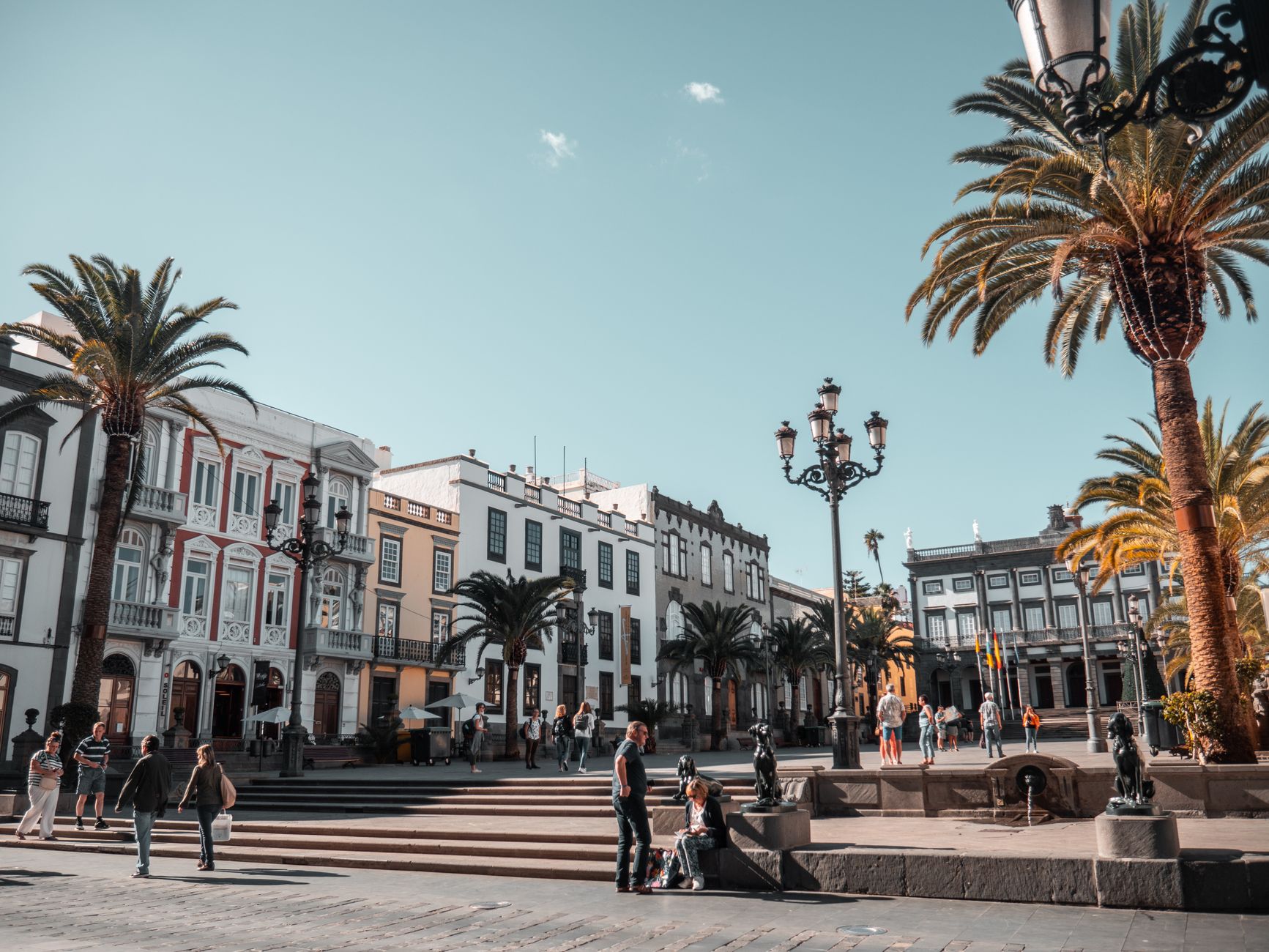
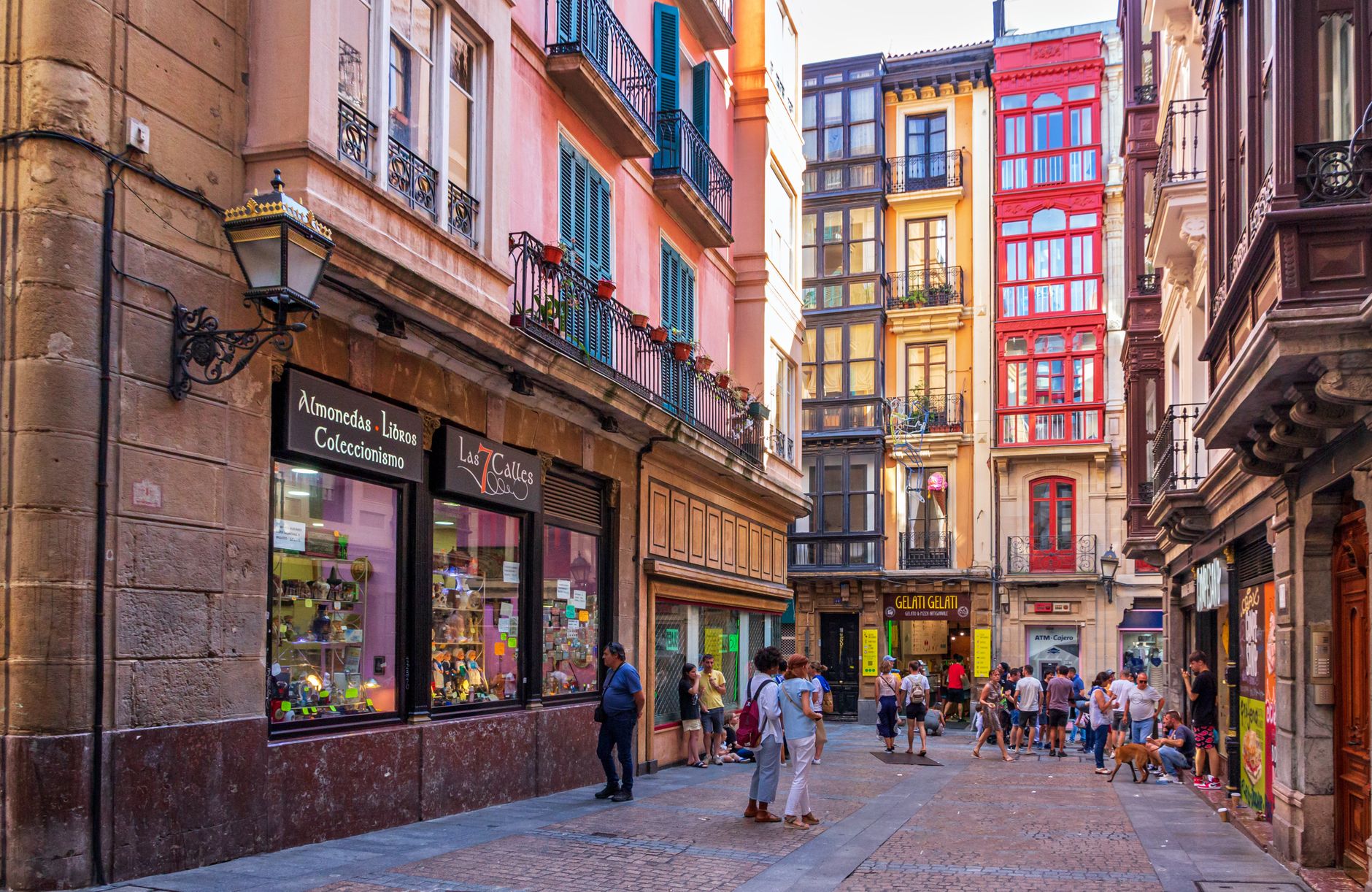
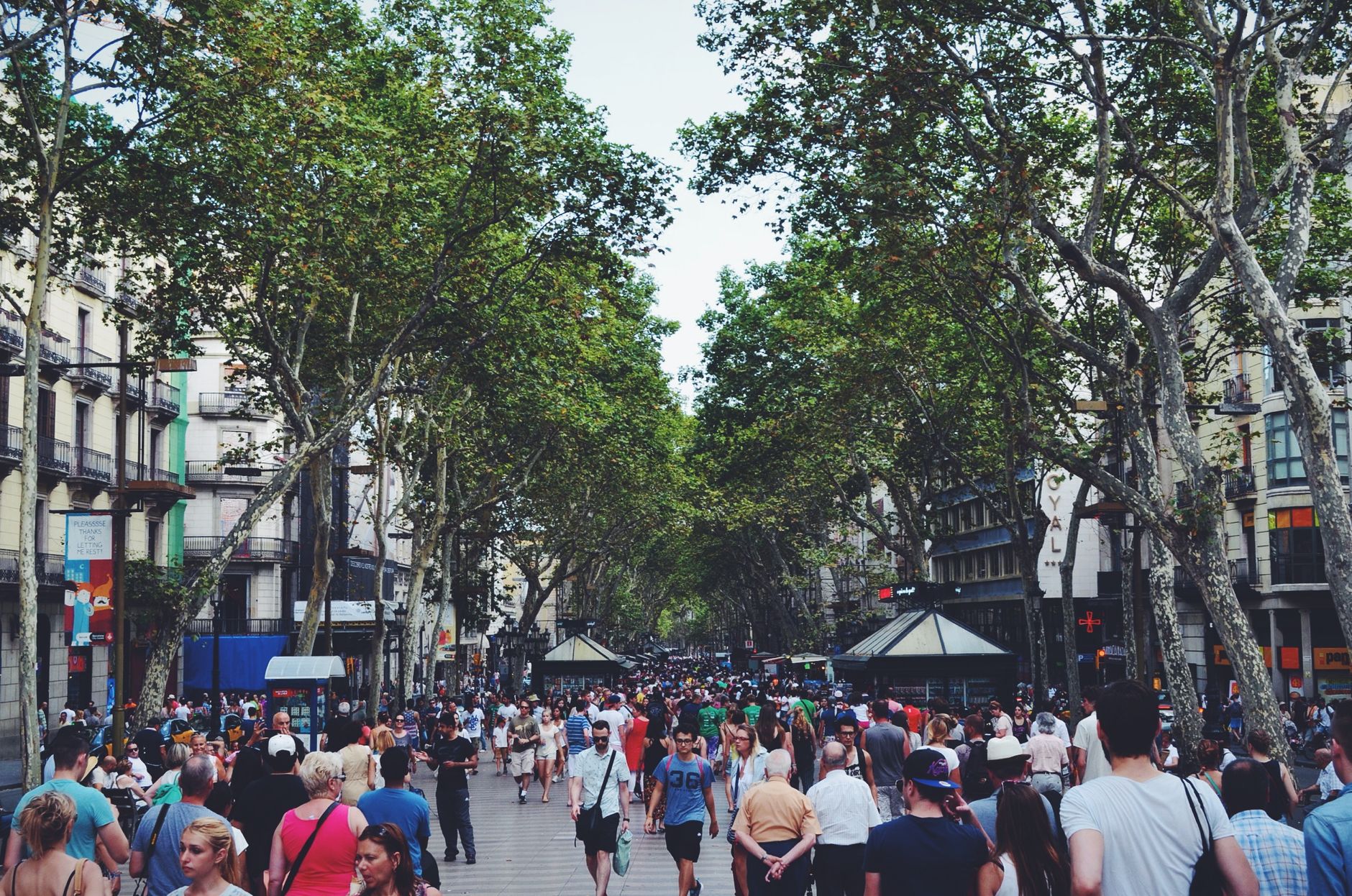
Photo by Pavlo Luchkovski on Pexels
Spain
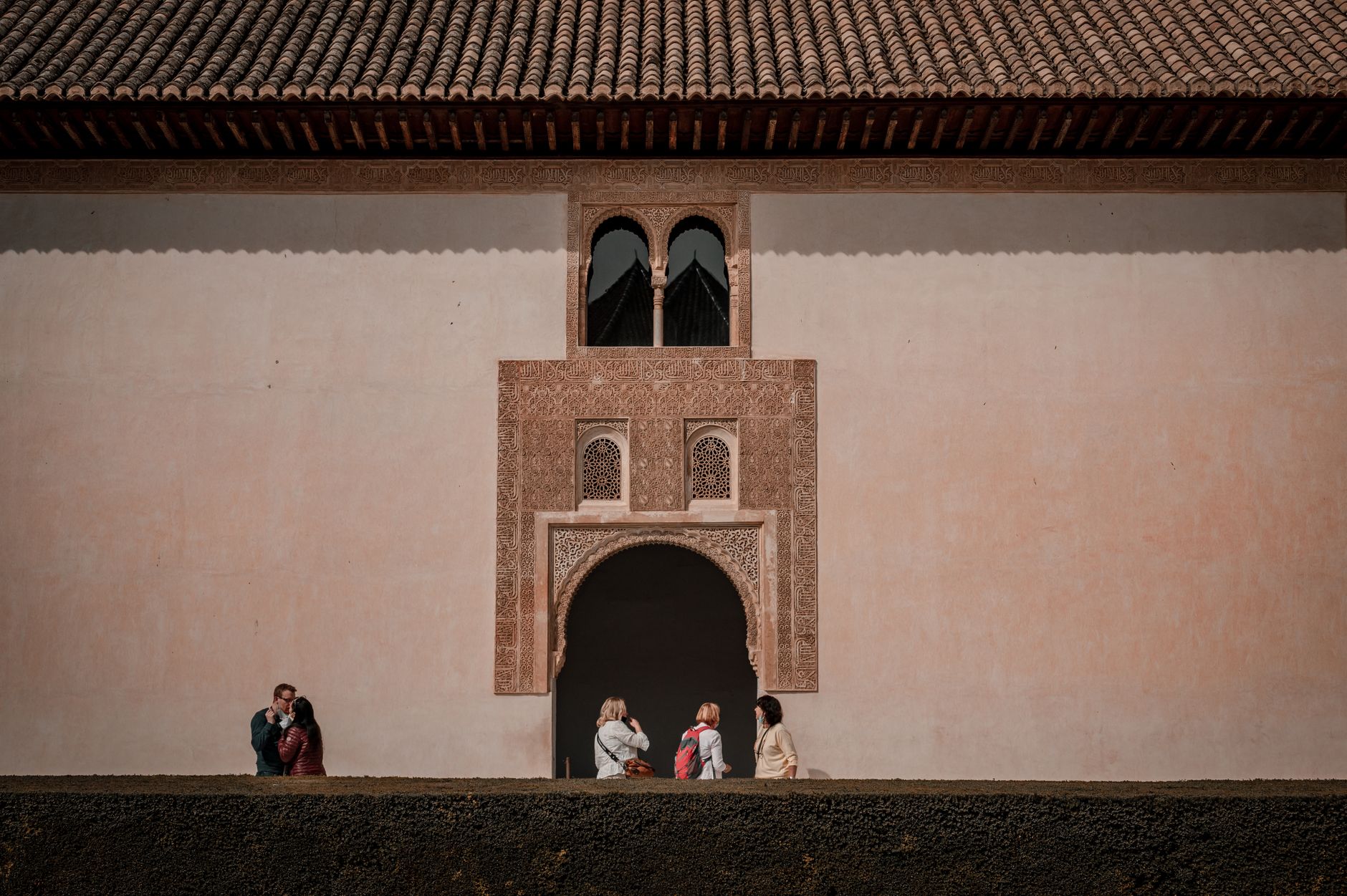
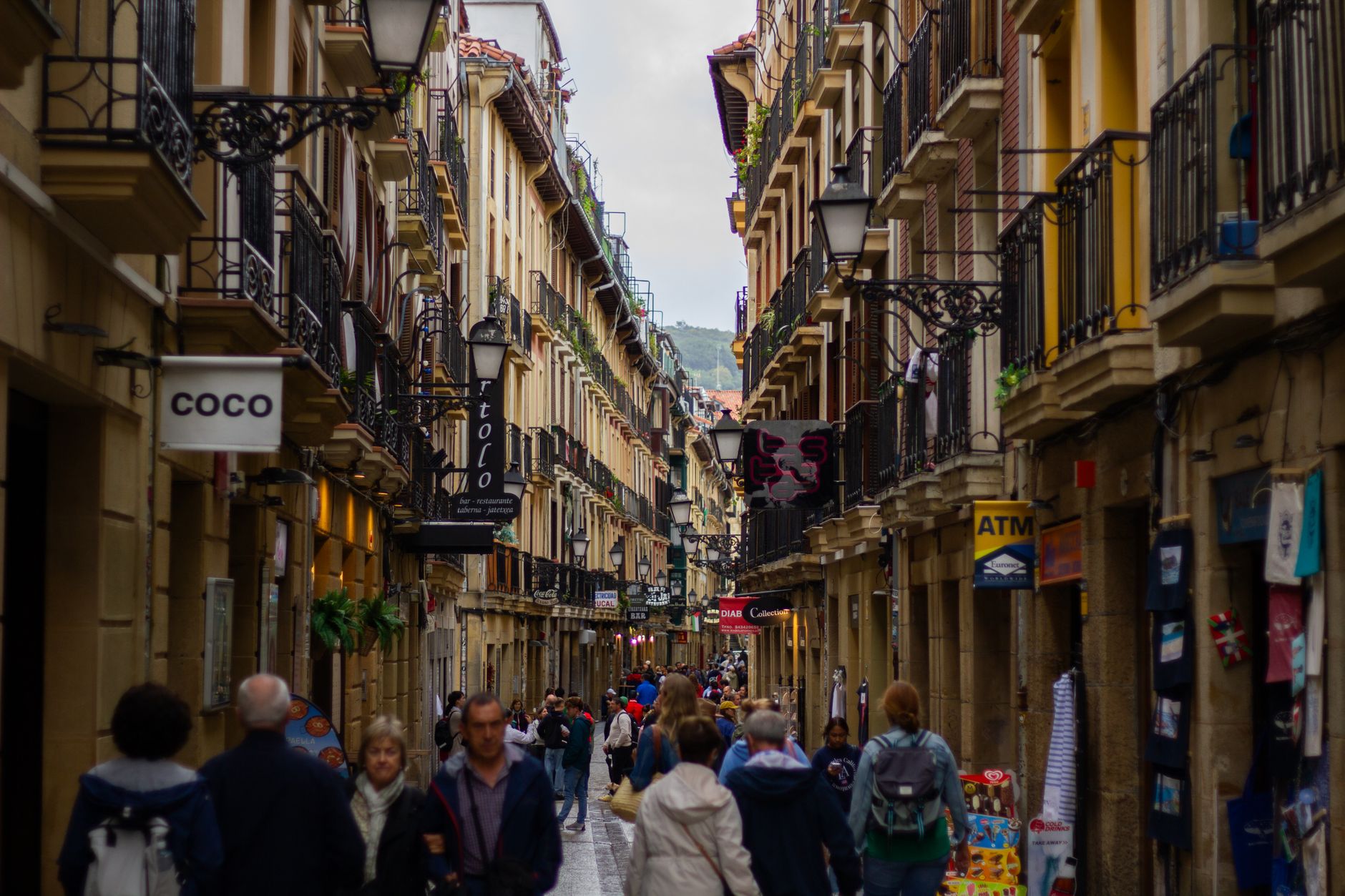
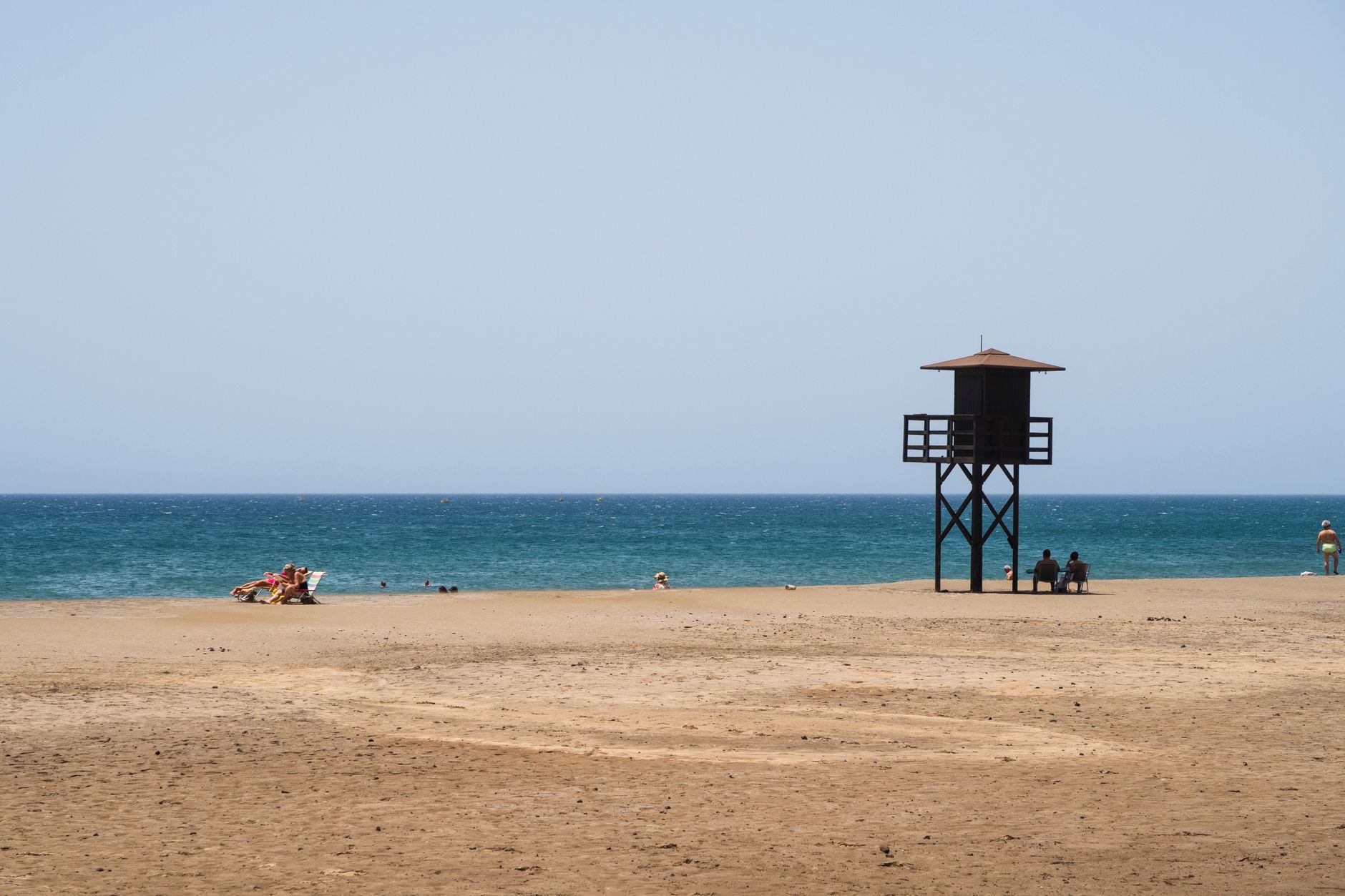
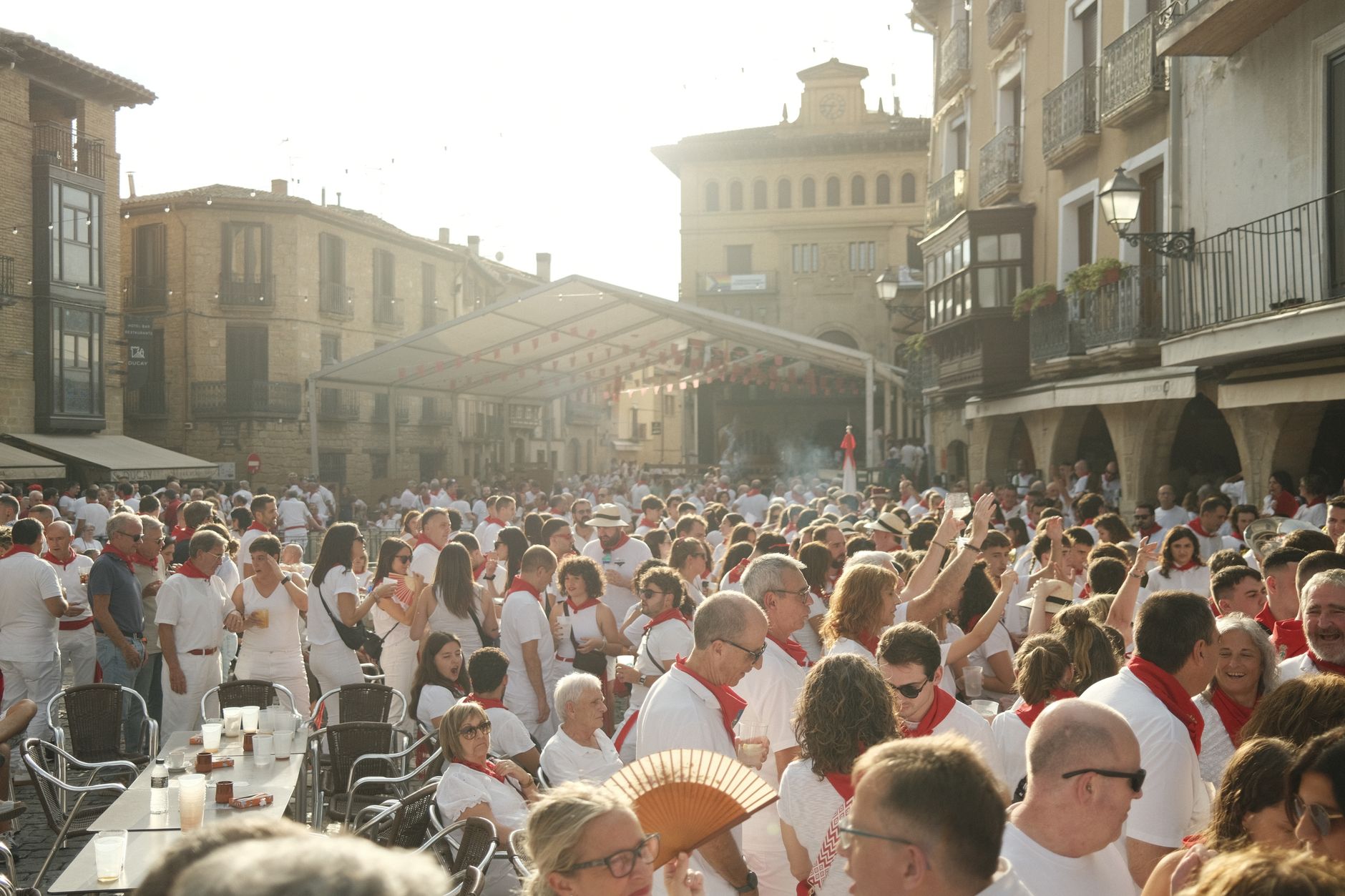
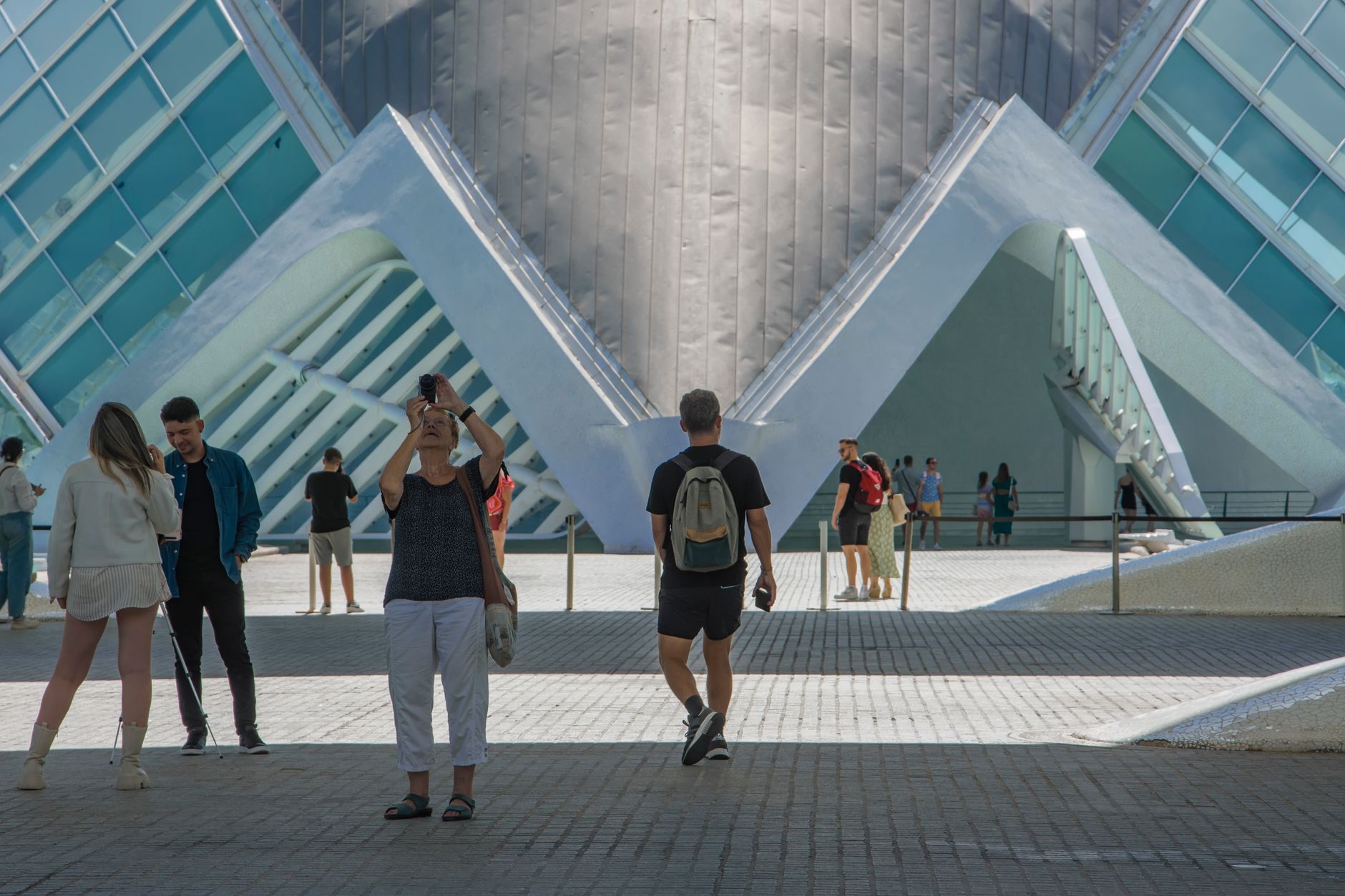
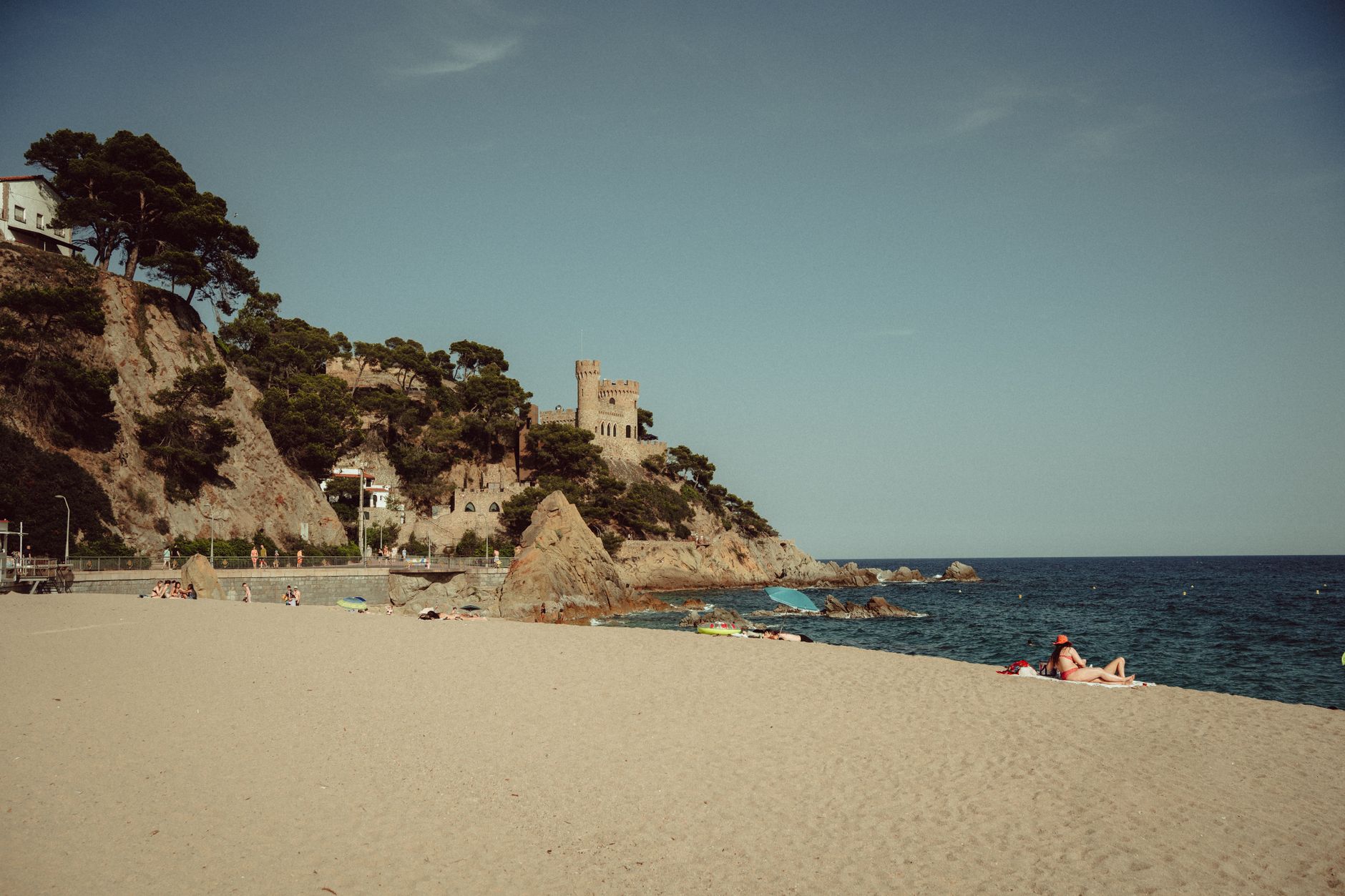
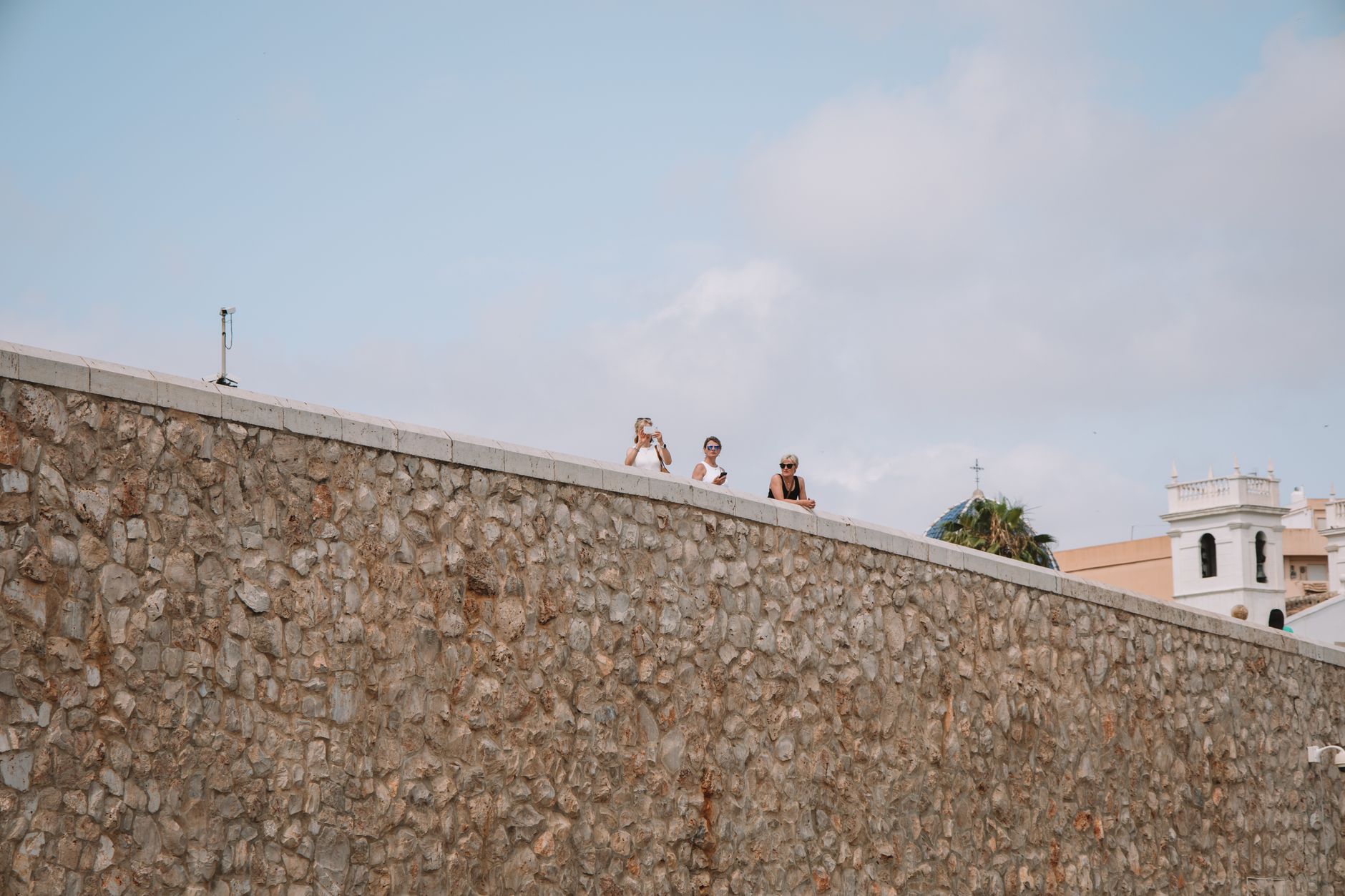
Photo by Joaquin Carfagna on Pexels
Spain
Photo by Tanhauser Vázquez R. on Pexels
Spain
Photo by Jona Scheuber on Pexels
City break Culture & history Food & drink

Spain contains multitudes in a way that resists easy summary. A Roman aqueduct in Segovia stands without a drop of mortar holding its 160 arches together. A cathedral in Córdoba began as a mosque in 785 AD and was converted to Catholic worship five centuries later — and you can read both histories in the same walls. These aren't curiosities; they're the texture of a country that has been fought over, built up, and remade more times than most.

What you encounter here is a place of genuine regional difference — in language, food, architecture, and weather. The north is green and rainy; the south bakes in July at 37°C. The Basque Country and Catalonia carry distinct identities that predate the Spanish state itself. Plan accordingly, and you'll travel somewhere more interesting than a single country usually allows.

Good to know
Spring (April–May) and autumn (September–October) suit most travelers best — cities are walkable and the coast is warm without the intensity of a southern July. Book Alhambra tickets well in advance; daily numbers are capped and it sells out. Distances between regions are significant — budget time generously.

Deals in Spain

Book directly at the provider
The story

How Spain came to be

The Spain recognizable on modern maps took shape in 1469, when the marriage of Isabella I of Castile and Ferdinand II of Aragon brought two crowns under joint rule. Within two decades, 1492 delivered two seismic events: the conquest of Granada, ending centuries of Moorish rule in Iberia, and Columbus's first Atlantic crossing under Spanish patronage — opening a colonial era that would shape the world for centuries.

The twentieth century brought rupture. Francisco Franco's dictatorship lasted nearly four decades, and his death initiated a carefully managed transition: King Juan Carlos I returned to the throne, a liberal constitution followed in 1978, and Spain entered the European Economic Community in 1986. The country that emerged has spent the decades since negotiating between a unified national identity and the distinct cultures — Catalan, Basque, Galician among them — that never fully dissolved into it.

People & landmarks

Who and what shaped it

People who shaped it

Antoni Gaudí
Catalan architect (1852–1926) who took charge of Sagrada Família in 1883, the greatest exponent of Catalan Modernisme.
Juan Bautista de Toledo
Spanish architect who constructed El Escorial between 1563 and 1567 as the king's palace and seat of empire.
Santiago Calatrava
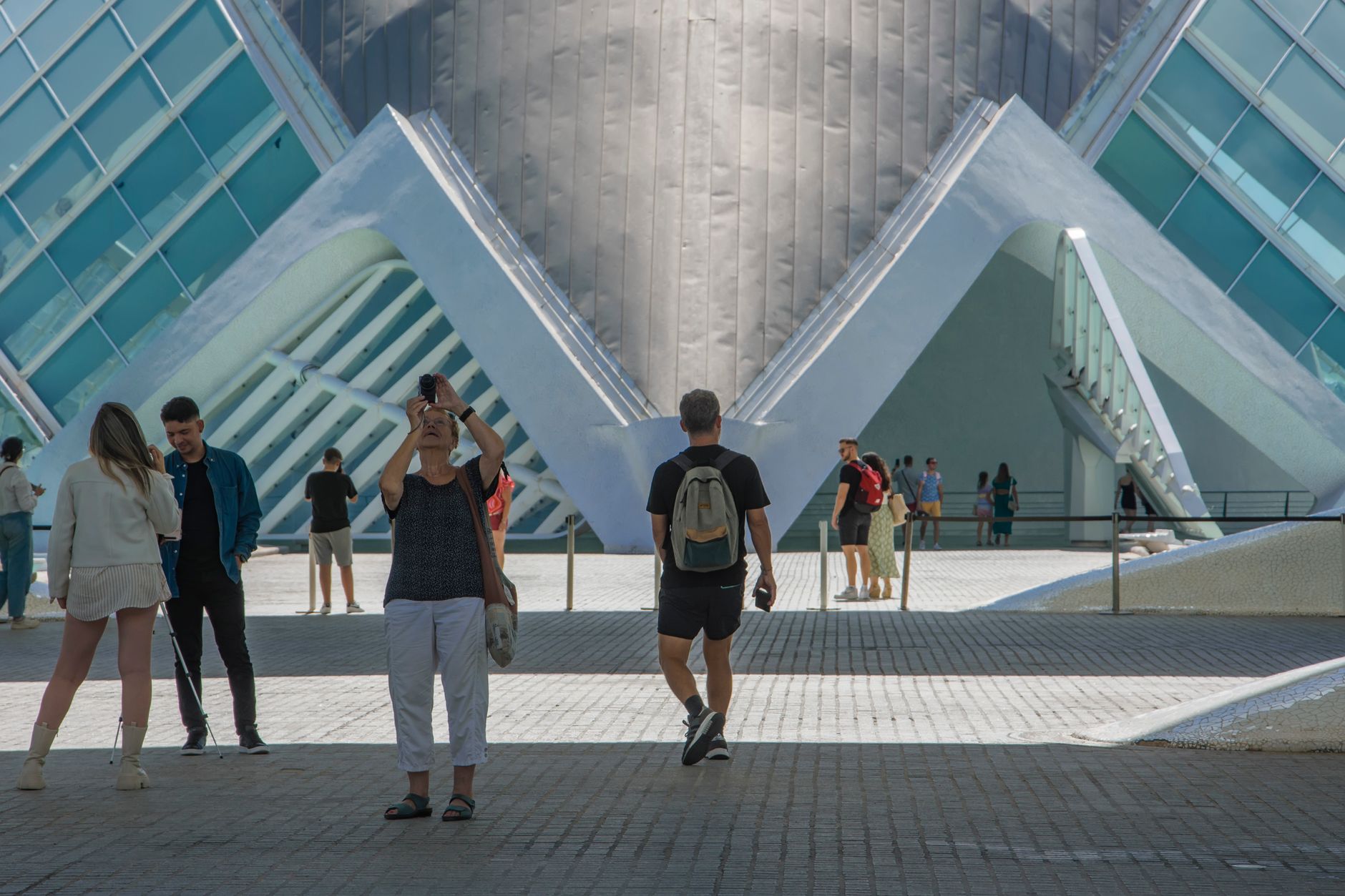
Valencian architect and engineer (born 1951) who designed the City of Arts and Sciences, inaugurated in 1998.
Rafael Moneo
Architect from Navarra (born 1937) and recipient of the Pritzker Architecture Prize.
Isabella I and Ferdinand II
Joint rulers whose 1469 marriage united the Crowns of Castile and Aragon, historiographically marking the foundation of unified Spain.

Landmark buildings

Sagrada Família, Barcelona
Construction began 1883 under Antoni Gaudí; target completion 2026 to mark centennial of his death.
Alhambra, Granada
Fortress and royal palace built chiefly between 1238 and 1358; advance booking required due to daily visitor limits.
Mosque-Cathedral of Córdoba
Begun 785 AD by Umayyad ruler Abd al-Rahman I; converted to Catholic cathedral in 1236, preserving both architectural histories.
Seville Cathedral
Built 1402 on site of former mosque; largest Gothic cathedral worldwide, took over a century to complete.
El Escorial
Constructed 1563–1567 by Juan Bautista de Toledo; vast palace and seat of empire requiring a full day to explore.
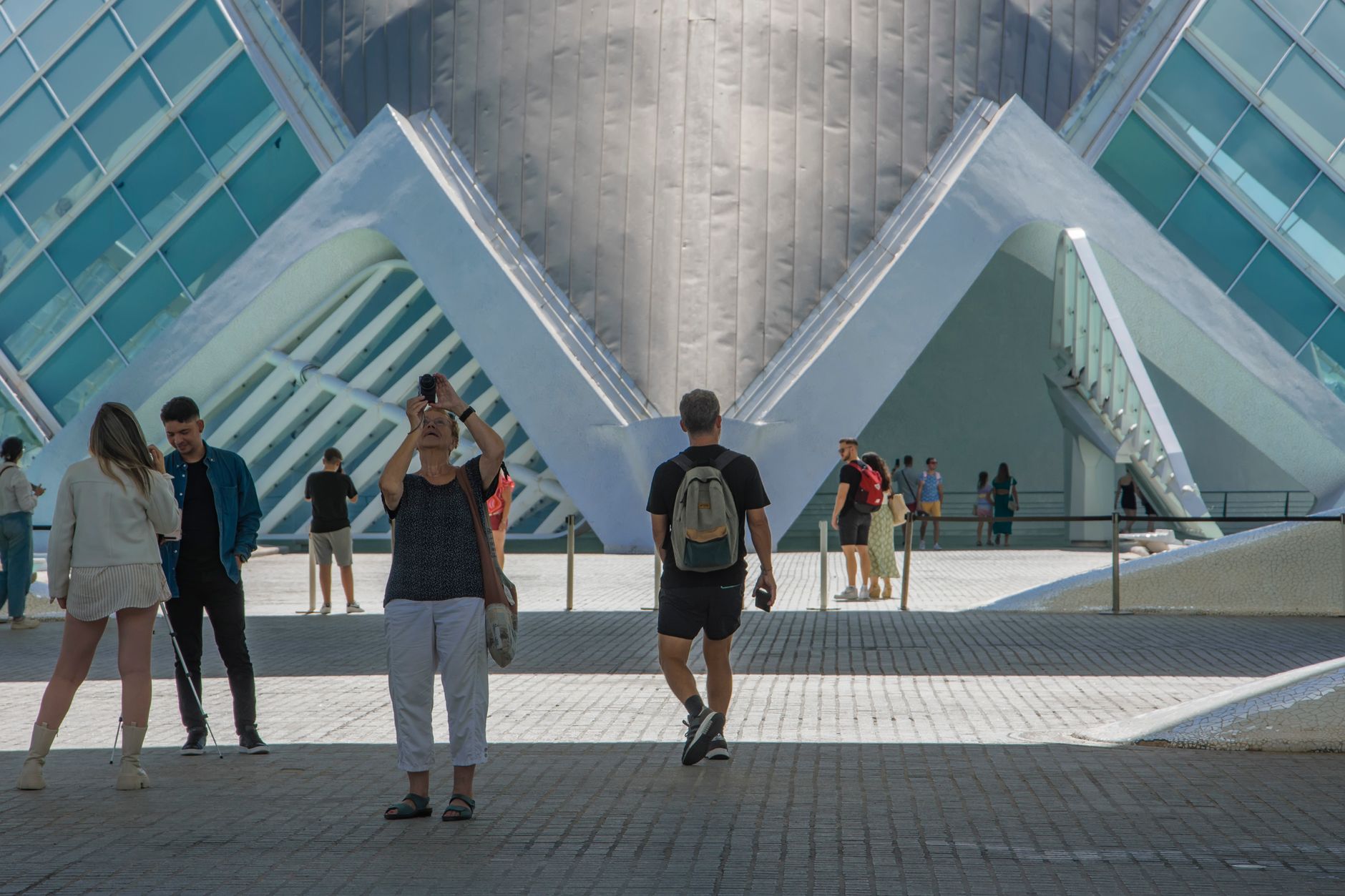
City of Arts and Sciences, Valencia
Designed by Santiago Calatrava; construction began 1996, first building opened 1998, complex finished 2009.
Guggenheim Museum, Bilbao
Designed by Frank Gehry; opened 1997 after construction from 1993–1997.
Segovia Aqueduct
Built around 1st century AD; stretches over 15 kilometers with 160+ arches constructed without mortar.
La Seu (Cathedral of Santa Maria), Palma de Mallorca
Construction began 1230 and took over 300 years to complete.
Roman Theatre of Mérida
Built 16–15 BC; originally seated 6,000 spectators.
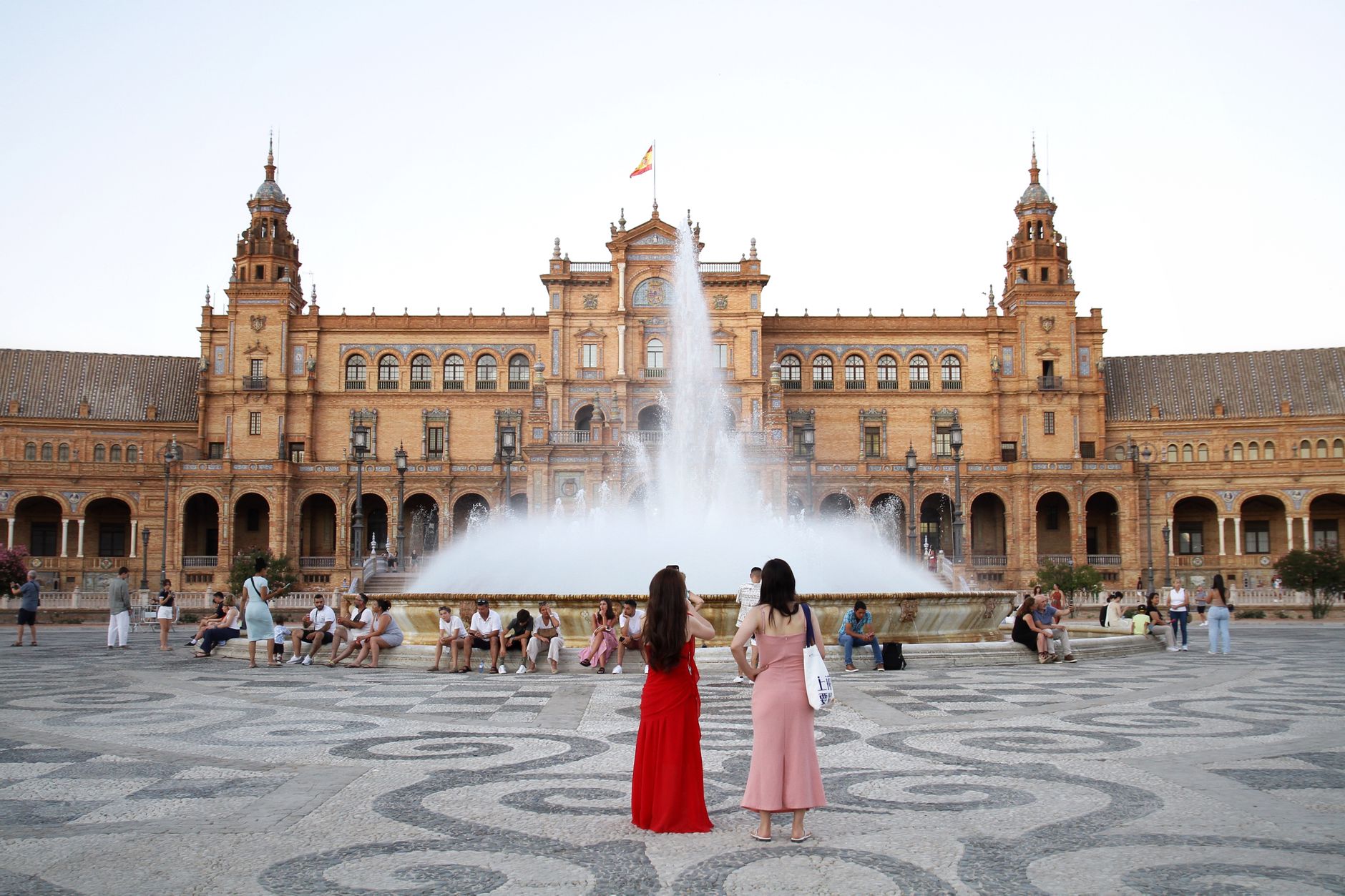
Plaza de España, Seville
Built for the 1929 Ibero-American Exposition.
Watch

See Spain in motion

Practical

Plan your visit

On the map

When to go

Spain is among the most climatically varied countries in Europe, spanning everything from wet Atlantic coastline in the north to semi-arid plains in the south. Spring and early autumn are the most reliably comfortable seasons across most of the country; midsummer in Andalucía is genuinely extreme, with July highs around 37°C in Córdoba, while Madrid winters can drop to 3°C at night.

Right now

☀️
34°C
Clear
Fri
☀️
34°
20°
Sat
36°
19°
Sun
37°
21°
Mon
36°
21°
Weather data: Open-Meteo
Type Theme

↡ Regions

Andalusia
Region · Spain
Andalusia
9 placesCity break
Aragon
Region · Spain
Aragon
14 placesNature & outdoors
Asturias
Asturias
Spain · 15 places
Culture & historyNature & outdoorsBeach & sun
Balearic Islands
Balearic Islands
Spain · 14 places
Culture & historyIslands & tropicalBeach & sun
Basque Country
Basque Country
Spain · 12 places
Culture & historyFood & drinkNature & outdoors
Canary Islands
Canary Islands
Spain · 13 places
Nature & outdoorsIslands & tropicalBeach & sun
Castile and León
Castile and León
Spain · 14 places
Culture & historyNature & outdoorsRoad trip & touring
Castilla-La Mancha
Castilla-La Mancha
Spain · 13 places
Culture & historyNature & outdoorsRoad trip & touring
Catalonia
Catalonia
Spain · 14 places
City breakCulture & historyFood & drink
Community of Madrid
Community of Madrid
Spain · 14 places
City breakCulture & historyFood & drink
Extremadura
Extremadura
Spain · 13 places
Culture & historyNature & outdoorsRoad trip & touring
Galicia
Galicia
Spain · 15 places
Food & drinkNature & outdoorsBeach & sun
Murcia
Murcia
Spain · 14 places
City breakCulture & historyFood & drink
Navarre
Navarre
Spain · 15 places
Culture & historyNature & outdoorsHiking & mountains
Valencian Community
Valencian Community
Spain · 14 places
Culture & historyFood & drinkBeach & sun

↡ Cities
No places match these filters.


Background & history adapted from Wikipedia (CC BY-SA) · specs from Wikidata (CC0) · weather from Open-Meteo · map data © OpenStreetMap contributors · photos from Wikimedia Commons / Unsplash with per-image credit. No third-party reviews or social posts reproduced.

Top