
Asturias
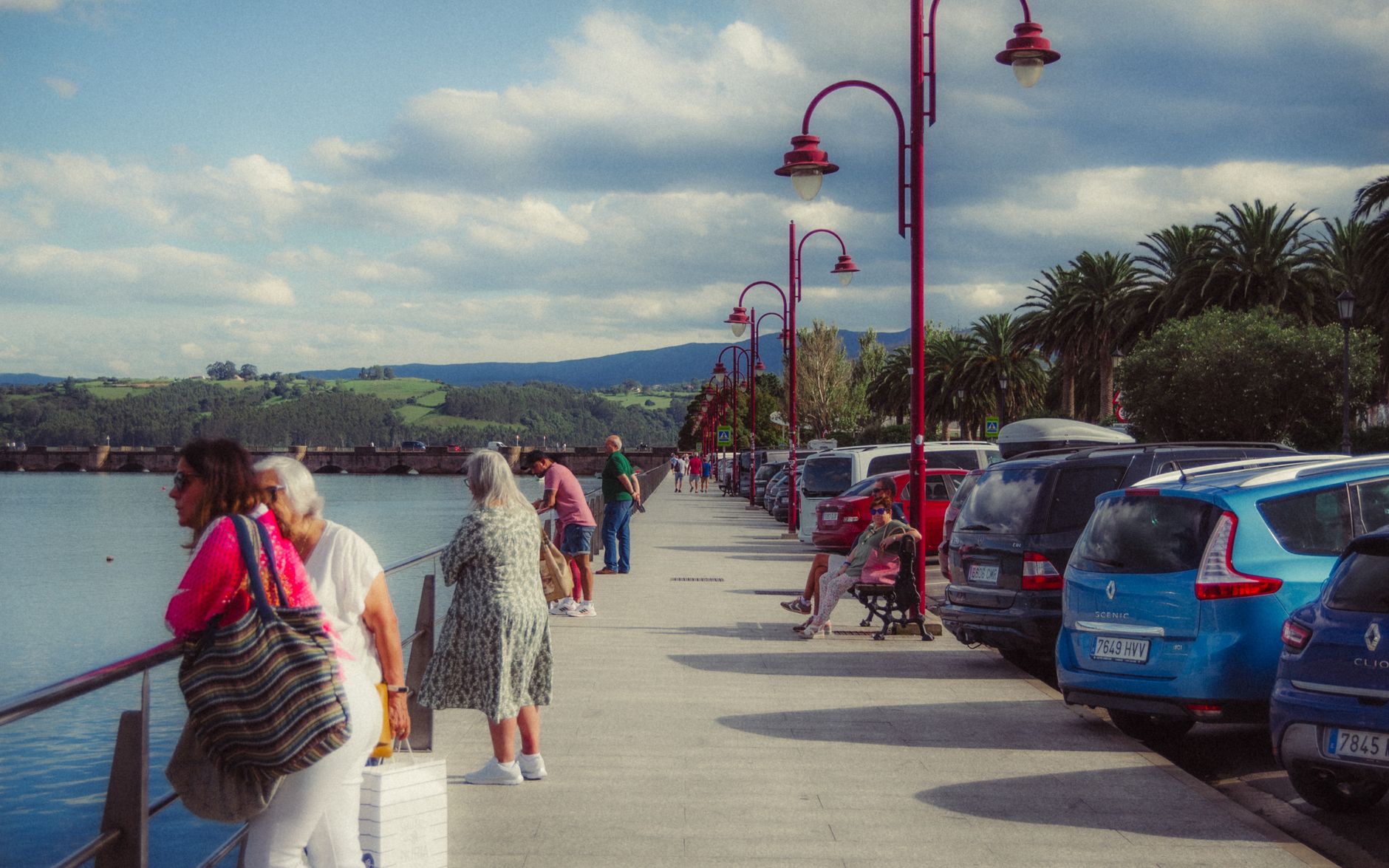
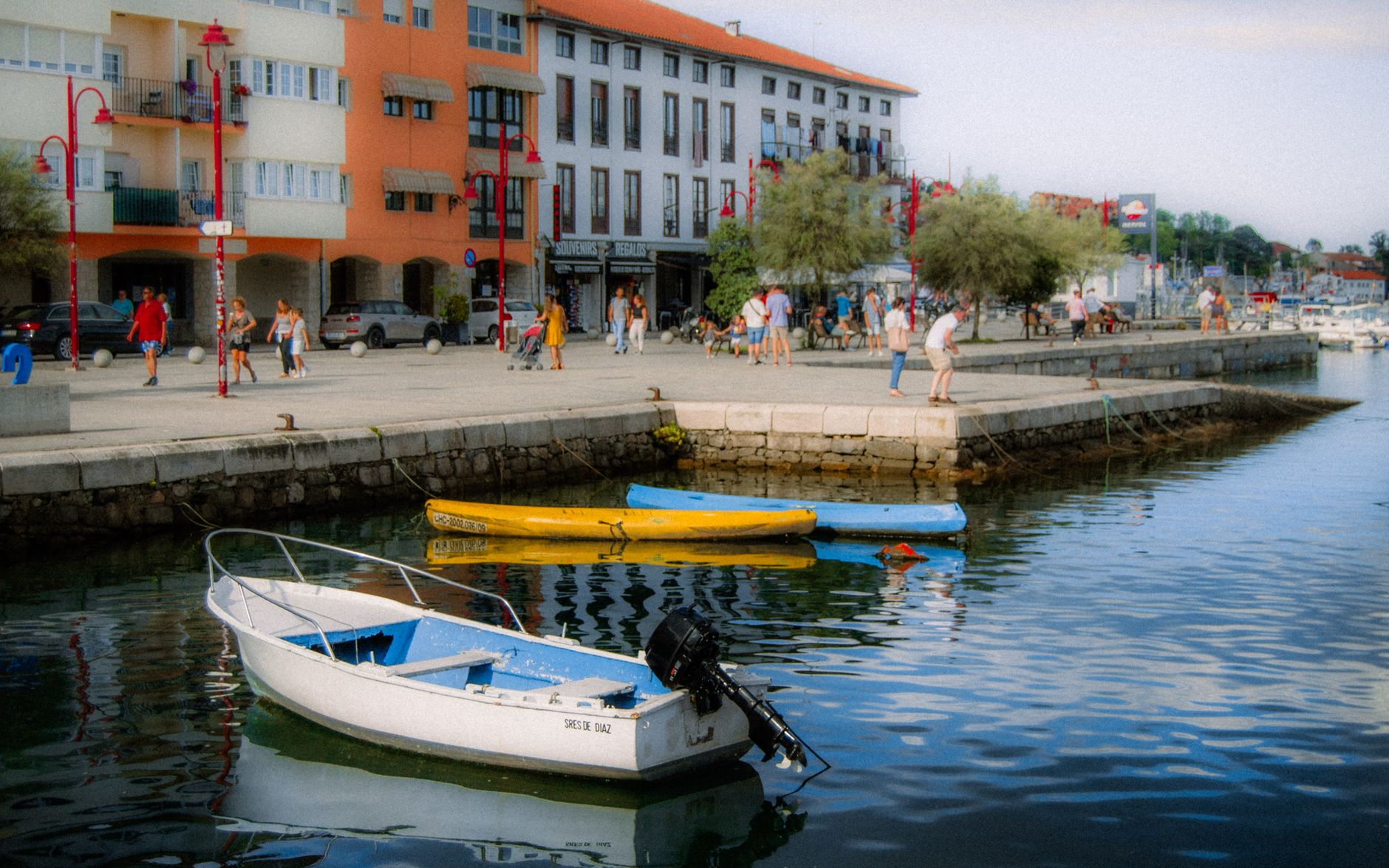
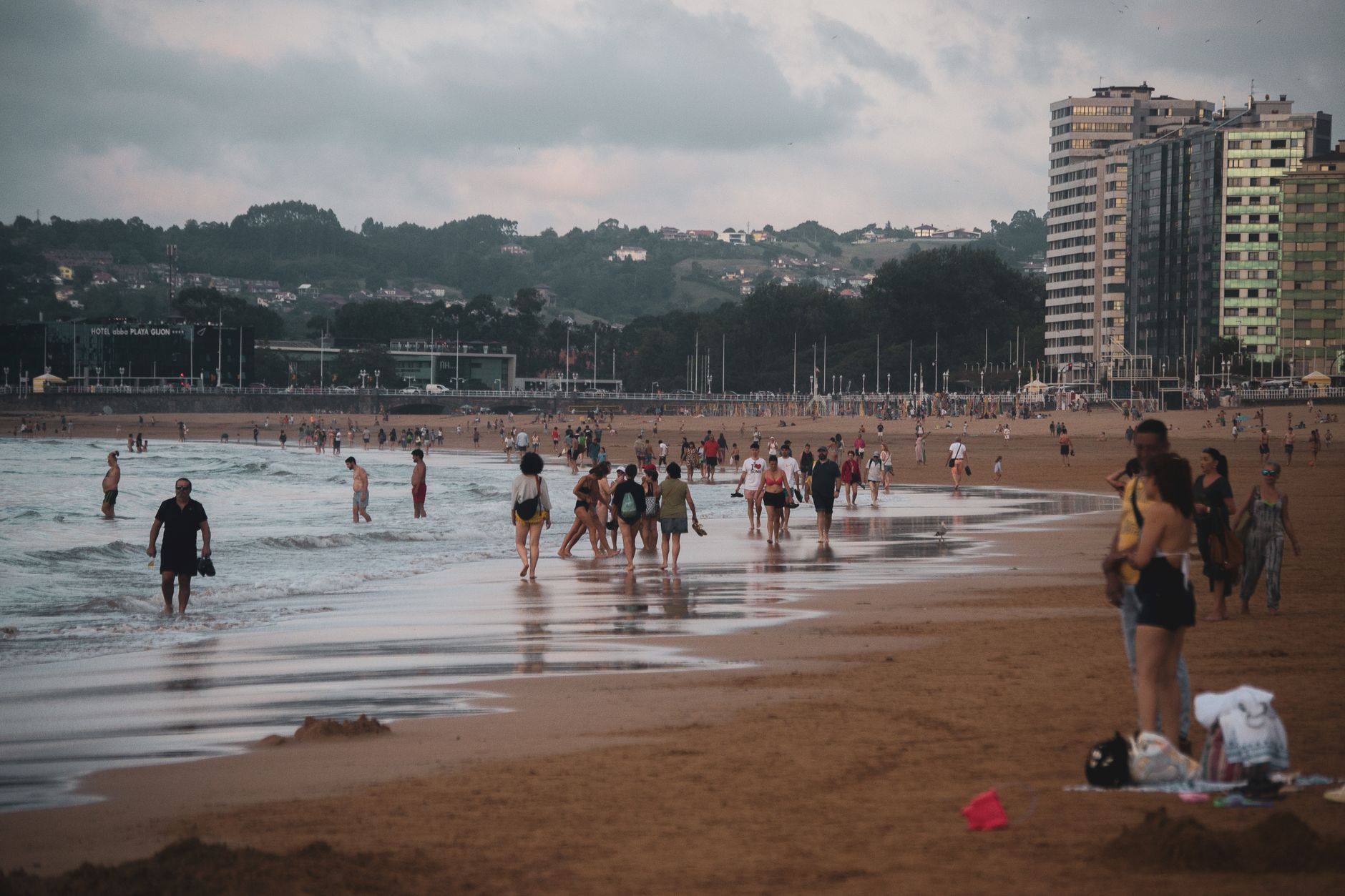
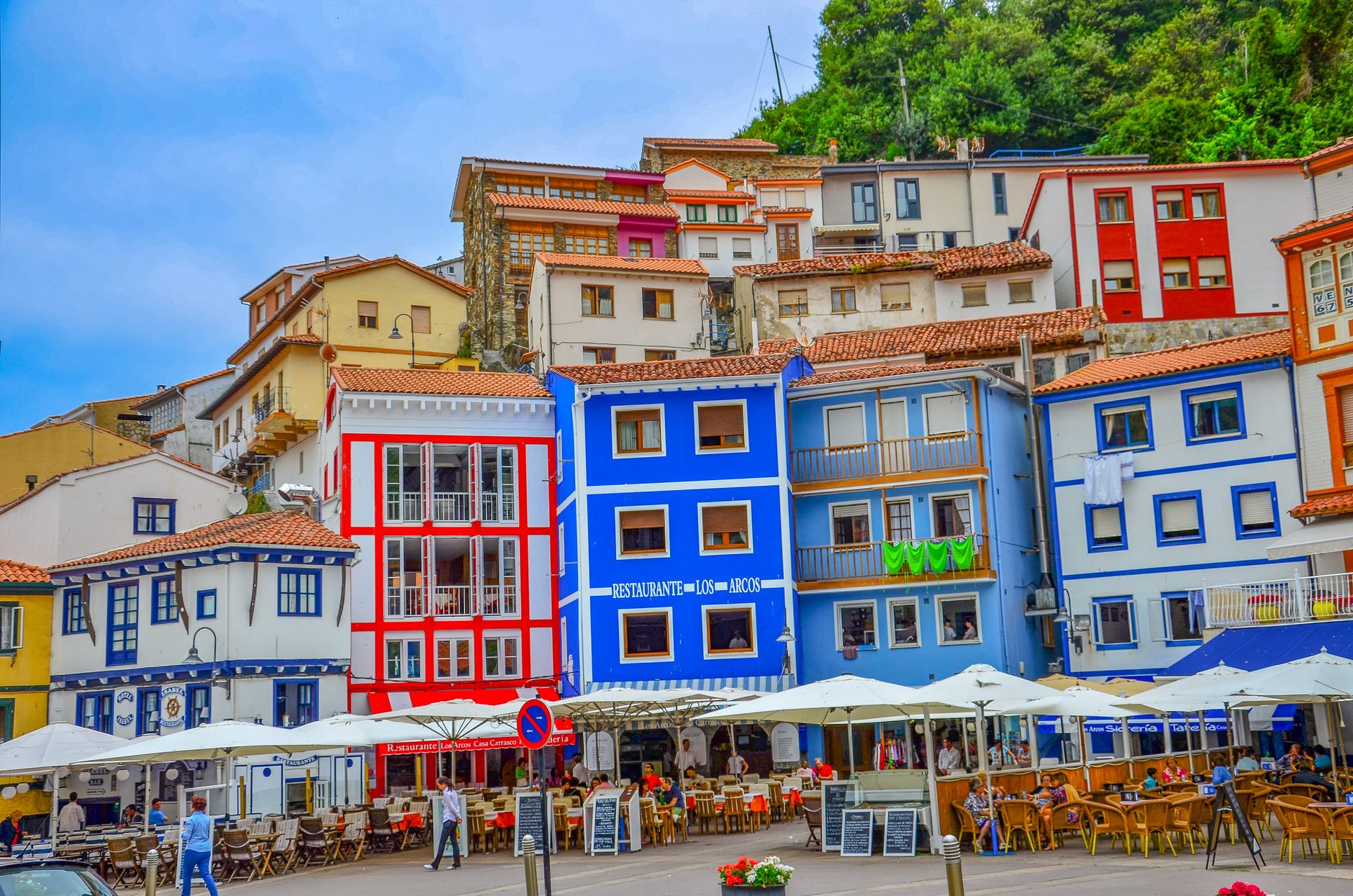
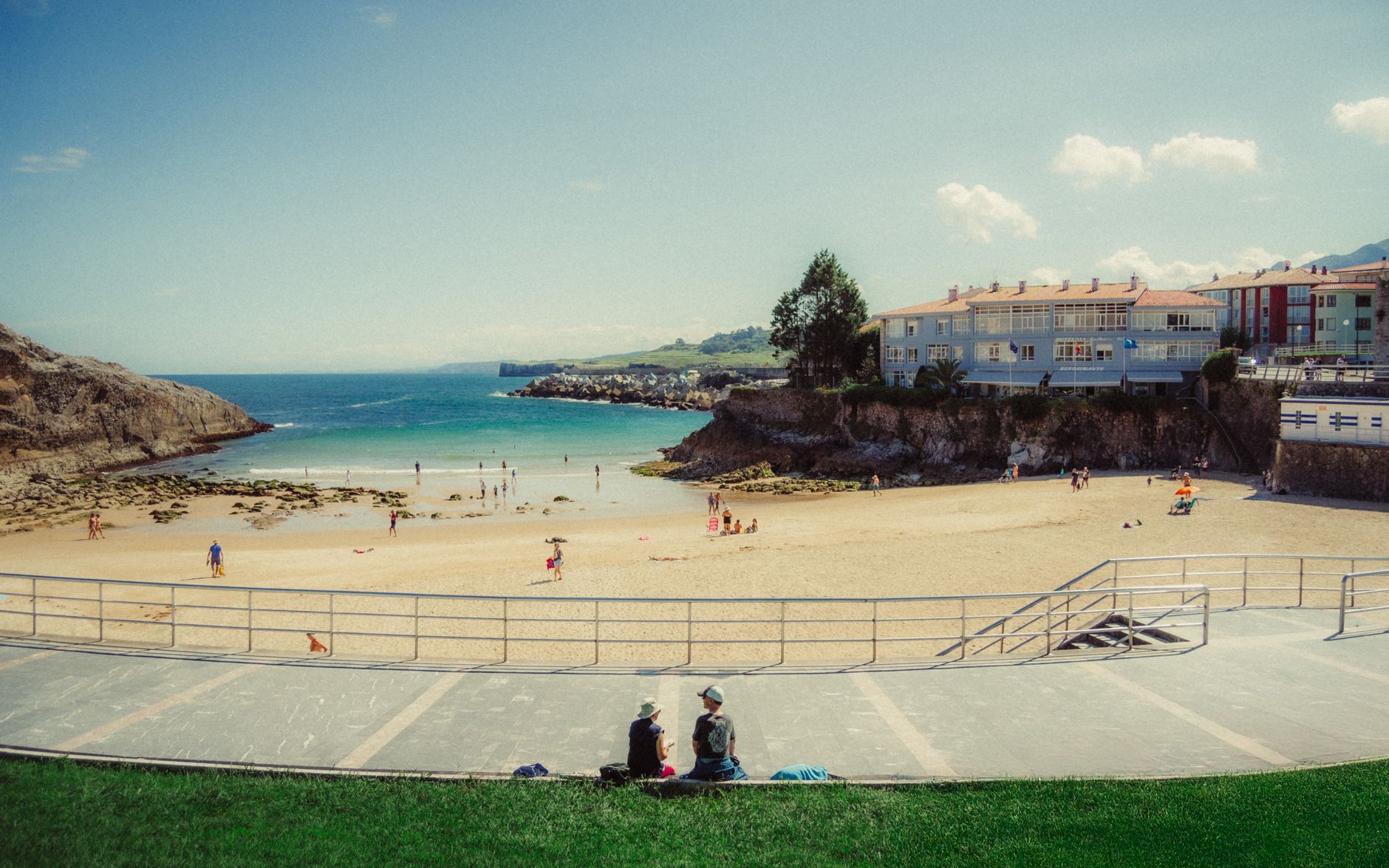
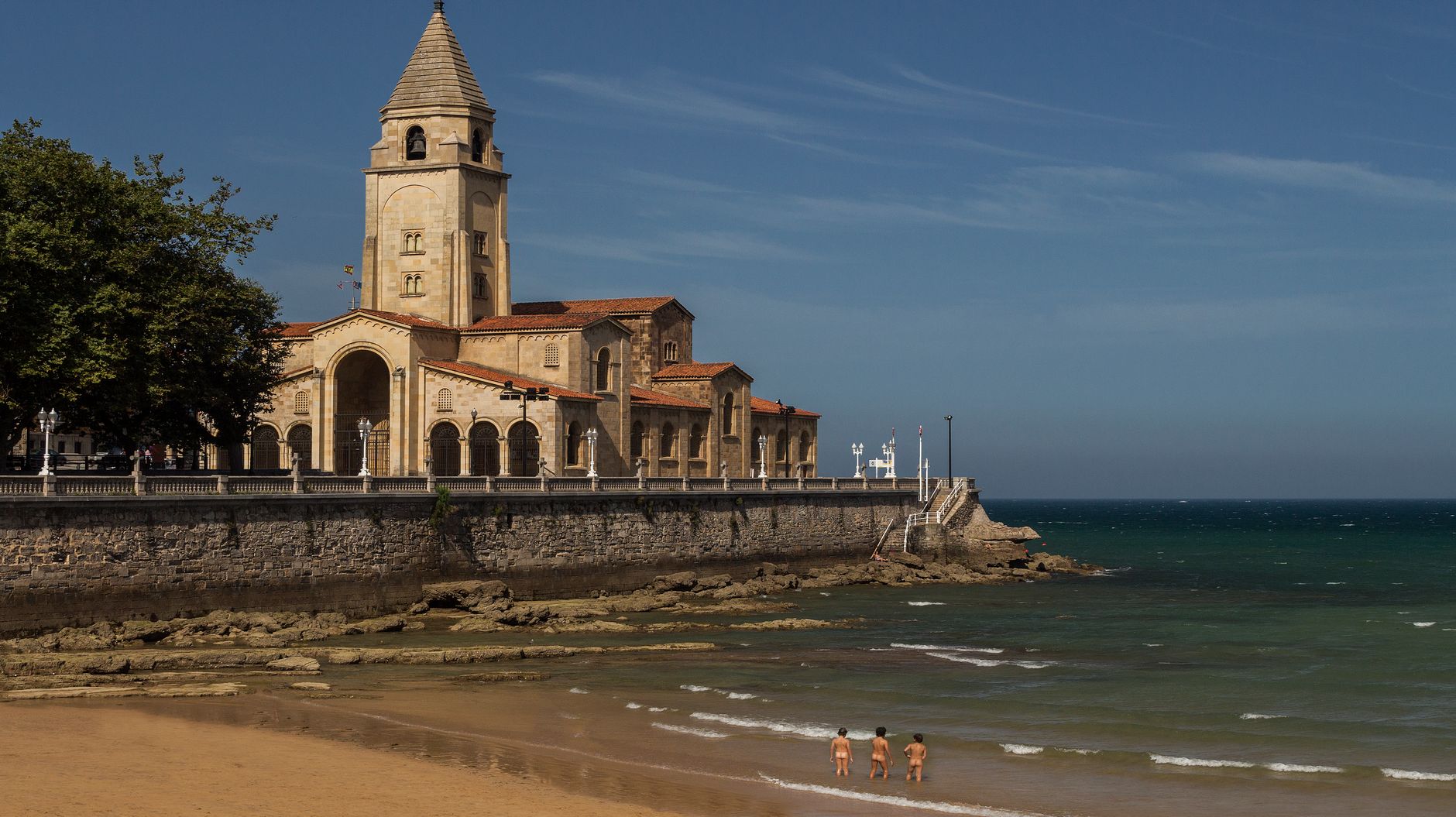
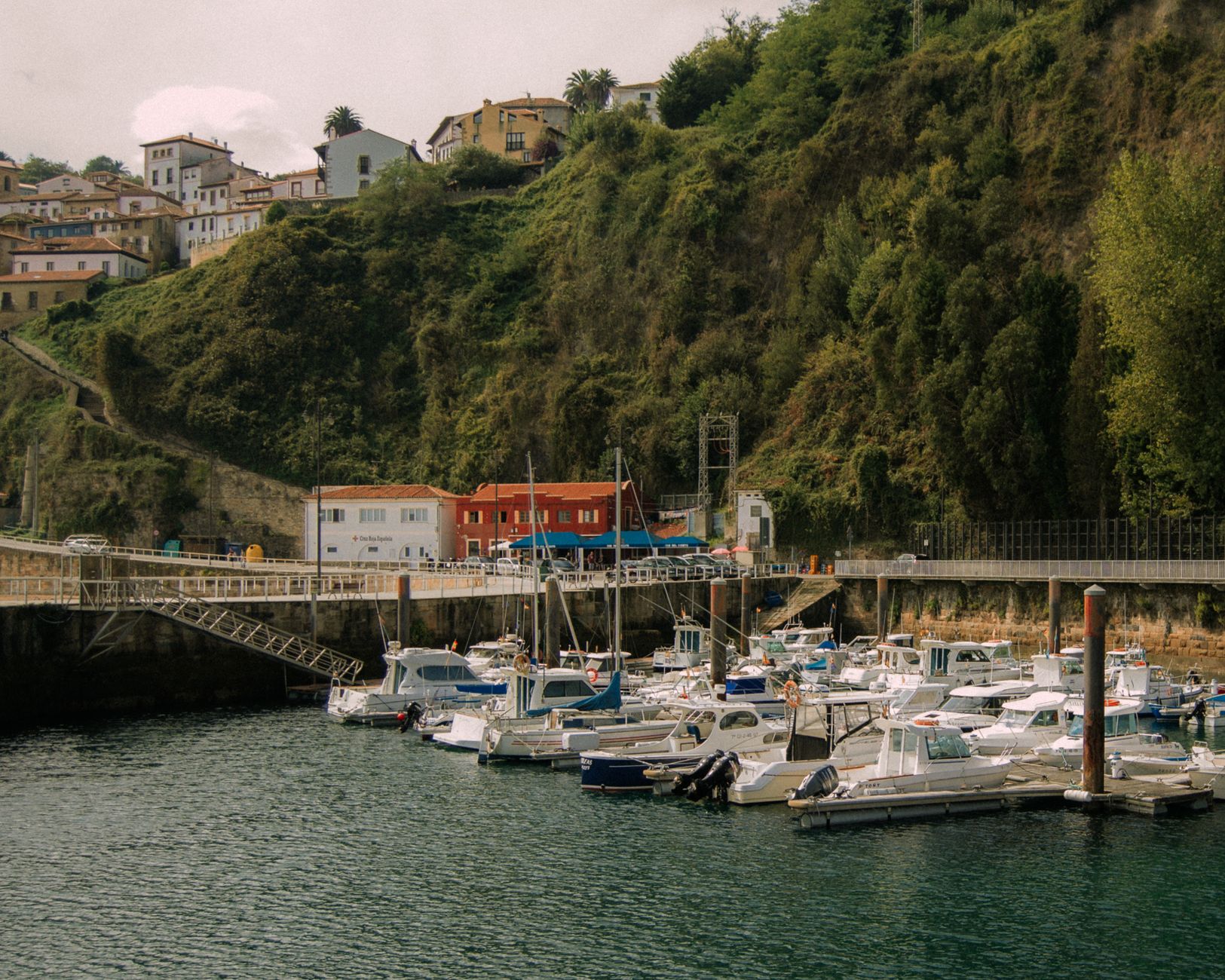
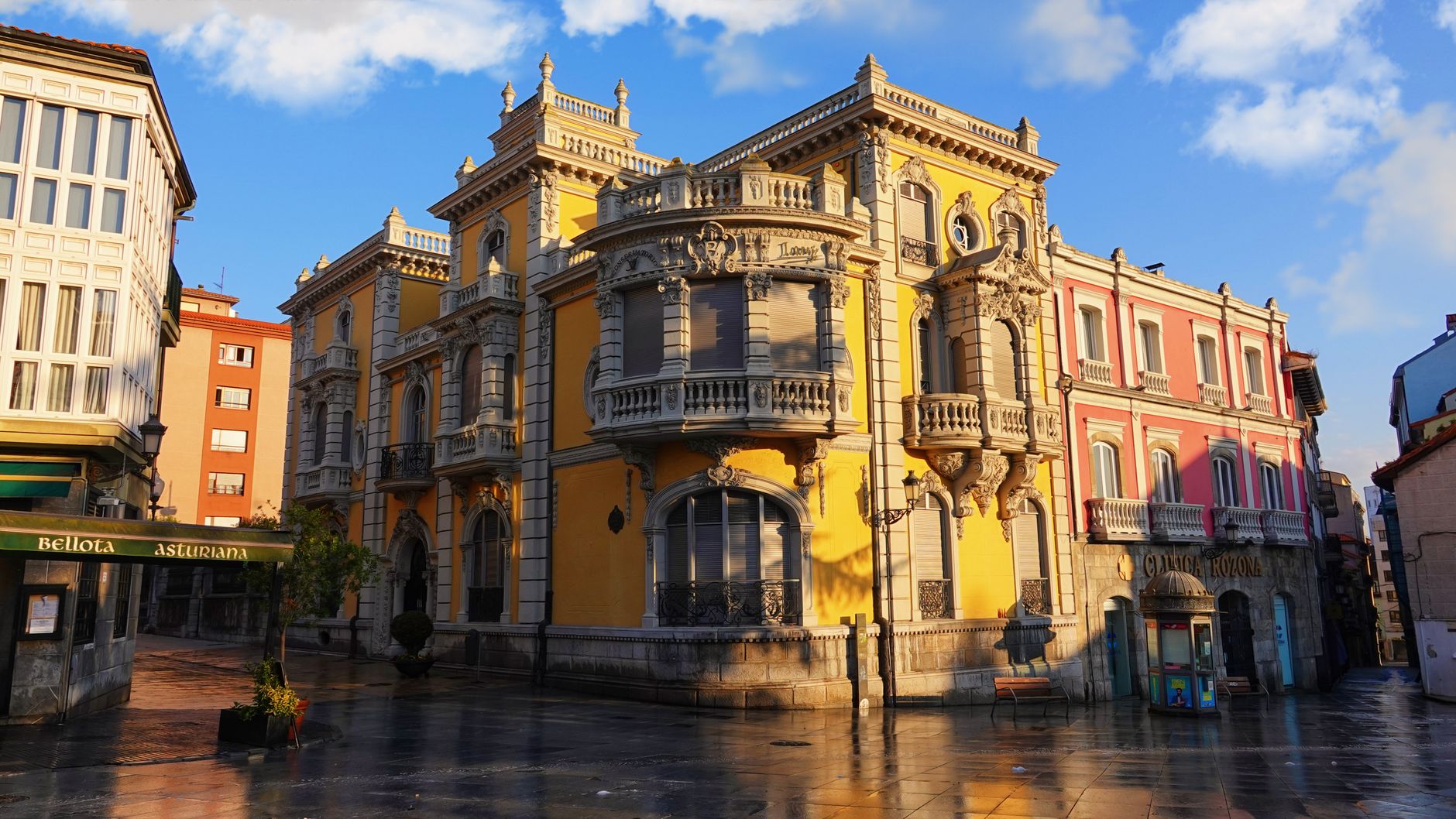
Asturias is the part of Spain that looks like it belongs somewhere else — green hills running down to a rocky Atlantic coast, cider poured from arm's height into wide glasses, and a skyline in Oviedo where a ninth-century pre-Romanesque chapel sits within walking distance of a Santiago Calatrava congress hall. The region has its own particular logic: damp, serious, quietly proud.
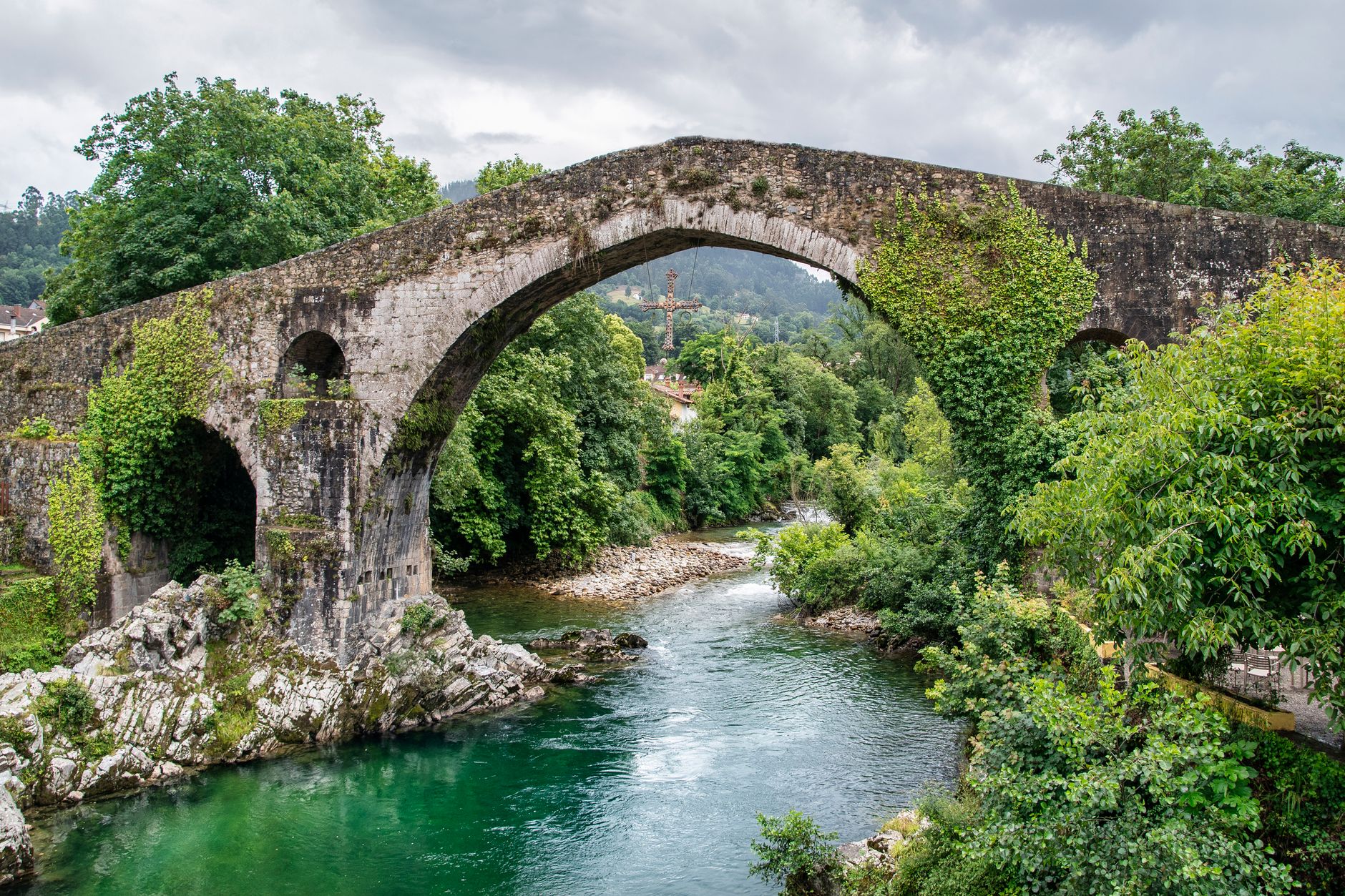
It is also the cradle of the Spanish state in a way that most visitors underestimate. The Kingdom of Asturias, founded here in 722, was where Christian Iberia began to regroup after the Moorish conquest. That origin story is still visible in stone, in a cluster of UNESCO-listed churches that predate almost everything else standing on the peninsula.
Popular cities in Asturias
💛 What travellers fall for
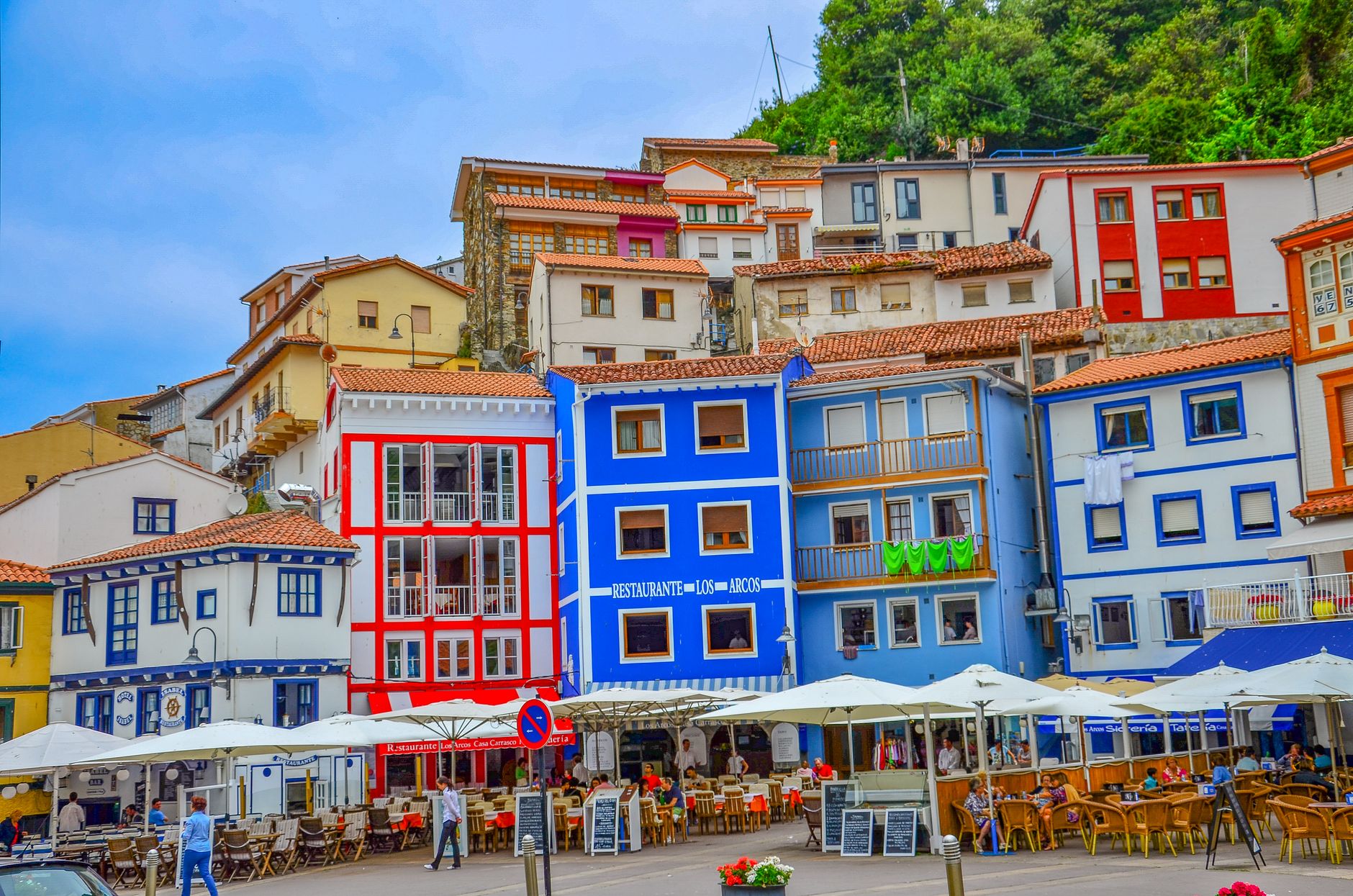
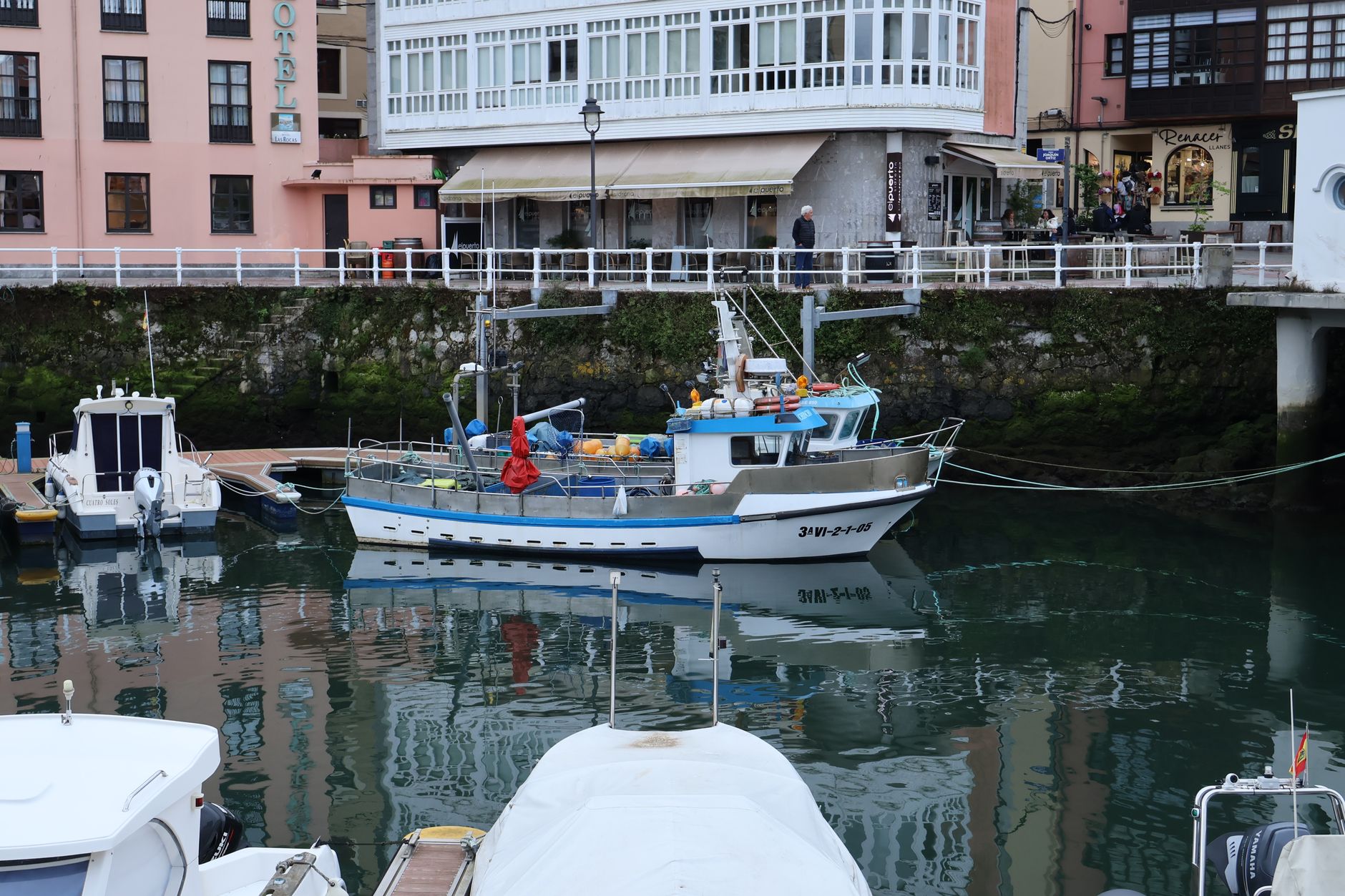
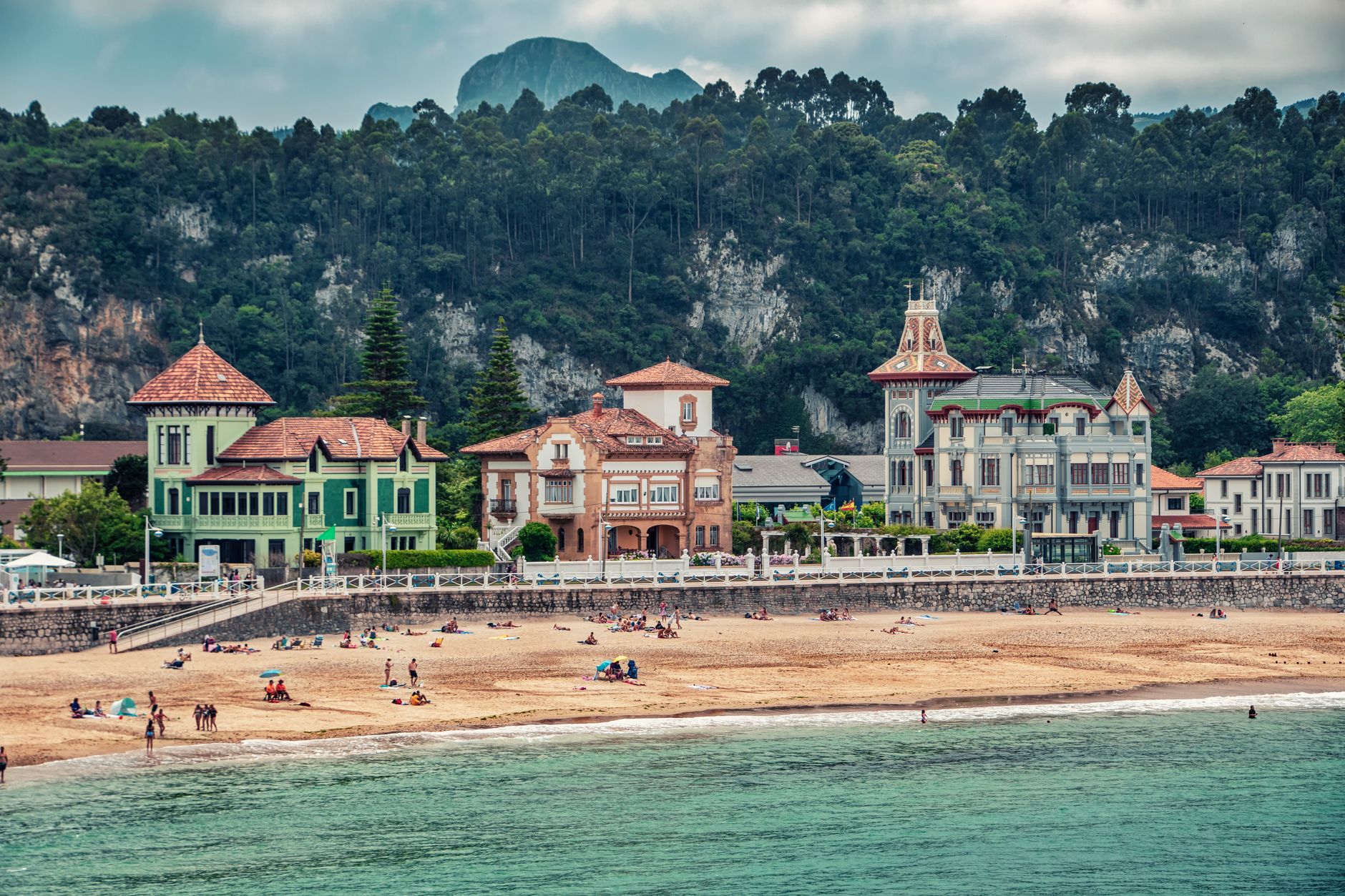
People who come back tend to use Oviedo as a base and make day trips along the coast — Llanes for the clifftop walk, Colombres to look at the Indianos mansions built by emigrants returning flush from the Americas. The cider houses in Oviedo's old quarter reward patience; sit long enough and the ritual of the pour starts to feel entirely logical.
Experiences you don't want to miss


How Asturias came to be
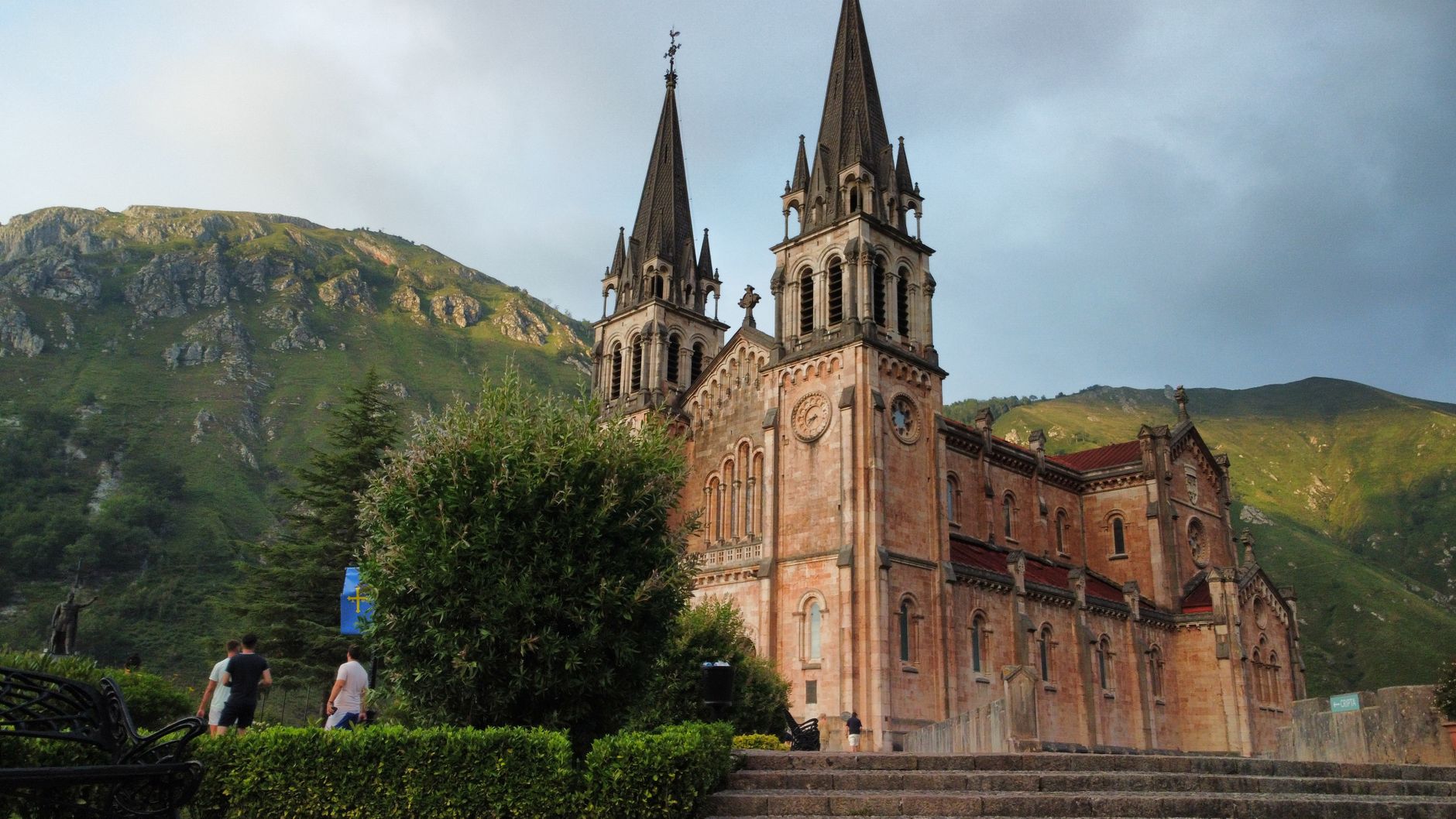
In 722, a Visigoth nobleman named Pelayo founded the Kingdom of Asturias after leading a Christian force to victory at the Battle of Covadonga — a moment the region has never stopped commemorating. Under kings like Alfonso II and Ramiro I, the court at Oviedo produced a concentrated burst of architecture that survives in the pre-Romanesque churches now listed by UNESCO: Santa María del Naranco, built as a royal palace in 842–850, San Julián de los Prados, the Cámara Santa inside Oviedo Cathedral.
By the tenth century the kingdom had evolved into the Kingdom of León, and in 1388 the title Prince of Asturias was formalized as the designation for the heir to the Spanish throne — a convention still in use today. The University of Oviedo opened in 1608. Asturias spent the Franco years officially renamed the Province of Oviedo, recovering its name in 1977 and its autonomous status on 30 December 1981.
Who and what shaped it
People who shaped it
Landmark buildings
See Asturias in motion
Plan your visit
On the map
When to go
Asturias runs cool and wet by Spanish standards — Atlantic air keeps summers in the low twenties Celsius and winters mild but grey, with over a metre of rain spread across the year. July and August are the sunniest months, averaging around six hours of light a day, though even then you should expect a rain day or two each week.
Right now
↡ Cities



No places match these filters.
Background & history adapted from Wikipedia (CC BY-SA) · specs from Wikidata (CC0) · weather from Open-Meteo · map data © OpenStreetMap contributors · photos from Wikimedia Commons / Unsplash with per-image credit. No third-party reviews or social posts reproduced.