
Tineo

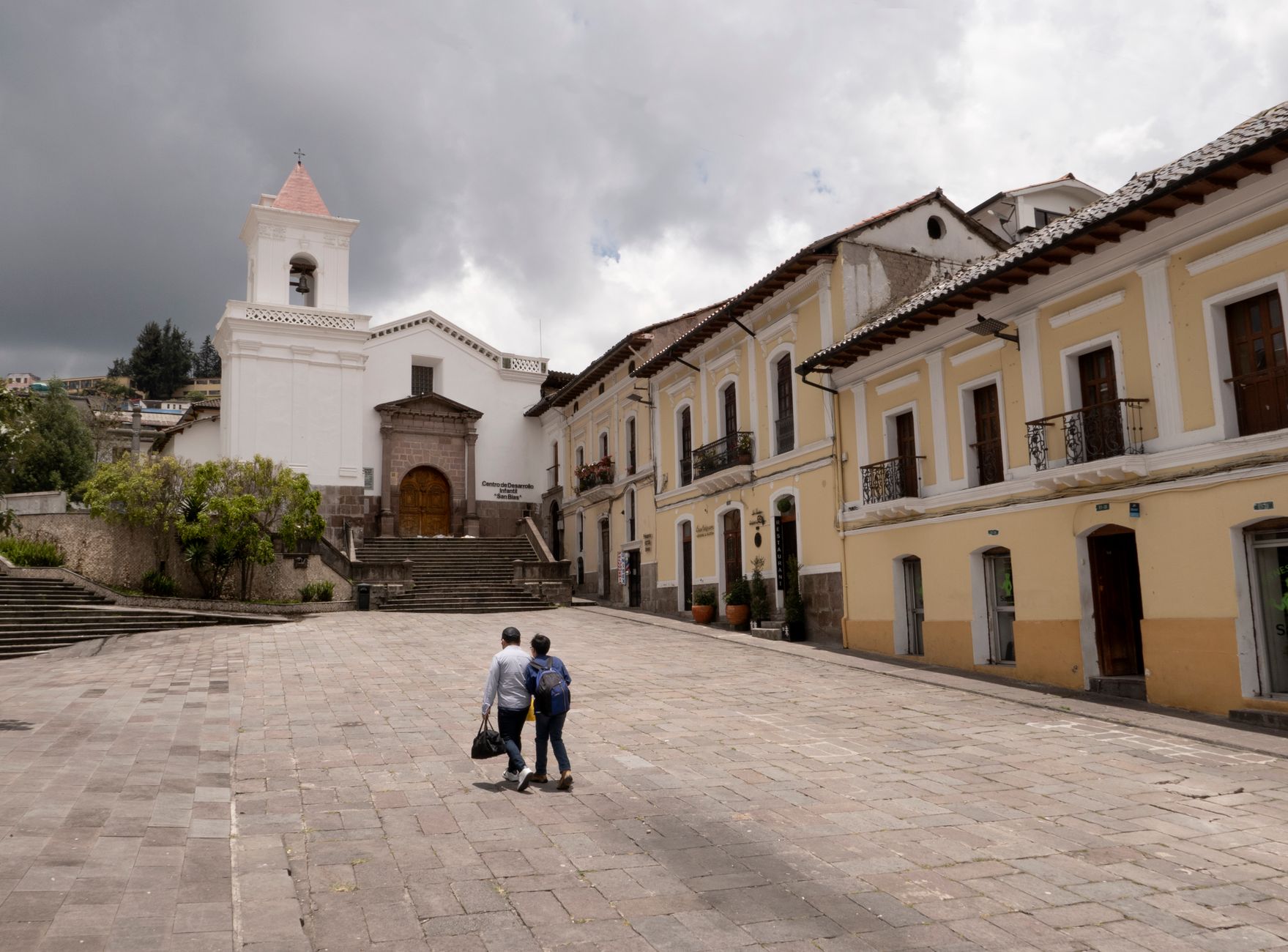

The square of Las Campas in Tineo has a particular kind of weight to it. Until 1912 it held a medieval tower; in 1899 it was the site of the last public execution in Spain. None of that is marked with drama — it's just the square, with its stone and its quiet.
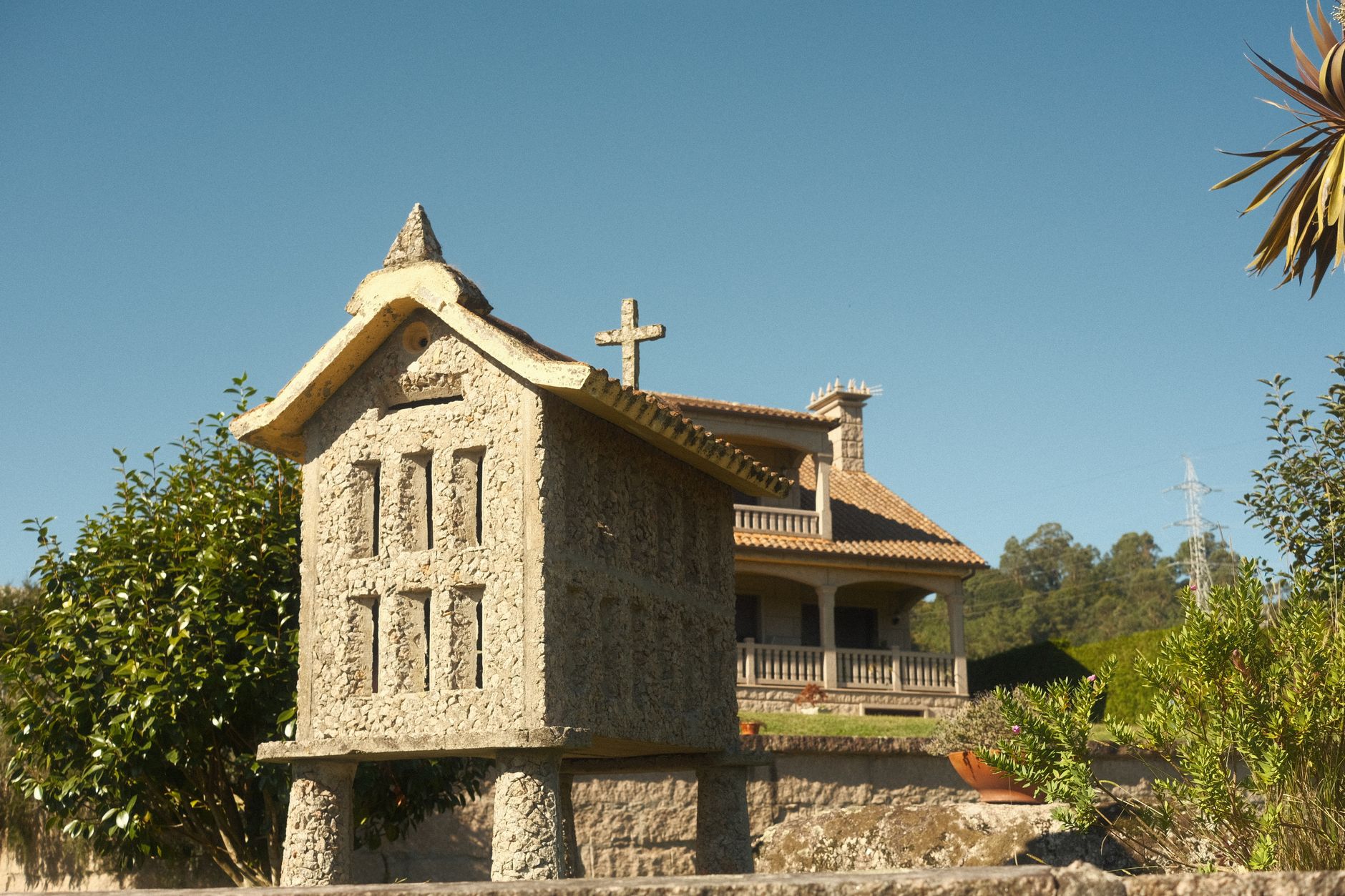
Tineo sits in the mountains of western Asturias, on the Primitive Way to Santiago de Compostela, which is the oldest of the Camino routes. A 700-year-old oak, the Carbayón de Valentín, still stands here, its trunk more than ten metres around. The Cimadevilla district keeps its old timber corridors and attached granaries intact. This is a town where the medieval and the workaday have simply continued alongside each other.
💛 What travellers fall for
People who walk the Primitive Way and stop overnight tend to come back on purpose. They mention the Palace of Merás — a 1525 civil palace restored into a hotel without losing its stone gravity — and the Monastery of Obona, a few kilometres out, where the silence is a different quality than the town's.
Experiences you don't want to miss


Deals in Tineo
Book directly at the provider
How Tineo came to be
The Romans founded the settlement, and a Benedictine monastery was already established at Obona by 780. By the 13th century, Alfonso IX formalised Tineo's status with a Town Charter in 1222, designating it a mandatory stop on the Primitive Way from Oviedo to Santiago. That royal mandate brought pilgrims, money, and influence — through the 13th to 15th centuries, Tineo was among the most consequential towns in this part of Asturias.
The 18th century produced Pedro Rodríguez de Campomanes, born in nearby Sorriba de Tineo in 1723, a central figure of Spanish Enlightenment thought. Later, the liberal general Rafael de Riego and José Maldonado González — the last president of the Second Spanish Republic — both came from here, a small town with a disproportionate presence in Spanish political history.
Who and what shaped it
People who shaped it
Landmark buildings
See Tineo in motion
Plan your visit
On the map
When to go
Tineo's Atlantic climate means rain in every month, with November the wettest at around 136 mm. Being inland and mountainous, it runs colder than the coast in winter, with snow a real possibility; August and September are the clearest window, warm and bright without the saturating autumn rains.
Right now
Background & history adapted from Wikipedia (CC BY-SA) · specs from Wikidata (CC0) · weather from Open-Meteo · map data © OpenStreetMap contributors · photos from Wikimedia Commons / Unsplash with per-image credit. No third-party reviews or social posts reproduced.