
Portugal
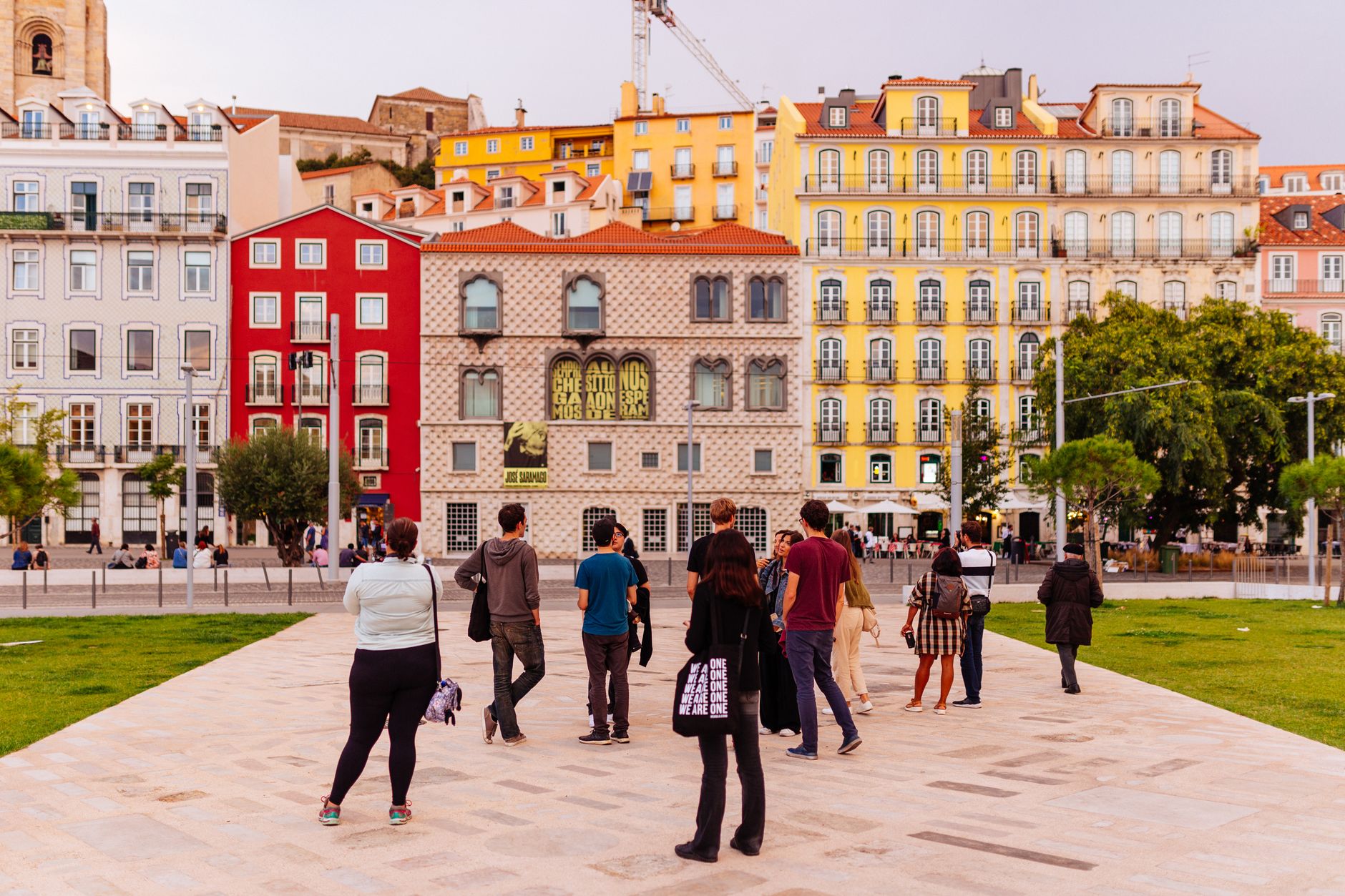
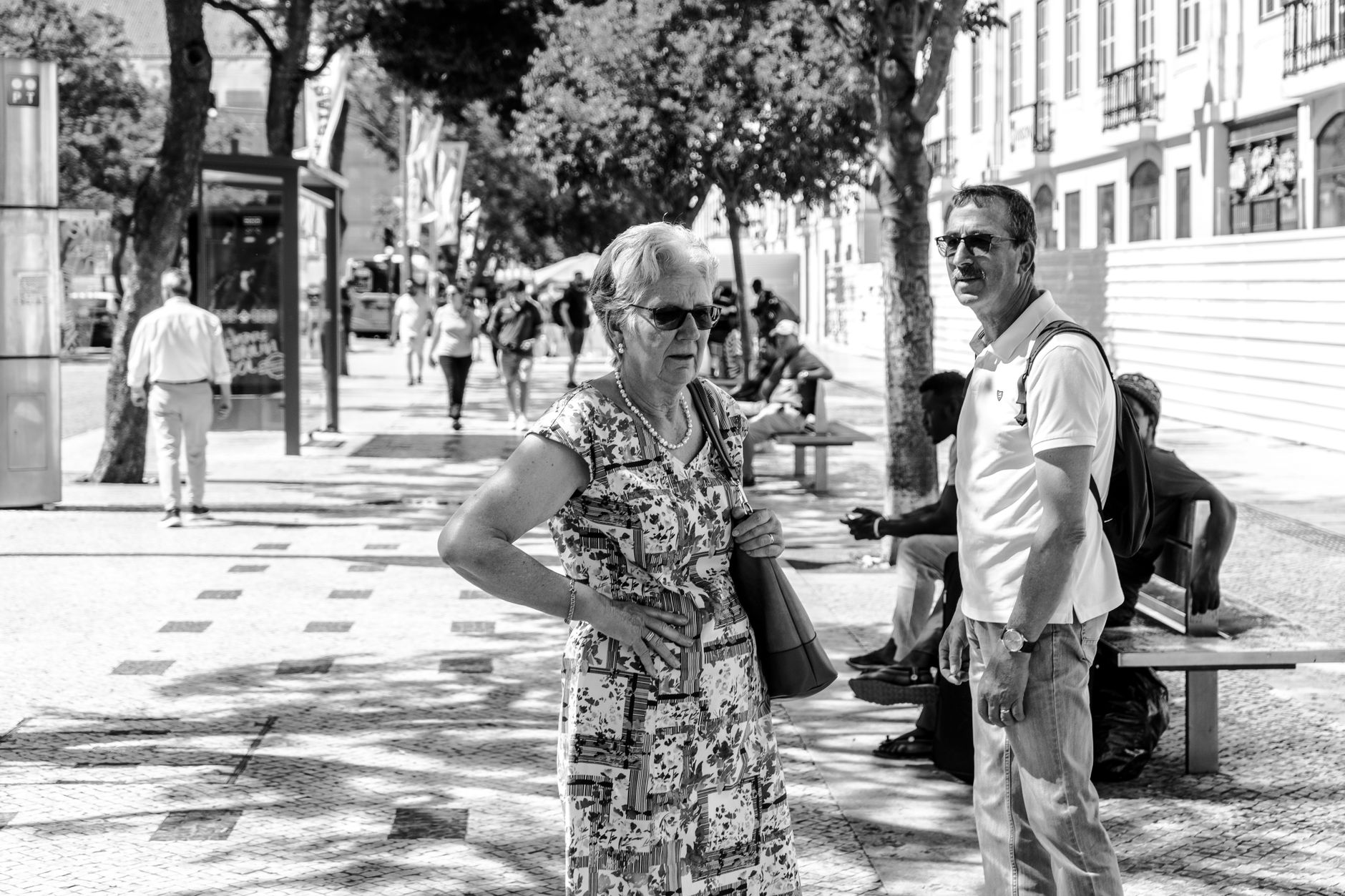
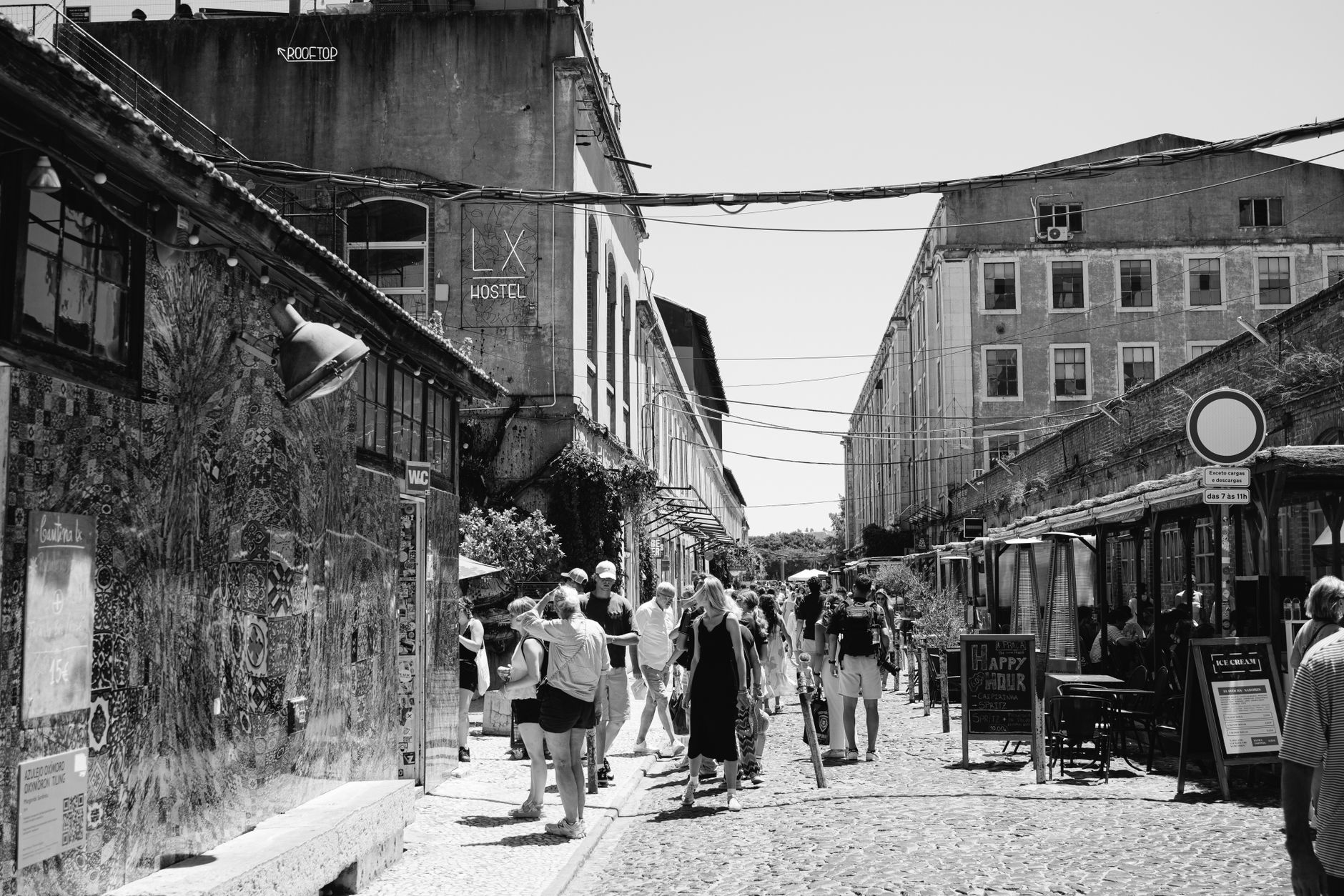
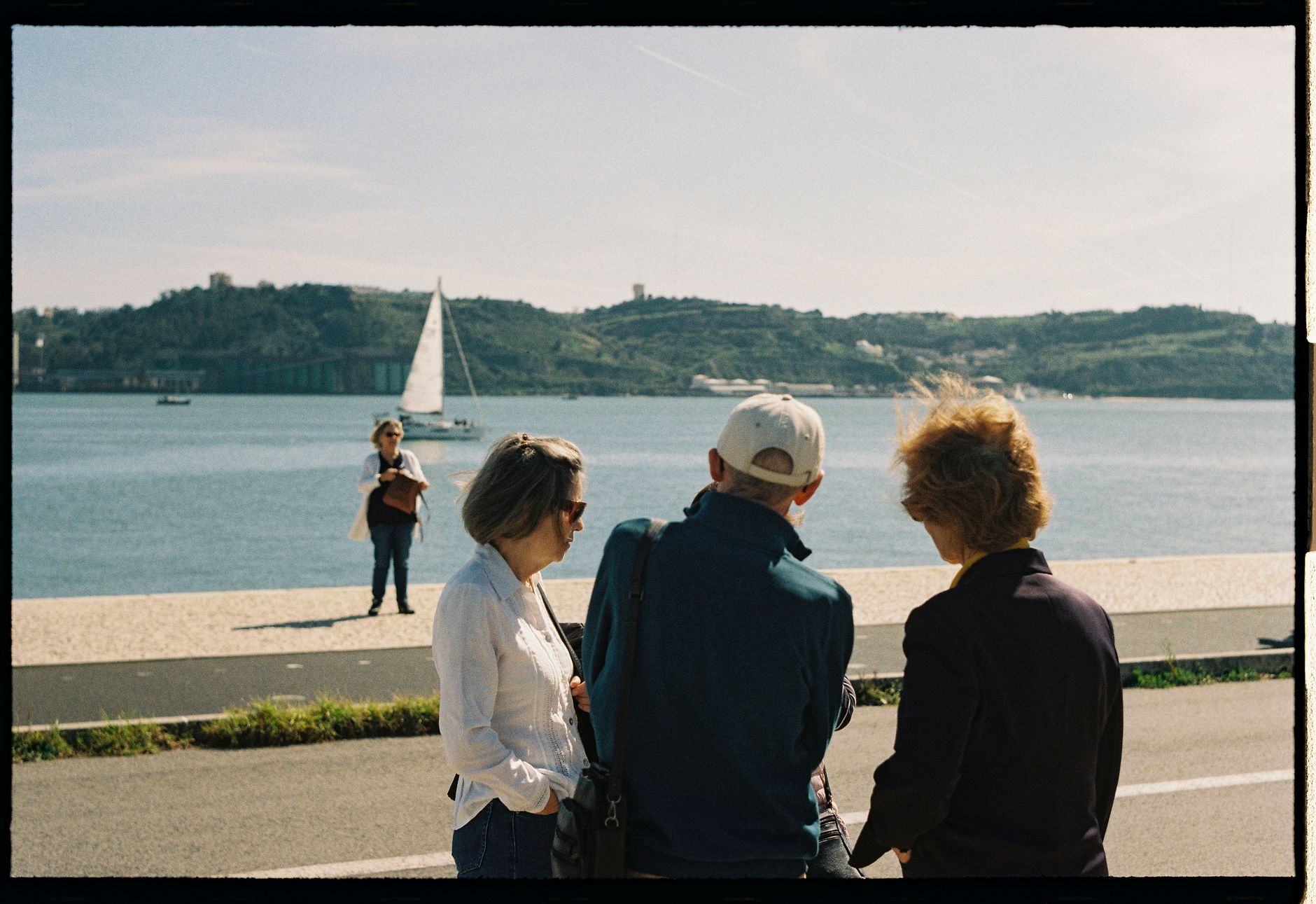
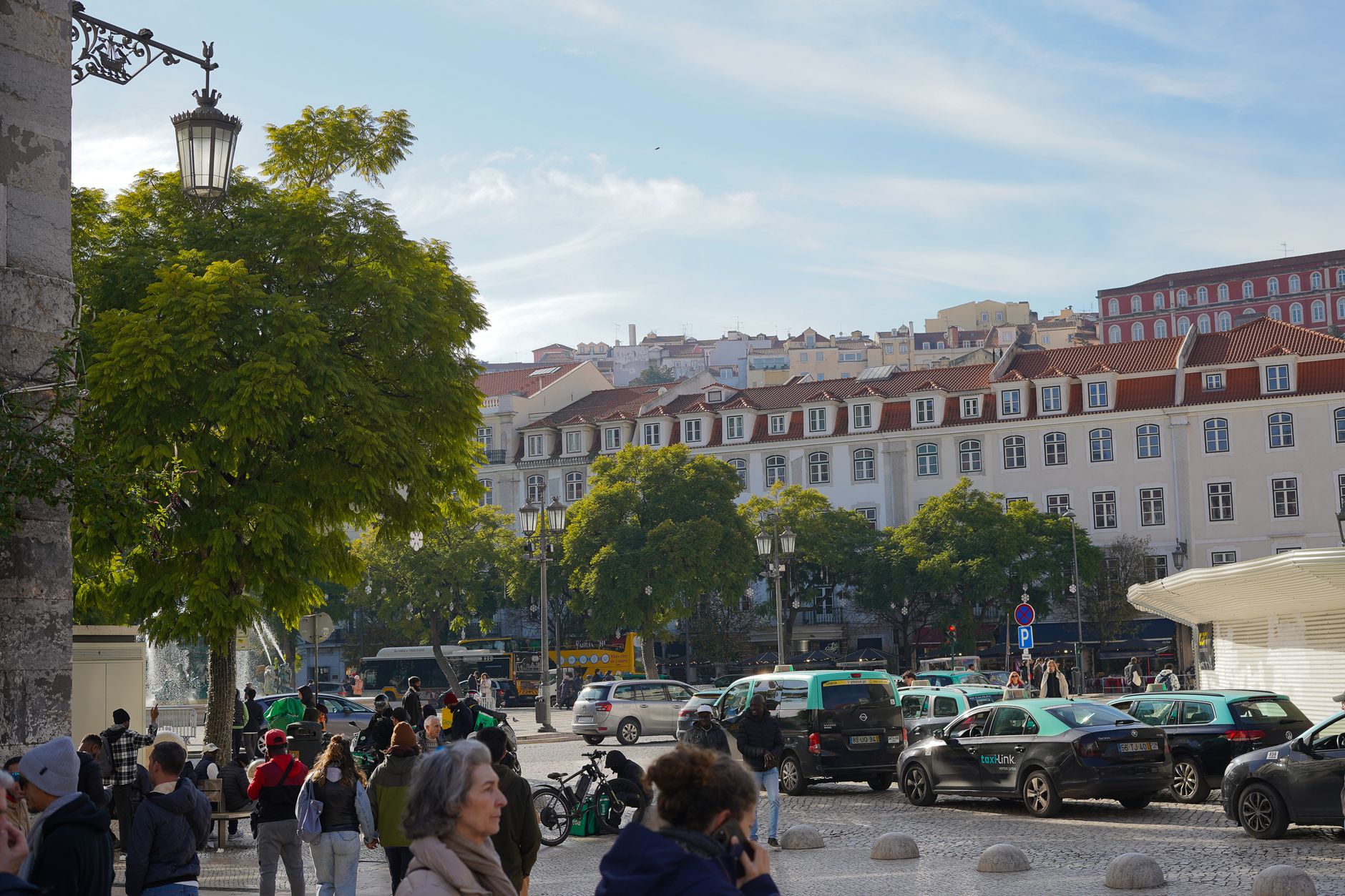
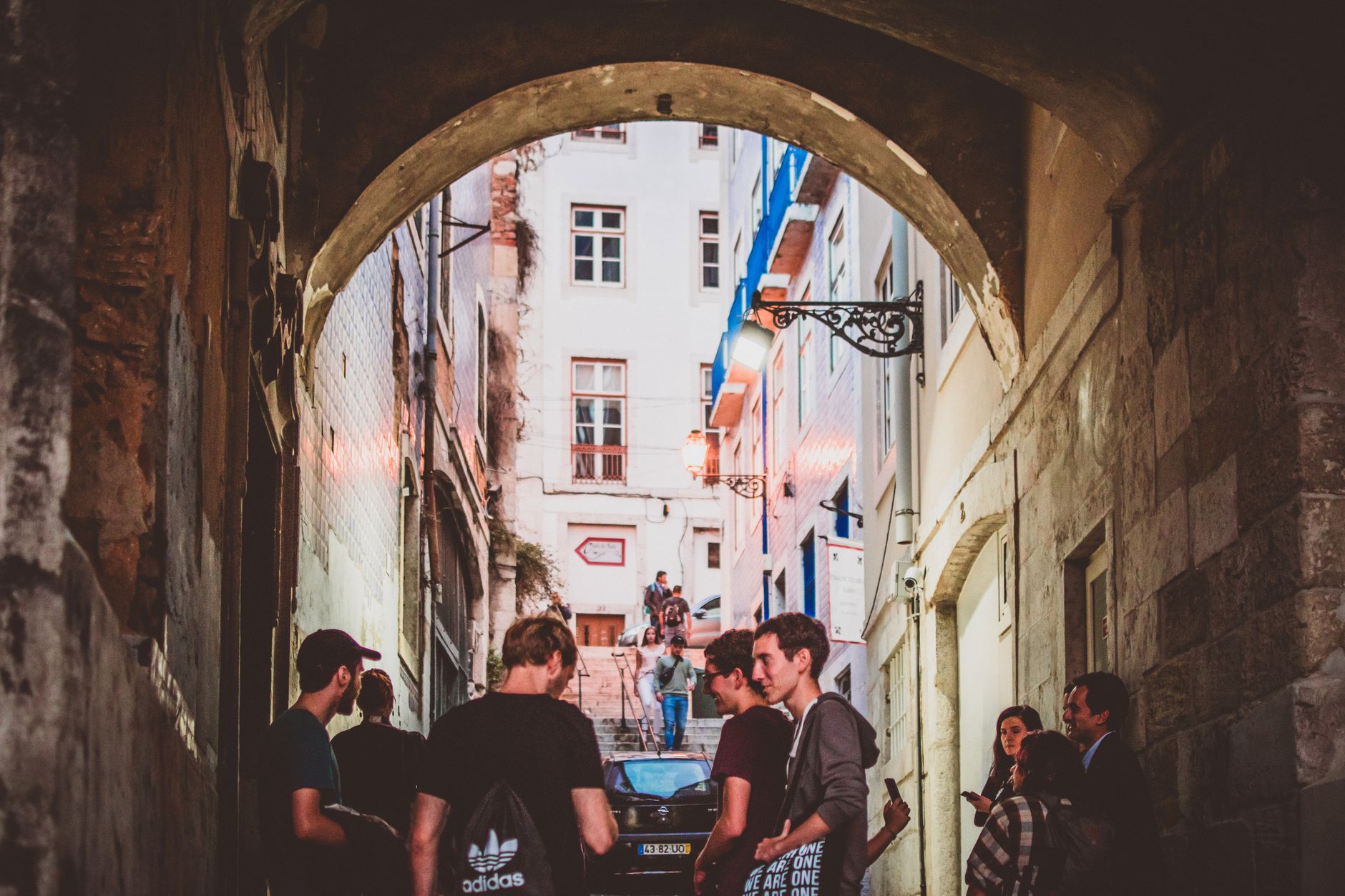
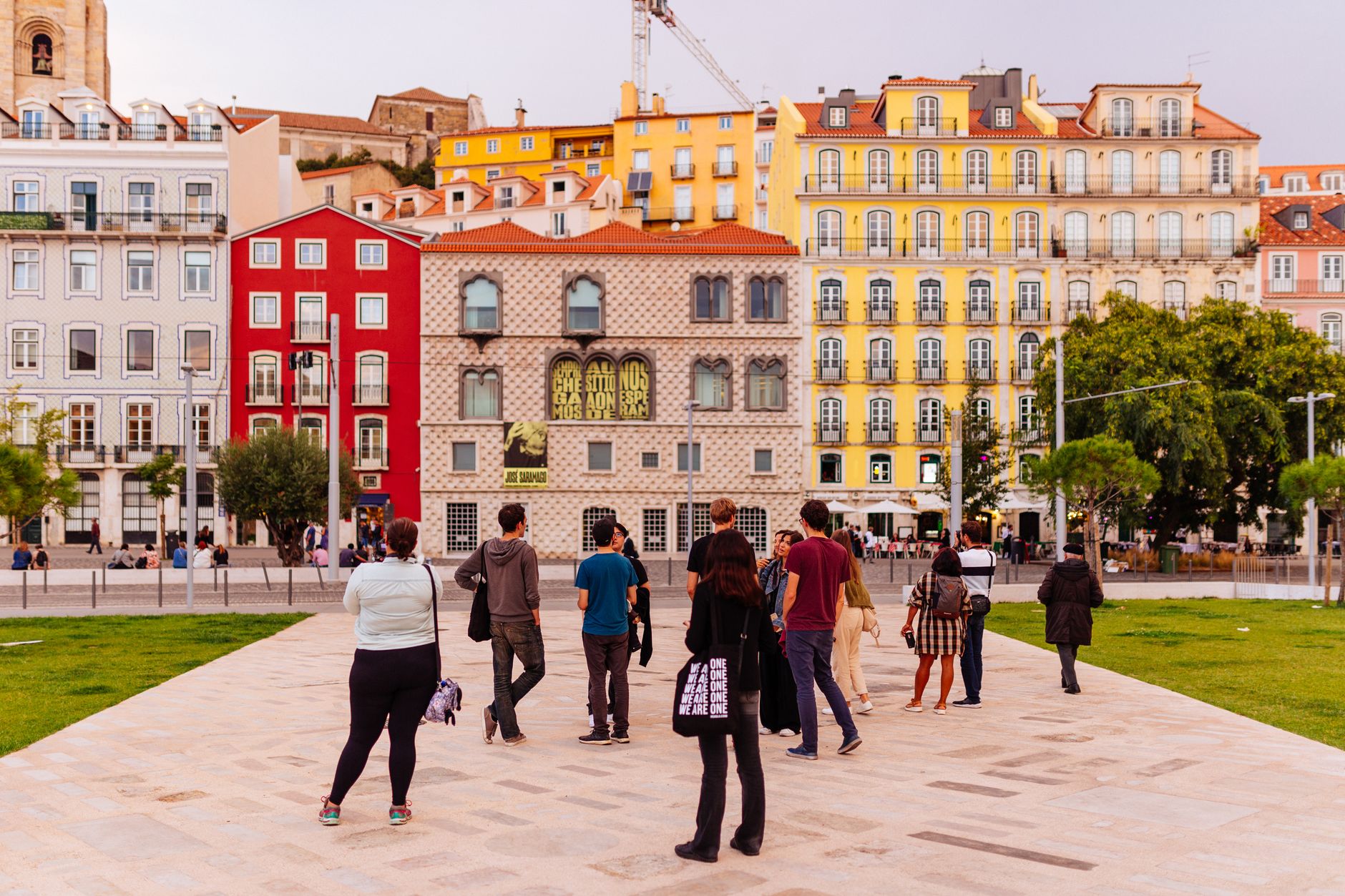
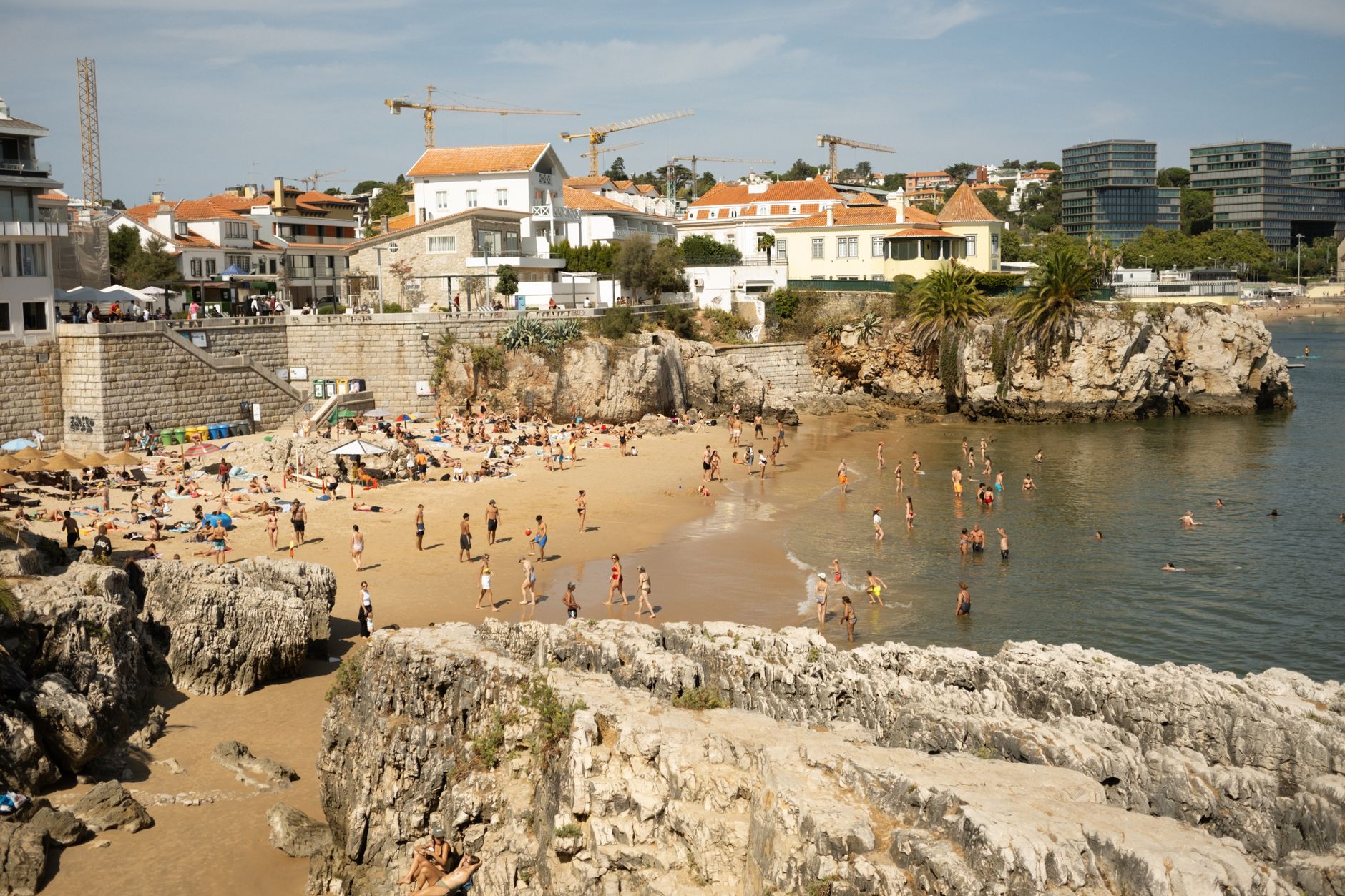
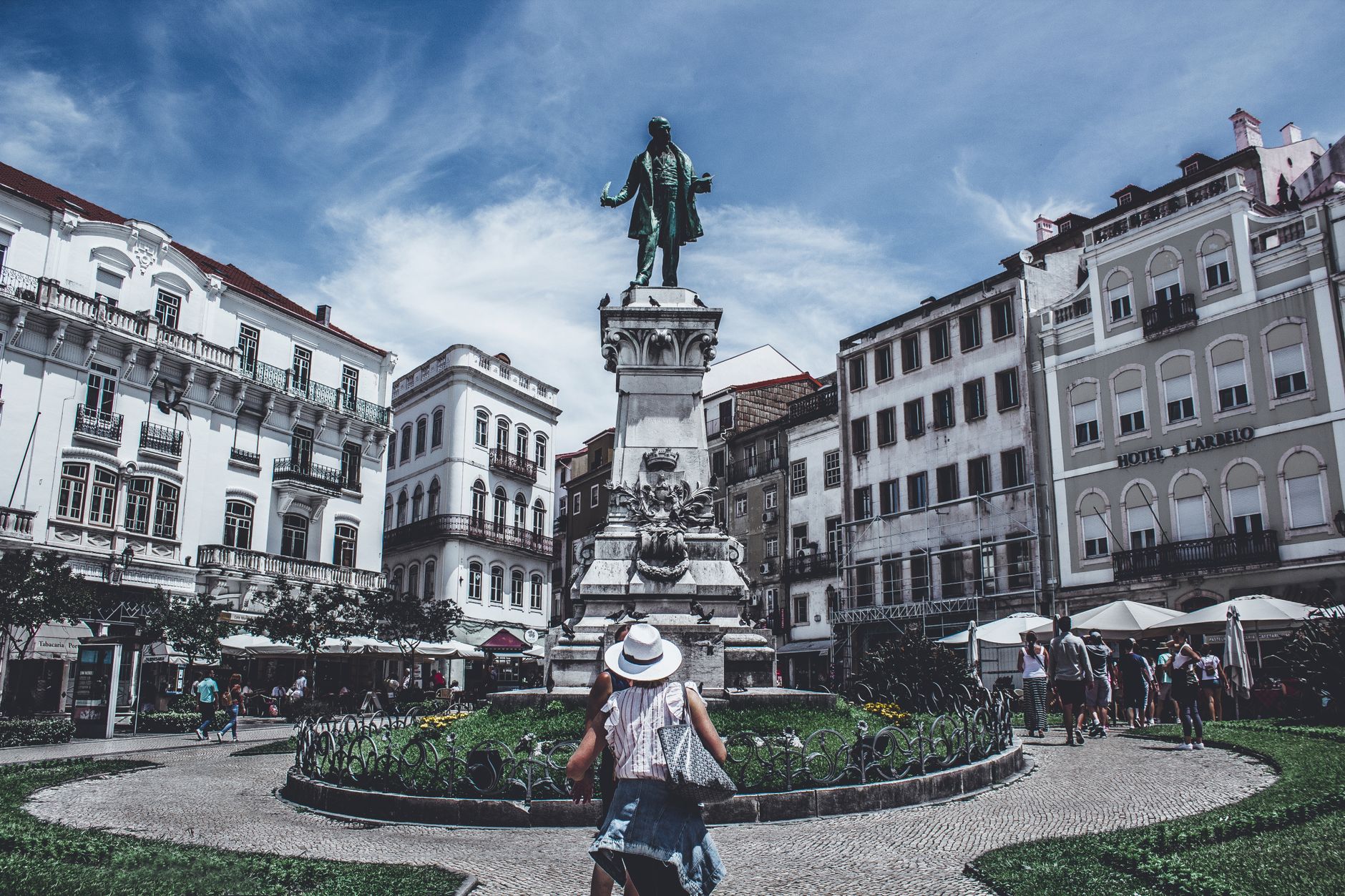
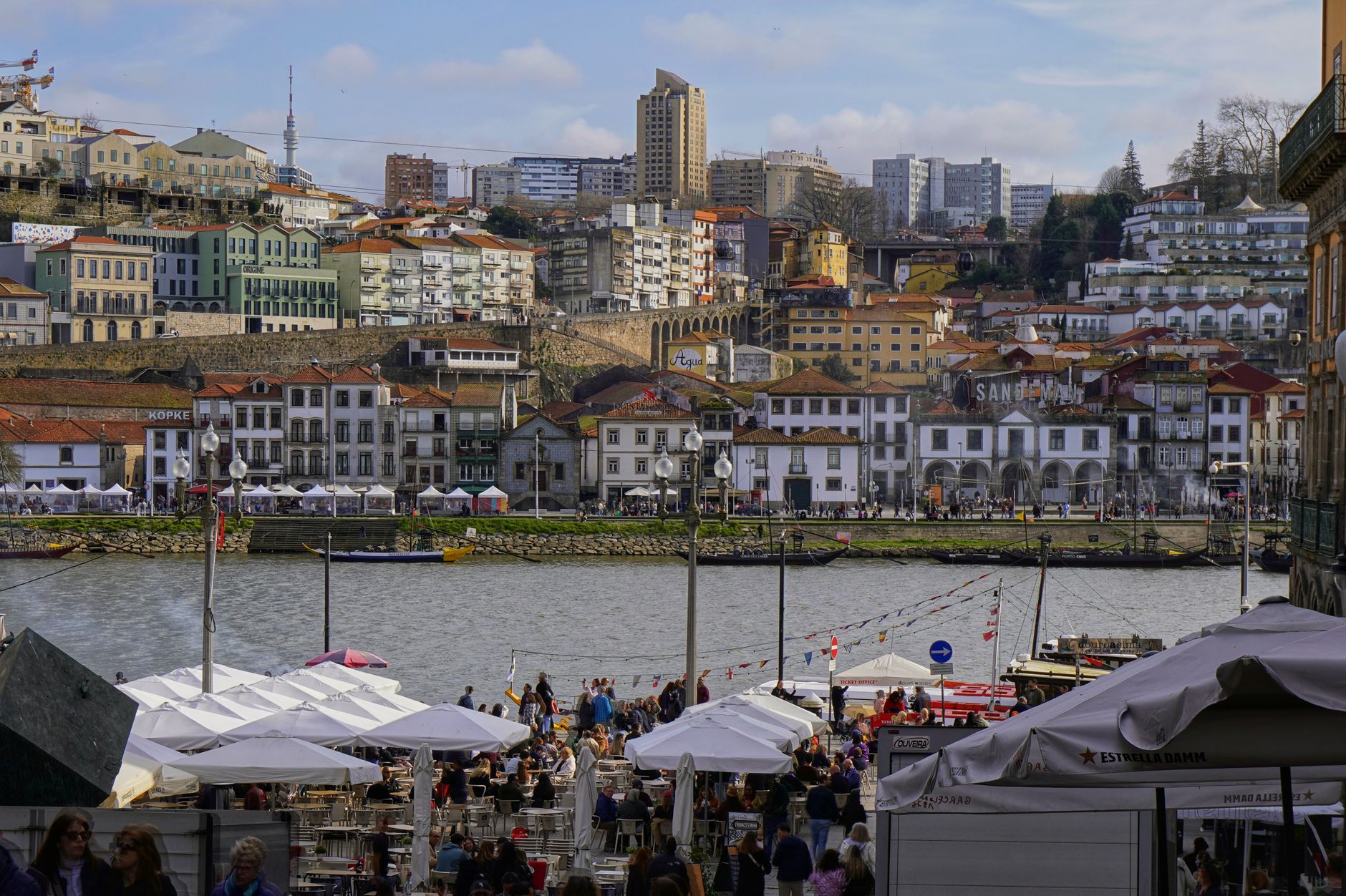
Portugal occupies the western edge of Europe — Atlantic on two sides, Spain at its back — and that geography has shaped everything: the light, the cooking, the centuries-long habit of looking outward to sea. The country that dispatched Vasco da Gama toward India and seeded languages from Brazil to Mozambique is small enough to drive across in a few hours, yet the range it packs in is disproportionate. Lisbon's tiled facades and the Algarve's carved sea-caves, the medieval streets of Guimarães and Porto's contemporary architecture — these are not interchangeable backdrops but distinct places with their own logic.
Popular regions in Portugal
💛 What travellers fall for
People who keep coming back tend to agree on a few things: eat lunch where the daily special is written on a chalkboard, not a laminated card. Take the train to Sintra rather than a tour bus. And allow at least one slow afternoon in a café with nothing scheduled — the Portuguese pace rewards that more than most countries do.
Deals in Portugal
Book directly at the provider


How Portugal came to be
Portugal's story as a nation begins precisely on June 24, 1128, at the Battle of São Mamede, where Afonso Henriques defeated his own mother, Countess Teresa, to consolidate control. He declared himself king in 1139, and by 1249 the country's borders were essentially what they are today — among the oldest stable frontiers in Europe. The capital moved to Lisbon in 1255.
The 15th and 16th centuries brought the Age of Discovery, propelled in large part by Henry the Navigator and the ocean-going caravels he championed. The Jerónimos Monastery and the Belém Tower, both built in Lisbon in that era, still carry the weight of that moment. Centuries later, after a king's assassination in 1908 and a republic declared in 1910, Portugal endured Salazar's dictatorship until the Carnation Revolution of April 25, 1974 — a near-bloodless coup that returned the country to democracy. Portugal joined the European Community in 1986.
Who and what shaped it
People who shaped it
Landmark buildings
See Portugal in motion
Plan your visit
On the map
When to go
The south is warm and dry for much of the year, with Algarve summers running genuinely hot (above 30°C); the north and interior are cooler and wetter, especially in winter. Snow is rare on the coast but not unheard of inland.
Right now
↡ Regions
No places match these filters.
Background & history adapted from Wikipedia (CC BY-SA) · specs from Wikidata (CC0) · weather from Open-Meteo · map data © OpenStreetMap contributors · photos from Wikimedia Commons / Unsplash with per-image credit. No third-party reviews or social posts reproduced.