
Lisbon
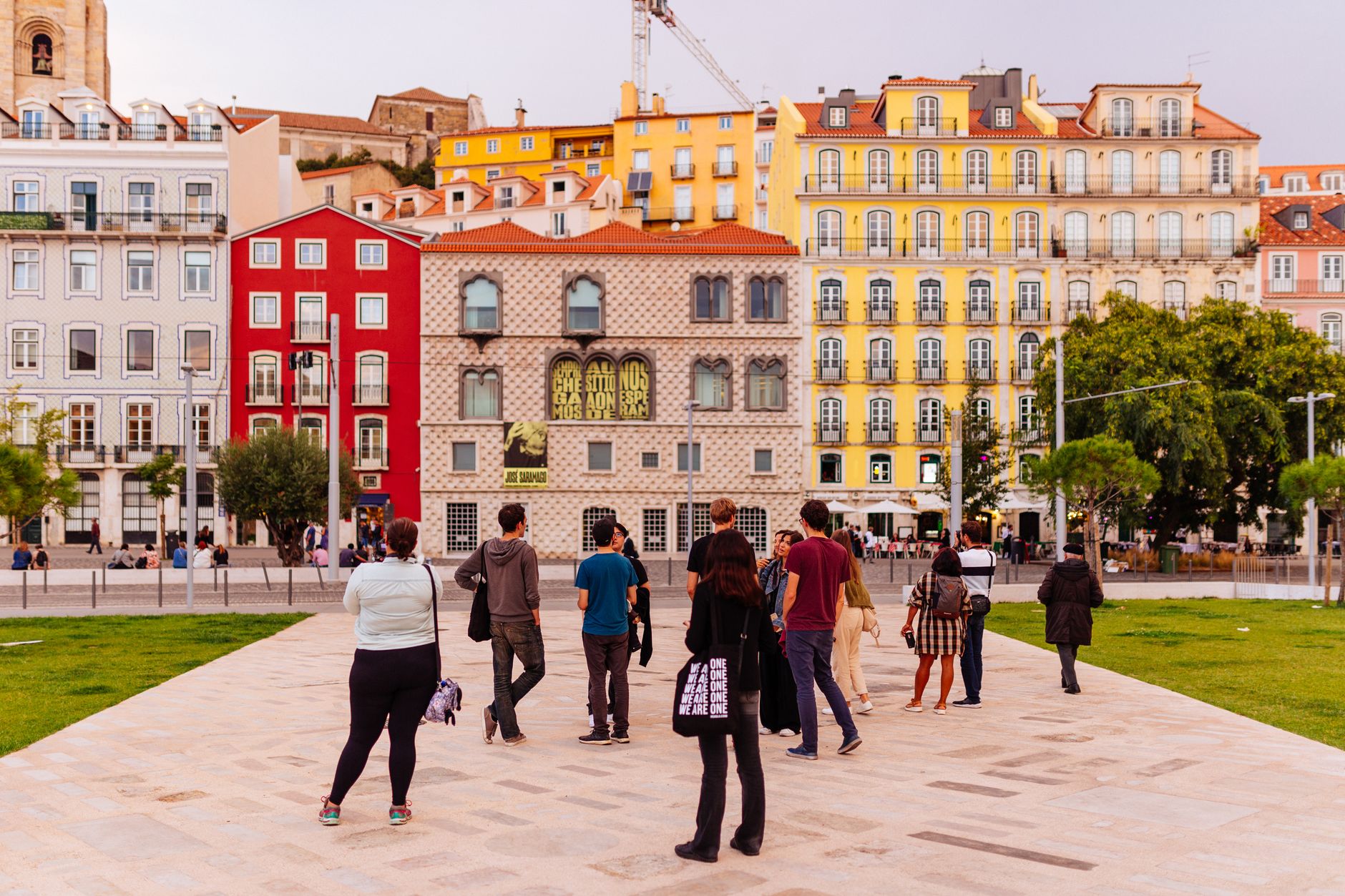
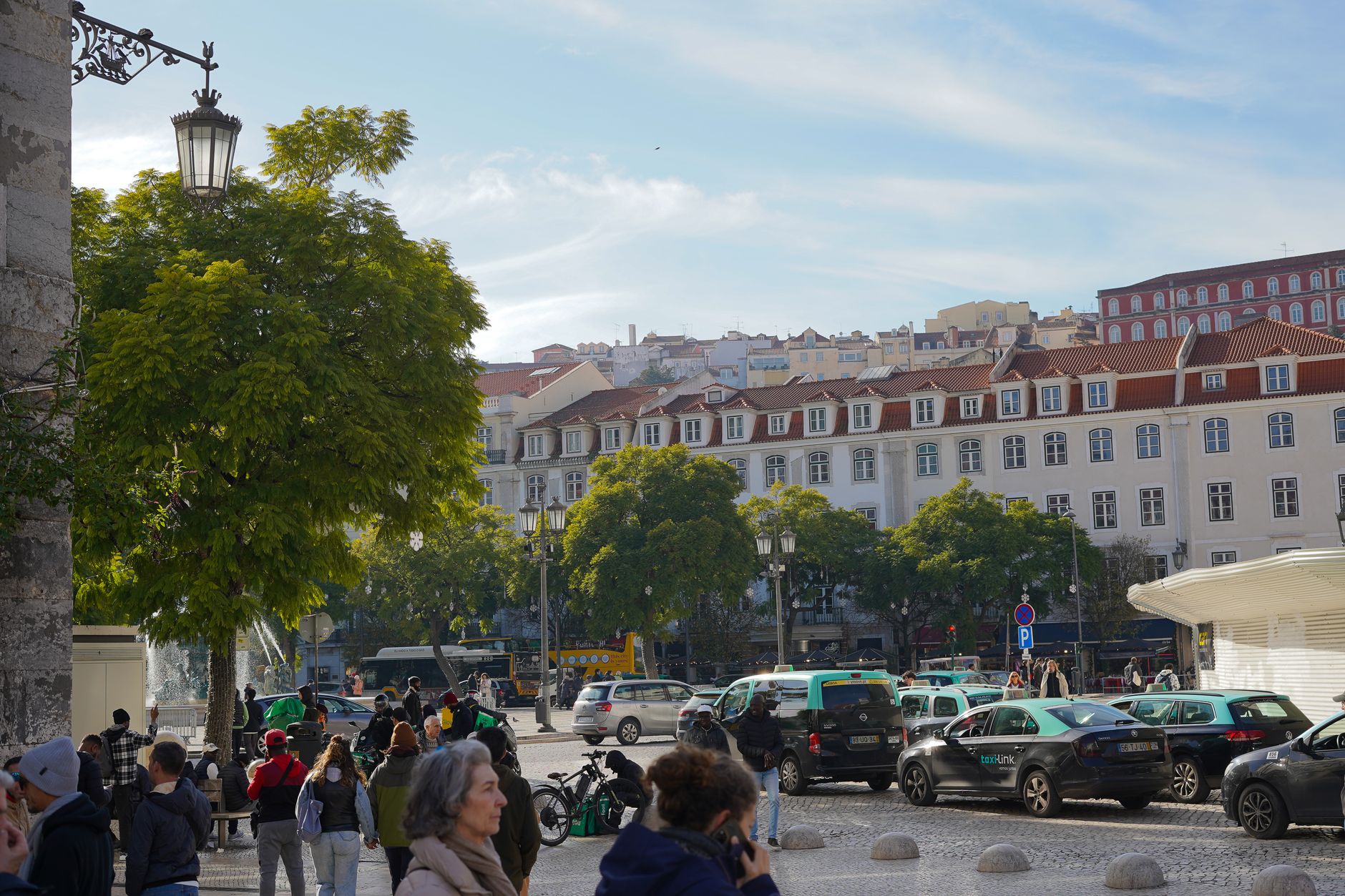
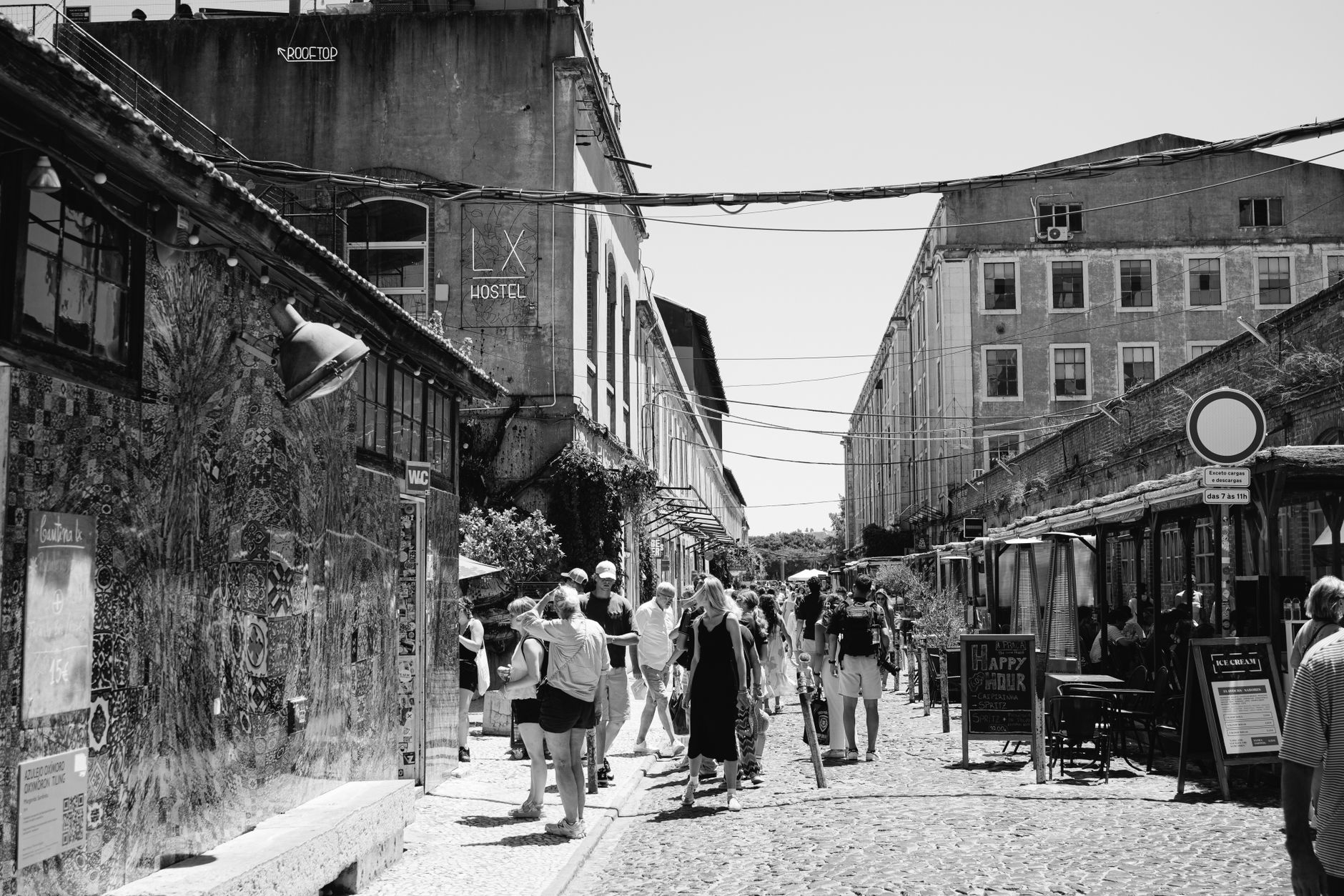
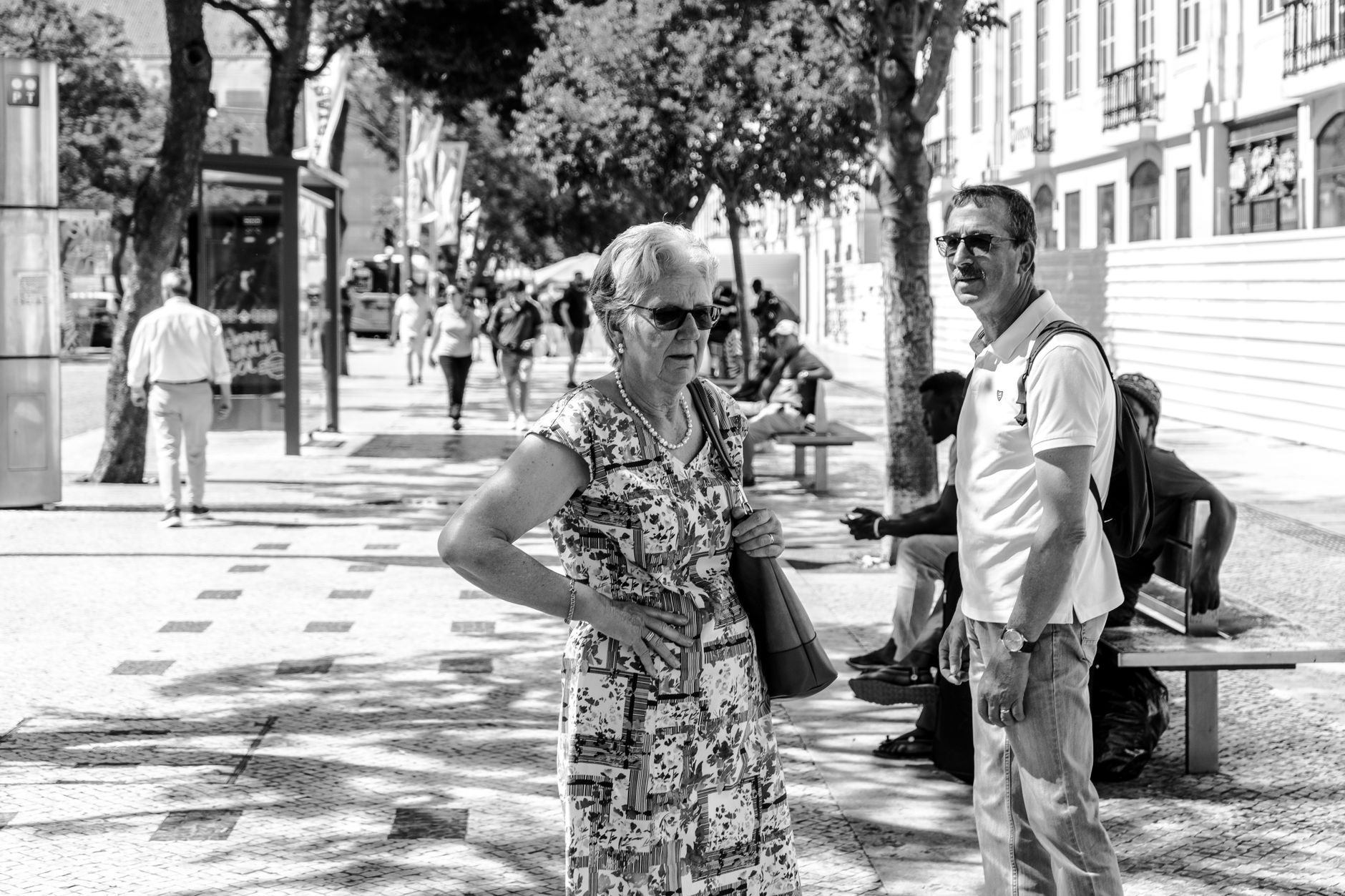
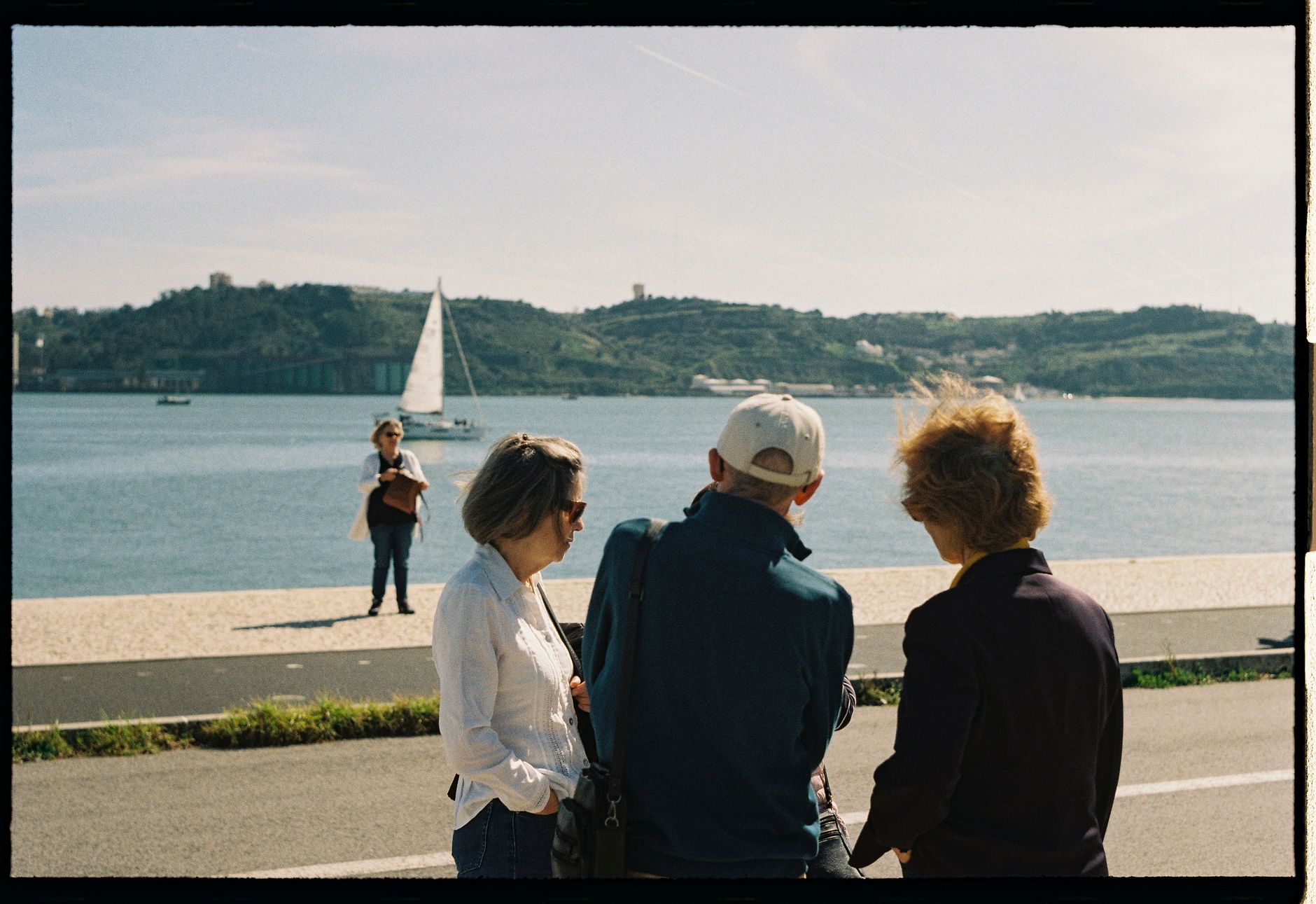
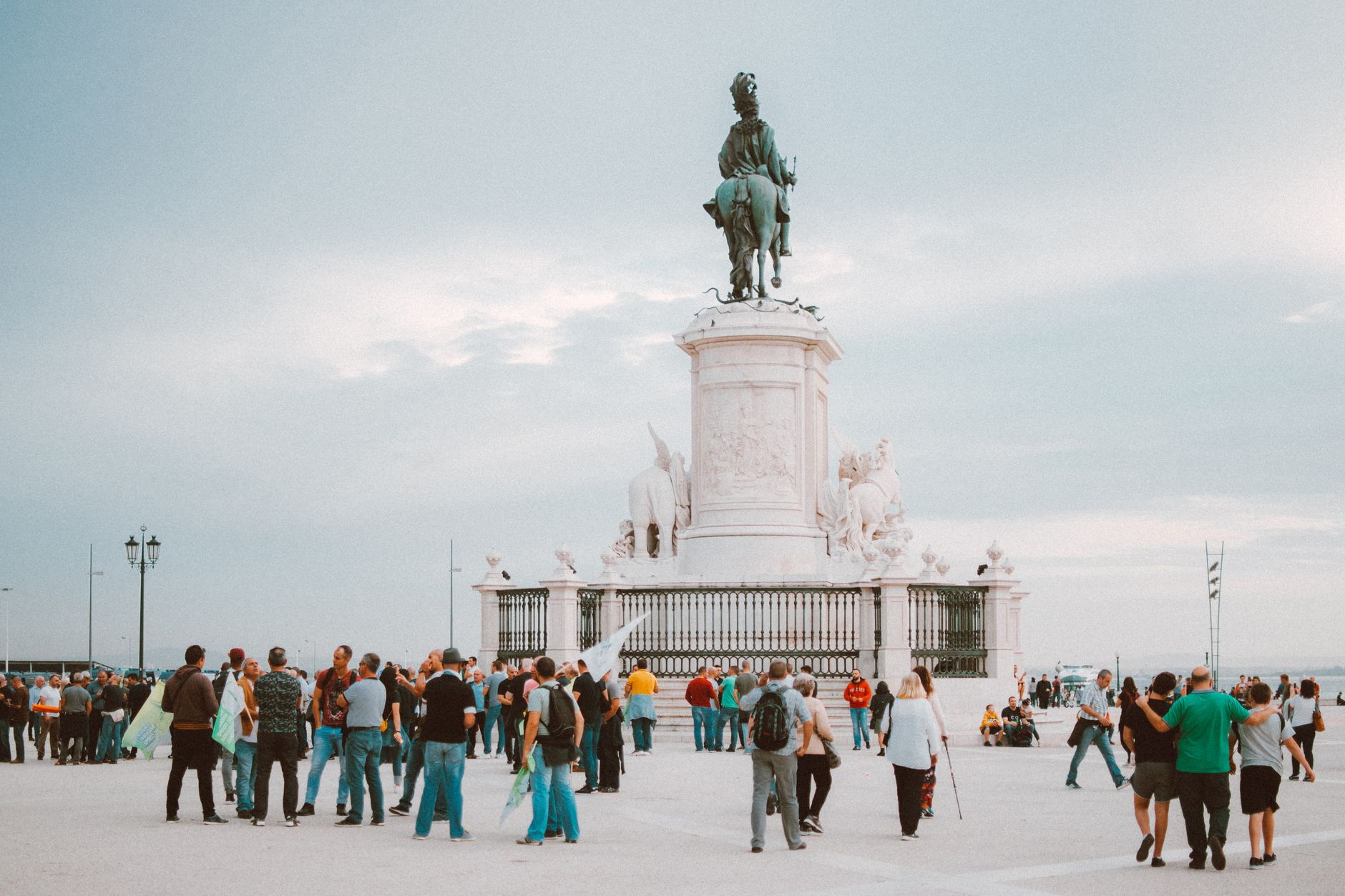
Lisbon is a city that tilts. Its seven hills mean every walk ends with a climb, and the reward is almost always a rooftop view over terracotta and the wide silver reach of the Tagus. The light here is particular — Atlantic-clear, bouncing off white limestone facades well into the evening.
This is a capital with deep layers: Phoenician traders, Roman administrators, Moorish rulers, and the navigators who sailed out from the Belém waterfront and came back with the world. The 1755 earthquake levelled most of it, so the Lisbon you walk through is largely an 18th-century rebuild — rational, elegant, and still carrying its scars in places like the roofless Gothic arches of the Carmo Convent.
💛 What travellers fall for
People who know Lisbon well tend to agree on one thing: buy a Navegante card the moment you arrive. Load it with zapping credit and you can hop trams, buses, the metro, and the ferry across to Cacilhas without thinking about tickets again. Then ignore the metro for Alfama and Belém — neither is served, and both repay the walk.
How Lisbon came to be
Phoenician traders likely established a post here around 1200 BCE, drawn by the natural harbour. Romans arrived in 205 BCE, called it Olissipo, and Julius Caesar later elevated it to municipium status under the name Felicitas Julia. Moorish rule began in 711 and lasted until 1147, when Afonso Henriques led the Christian reconquest. Lisbon became the national capital in 1256, and King Dinis I founded its university in 1288.
The city reached its greatest ambition under King Manuel I (1495–1521), when Vasco da Gama's 1498 voyage to India made Lisbon the hinge of a global trading empire — Jerónimos Monastery and the Belém Tower both date from this era. Then the earthquake of 1755, estimated at magnitude 9.0 and followed by a thirty-metre tsunami, destroyed the medieval city almost entirely. The Marquis of Pombal rebuilt the Baixa district in a grid of rational Neoclassical streets, and the triumphal Rua Augusta Arch was raised to mark the rebirth. The Carnation Revolution of 25 April 1974 ended nearly five decades of dictatorship and set the modern city in motion.
Who and what shaped it
People who shaped it
Landmark buildings
See Lisbon in motion
Plan your visit
On the map
When to go
Spring (March to May) and autumn (September to October) are the most comfortable seasons — warm enough for outdoor eating, cool enough for walking uphill without suffering. Summers are hot and dry, with July and August regularly exceeding 35°C; the city fills with visitors and the hilltop neighbourhoods lose what little shade they have. Winters are mild and rainy, with temperatures rarely dropping below 8°C.
Right now
Background & history adapted from Wikipedia (CC BY-SA) · specs from Wikidata (CC0) · weather from Open-Meteo · map data © OpenStreetMap contributors · photos from Wikimedia Commons / Unsplash with per-image credit. No third-party reviews or social posts reproduced.