
Antarctica
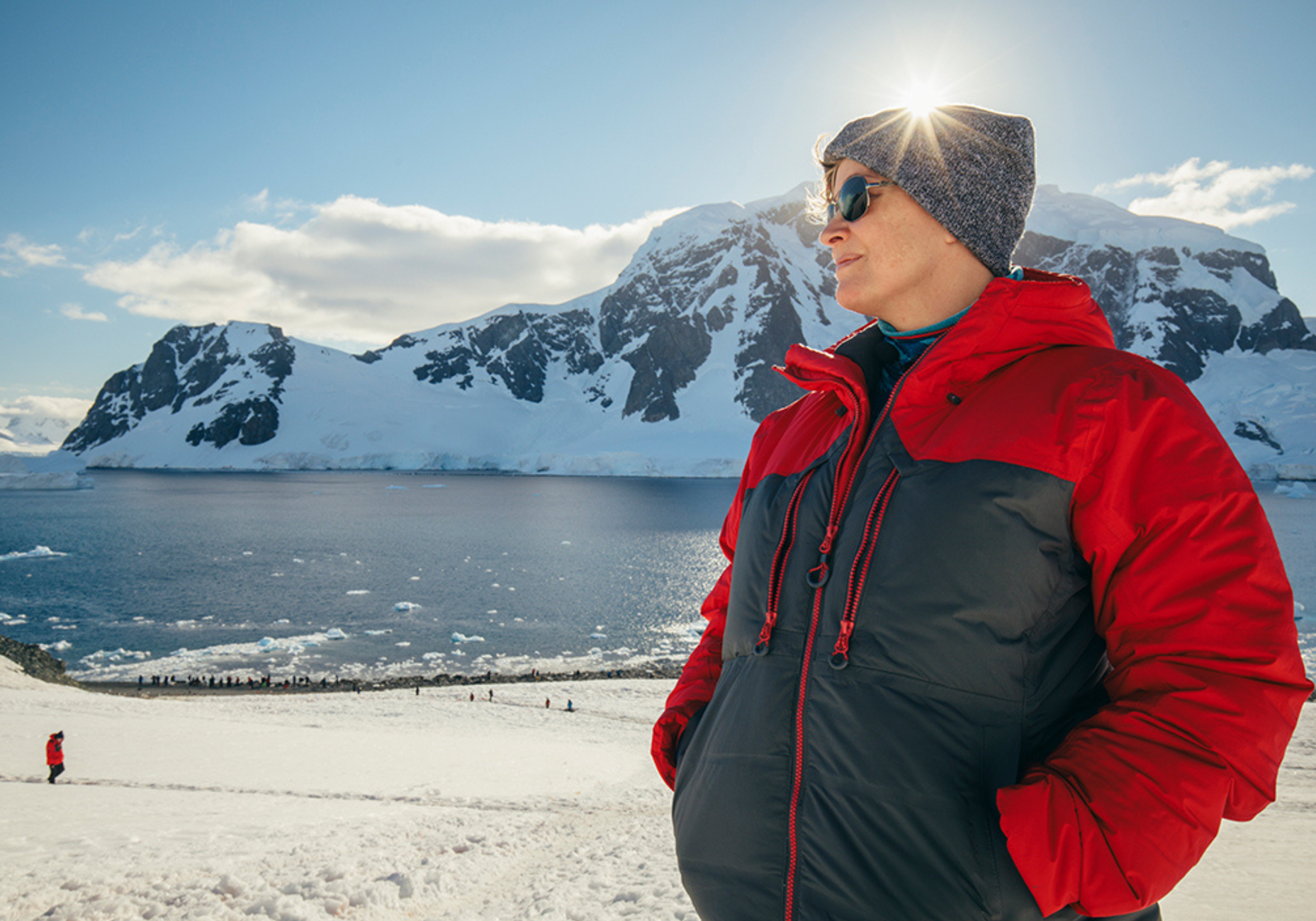
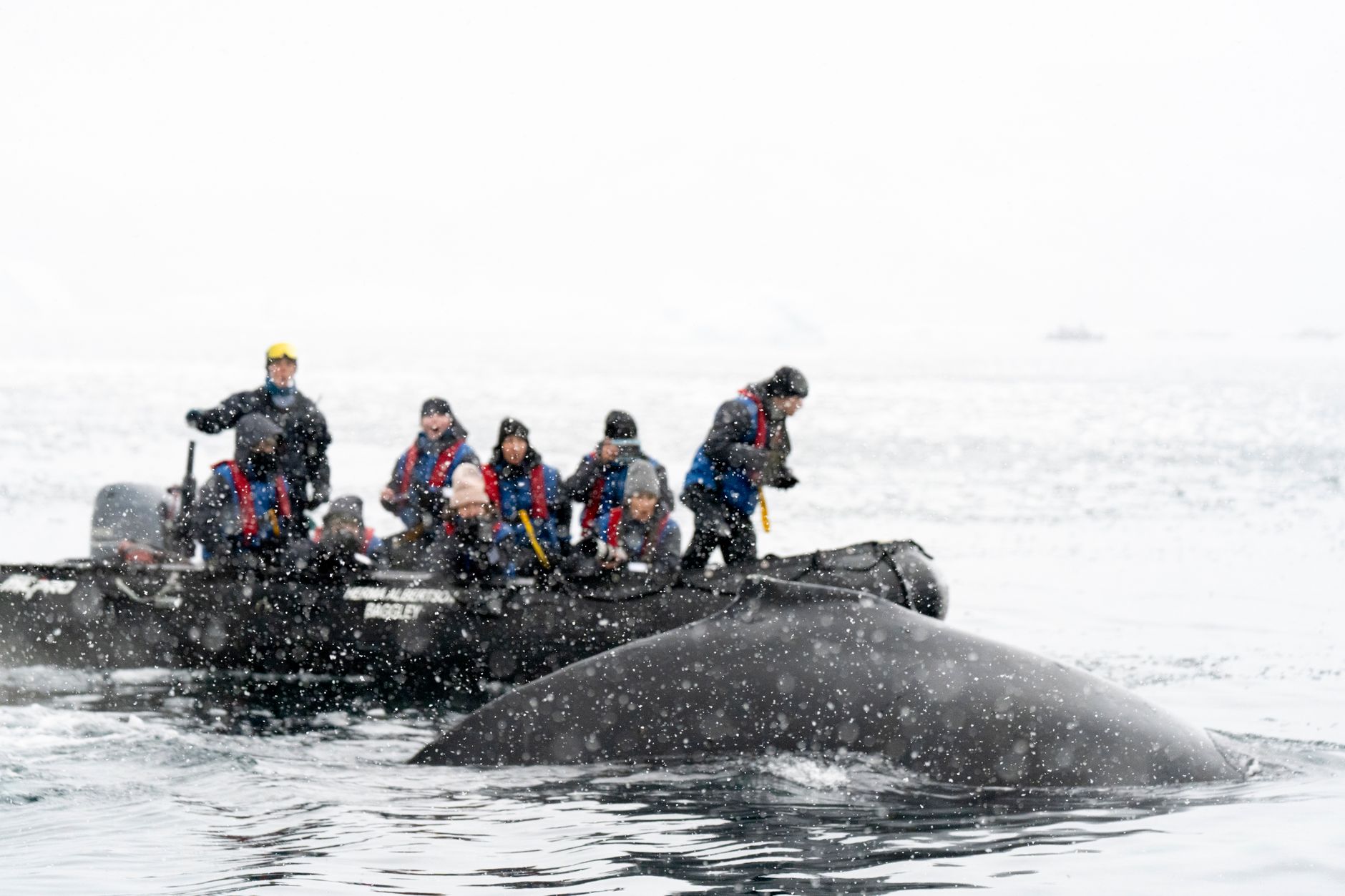
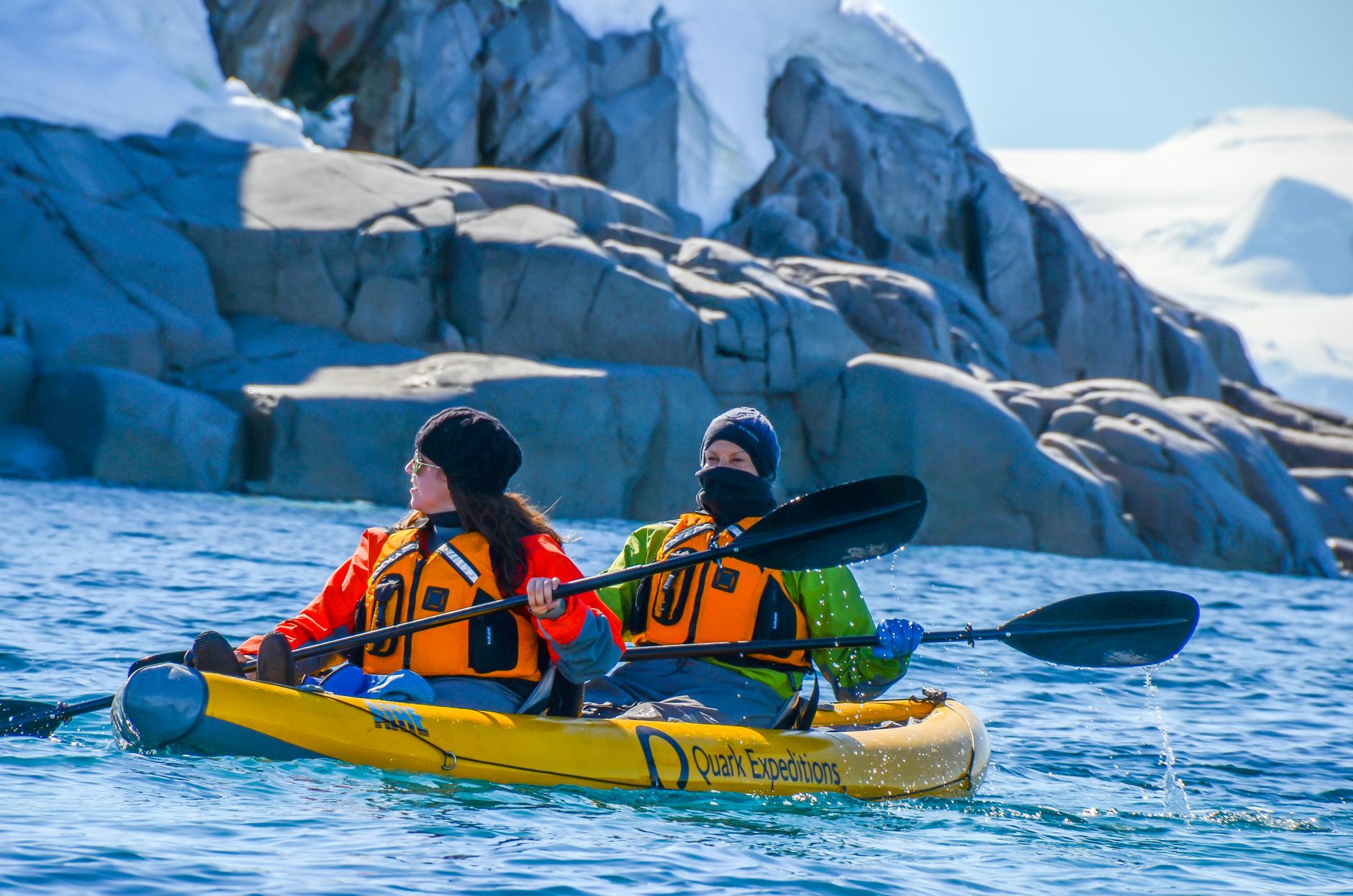
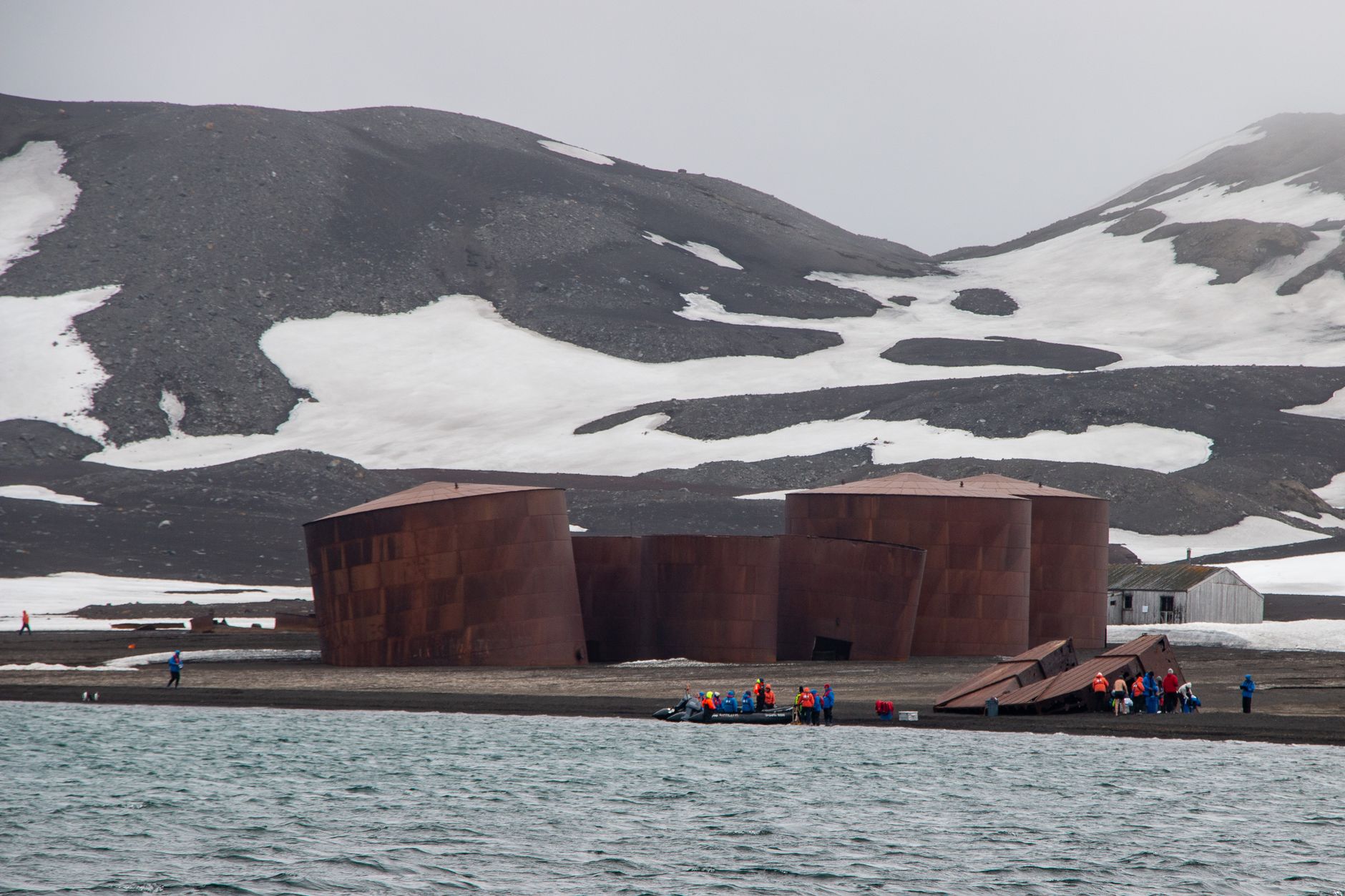
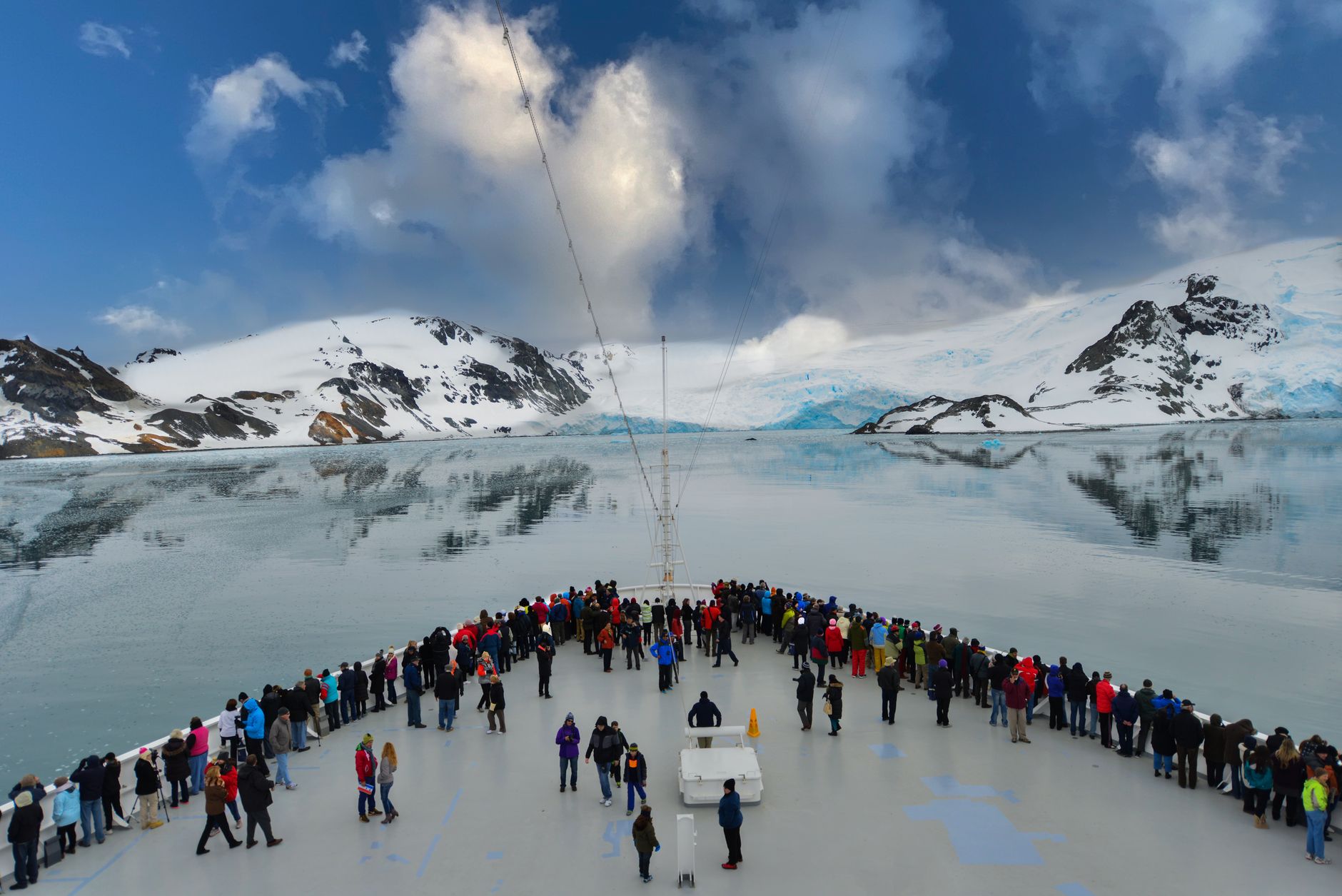
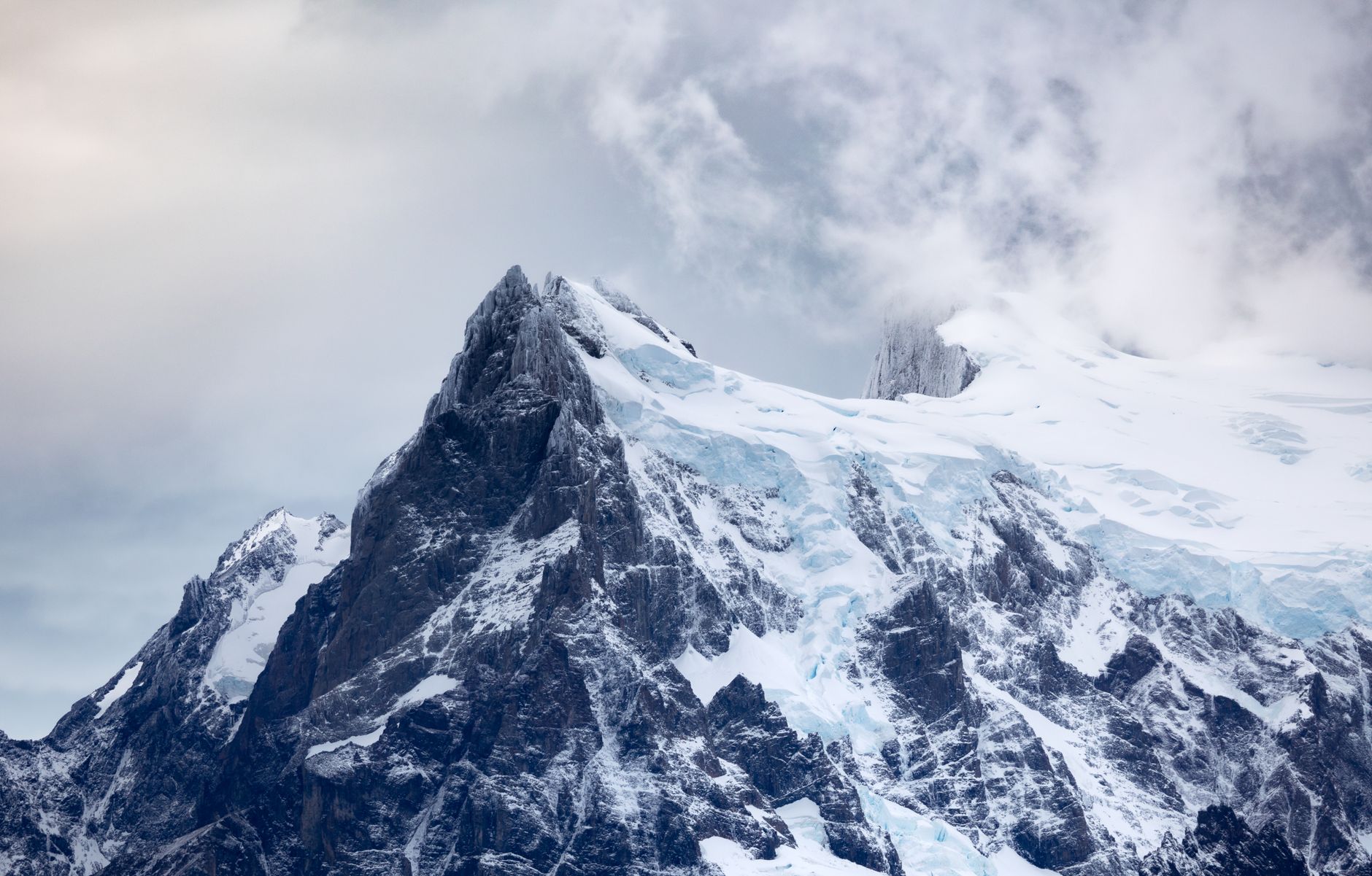
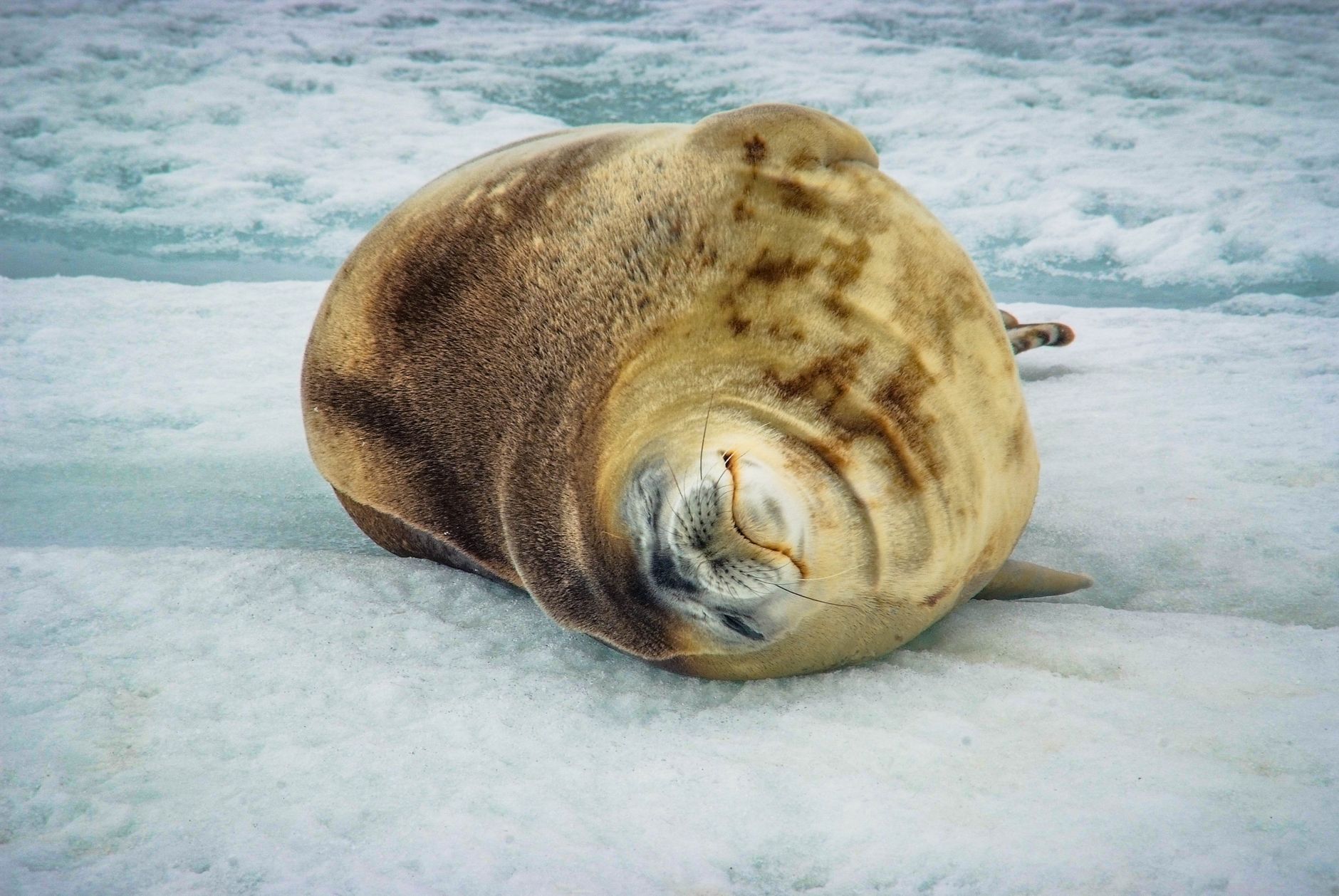
Antarctica is the only continent with no permanent human population, no government, and no indigenous people — a place that exists, legally and practically, as a shared scientific commons. What you find here is stripped down: ice that stretches to every horizon, a silence that has actual weight, and wildlife that has never learned to fear you. Adelie penguins will walk directly up to your boots. Humpbacks surface close enough that you can hear them breathe.
The continent covers roughly 14 million square kilometres, most of it under ice sheets nearly 5 kilometres thick in places. Everything about visiting it — the cost, the logistics, the two-day crossing through the Drake Passage — is a reminder that this is not a destination you arrive at by accident.
How Antarctica came to be
The continent was first sighted on 27–28 January 1820 by Russian naval officer Fabian Gottlieb von Bellingshausen, commanding the ships Vostok and Mirnyi. The first confirmed landing on the continental mainland came 75 years later, in 1895, when Norwegian sealing captain Carsten Borchgrevink stepped ashore at Cape Adare. The early 20th century's Heroic Age brought sustained expeditions — among them Adrian de Gerlache's Belgian voyage of 1897–99, whose ship Belgica was trapped in pack ice from February 1898 to March 1899, making its crew the first men to winter on the continent.
The modern framework arrived on 1 December 1959, when 12 nations signed the Antarctic Treaty, designating the continent as a zone of scientific cooperation with all observations freely shared. As of 2023, 55 of the 56 signatories operate research stations here — including the American McMurdo Station on Ross Island, capable of housing around 1,200 people in summer, and the British Halley VI Research Station, where scientists discovered the hole in the ozone layer in 1985.
Who and what shaped it
People who shaped it
Landmark buildings
Plan your visit
On the map
When to go
During the austral summer (November–March), temperatures on the Antarctic Peninsula hover between -5°C and +2°C (23–36°F), with long daylight hours and relatively calm seas. Conditions change fast: pack layers, expect wind, and treat any calm morning as a gift rather than a given.
Right now
↡ Regions
Background & history adapted from Wikipedia (CC BY-SA) · specs from Wikidata (CC0) · weather from Open-Meteo · map data © OpenStreetMap contributors · photos from Wikimedia Commons / Unsplash with per-image credit. No third-party reviews or social posts reproduced.