
Venezuela
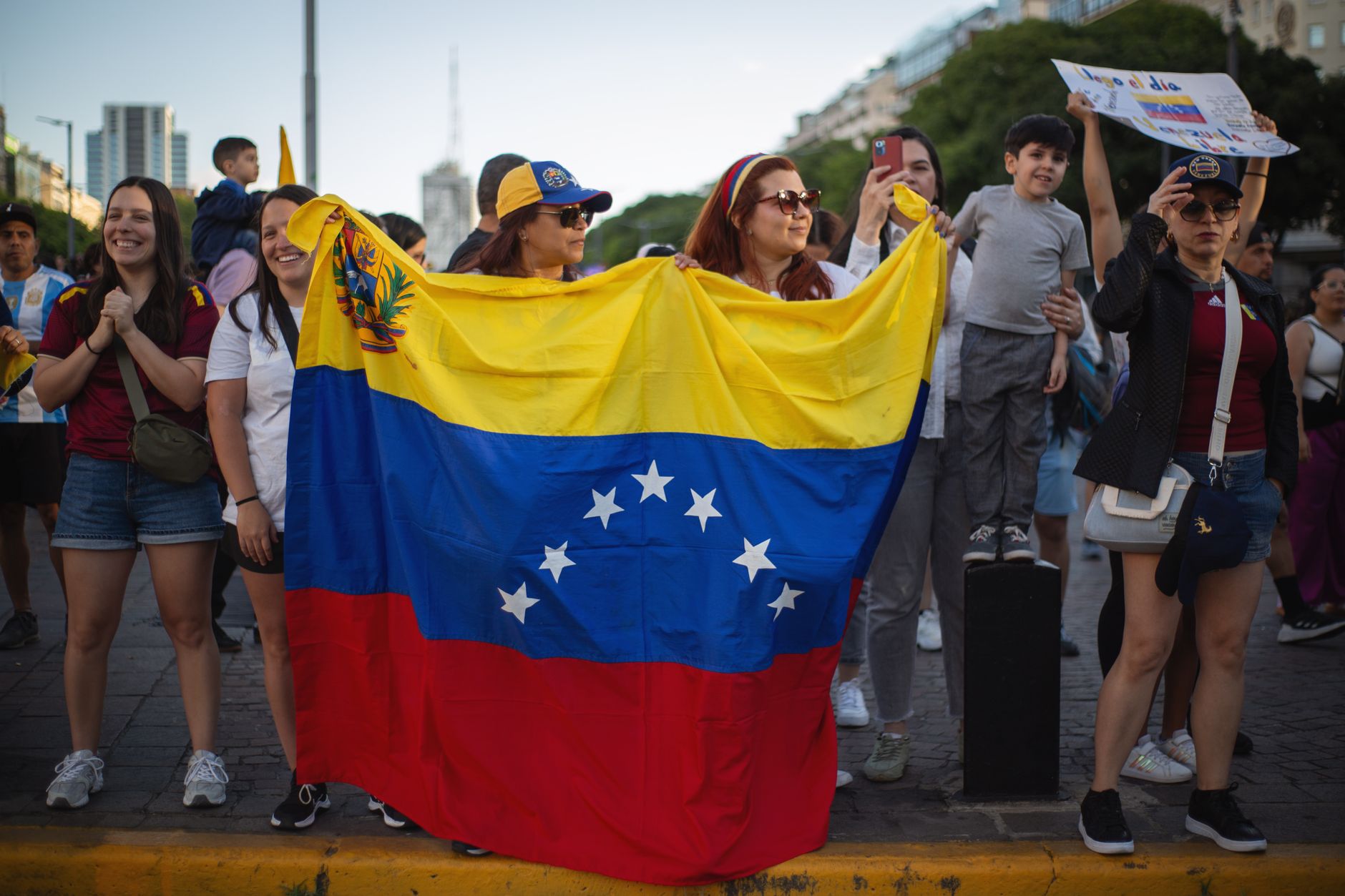
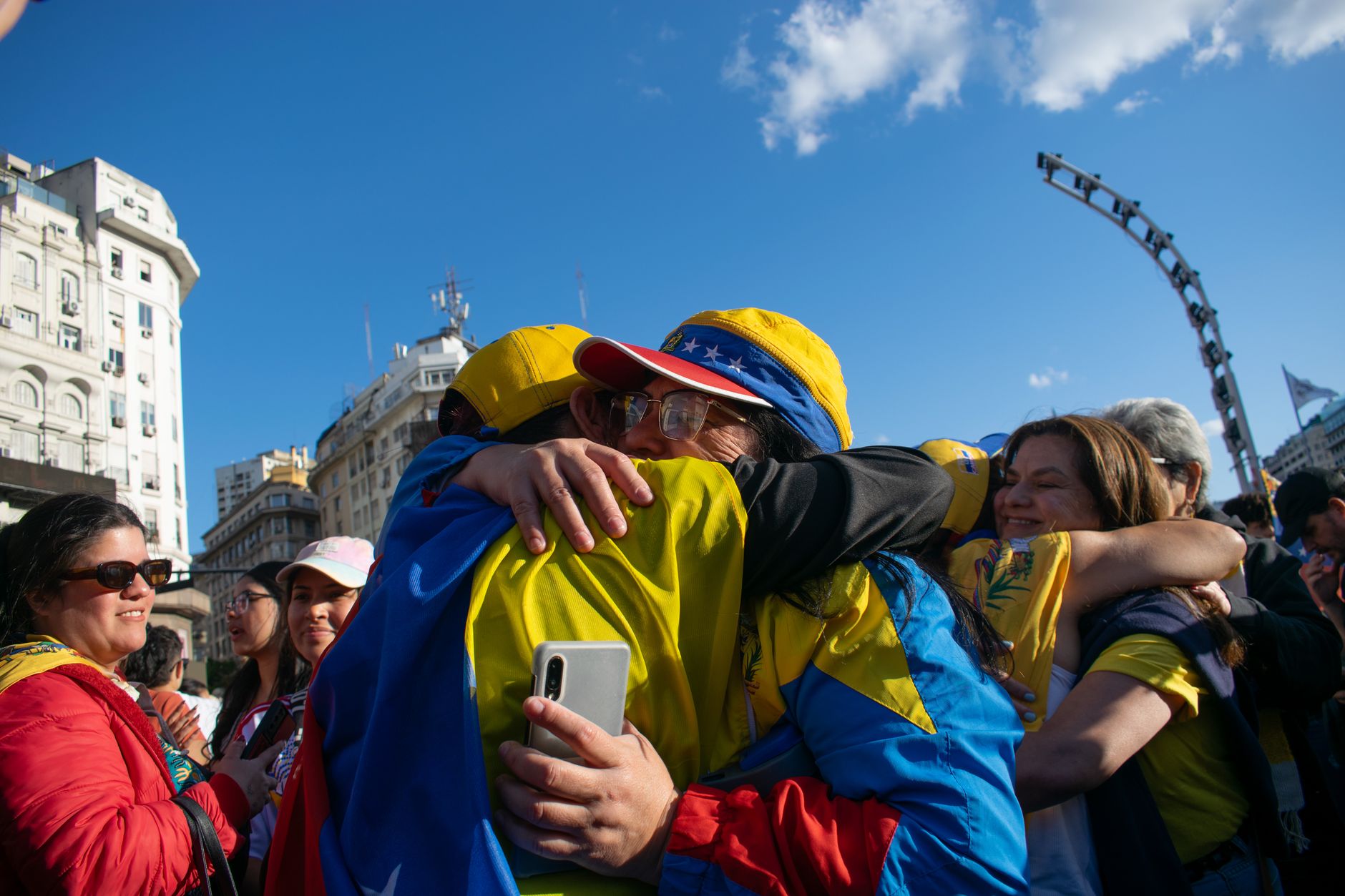
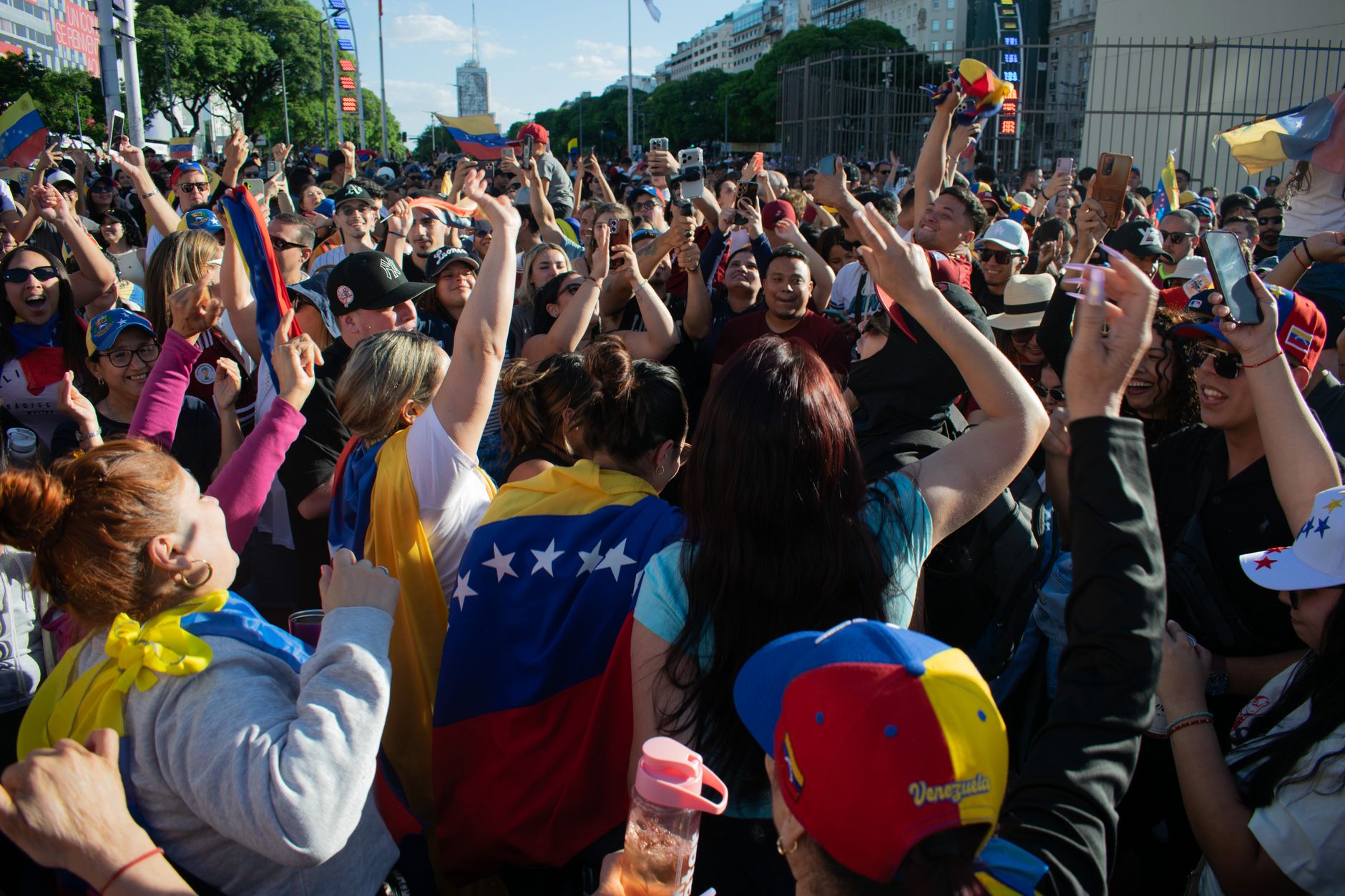
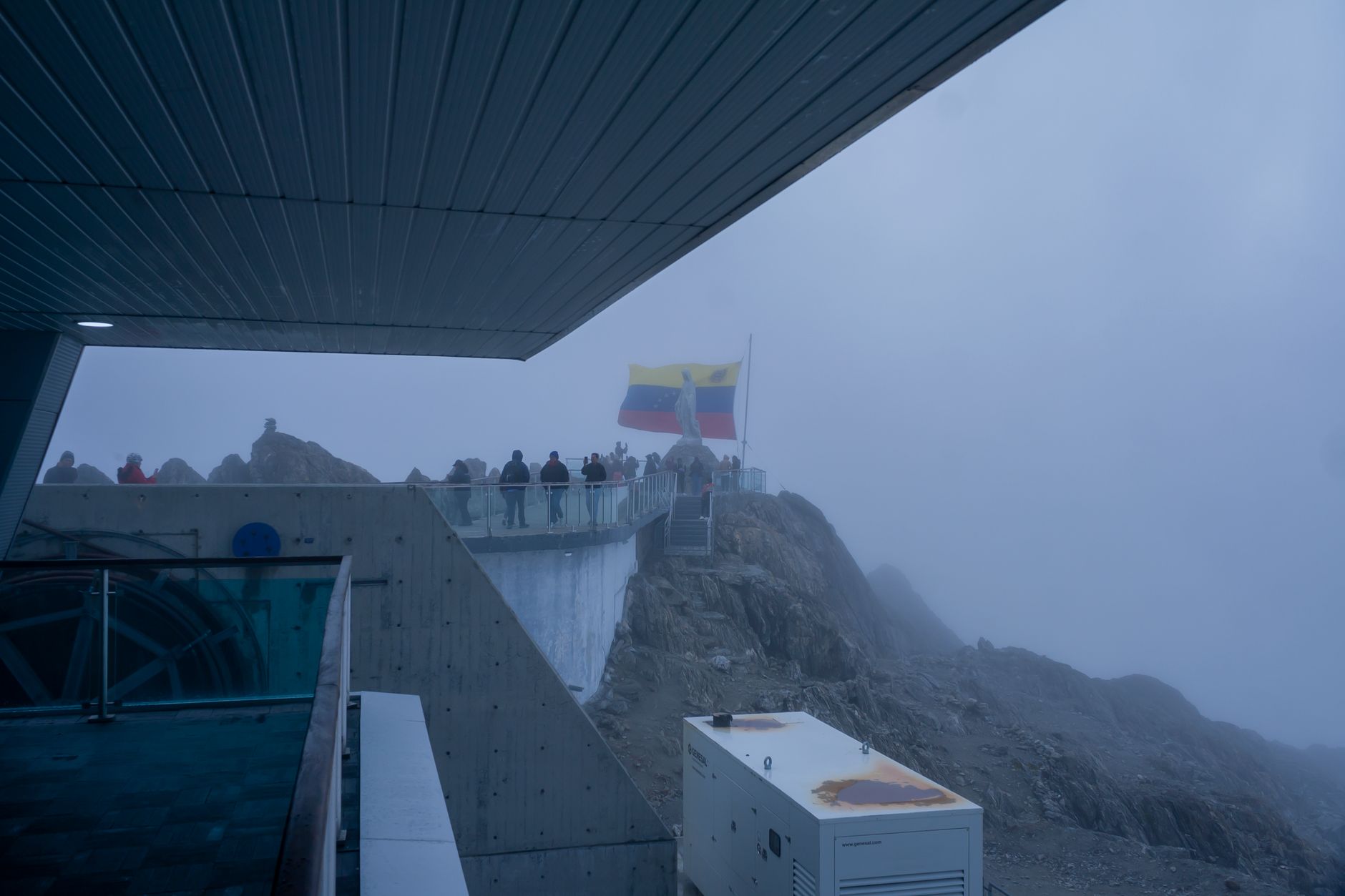
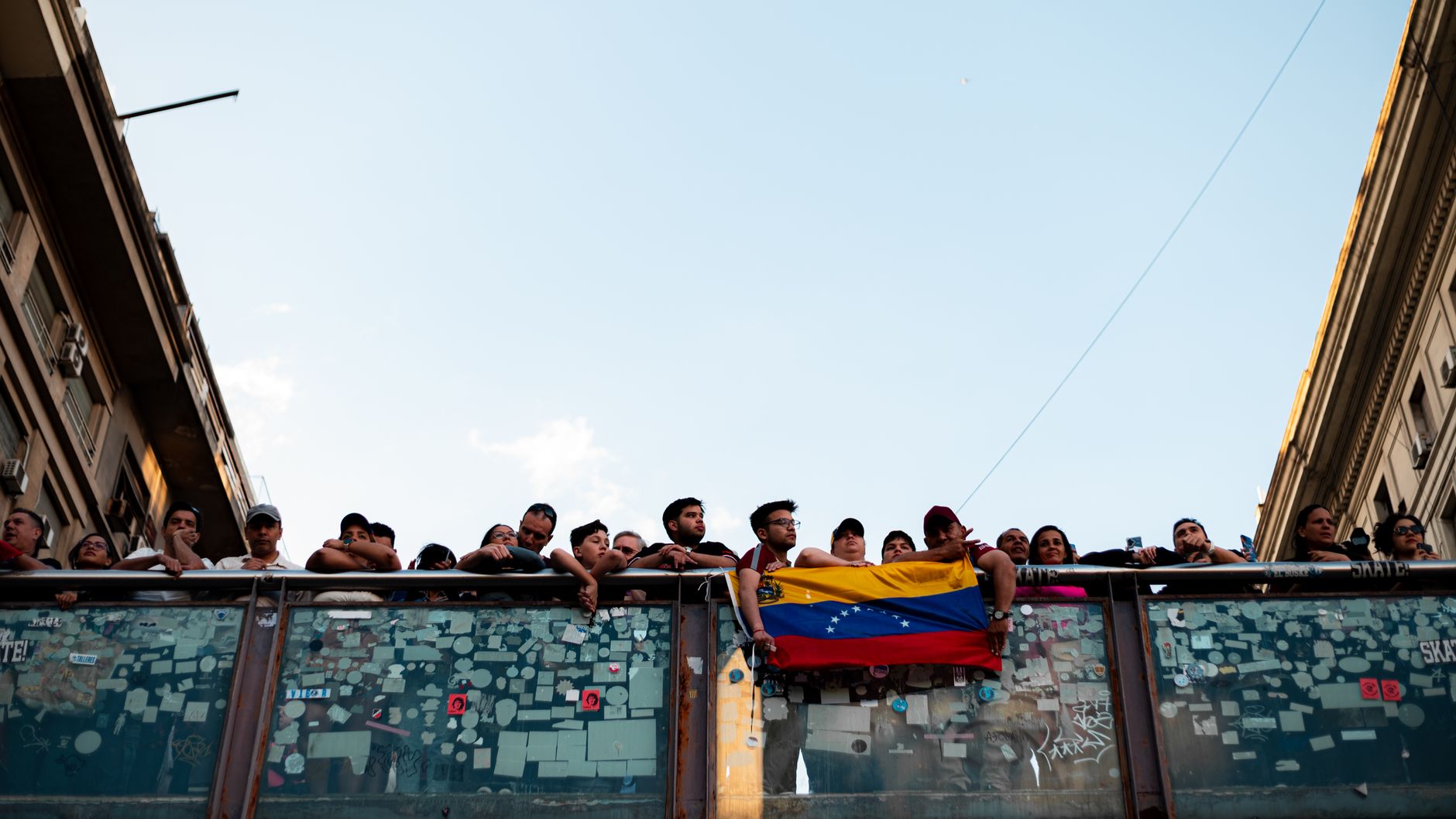
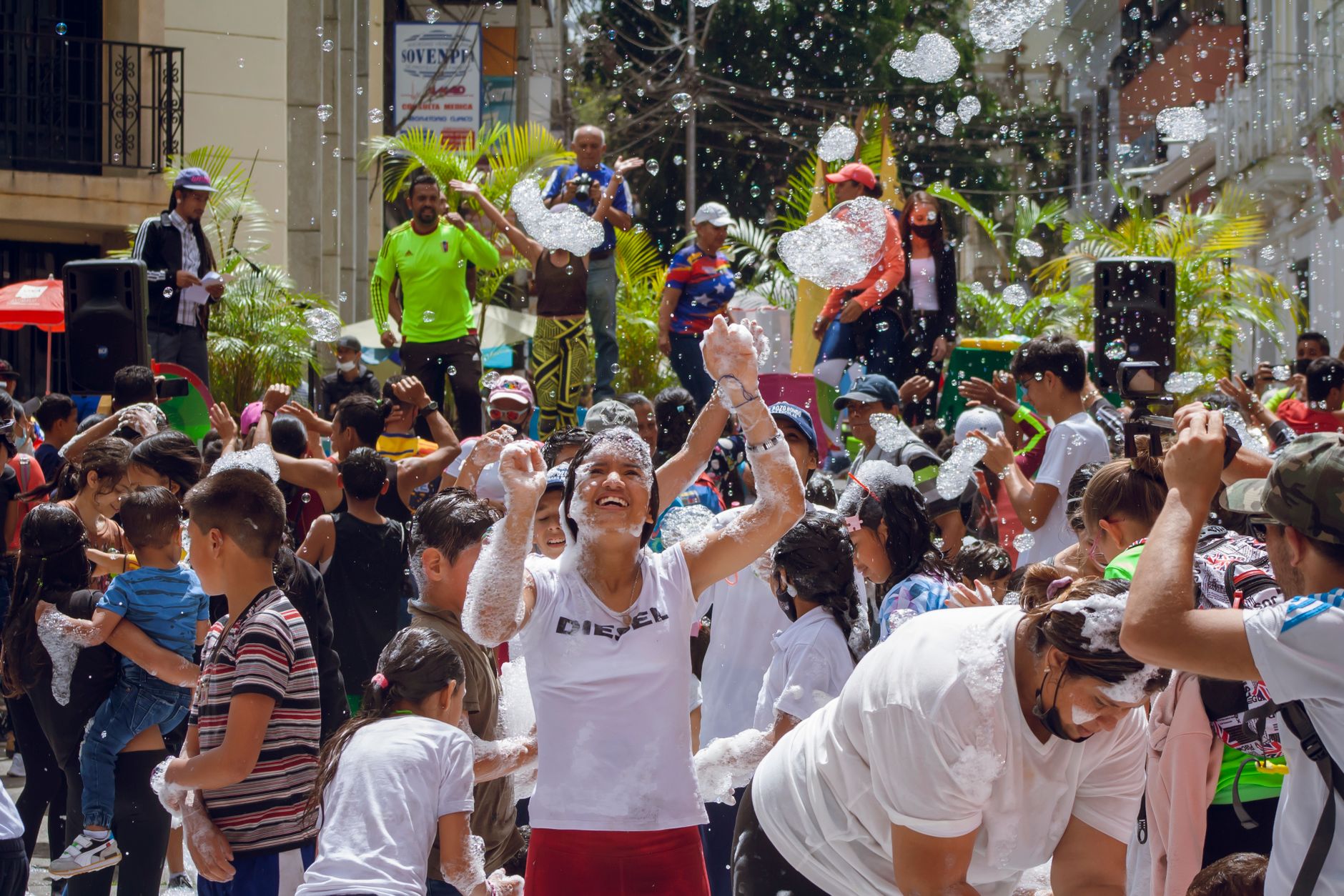
Venezuela is where the continent's geography seems to have been turned up to full volume — flat-topped tepuis rising from jungle in Canaima, Caribbean coastline giving way to Andean cloud forest, and colonial streetscapes in Coro that have barely changed since the 16th century. Simón Bolívar was born here, and his shadow falls across every plaza and pantheon in the country.
Travelling Venezuela asks patience and flexibility in equal measure. Infrastructure is uneven, logistics can shift without notice, and the visa process for some nationalities runs to months rather than weeks. But the country's scale and variety reward the effort in ways that are genuinely hard to find elsewhere on the continent.
Deals in Venezuela
Book directly at the provider

How Venezuela came to be
Spanish explorers reached the Venezuelan coast in 1498, and colonisation took hold from 1520 onward. Caracas was founded in 1567 by Diego de Losada. The city that grew from that settlement would eventually produce Simón Bolívar, born there in 1783, who became the central figure of South American independence. Venezuela declared independence on July 5, 1811 — the first nation on the continent to do so — and the decisive military victory came at the Battle of Carabobo on June 24, 1821.
Venezuela remained part of Gran Colombia until 1830, when José Antonio Páez led the break to full sovereignty and became the country's first president. Slavery was abolished in 1854. The colonial town of Coro, founded in 1527, holds the distinction of being the first South American town to achieve independence from Spain, and its preserved architecture earned it UNESCO recognition in 1993.
Who and what shaped it
People who shaped it
Landmark buildings
See Venezuela in motion
Plan your visit
On the map
When to go
Venezuela sits in the tropics, with a dry season roughly from December to April — the most comfortable window for travel — and a wet season from May through November when rains are heavy, particularly in the south and along the Andes. Coastal areas stay warm year-round; the tepui highlands of Canaima run cooler and can be misty at any time of year.
Right now
Background & history adapted from Wikipedia (CC BY-SA) · specs from Wikidata (CC0) · weather from Open-Meteo · map data © OpenStreetMap contributors · photos from Wikimedia Commons / Unsplash with per-image credit. No third-party reviews or social posts reproduced.