Continent

South America

South America
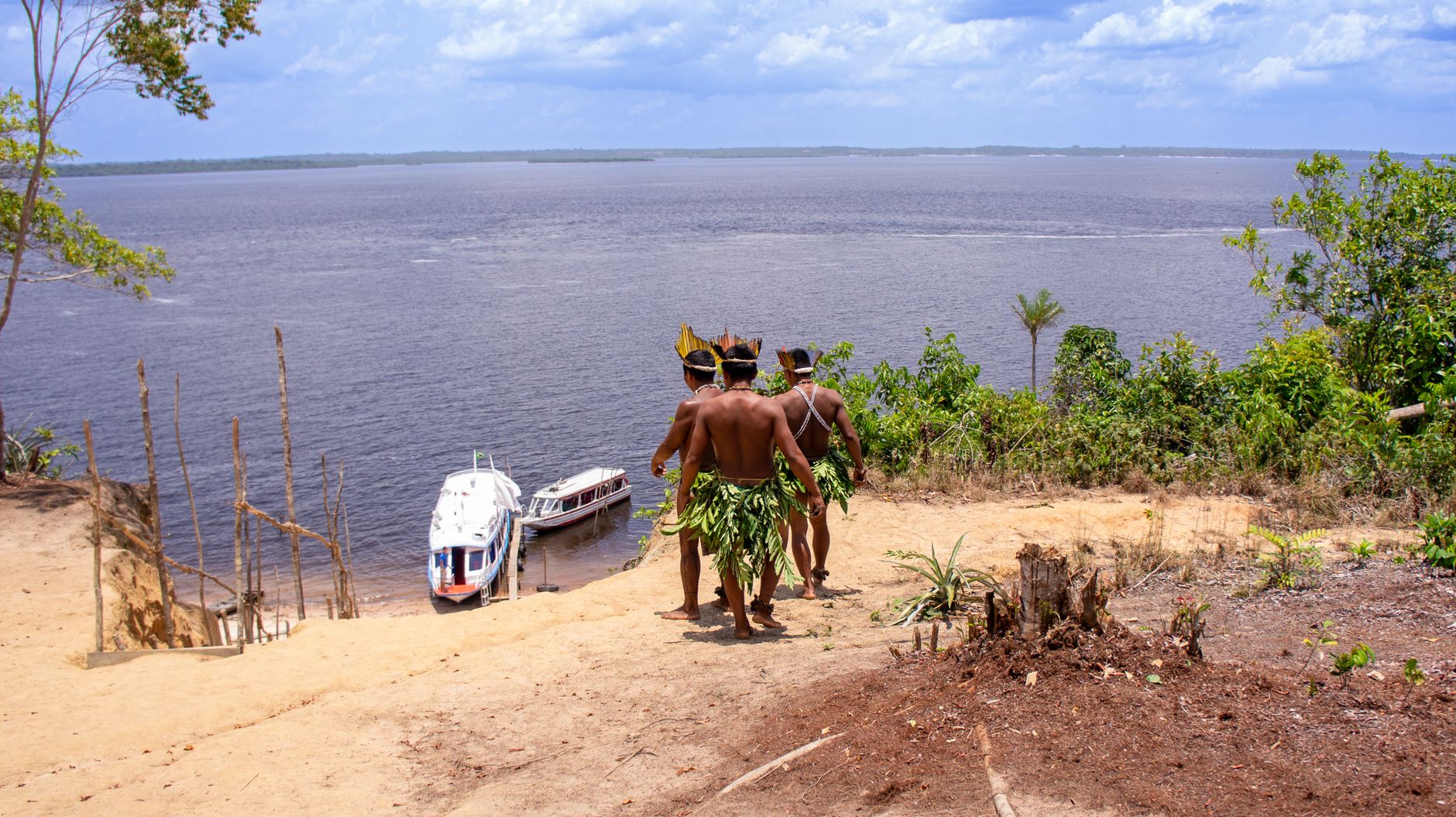
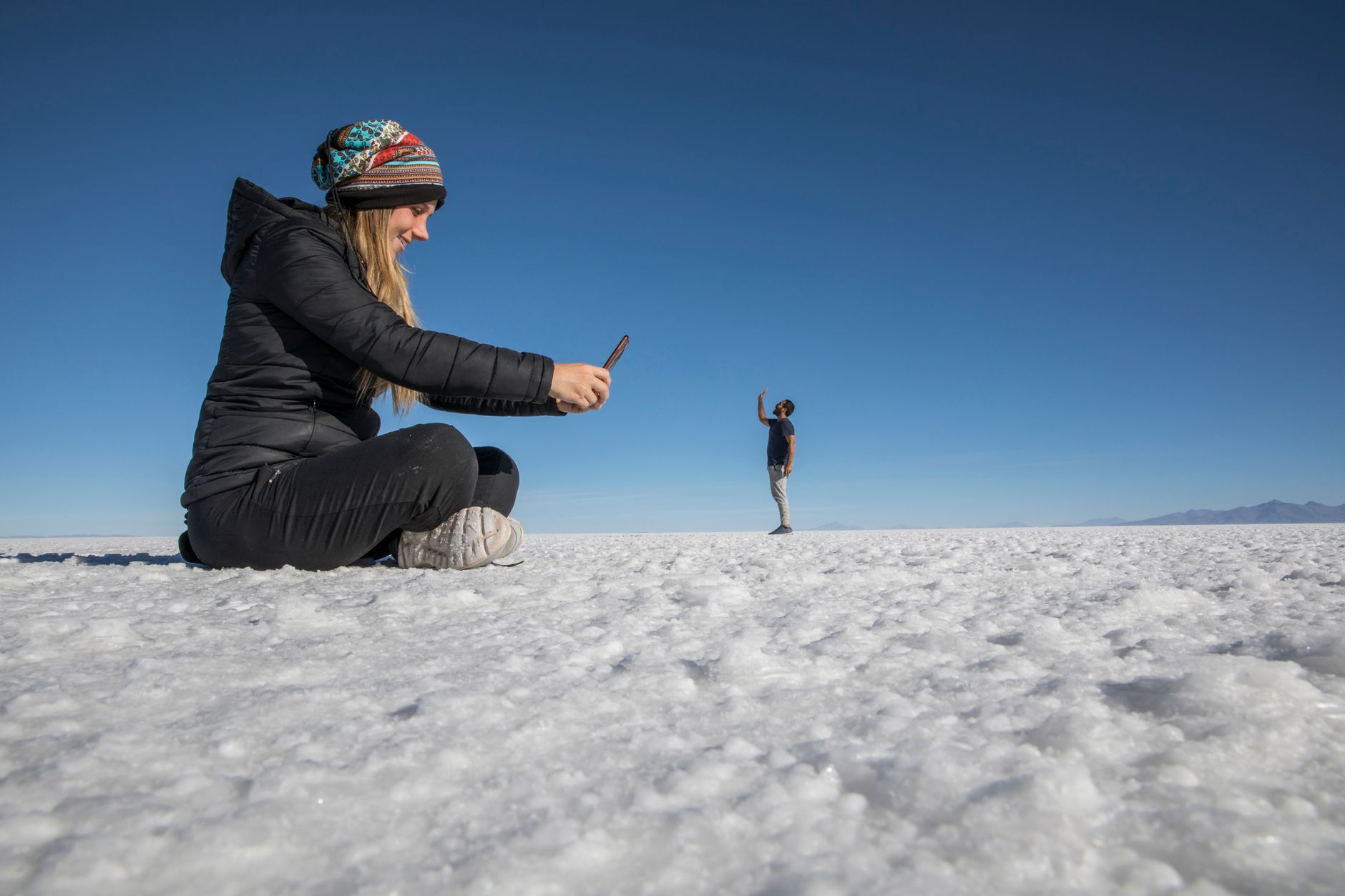
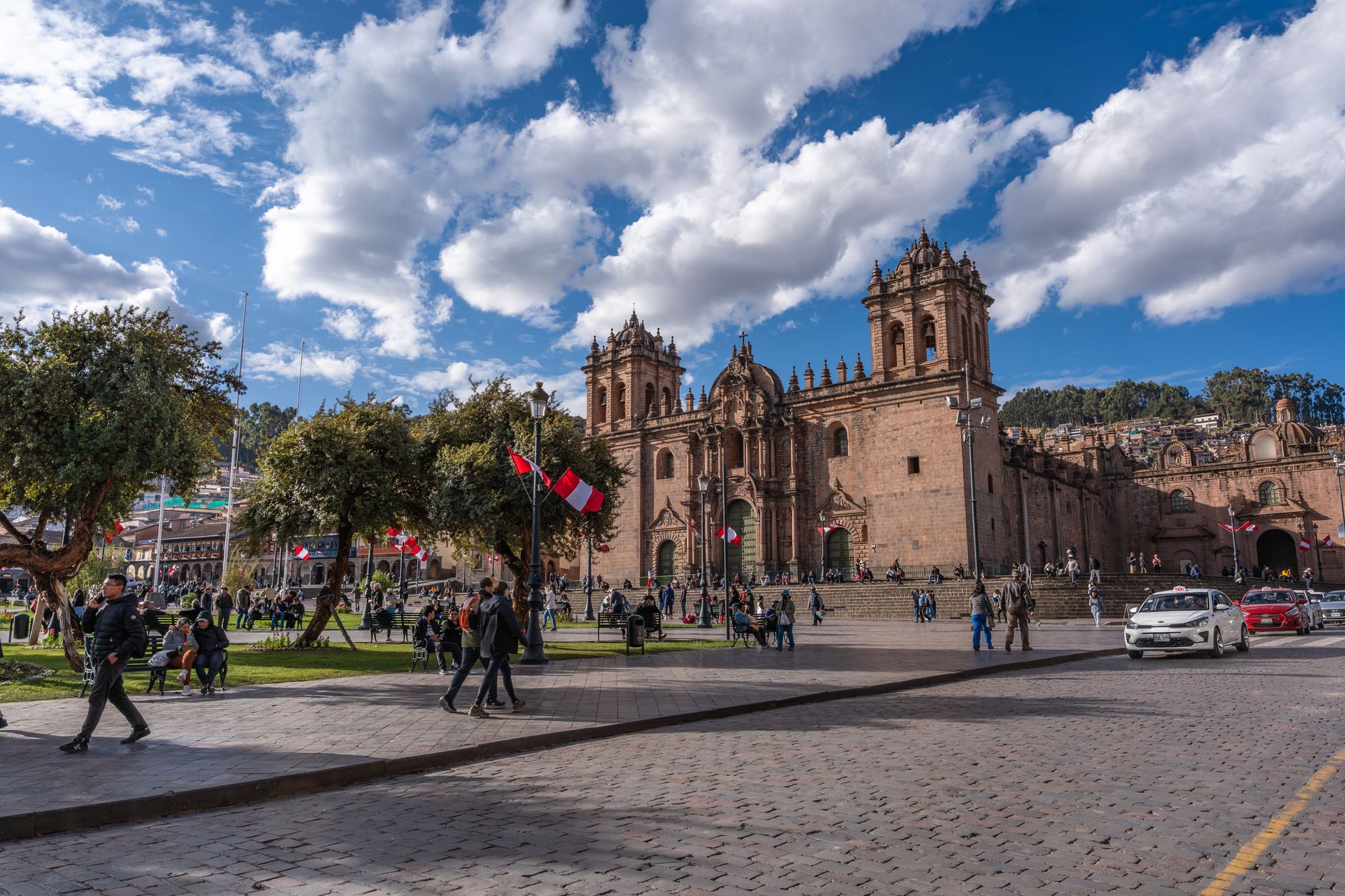
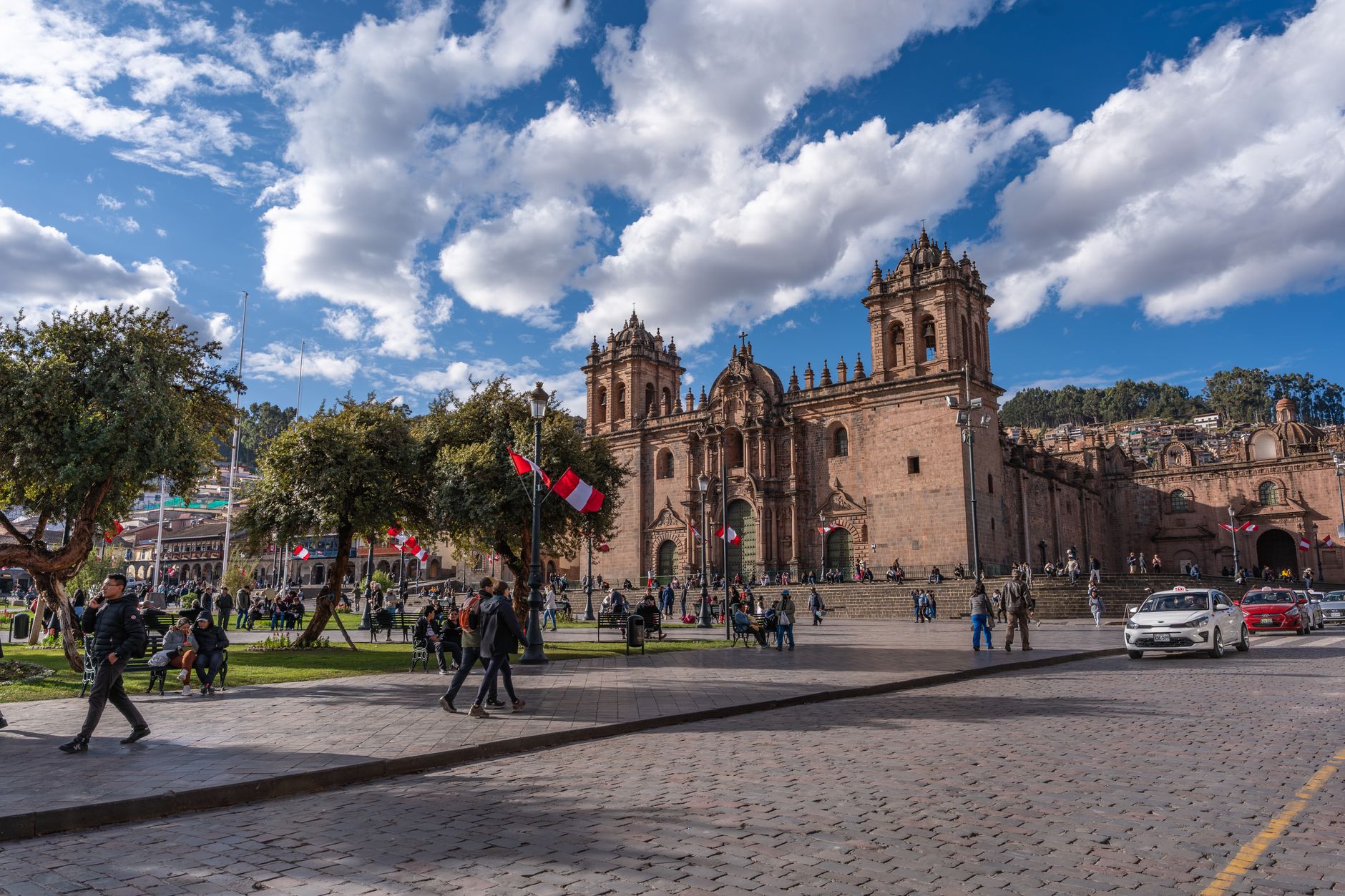
Photo by Soly Moses on Pexels
South America
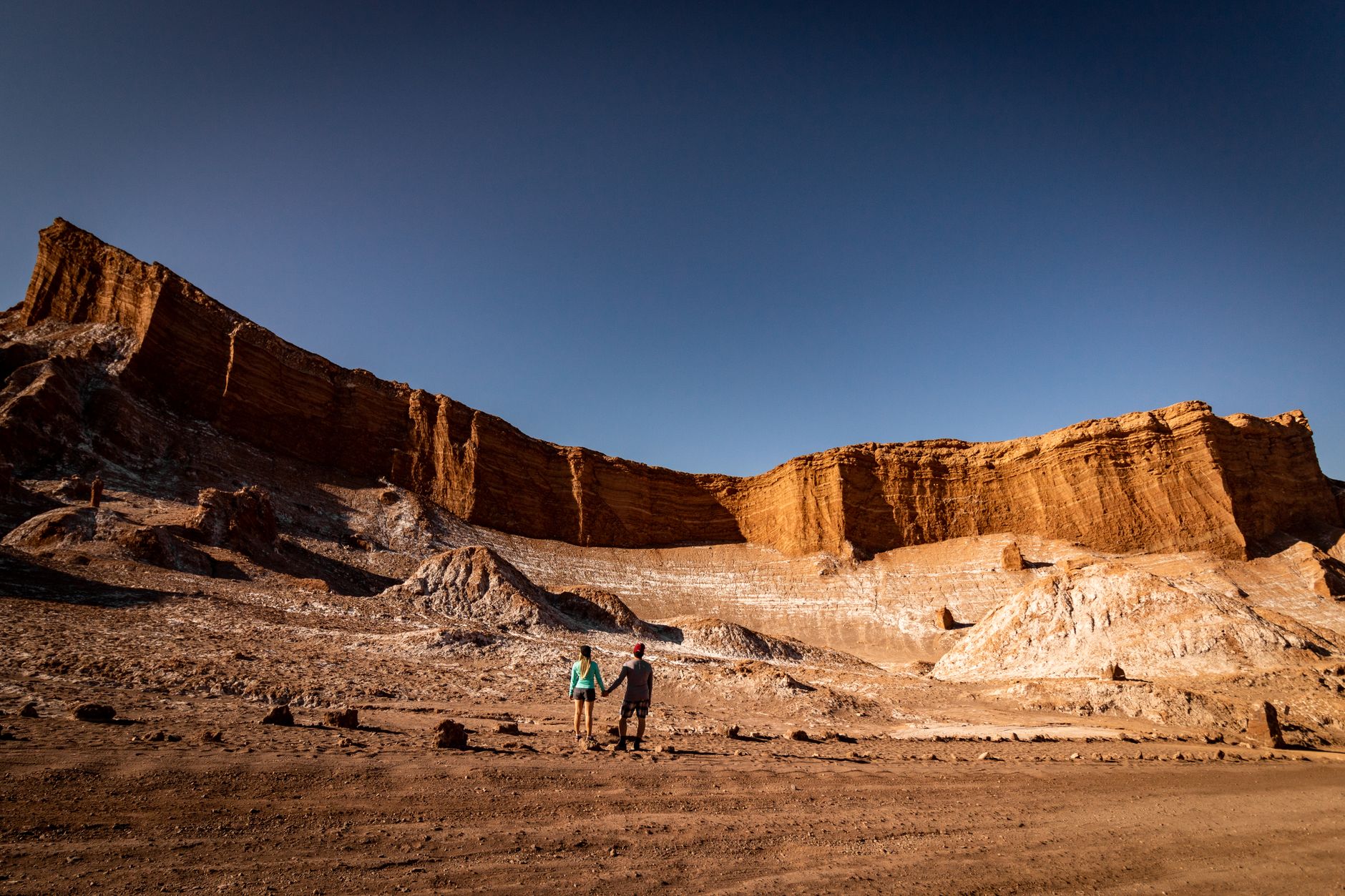
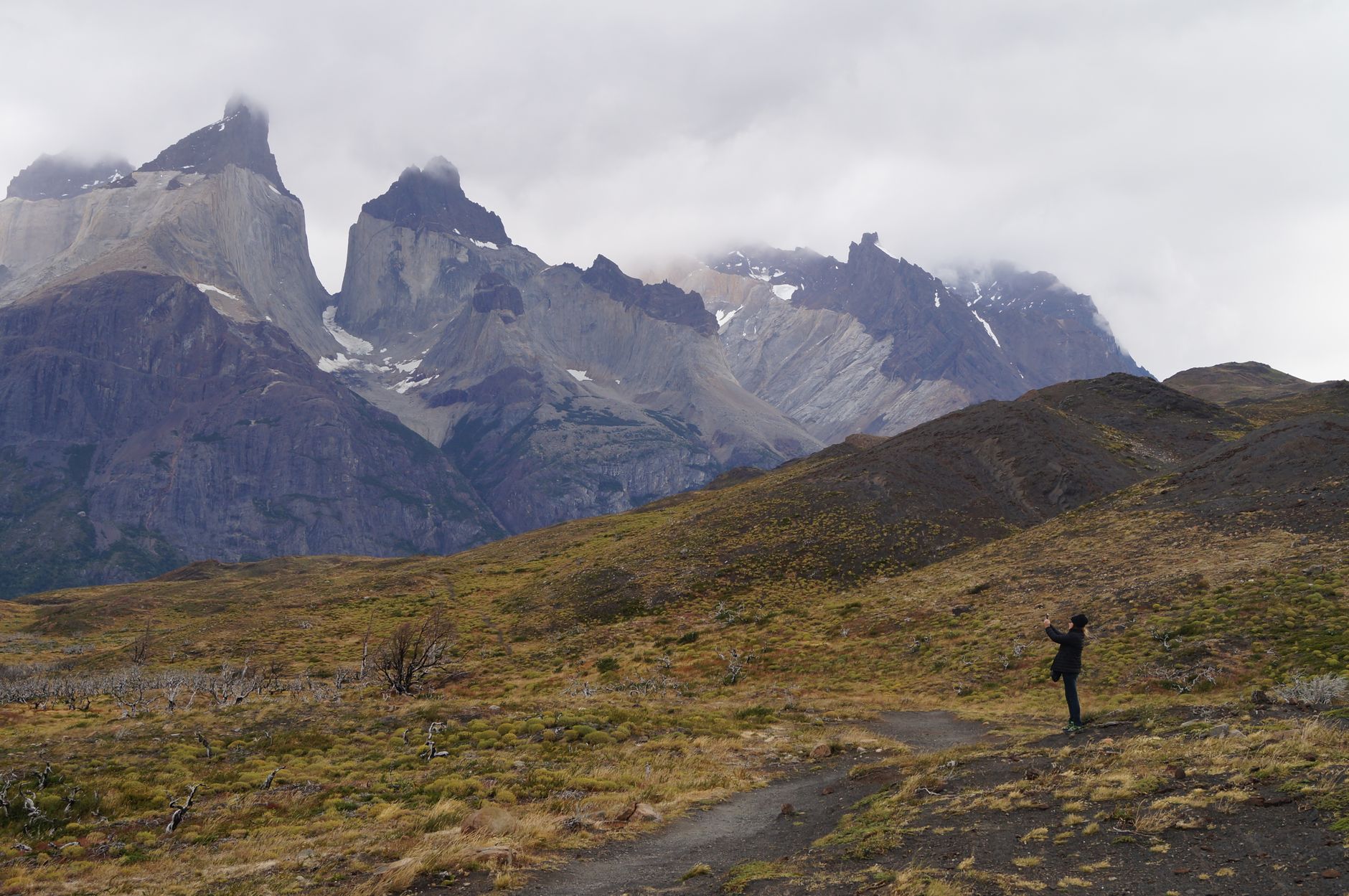
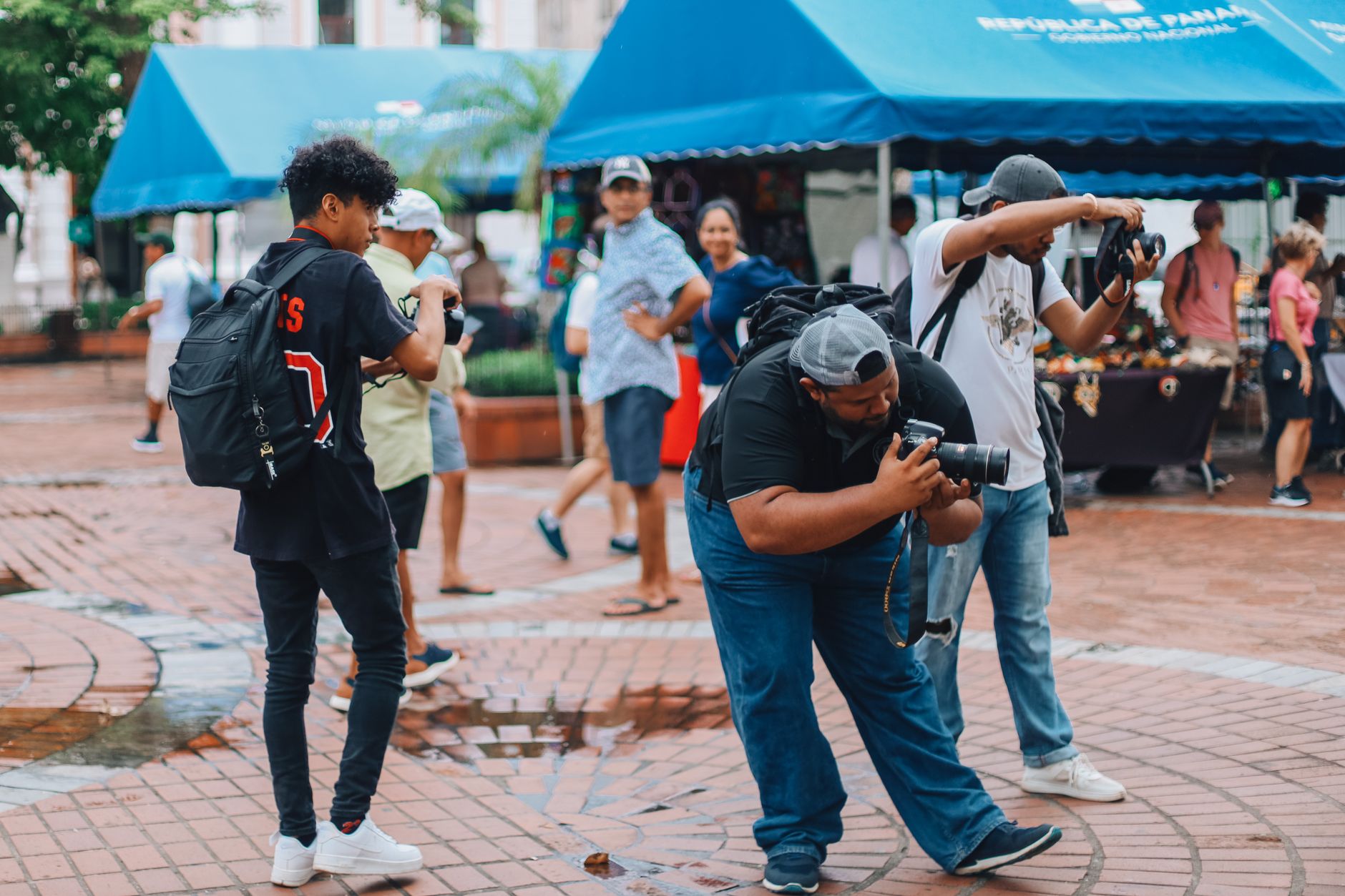
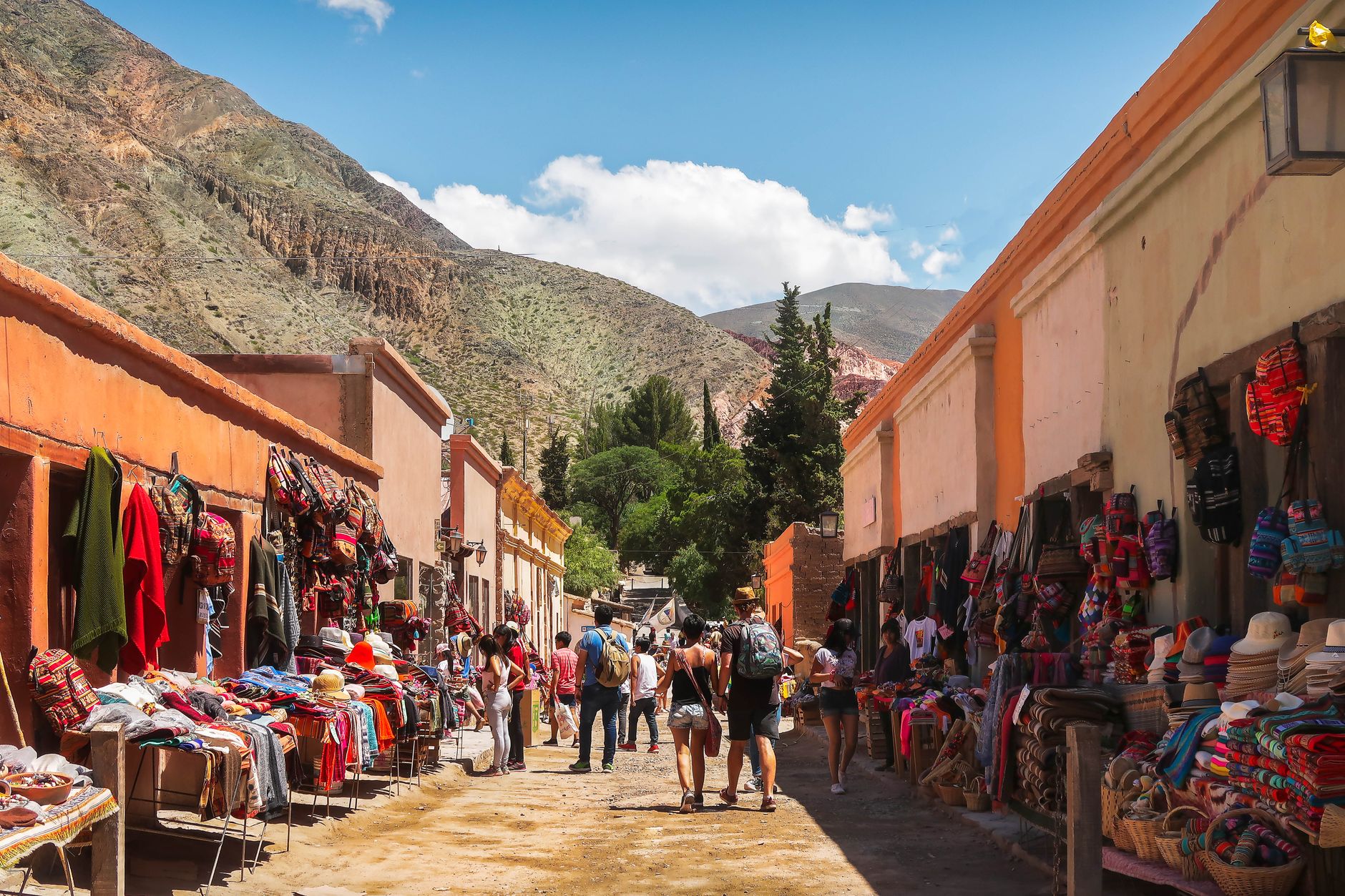
Photo by Hector Perez on Pexels
South America
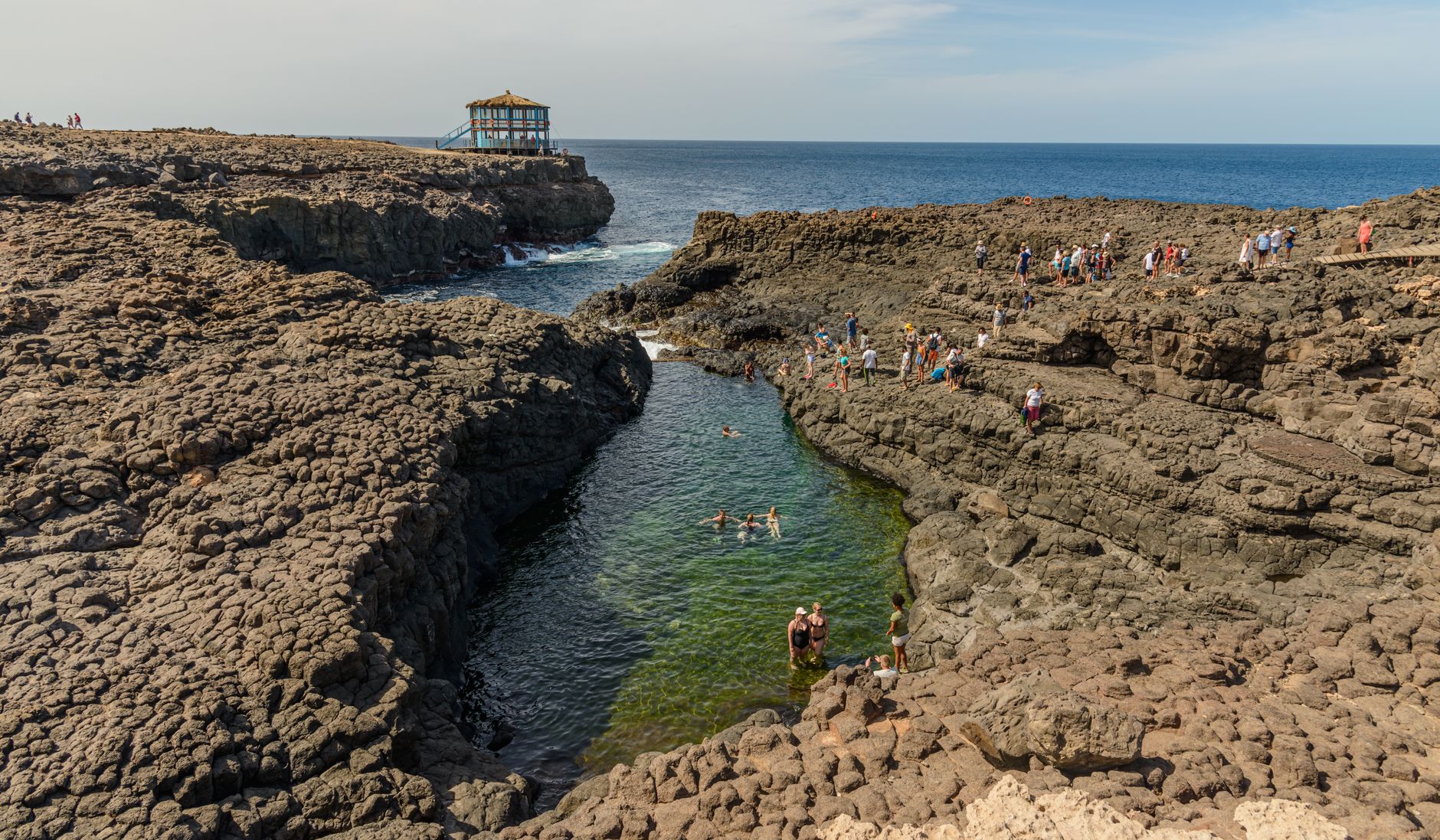
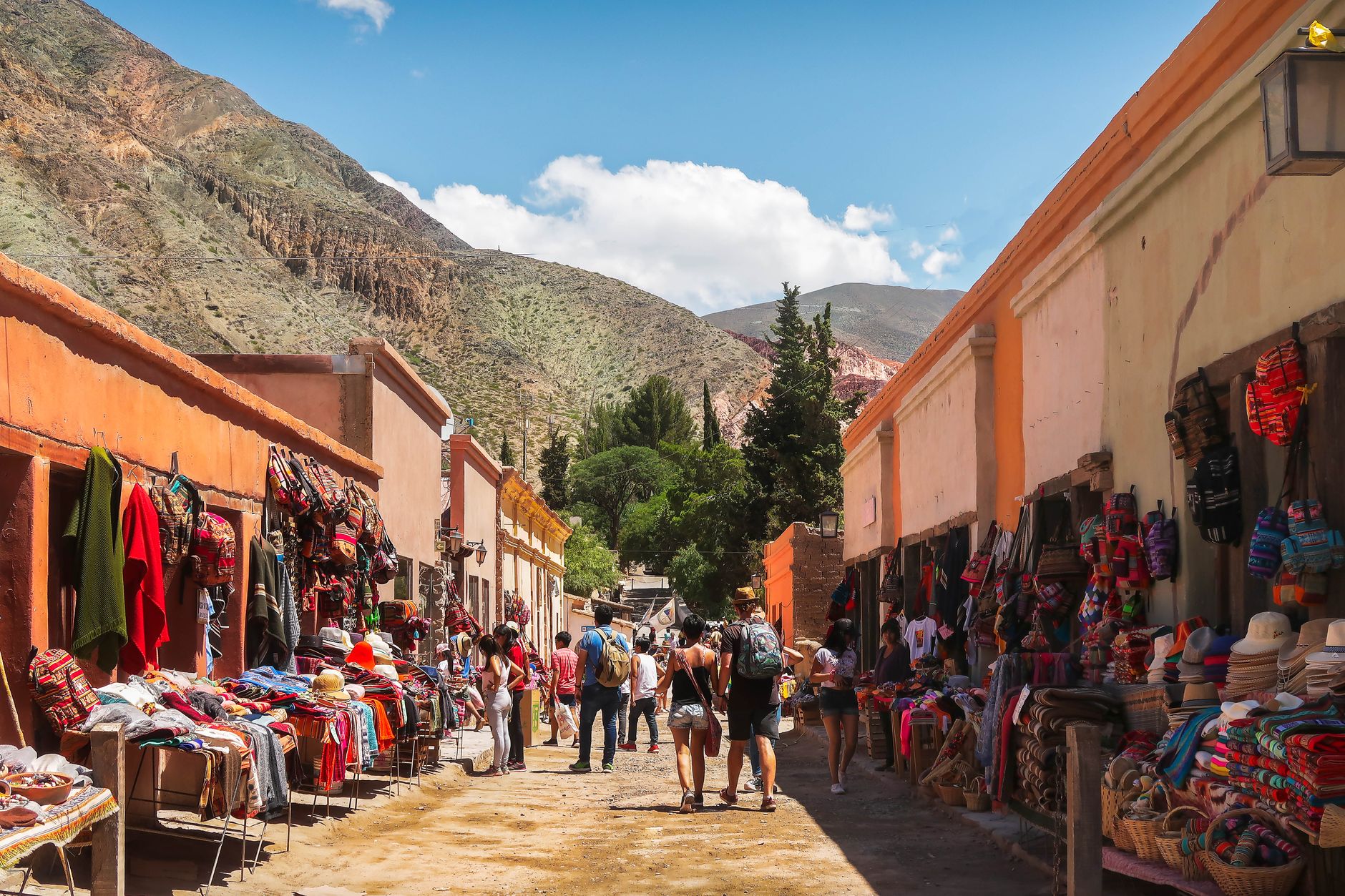
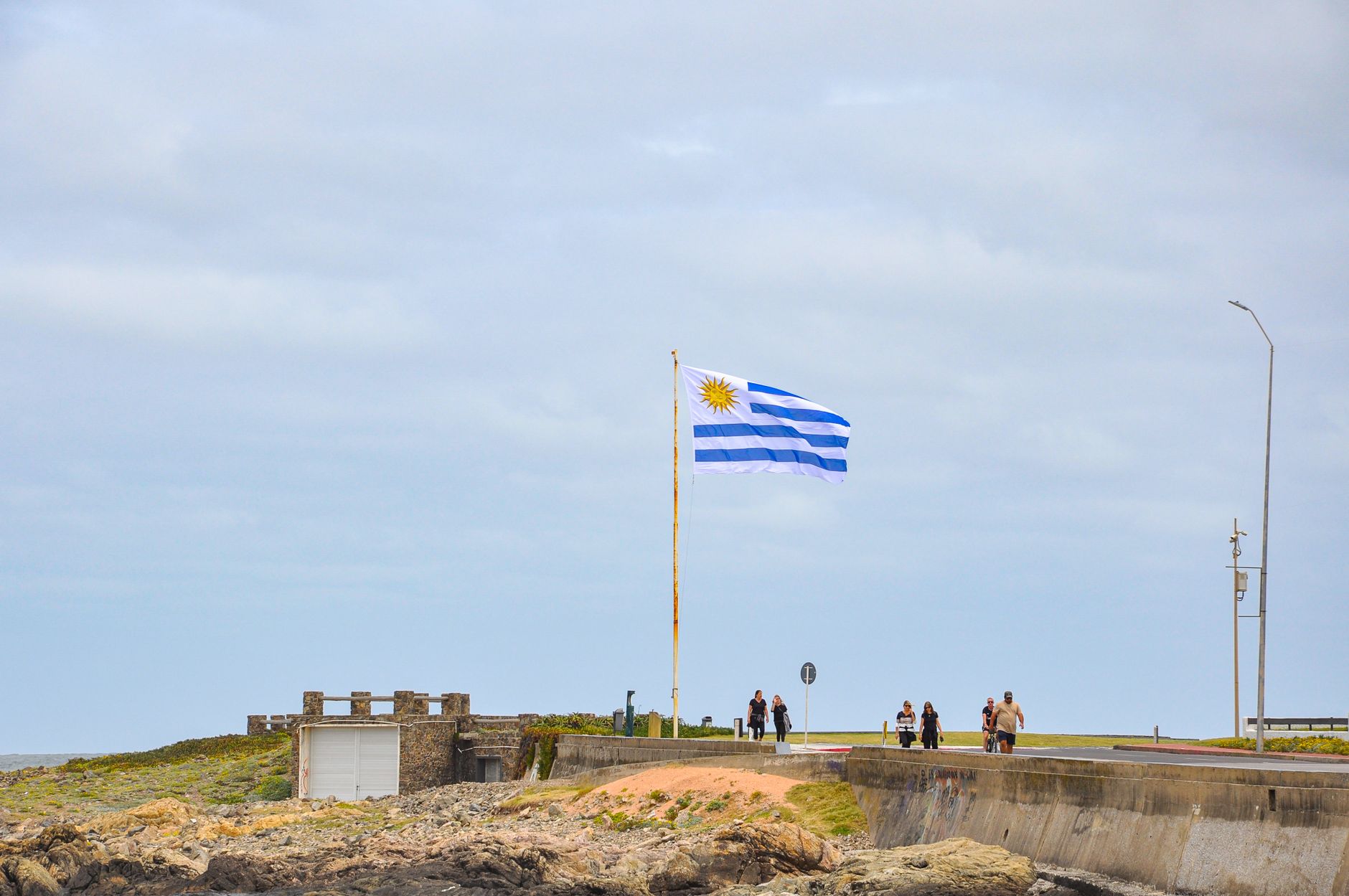
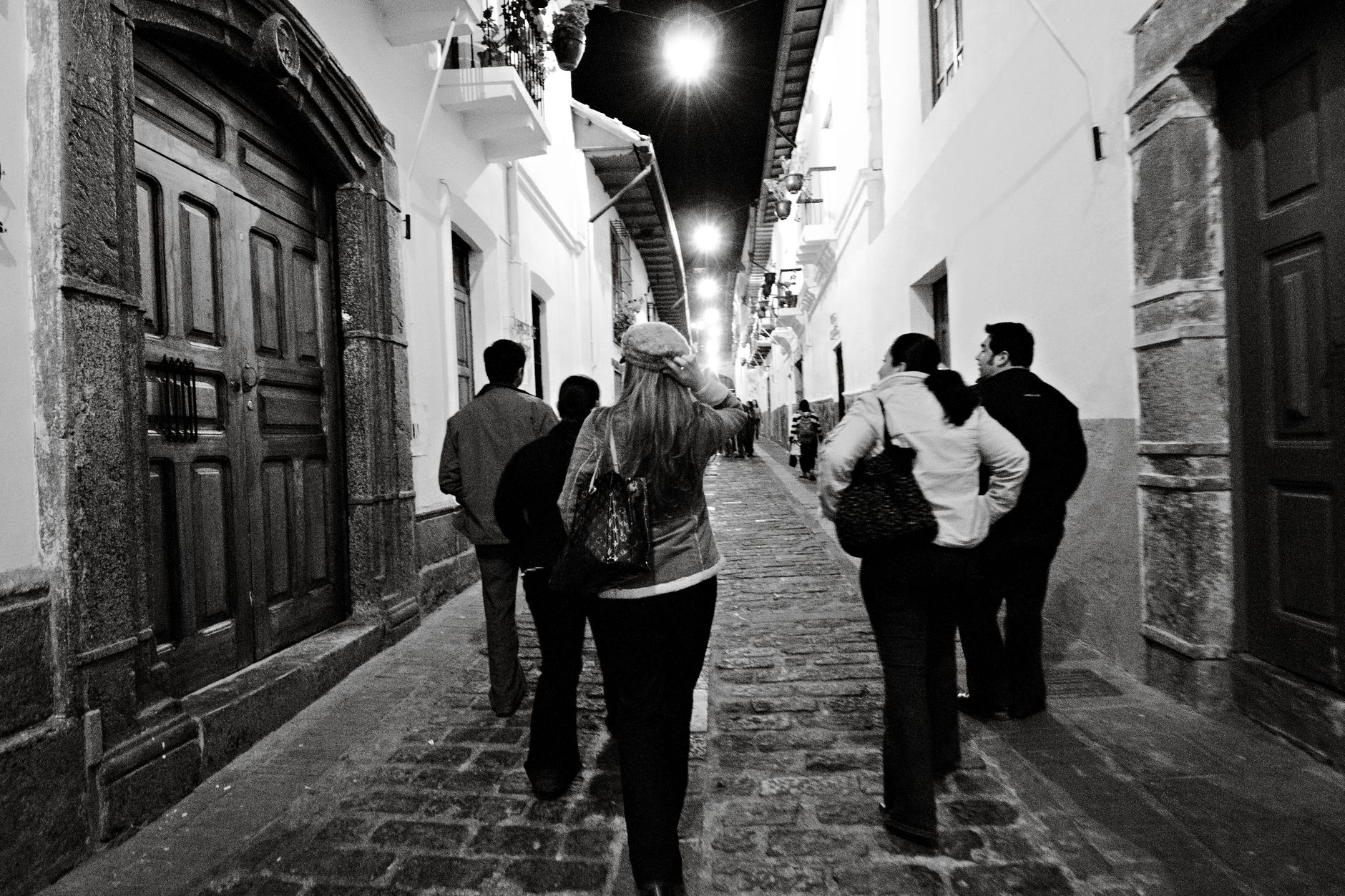
Photo by DΛVΞ GΛRCIΛ on Pexels
South America
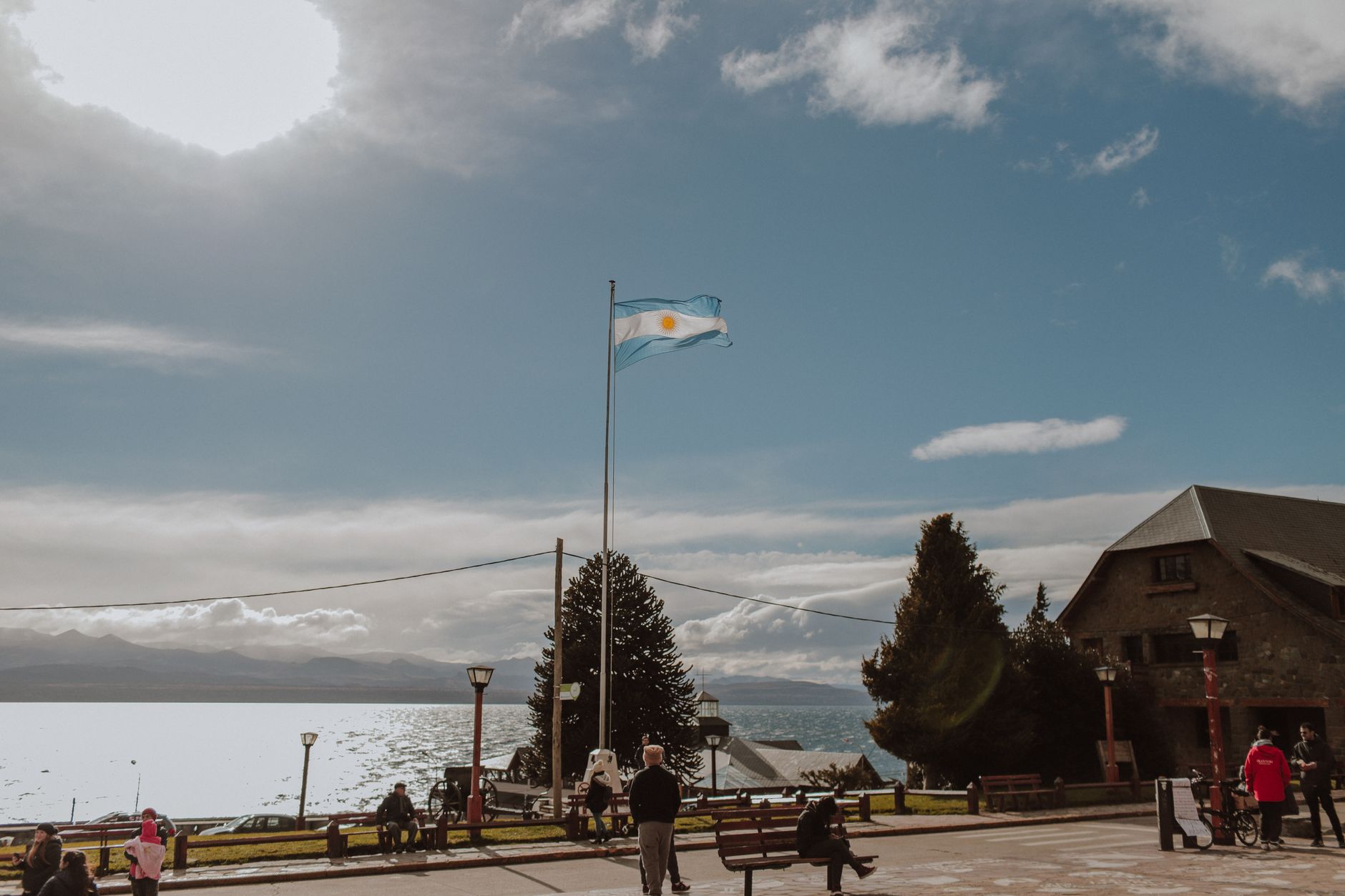
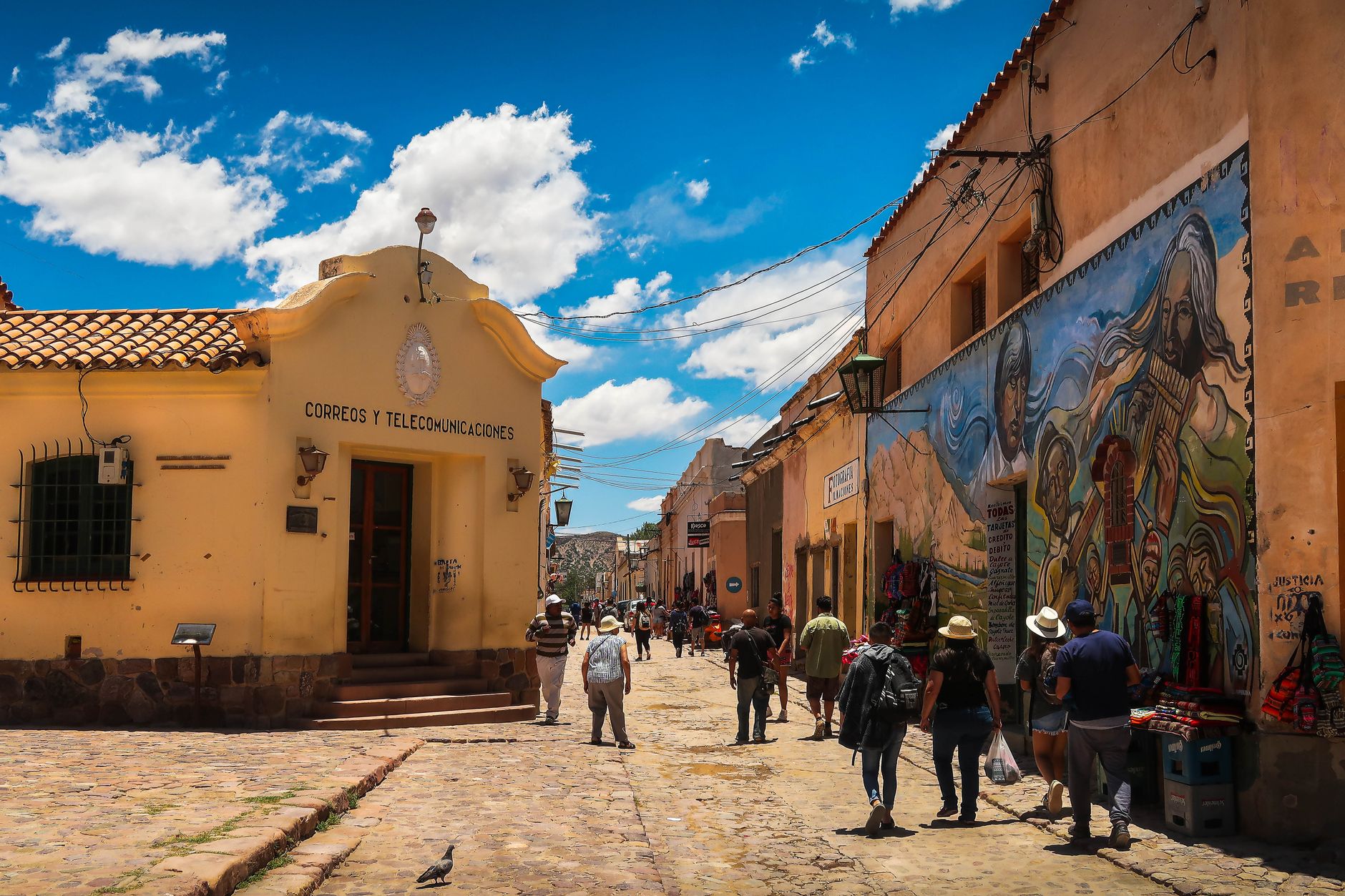
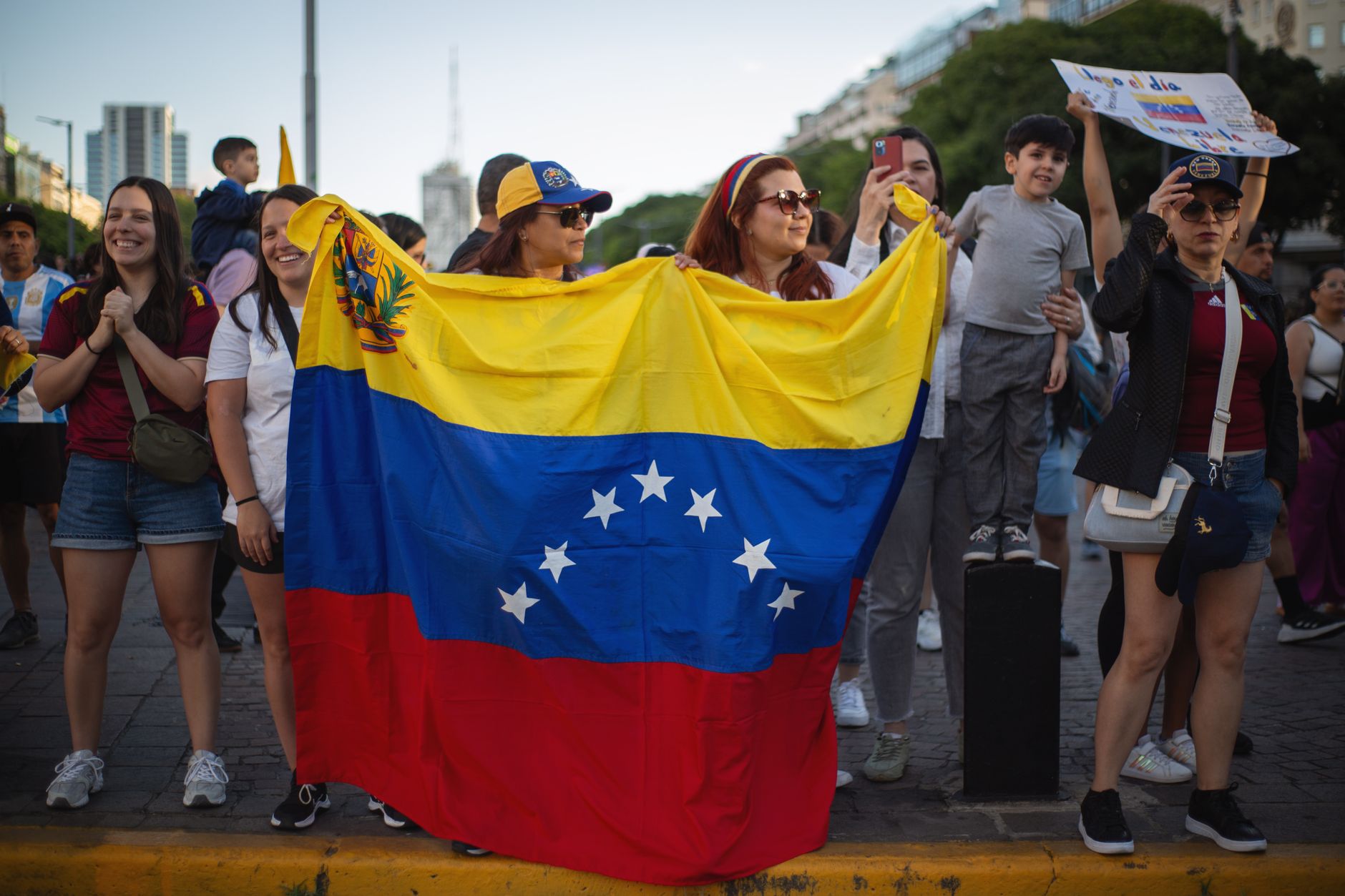
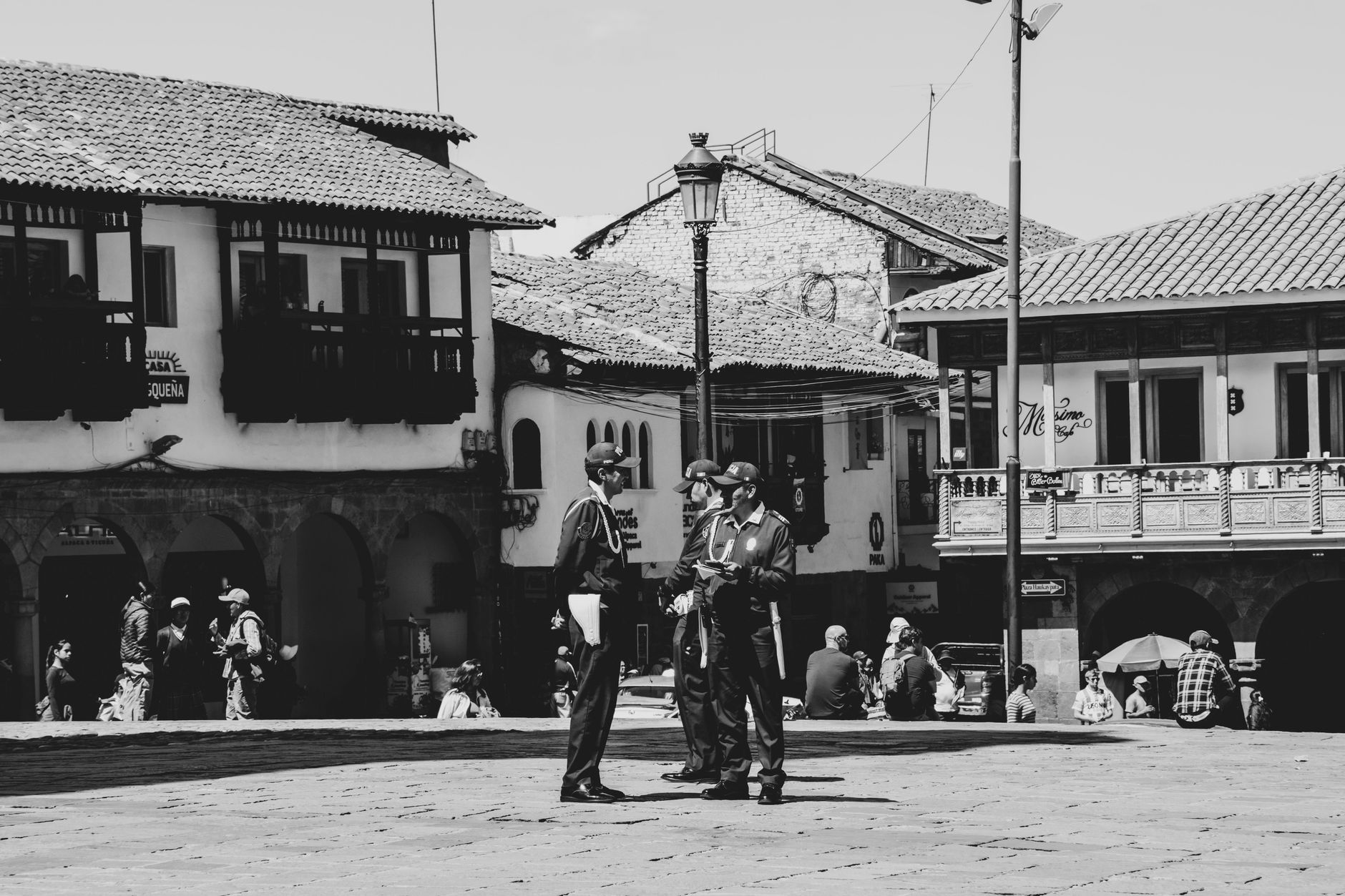
Photo by Marcelo Mora on Pexels
South America
Photo by erik debarre on Pexels
South America
Photo by Sergio Aguirre on Pexels
Culture & history Nature & outdoors Hiking & mountains Adventure & active

South America is a continent where the extremes are literal: the driest desert on Earth runs along its Pacific edge, the highest waterfall drops free-fall from a Venezuelan plateau, and a citadel built by the Inca at 2,430 metres still stands on an Andean slope above the clouds. The distances involved are humbling — you can travel from the salt flats of Bolivia to the grasslands of Patagonia and feel as though you've crossed several planets.

What holds it together is a layered history written in stone, language, and food. Pre-Columbian civilisations, Spanish and Portuguese colonialism, African diaspora, waves of European immigration — the continent carries all of it simultaneously, sometimes within a single city block.

Good to know
There is no single 'right time' to visit — the continent spans both hemispheres, so seasons invert as you move south. In most major cities, buses are the primary public transport. Budget generously for internal flights; overland distances are vast, and border crossings can be slow.
The story

How South America came to be

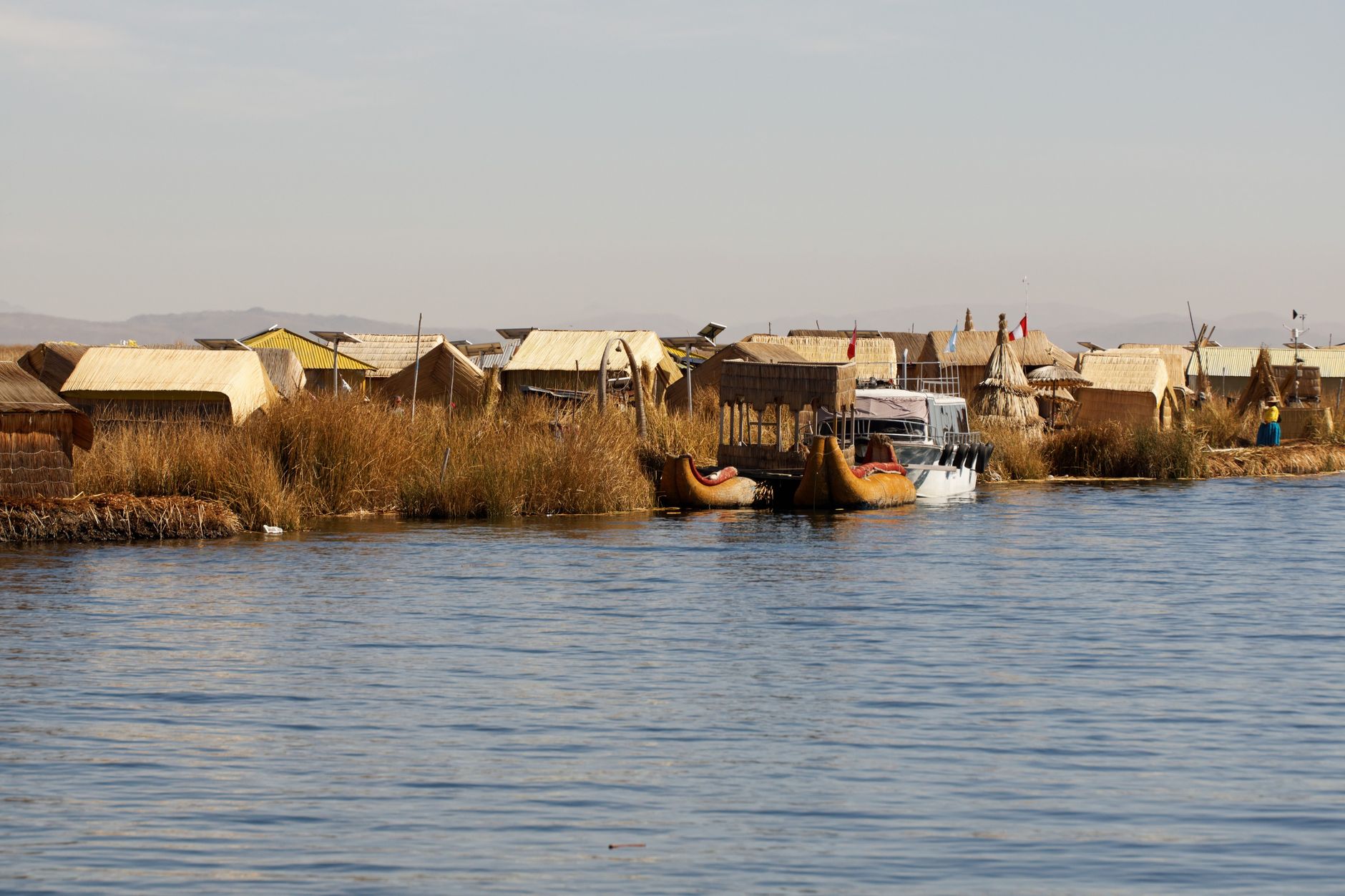
People have lived here for at least 12,000 years, descended from migrants who crossed from Siberia during the last ice age. By 900 BC the Chavín had built trade networks across the Andes; the Moche flourished on Peru's north coast through the ninth century AD. The Inca, beginning around 1200 CE, eventually ruled an empire stretching from central Peru across the high Altiplano around Lake Titicaca — until Francisco Pizarro arrived in 1531 with fewer than 200 men and 24 horses, and the empire collapsed within four years.

European contact reshaped the continent at enormous human cost. Columbus first sighted the coast in 1498; Pedro Cabral reached the northeast in 1500 by accident, blown off course while trying to round Africa. Most indigenous peoples died from introduced disease. By the early 1800s, leaders like Simón Bolívar and José de San Martín drove the independence movements that ended Spanish colonial rule across most of the continent.

People & landmarks

Who and what shaped it

People who shaped it

Christopher Columbus
First European to sight South American coast in 1498, landing in Gulf of Paria (modern-day Venezuela).
Pedro Cabral
First European to explore South American land in 1500, accidentally reaching northeast coast en route to India.
Francisco Pizarro
Spanish conquistador who founded Lima in 1531 and defeated the Inca Empire with fewer than 200 men and 24 horses.
Gonzalo Jiménez de Quesada
Led Spanish conquest into the Andes beginning April 1536, defeating Tisquesusa in 1537.
Simón Bolívar
Led independence movements across South America in the early 1800s, ending Spanish colonial rule.
José de San Martín
Led independence struggles across South America in the early 1800s.
Alexander von Humboldt
Naturalist who surveyed the region with botanist Aimé Bonpland from 1799 to 1804, making important scientific discoveries.
Charles Darwin
Made important scientific discoveries in South America during the 19th century.
Hiram Bingham
American historian who discovered the ruins of Machu Picchu in 1911.
Percy Fawcett
Surveyed country boundaries and mapped rivers including Rio Verde from 1906 to 1910.
José Celestino Mutis
Spanish priest and botanist who conducted the Royal Botanical Expedition to New Granada beginning 1783, documenting Colombian flora.

Landmark buildings

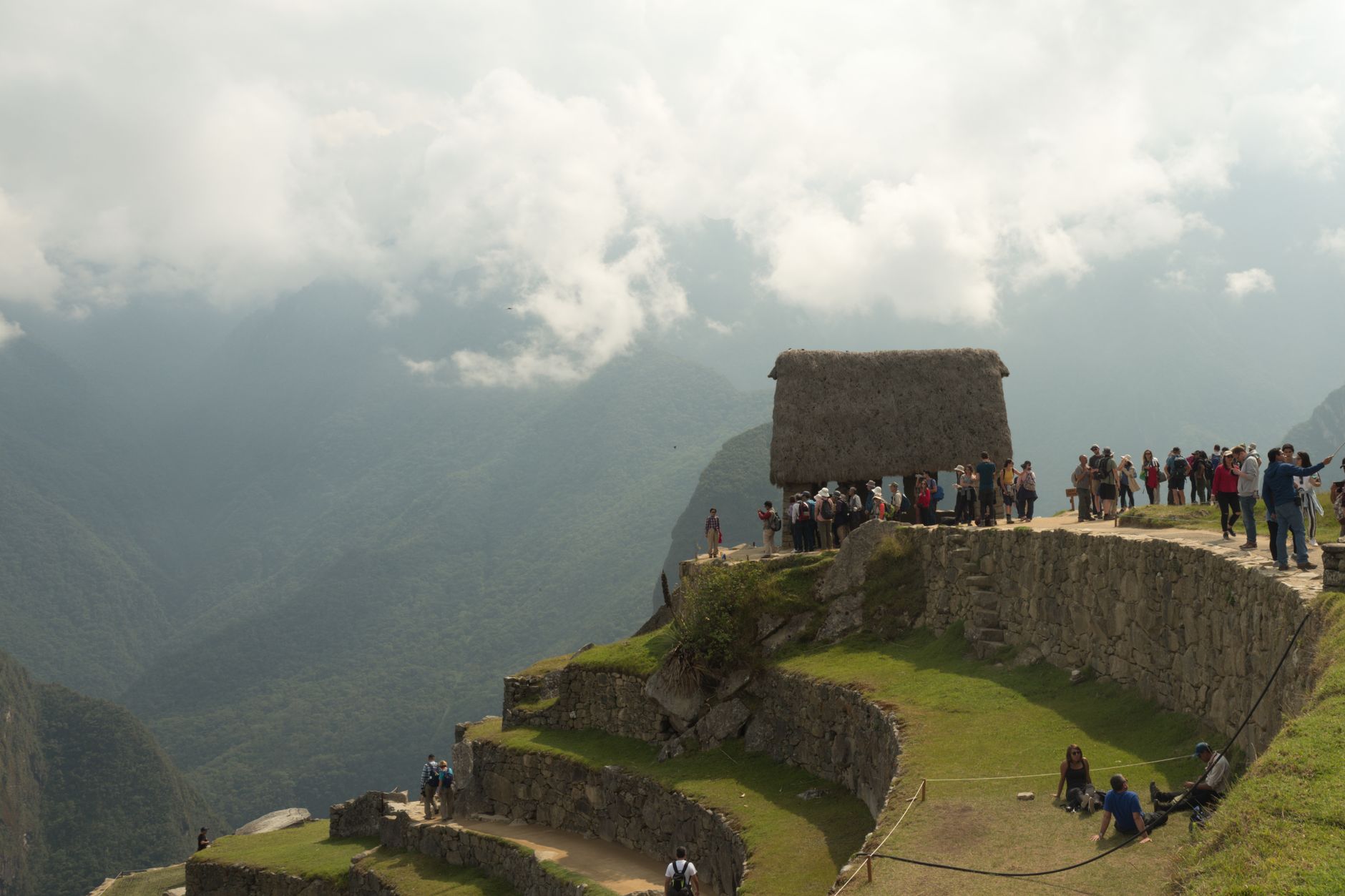
Machu Picchu
Inca citadel built around 1450 AD on Andean slopes in Peru at 2,430 m elevation; UNESCO World Heritage Site attracting nearly 500,000 visitors yearly.
Christ the Redeemer
Colossal statue overlooking Rio de Janeiro since 1931, designed by Polish-French sculptor Paul Landowski; 98 feet tall with 92-foot arm span.
Gran Torre Santiago
Tallest building in South America at 300 m, completed in Santiago, Chile in 2013; observation deck costs approximately $20 USD.
Palacio Barolo
Buenos Aires landmark completed in 1923, designed to represent Dante's Divine Comedy with three sections: Hell, Purgatory, and Heaven.
Las Lajas Sanctuary
Religious building in Colombia's Guáitara River canyon, 150 feet above the river; opened to public in 1949 after 33-year construction.
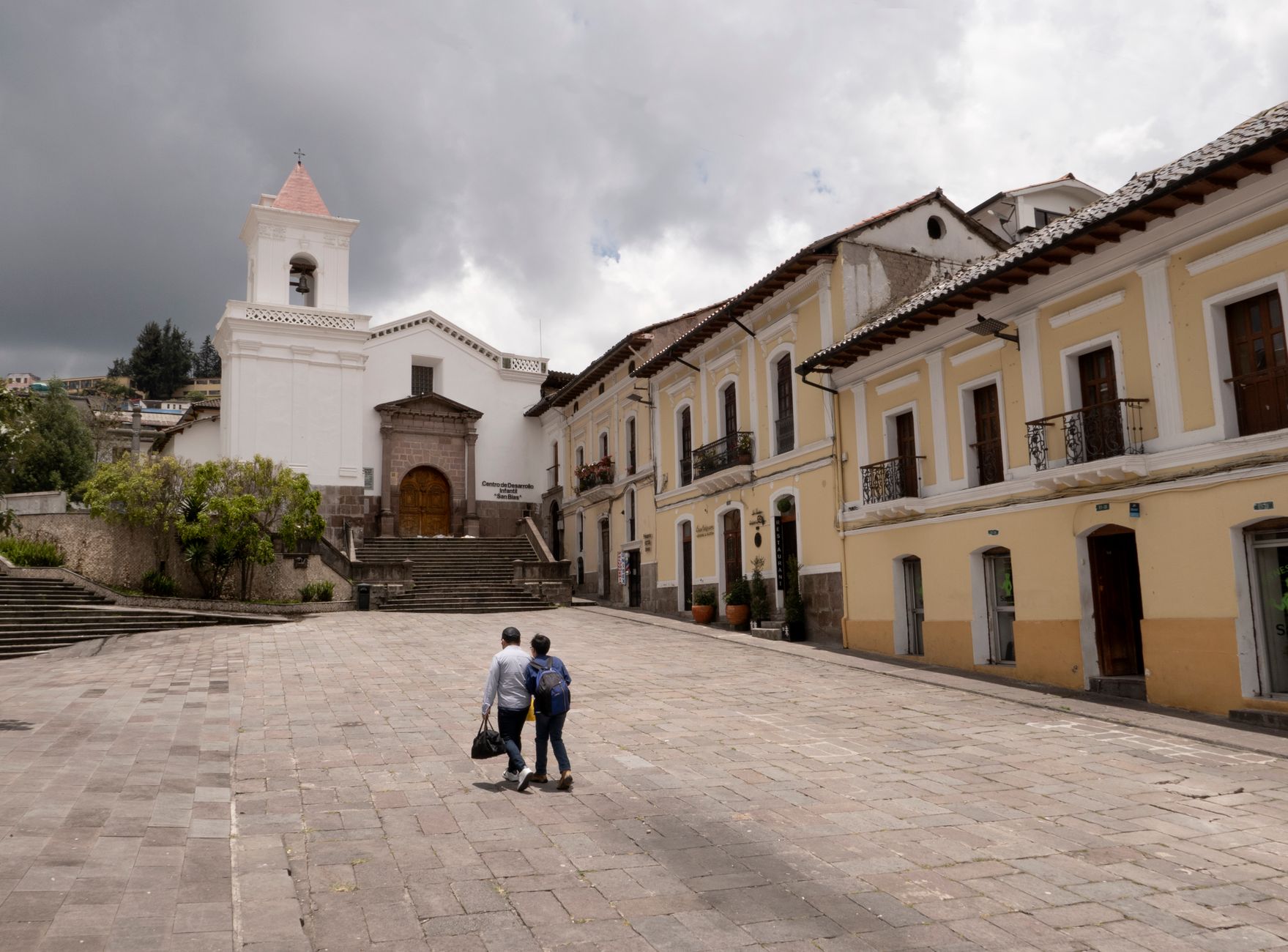
San Francisco Church
Quito church begun in 1535, present building completed around 1680 and officially inaugurated in 1705.
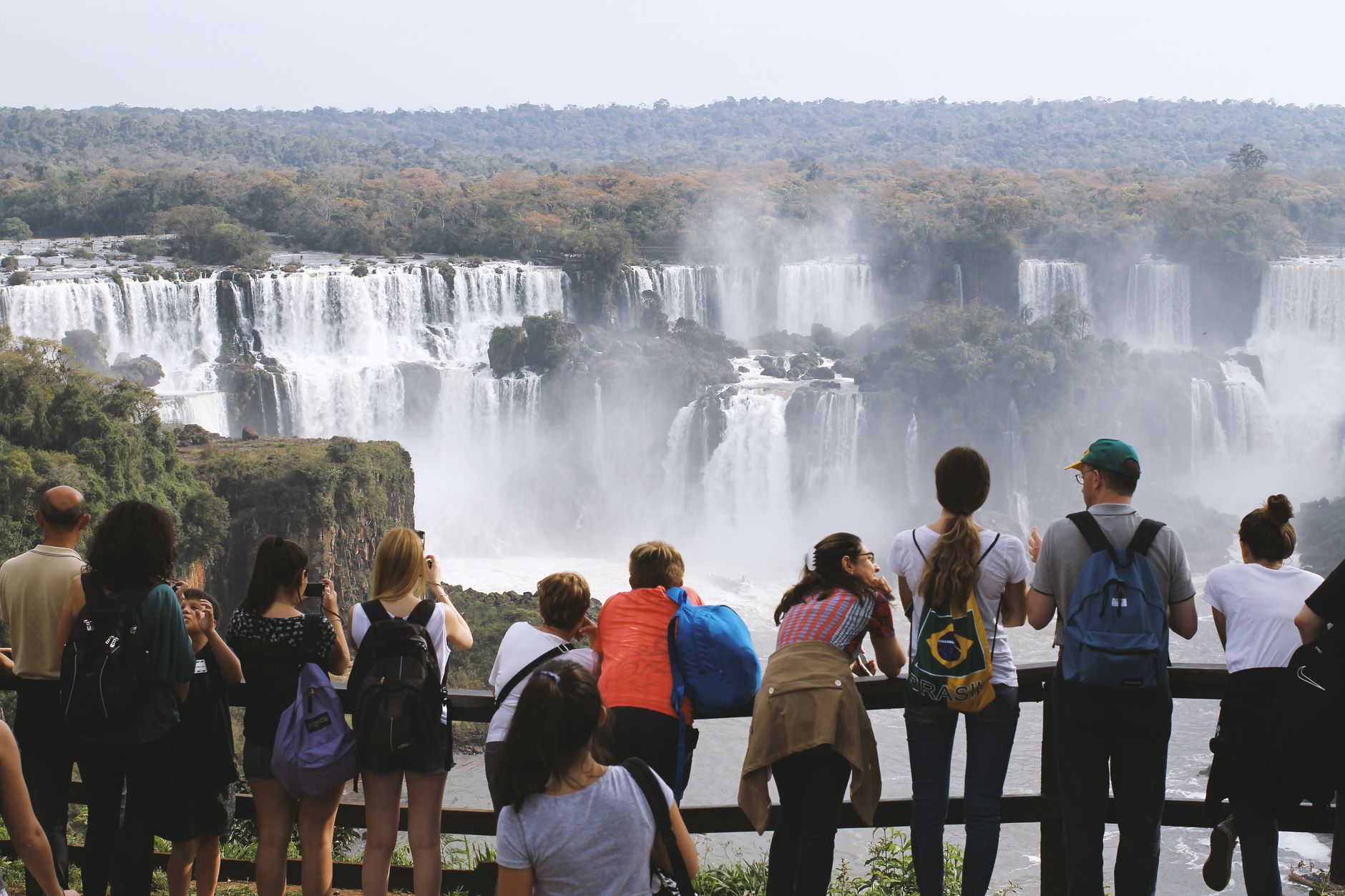
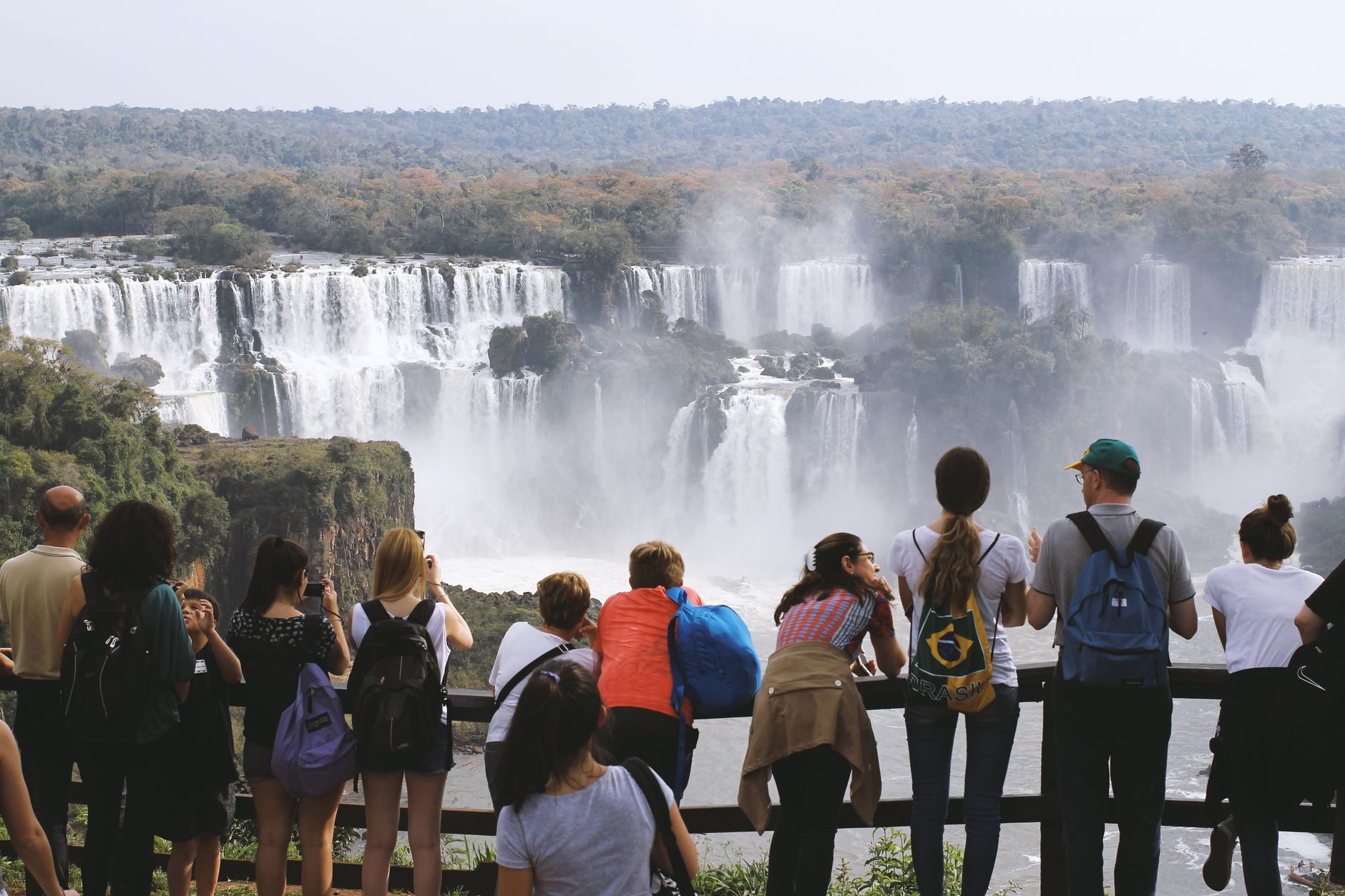
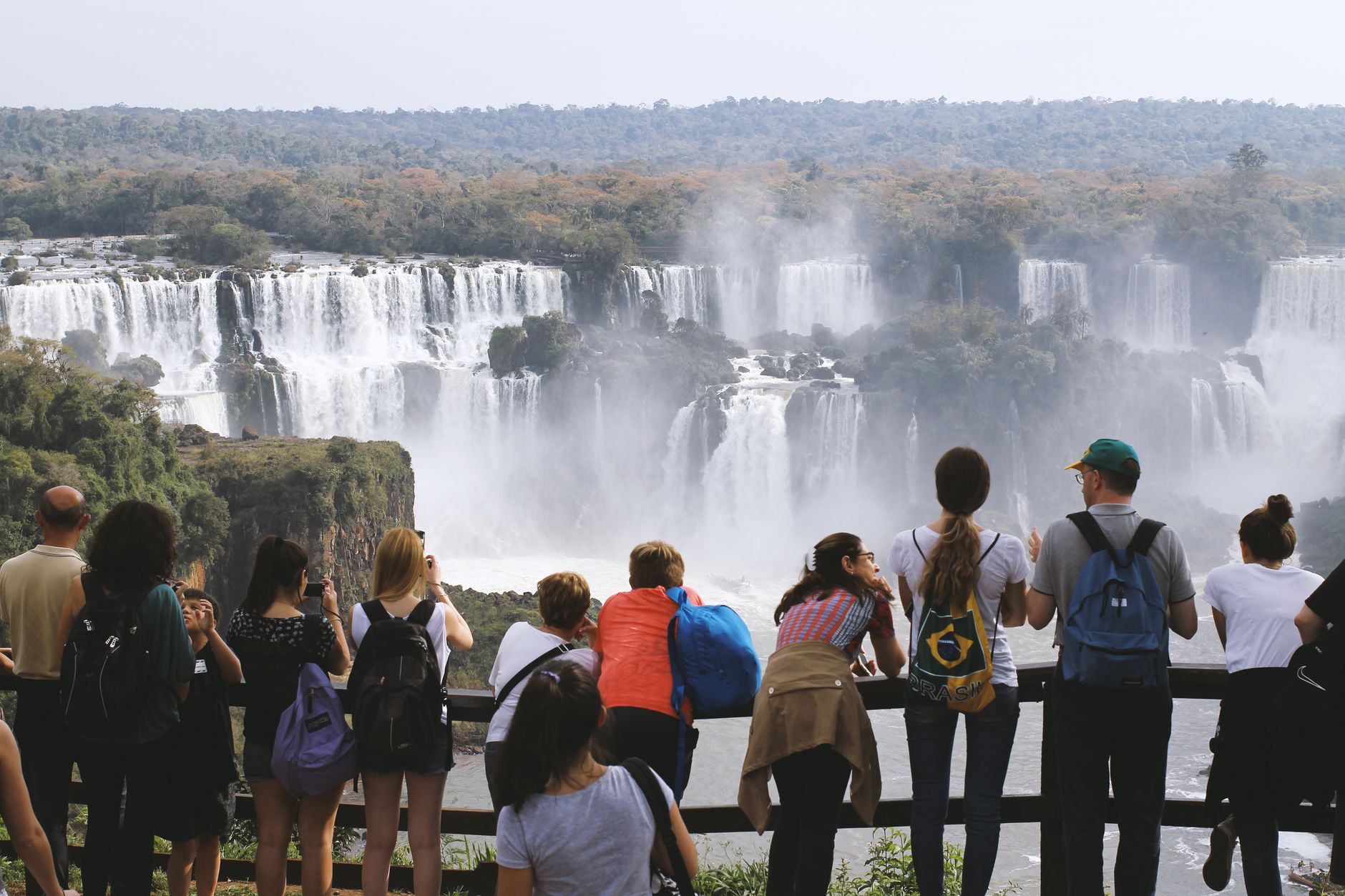
Iguazu Falls
Stunning natural landmark straddling the Argentina-Brazil border.
Angel Falls
Highest waterfall in the world, located in Venezuela.
Atacama Desert
Driest desert in the world, located in northern South America.
Salar de Uyuni
World's largest salt flat located on the Altiplano of the Andes in southwestern Bolivia at 3,656 m elevation.
Practical

Plan your visit

On the map

When to go

Climate varies more dramatically here than on any other landmass — tropical heat and humidity in the Amazon basin, high-altitude cold on the Andean Altiplano, Mediterranean dryness in central Chile, and sub-Antarctic wind in the far south. Research the specific region you're heading to rather than the continent as a whole; the seasons that apply in one place may be reversed just a few degrees of latitude away.

Right now

☀️
29°C
Clear
Fri
30°
21°
Sat
30°
20°
Sun
30°
20°
Mon
31°
21°
Weather data: Open-Meteo
Type Theme

↡ Regions

↡ Countries

Argentina
Country · South America
Argentina
1 regionsCity break
Bolivia
Country · South America
Bolivia
Nature & outdoorsHiking & mountains
Brazil
Brazil
South America · 2 regions
City breakNature & outdoorsAdventure & active
Chile
Chile
South America · 1 regions
Nature & outdoorsHiking & mountainsAdventure & active
Colombia
Colombia
South America
Culture & historyNature & outdoorsAdventure & active
Ecuador
Ecuador
South America
Nature & outdoorsHiking & mountainsAdventure & active
Falkland Islands
Falkland Islands
South America
Nature & outdoorsAdventure & activeWildlife & safari
French Guiana
French Guiana
South America
Nature & outdoorsAdventure & activeWildlife & safari
Guyana
Guyana
South America
Nature & outdoorsAdventure & activeWildlife & safari
Paraguay
Paraguay
South America
Culture & historyNature & outdoorsAdventure & active
Peru
Peru
South America · 2 regions
Culture & historyHiking & mountainsAdventure & active
Suriname
Suriname
South America
City breakCulture & historyNature & outdoors
Trinidad and Tobago
Trinidad and Tobago
South America · 15 regions
Culture & historyWildlife & safariBeach & sun
Uruguay
Uruguay
South America · 1 regions
City breakFood & drinkBeach & sun
Venezuela
Venezuela
South America
Culture & historyNature & outdoorsAdventure & active

No places match these filters.


Background & history adapted from Wikipedia (CC BY-SA) · specs from Wikidata (CC0) · weather from Open-Meteo · map data © OpenStreetMap contributors · photos from Wikimedia Commons / Unsplash with per-image credit. No third-party reviews or social posts reproduced.

Top