Country

Kenya

Kenya
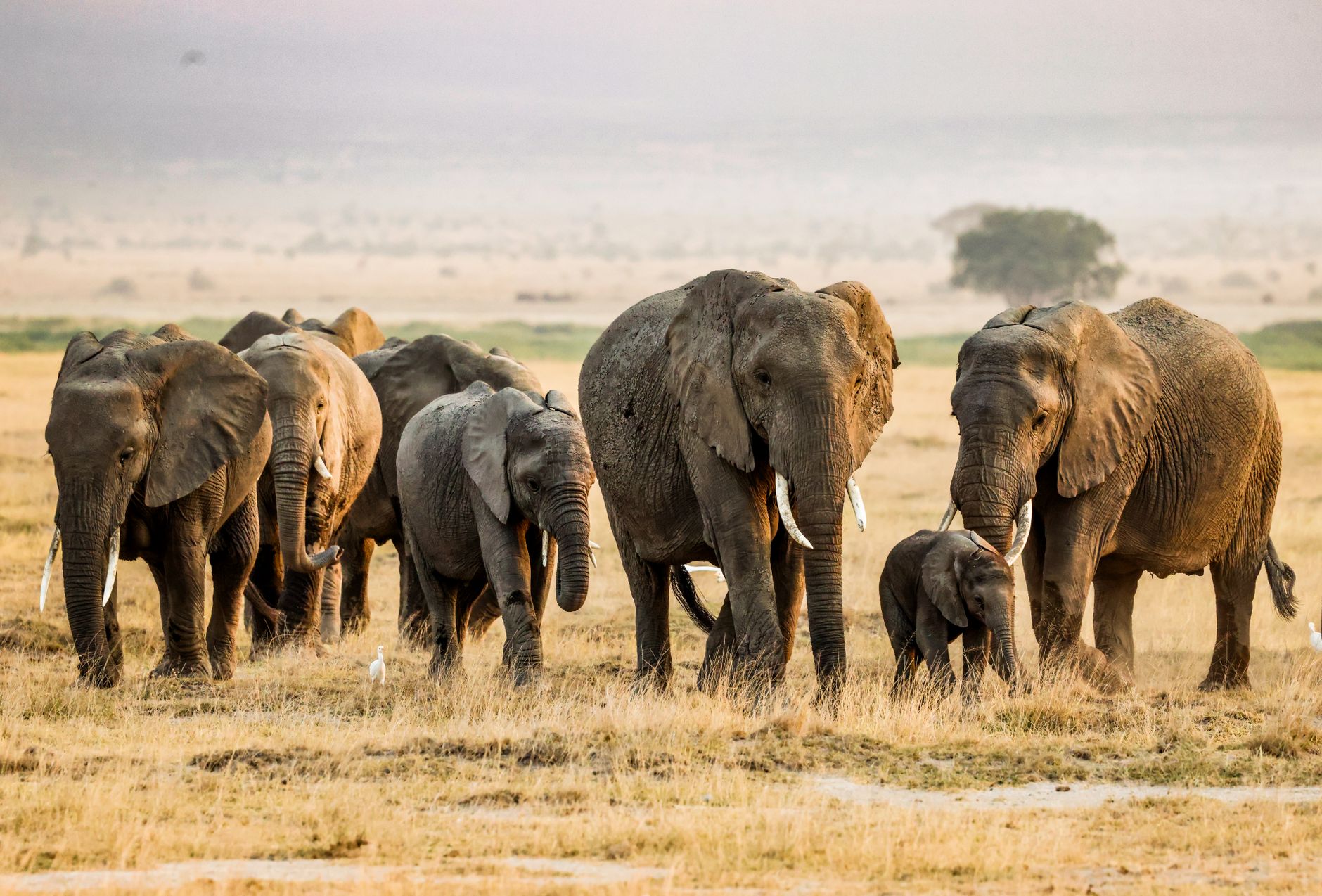
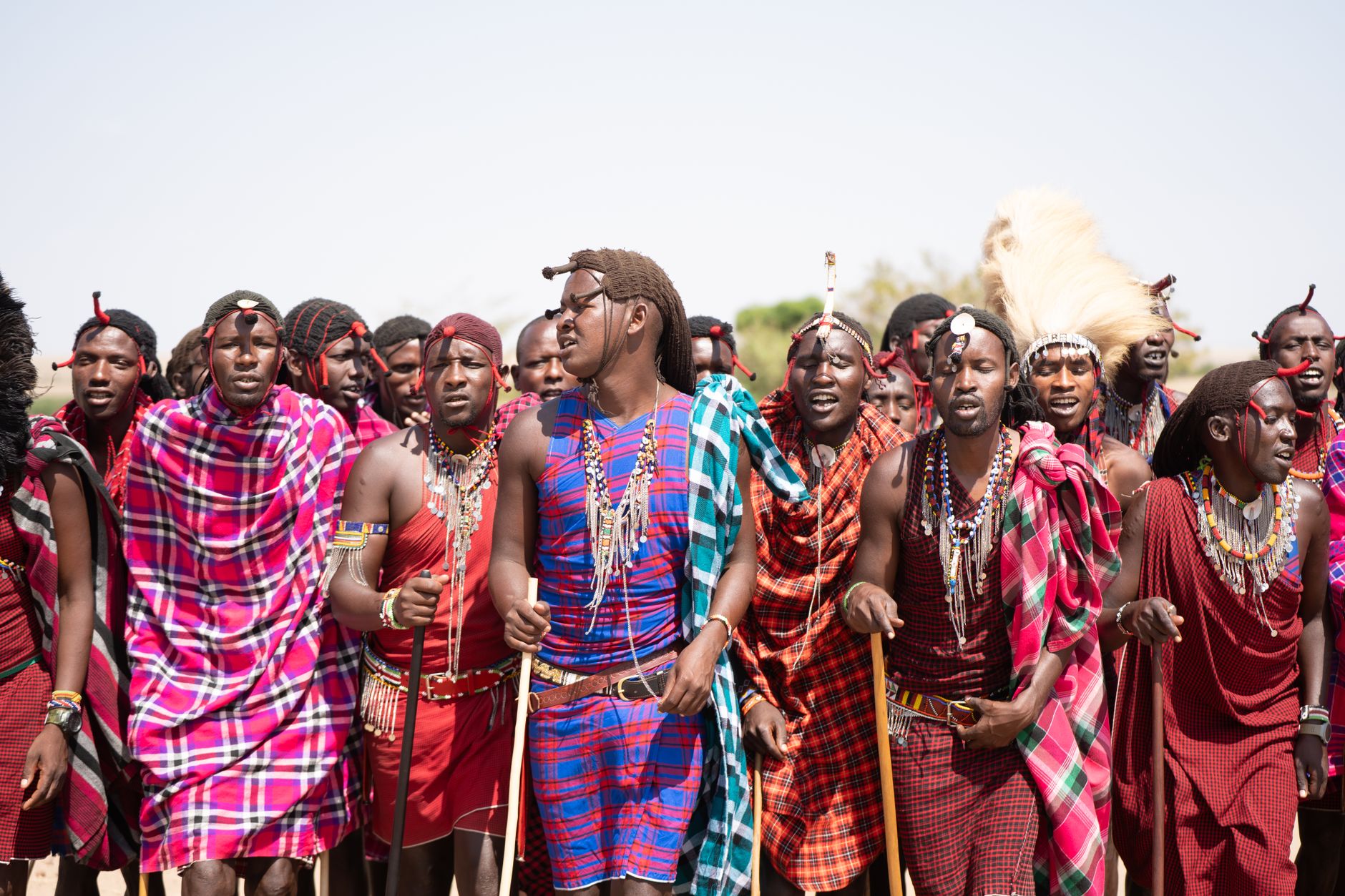
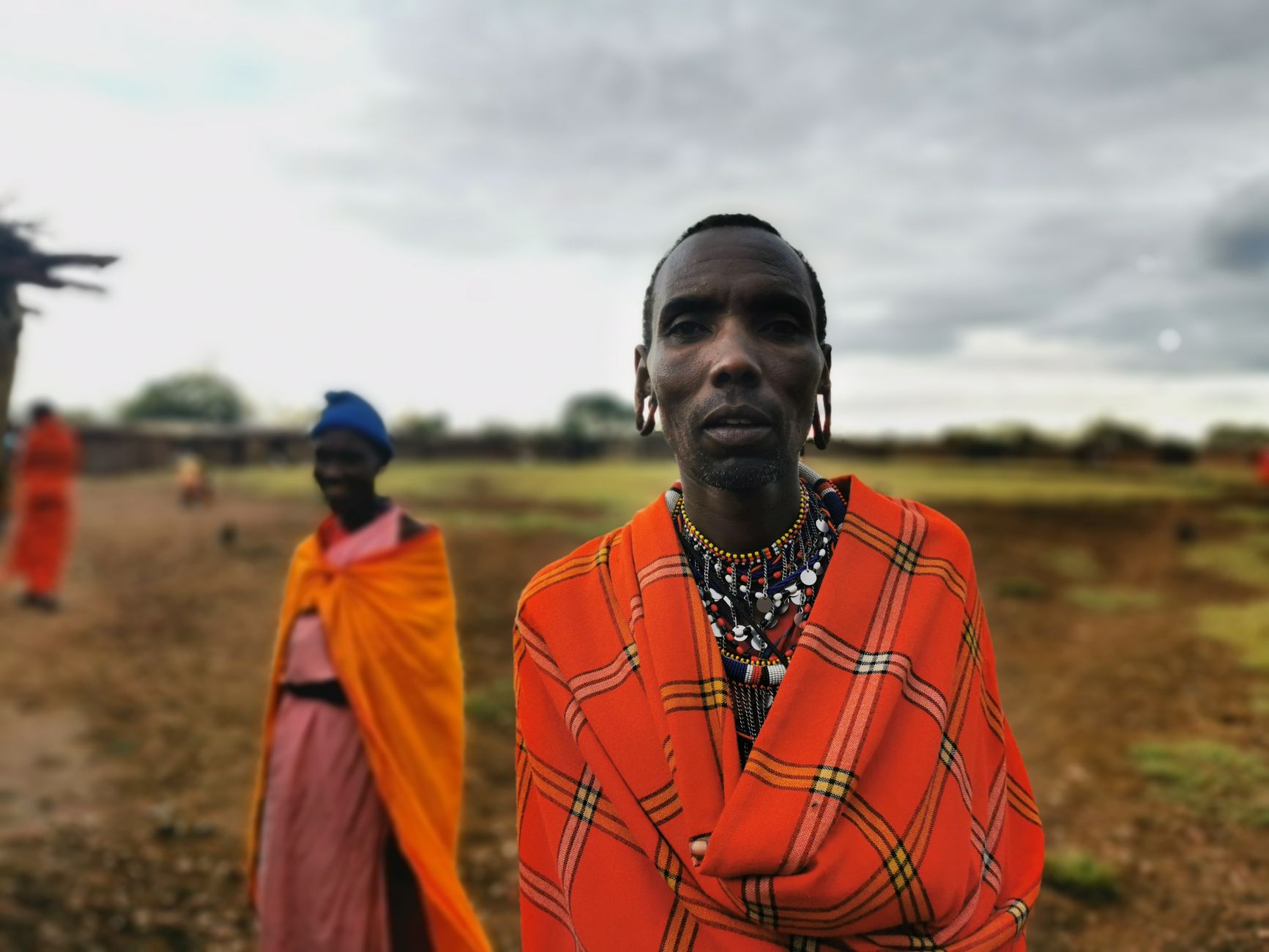
Photo by Zebari Visuals on Pexels
Kenya
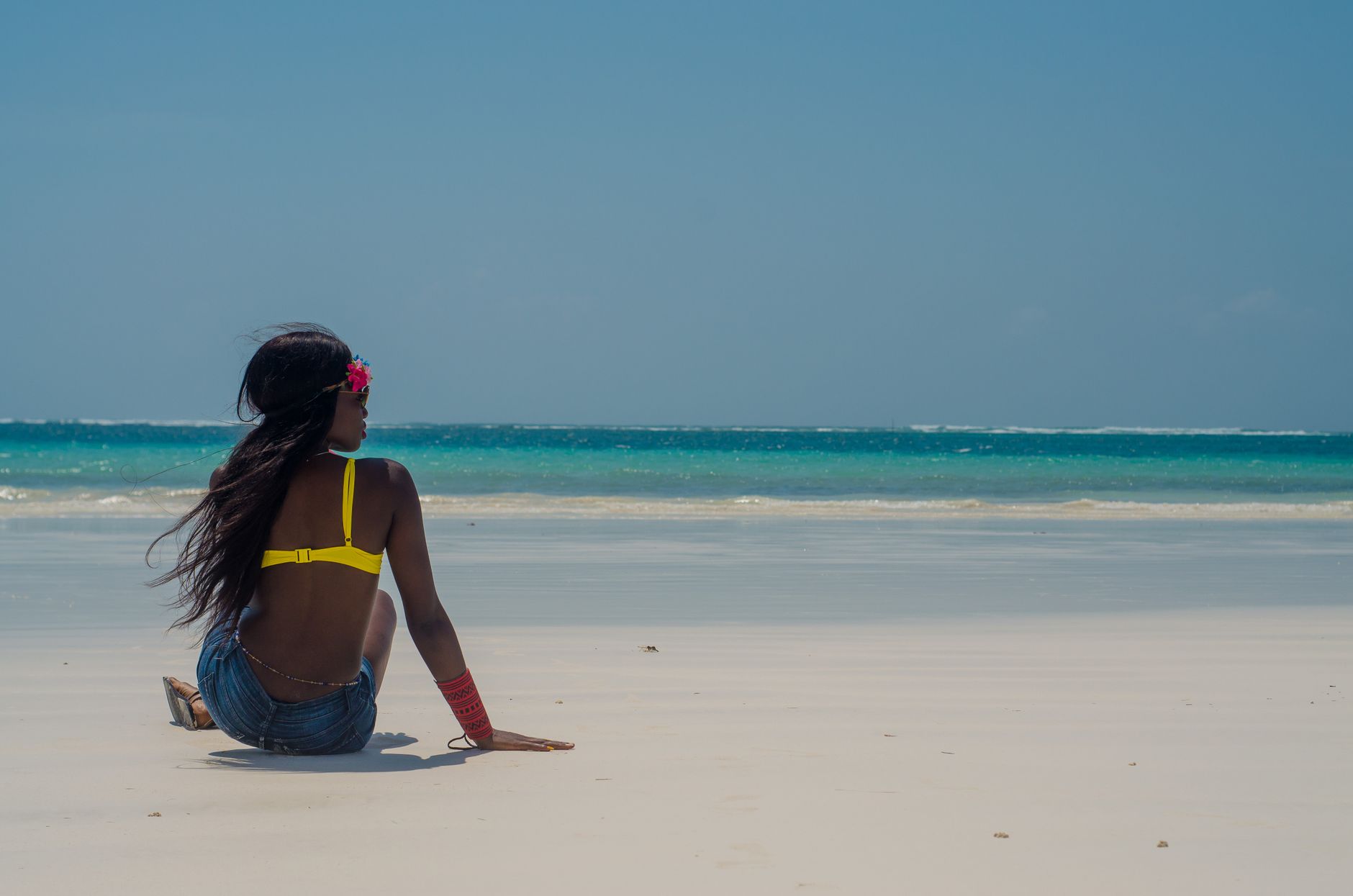
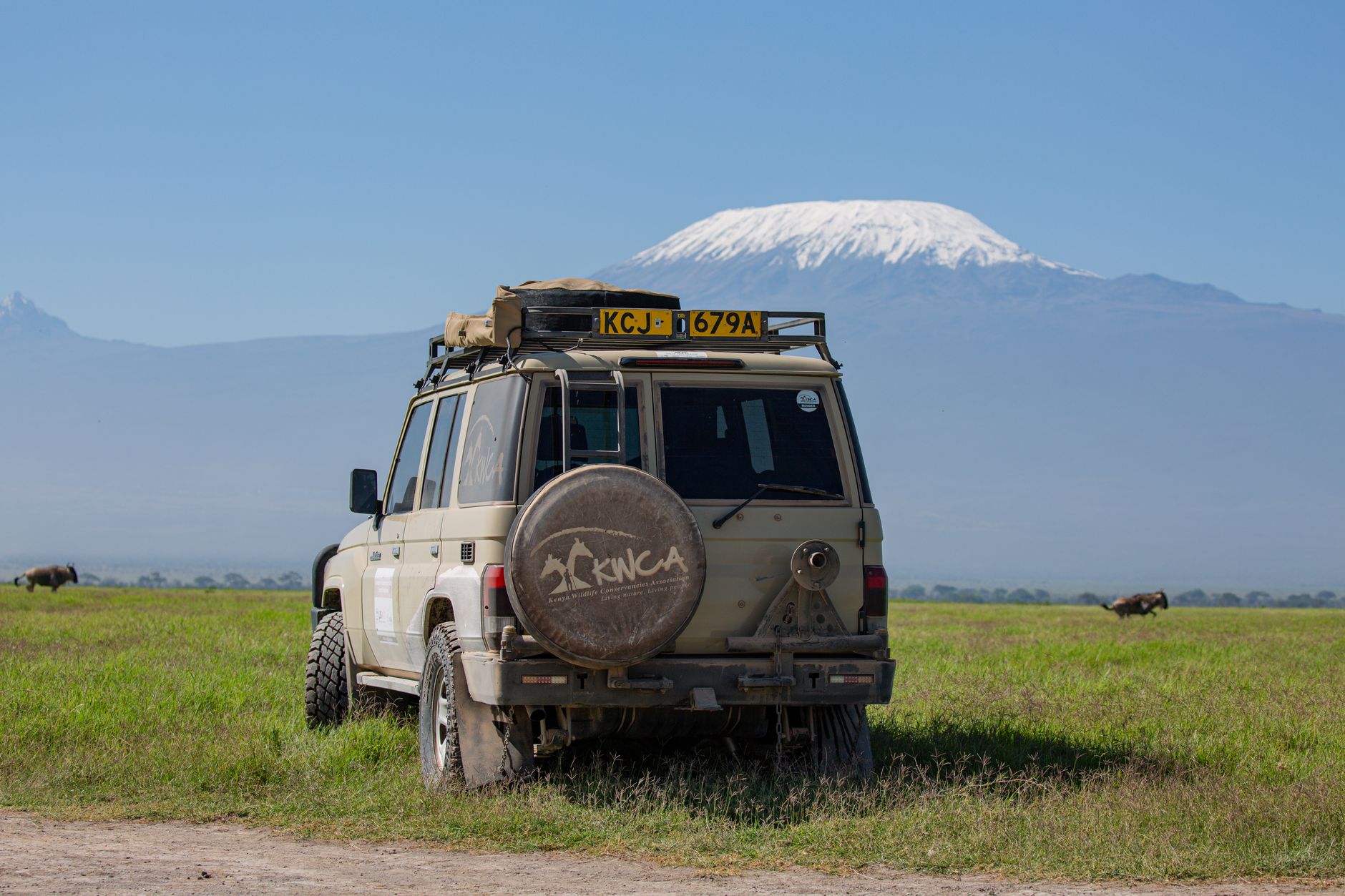
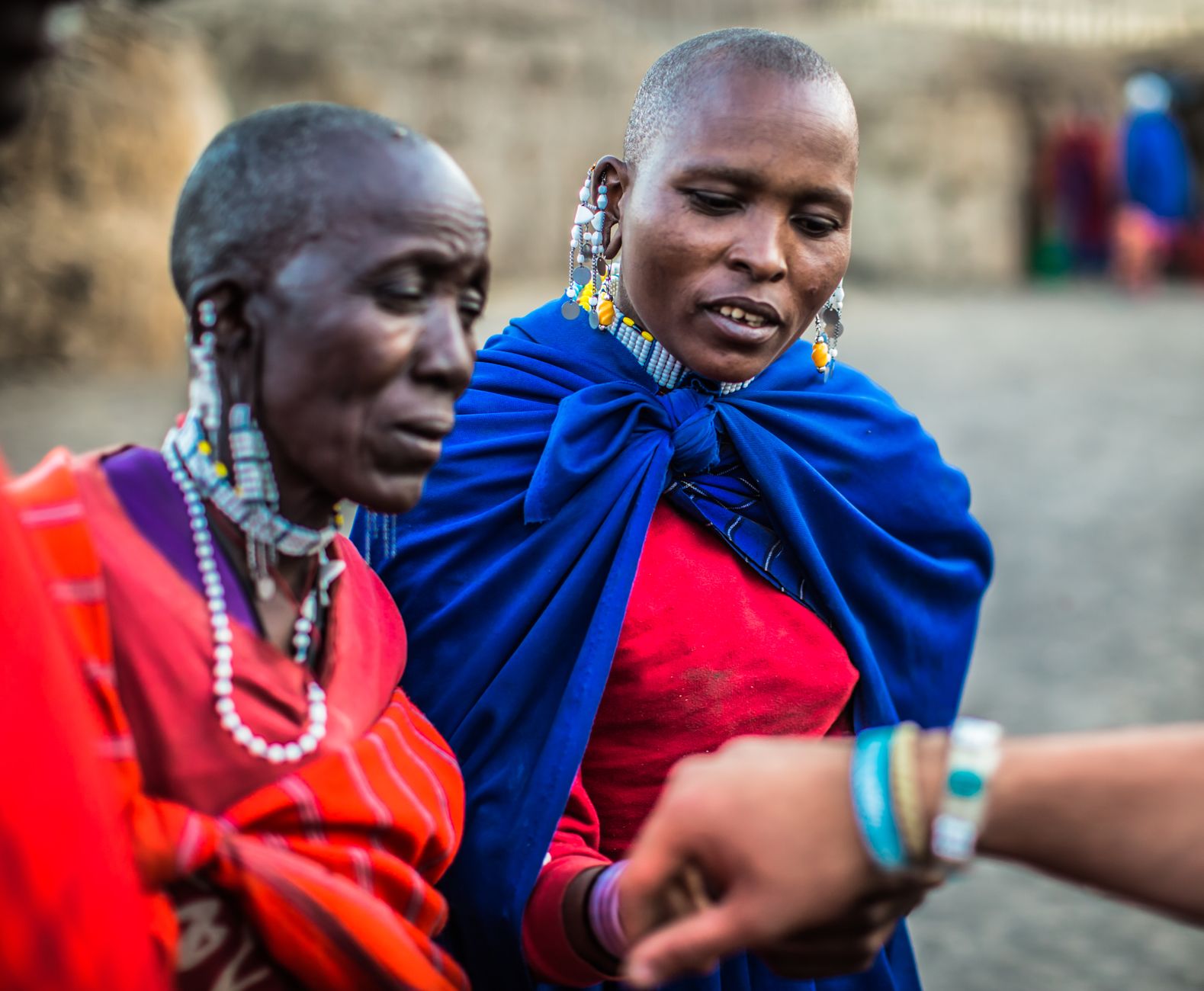
Photo by Sachin Saini on Pexels
Kenya
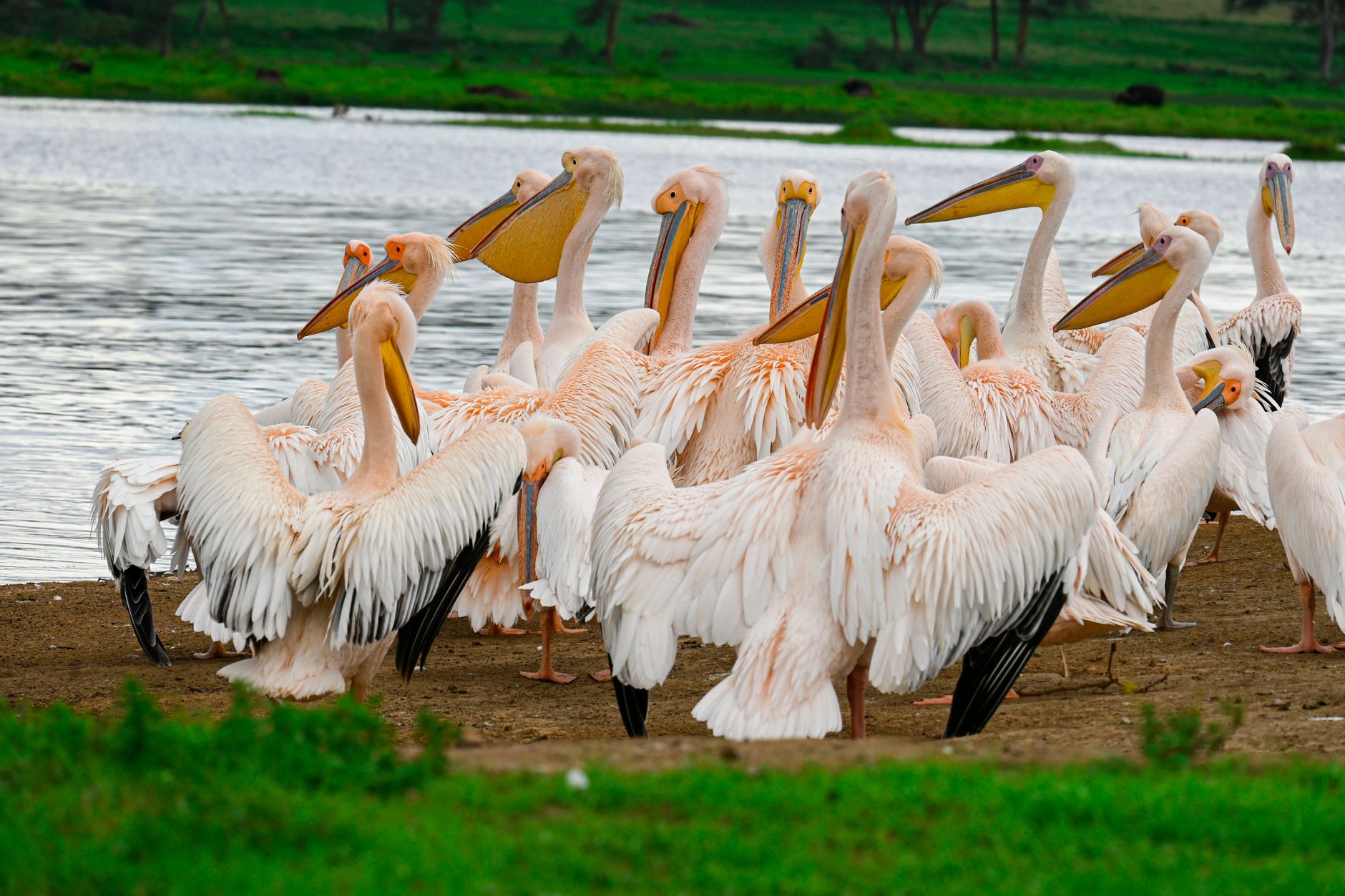
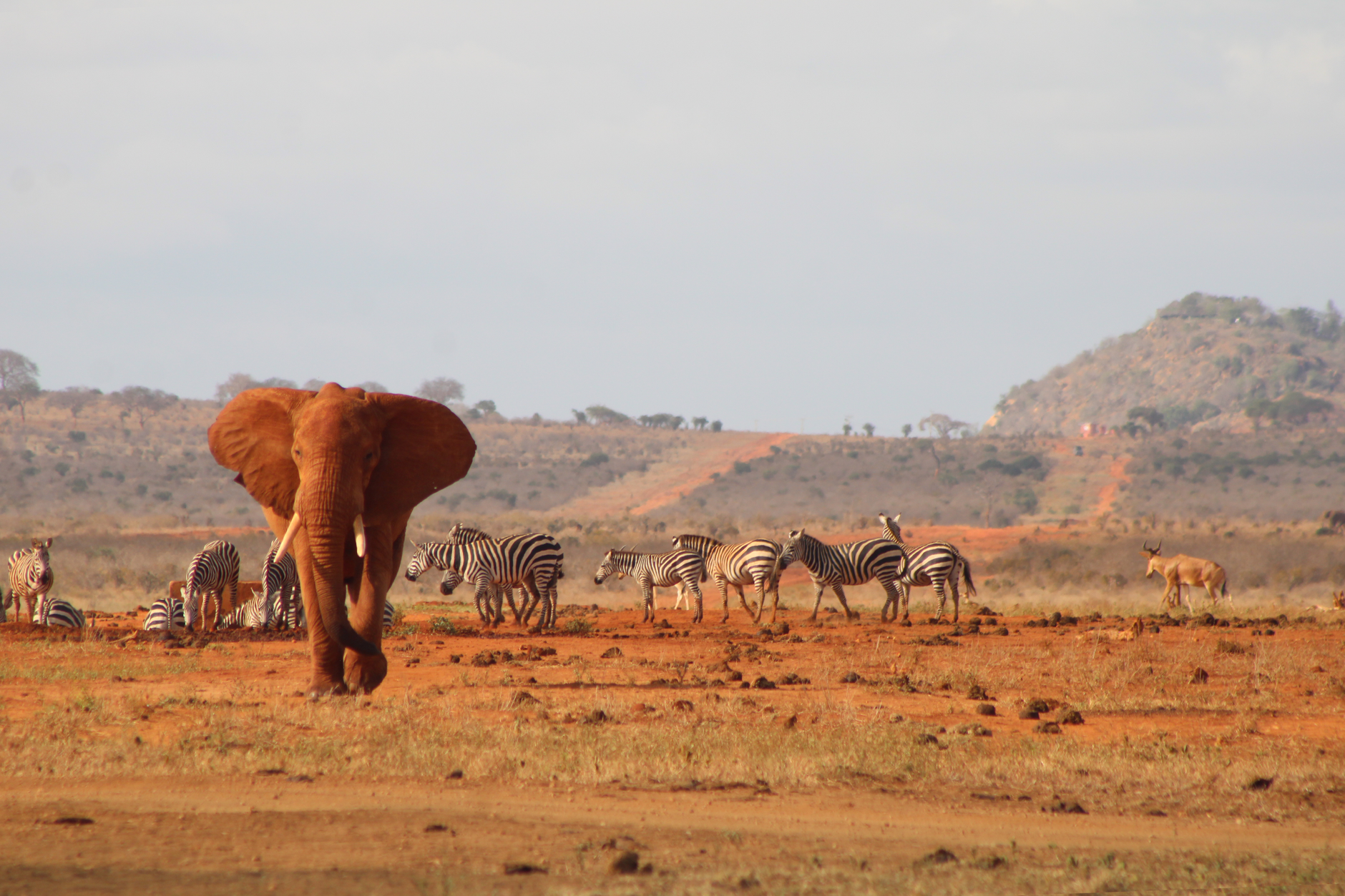
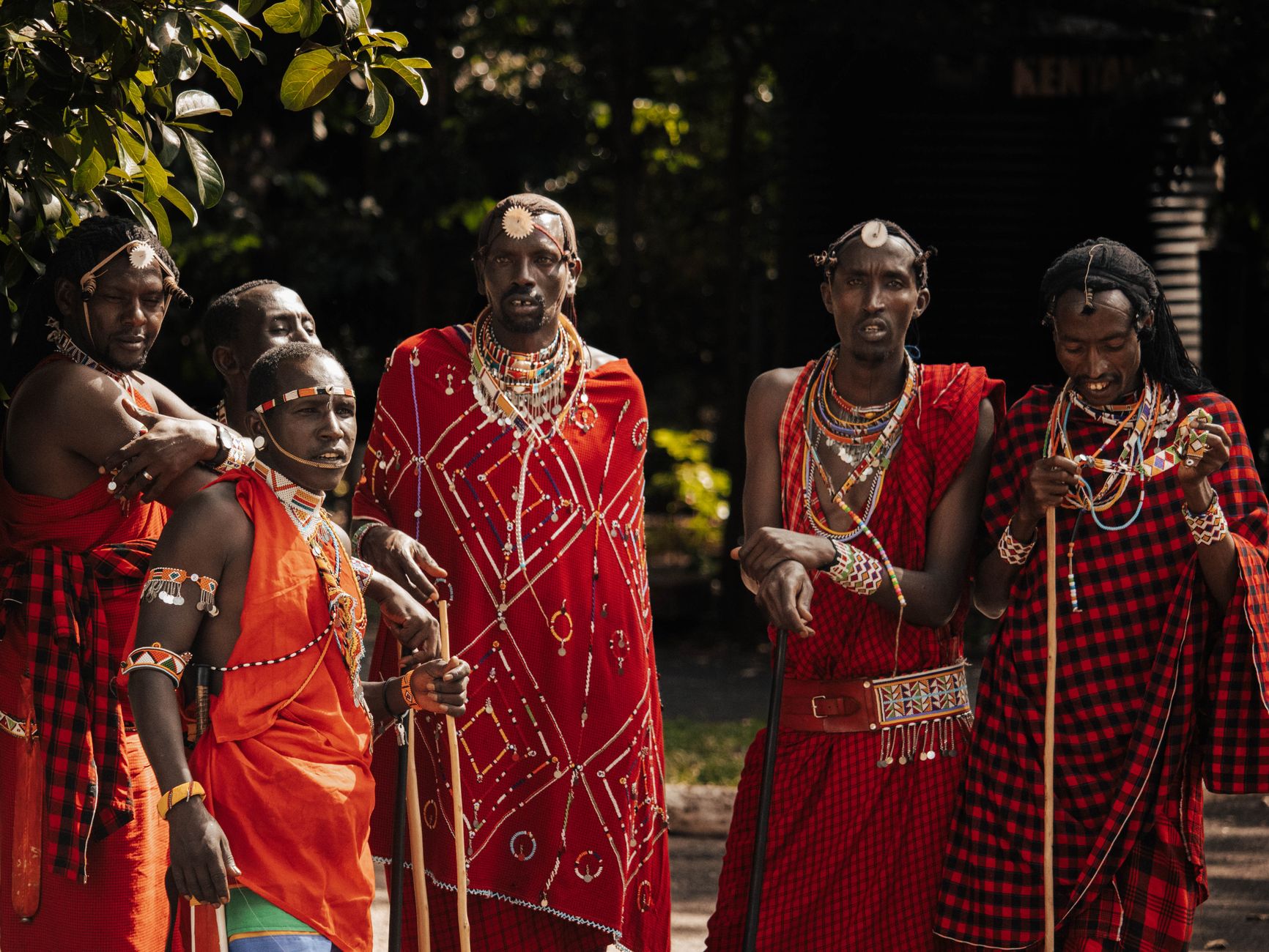
Photo by Follow Alice on Pexels
Kenya
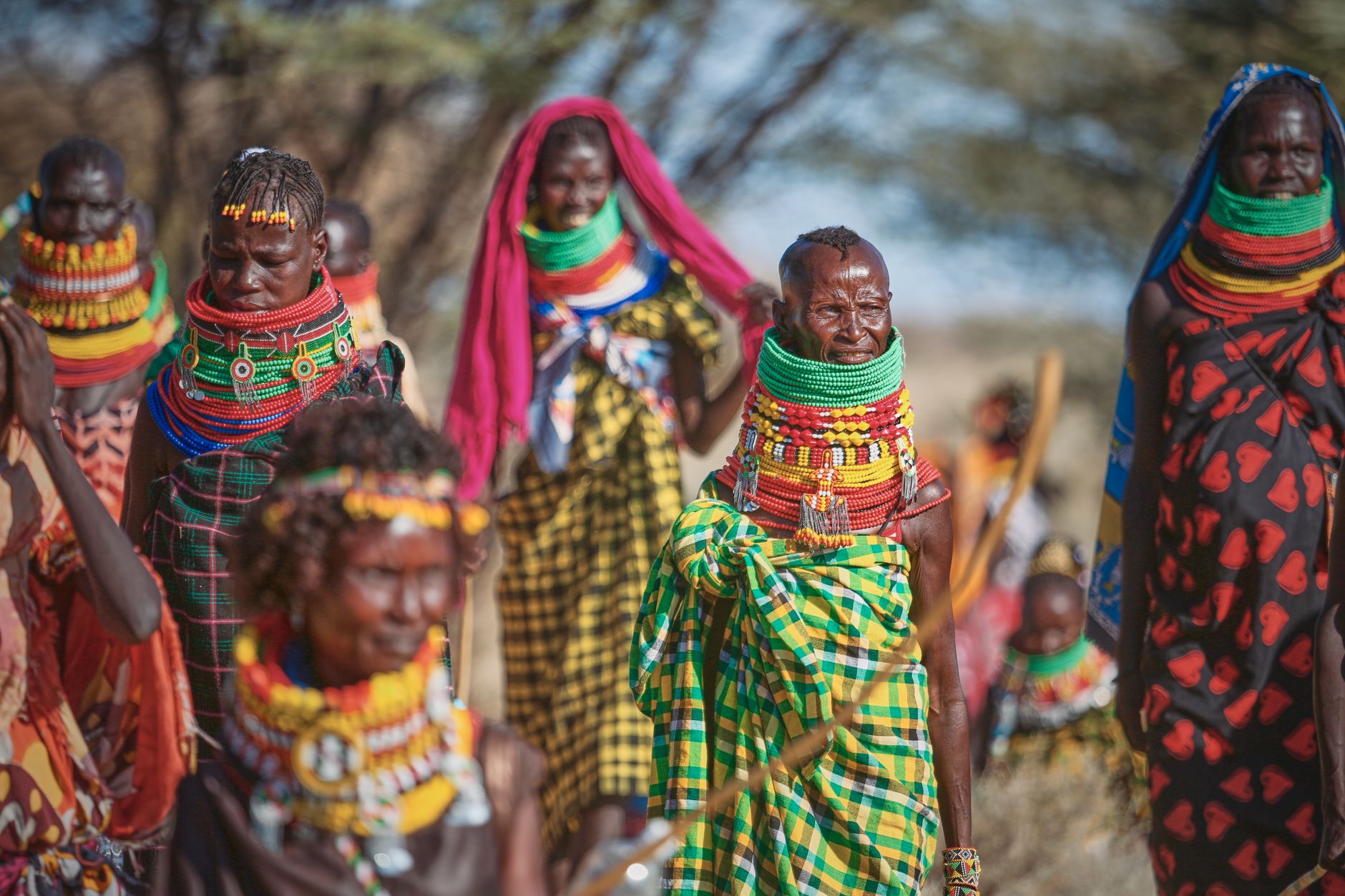
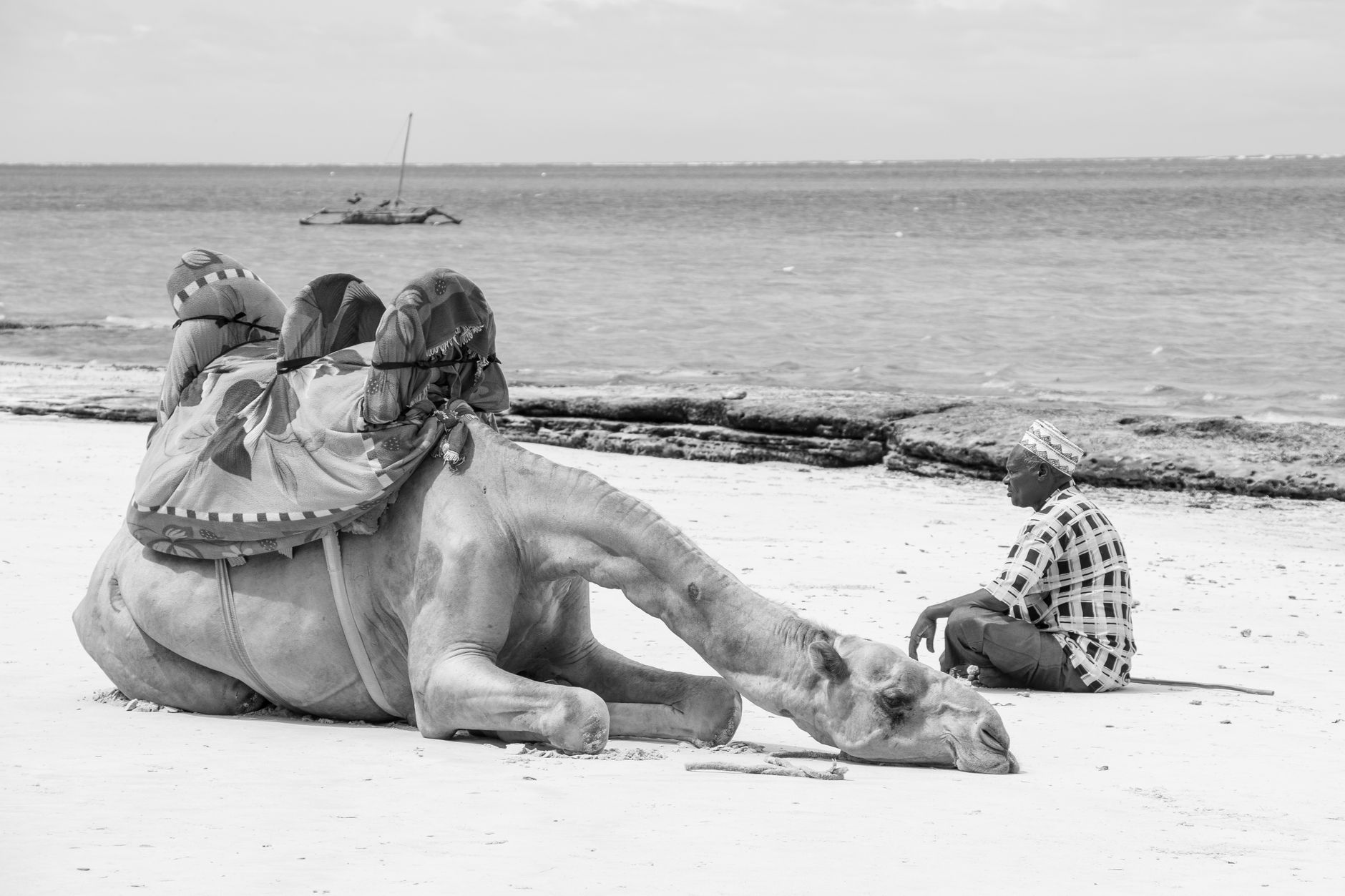
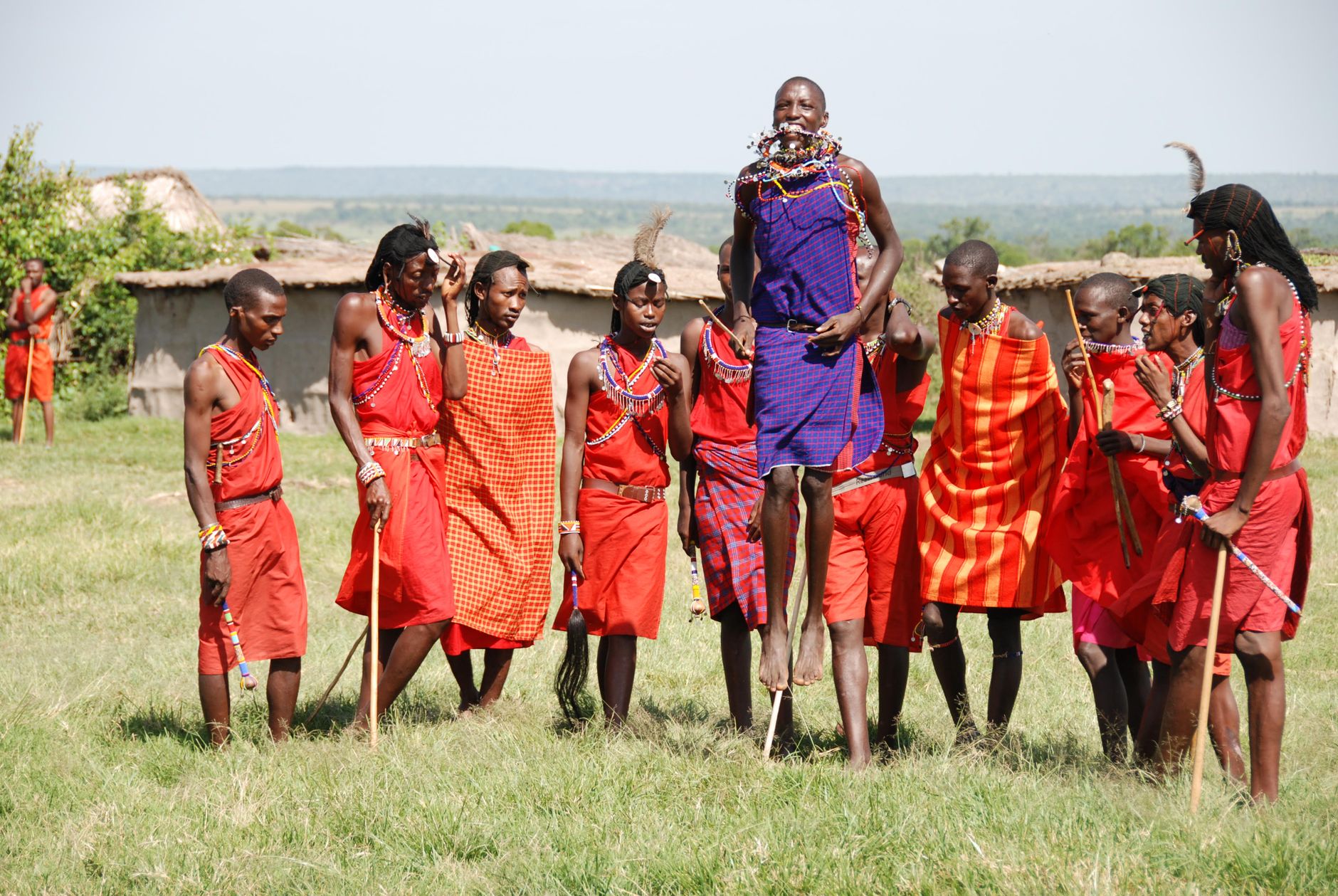
Photo by MC G'Zay on Pexels
Kenya
Photo by Gary M. Cohen on Pexels
Kenya
Photo by Shakir Mohamed on Pexels
Culture & history Nature & outdoors Wildlife & safari

Kenya sits on the equator, and you feel it — not just as heat, but as a quality of light that makes everything look slightly more itself. The country runs from Indian Ocean reefs and centuries-old Swahili stone towns on the coast, through highland plateaus where the air thins around Mount Kenya's 5,199-metre peaks, out to the vast lake basin where Lake Victoria — the largest lake in Africa — laps at a western shore most visitors never reach.

What holds it together is not a single landscape but a layered accumulation: a 12th-century ruined town at Gedi, dry-stone enclosures built by Nilotic communities at Thimlich Ohinga, a 28-storey convention centre that announced a newly independent nation to the world in 1973. The country rewards the traveller who slows down enough to notice the architecture alongside the wildlife.

Good to know
Nairobi is the main international gateway. The five-month dry season from June through October is the clearest window for safaris, coastal stays, and highland trekking — wildlife is easier to spot when the bush thins. Domestic flights connect Nairobi to Mombasa and the coast quickly; the distances by road are real.

Deals in Kenya

Book directly at the provider
The story

How Kenya came to be

British commercial interest arrived formally through the Imperial British East Africa Company, founded by William Mackinnon in 1888, followed by the East Africa Protectorate in 1895. The railway pushing inland from Mombasa to Kisumu opened the highlands to colonial settlement and reshaped the country's geography of power. That power was contested — violently — from 1952, when the Mau Mau Uprising, led primarily by Kikuyu fighters of the Kenya Land and Freedom Army, forced the question of who the land belonged to.

On 12 December 1963, Kenya became independent under the Kenya Independence Act, with Jomo Kenyatta sworn in as Prime Minister. A year to the day later, Kenya became a republic and Kenyatta its first president. The Parliament Buildings in Nairobi, with their clock tower, and the Kenyatta International Convention Centre, opened in 1973, stand as the built record of that transition.

People & landmarks

Who and what shaped it

People who shaped it

Jomo Kenyatta
Prime Minister from June 1963, Kenya's first president from December 1964; mausoleum at Parliament Buildings, Nairobi.
Amyas Connell
Co-founder of TRIAD Architects; designed Parliament Building in Nairobi and Aga Khan Hospital; RIBA Gold Medal recipient.
David Mutiso
Kenya's first African Chief Architect in the Ministry of Public Works; central role in KICC design with Karl Henrik Nøstvik.
Dorothy Hughes
First East African female architect; designed Cathedral of the Holy Family in Nairobi.
Tom Mboya
KANU founder and minister of economic planning and development; assassinated July 1969.

Landmark buildings

Fort Jesus, Mombasa
Portuguese fort built 1593–1596 to Giovanni Battista Cairati's design; protected the port of Mombasa.
Parliament Buildings, Nairobi
Built during 1960s neoclassical period with standing clock tower; symbol of post-independence authority.
Kenyatta International Convention Centre (KICC), Nairobi
28-storey building completed 1973; symbol of modern Kenya and among the tallest in Nairobi for many years.
Jomo Kenyatta Mausoleum, Nairobi
Final resting place of Kenya's first president, located at Parliament Buildings.
State House, Nairobi
Colonial-era landmark constructed 1907; covers approximately three square kilometres.
Gedi Ruins
Ruined 12th-century Swahili town with palaces, mosques, and homes; declared historic monument in 1927.
Cathedral of the Holy Family, Nairobi
Designed 1960 in modernist style with non-figurative stained glass; seats 4,000.
Kasarani Stadium (Moi International Sports Centre)
Construction began early 1980s for 4th All Africa Games in 1987; flower-inspired design.
Nyayo National Stadium
Built 1983 to expand Kenya's capacity for major sporting and cultural events.
Thimlich Ohinga
UNESCO World Heritage Site in western Kenya; dry-stone-walled enclosures over 500 years old, built by Luo or related Nilotic communities.
Lamu Old Town
Continuously inhabited Swahili settlement for over 700 years; unlike other abandoned East African coastal towns.
Watch

See Kenya in motion

Practical

Plan your visit

On the map

When to go

Kenya's equatorial position means daytime temperatures generally sit between 20°C and 28°C year-round, warmer and more humid along the coast. There are two rainy seasons — the longer rains typically falling in the first half of the year — with the June-to-October dry season offering the most reliable skies.

Right now

26°C
Partly cloudy
Fri
28°
19°
Sat
32°
20°
Sun
32°
19°
Mon
🌧️
29°
20°
Weather data: Open-Meteo

Background & history adapted from Wikipedia (CC BY-SA) · specs from Wikidata (CC0) · weather from Open-Meteo · map data © OpenStreetMap contributors · photos from Wikimedia Commons / Unsplash with per-image credit. No third-party reviews or social posts reproduced.

Top