
Chile
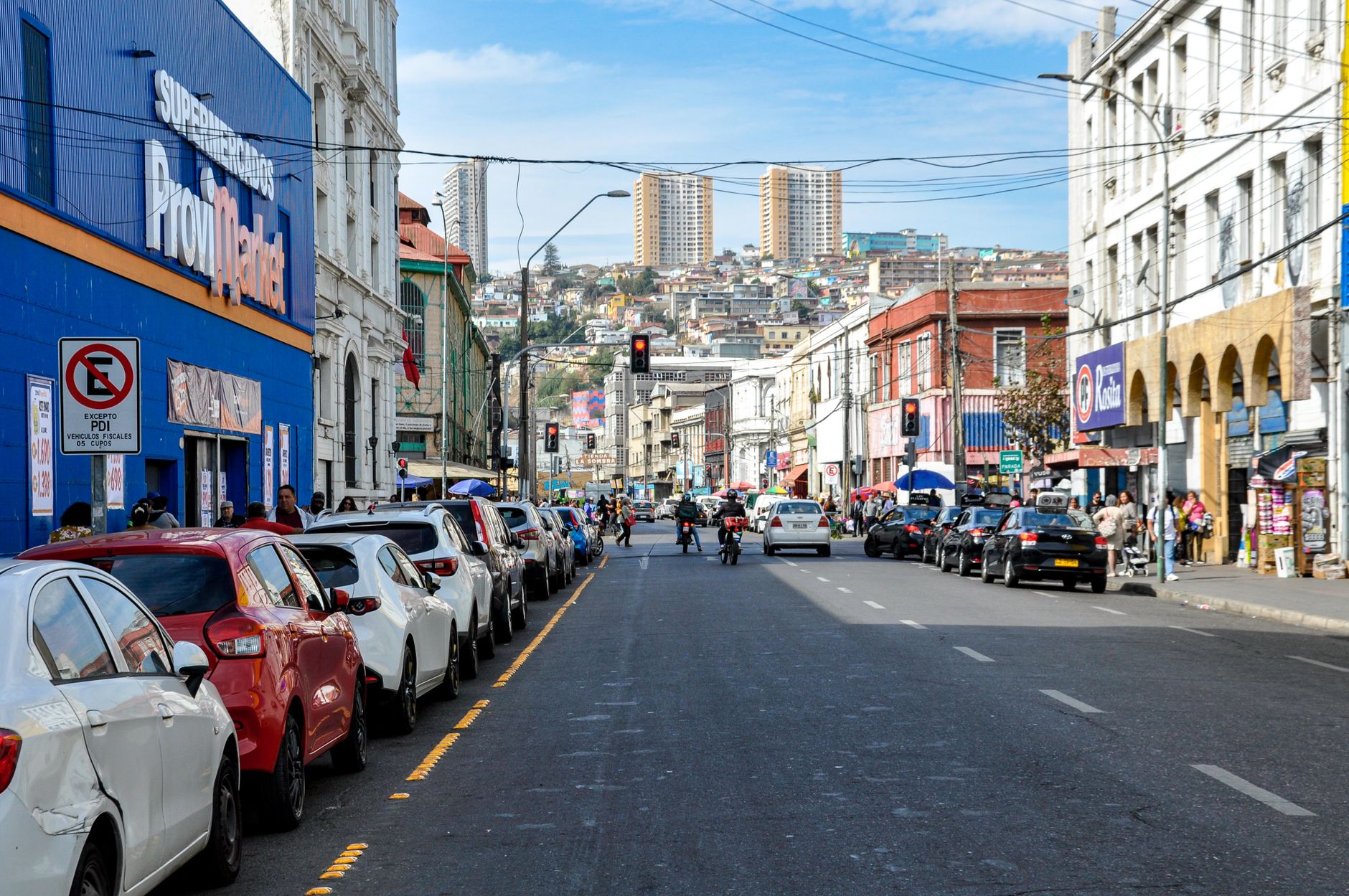
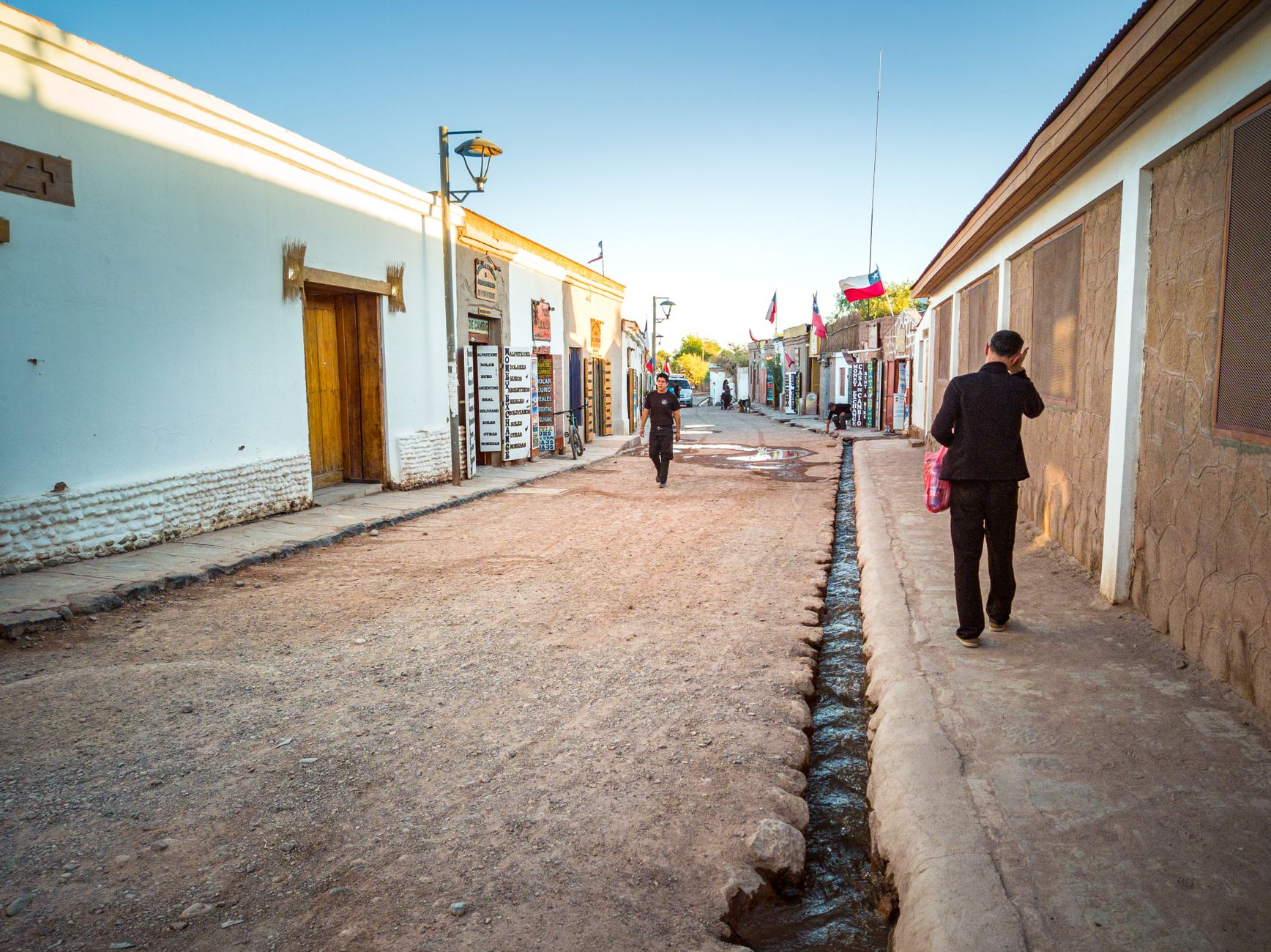
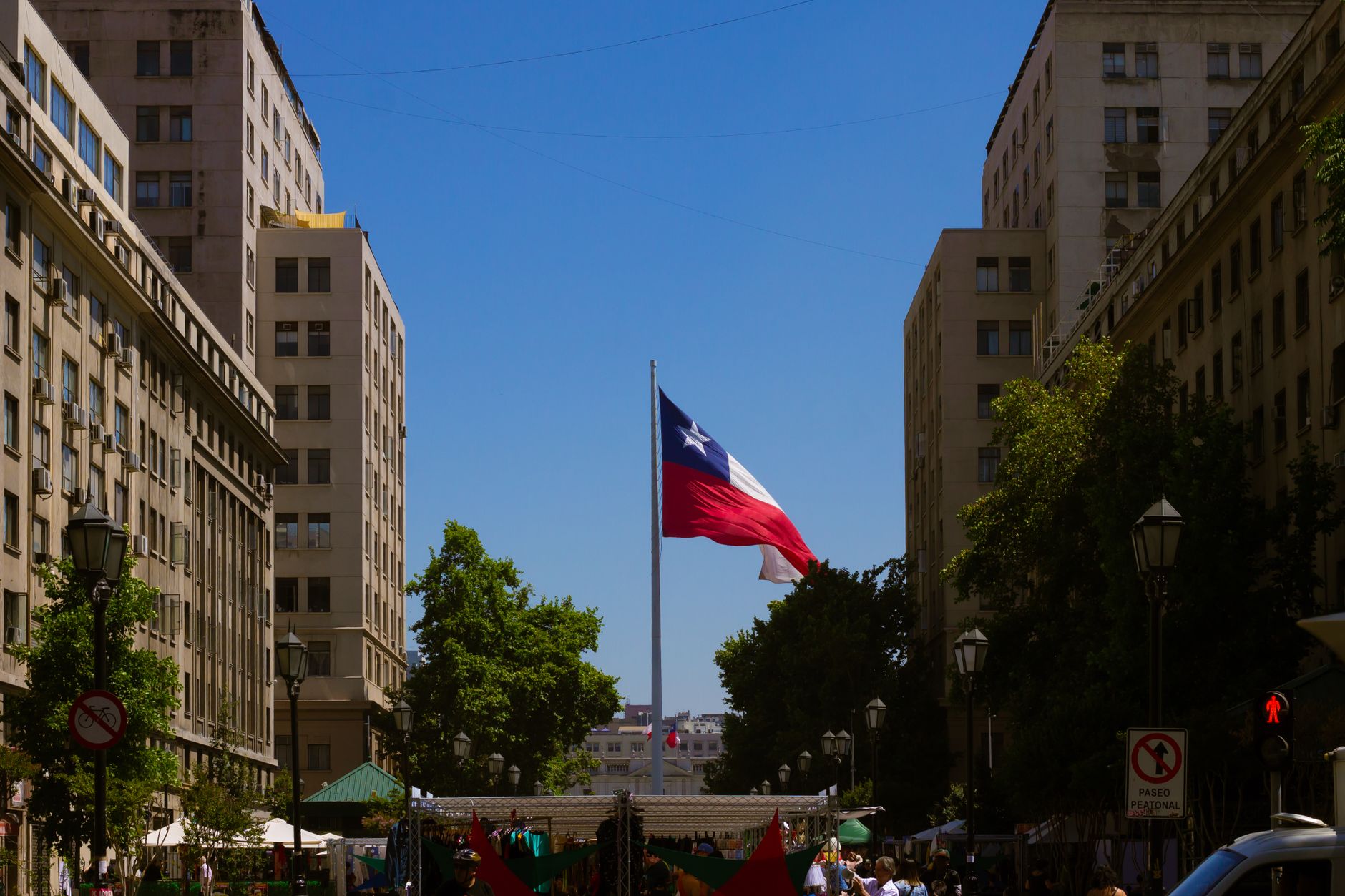
Chile is, above all, a country of distances. It runs 4,300 kilometres from the driest desert on earth to the glaciers of Patagonia — a single country containing climates that elsewhere belong to different continents. In the north, weather stations in the Atacama have never recorded rain. In the south, Patagonian winds hit 40 km/h on a summer afternoon and the sun sets after only five hours in winter.
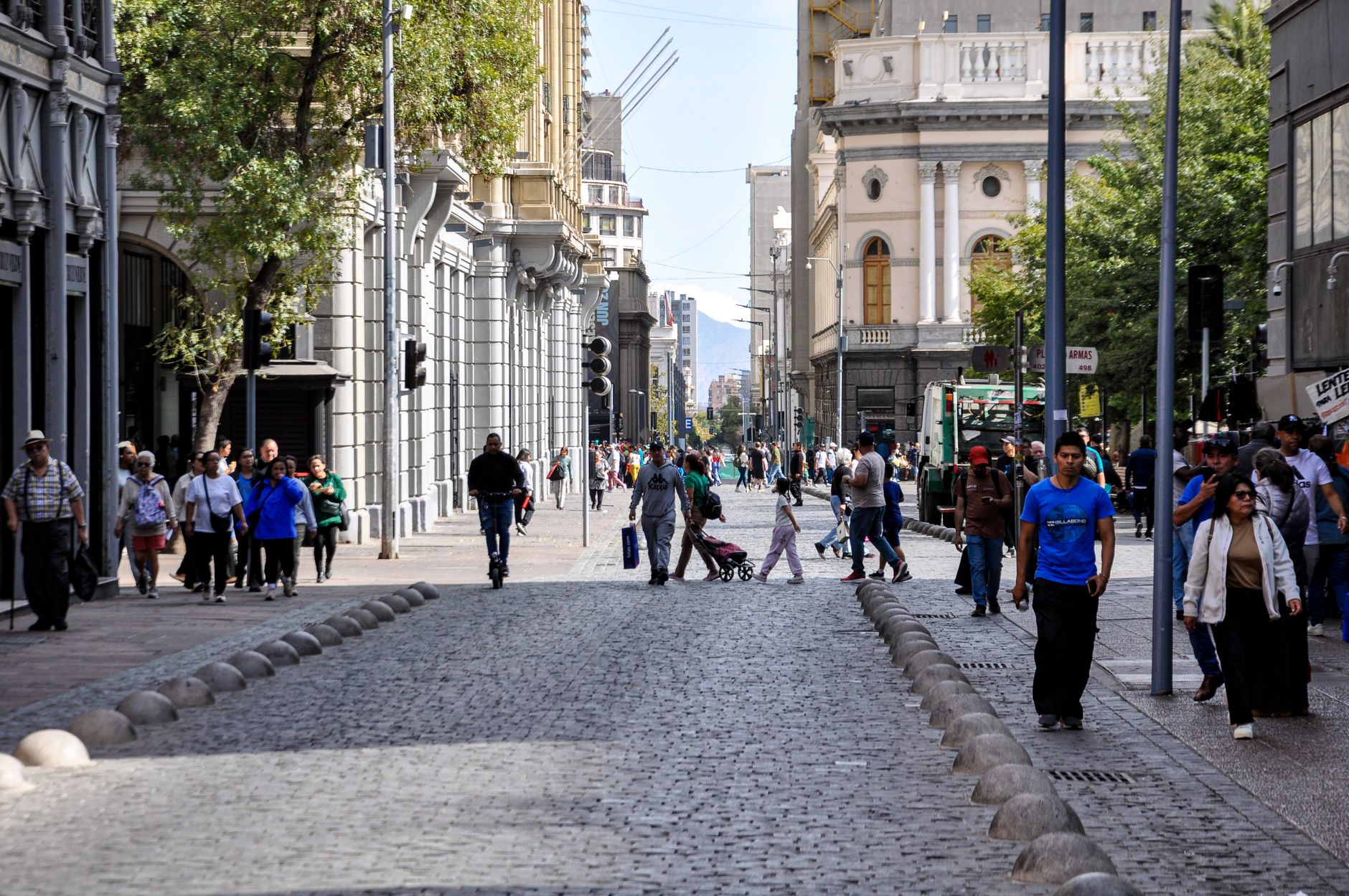
Between those extremes sits the Mediterranean middle: Santiago, the coast at Valparaíso with its 42 hills and chaotically painted wooden houses, and the agricultural valleys that give way, slowly, to the deep south. Rapa Nui — Easter Island — floats 3,700 kilometres offshore in the Pacific, subtropical and entirely unlike the rest.
Experiences you don't want to miss



Deals in Chile
Book directly at the provider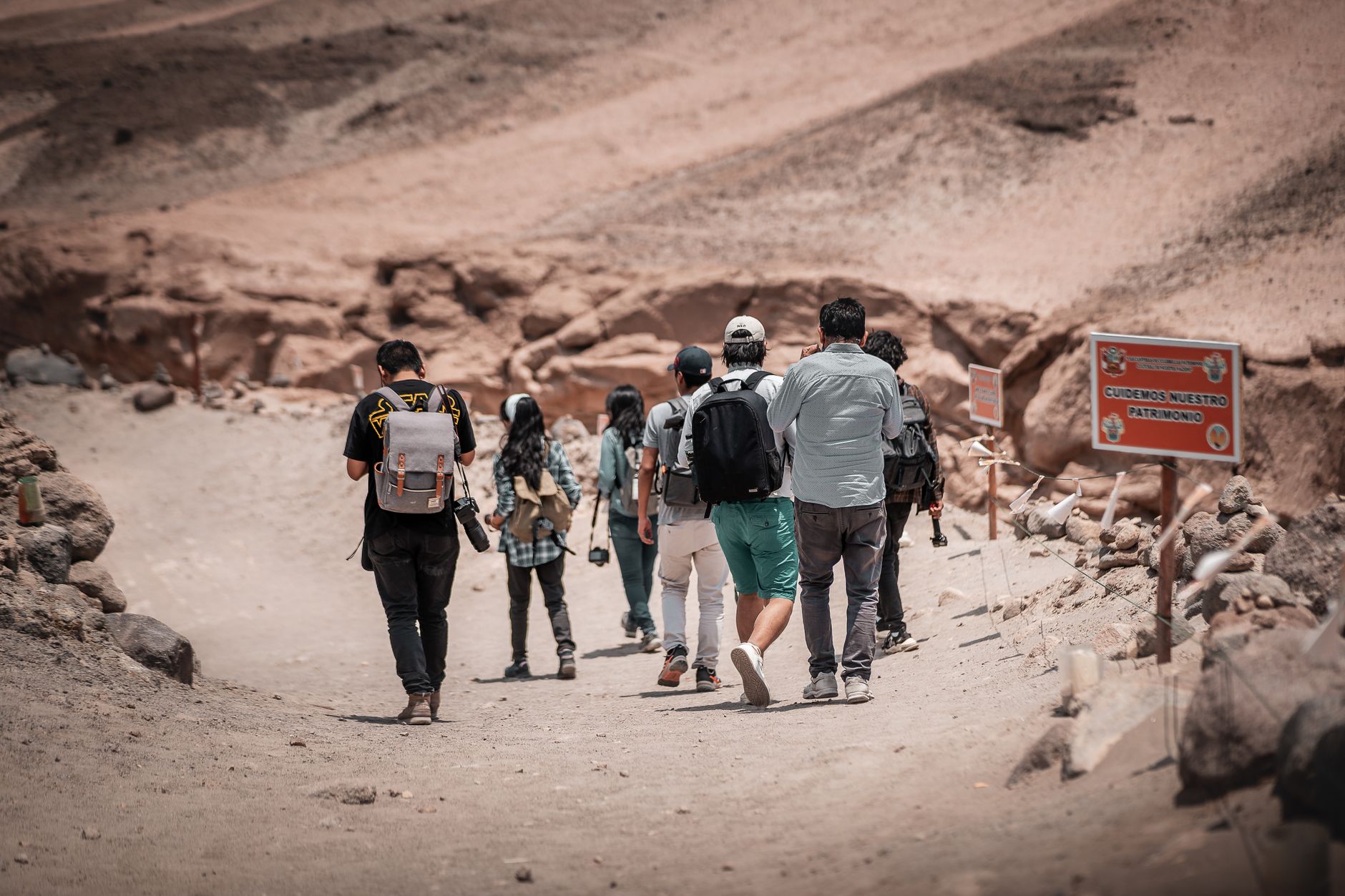

How Chile came to be
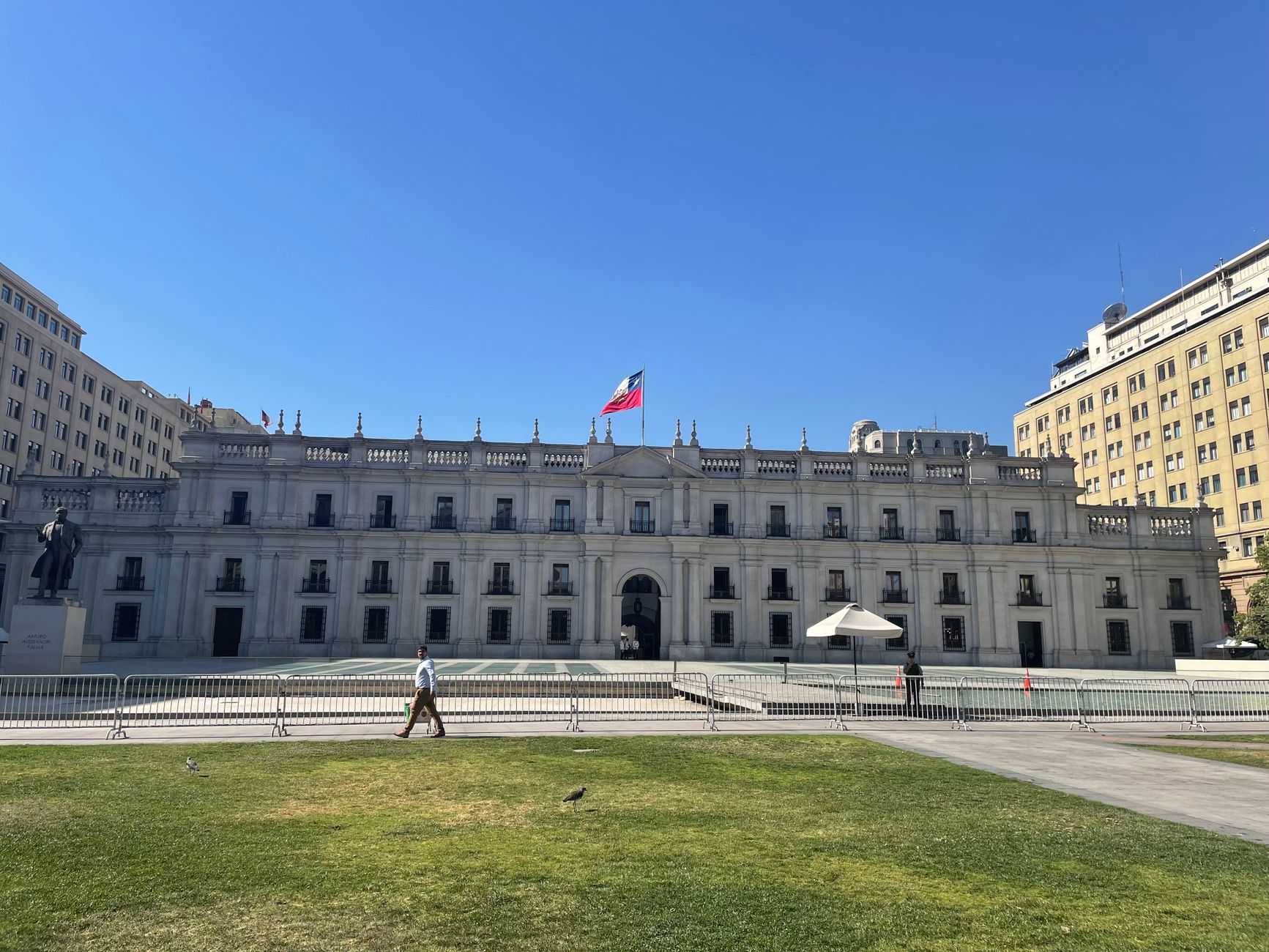
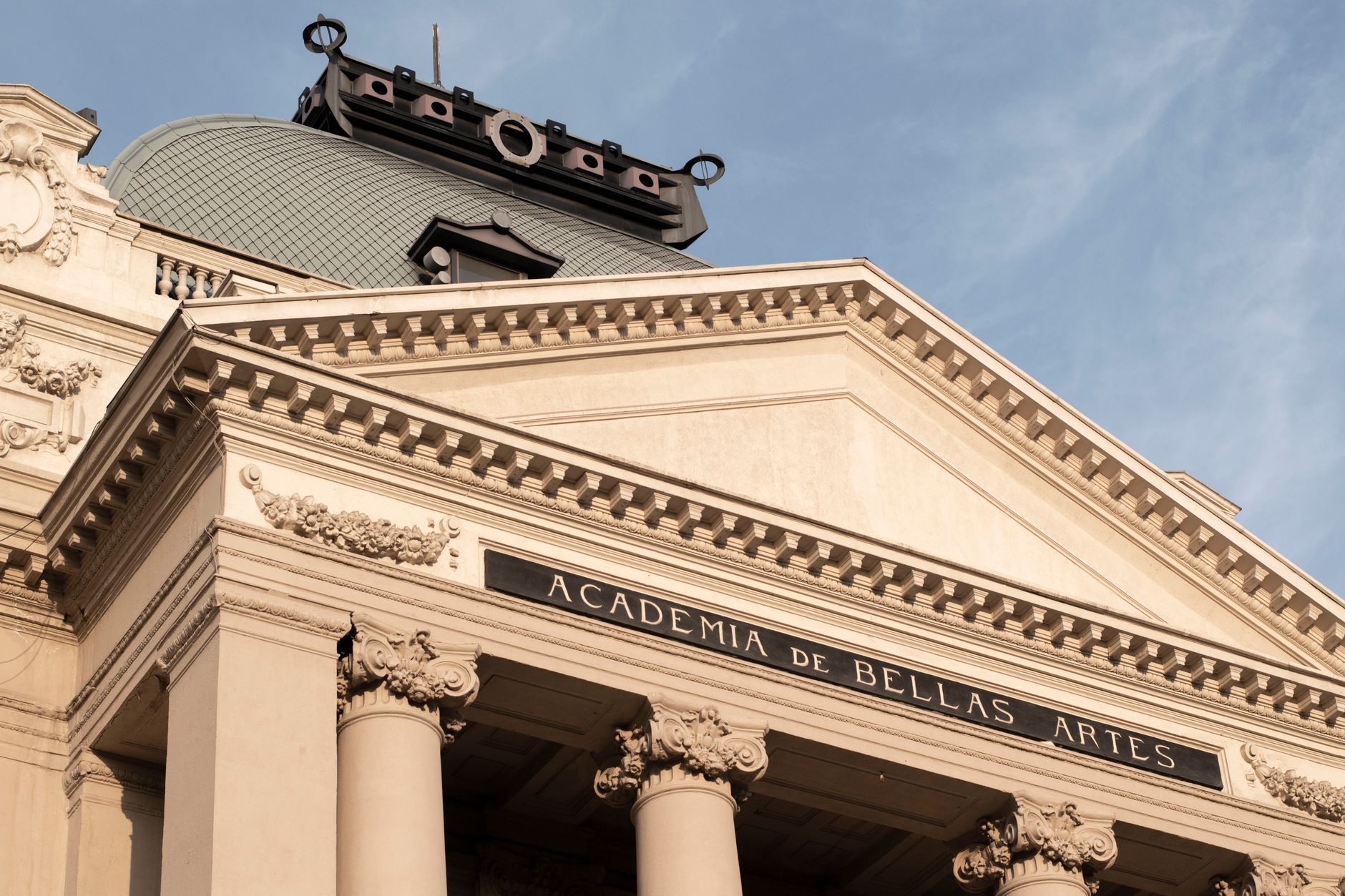
Spain colonized this long strip of land from 1540, and Pedro de Valdivia founded Santiago on February 12, 1541. The colonial period left enduring marks — La Moneda Palace, designed by Italian architect Joaquín Toesca in 1784, still serves as the seat of government, and Santiago's Church of San Francisco, begun in 1575, is the oldest surviving architectural monument in the country.
The break from Spain began September 18, 1810, when a national junta established the first self-governing body under José Miguel Carrera — a period Chileans call the Patria Vieja. Bernardo O'Higgins consolidated independence and ruled as supreme director from 1817 to 1823; the formal declaration came on February 12, 1818, the same calendar date Valdivia had founded the capital 277 years earlier. Spain recognised Chilean sovereignty in 1840.
Who and what shaped it
People who shaped it
Landmark buildings
See Chile in motion
Plan your visit
On the map
When to go
Chile's span of latitudes means there is no single answer to 'what season is it' — the Atacama is arid year-round, central Chile follows a Mediterranean rhythm with dry summers and wet winters concentrated in June and July, and Patagonia is cool and windy even in December. If you're covering more than one region, pack for all of them.
Right now
↡ Cities
No places match these filters.
Background & history adapted from Wikipedia (CC BY-SA) · specs from Wikidata (CC0) · weather from Open-Meteo · map data © OpenStreetMap contributors · photos from Wikimedia Commons / Unsplash with per-image credit. No third-party reviews or social posts reproduced.