
Belgium
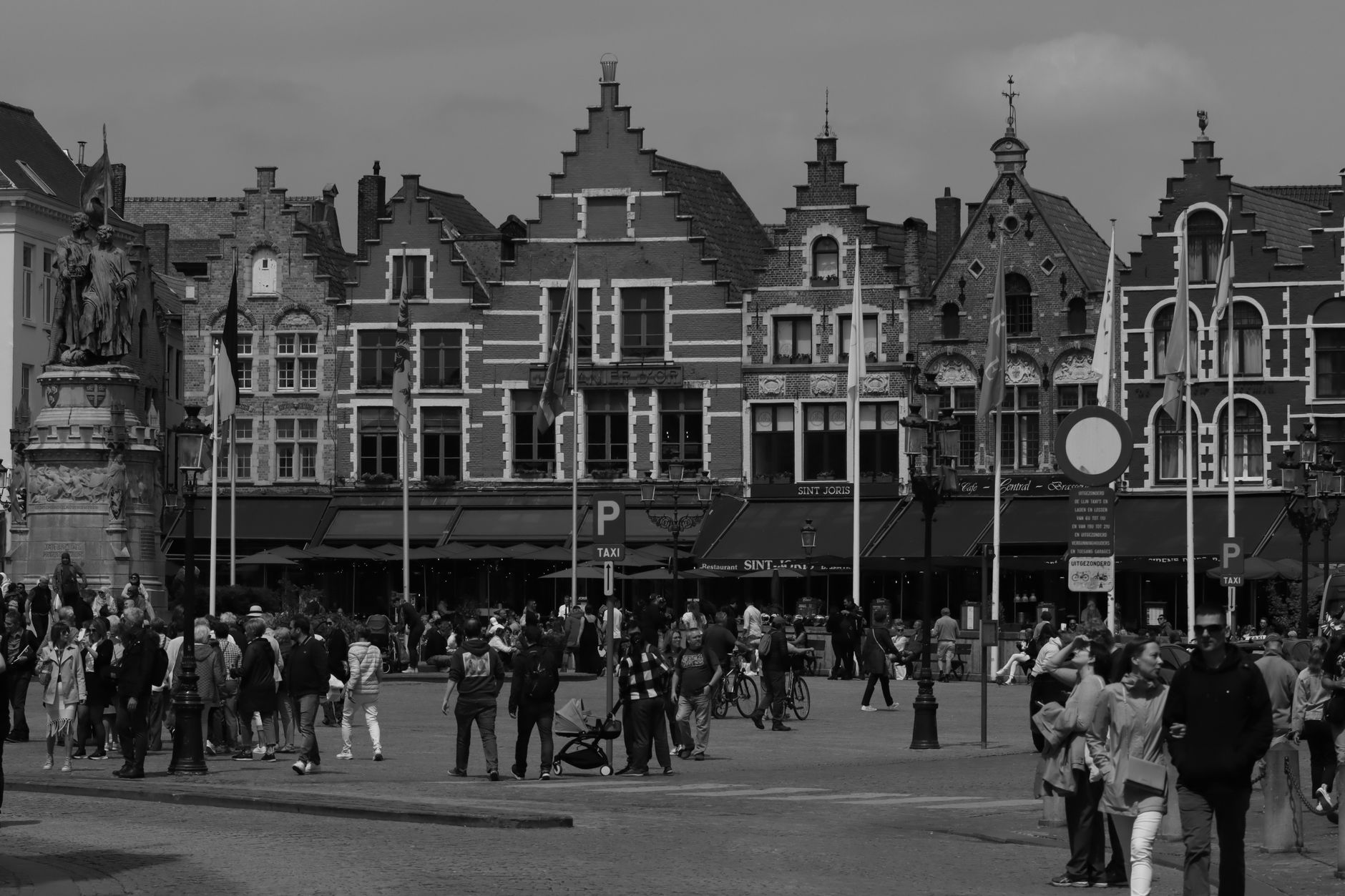
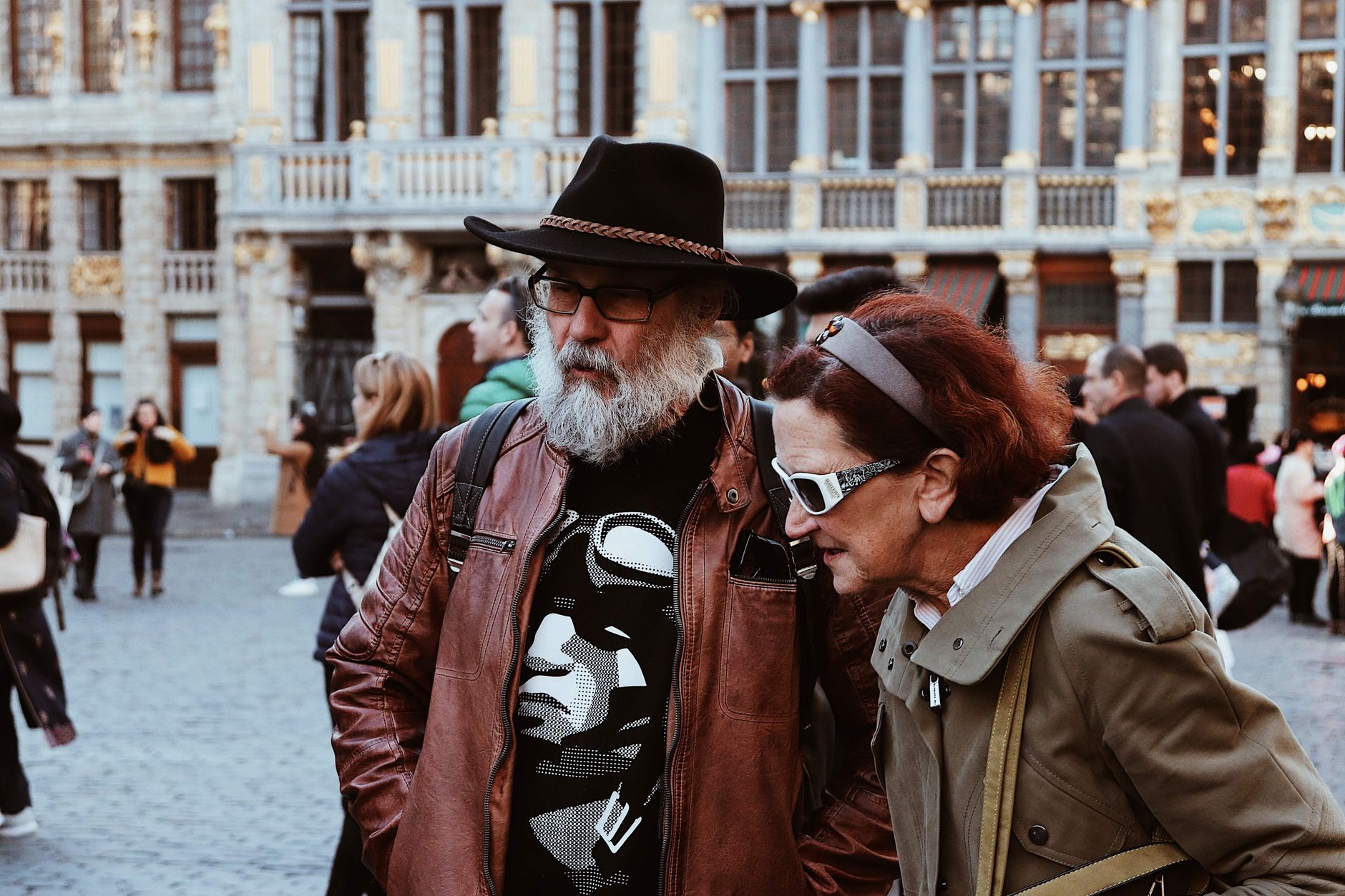
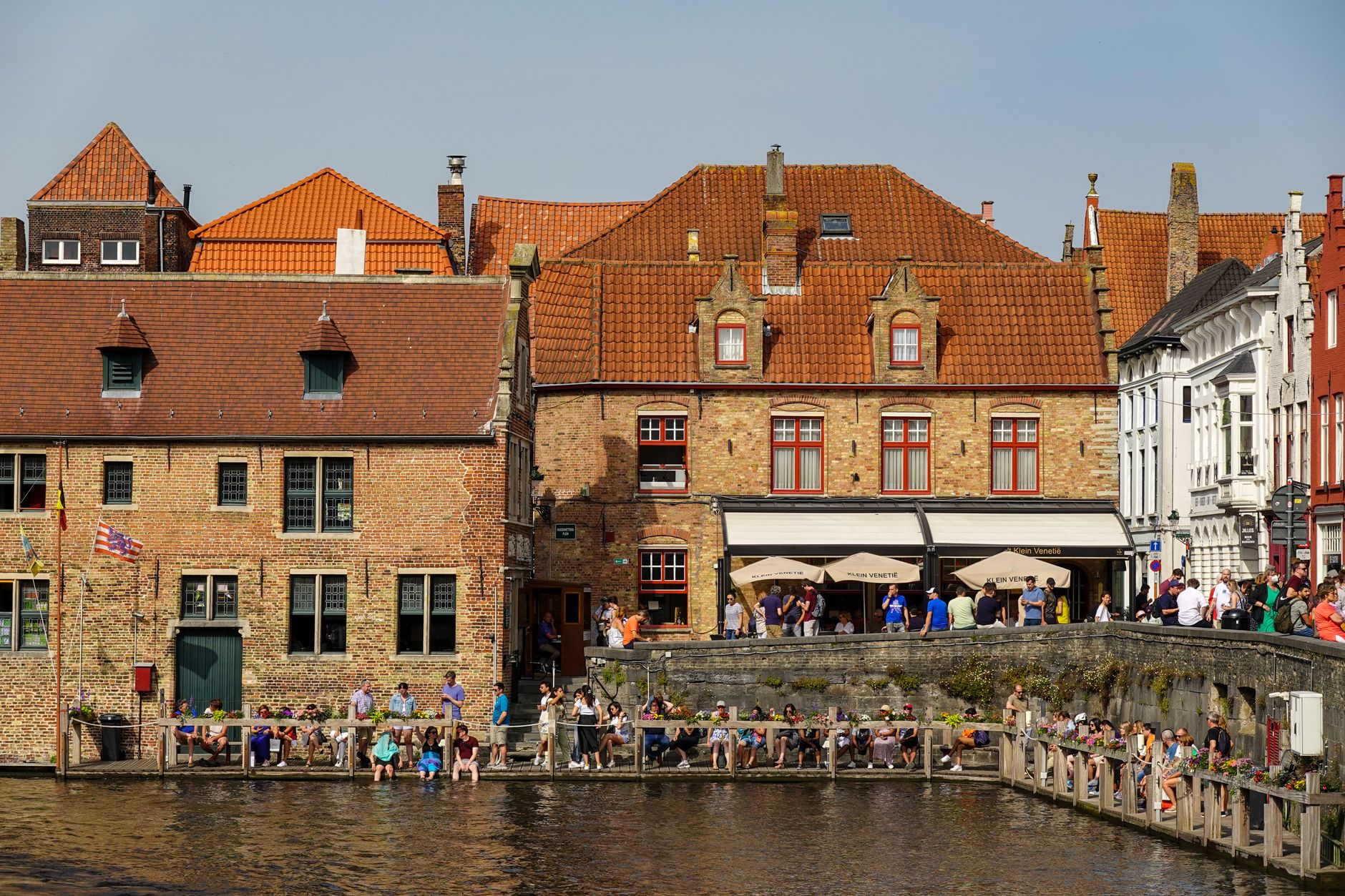
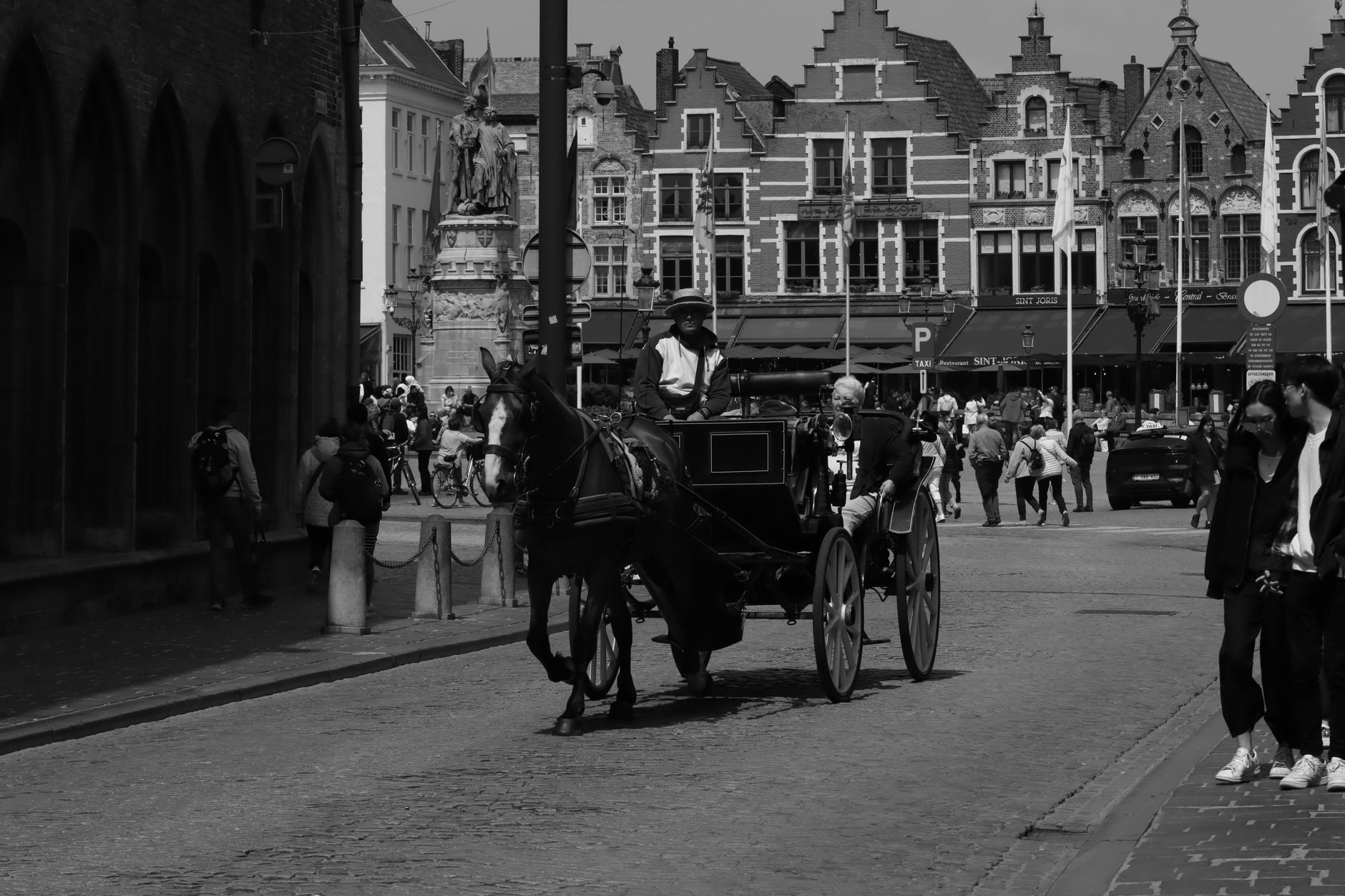
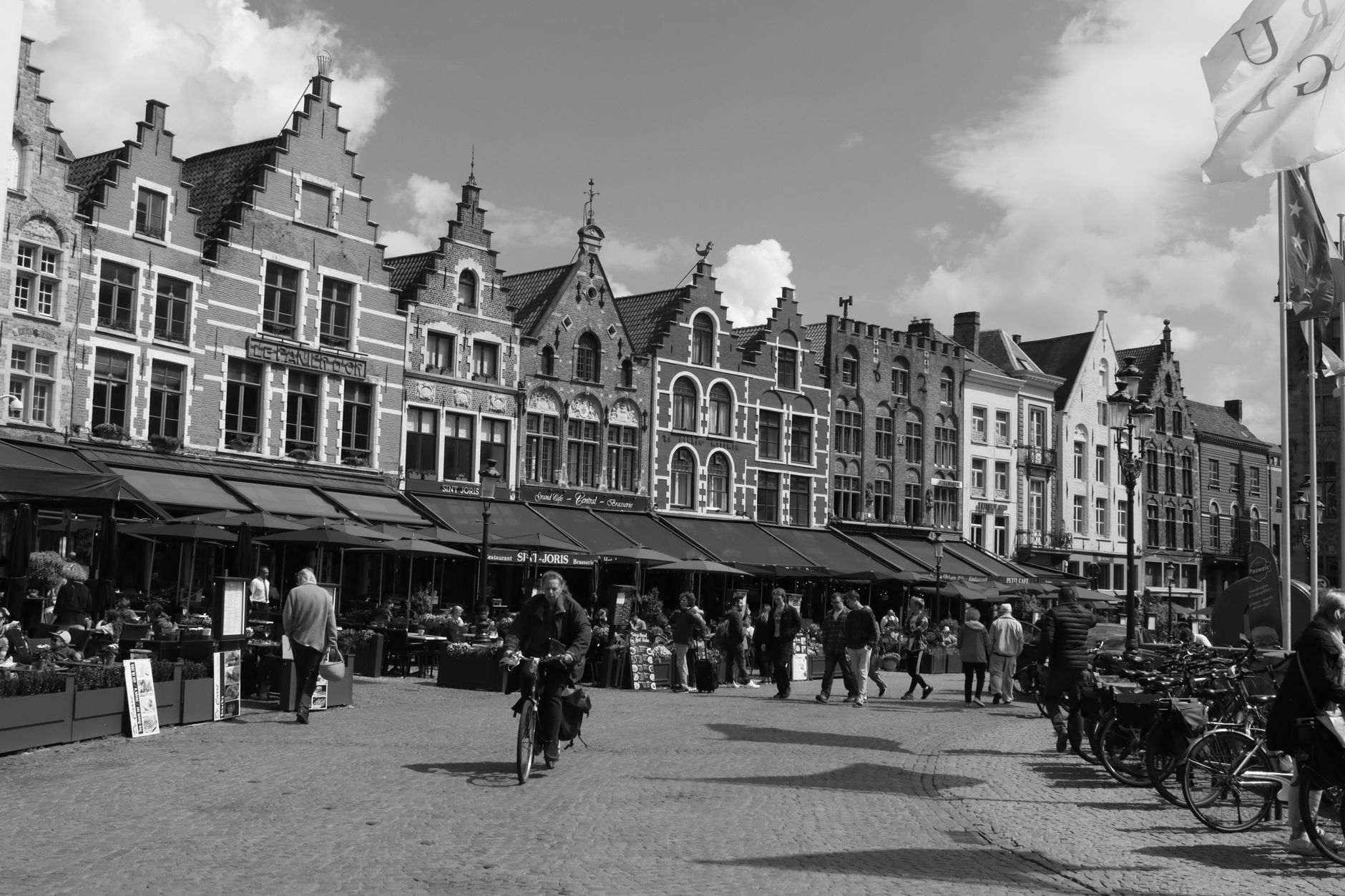
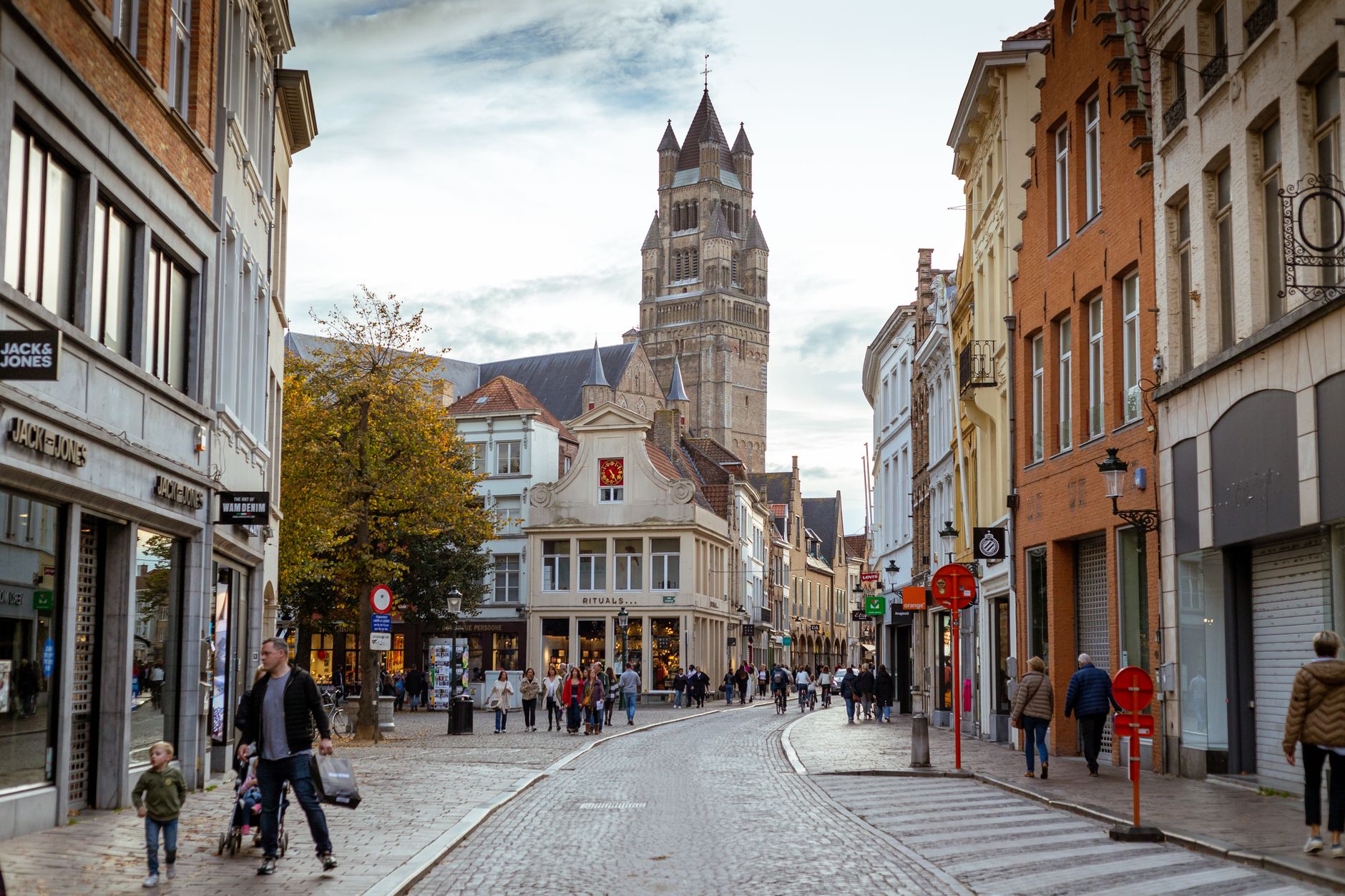
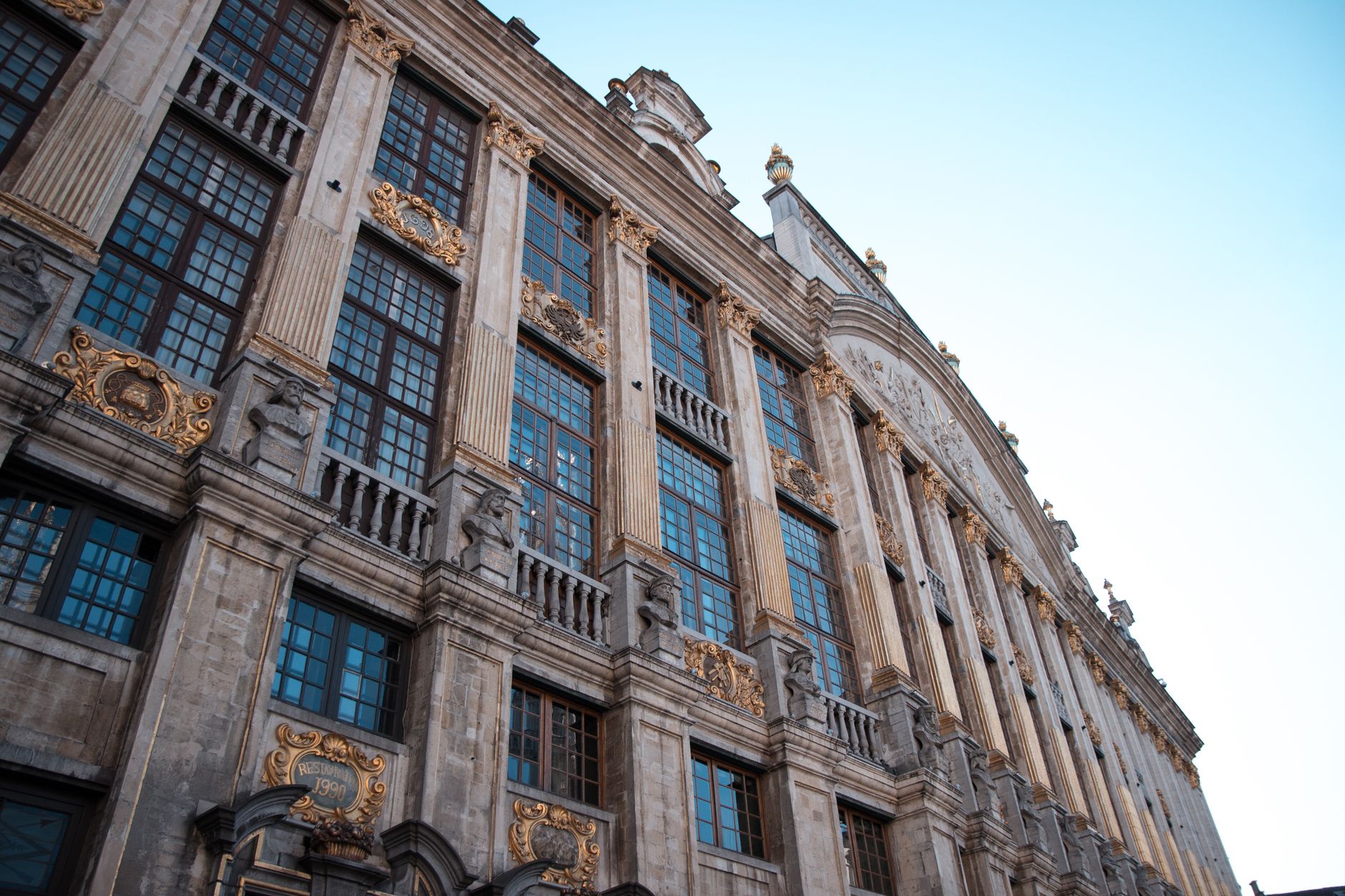
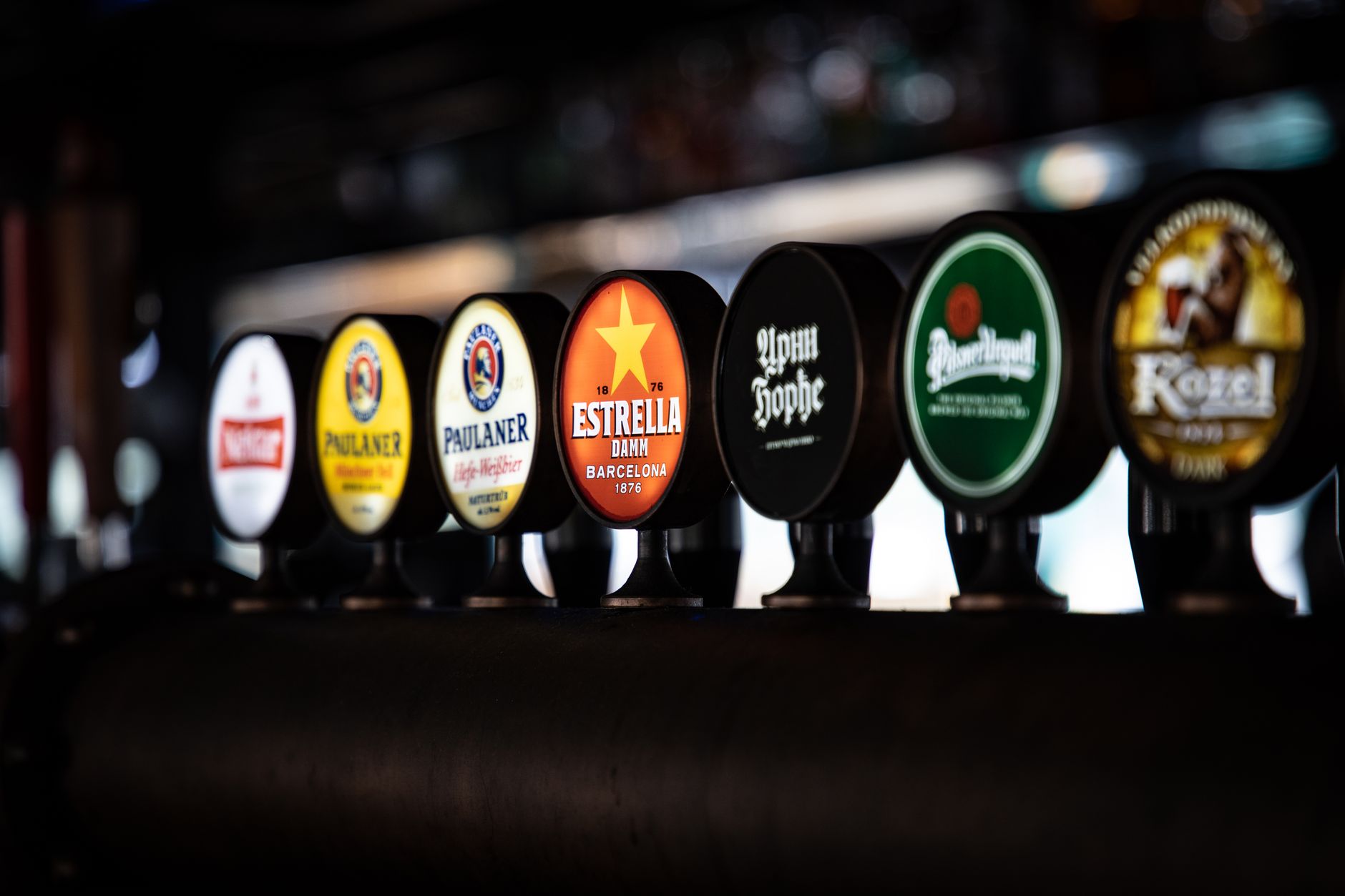
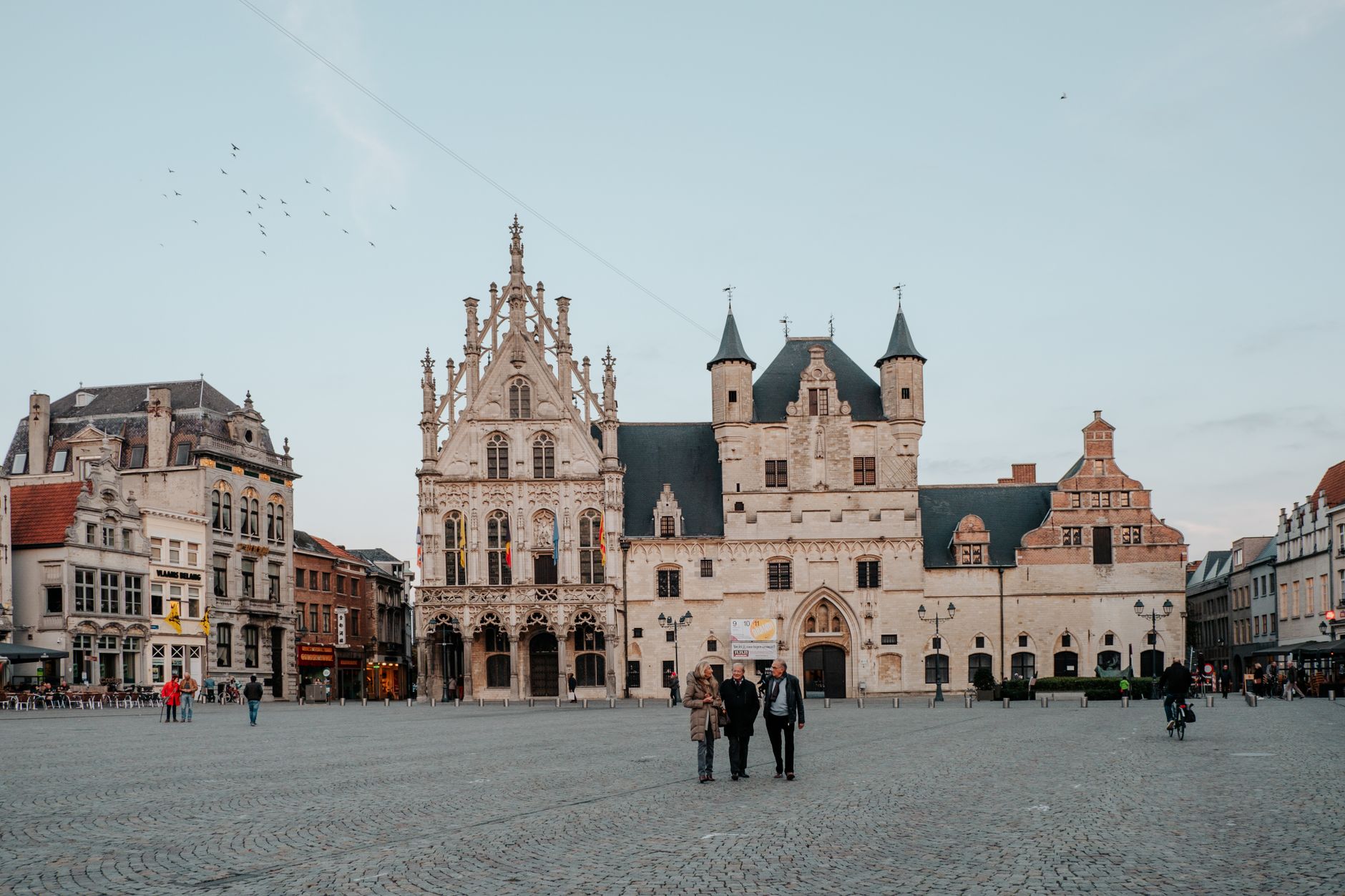
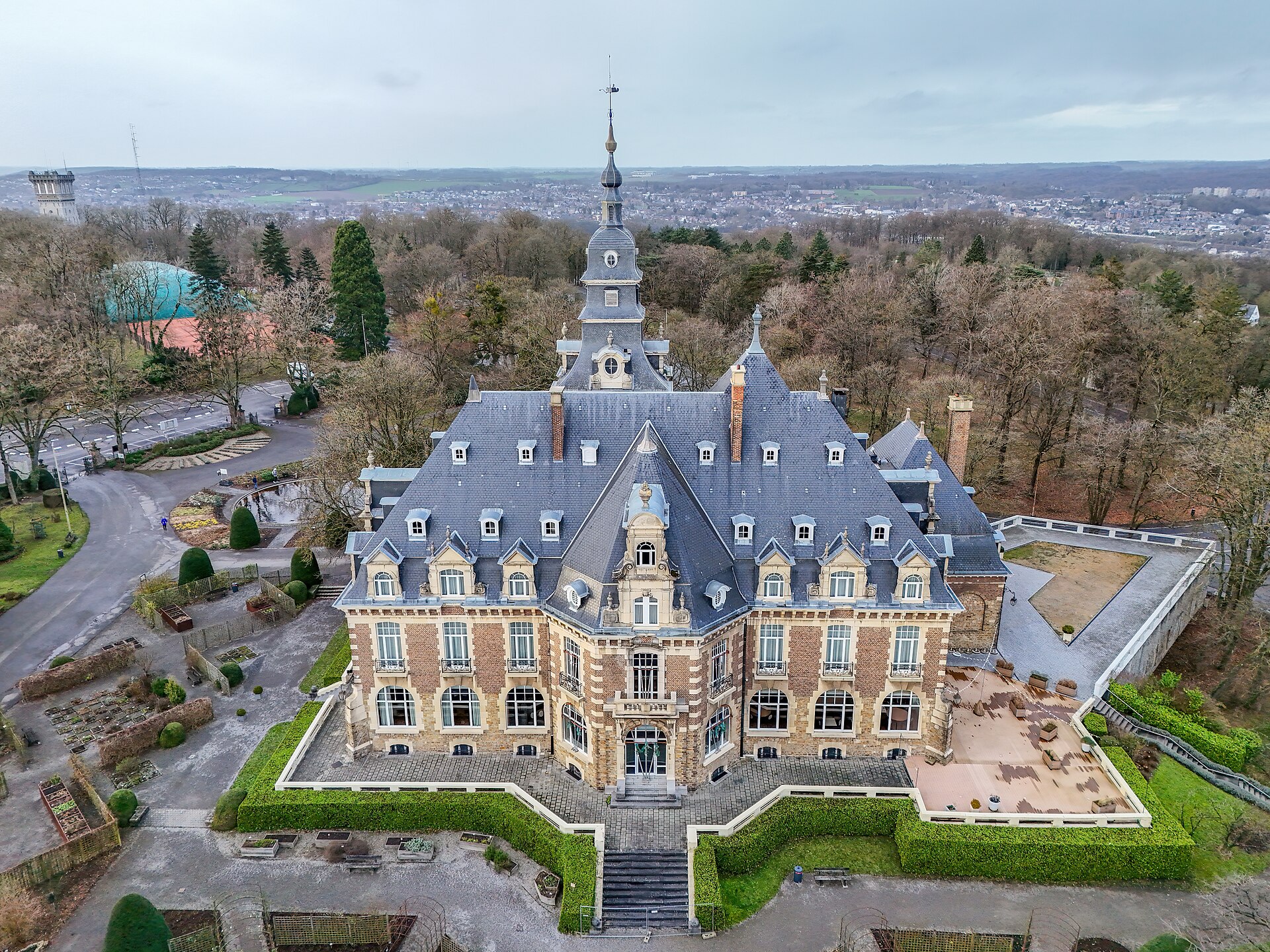
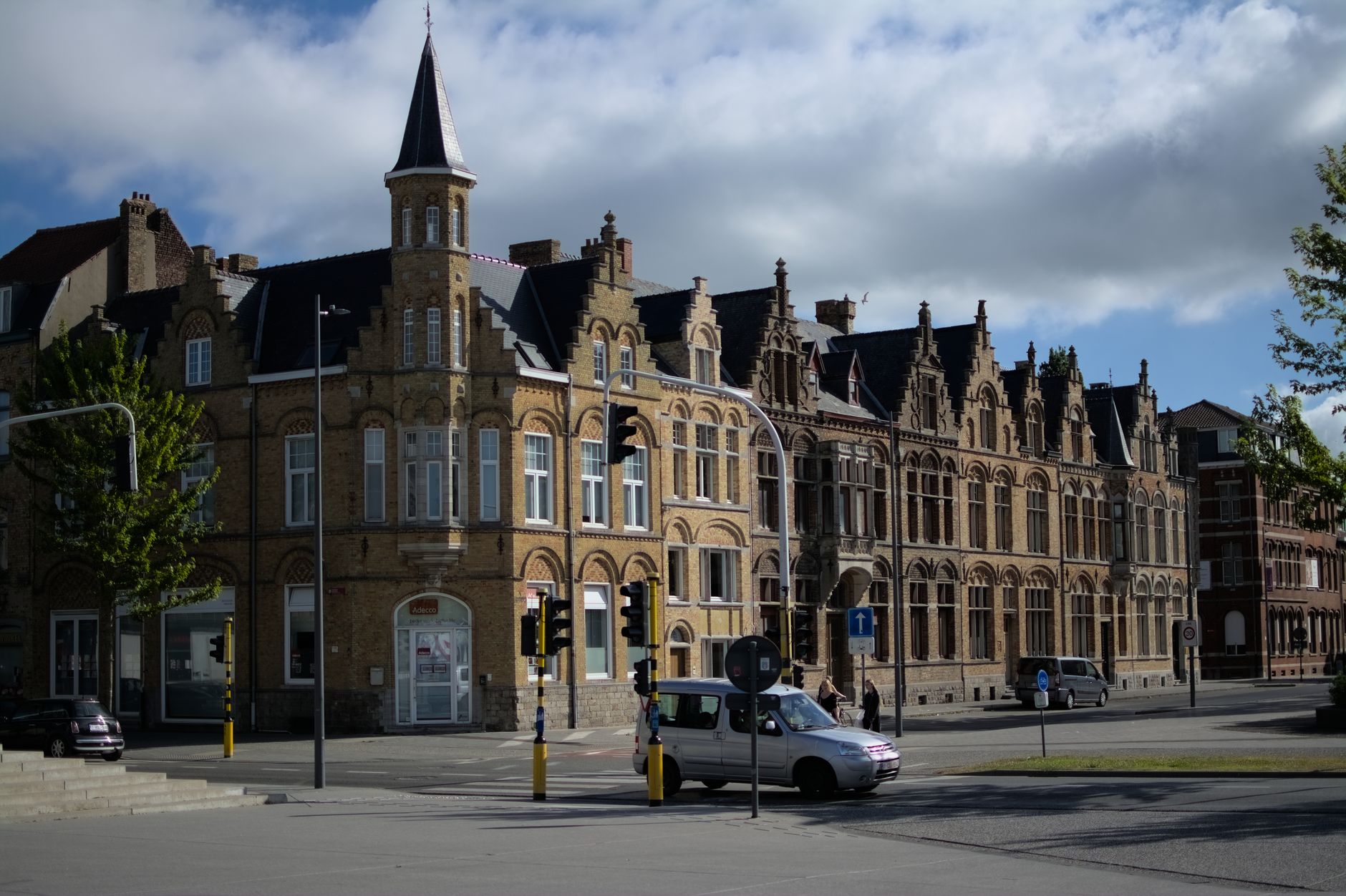
Belgium is small enough to cross by train in under two hours, yet it contains multitudes: medieval guild halls, a 102-metre steel monument to the atomic age, three official languages, and a beer culture that UNESCO has placed on its intangible heritage list. Brussels sits at the centre of it all — the Grand Place's gilded facades have been stopping people mid-stride for centuries — but the country rewards those who push further into Flanders or the forested Ardennes.
What catches most visitors off guard is the density of it. History, architecture, food and landscape pile up in a very short distance, which makes Belgium one of the more satisfying countries in Europe to move through slowly.
Popular regions in Belgium
Experiences you don't want to miss



Deals in Belgium
Book directly at the provider


How Belgium came to be
Belgium's existence as a sovereign state is surprisingly recent. On 25 August 1830, riots broke out in Brussels, and within weeks a Provisional Government had declared independence from the Kingdom of the Netherlands. Formal independence followed on 4 October 1830, recognised by the major European powers on 20 December that year. It was not until 1839, when the Netherlands signed the Treaty of London, that the separation was fully ratified. Leopold I, installed as King of the Belgians in 1831, gave the new nation its constitutional monarchy.
The country's geography made it a recurring fault line in European conflicts. Germany invaded on 4 August 1914, violating the very neutrality the Treaty of London had guaranteed, and again on 10 May 1940. That double occupation is woven into the national memory in ways that still surface in museums, memorials and conversation.
Who and what shaped it
People who shaped it
Landmark buildings
See Belgium in motion
Plan your visit
On the map
When to go
Belgium's Atlantic climate means mild, damp conditions through much of the year. Summers are warm rather than hot — Brussels averages around 23°C in July — with afternoon thunderstorms common in July and August. Winters are grey and cool, hovering between 0°C and 3°C, but rarely severe.
Right now
↡ Regions



No places match these filters.
Background & history adapted from Wikipedia (CC BY-SA) · specs from Wikidata (CC0) · weather from Open-Meteo · map data © OpenStreetMap contributors · photos from Wikimedia Commons / Unsplash with per-image credit. No third-party reviews or social posts reproduced.