
Bruges
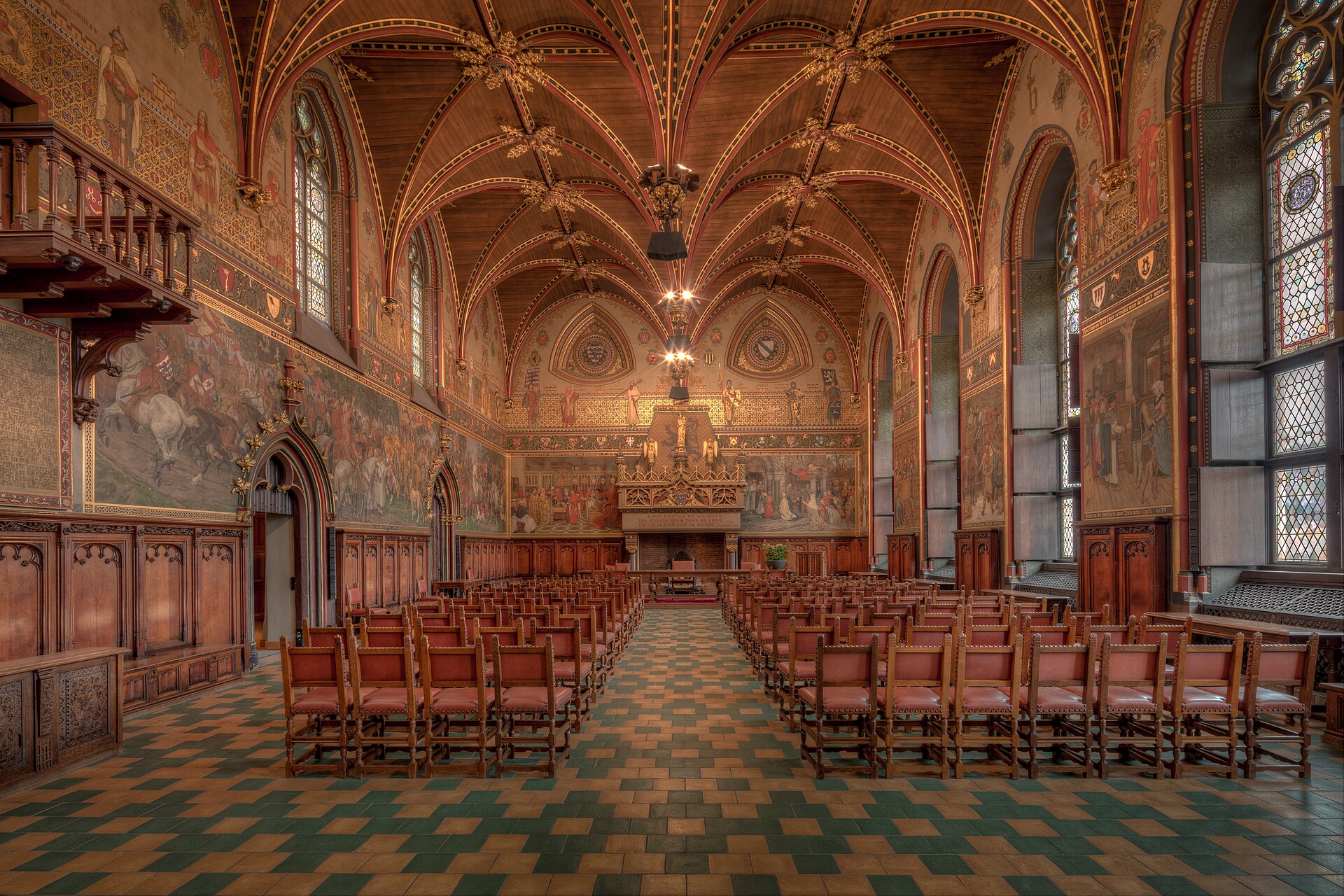
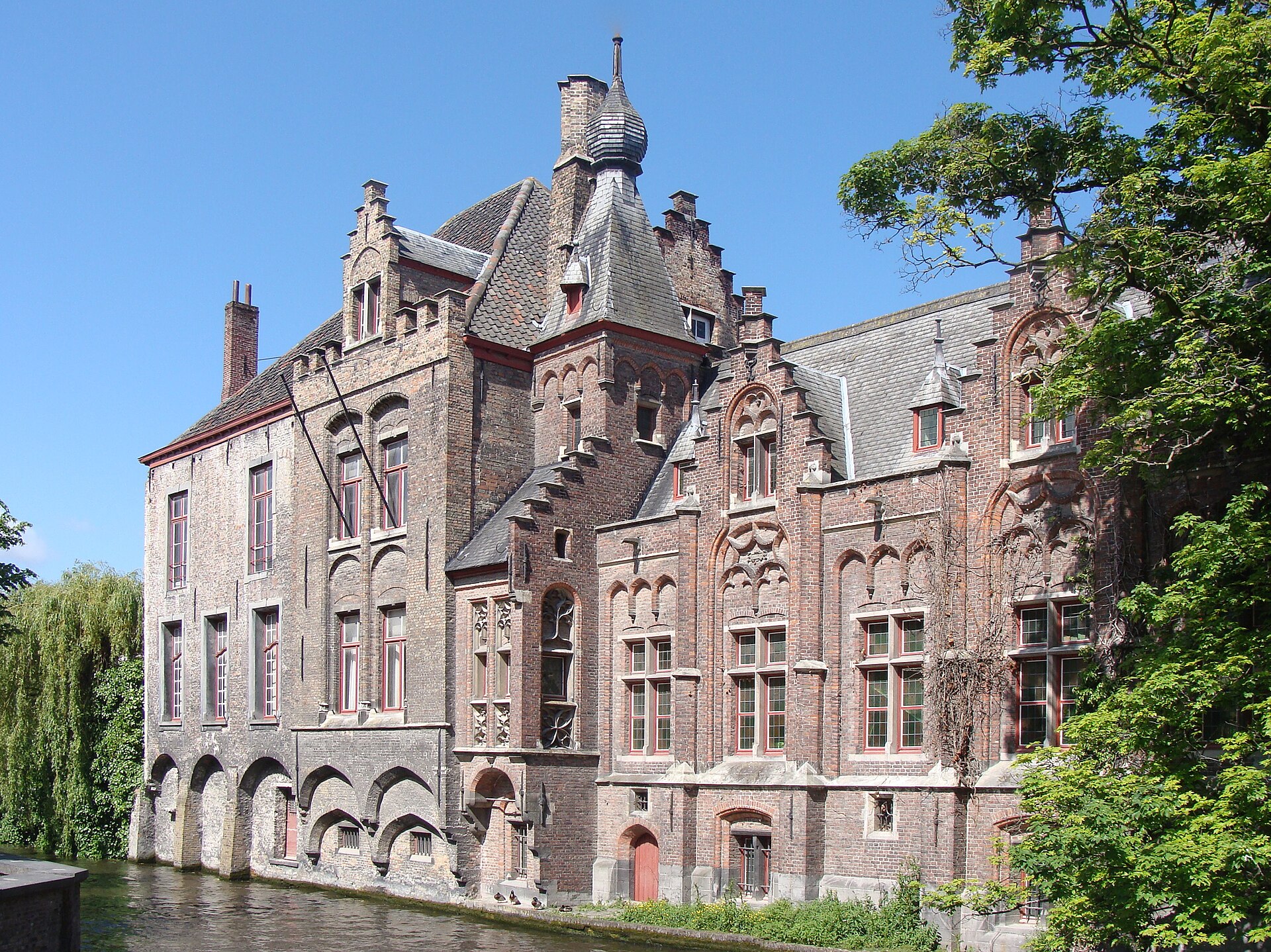
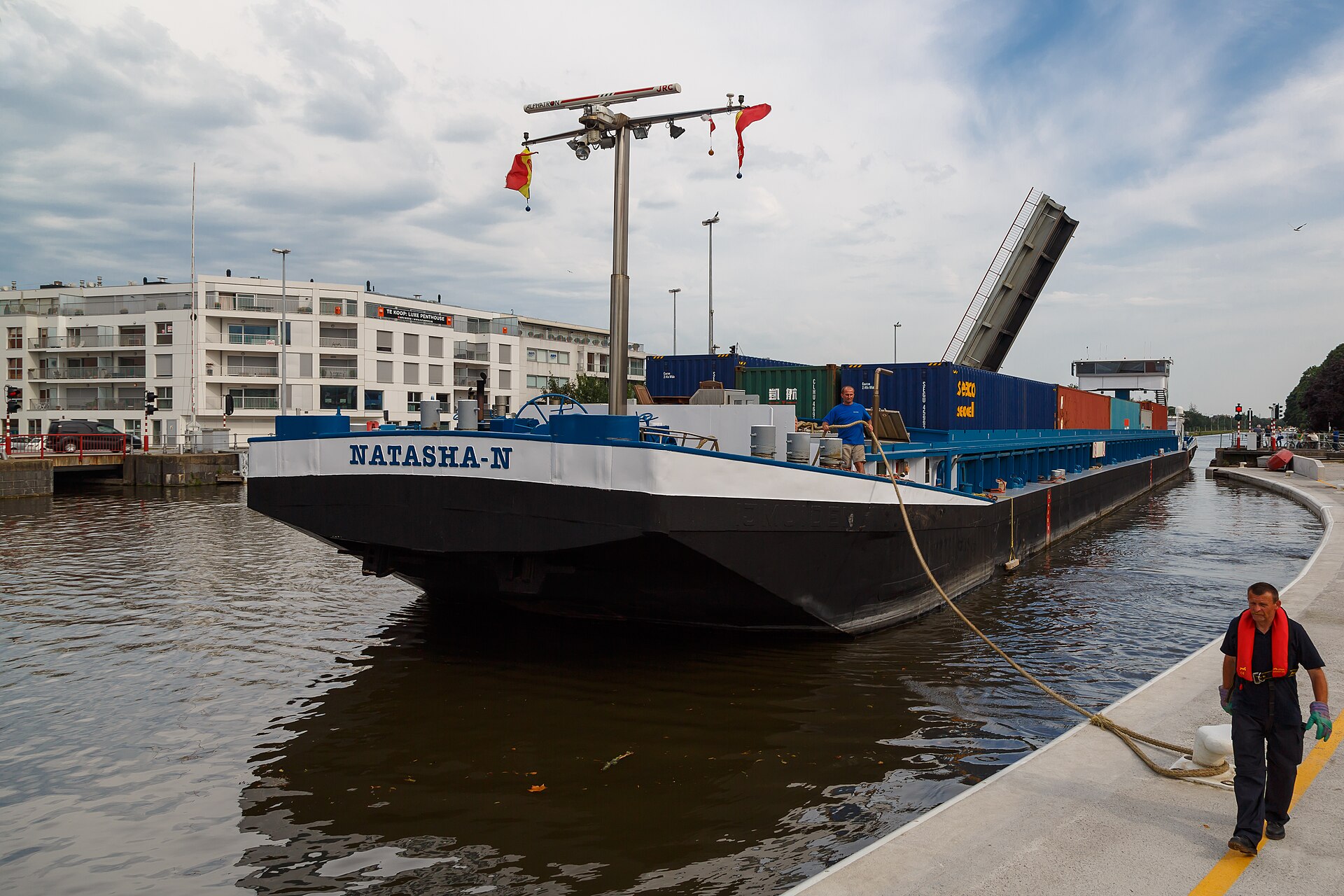
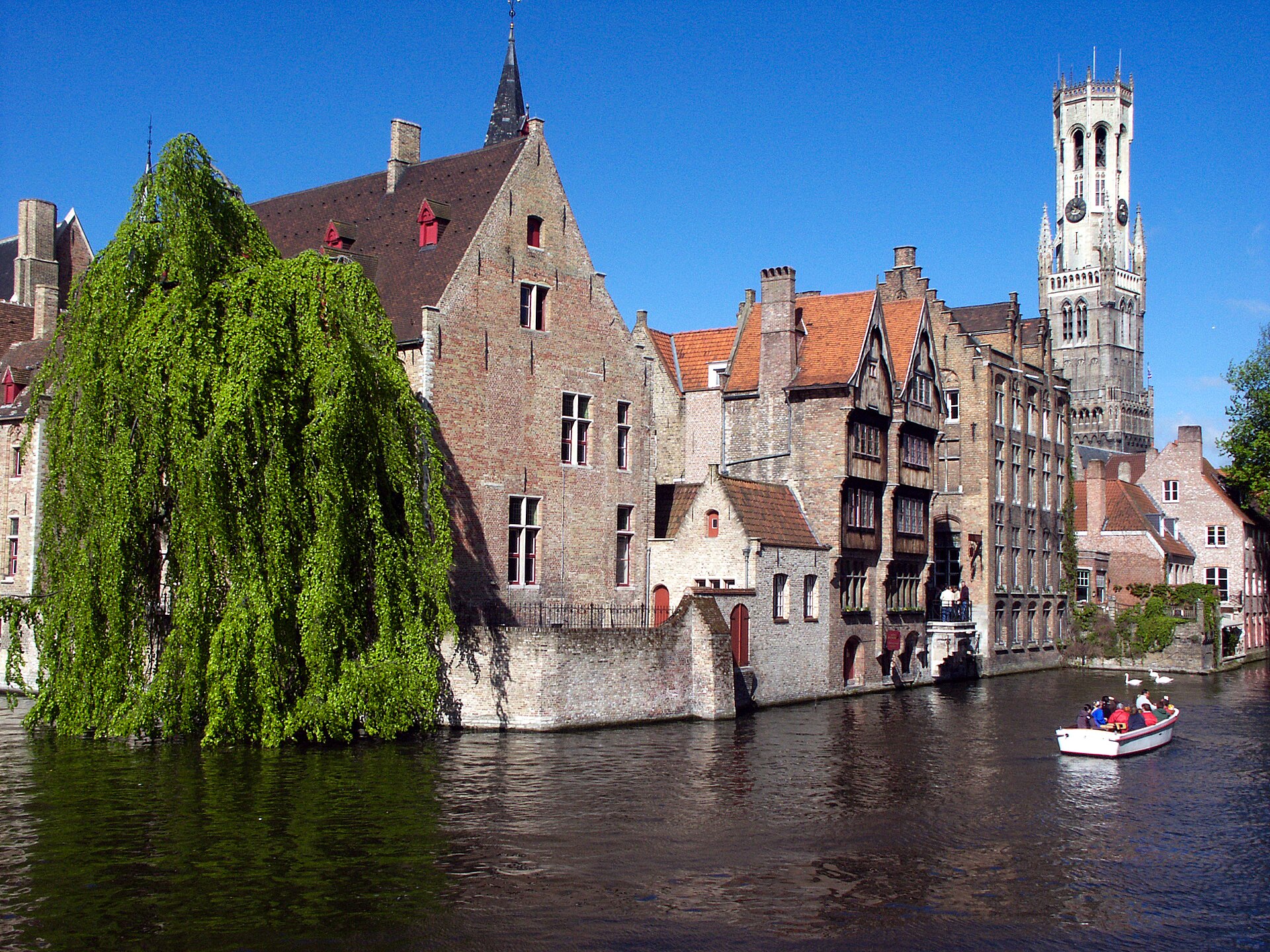
Bruges is the city where the medieval period never quite ended — not because it froze in time, but because a 1970s restoration project made a deliberate bet on brick and canal water over concrete. Walk the historic centre and you'll pass a 13th-century belfry with 366 steps and 47 bells, a church spire of 115.6 metres built from fired clay, and a Michelangelo sculpture that left Italy while the artist was still alive.
The city sits small enough to cross end-to-end in thirty minutes on foot, which means almost everything resolves into a walking question. The canals, the cobbled Markt, the beguinage founded in 1245 — they're all close, and the one-way street system quietly discourages you from arriving by car.
How Bruges came to be
A fort raised by Margrave Baldwin I of Flanders in 865 was the seed. The real acceleration came in 1134, when a North Sea storm carved the Zwin inlet and connected Bruges to open water. Within two centuries it had become the leading trade hub of northwestern Europe — and the site of the world's first stock exchange, the Beurs, which opened in 1309.
By 1400 the city held somewhere between 125,000 and 200,000 people, drawing Flemish Primitive painters Jan van Eyck and Hans Memling under Burgundian patronage. The fall came quietly: Mary of Burgundy died in 1482, the Zwin channel silted through the 16th century, and Antwerp inherited the trade. The UNESCO World Heritage designation arrived in 2000, long after the 1970s restoration work had already reclaimed the canals.
Who and what shaped it
People who shaped it
Landmark buildings
See Bruges in motion
Plan your visit
On the map
When to go
Bruges is wet across all seasons — nearly 191 days of rainfall a year, with a mild annual average of 11°C. Summer brings the longest light and the thickest crowds; late autumn and winter strip both back, leaving the canals quieter and the stone darker.
Right now
Background & history adapted from Wikipedia (CC BY-SA) · specs from Wikidata (CC0) · weather from Open-Meteo · map data © OpenStreetMap contributors · photos from Wikimedia Commons / Unsplash with per-image credit. No third-party reviews or social posts reproduced.