
Sri Lanka
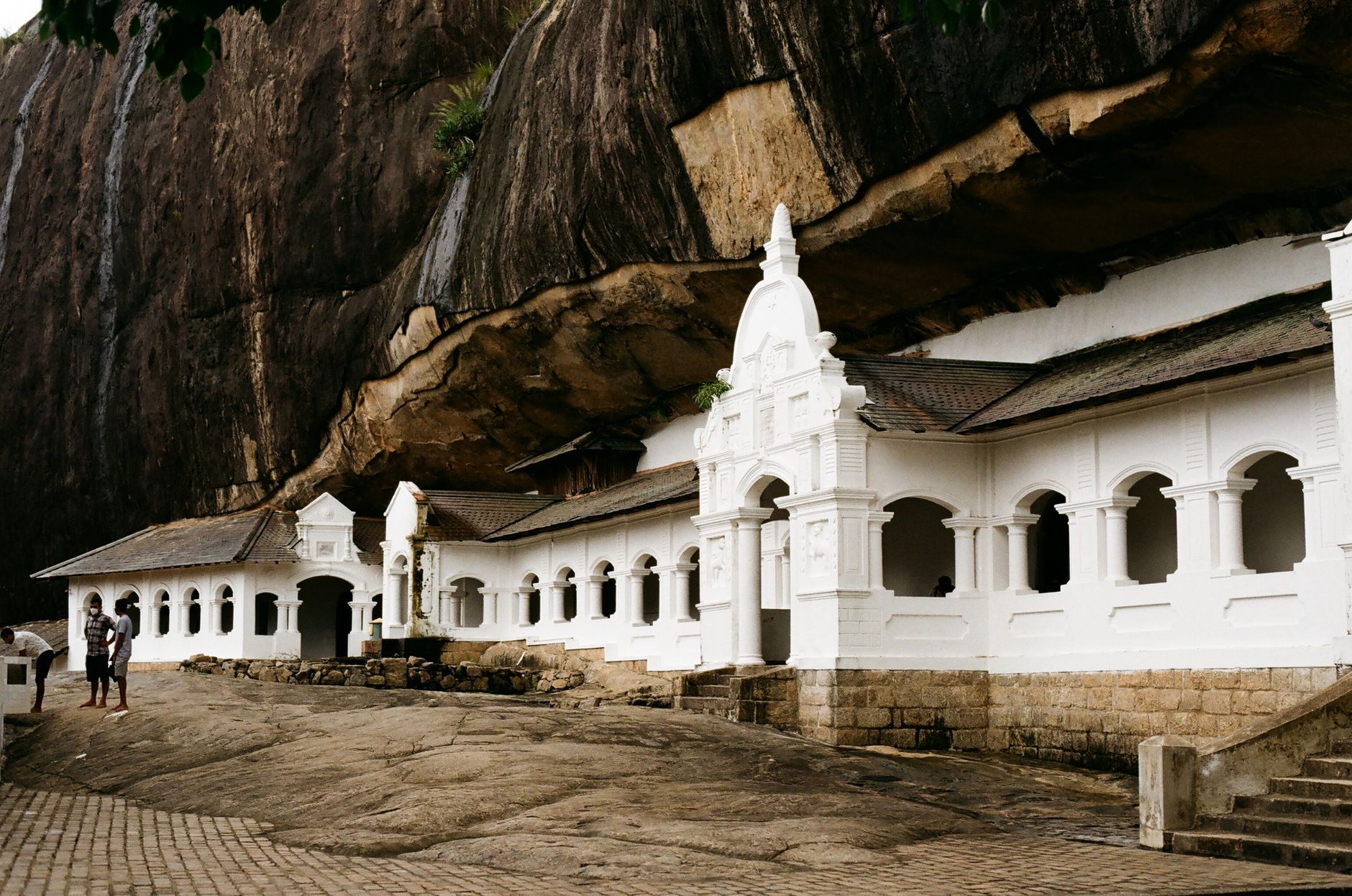
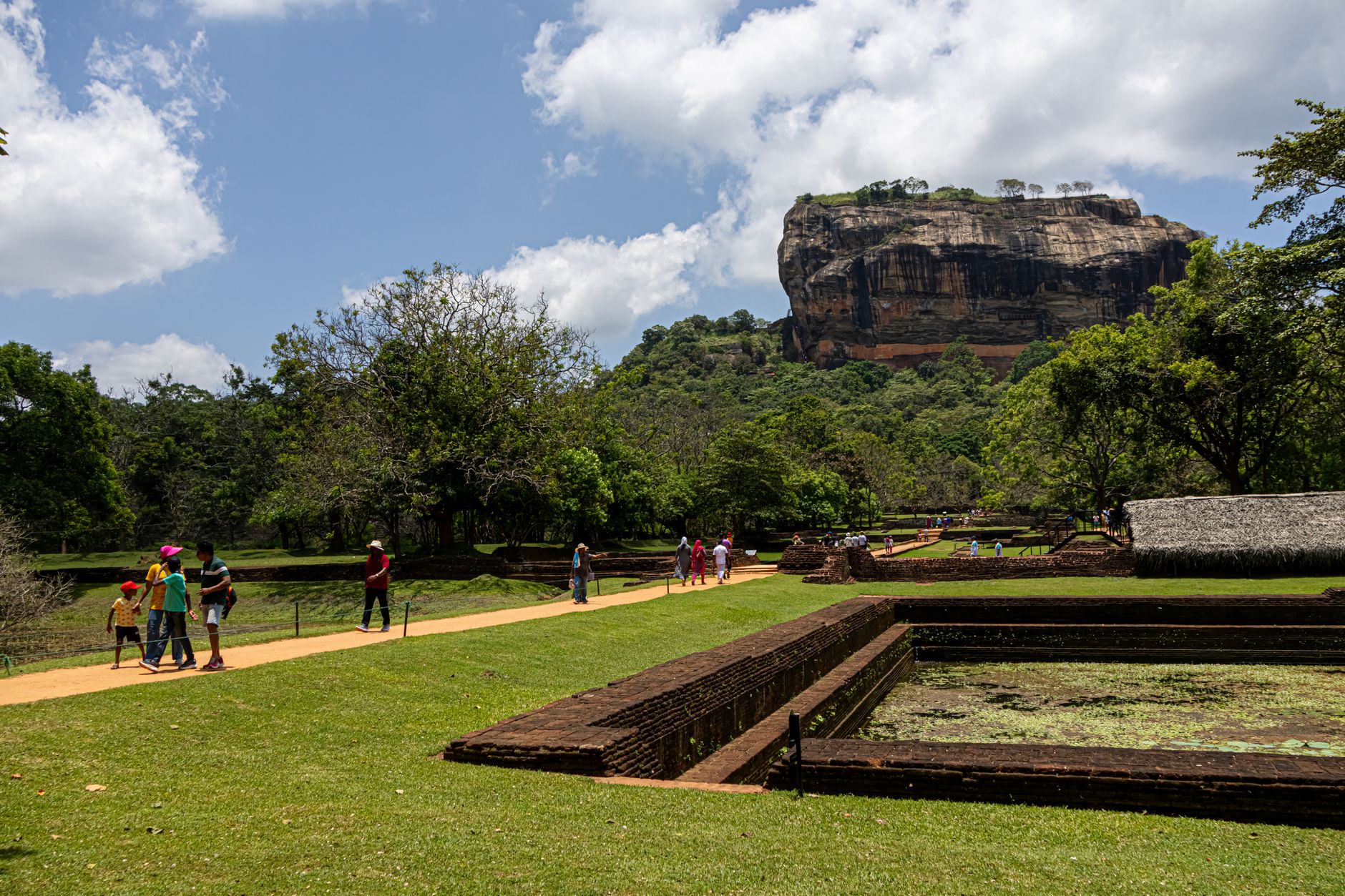
A granite rock rises 200 metres straight out of the jungle. On its flanks, 5th-century frescoes. At its summit, the ruins of a palace. That is Sigiriya, and it is not even close to the only thing Sri Lanka will ask you to reckon with. Across an island smaller than Ireland, you move between ancient capitals, cave temples filled with more than 150 Buddha statues, colonial fort towns, and highlands that once produced more tea than anywhere else on earth.
The country sits at the southern tip of India, separated by a narrow strait, and carries centuries of trade, conquest, and faith in its stones. You can cover a surprising amount of ground in a week — coast to highlands to ancient city — without the distances ever becoming punishing.
Popular regions in Sri Lanka
💛 What travellers fall for
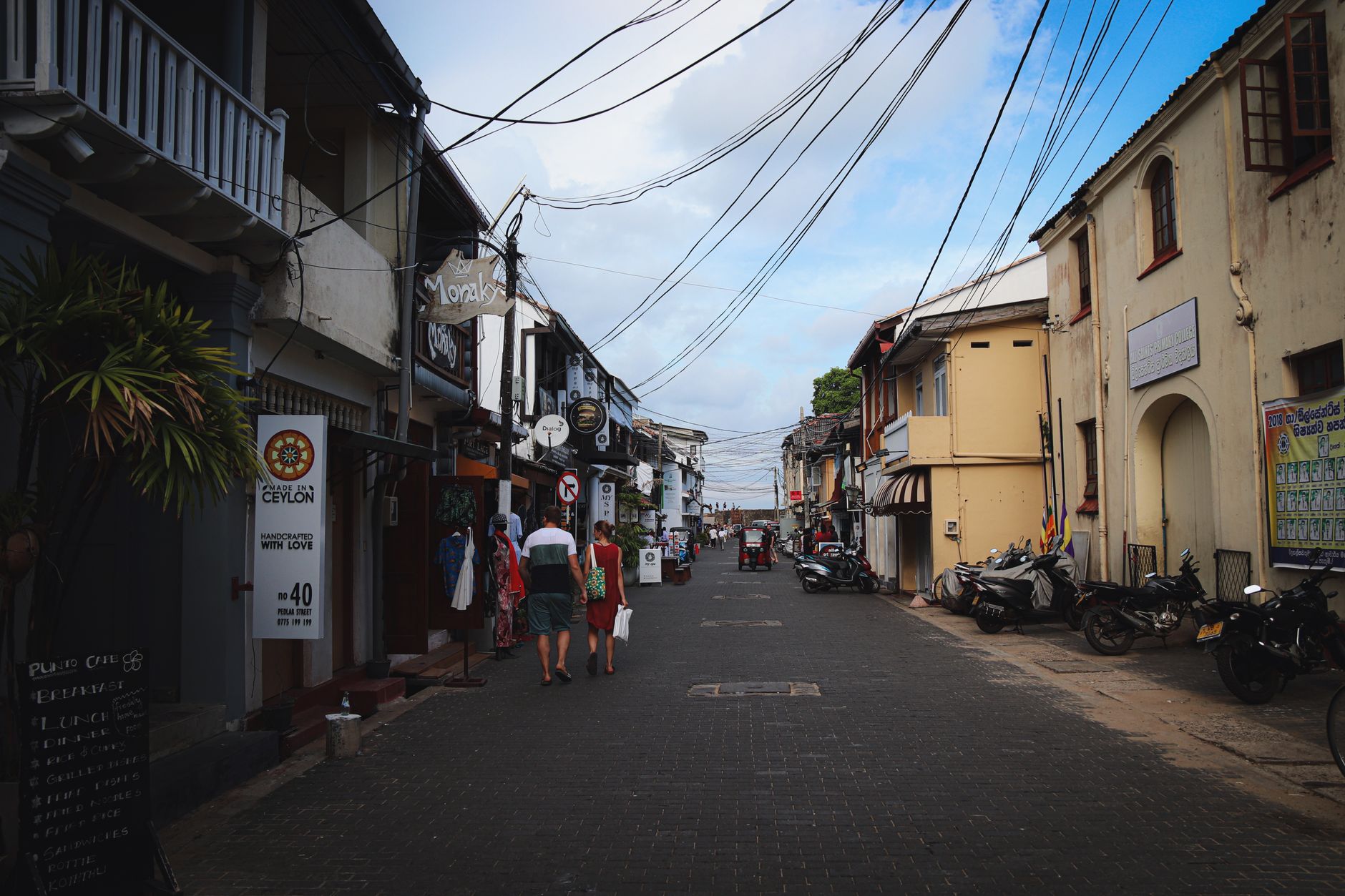
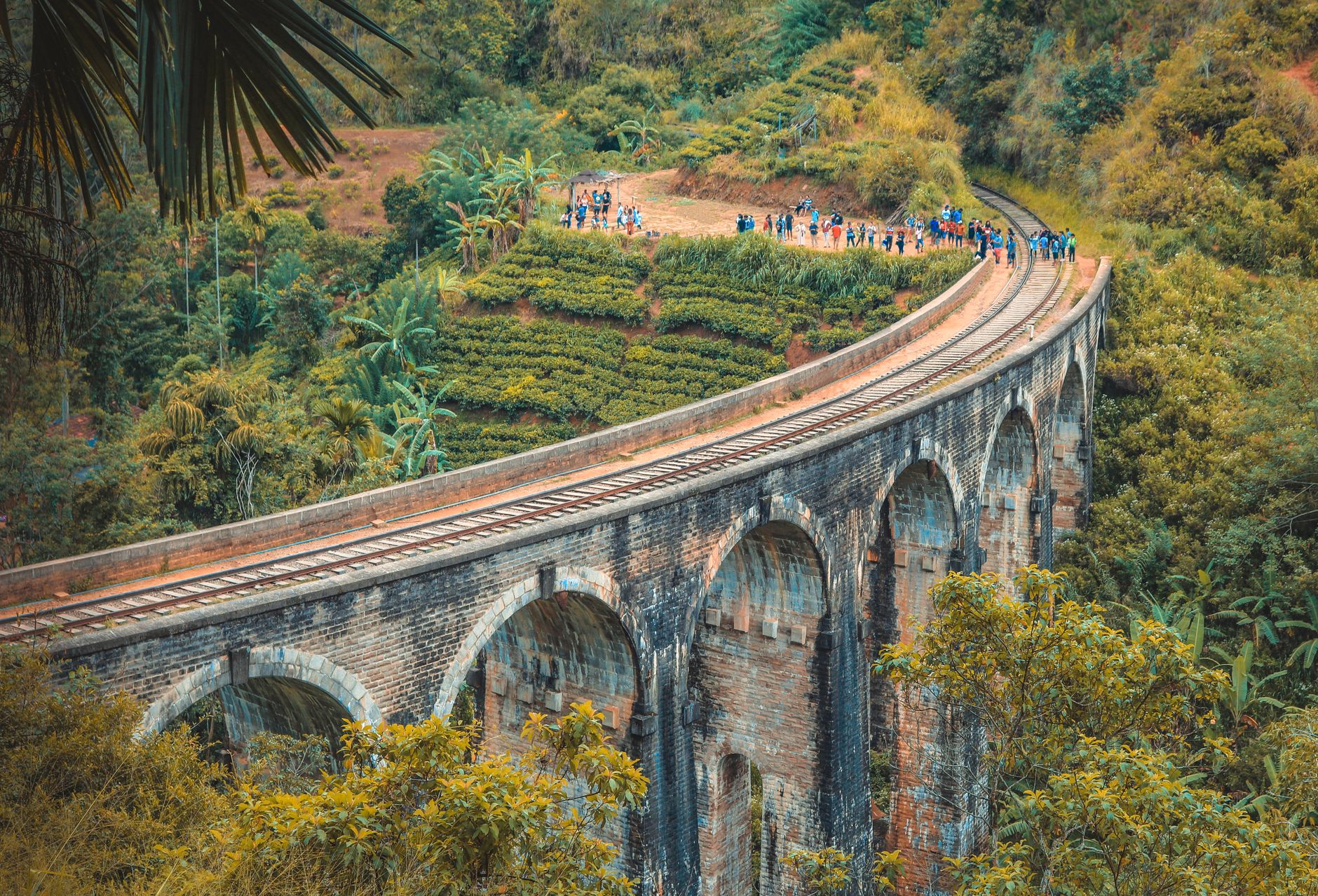
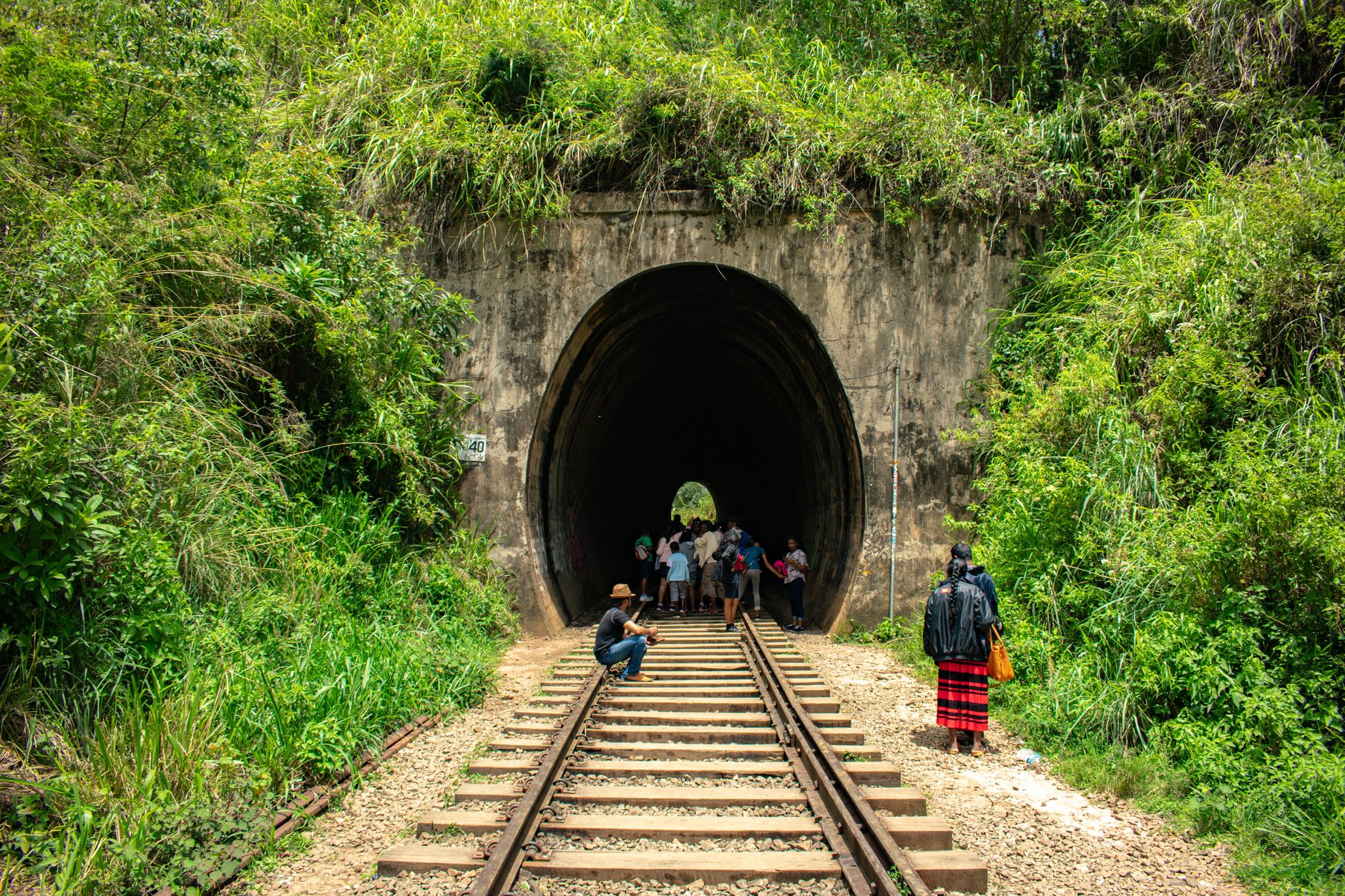
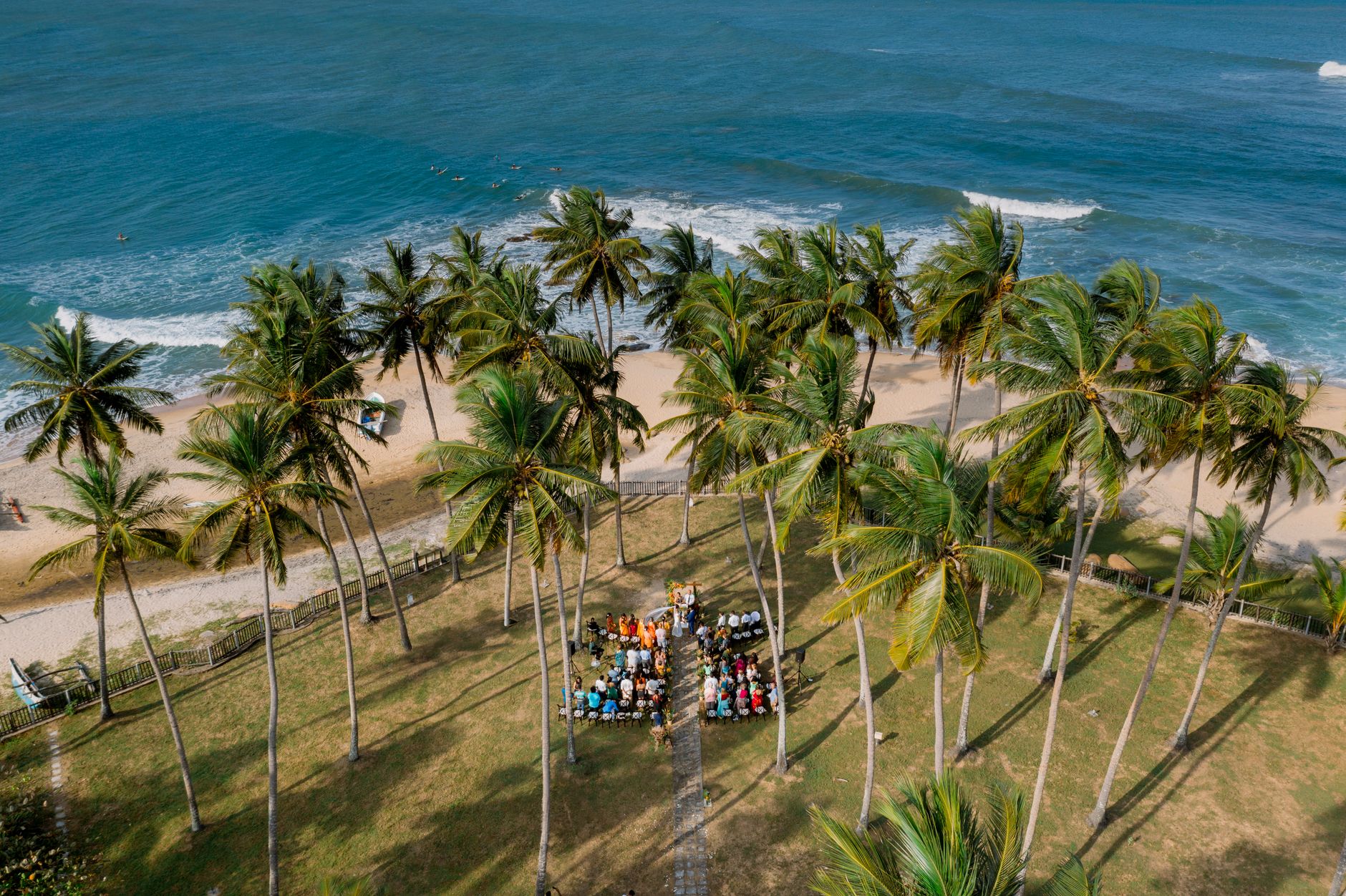
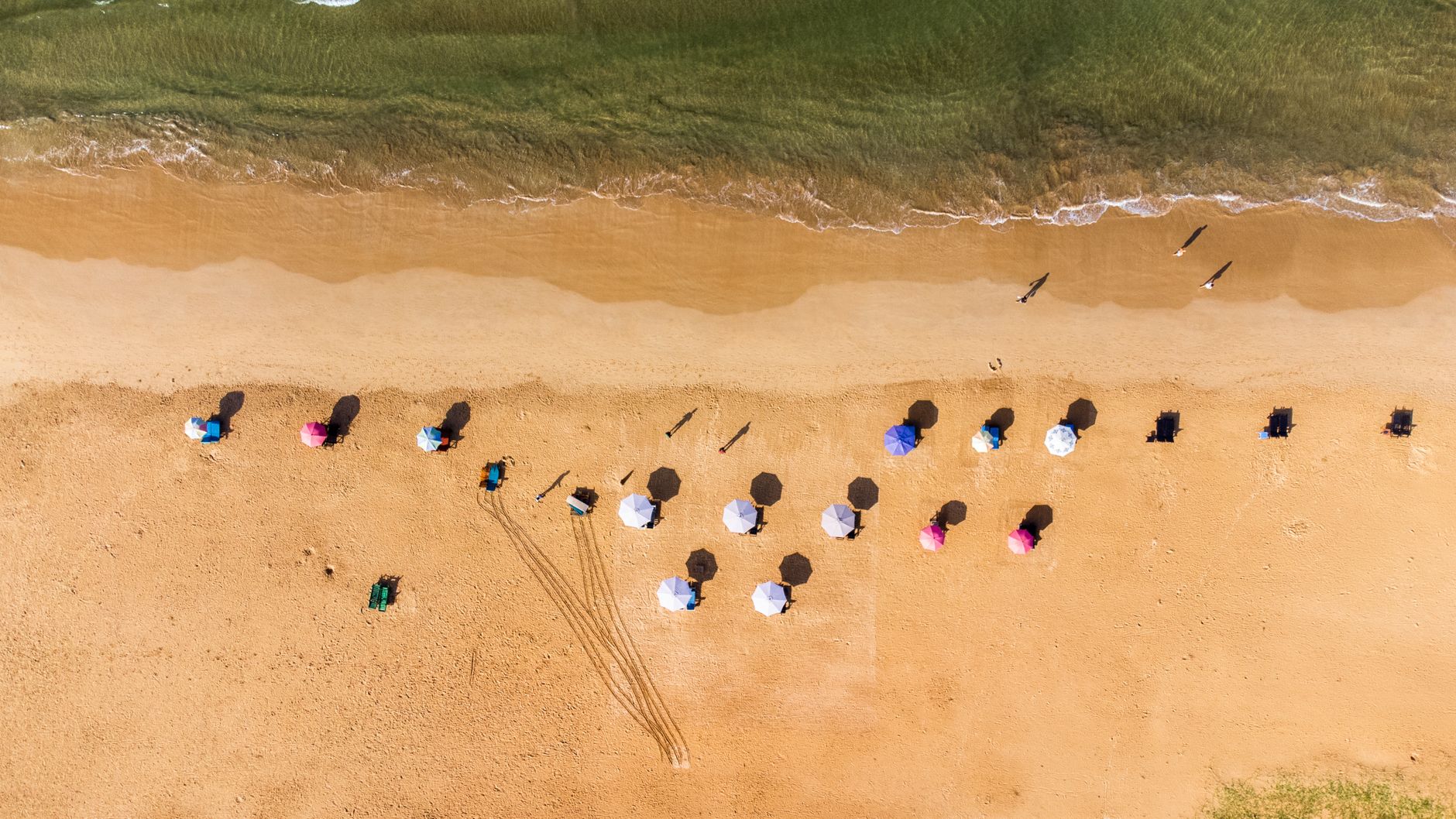
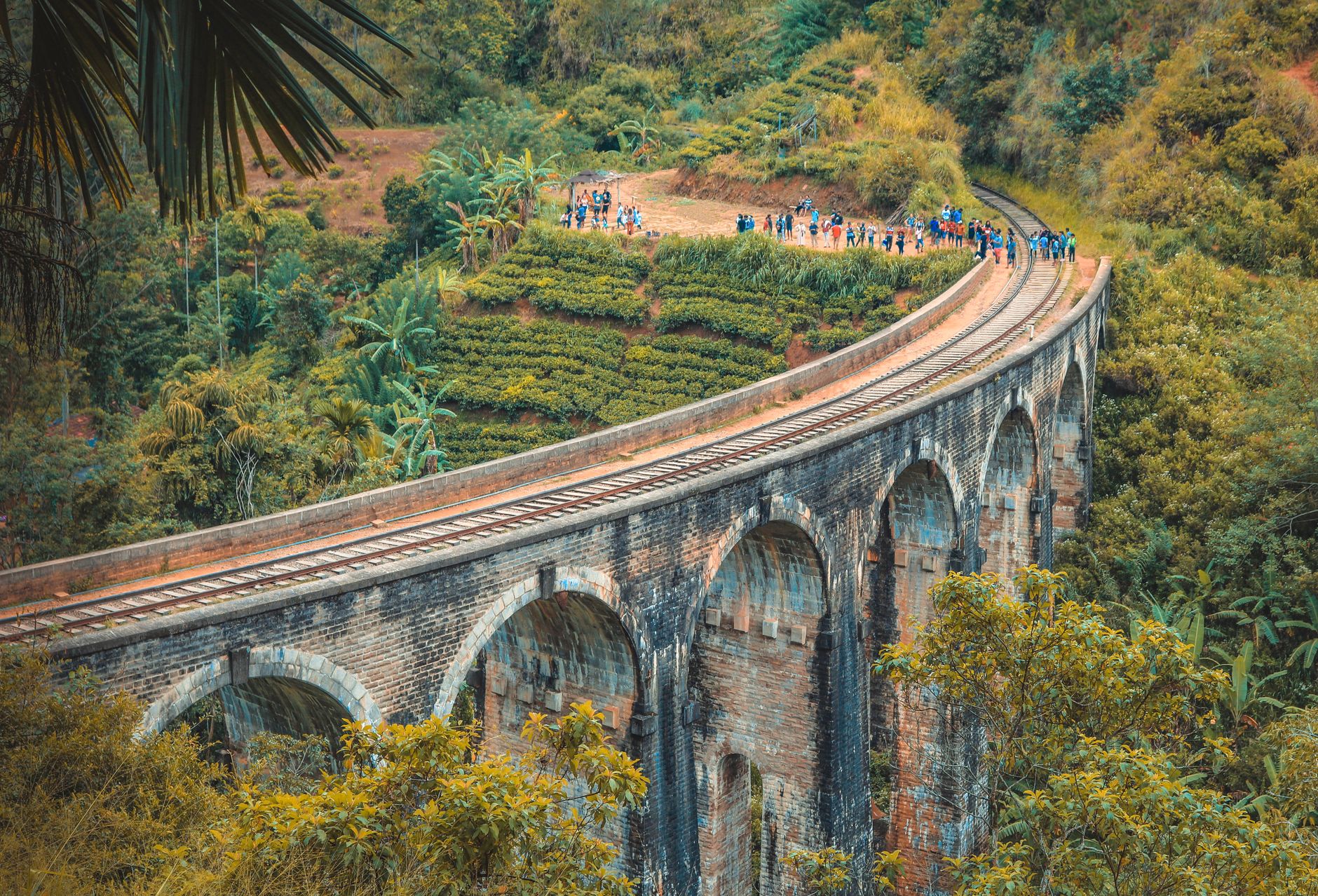
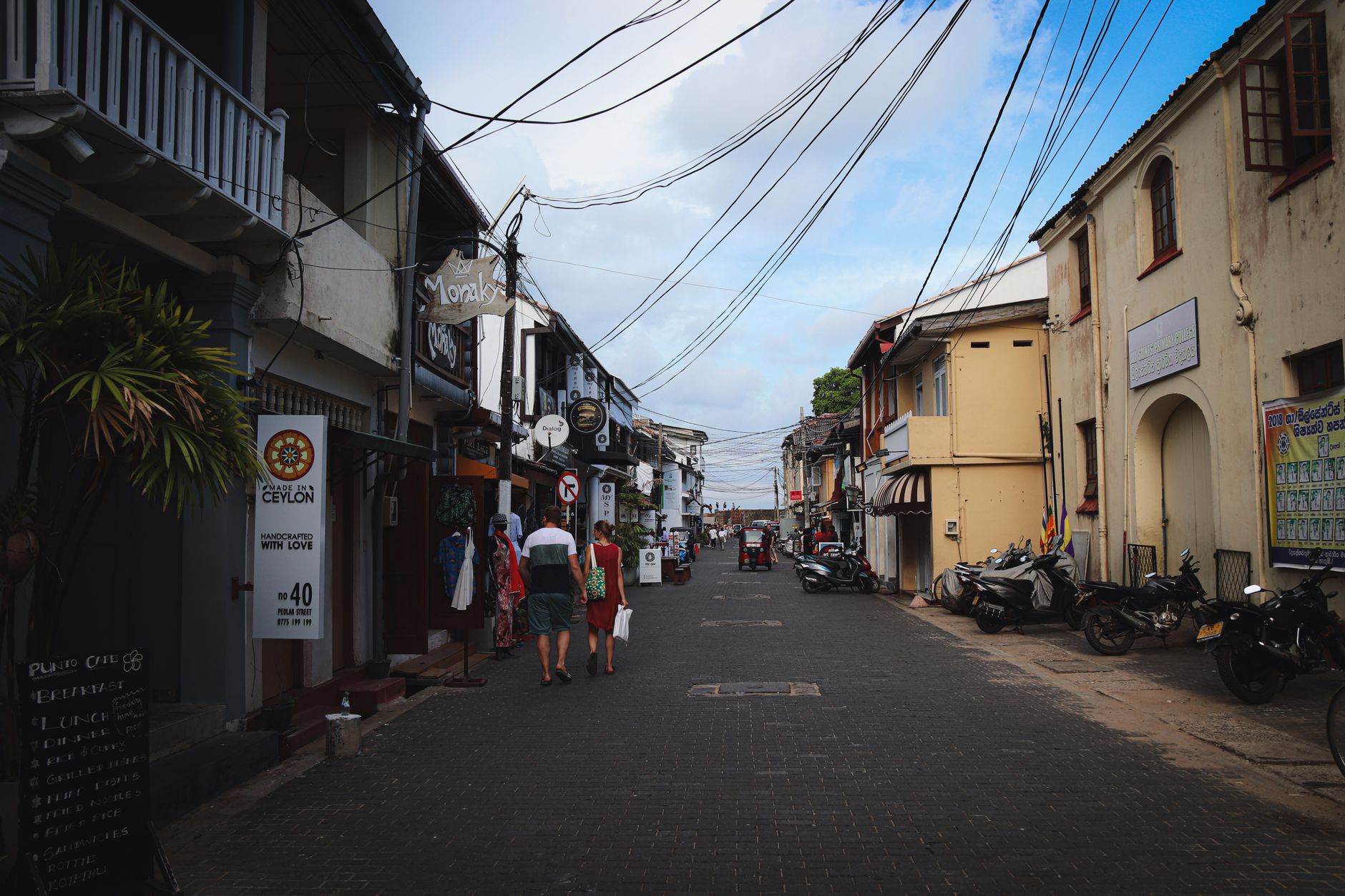
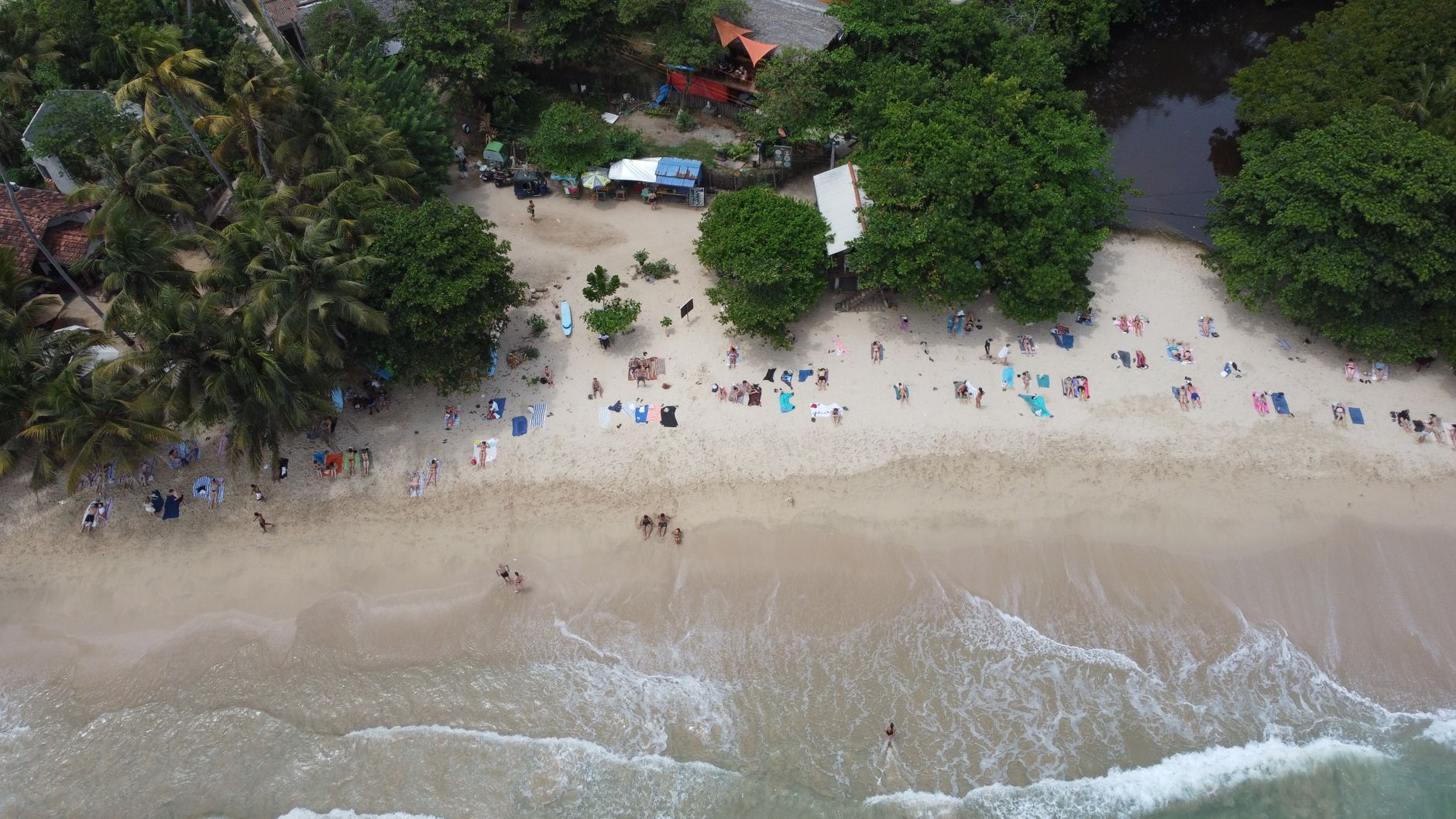
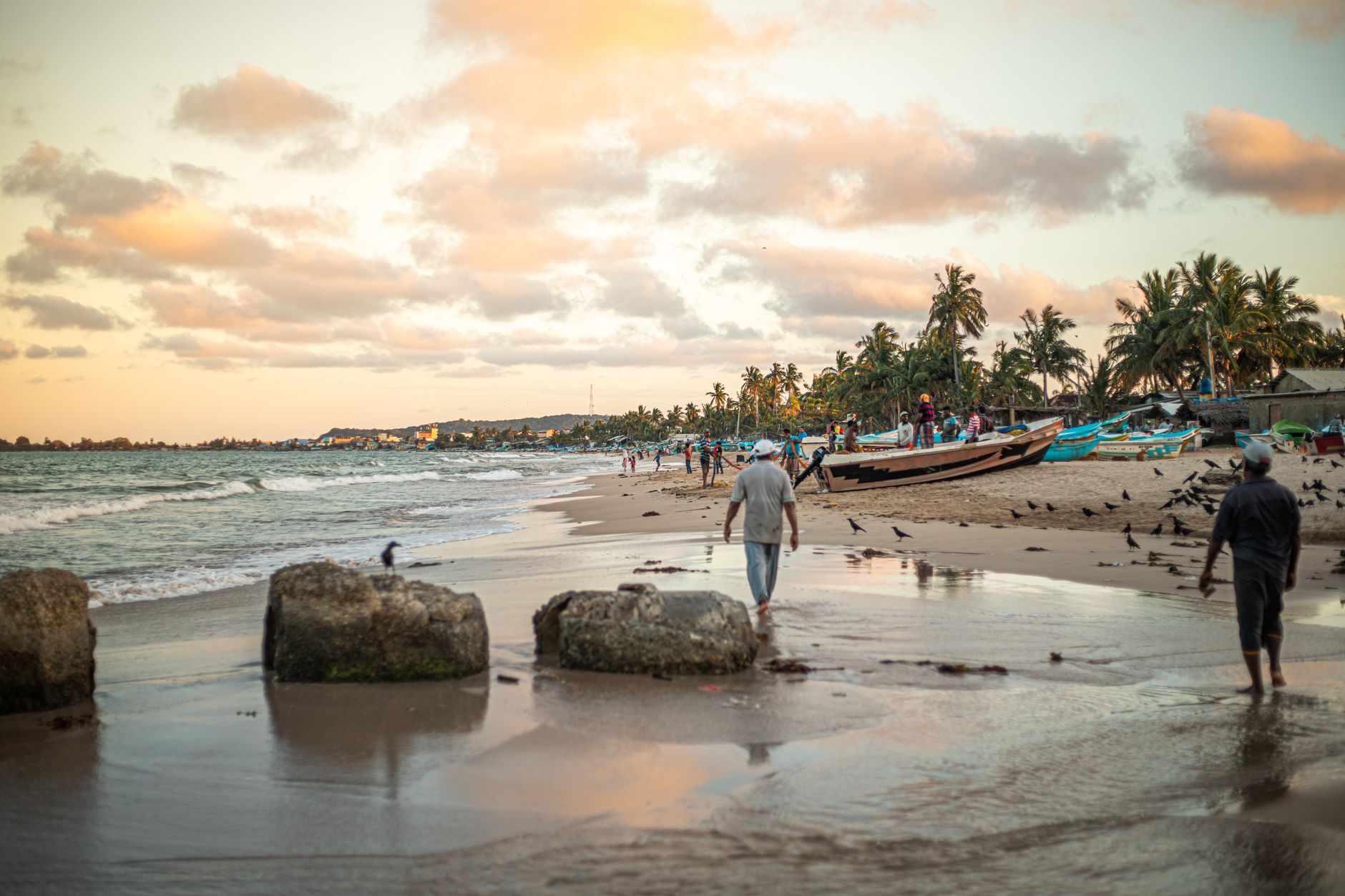
People who come back tend to structure return trips around the dry season on whichever coast they want: southwest for December through March, east for May through September. Galle Fort rewards slow mornings on foot. The train through the hill country — particularly the stretch up to Ella — is worth booking early and treating as a destination in itself.
Deals in Sri Lanka
Book directly at the provider

How Sri Lanka came to be
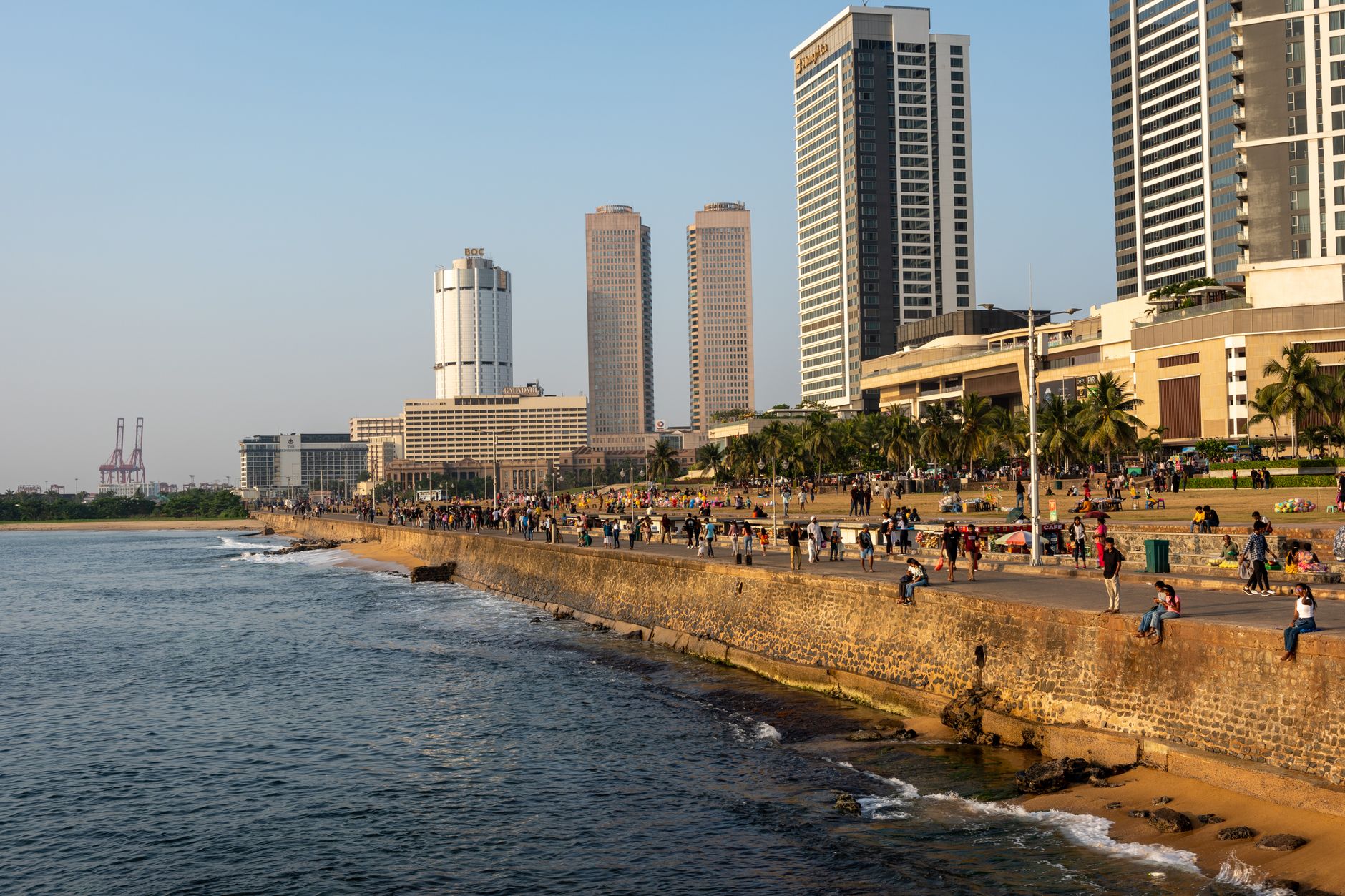
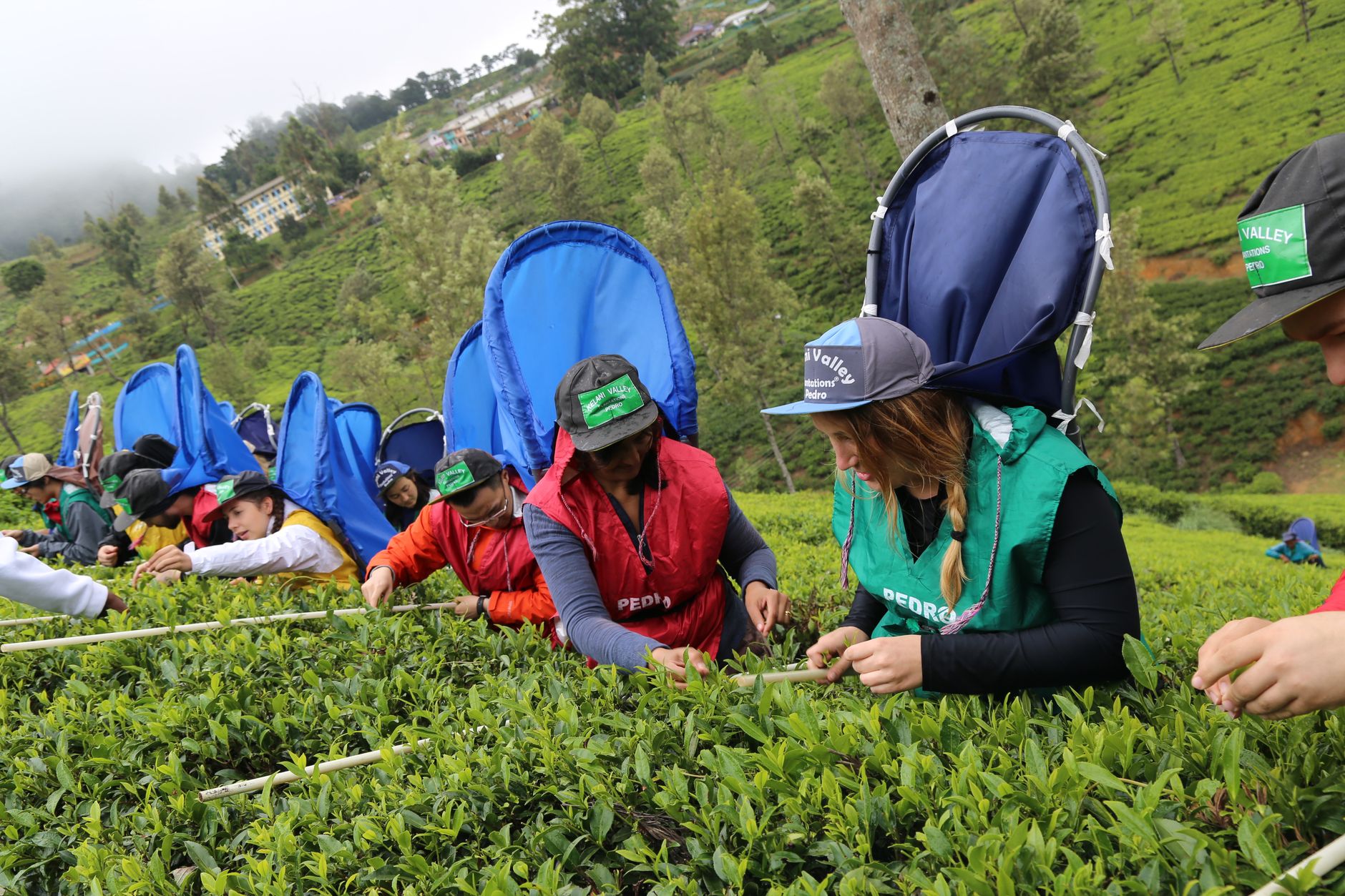
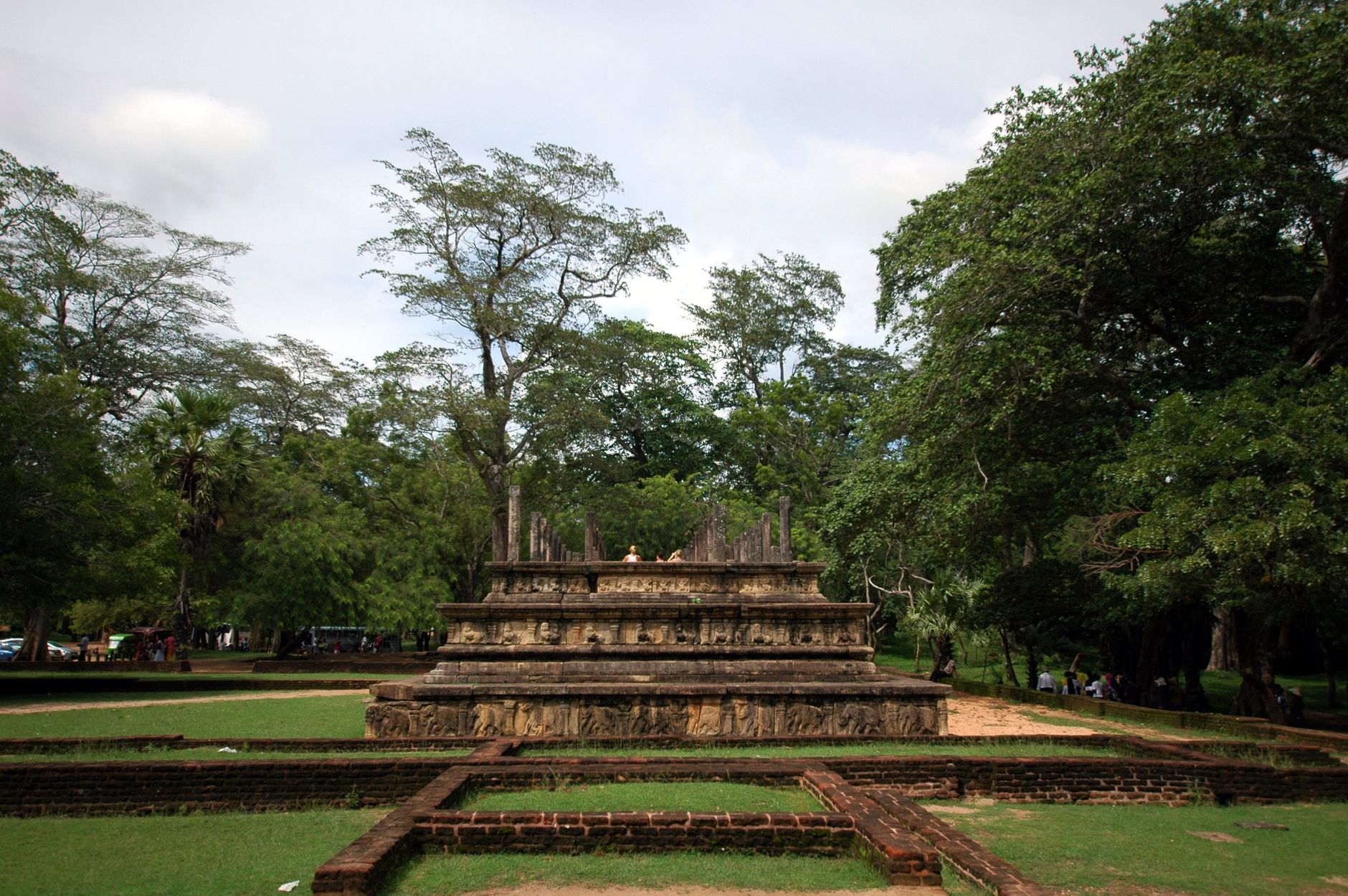
Sri Lanka's recorded history as a settled kingdom dates to 377 BC, when Anuradhapura was established as the island's first capital. It held that role for over a millennium before Polonnaruwa took over between 993 and 1200 AD. The Portuguese, Dutch, and finally the British each left their mark — Galle Fort's ramparts are Dutch; the plantation economy that made Ceylon the world's leading tea exporter by 1965 is a British inheritance.
Independence came on February 4, 1948, with D. S. Senanayake becoming the country's first prime minister. In 1972, Ceylon became a republic and took the name Sri Lanka. The post-independence decades brought sharp political change, including the Sinhalese nationalist premiership of S.W.R.D. Bandaranaike, whose language and cultural policies reshaped the country's identity in ways still felt today.
Who and what shaped it
People who shaped it
Landmark buildings
See Sri Lanka in motion
Plan your visit
On the map
When to go
The island runs on two monsoon cycles rather than seasons: the southwest — including Colombo and Galle — is wet from May to September and dry December to March; the north and east flip that pattern, drying out between May and September. The highlands around Kandy sit cooler year-round, averaging around 20°C, while the coasts stay in the high 20s regardless of month.
Right now
↡ Regions
↡ Cities
No places match these filters.
Background & history adapted from Wikipedia (CC BY-SA) · specs from Wikidata (CC0) · weather from Open-Meteo · map data © OpenStreetMap contributors · photos from Wikimedia Commons / Unsplash with per-image credit. No third-party reviews or social posts reproduced.