
Jaffna
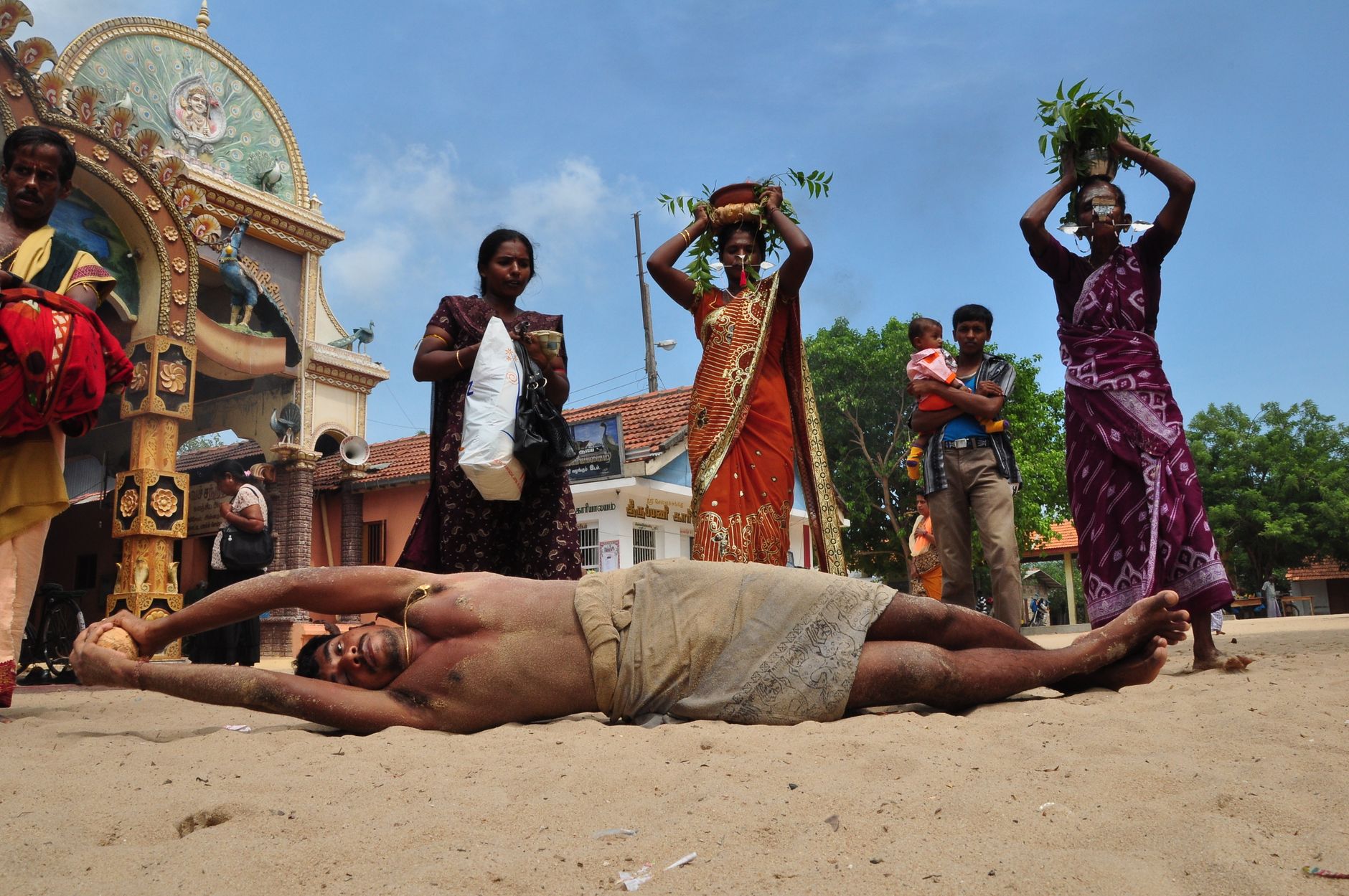
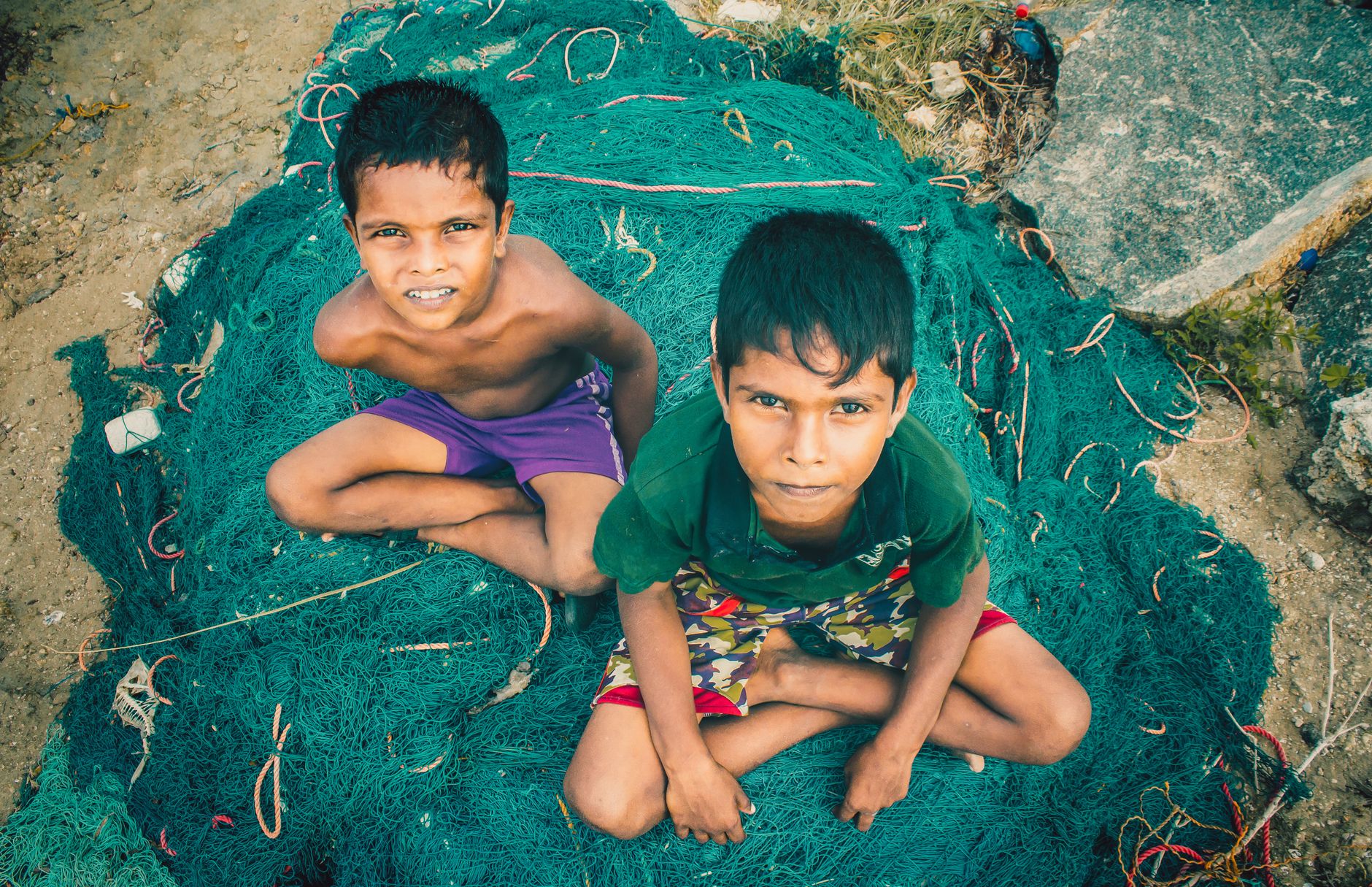
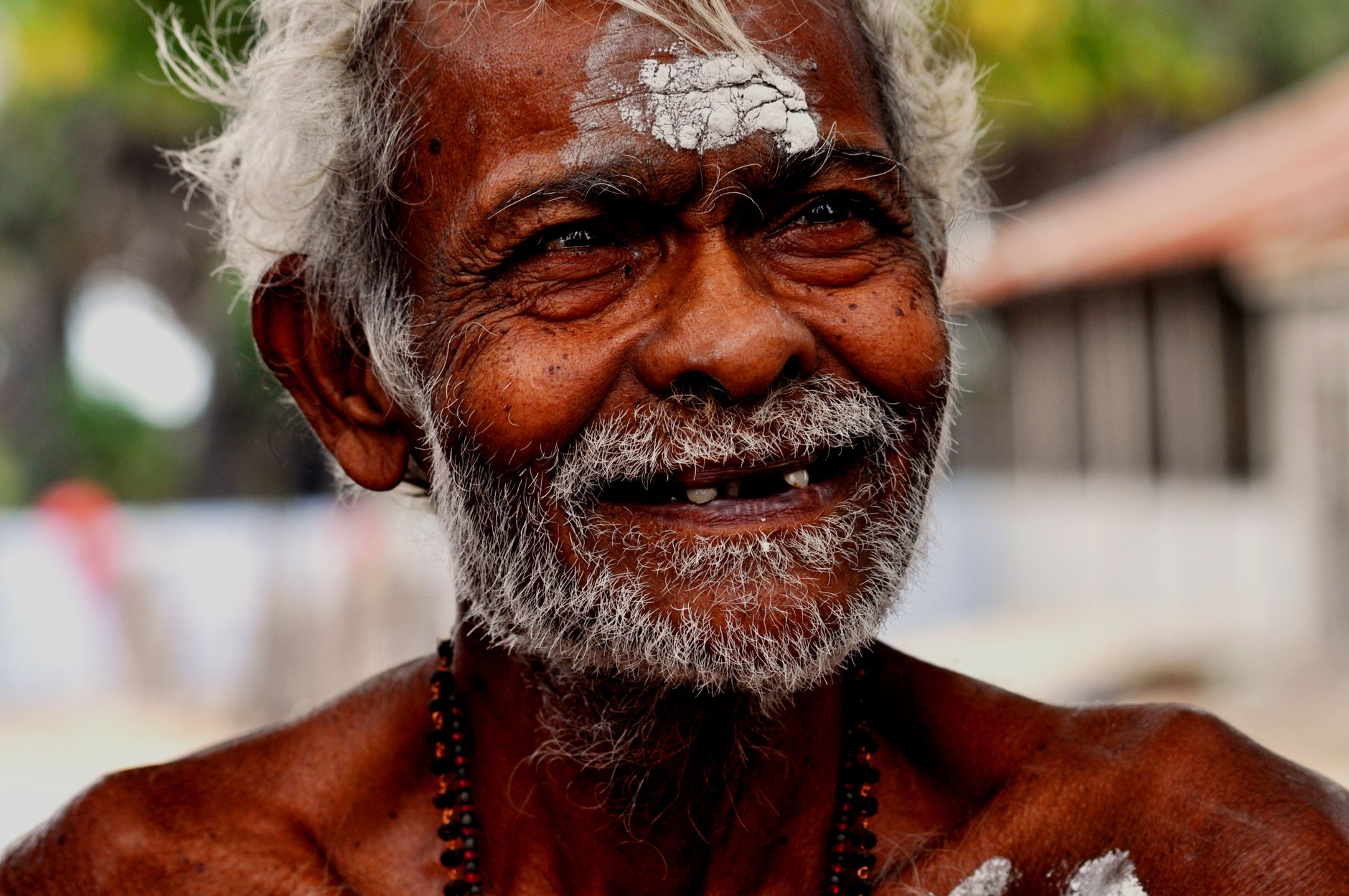
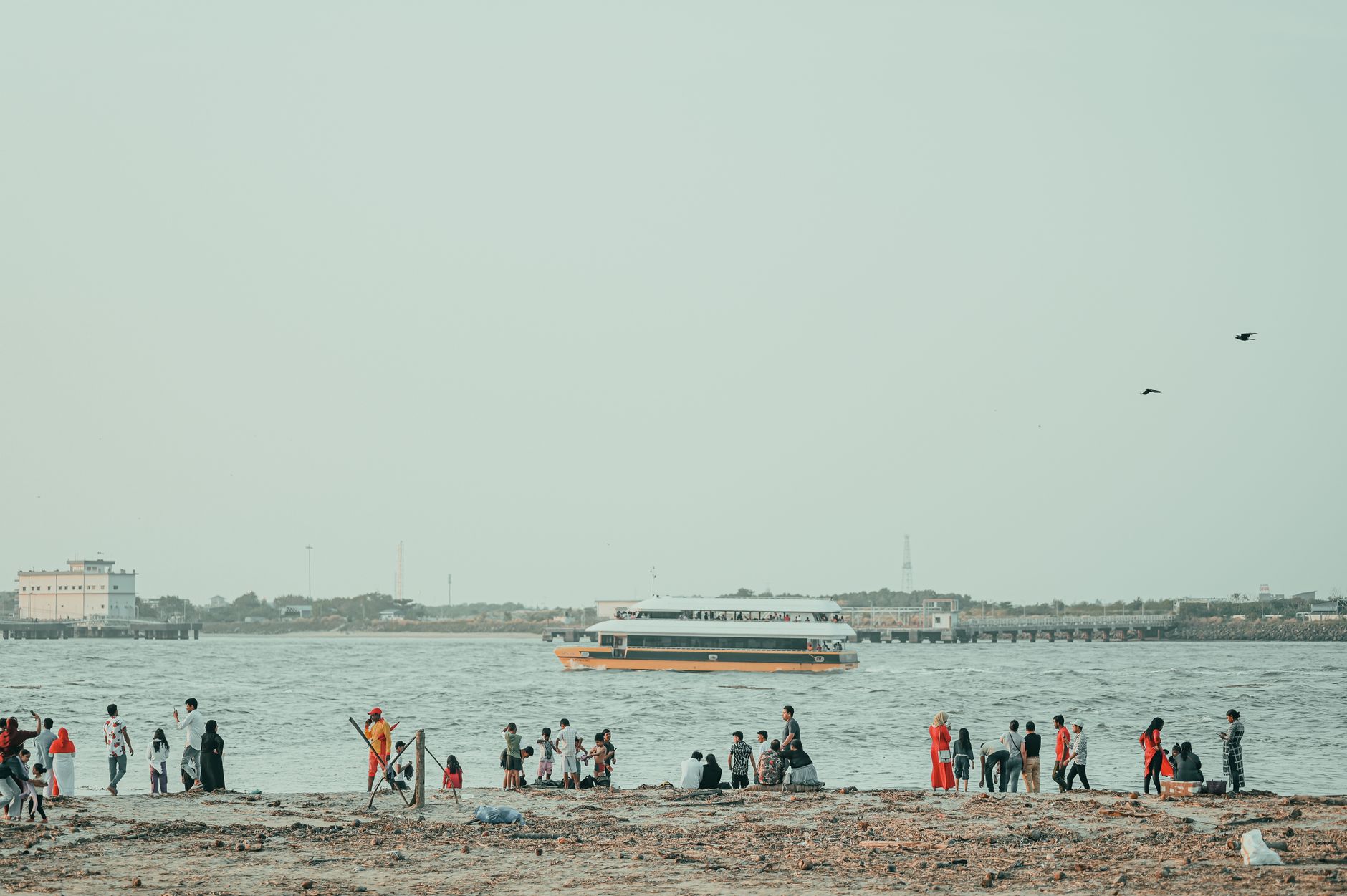
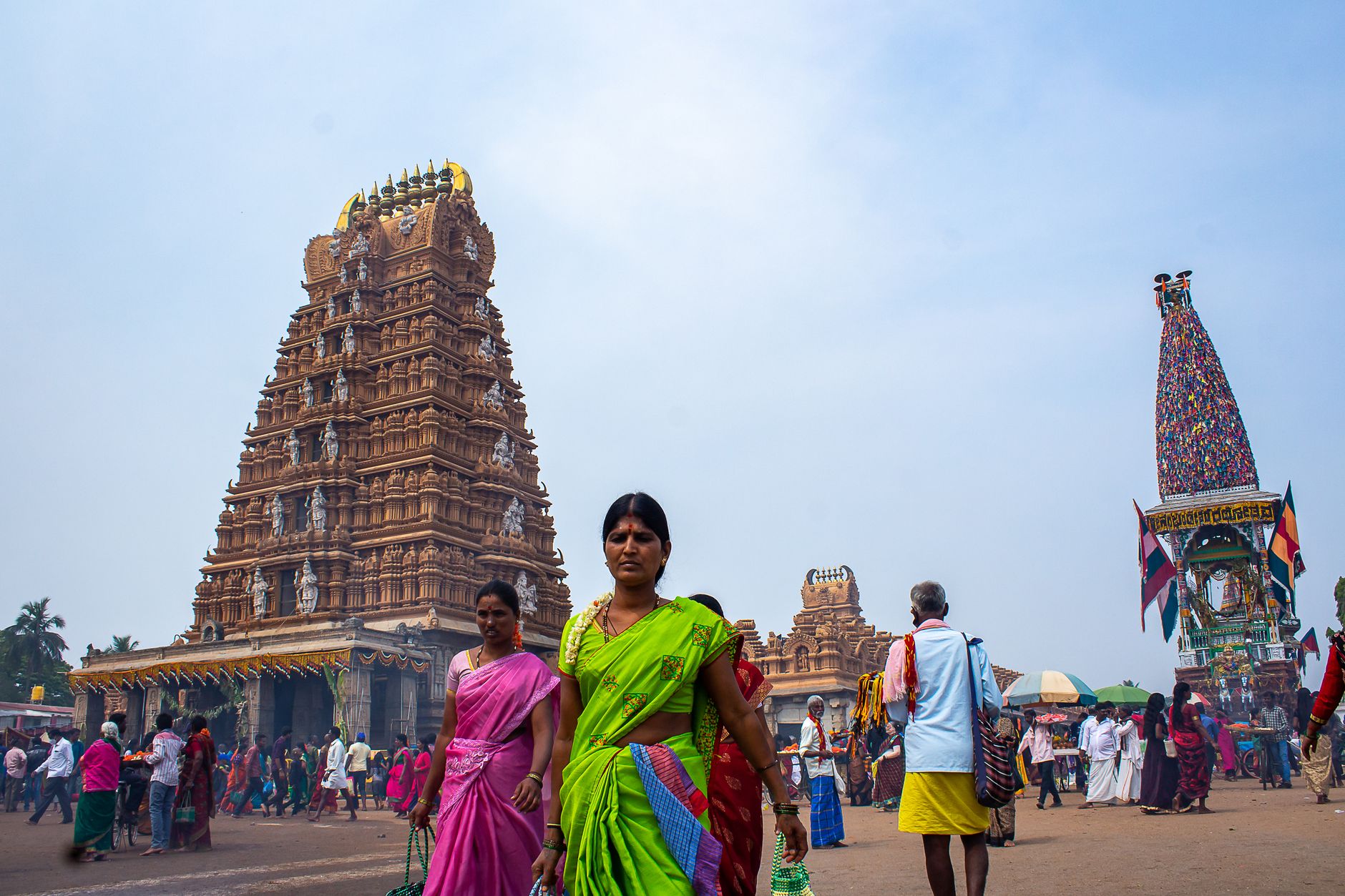
The first thing you notice in Jaffna is the light — flat, salt-white, bouncing off coral-rock walls and the still waters of the lagoon. This is the far north of Sri Lanka, a peninsula separated from the rest of the island as much by culture as by geography. The Tamil language is everywhere: on shop signs, in the cadences of temple priests, in the names of streets that run past palmyra palms rather than coconut trees.
Jaffna has carried centuries of occupation — Portuguese, Dutch, British, and the long trauma of civil war — and is still, visibly, putting itself back together. What you find is a city whose resilience is architectural and culinary and spiritual all at once.
How Jaffna came to be
Jaffna's recorded history sharpens around 1215 CE, when a chieftain named Magha, said to be from Kalinga in present-day India, founded what became the Jaffna Kingdom — ruled by the Aryacakravarti dynasty for four centuries. The Portuguese ended that era in 1619, and Jaffna became their last foothold in Ceylon before the Dutch took it in 1658. The fort the Portuguese began that year still stands, its Vauban-influenced coral-rock walls and moats largely intact.
The British arrived in 1795 and stayed until independence in 1948. The decades after brought a different kind of upheaval: the civil war placed Jaffna under LTTE control through much of the late 1980s and 1990s, and the Sri Lankan Army retook the city in 1995. Since the war's end in 2009, return and reconstruction have been slow and ongoing — the rebuilt Public Library, reopened in 2003 after its burning in 1981, stands as the most legible symbol of that process.
Who and what shaped it
People who shaped it
Landmark buildings
See Jaffna in motion
Plan your visit
On the map
When to go
The northeast monsoon brings rain between October and January, with November the wettest month. February through April offers dry heat and clear skies — the most reliable stretch for visiting the outer islands and temple sites without interruption.
Right now
Background & history adapted from Wikipedia (CC BY-SA) · specs from Wikidata (CC0) · weather from Open-Meteo · map data © OpenStreetMap contributors · photos from Wikimedia Commons / Unsplash with per-image credit. No third-party reviews or social posts reproduced.