
Germany
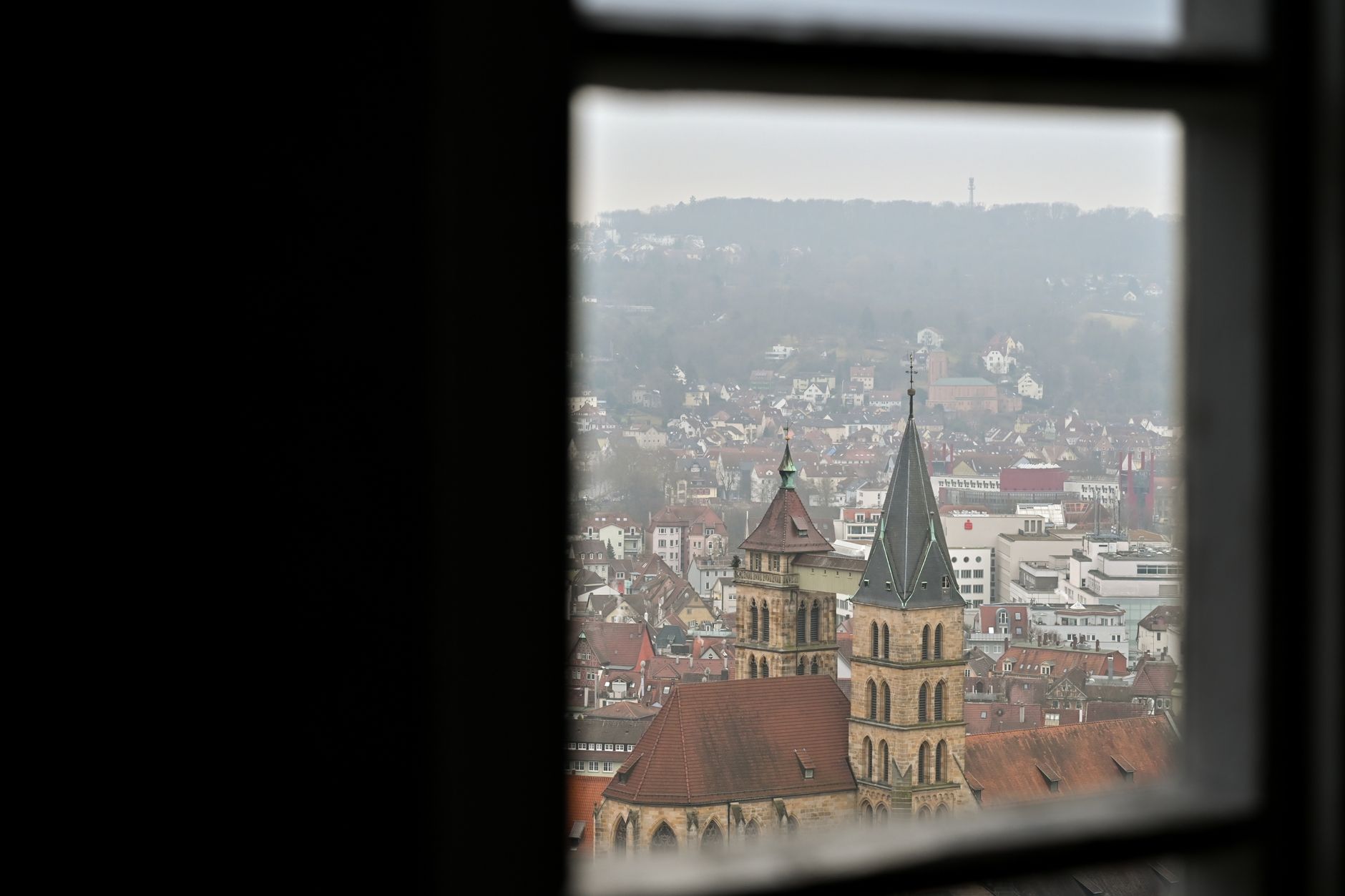
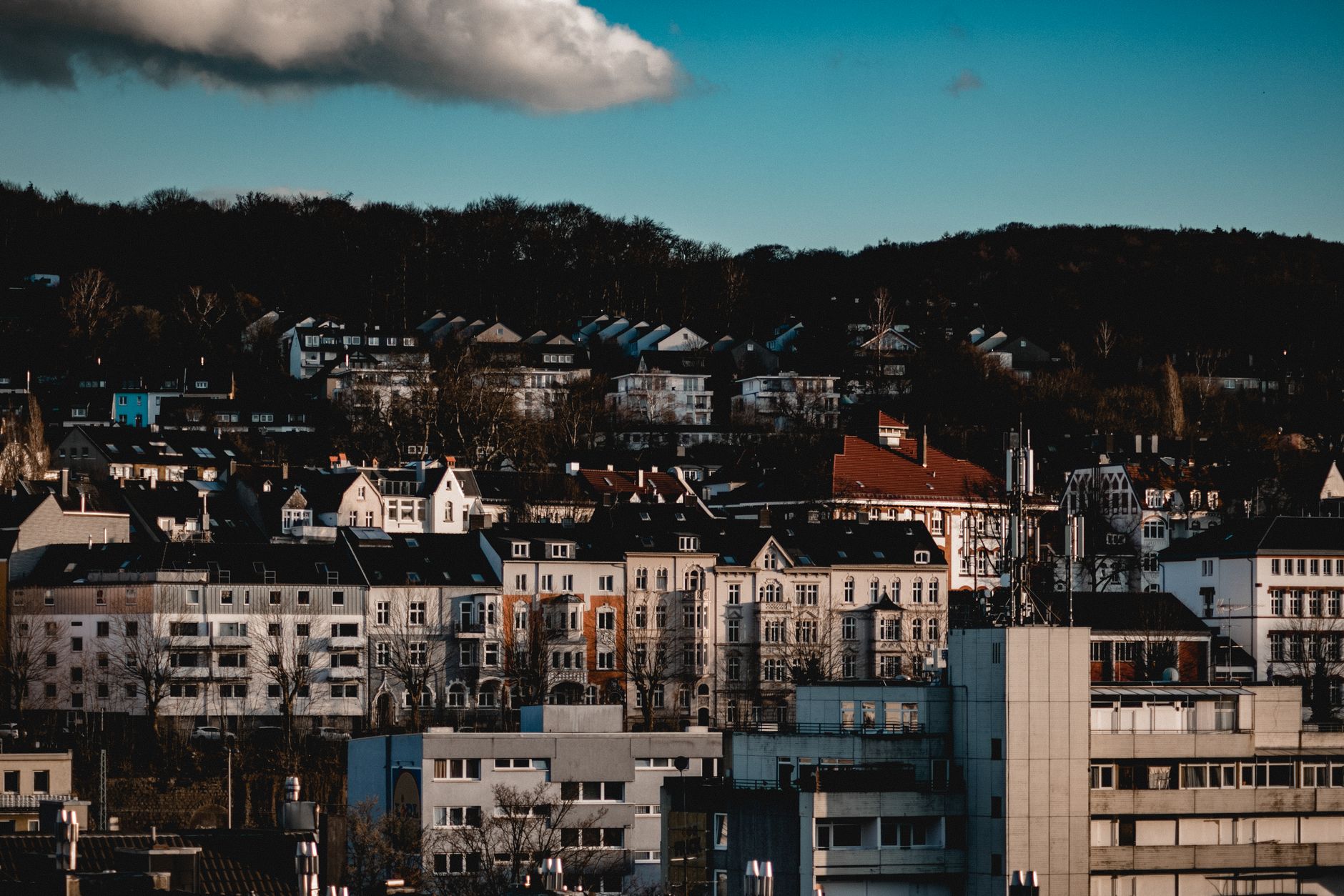
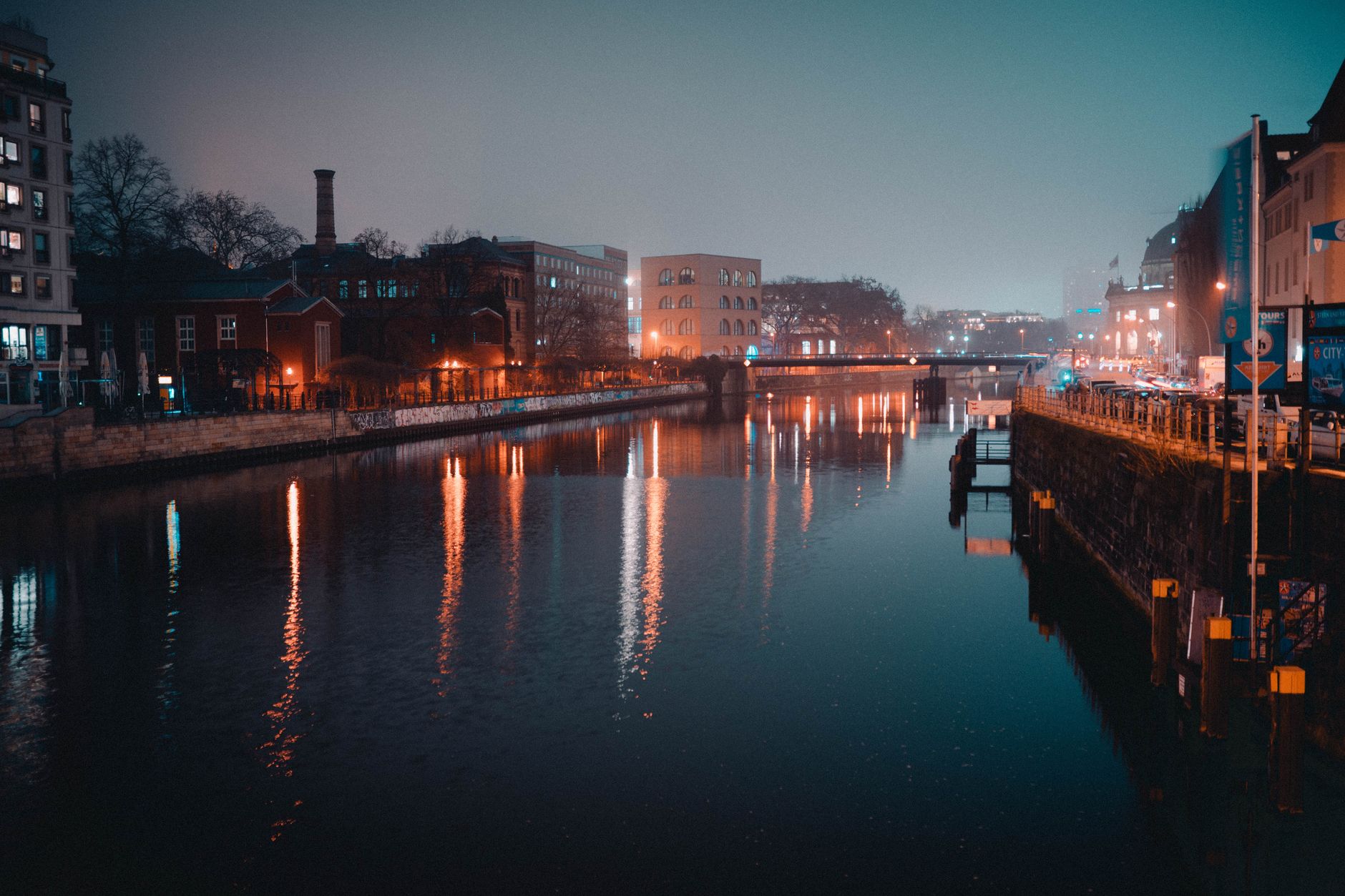
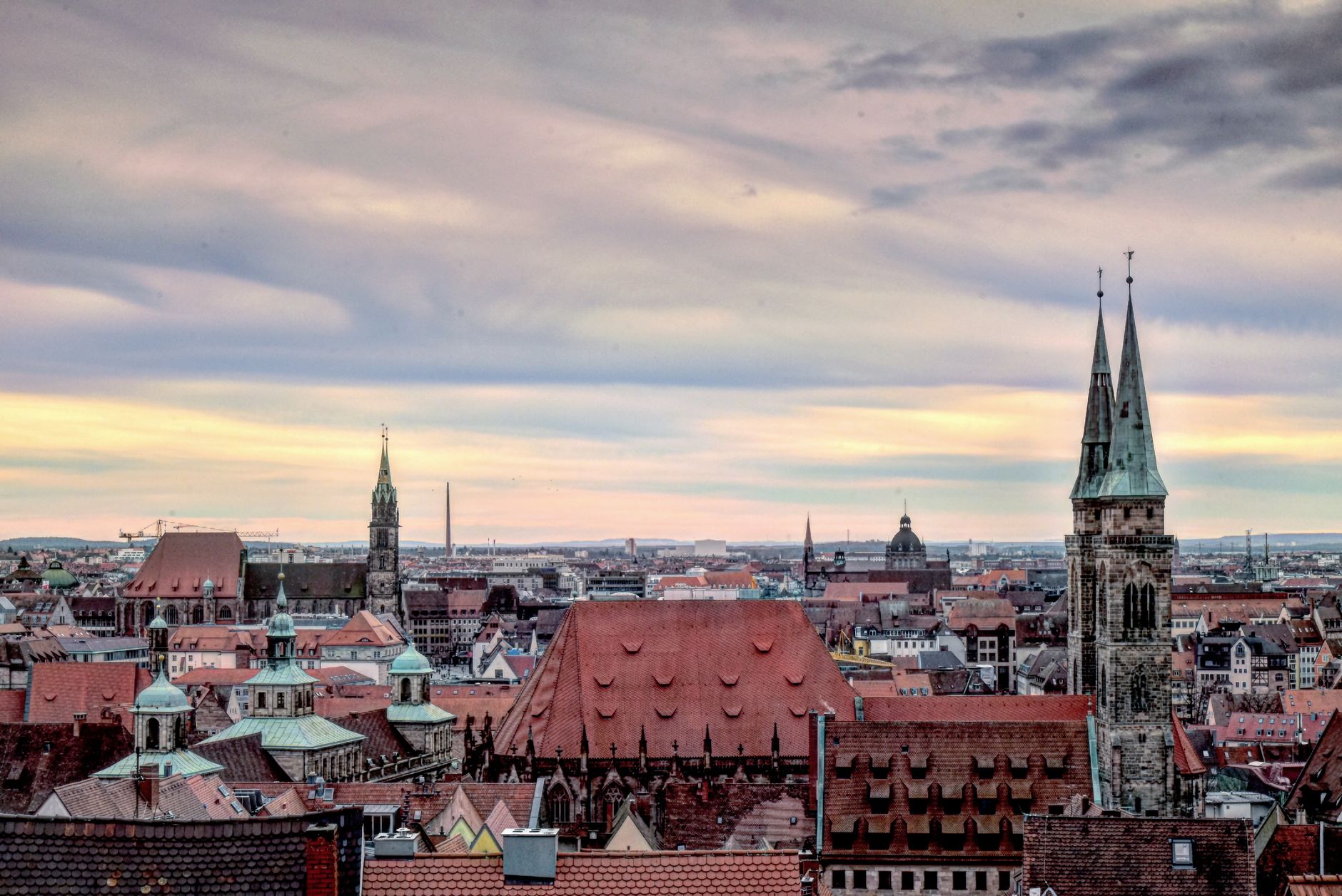
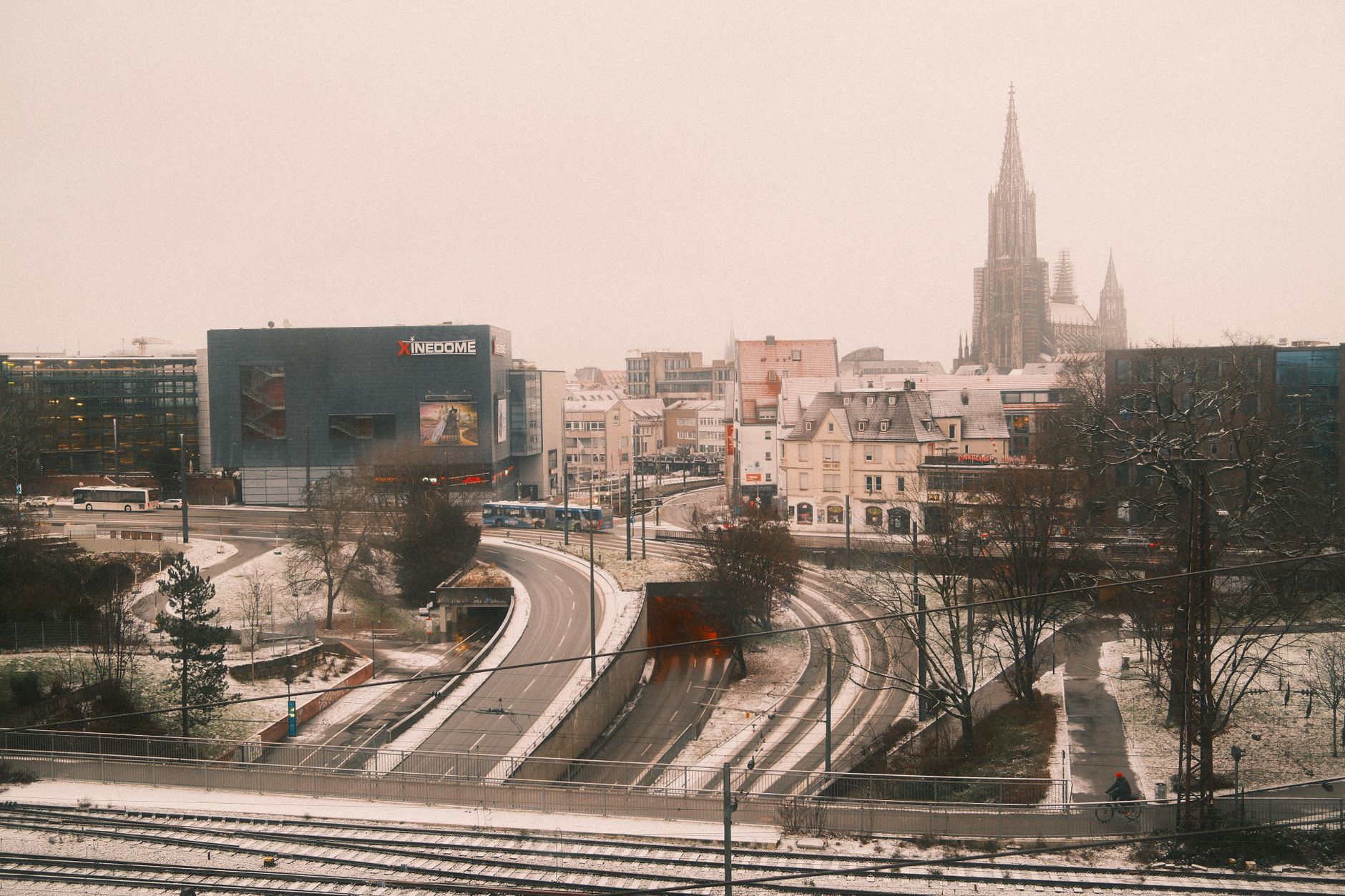
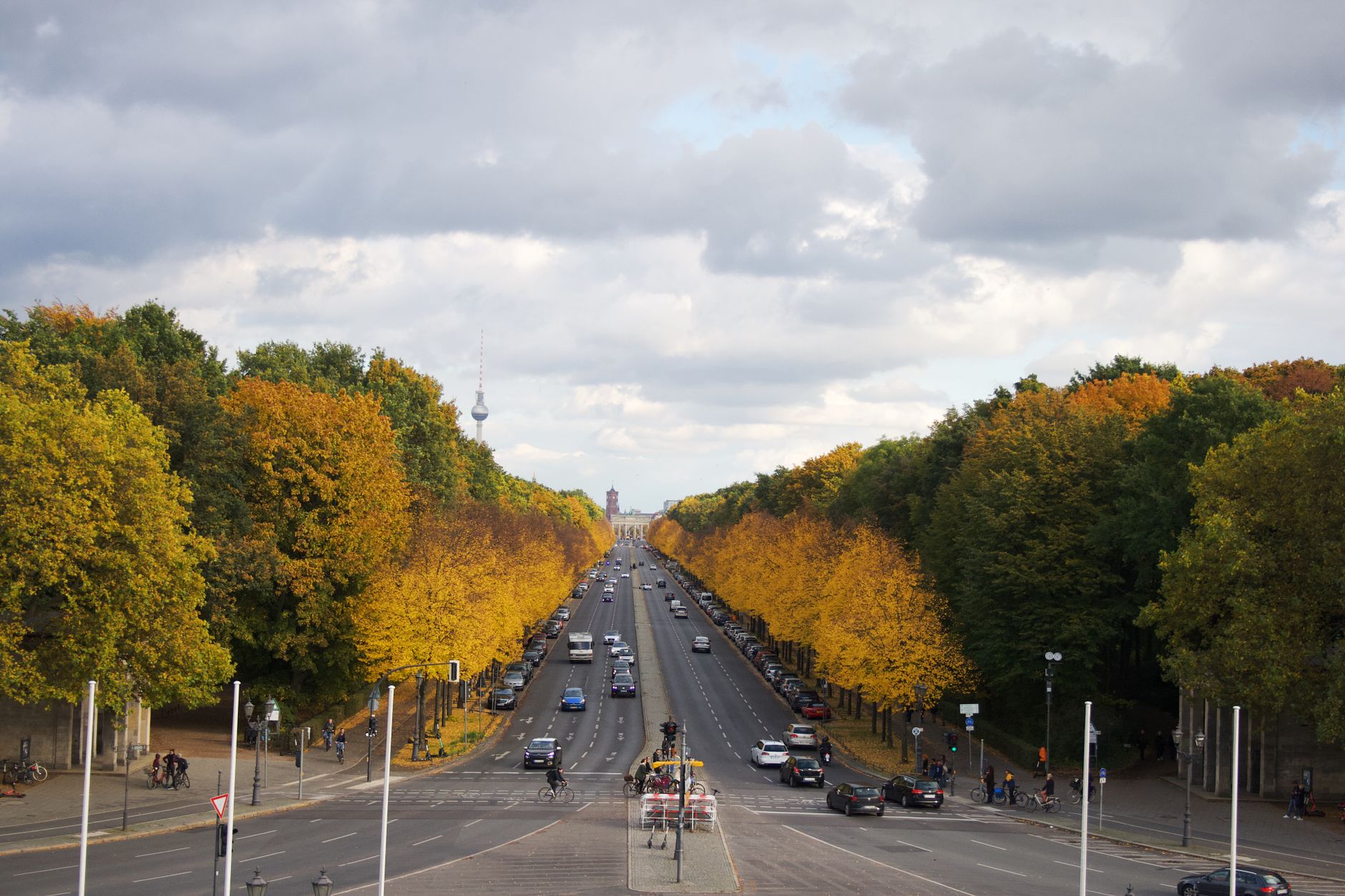
Germany is a country where the medieval and the modern sit close enough to touch. In Mainz, Johannes Gutenberg printed roughly 180 copies of the Bible around 1450, quietly changing how the world shares knowledge. In Hamburg, a concert hall shaped like a breaking wave rises above a 19th-century warehouse district. The same country that split in two along Cold War lines in 1949 pulled its wall down in 1989 and has been reckoning with that history ever since.
What draws people back is the specificity of each place — Cologne's cathedral, under construction for over six centuries before completion in 1880, is not interchangeable with Berlin's neoclassical Brandenburg Gate or Bavaria's fairy-tale Neuschwanstein. Germany rewards those who slow down enough to notice the differences.
Popular regions in Germany
💛 What travellers fall for
People who return regularly tend to swear by the Deutschland-Ticket — €63 a month covering buses, trams, U-Bahn, S-Bahn and regional trains nationwide. It doesn't work on ICE or IC trains, but for getting between smaller towns and wandering without a plan, it changes the rhythm of a trip entirely.
Experiences you don't want to miss


Deals in Germany
Book directly at the provider


How Germany came to be
Germany as a unified state is younger than it looks. It took shape on 18 January 1871, when William I was proclaimed German Emperor at Versailles, a unification engineered largely through the strategic wars of Prussian Chancellor Otto von Bismarck. Before that, the territory was a patchwork of kingdoms, principalities and free cities — which explains why places like Cologne, Munich and Hamburg still feel so distinct from one another.
The 20th century broke that unity apart. Defeat in World War II led to the country's division in 1949 into the Federal Republic in the west and the German Democratic Republic in the east. The Berlin Wall, built in 1961, became the physical symbol of that split until it opened on the night of 9 November 1989. Reunification followed in 1990.
Who and what shaped it
People who shaped it
Landmark buildings
See Germany in motion
Plan your visit
On the map
When to go
Winters run cold, typically between -1°C and 3°C, with the wettest weather spread fairly evenly across the year — though February to April tends to be drier. Summer peaks in July, when temperatures can reach around 26°C, making late spring and early summer the most reliably pleasant window for travel.
Right now
↡ Regions

↡ Cities
No places match these filters.
Background & history adapted from Wikipedia (CC BY-SA) · specs from Wikidata (CC0) · weather from Open-Meteo · map data © OpenStreetMap contributors · photos from Wikimedia Commons / Unsplash with per-image credit. No third-party reviews or social posts reproduced.