
Heidelberg
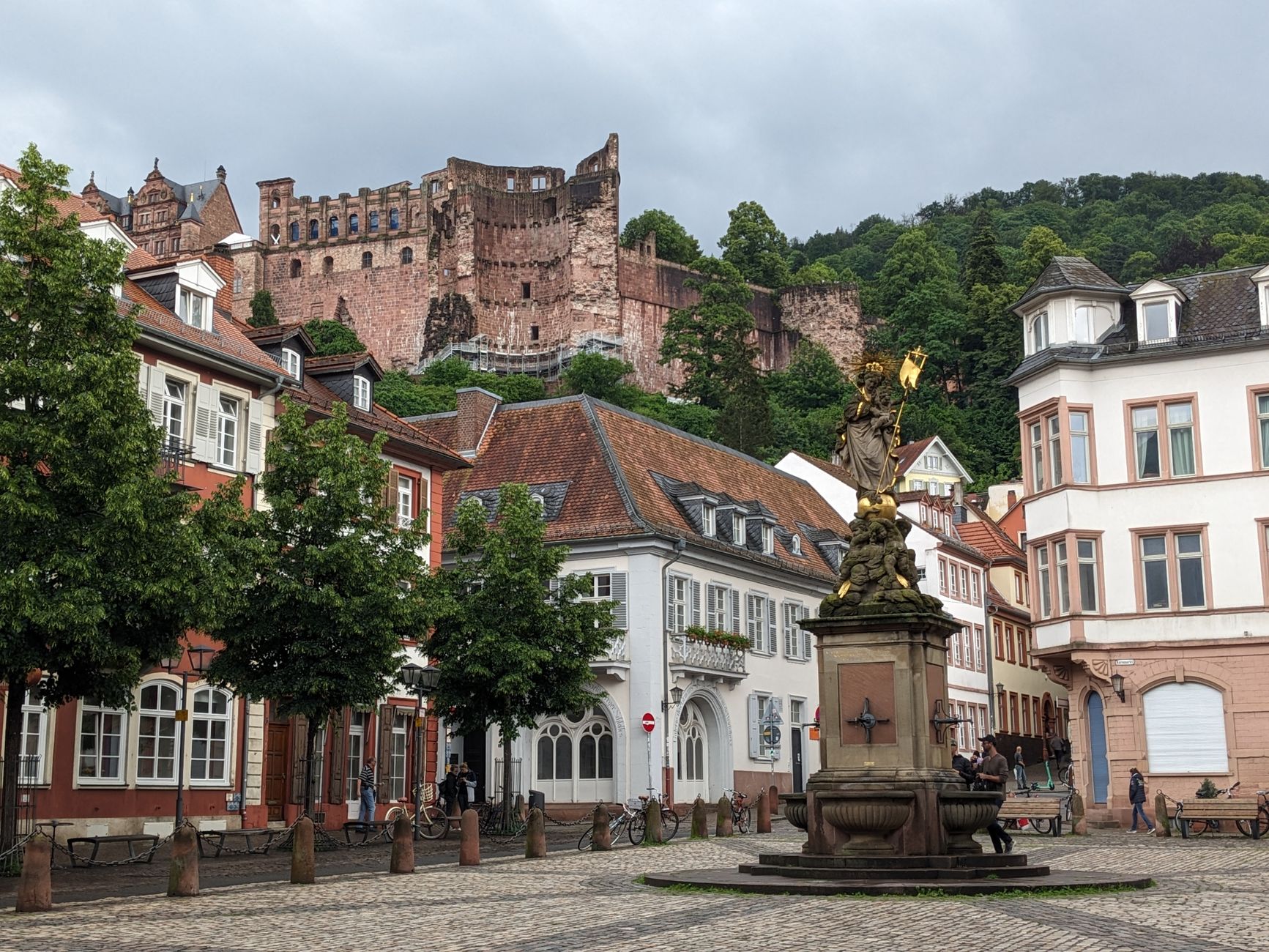
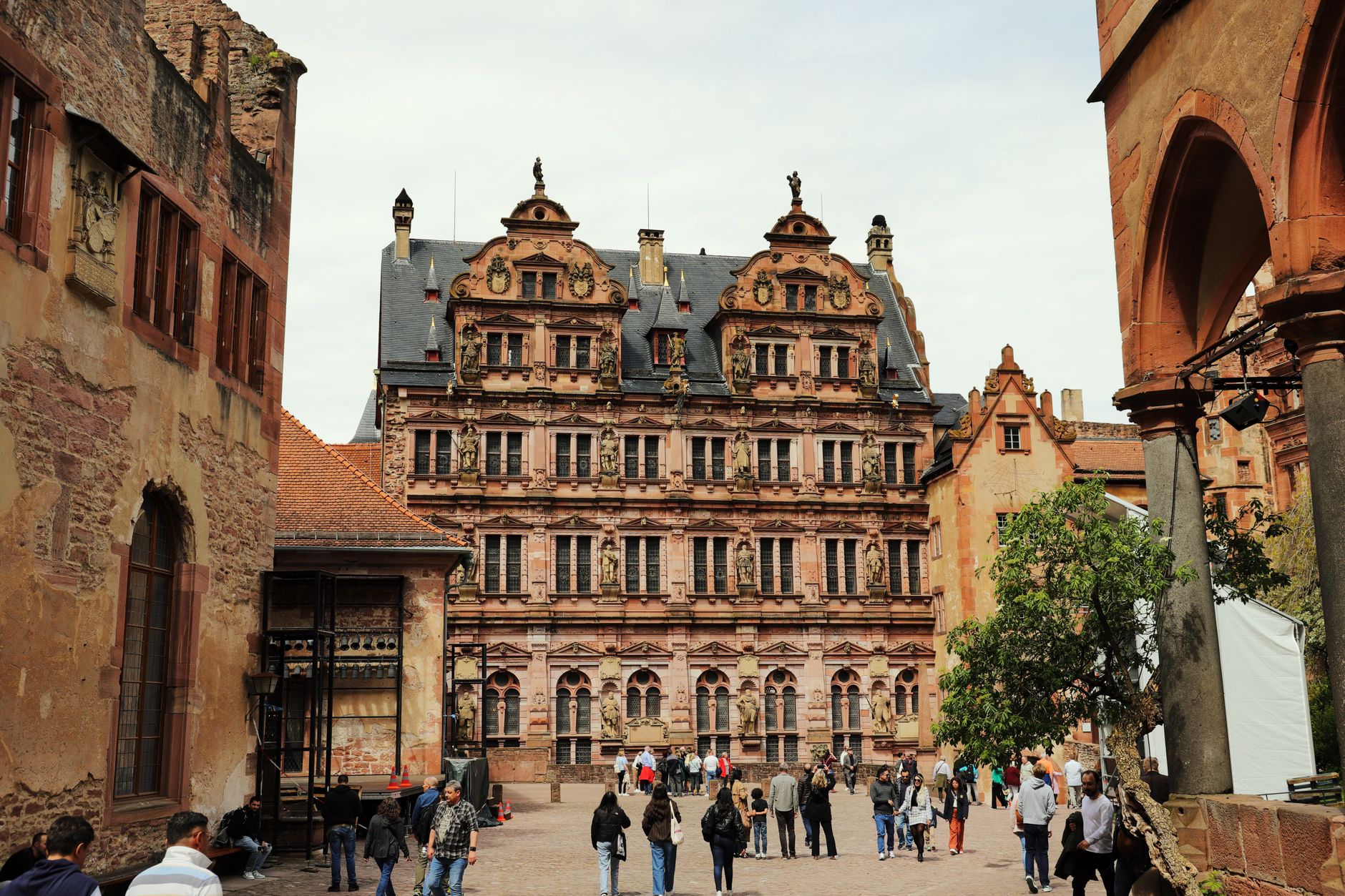
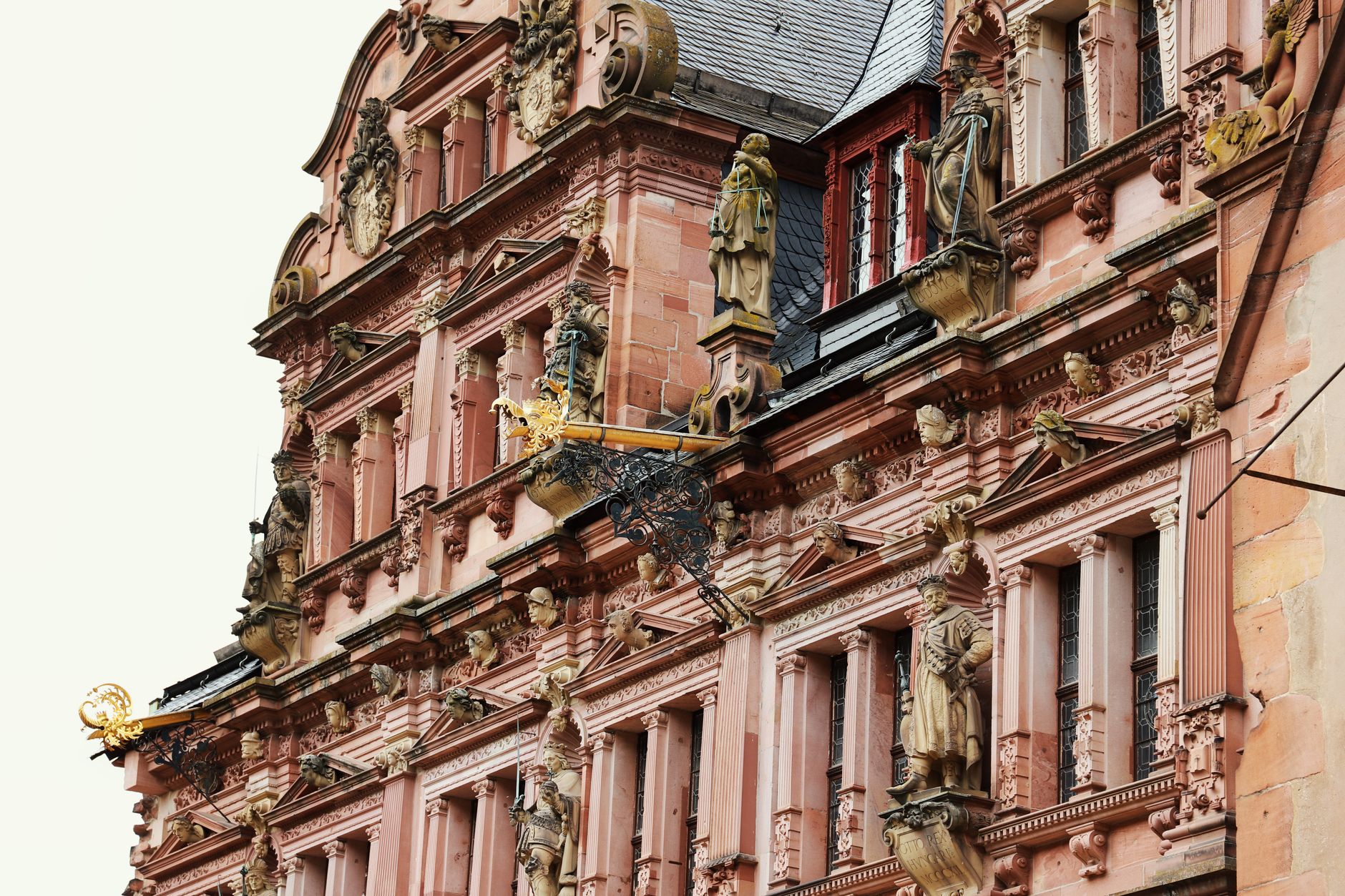
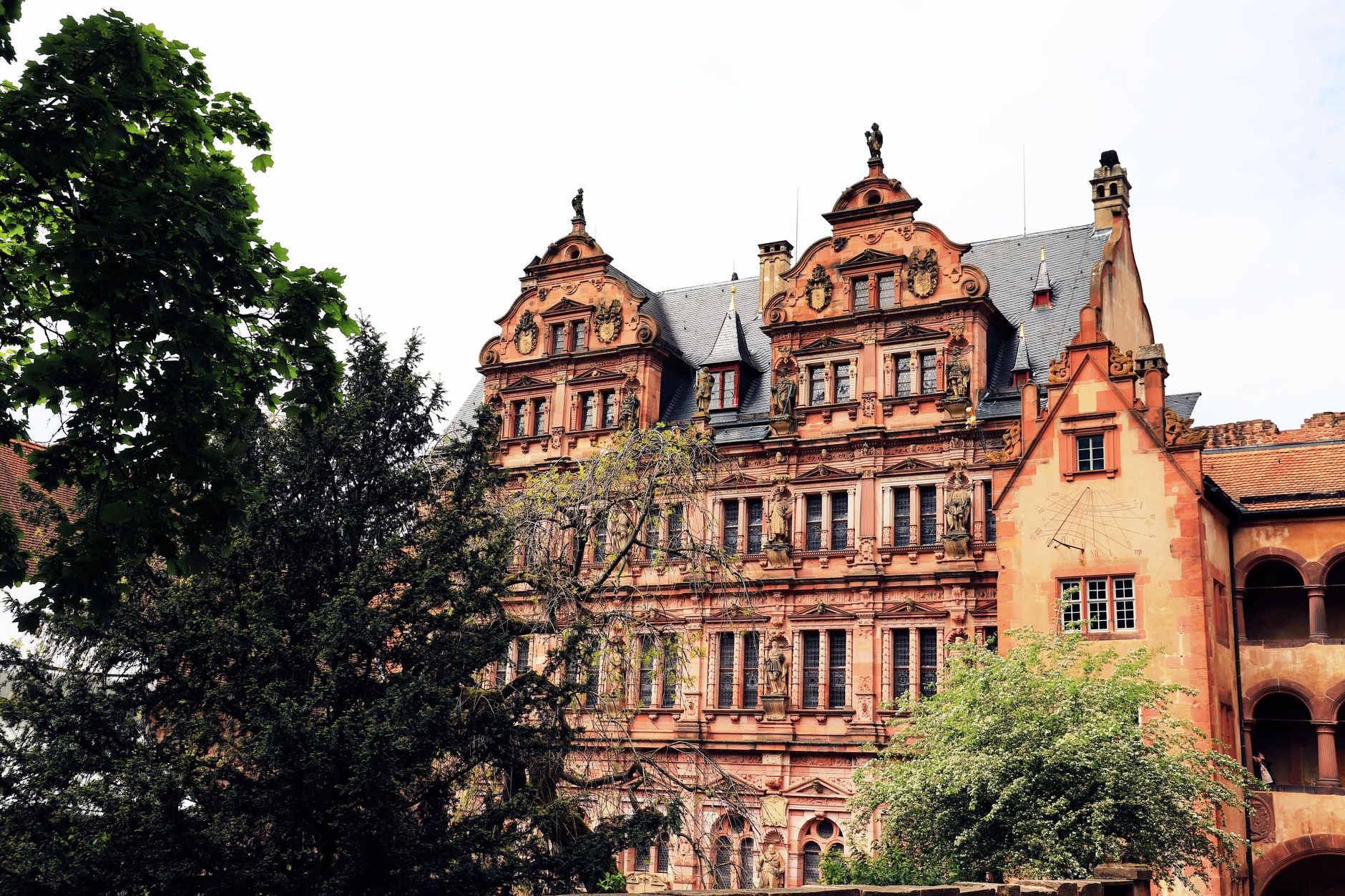
The castle ruins above Heidelberg are not picturesque in the way a postcard suggests — they are genuinely broken, lightning-split and war-scarred, and that damage is the point. Standing on the terrace of the Ottheinrichsbau, whose Renaissance façade dates to 1556, you look down over a city that was levelled by French troops in 1693 and then rebuilt in Baroque order on top of its medieval bones.
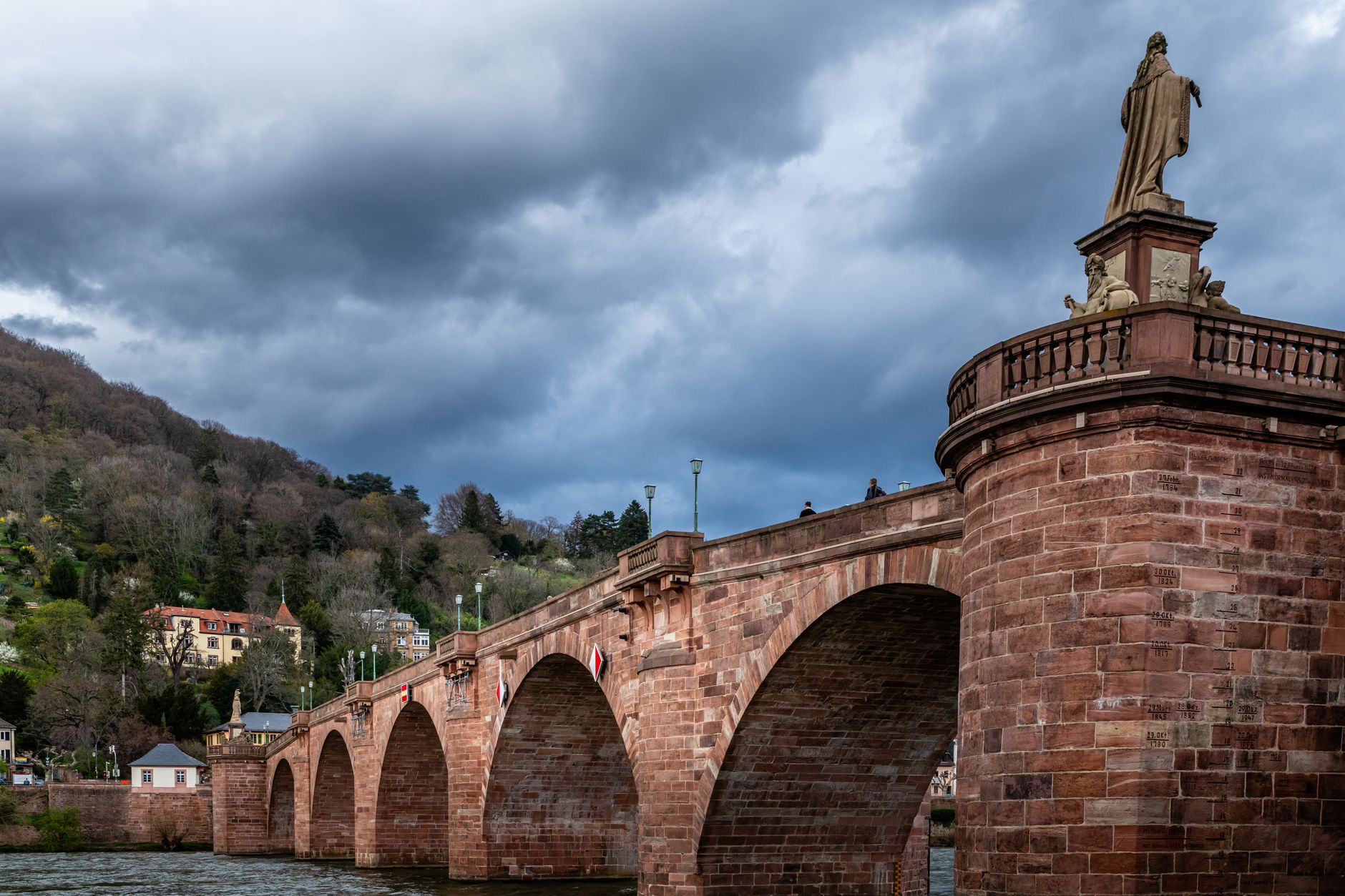
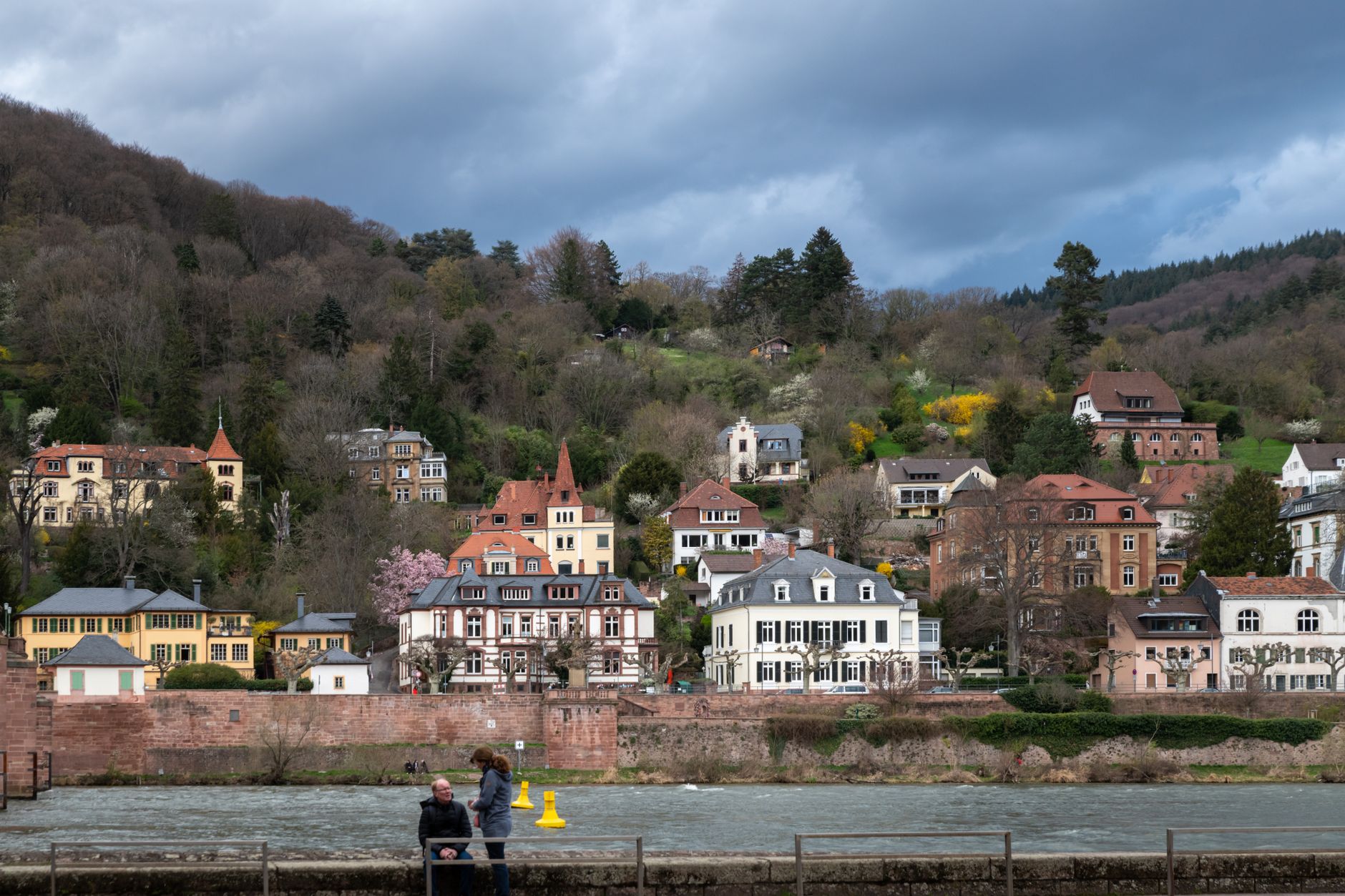
Below, the Alte Brücke crosses the Neckar on nine sandstone arches, and the Philosophenweg traces the opposite hillside where professors once walked to think. Heidelberg has been a university town since 1386, and that fact still shapes the texture of daily life here — the bookshops, the late hours, the sense that argument is a form of hospitality.
💛 What travellers fall for
People who return tend to arrive by S-Bahn from Mannheim rather than driving, skip the funicular at least once to climb the 315 numbered castle steps, and time a morning at the Heiliggeistkirche in the old marketplace before the tour groups find their stride. The bridge monkey statue by Gernot Rumpf rewards a close look — the mirror in its hands has a specific local legend attached.
Deals in Heidelberg
Book directly at the provider

How Heidelberg came to be
Heidelberg appears in the written record in 1196, in a document from Schönau Abbey. By the 13th century it had a castle and had become the seat of the Counts Palatine of the Rhine. The university followed in 1386, founded by Elector Palatine Rupert I under papal approval from Urban VI — the first lecture was held on 19 October of that year, with a Dutchman, Marsilius von Inghen, as its first rector.
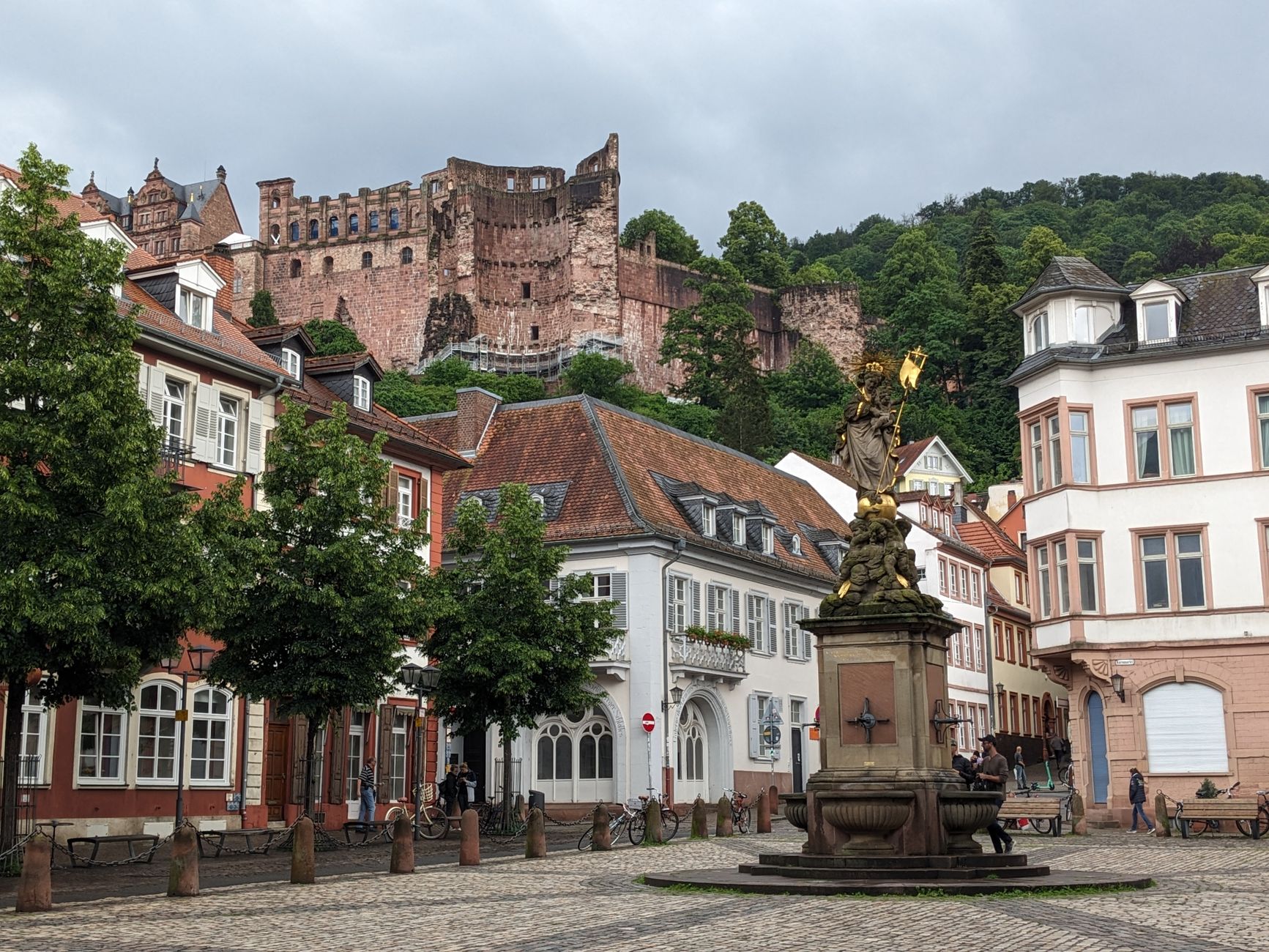
The city the Counts built did not survive intact. French forces destroyed it in 1693 during the War of the Palatinate Succession, and the castle was struck twice by lightning in 1764, leaving the ruin you see today. The town was rebuilt in Baroque style, the university re-founded in 1803 under Charles Frederick, Grand Duke of Baden. In 1945, Heidelberg avoided Allied bombing — partly, the story goes, because General Patton admired it — and the US Army took control that year without a fight.
Who and what shaped it
People who shaped it
Landmark buildings
See Heidelberg in motion
Plan your visit
On the map
When to go
Summers are warm and dry enough for long evenings on the bridge, though July and August bring crowds to match the weather. Spring and September offer cooler, clearer days; winter is mild by German standards but the castle terrace can be raw and grey.
Right now
Background & history adapted from Wikipedia (CC BY-SA) · specs from Wikidata (CC0) · weather from Open-Meteo · map data © OpenStreetMap contributors · photos from Wikimedia Commons / Unsplash with per-image credit. No third-party reviews or social posts reproduced.