
Vanuatu
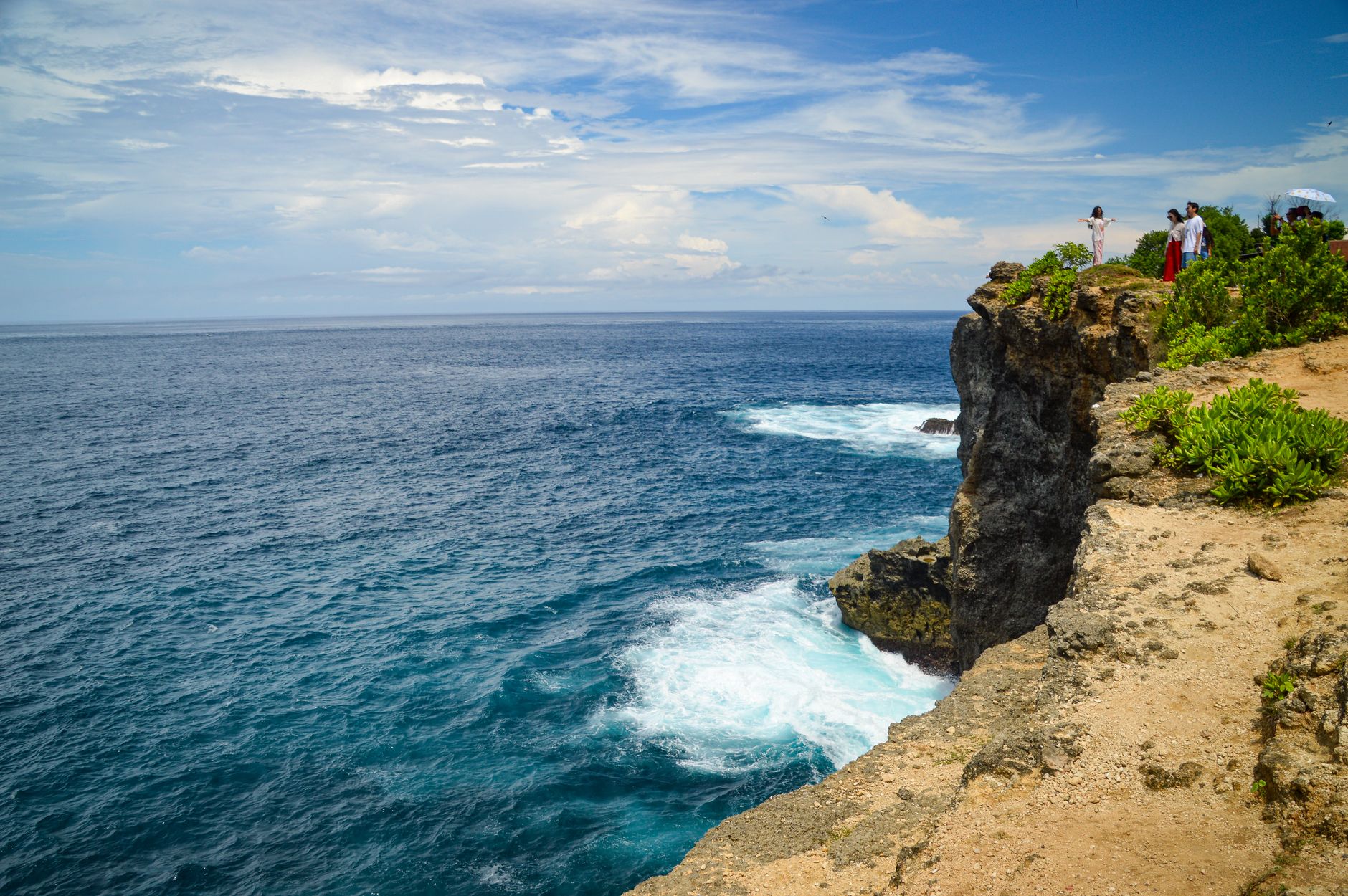
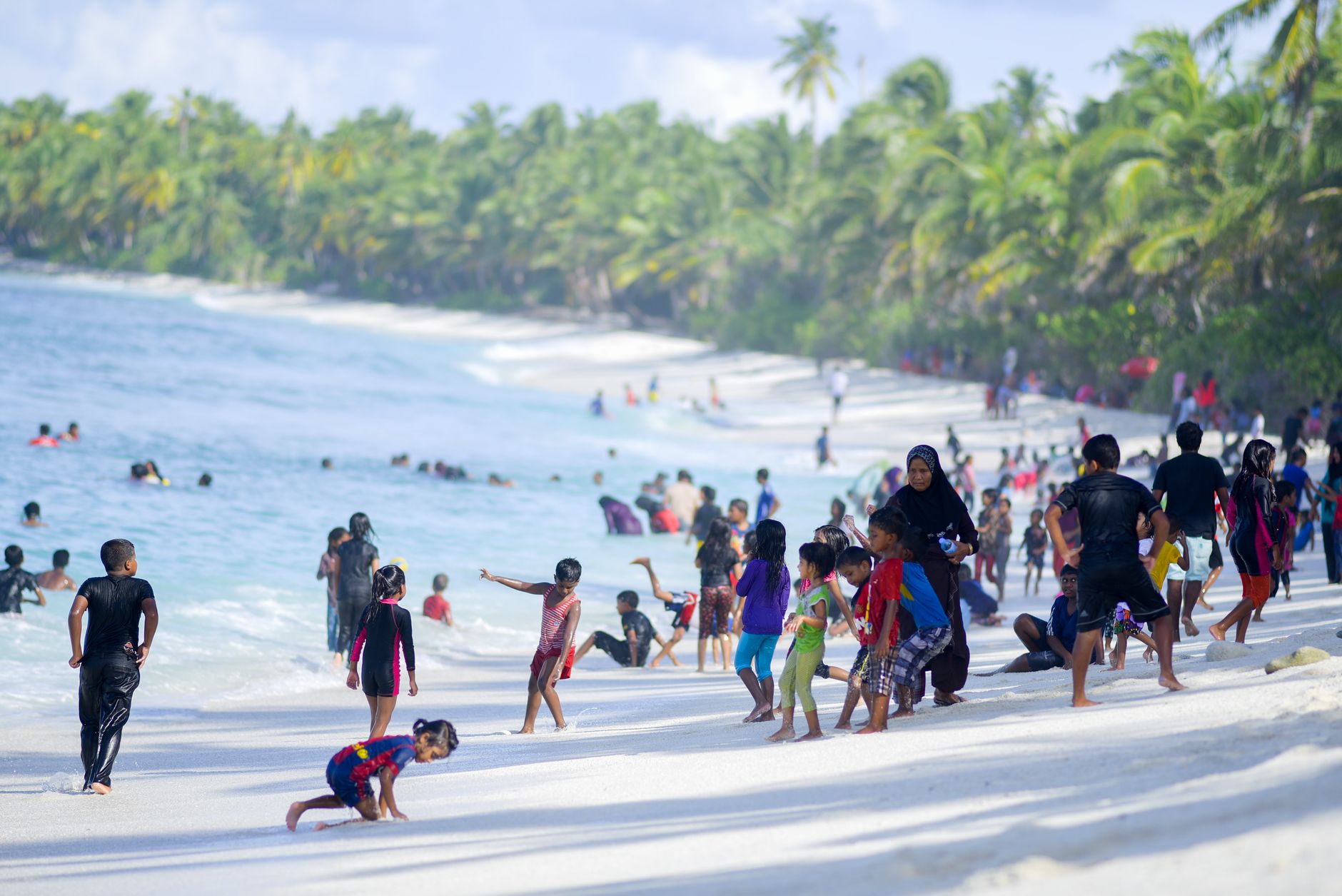
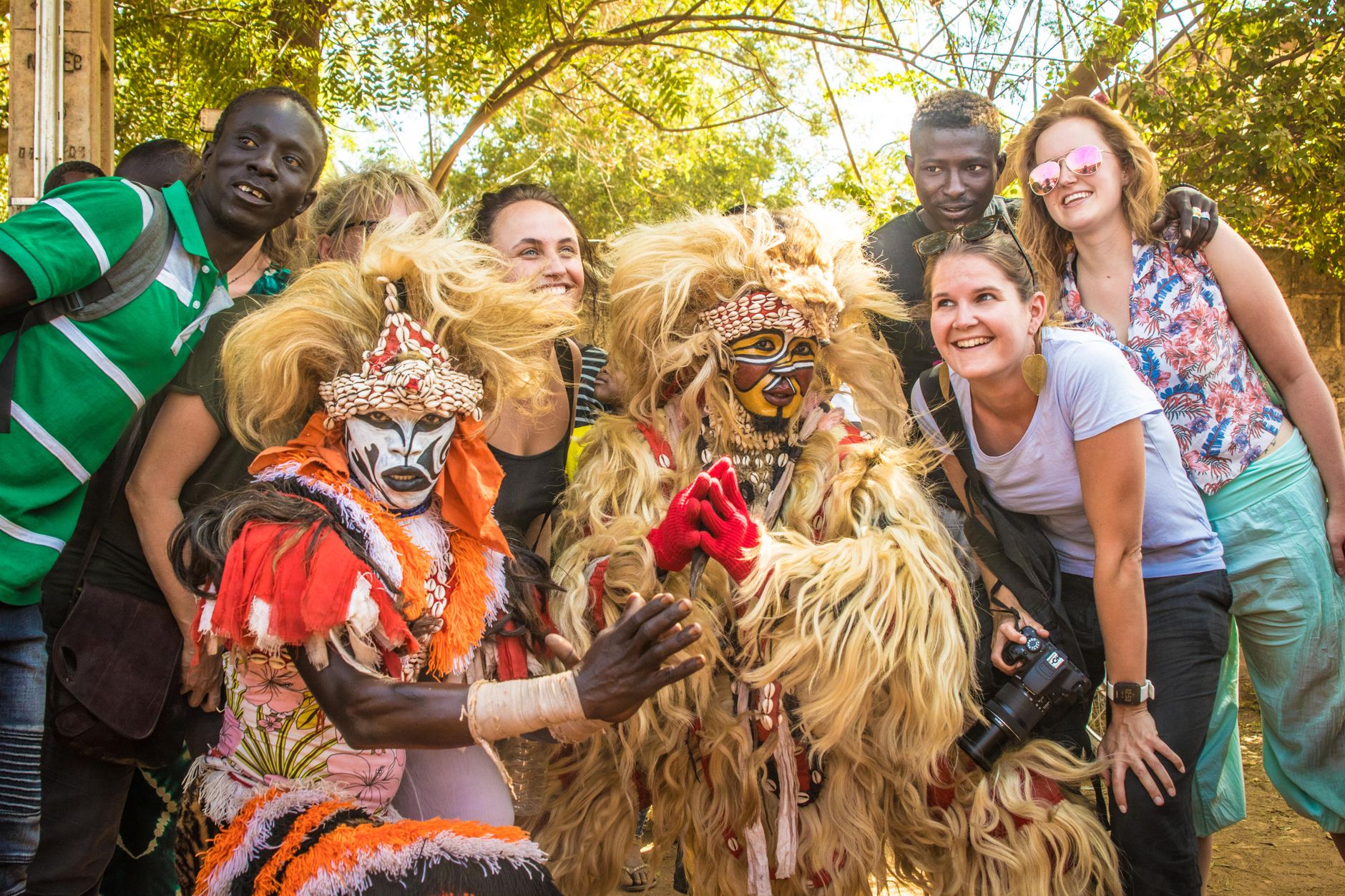

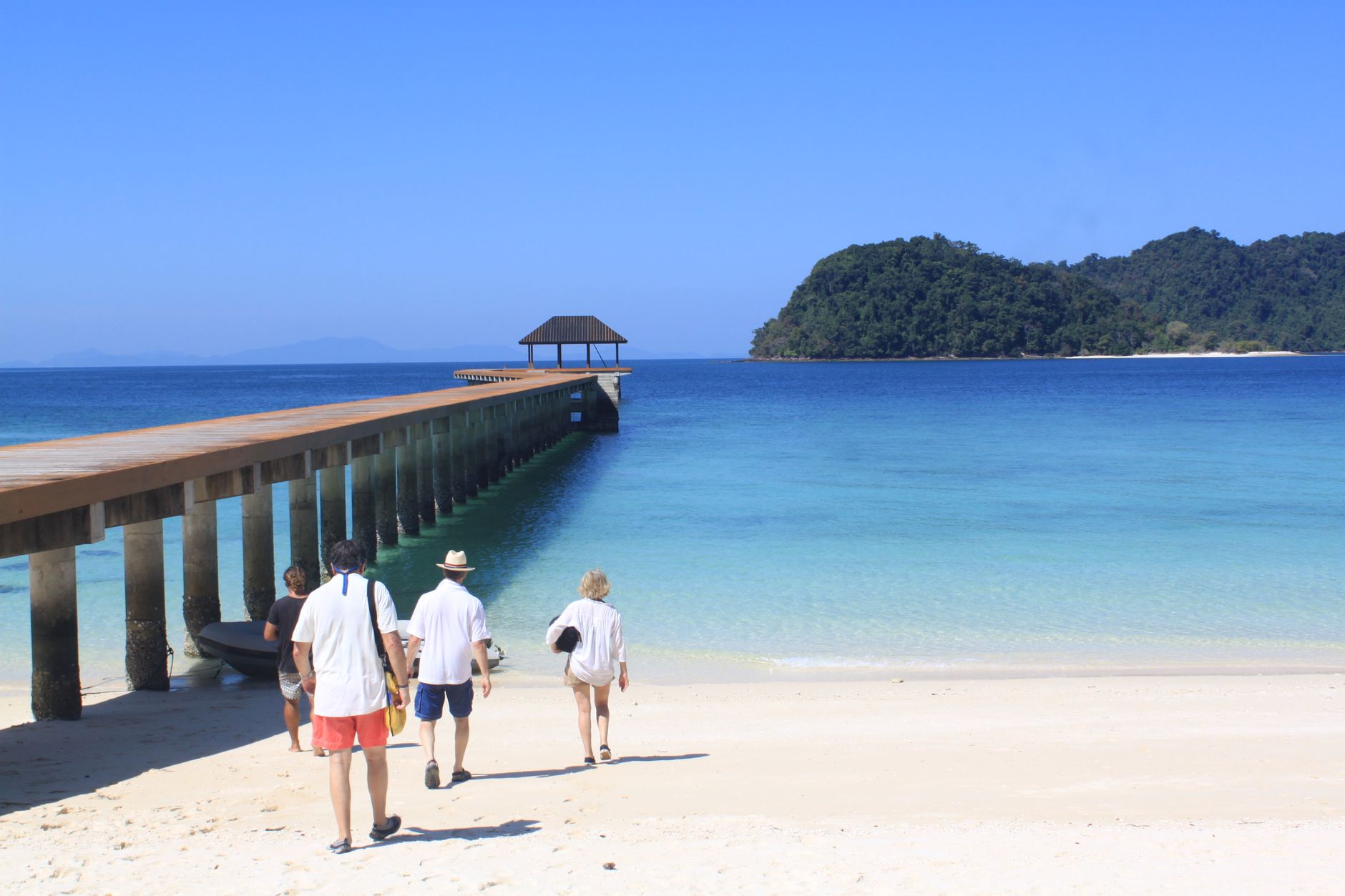
Vanuatu is an archipelago of more than 80 islands scattered across the southwestern Pacific, and the distance between them is part of the point. On Tanna, you can stand at the rim of Mount Yasur and watch lava pulse against a night sky. On Santo, a WWII troopship called the SS President Coolidge rests on the seabed, still largely intact. The capital, Port Vila, sits on Efate and moves at a pace that rewards patience — harbour light in the morning, strong coffee, markets where three languages (Bislama, English, French) overlap in the same sentence.
This is one of the most linguistically diverse places on earth, with over a hundred local languages still spoken across the islands. That plurality runs deep: in custom, in land tenure, in the way each island feels genuinely distinct from its neighbours.
Popular regions in Vanuatu




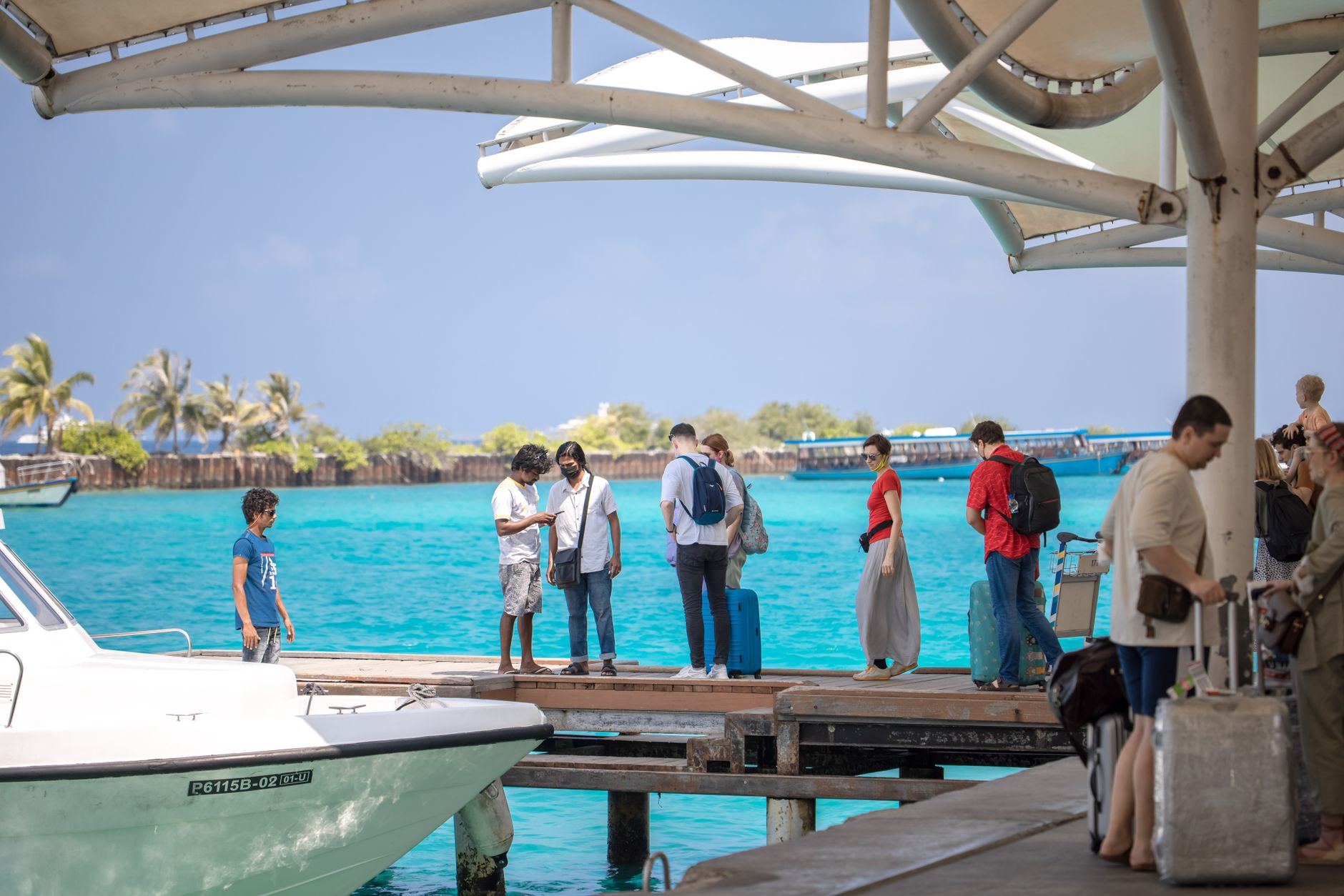
💛 What travellers fall for
People who come back tend to fix on one island per trip rather than rushing between them. Air Vanuatu's Twin Otters land two or three times a week on most strips, so your schedule belongs to the airline. Carry vatu in cash for entrance fees at natural sites, and give yourself at least a day on either side of any inter-island hop.
Deals in Vanuatu
Book directly at the provider


How Vanuatu came to be
The islands were first settled by Lapita peoples around 3,000 years ago. European contact came in 1606 when the Portuguese navigator Fernandes de Queirós, leading a Spanish expedition, landed on Espíritu Santo and claimed the archipelago as 'La Austrialia del Espíritu Santo.' James Cook charted the islands more thoroughly in 1774 and gave them the name New Hebrides. Britain and France spent much of the following century competing for influence until, in 1906, they formalised a shared administration — the Anglo-French Condominium — an arrangement that produced two parallel legal systems, two police forces, and considerable confusion.
The independence movement gathered force in the 1970s under Walter Lini, an Anglican priest who founded what became the ruling party. On 30 July 1980, the Republic of Vanuatu came into being, with Lini as its first Prime Minister — though not before a twelve-week secessionist uprising on Espíritu Santo, led by Jimmy Stevens of the Nagriamel movement, briefly complicated the transition.
Who and what shaped it
People who shaped it
Landmark buildings
See Vanuatu in motion
Plan your visit
On the map
When to go
May through October brings drier, cooler conditions to the central and southern islands, with Port Vila temperatures sitting around 26–28°C — comfortable for moving around outdoors. December through March is hotter and wetter across the whole archipelago, and cyclone season runs through those same months, so travel plans can unravel quickly.
Right now
↡ Cities


Background & history adapted from Wikipedia (CC BY-SA) · specs from Wikidata (CC0) · weather from Open-Meteo · map data © OpenStreetMap contributors · photos from Wikimedia Commons / Unsplash with per-image credit. No third-party reviews or social posts reproduced.