
Saratamata
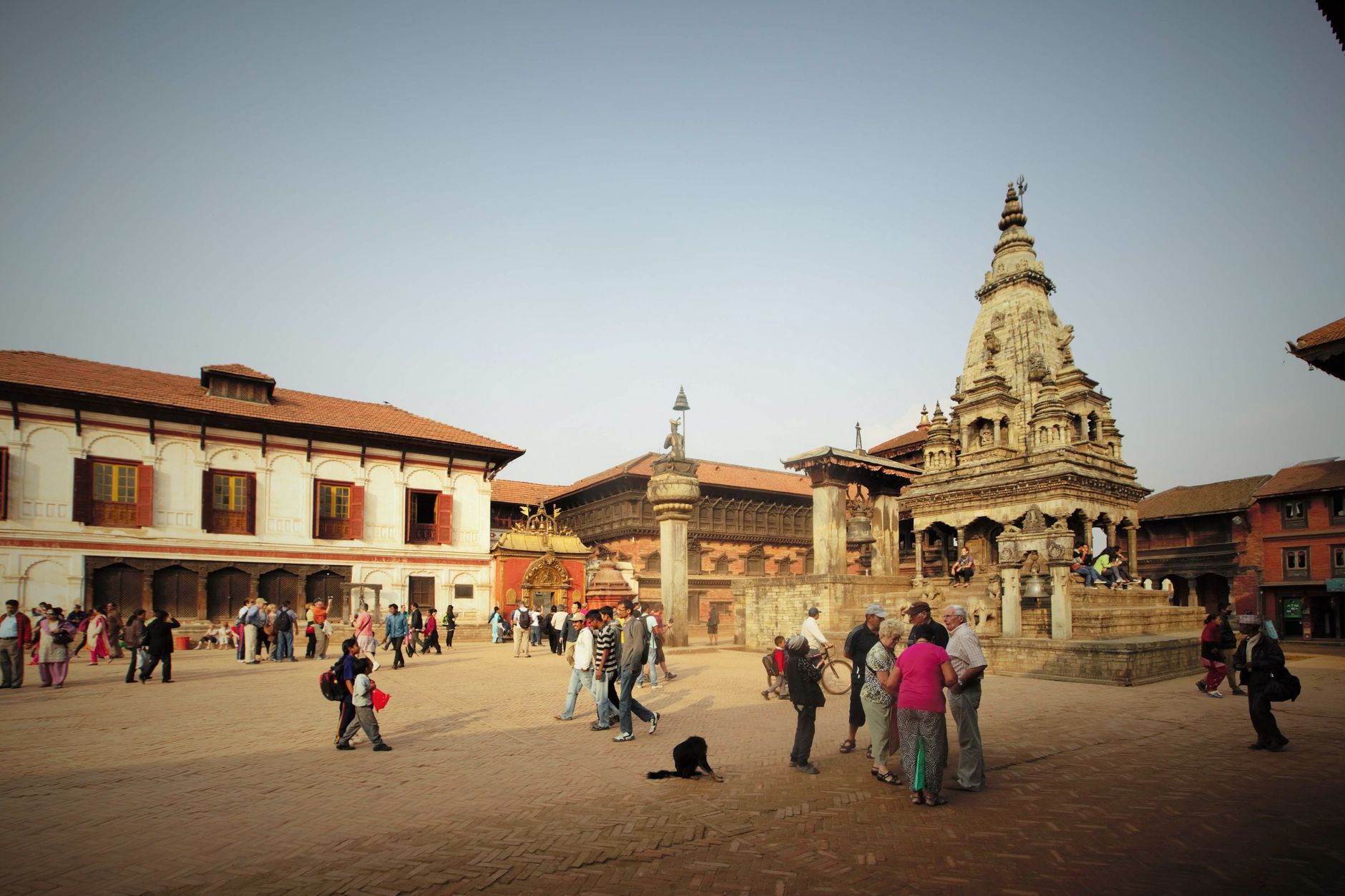

Saratamata sits on the eastern shore of Ambae Island as the largest settlement on this volcanic, forest-covered land — and as the administrative capital of Vanuatu's Penama Province, it carries a quiet civic weight that most visitors don't expect. Government offices, a hospital, a secondary school, a vocational centre, and a local market selling food grown on the island's own slopes all occupy the same small radius.
This is a working town, not a resort. The guest house is modest, the restaurant straightforward. What draws people here tends to be the island itself — Ambae's lakes, its communities, its pace — and Saratamata is where you arrive, orient yourself, and begin.
💛 What travellers fall for
People who come back to Ambae tend to mention the market first — the produce is genuinely local, and it's one of the better places to understand what the island actually grows and eats. Lolowai Hospital is a landmark in the literal sense; George Vina, a retired Anglican priest and great-grandson of the chief who shaped this part of the island, lives just above it.
Deals in Saratamata
Book directly at the provider


How Saratamata came to be
The ground Saratamata stands on was given deliberately. A local chief donated land stretching from Vureas to Saratamata specifically so that a hospital and a school could be built — institutions his community lacked. It was his son, Kwatu — baptised and known as William Kwatu — who carried the wish forward, ordering the land cleared and the work begun. St. Patrick's College at Vureas and Lolowai Hospital both trace their existence to that act.
That lineage is still present. George Vina, the chief's great-grandson, lives above the hospital his ancestor made possible — a quiet continuity between the founding impulse and the living town.
Who and what shaped it
People who shaped it
Landmark buildings
See Saratamata in motion
Plan your visit
On the map
When to go
Ambae is wet by any measure — roughly 2,680 mm of rain a year across some 246 rainy days — but June through August is the driest stretch, with temperatures easing to around 25°C and far fewer downpours. February through April brings the heaviest rainfall and the most humidity; January through March pushes UV to extreme levels, so come prepared regardless of the season.
Right now
Background & history adapted from Wikipedia (CC BY-SA) · specs from Wikidata (CC0) · weather from Open-Meteo · map data © OpenStreetMap contributors · photos from Wikimedia Commons / Unsplash with per-image credit. No third-party reviews or social posts reproduced.