Country

Sweden

Sweden
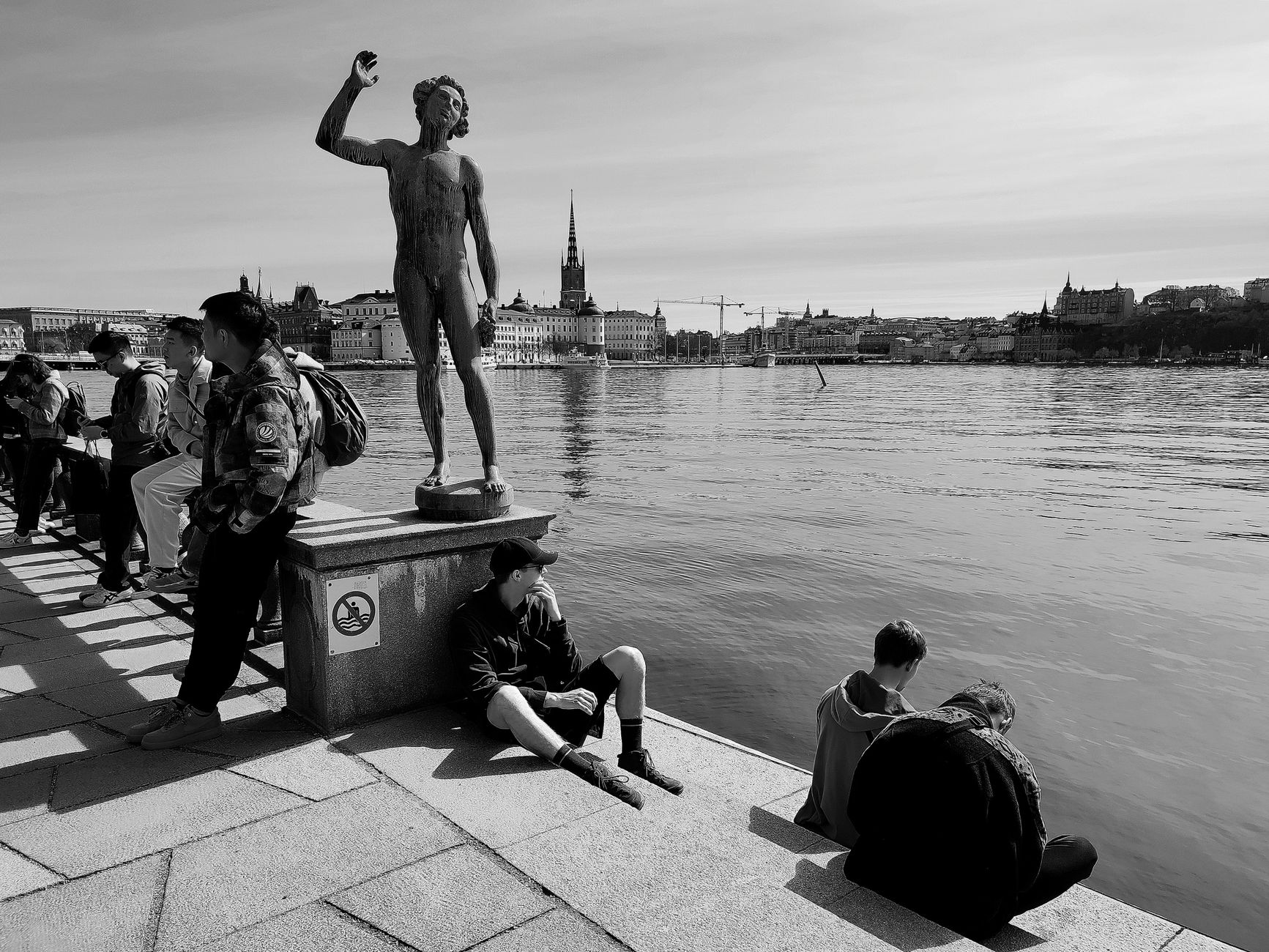
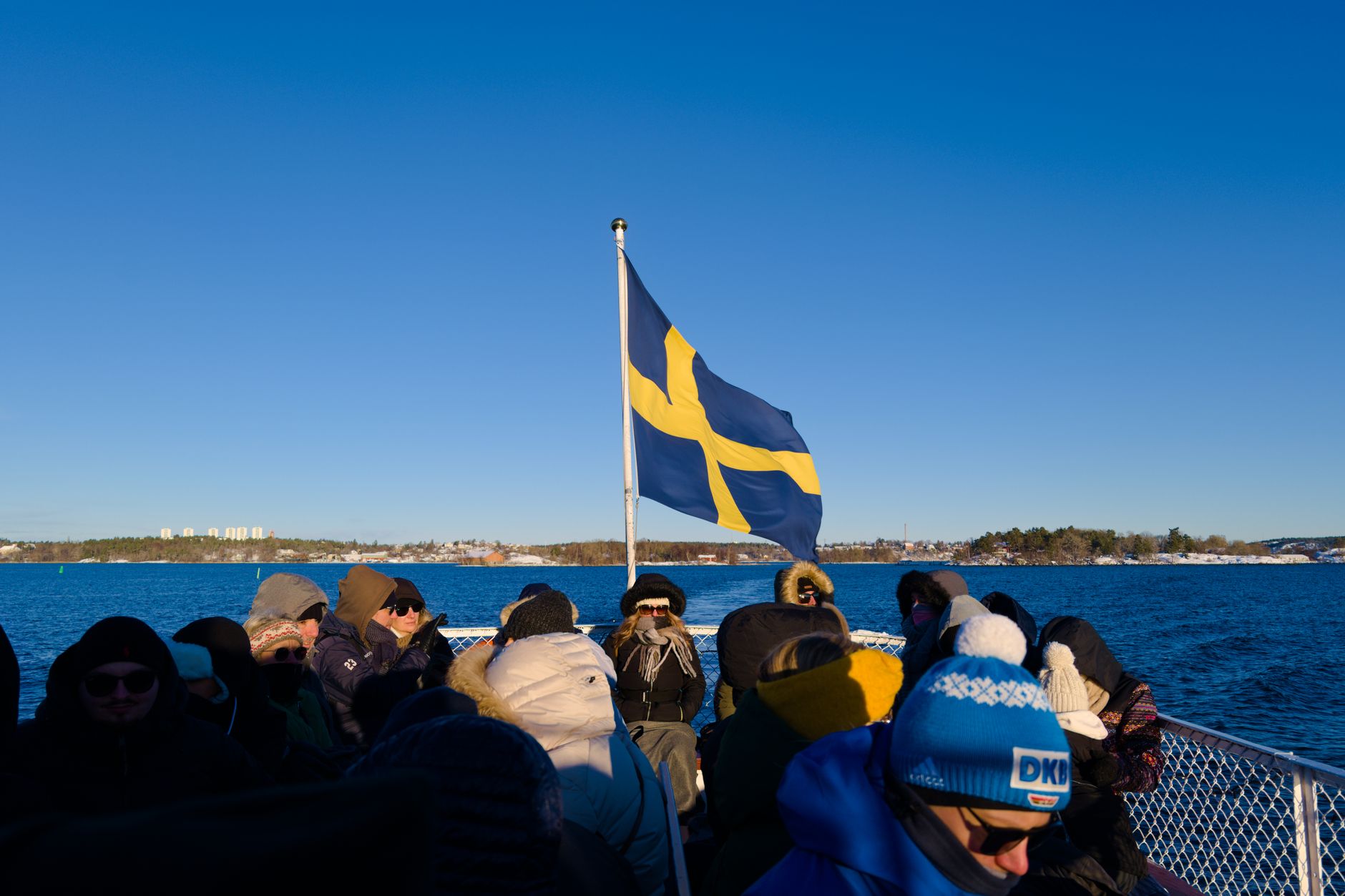
Photo by Pham Ngoc Anh on Pexels
Sweden
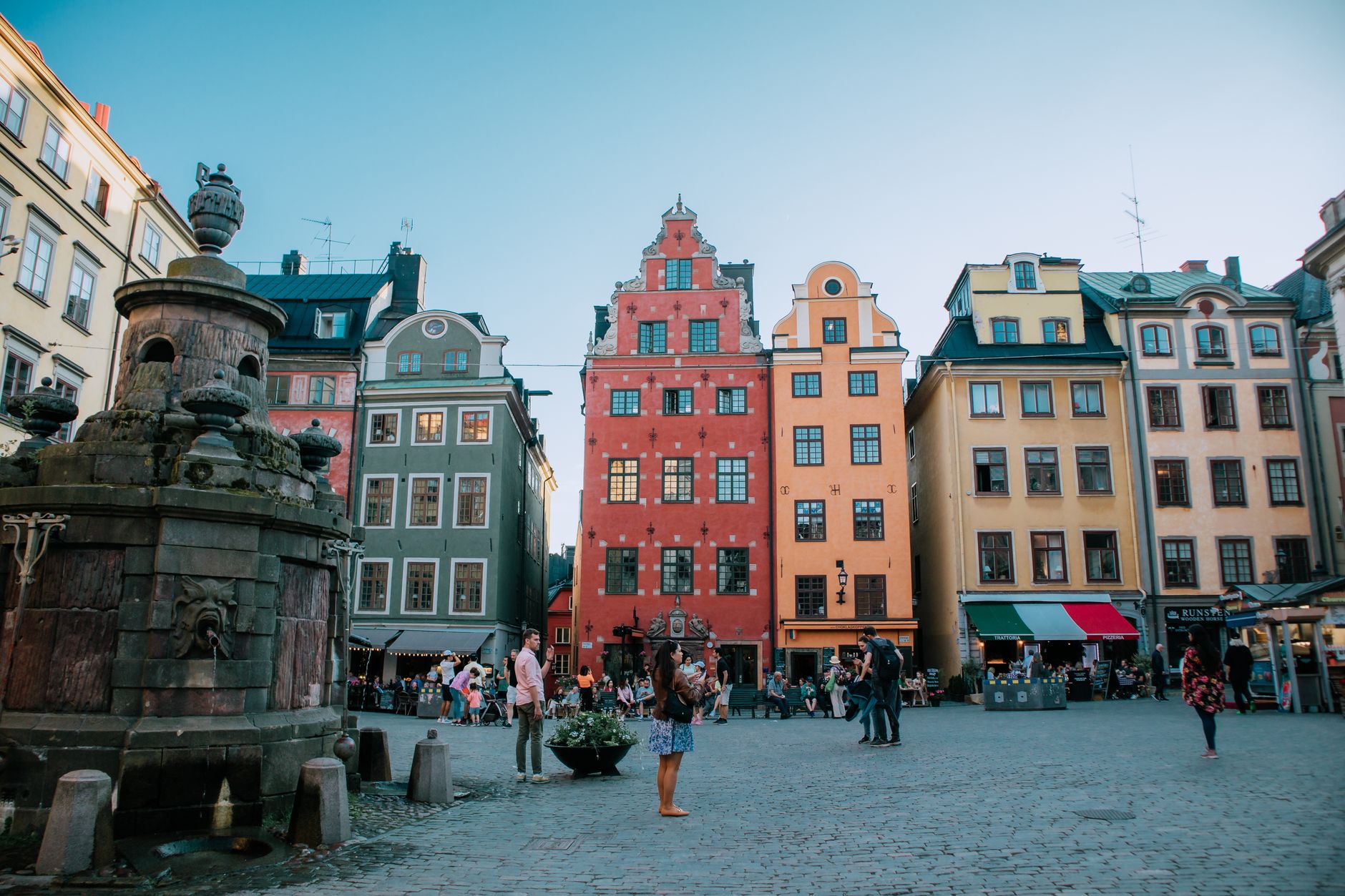
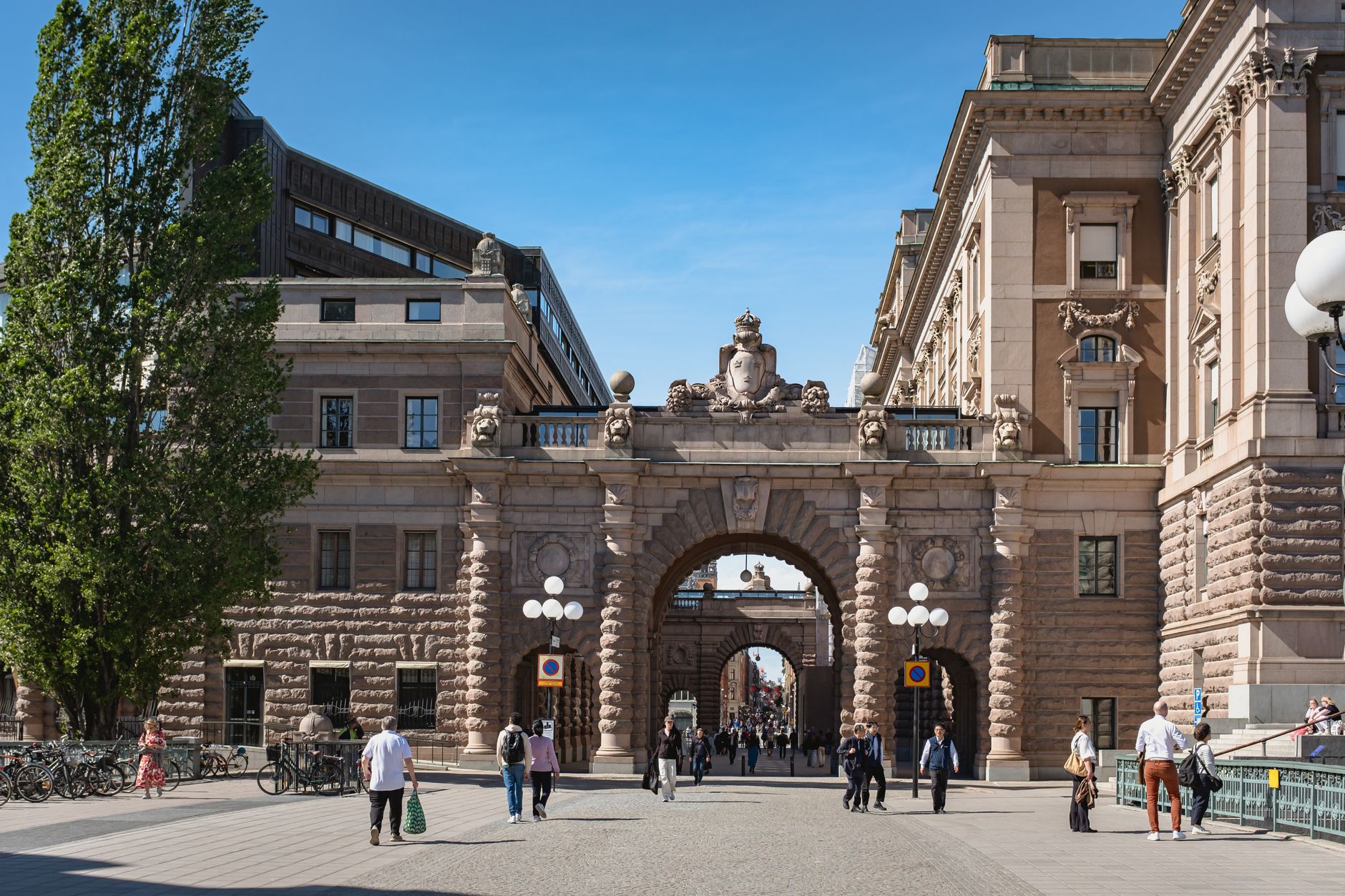
Photo by Ecem Arslan on Pexels
Sweden
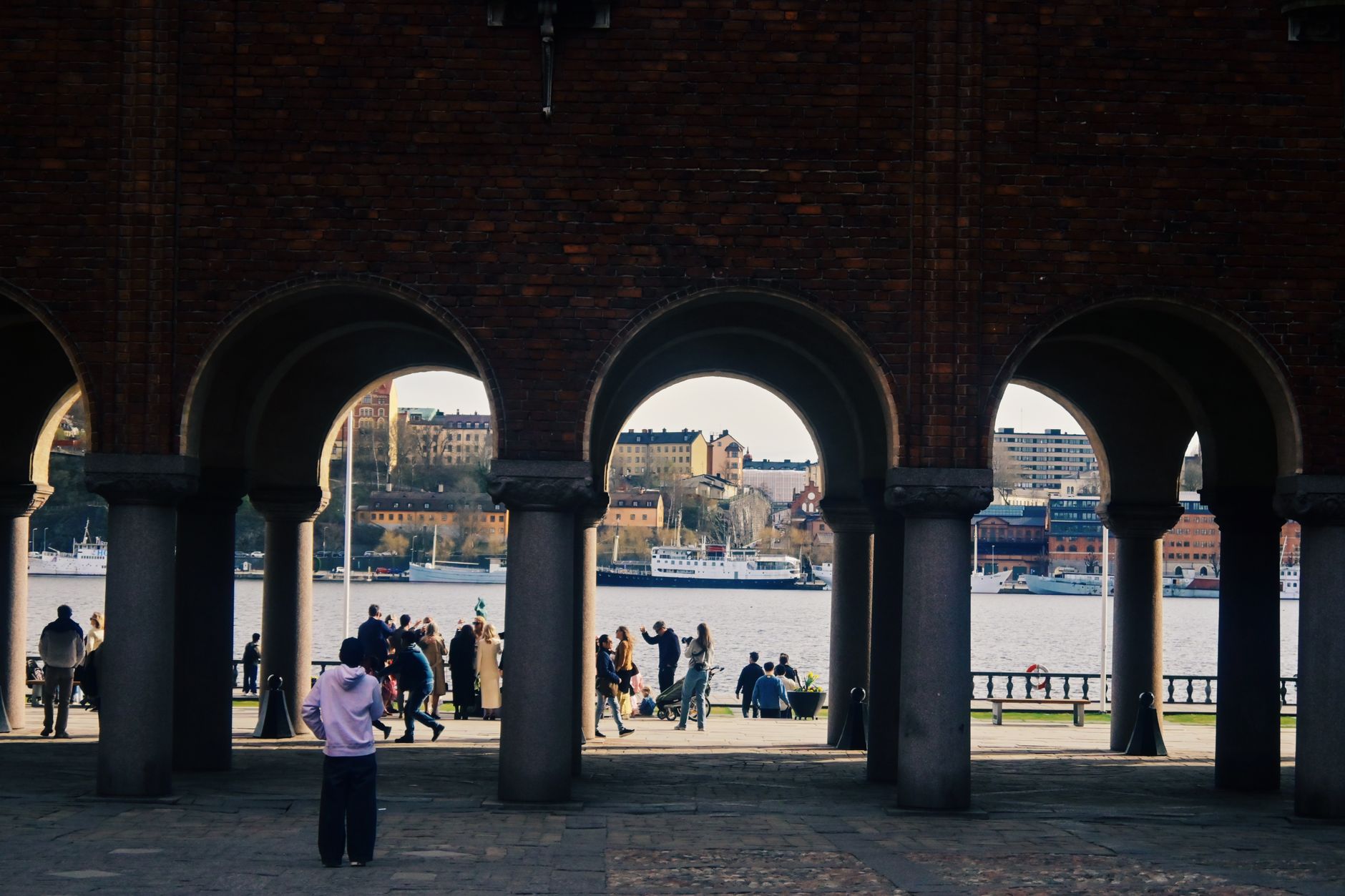
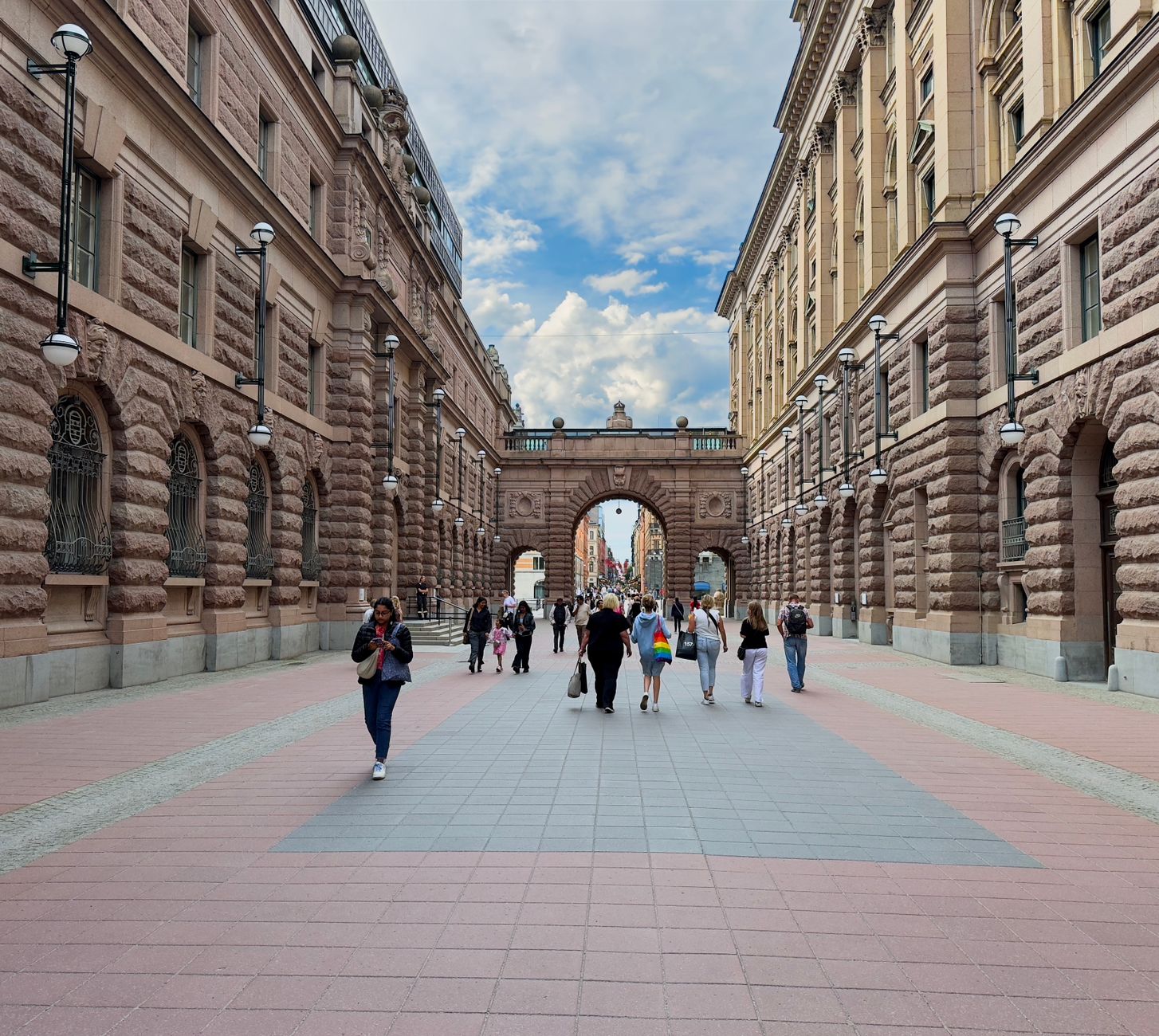
Photo by Efrem Efre on Pexels
Sweden
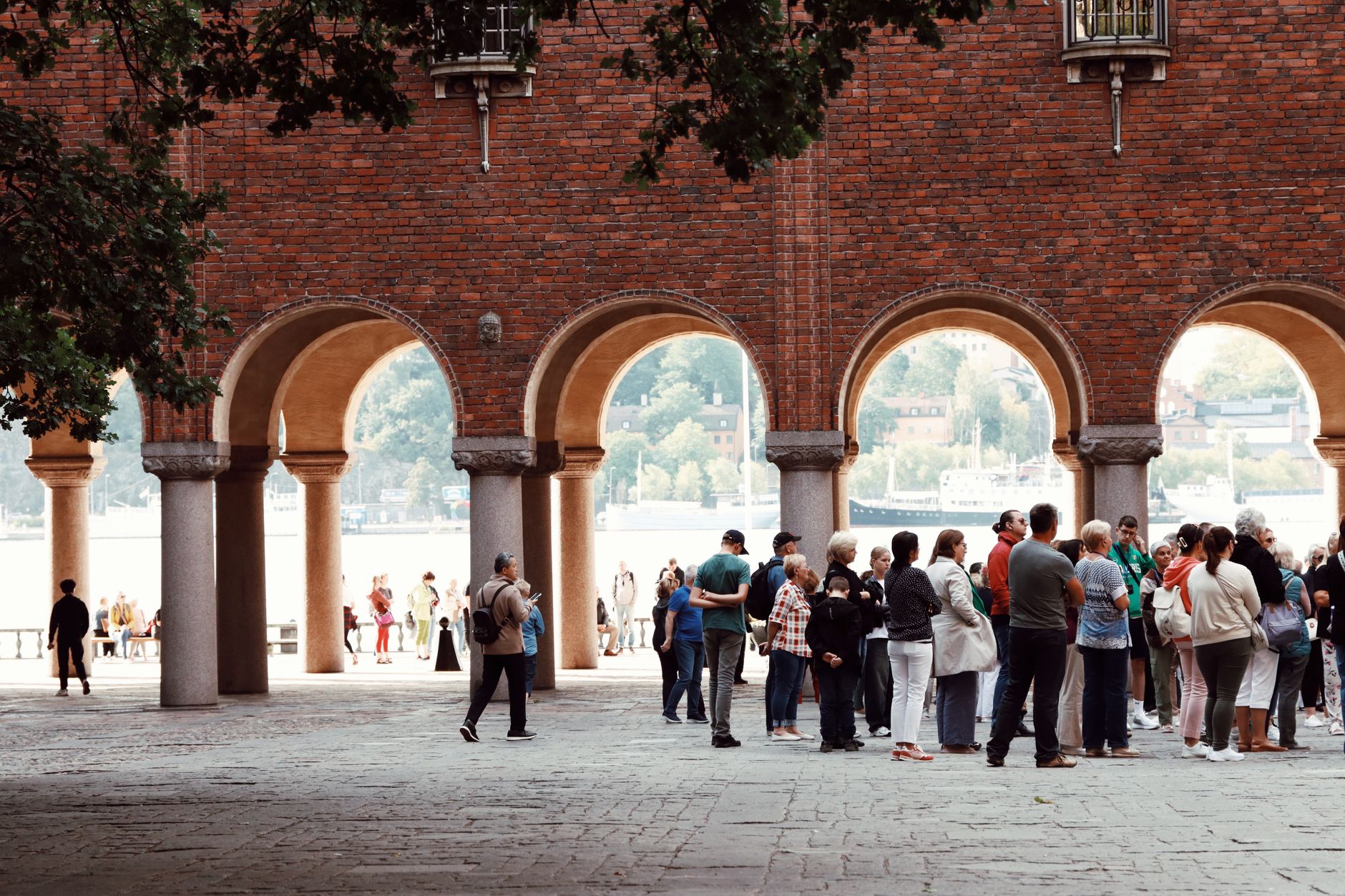
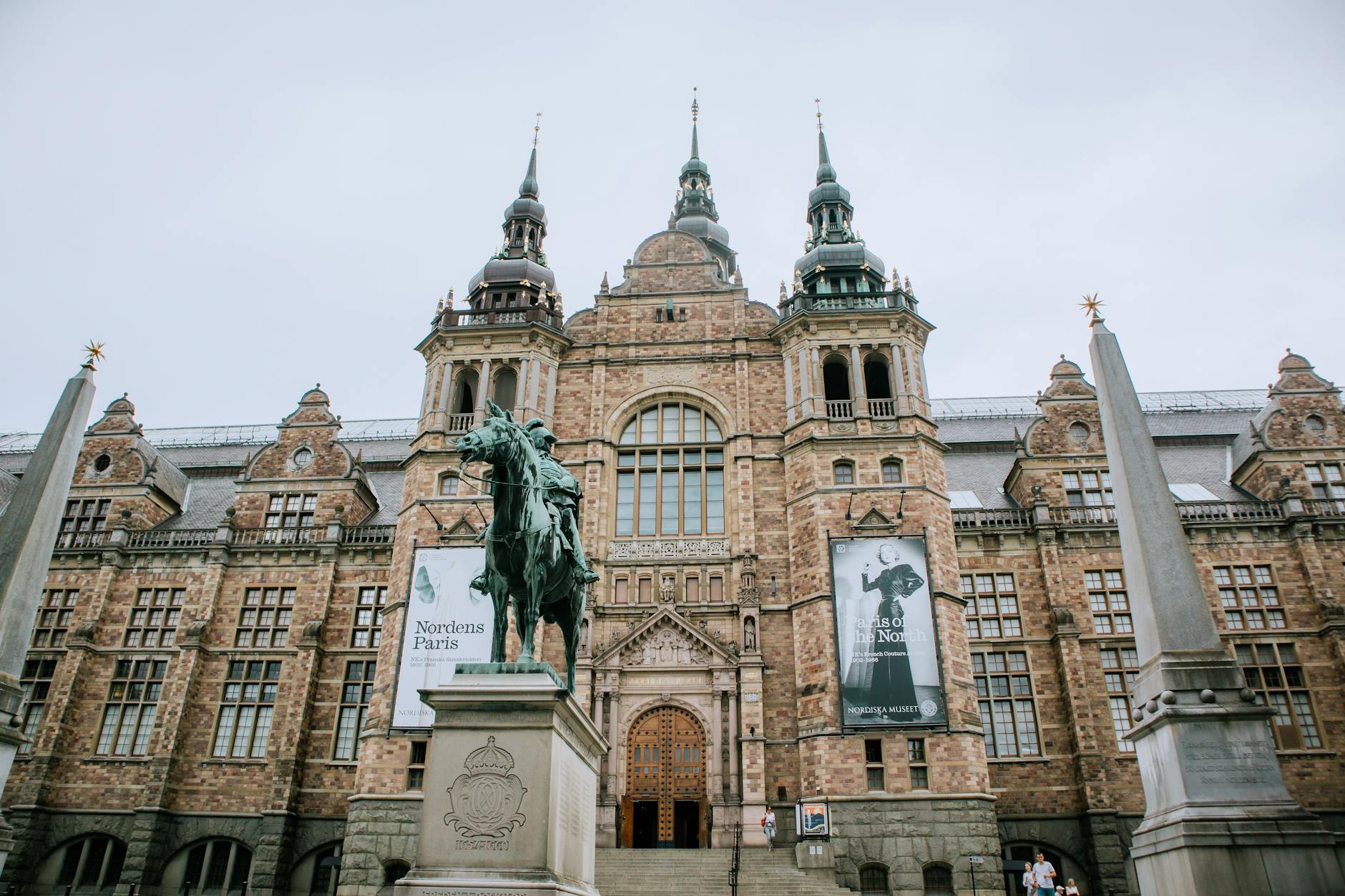
Photo by Jakob Stöberl on Pexels
Sweden
Photo by Kirandeep Singh Walia on Pexels
Sweden
Photo by Jan Arve Pettersen on Pexels
City break Wellness & spa Nature & outdoors

Sweden is the kind of country where the light does most of the talking. In summer it barely leaves, stretching gold across the water until nearly midnight; in winter it retreats so far that candles become a form of survival. Between those two poles you find a country of dense forest, long coastlines, medieval town centres, and a capital built across fourteen islands — where the metro stations double as public art and the warship that sank on its maiden voyage in 1628 is still perfectly intact in its own museum.

Sweden is in the EU but kept its own currency, the krona, so come prepared. The country is large and unhurried, and rewards the same quality in its visitors.

Good to know
Fly into Stockholm Arlanda or Gothenburg Landvetter; trains connect the main cities reliably. Summer (June–August) offers long daylight and outdoor life; late autumn and winter suit those drawn to the interiors — museums, opera, candlelit restaurants. Stockholm's T-Bana metro covers the capital well; a single ticket costs 43 SEK and is valid for 75 minutes.

Deals in Sweden

Book directly at the provider
The story

How Sweden came to be

Sweden as a unified kingdom traces back to the 12th century, when a papal decree in 1164 established Uppsala as its own archdiocese — the earliest document to name Sweden as an independent realm. The foundations of the modern state were laid by King Gustav Vasa, who came to power in 1523 after a Danish massacre of Swedish nobles sparked a rebellion that ended the Kalmar Union. Gustav nationalised the church, seized its estates, and introduced the Protestant Reformation.

Over the following centuries Sweden rose to regional power, then lost it — defeated by Russia in the Great Northern War, which ended in 1721. Norway remained joined to Sweden until 1905. Sweden joined the European Union in 1995, though it held onto the krona rather than adopting the euro, a decision that still shapes daily life for visitors today.

People & landmarks

Who and what shaped it

People who shaped it

King Gustav Vasa
Elected king in 1523 after rebellion against Danish rule; founded the modern Swedish state by nationalising the church and introducing the Protestant Reformation.
Carl Linnaeus
Botanist and cultural leader (1707–1778) whose work in biology and ethnography shaped European science; buried in Uppsala Cathedral.
King Gustav III
Came to throne in 1771; founded Stockholm's first opera, the Swedish Academy, and the Royal Academy of Music.
Birger Jarl
Regent from 1248–1266; revered as the founder of Stockholm and creator of national legislation.

Landmark buildings

Stockholm Palace
Royal residence built 1697–1760 with over 600 rooms including the Royal Apartments, Hall of State, and Royal Armory museum.
Drottningholm Palace
Private residence of the Swedish royal family, dating from the late 16th century.
Stockholm City Hall
Completed 1923 in National Romantic style; hosts the Nobel Prize banquet in its Blue Hall.
Vasa Museum
Houses the Vasa warship, which sank on its maiden voyage in 1628 and remains perfectly preserved.
Gamla Stan
Oldest part of Stockholm with historic buildings, museums, and Stortorget Square; birthplace of the city.
Stockholm Public Library
Opened in 1928 after construction began in 1924.
Royal Swedish Opera
Founded in 1773; Sweden's premier opera house.
Kaknästornet
Television tower erected in 1967, standing 150+ metres; Stockholm's tallest structure.
Avicii Arena
Spherical building in southern Stockholm; one of the world's largest spherical structures.
Stockholm Olympic Stadium
Built for the 1912 Summer Olympics; still hosts sporting events and concerts.
Uppsala Cathedral
Largest church in Scandinavia; houses tombs of Swedish monarchs and Carl Linnaeus.
Kalmar Castle
Over 800 years old with well-preserved Renaissance architecture; played a significant role in Scandinavian politics.
Turning Torso
Designed by Santiago Calatrava in Malmö; Scandinavia's tallest building with a distinctive twisted design of nine interlocking cubes.
Watch

See Sweden in motion

Practical

Plan your visit

On the map

When to go

Summers are mild to warm (often 20–25°C in the south) with extraordinarily long days; winters are cold and dark, particularly in the north, where snow is reliable from November onward. Spring and early autumn offer a quieter middle ground — comfortable temperatures and fewer crowds.

Right now

☀️
28°C
Clear
Fri
29°
15°
Sat
🌧️
21°
15°
Sun
16°
14°
Mon
17°
15°
Weather data: Open-Meteo
Theme

↡ Cities

No places match these filters.


Background & history adapted from Wikipedia (CC BY-SA) · specs from Wikidata (CC0) · weather from Open-Meteo · map data © OpenStreetMap contributors · photos from Wikimedia Commons / Unsplash with per-image credit. No third-party reviews or social posts reproduced.

Top