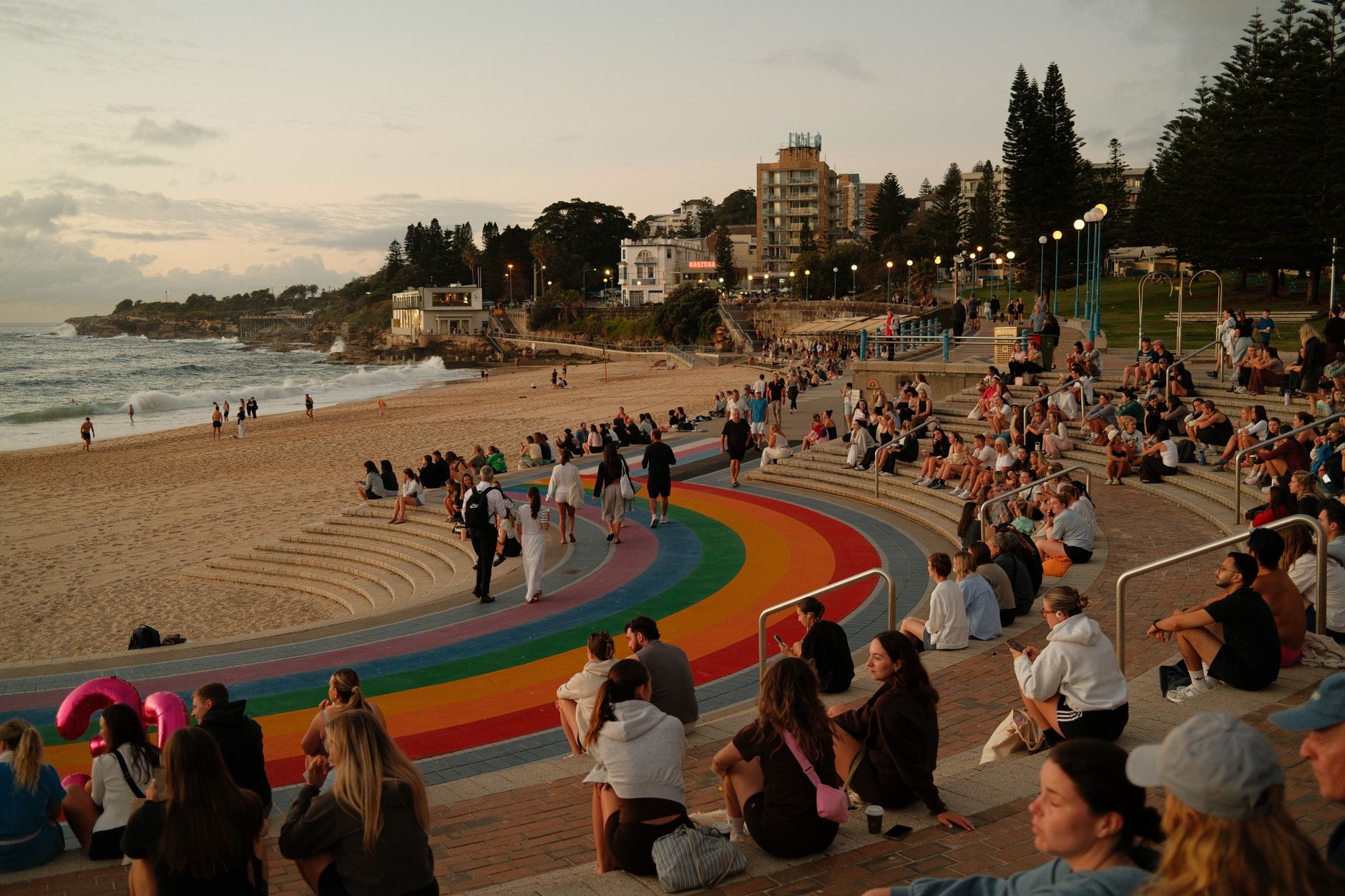
Continent

Oceania

Oceania
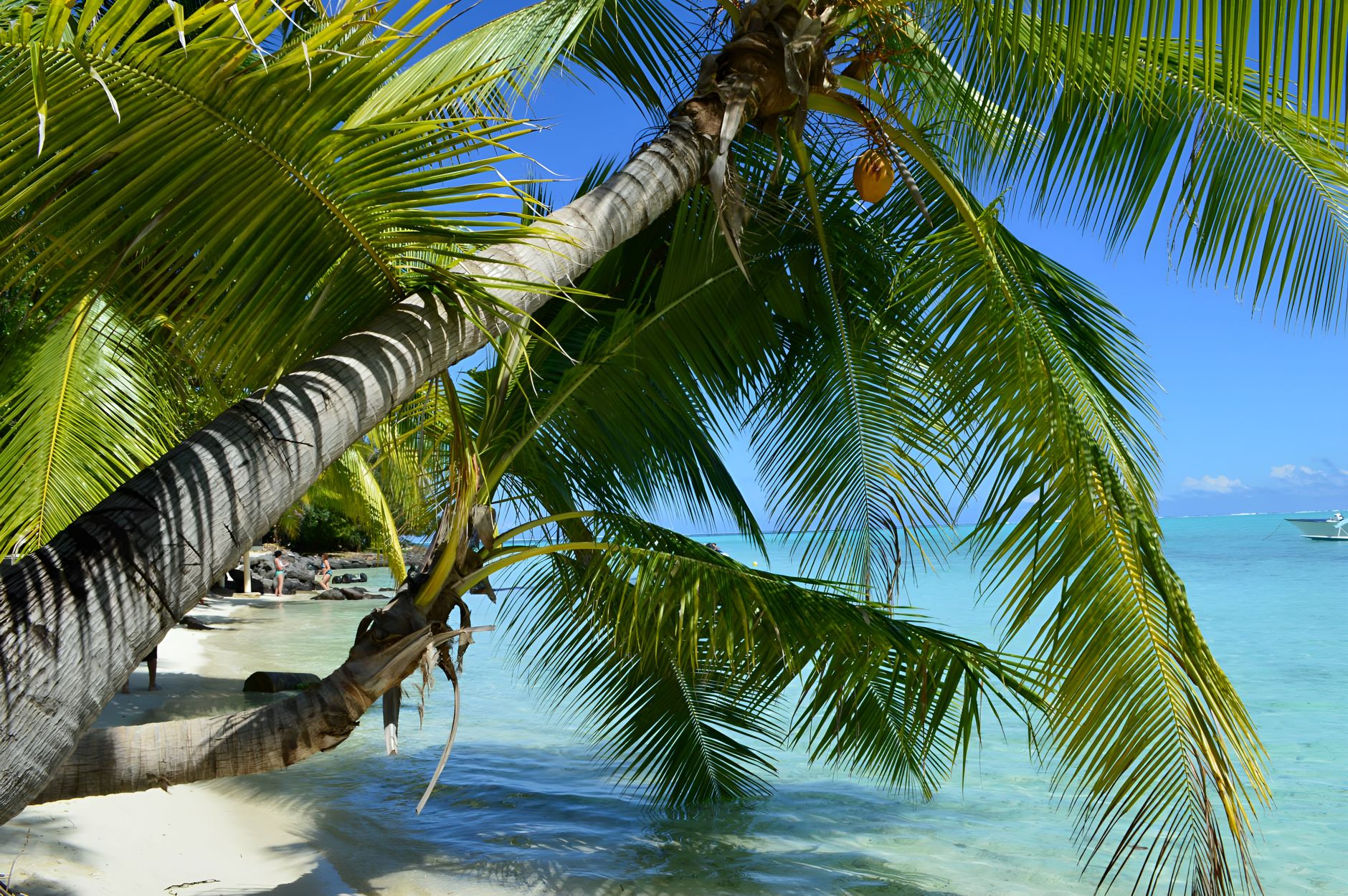
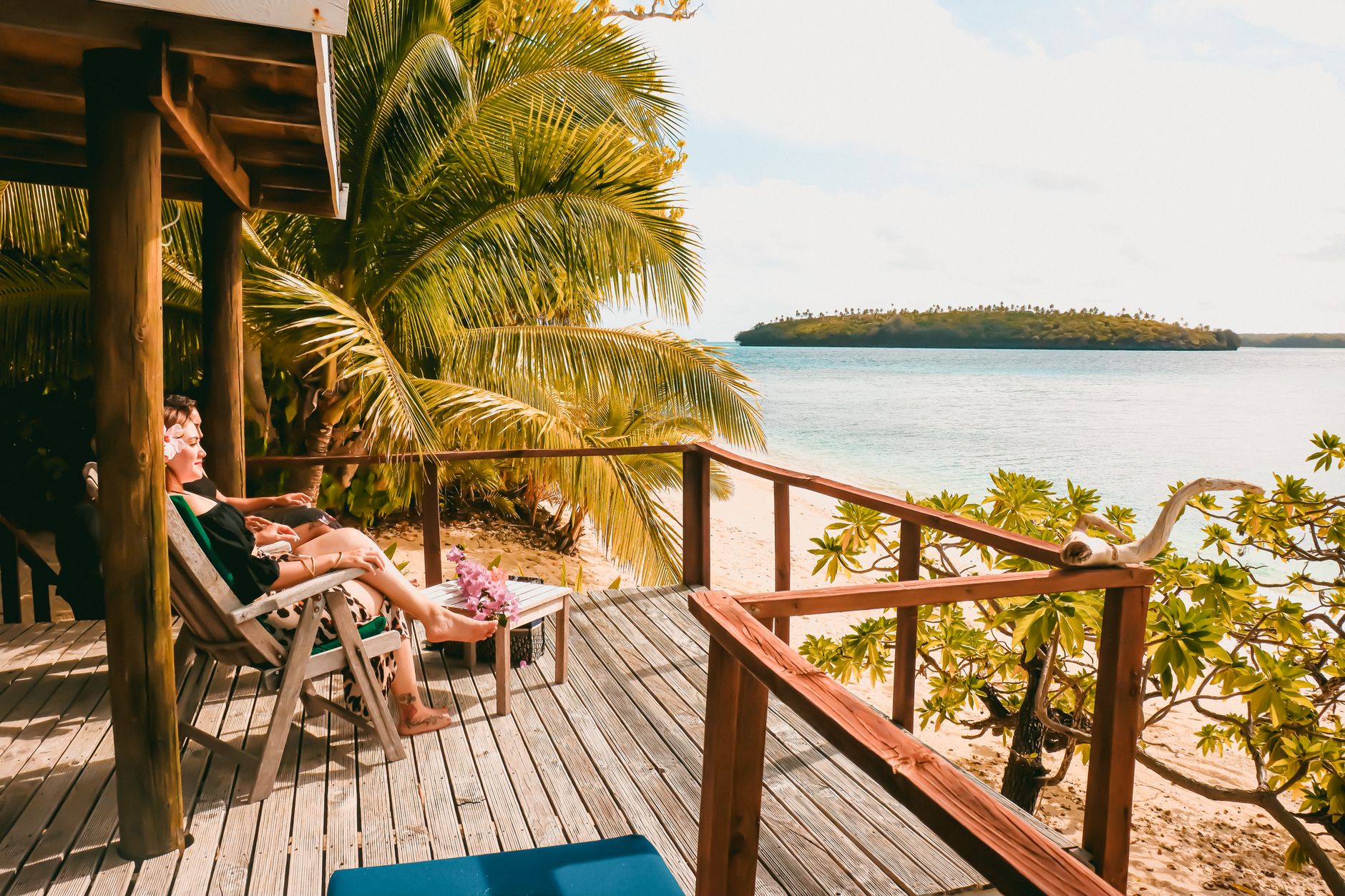
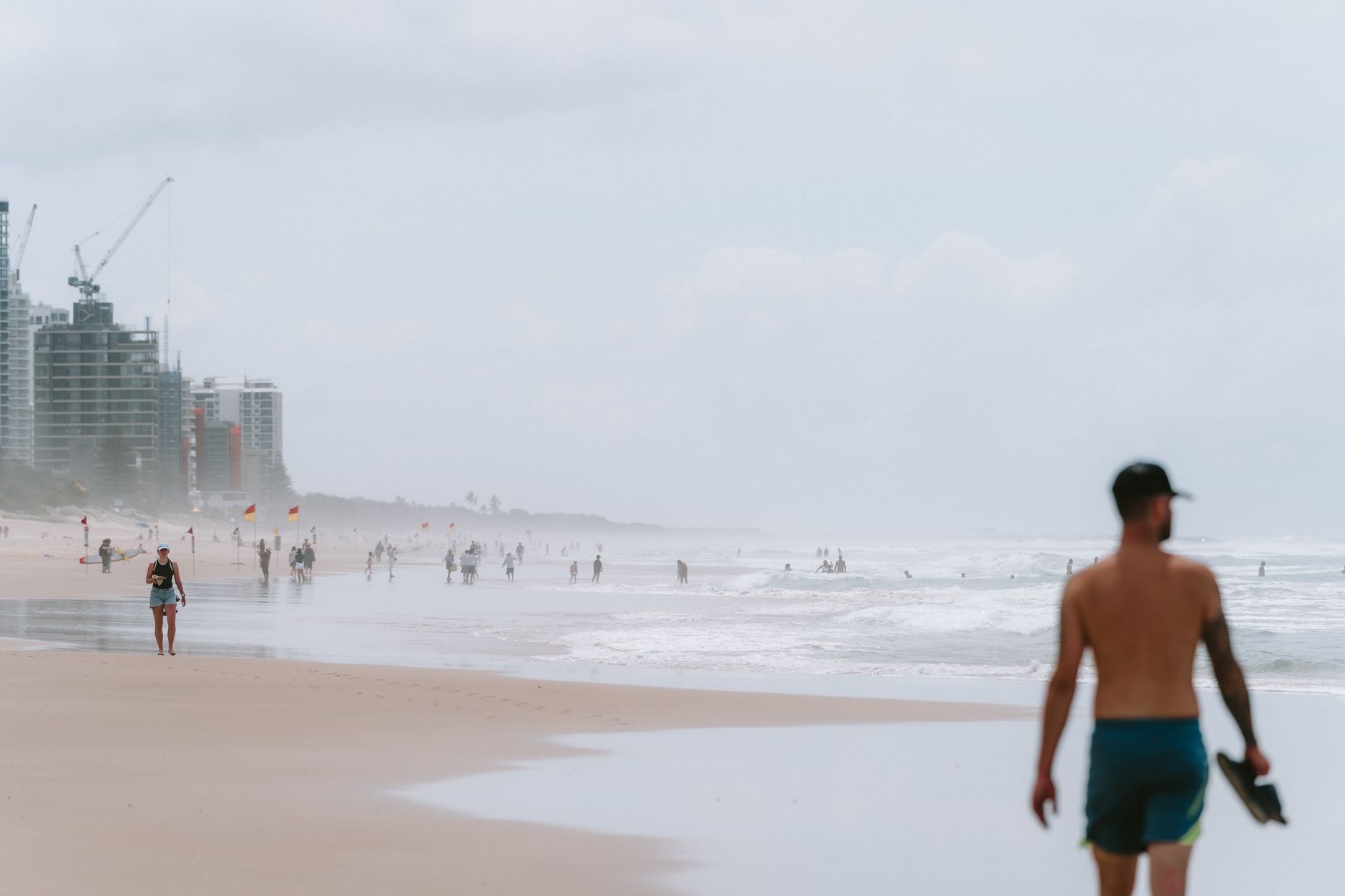
Photo by Tom Macret on Pexels
Oceania
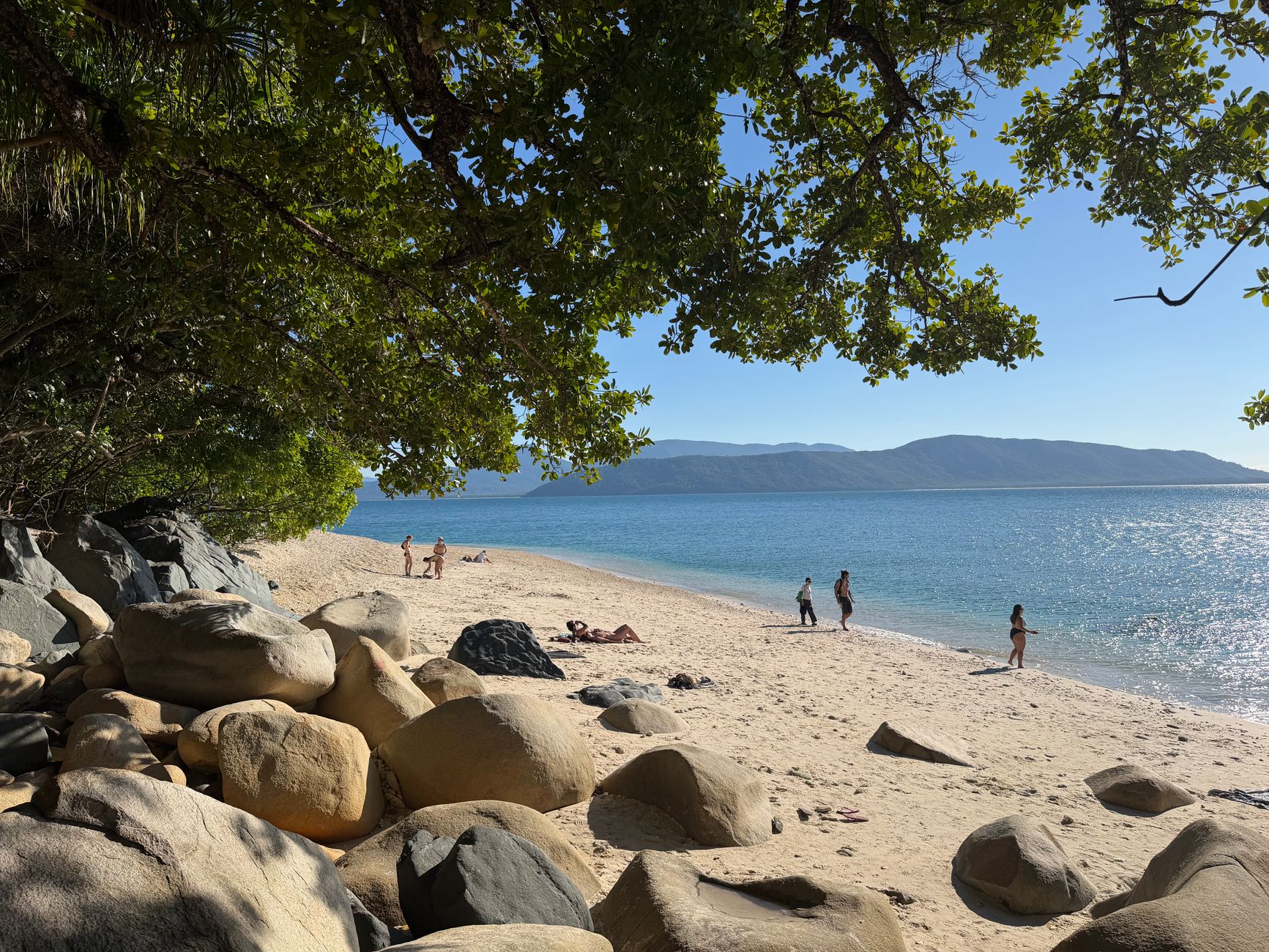
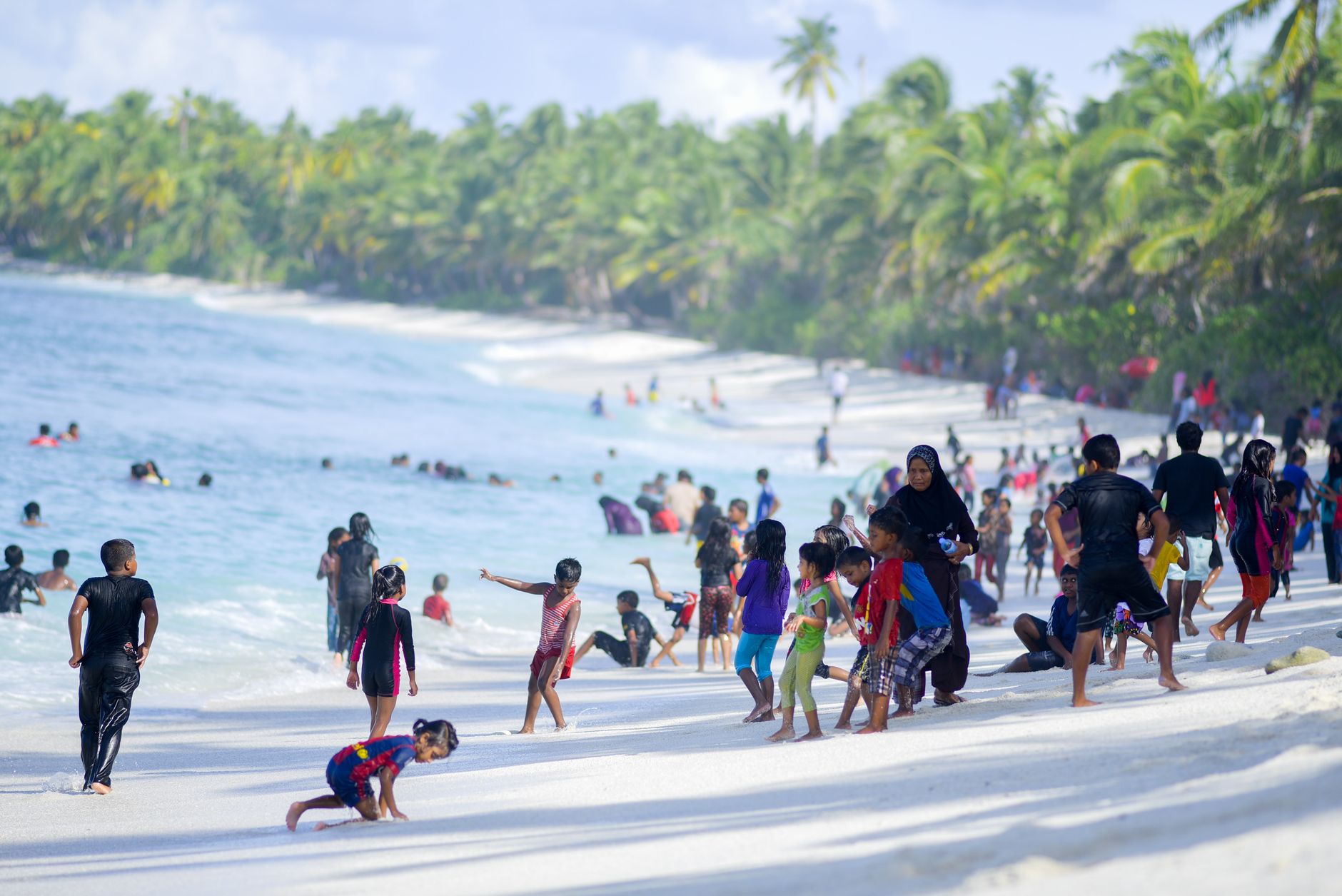
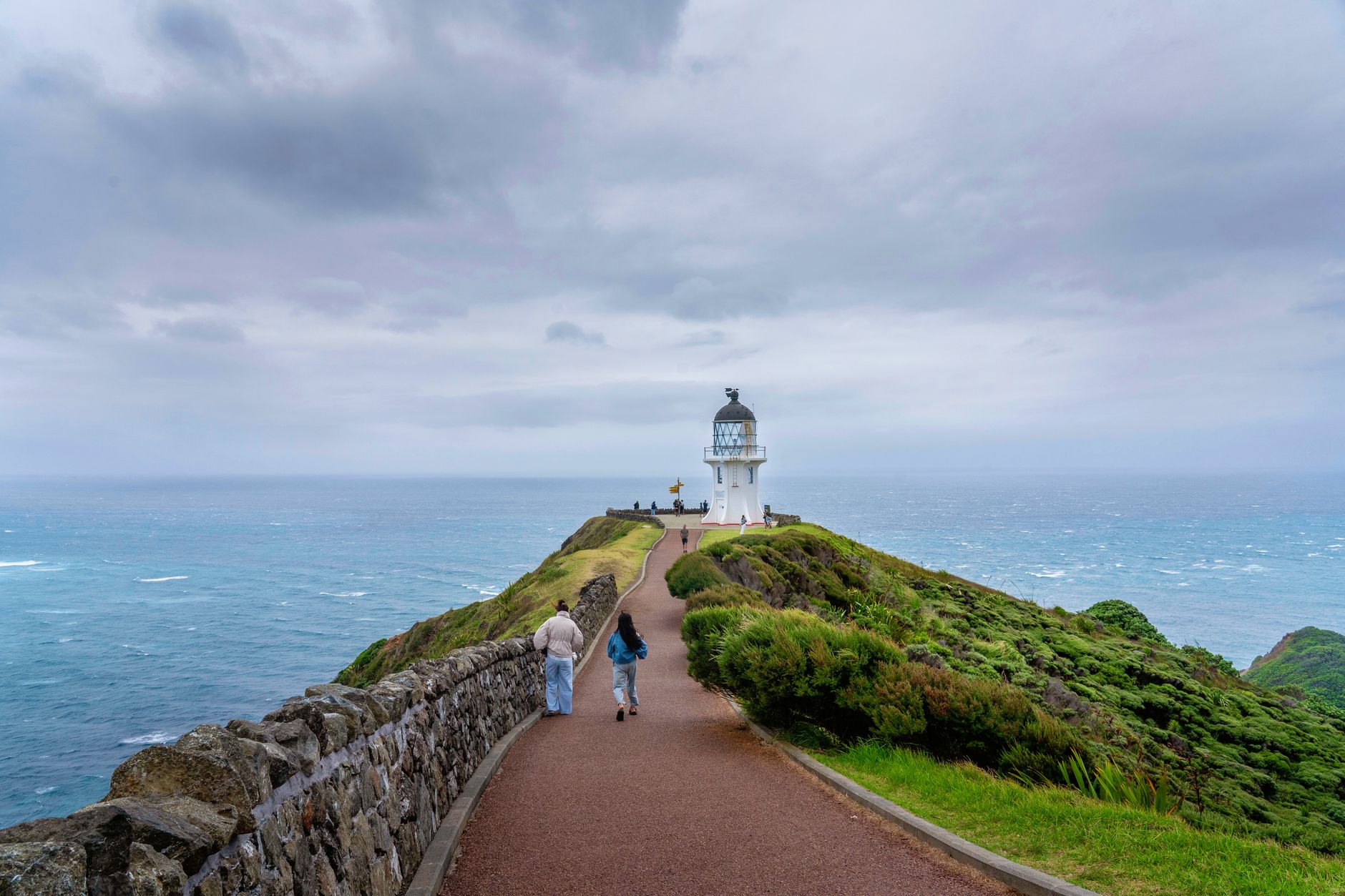
Photo by Line Knipst on Pexels
Oceania
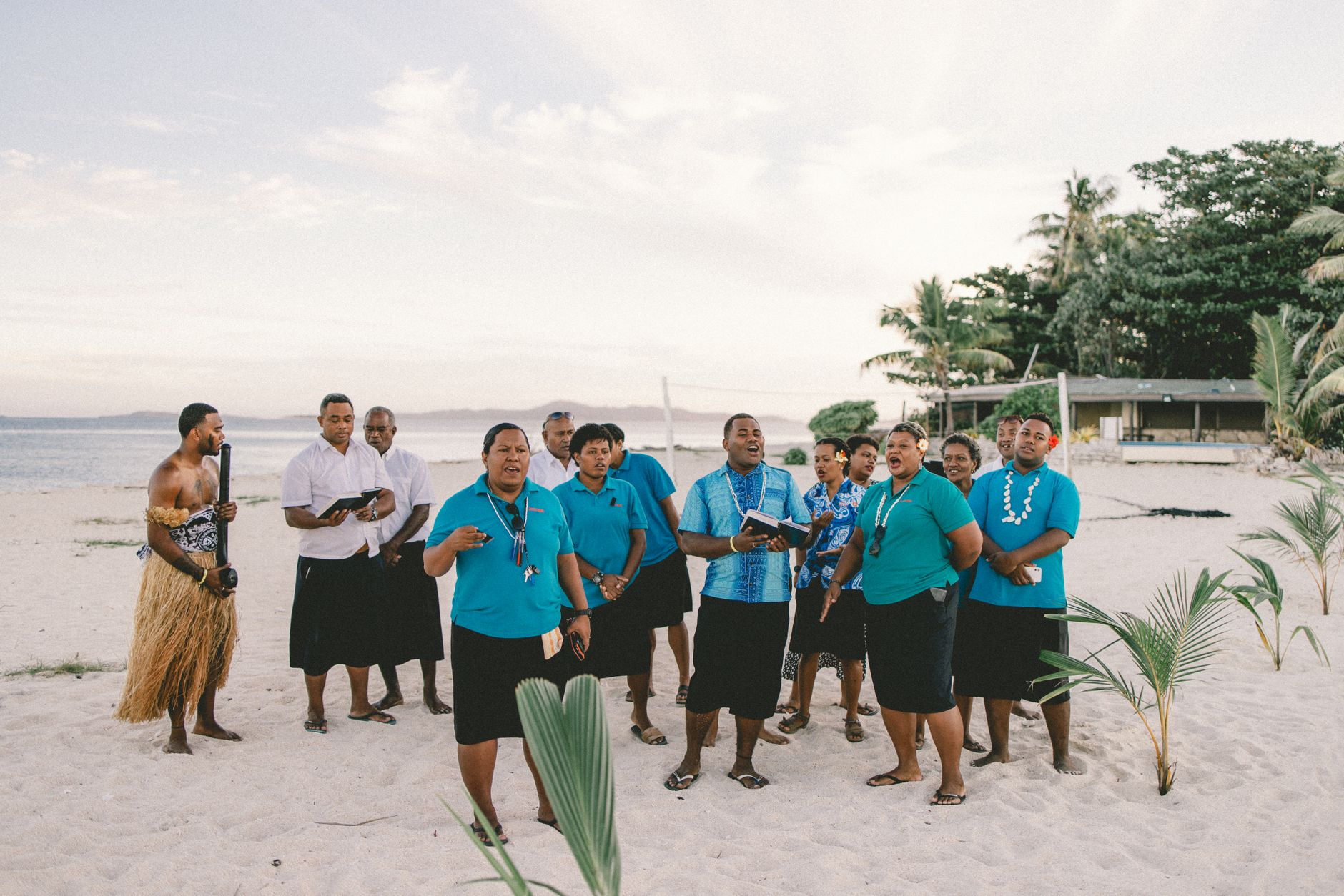
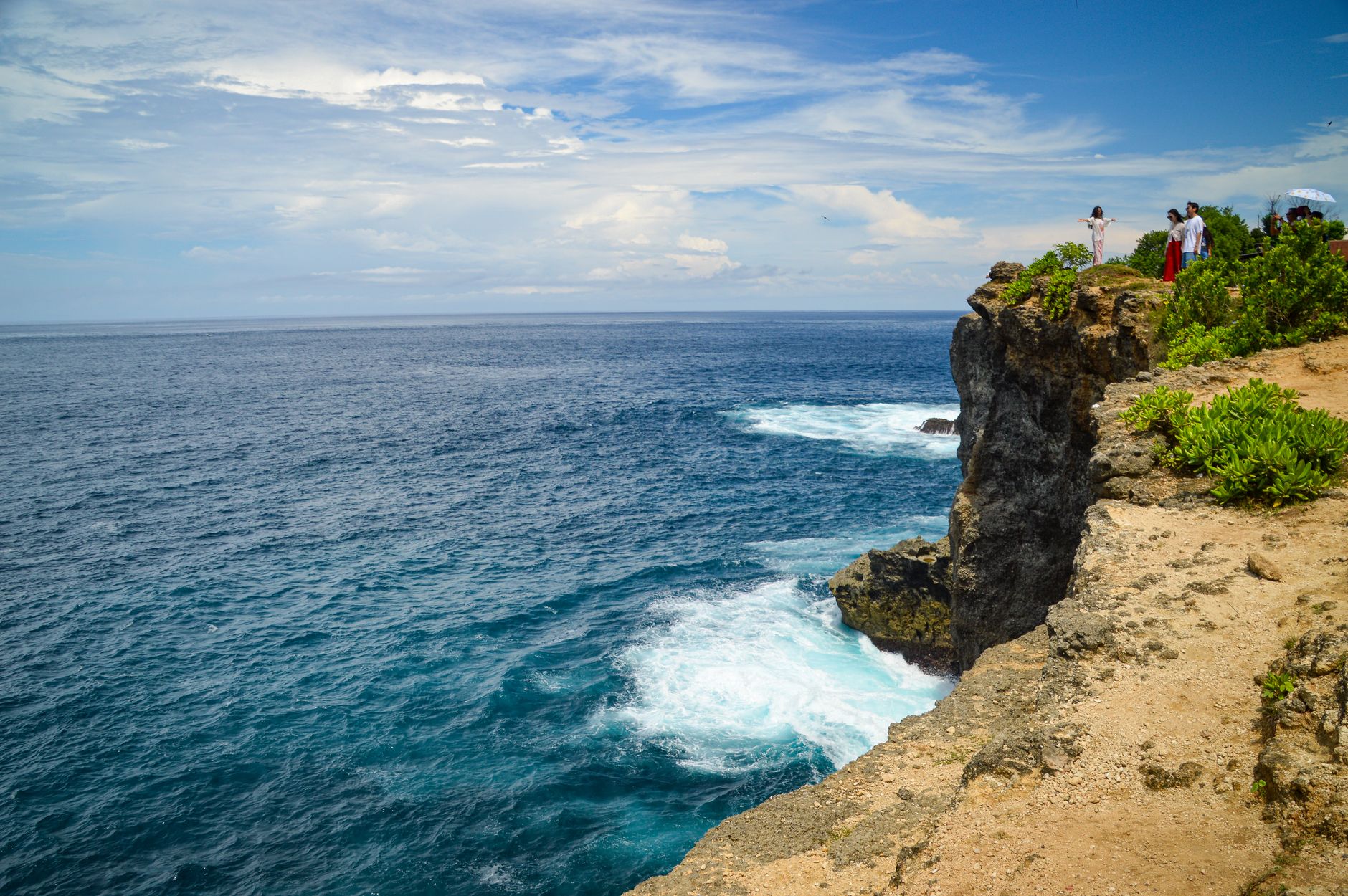
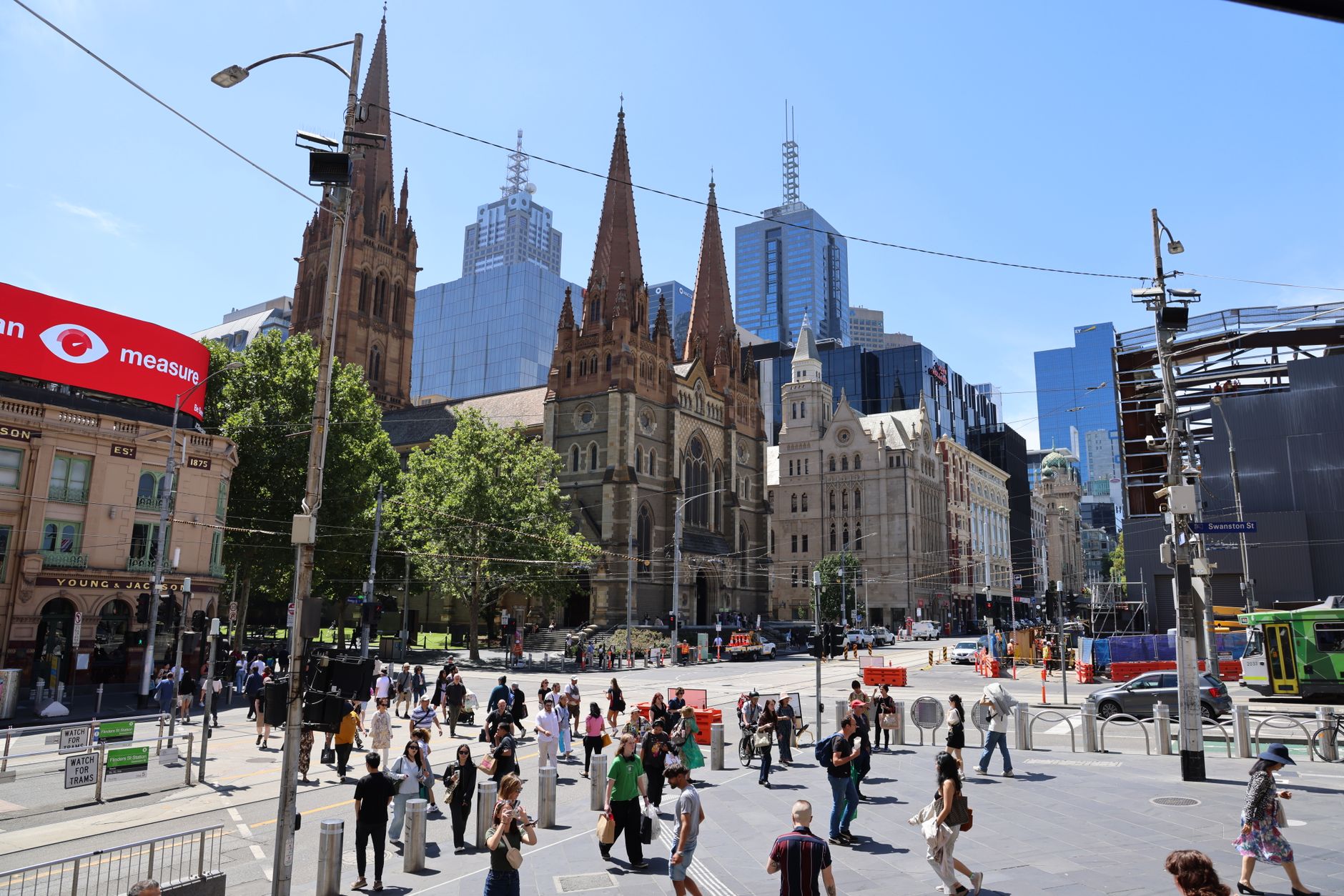
Photo by Ryan Fatalla on Pexels
Oceania
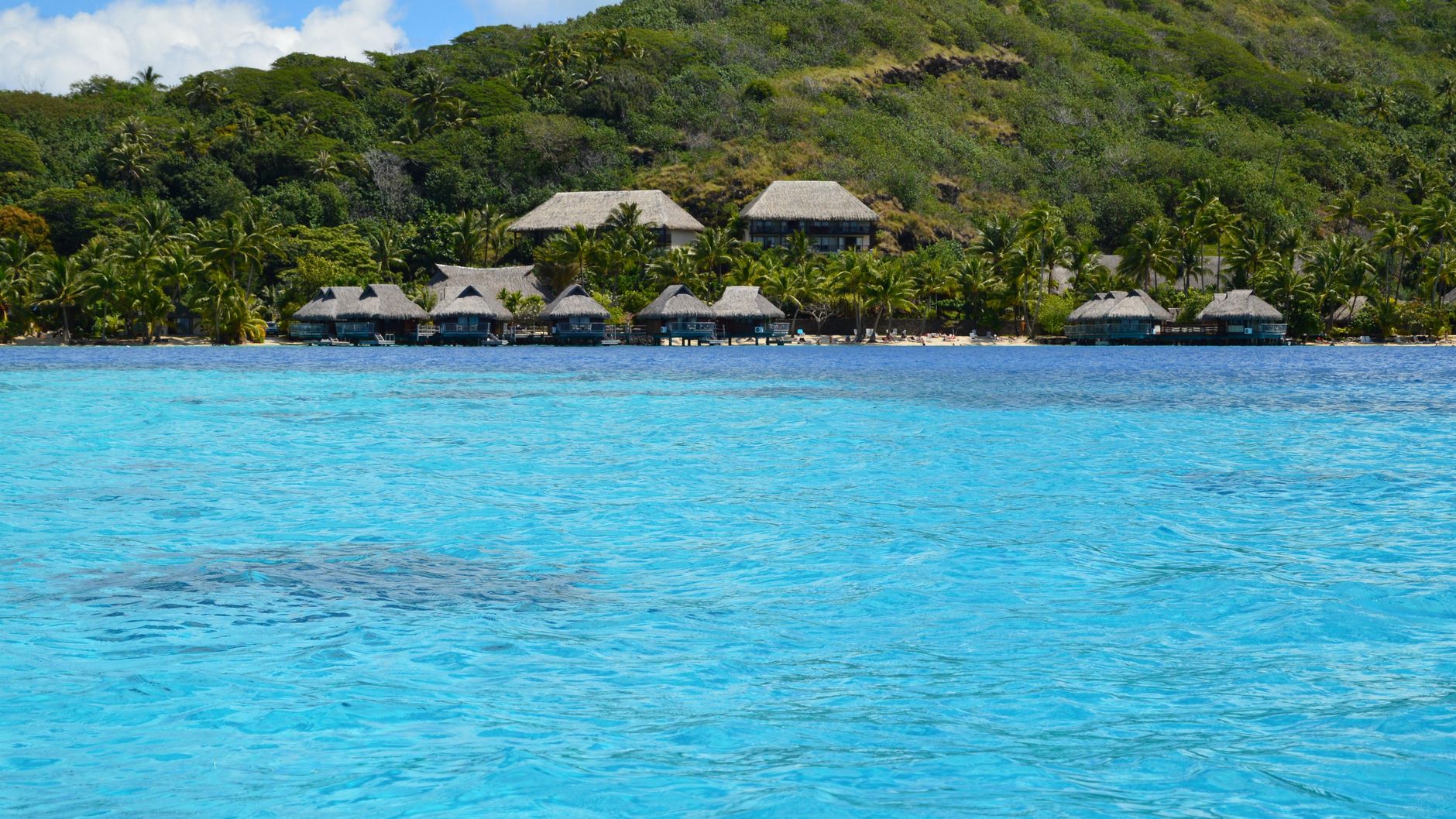
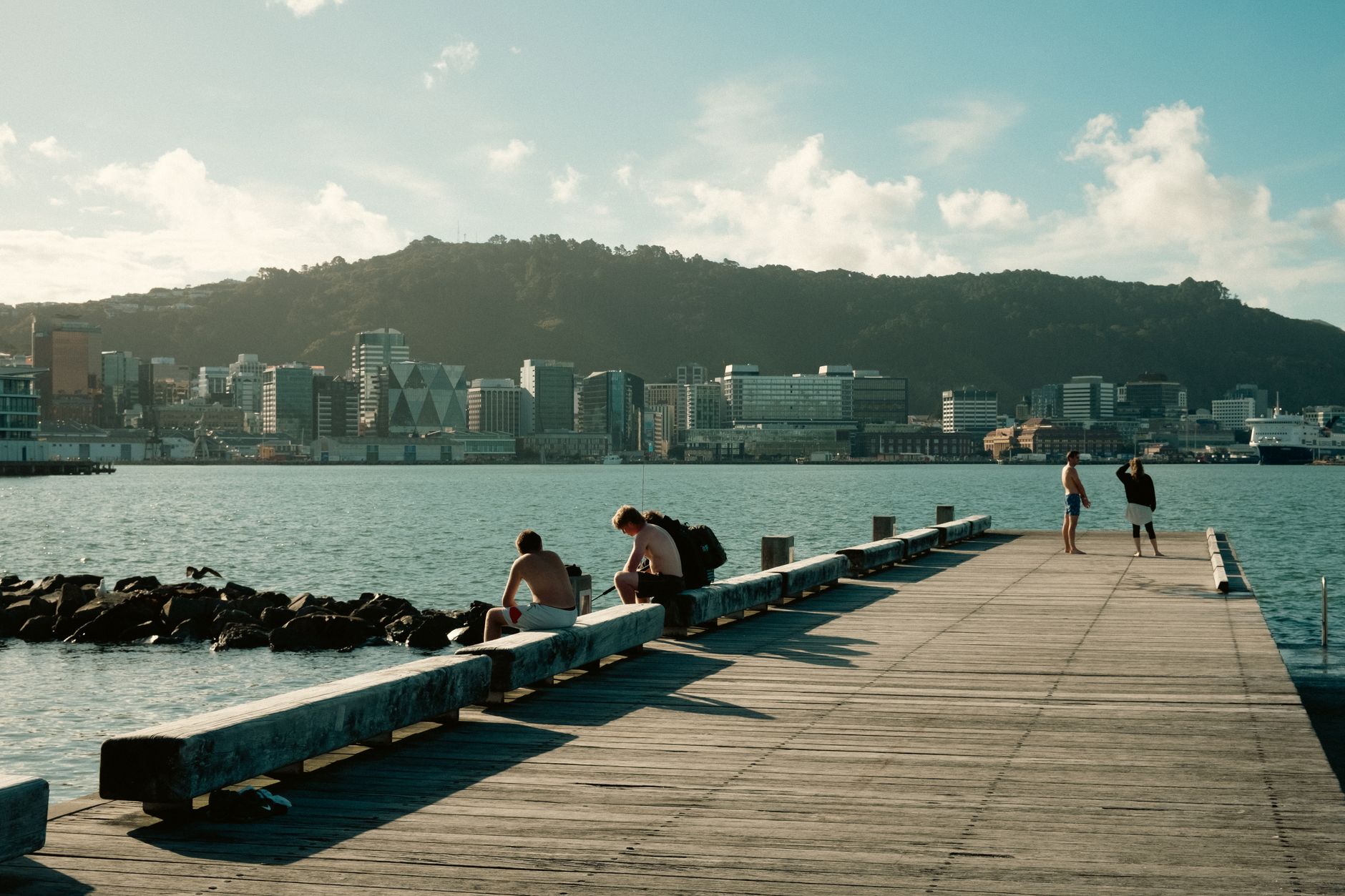
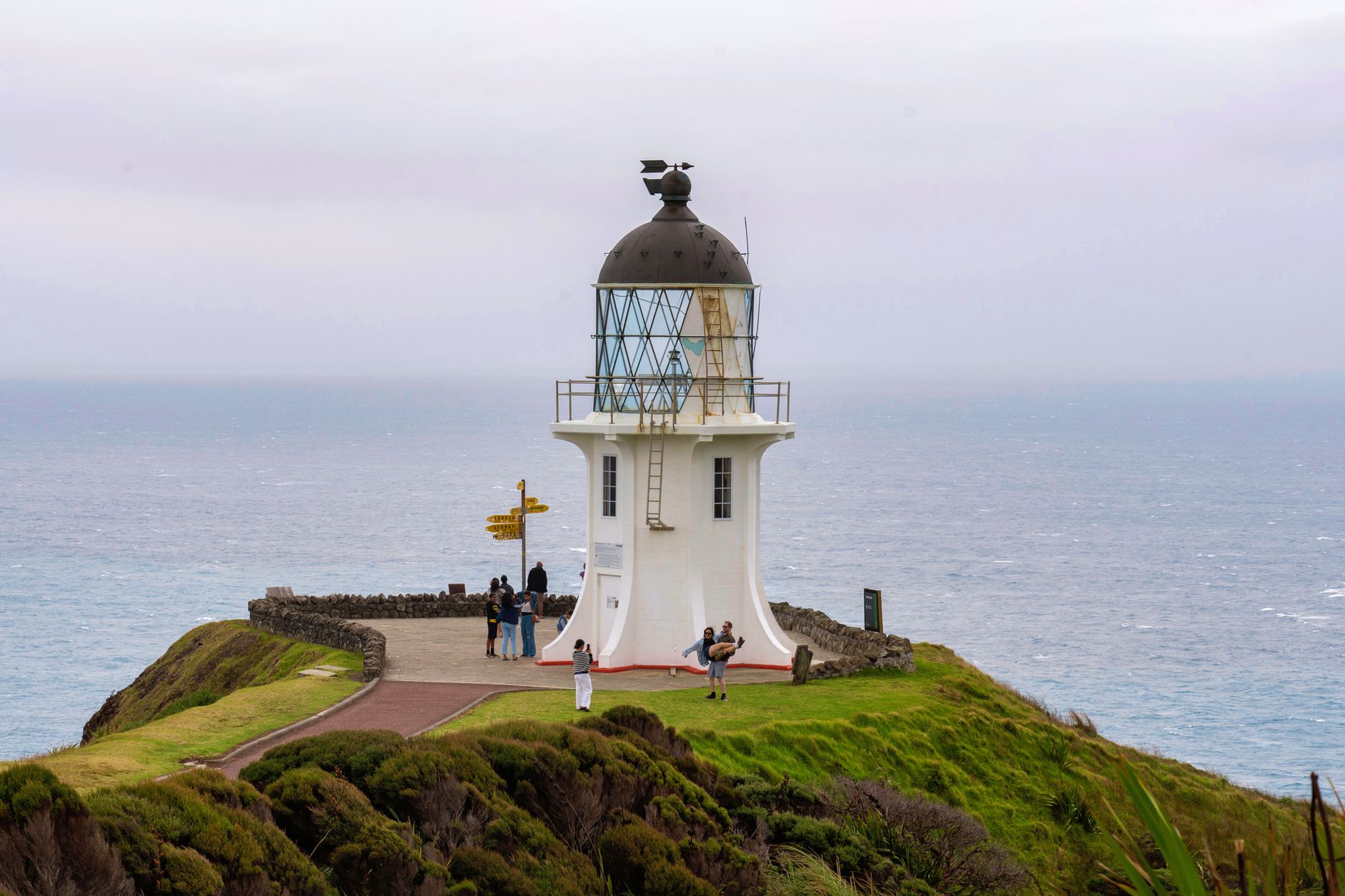
Photo by The Bhullar on Pexels
Oceania
Photo by Ryan Fatalla on Pexels
Oceania
Photo by Talha Resitoglu on Pexels
Nature & outdoors Adventure & active Islands & tropical Beach & sun

Oceania covers roughly one-third of the Earth's surface, and almost all of it is water. The land — Australia, New Zealand, Papua New Guinea, and more than ten thousand Pacific islands scattered across Melanesia, Micronesia, and Polynesia — amounts to a fraction of that blue expanse, which is precisely the point. Distance shapes everything here: the pace, the self-reliance, the way communities developed in near-total isolation for tens of thousands of years before the rest of the world arrived.

The continent's range is genuinely hard to hold in a single thought. Aboriginal rock art in the Australian outback represents the longest continuously practiced artistic tradition on Earth. New Guinea shelters the planet's third-largest tropical rainforest. The Great Barrier Reef stretches 2,600 kilometres off Queensland's coast. Coming to Oceania means choosing a corner of it and going deep.

Good to know
Sydney, Melbourne, Auckland, and Brisbane are the main international entry points. There is no single best time — climate varies wildly by latitude and island group. Plan by subregion: the Pacific tropics, the Australian interior, and New Zealand's South Island each operate on entirely different seasonal logic.
The story

How Oceania came to be

The name Oceania is surprisingly young — French geographer Conrad Malte-Brun coined it in 1812, borrowing from the French word for ocean. The human story it covers is ancient by any measure. The first people reached Australia perhaps 65,000 to 80,000 years ago; migration across the Pacific islands may have begun more than 40,000 years ago, carried by seafarers navigating by stars, swells, and bird flight long before written records existed.

Europeans began arriving in the early 16th century, and British captain James Cook reached both Australia and New Zealand in 1770, accelerating colonial settlement throughout the region. Australia federated in 1901, New Zealand followed in 1907, and most Pacific island nations gained independence in the decades after World War II — a process still living in political memory across much of the region.

People & landmarks

Who and what shaped it

Landmark buildings

Sydney Opera House
Iconic performing arts venue completed 1973; 600 ft long with 1,056,006 white and cream tiles.
Sky Tower
Auckland's 1,076 ft structure completed 1997; tallest freestanding building in Southern Hemisphere with observation decks and revolving restaurant.
Royal Exhibition Building
Melbourne landmark completed 1880; first Australian building to receive UNESCO World Heritage status.
Great Barrier Reef
World's largest coral reef system; 2,600 km stretch off Queensland coast with over 3,000 reefs and islands; UNESCO World Heritage Site since 1981.
Uluru (Ayers Rock)
Sacred Aboriginal site in Australian Outback; 348 m high, 10 km circumference; climbing prohibited since October 2019.
Milford Sound
Fjord on New Zealand's South Island; 15 km inland from Tasman Sea, one of ten fjords in Fjordlands National Park.
Practical

Plan your visit

On the map

When to go

Australia's interior runs hot year-round and can turn extreme in the Southern Hemisphere summer (December to February); New Zealand's South Island sees genuine cold in winter (June to August), with temperatures dropping to -10°C in places. The tropical island groups — Fiji, Samoa, and their neighbours — stay warm all year but carry real cyclone risk between November and April.

Right now

☀️
13°C
Clear
Sat
☀️
23°
11°
Sun
☀️
23°
12°
Mon
☀️
25°
10°
Tue
27°
15°
Weather data: Open-Meteo
Type Theme

↡ Regions

↡ Countries
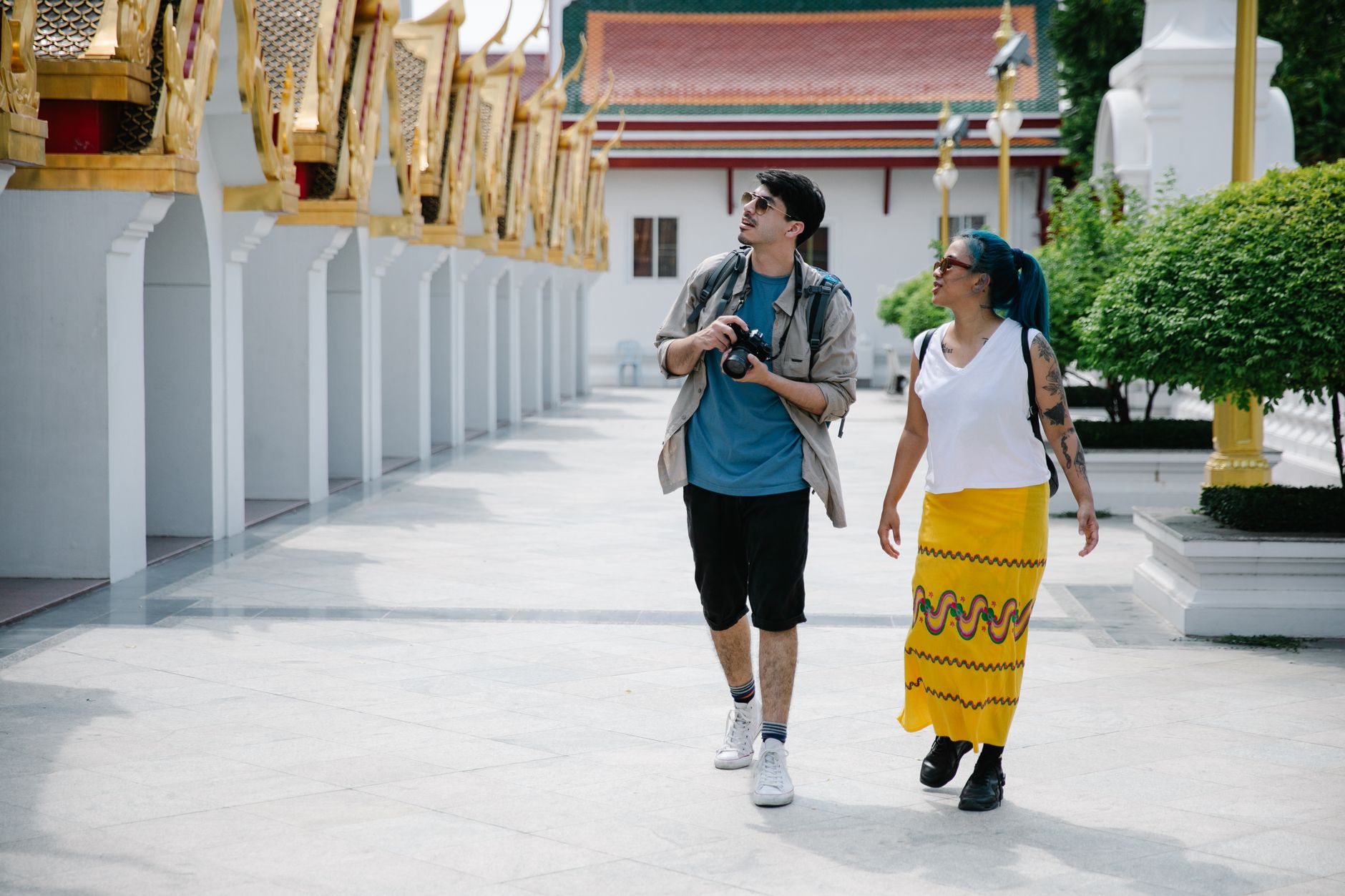
Australia
Country · Oceania
Australia
9 regionsNature & outdoors
Cook Islands
Country · Oceania
Cook Islands
Islands & tropicalBeach & sun
Fiji
Fiji
Oceania
luxuryIslands & tropicalBeach & sun
Kiribati
Kiribati
Oceania
Adventure & activeIslands & tropicalBeach & sun
Marshall Islands
Marshall Islands
Oceania
Islands & tropicalBeach & sunDiving & watersports
Micronesia
Micronesia
Oceania
Islands & tropicalBeach & sunDiving & watersports
Nauru
Nauru
Oceania
Adventure & activeIslands & tropicalBeach & sun
New Zealand
New Zealand
Oceania · 1 regions
Nature & outdoorsHiking & mountainsAdventure & active
Palau
Palau
Oceania · 15 regions
Islands & tropicalBeach & sunDiving & watersports
Papua New Guinea
Papua New Guinea
Oceania
Culture & historyAdventure & activeWildlife & safari
Samoa
Samoa
Oceania
Culture & historyIslands & tropicalBeach & sun
Solomon Islands
Solomon Islands
Oceania
Wildlife & safariIslands & tropicalDiving & watersports
Tonga
Tonga
Oceania
Culture & historyIslands & tropicalBeach & sun
Tuvalu
Tuvalu
Oceania
Nature & outdoorsIslands & tropicalBeach & sun
Vanuatu
Vanuatu
Oceania · 15 regions
Nature & outdoorsAdventure & activeIslands & tropical

No places match these filters.


Background & history adapted from Wikipedia (CC BY-SA) · specs from Wikidata (CC0) · weather from Open-Meteo · map data © OpenStreetMap contributors · photos from Wikimedia Commons / Unsplash with per-image credit. No third-party reviews or social posts reproduced.

Top