
Sydney, New South Wales, Australia


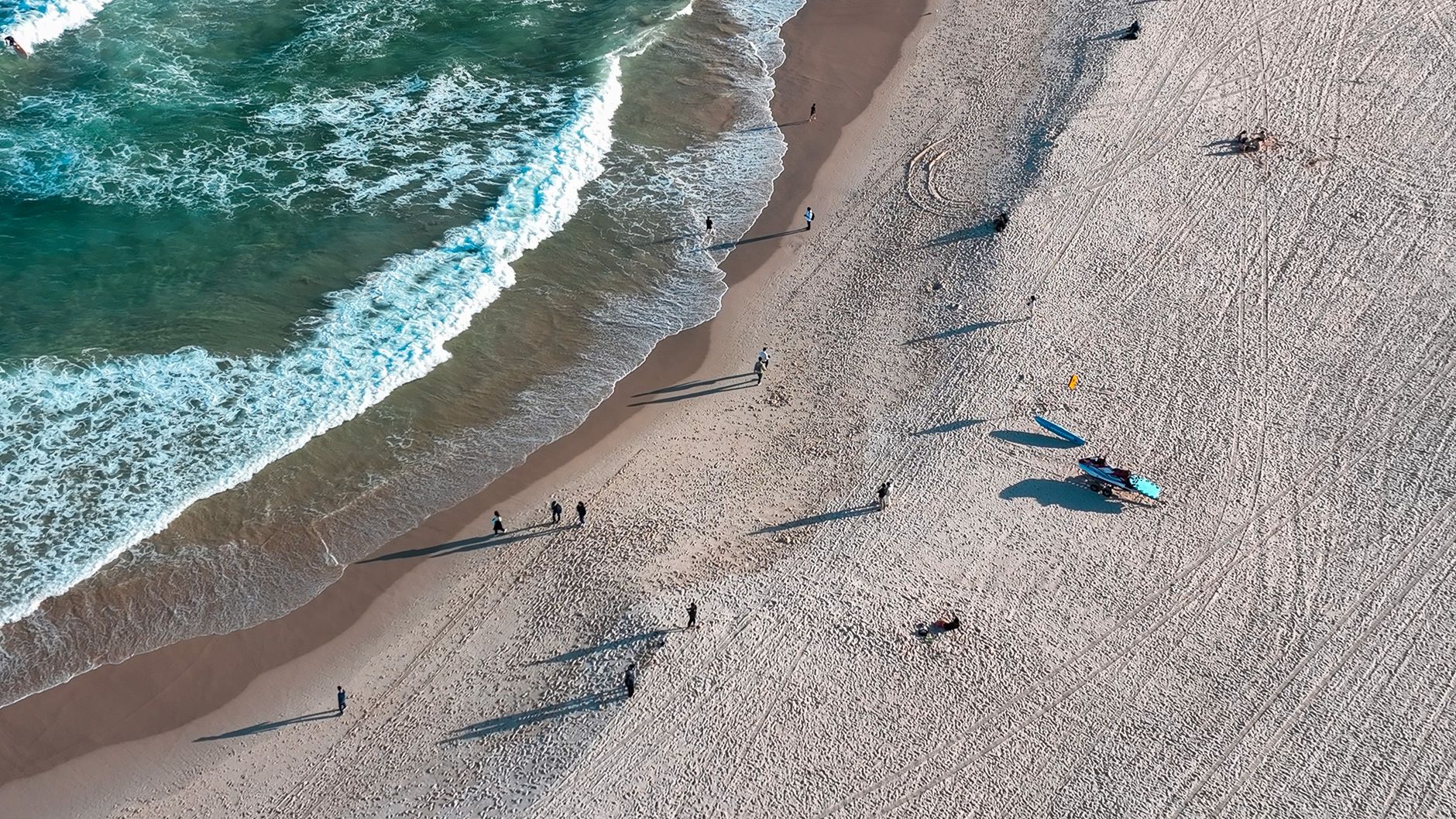
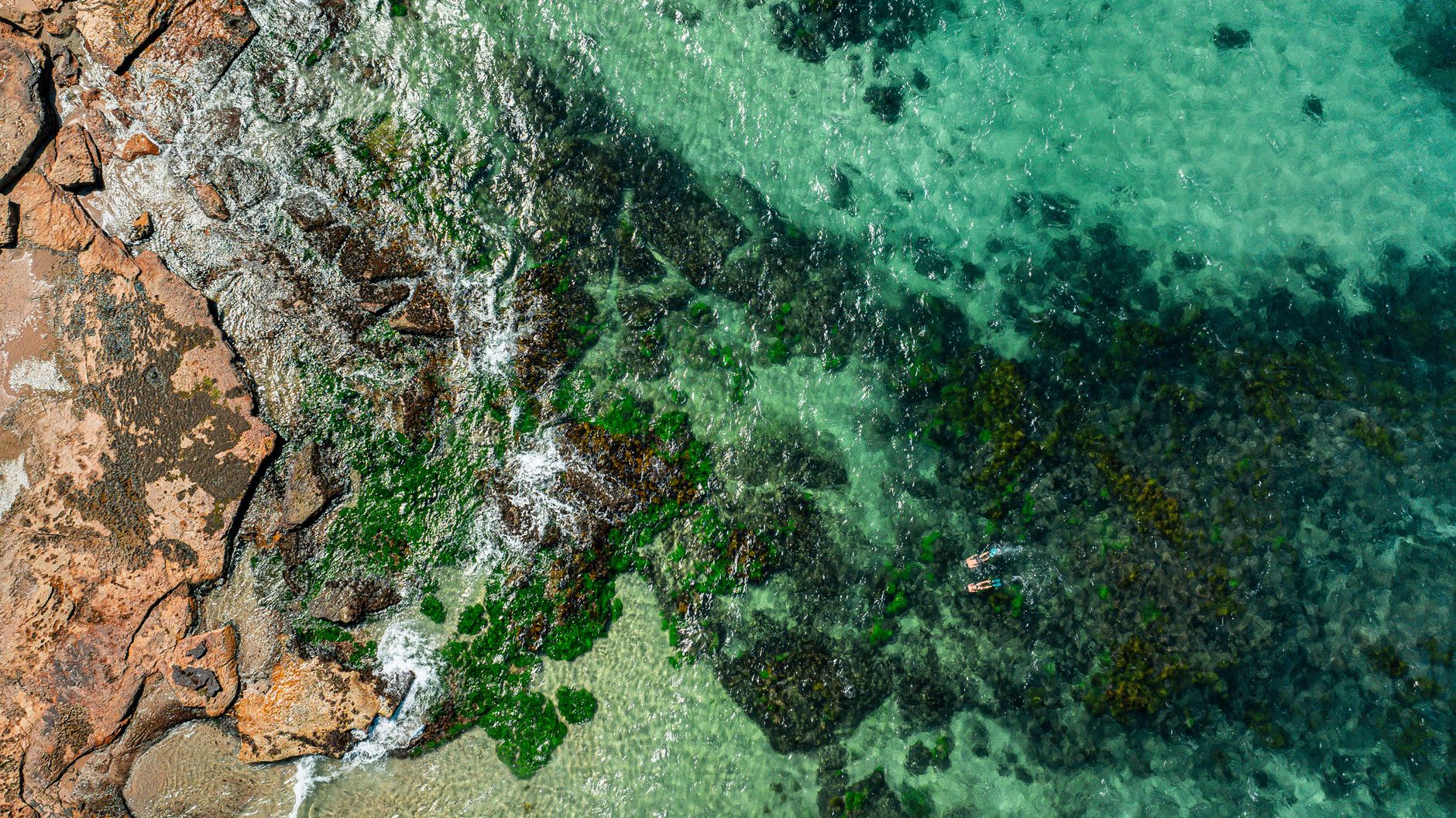
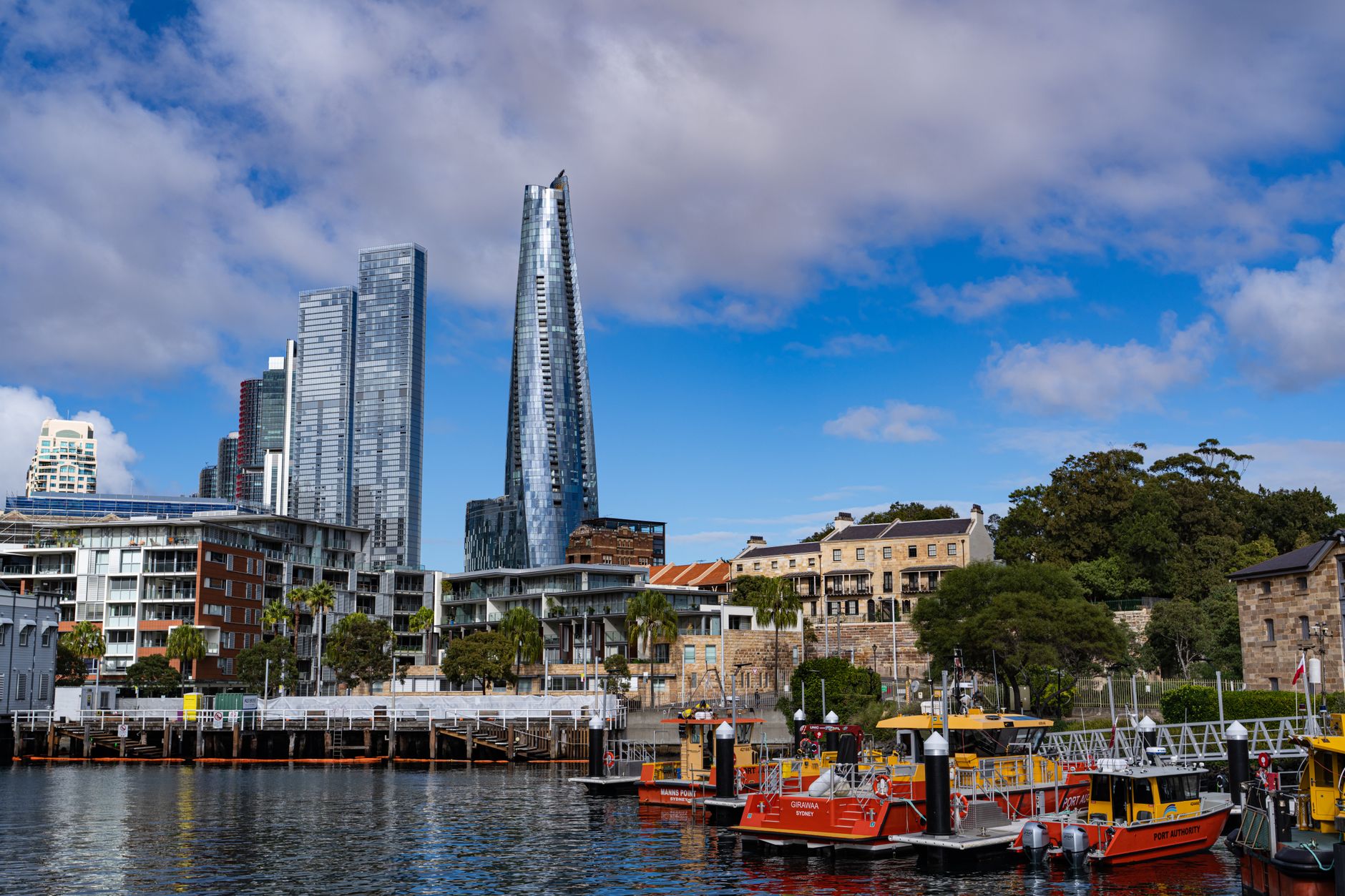
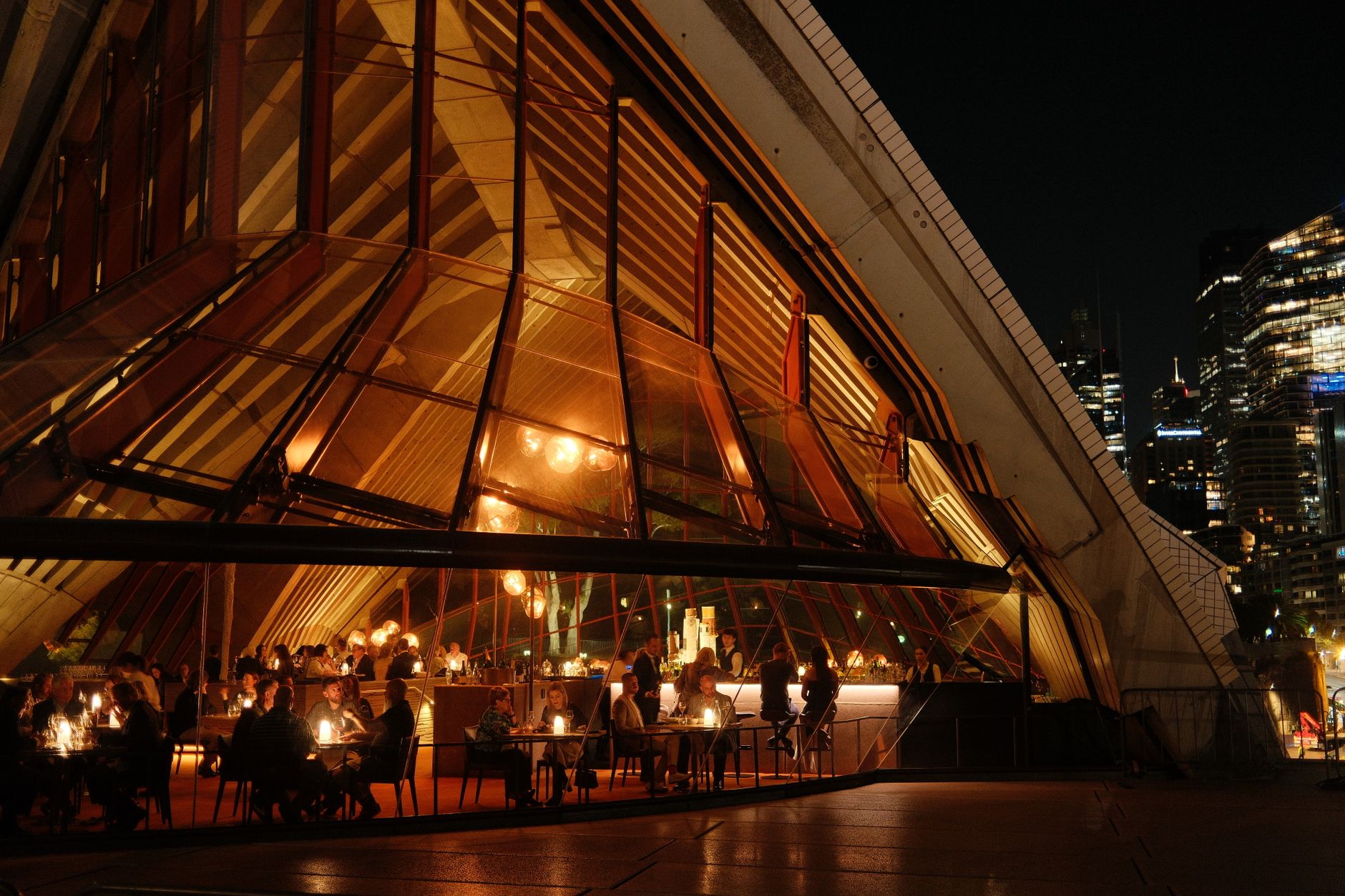
Sydney announces itself in steel and sail: a harbour bridge that took eight years and 52,800 tonnes of steel to cross, and an opera house whose shell-like vaults still look like they arrived from the future. The city sits on one of the world's great natural harbours, and almost everything worth doing here has some relationship to the water — the ferries, the beaches, the sandstone headlands that bracket the coves.
New South Wales is Sydney's state, and Sydney is where most visitors land, linger, and use as a base for the wider continent. Central Station threads together the train, metro, and light rail networks; Circular Quay (the old Sydney Cove) handles the ferries.
Popular cities in Sydney, New South Wales, Australia
💛 What travellers fall for
People who come back tend to have a ferry route they swear by — Manly is the obvious one, but ask a local and you'll get a different answer. The southeast pylon of the Harbour Bridge is worth the roughly 200 steps for the view alone, and the pedestrian walkway across the bridge costs nothing.
How Sydney, New South Wales, Australia came to be
The Darug, Dharawal and Eora peoples had lived around this harbour for at least 30,000 years when eleven British ships arrived at Botany Bay in January 1788. Captain Arthur Phillip moved the settlement north to Sydney Cove, and on 26 January 1788 the Colony of New South Wales was formally established — the first European settlement on the continent, and a penal one at that.
For two decades it remained a rough outpost. Then Lachlan Macquarie arrived as governor in 1810 and spent eleven years building it into something resembling a city: roads, bridges, public buildings. Convict-architect Francis Greenway left some of that work standing — Hyde Park Barracks and St. James Church on Macquarie Street are still there. The city was declared as such in 1842, and by 1901, when the Australian colonies federated, Sydney became the capital of New South Wales.
Who and what shaped it
People who shaped it
Landmark buildings
See Sydney, New South Wales, Australia in motion
Plan your visit
On the map
When to go
Sydney runs mild across most of the year — winters rarely drop below 7°C, and summers sit in the mid-twenties with occasional hot spells. Spring (September–November) and autumn (March–May) are the most reliably pleasant windows; February and June are the wettest months.
Right now
↡ Cities





Background & history adapted from Wikipedia (CC BY-SA) · specs from Wikidata (CC0) · weather from Open-Meteo · map data © OpenStreetMap contributors · photos from Wikimedia Commons / Unsplash with per-image credit. No third-party reviews or social posts reproduced.