Bondi Beach
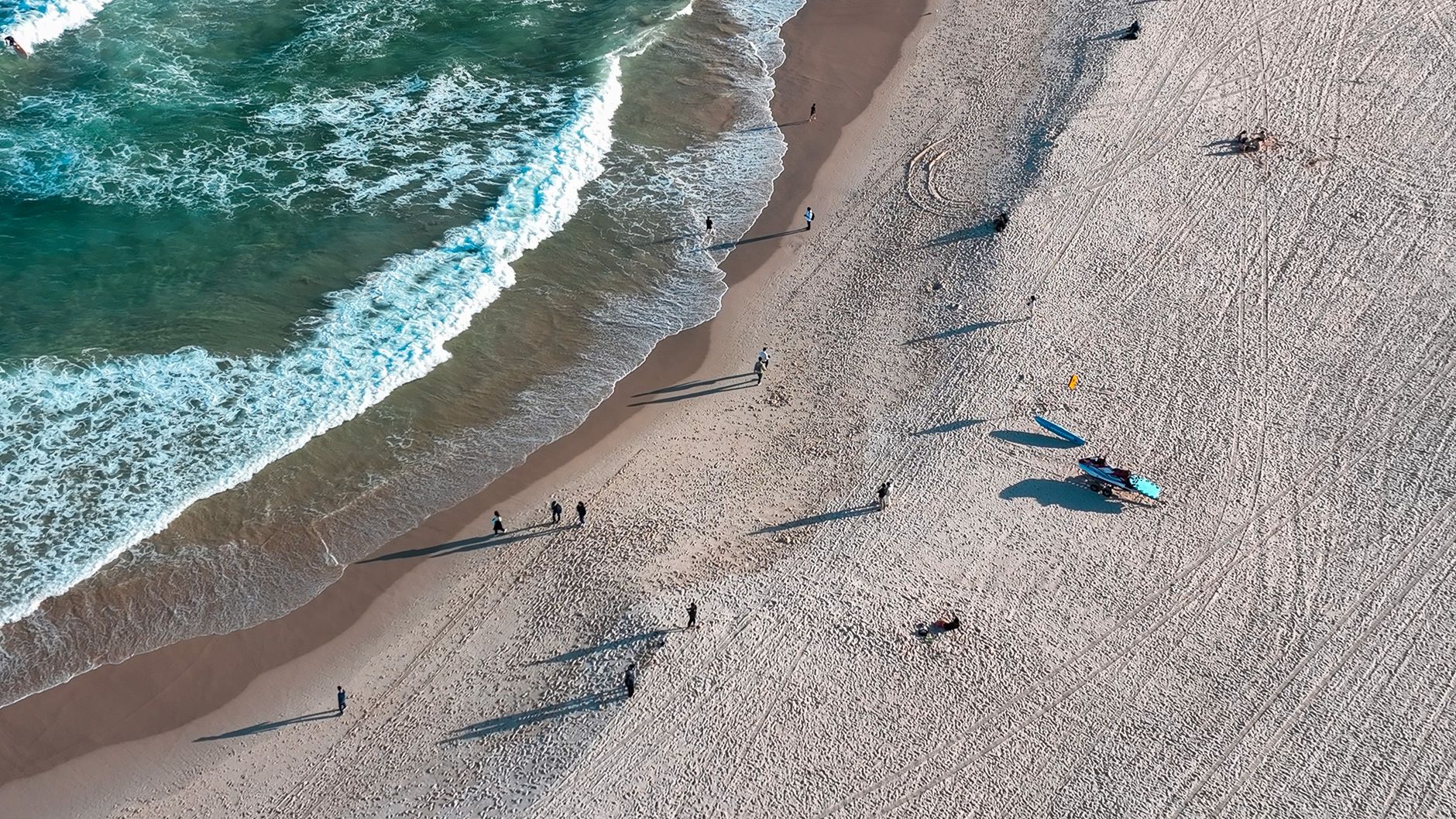
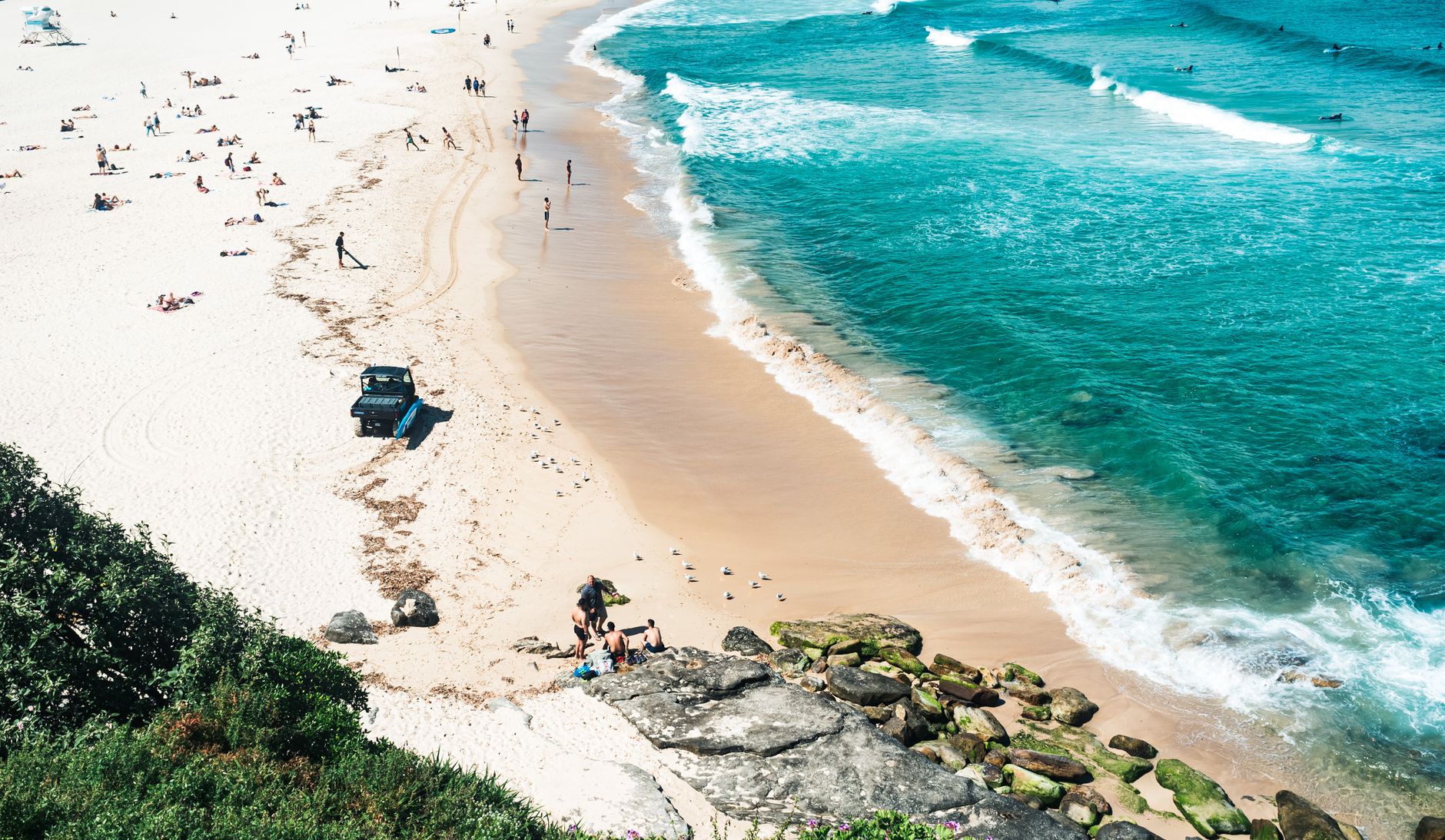
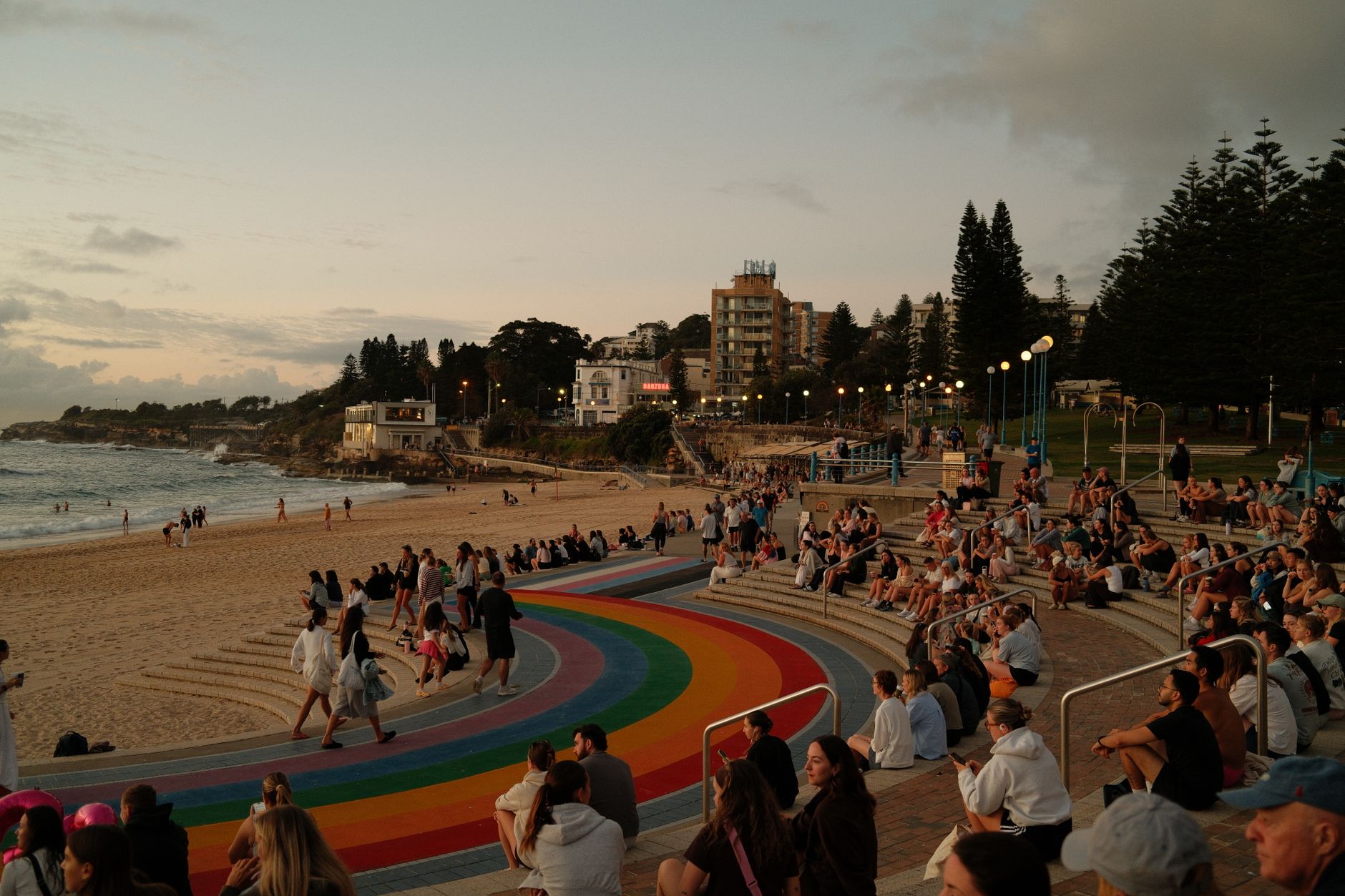
The name comes from the Dharawal word for the sound water makes breaking over rocks — and once you've stood at the southern end watching a swell hit the headland, that etymology stops feeling like trivia. Bondi is a kilometre of east-facing sand backed by a low sandstone ridge, and it has been drawing crowds since the 1880s when the first tramway reached the shore.
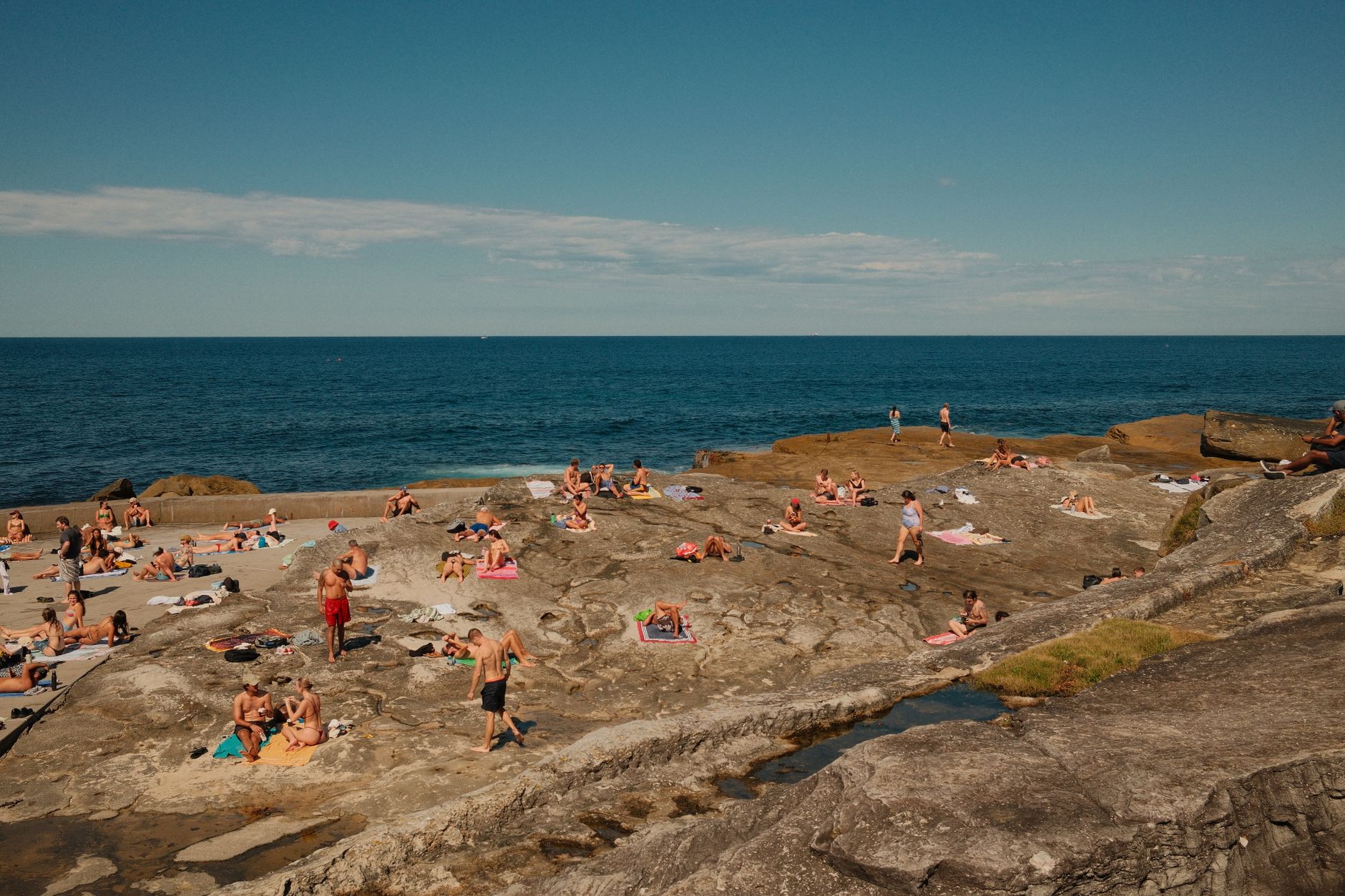
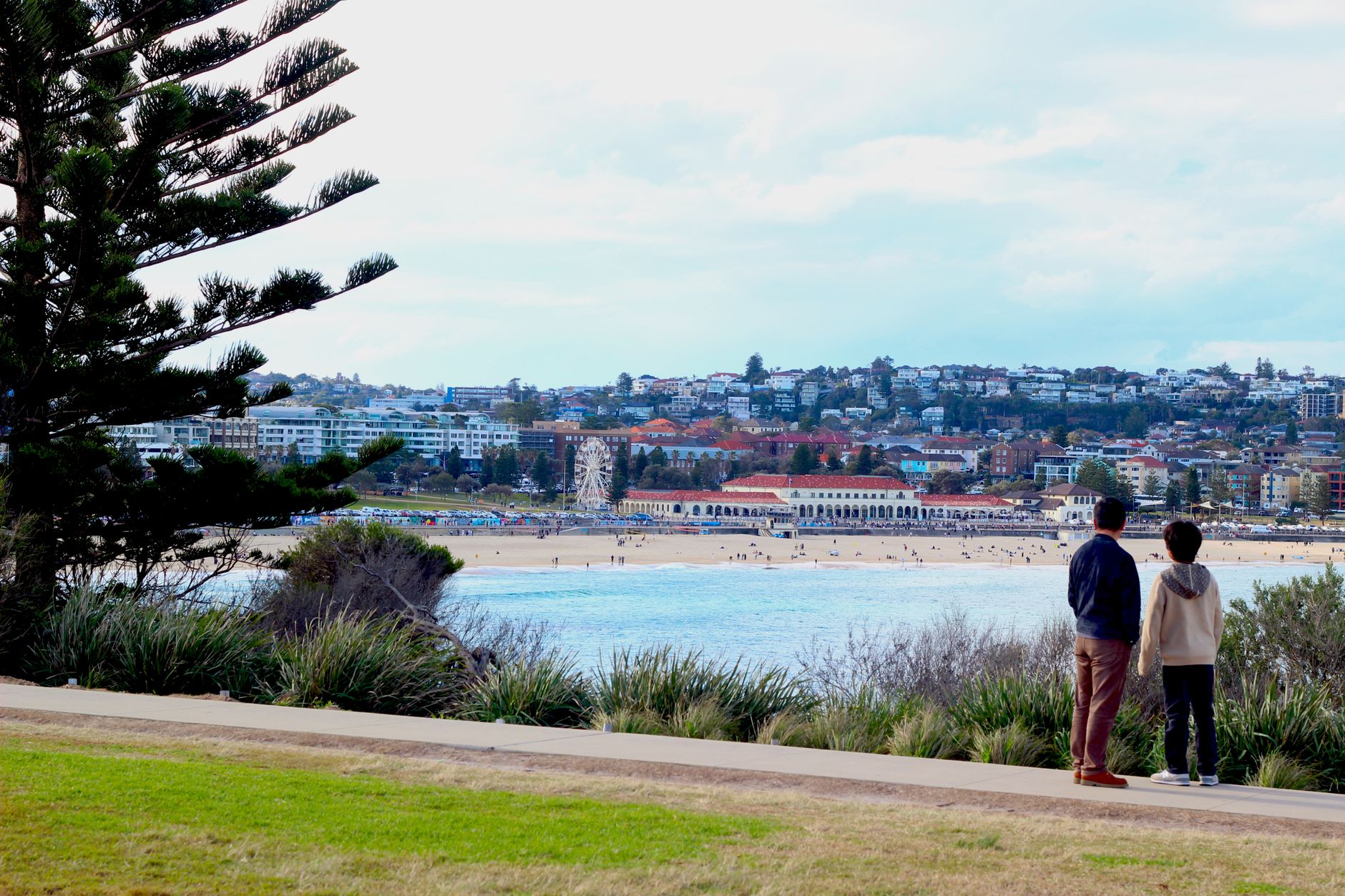
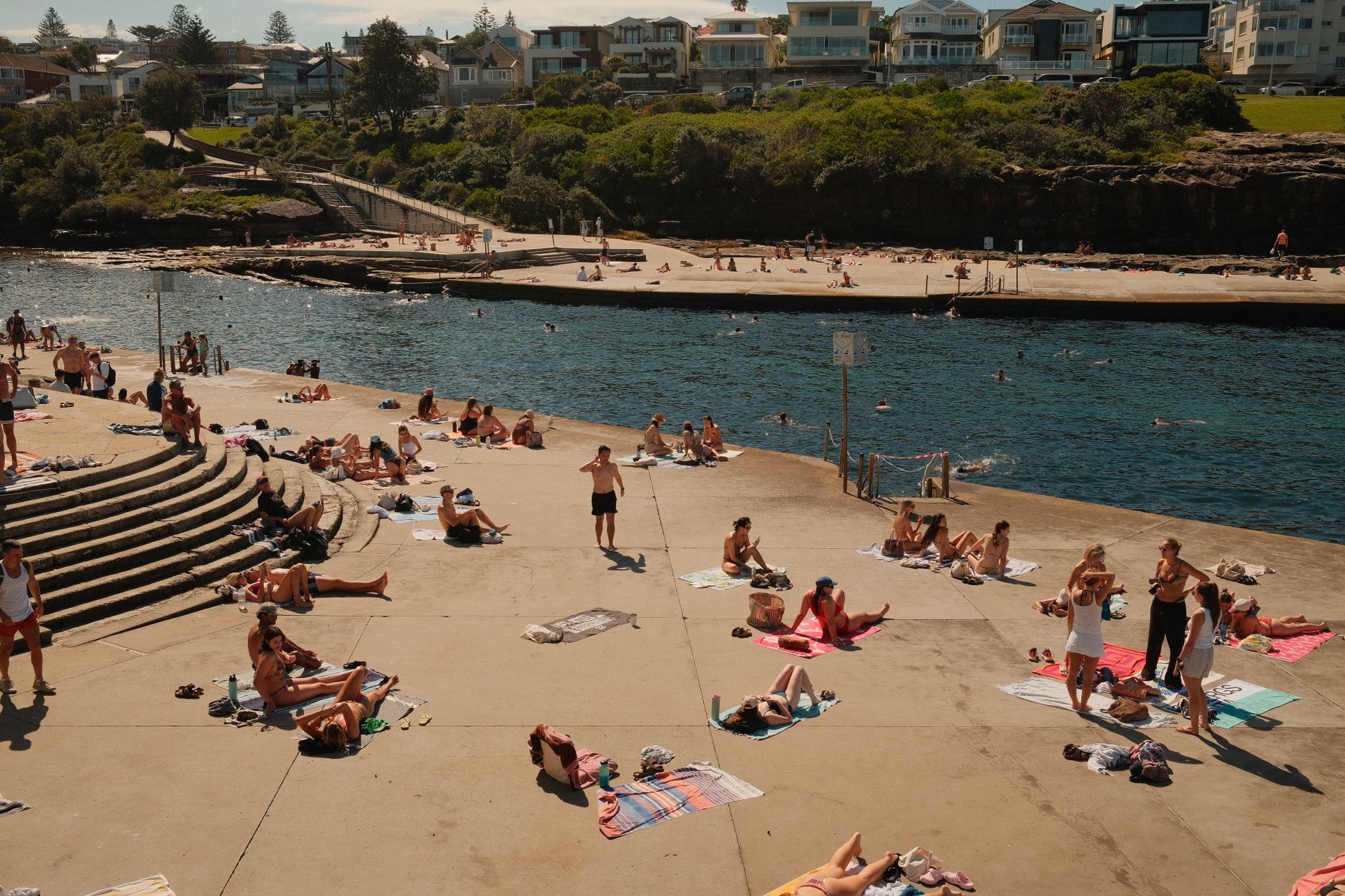
What keeps people coming back isn't the surf alone. The Pavilion's colonnade, the Icebergs pool cantilevered over the rocks, the graffiti wall running the length of the car park — each one is a layer of a place that has been publicly, stubbornly itself for well over a century.
💛 What travellers fall for
Regulars tend to arrive before nine, when the car park on Campbell Parade is still half-empty and the Icebergs café has tables free. The walk south along the cliff path toward Coogee earns its first views within about five minutes. And if you're there in late October or early November, Sculpture by the Sea turns the same headland trail into something else entirely.
Deals in Bondi Beach
Book directly at the providerHow Bondi Beach came to be
The Gadigal, Bidjigal and Birrabirragal peoples lived along this coastline for tens of thousands of years before a land grant in 1809 began the colonial carve-up. By the 1850s, Edward Smith Hall and his son-in-law Francis O'Brien had acquired 200 acres including the beach frontage. O'Brien eventually bought out Hall's share, opened the land to picnickers and day-trippers, and called it the O'Brien Estate — effectively making it a proto-public beach before the government resumed the waterfront in 1882.
The pace of change accelerated fast after that. Daylight bathing was legalised in 1902. The world's first surf lifesaving club formed here in 1907. By 1929 the Pavilion — designed by Leith McCredie in a Georgian revival and Mediterranean blend — had opened, and on peak summer days the beach was absorbing around 60,000 visitors. A catastrophic set of waves on 6 February 1938, known ever since as Black Sunday, drowned five people and forced the rescue of more than 250 others, cementing the lifesaving club's place in the beach's identity.

Who and what shaped it
People who shaped it
Landmark buildings
Plan your visit
On the map
When to go
Sydney summers (December to February) bring hot, humid days and water warm enough to swim without hesitation, though afternoon southerly change storms can roll in quickly. Winter is mild and often clear — the Icebergs swimming club holds its season precisely then, and the coastal walk is at its most uncrowded.
Right now
Background & history adapted from Wikipedia (CC BY-SA) · specs from Wikidata (CC0) · weather from Open-Meteo · map data © OpenStreetMap contributors · photos from Wikimedia Commons / Unsplash with per-image credit. No third-party reviews or social posts reproduced.