
Montenegro
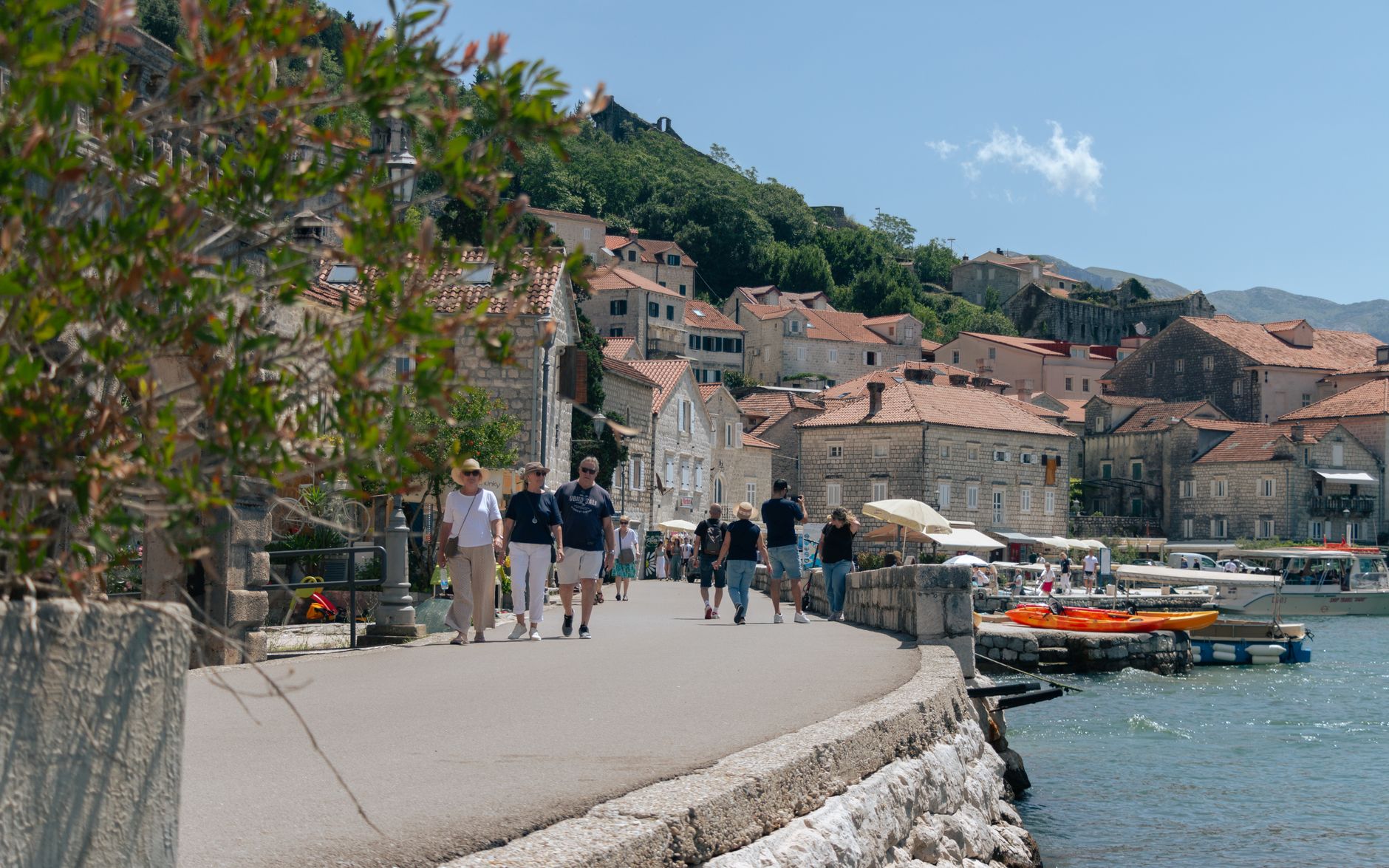
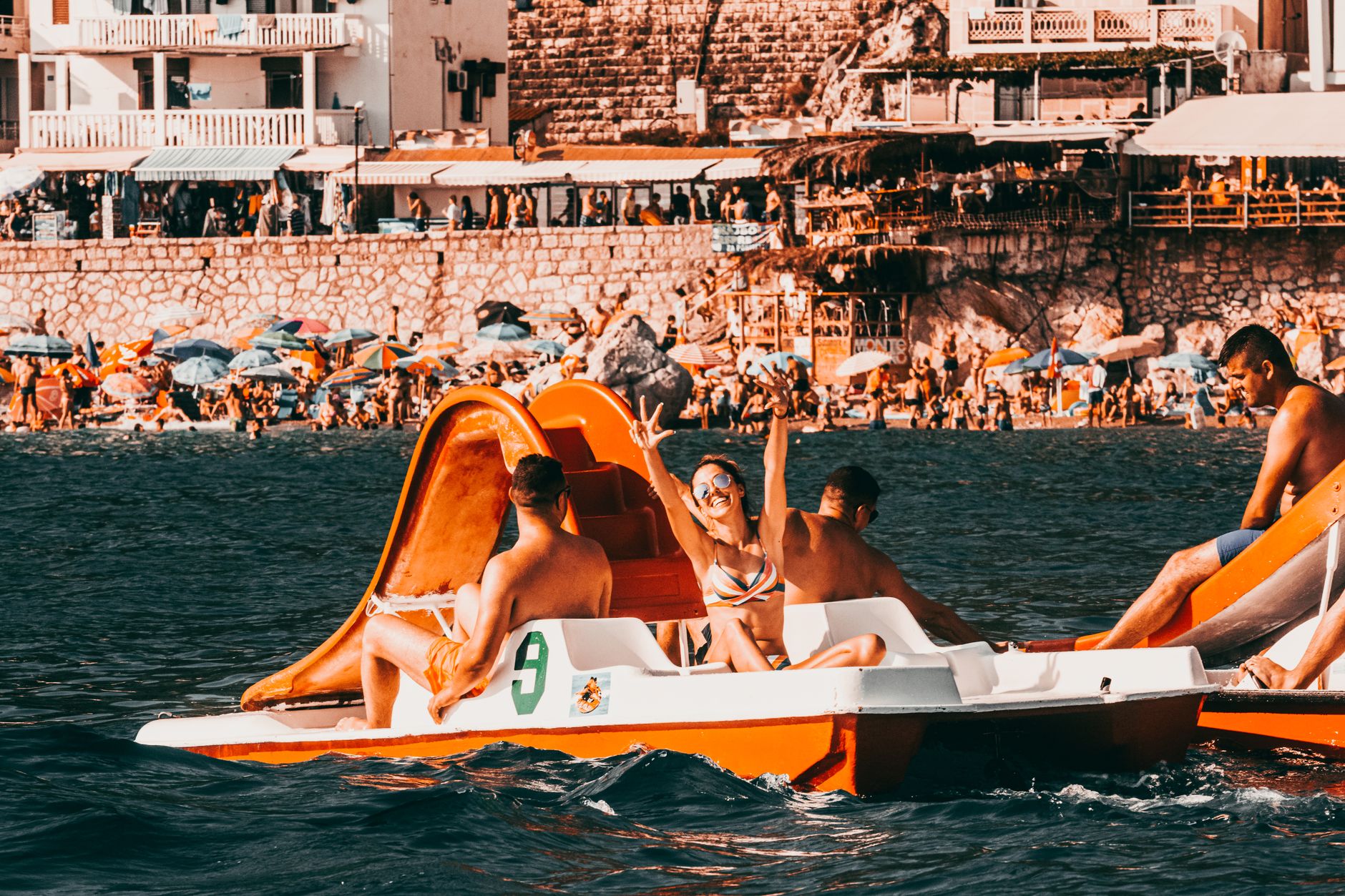
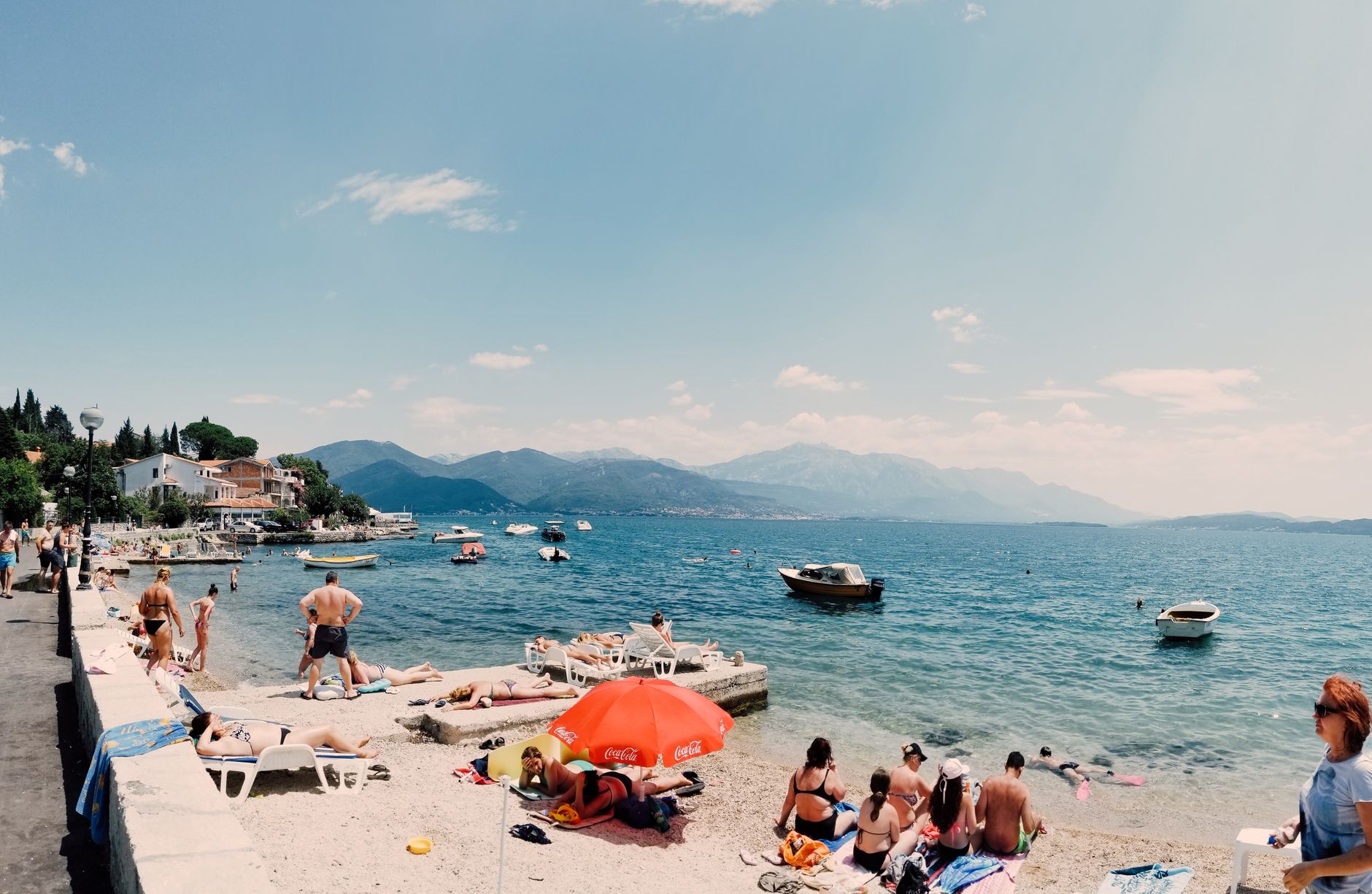
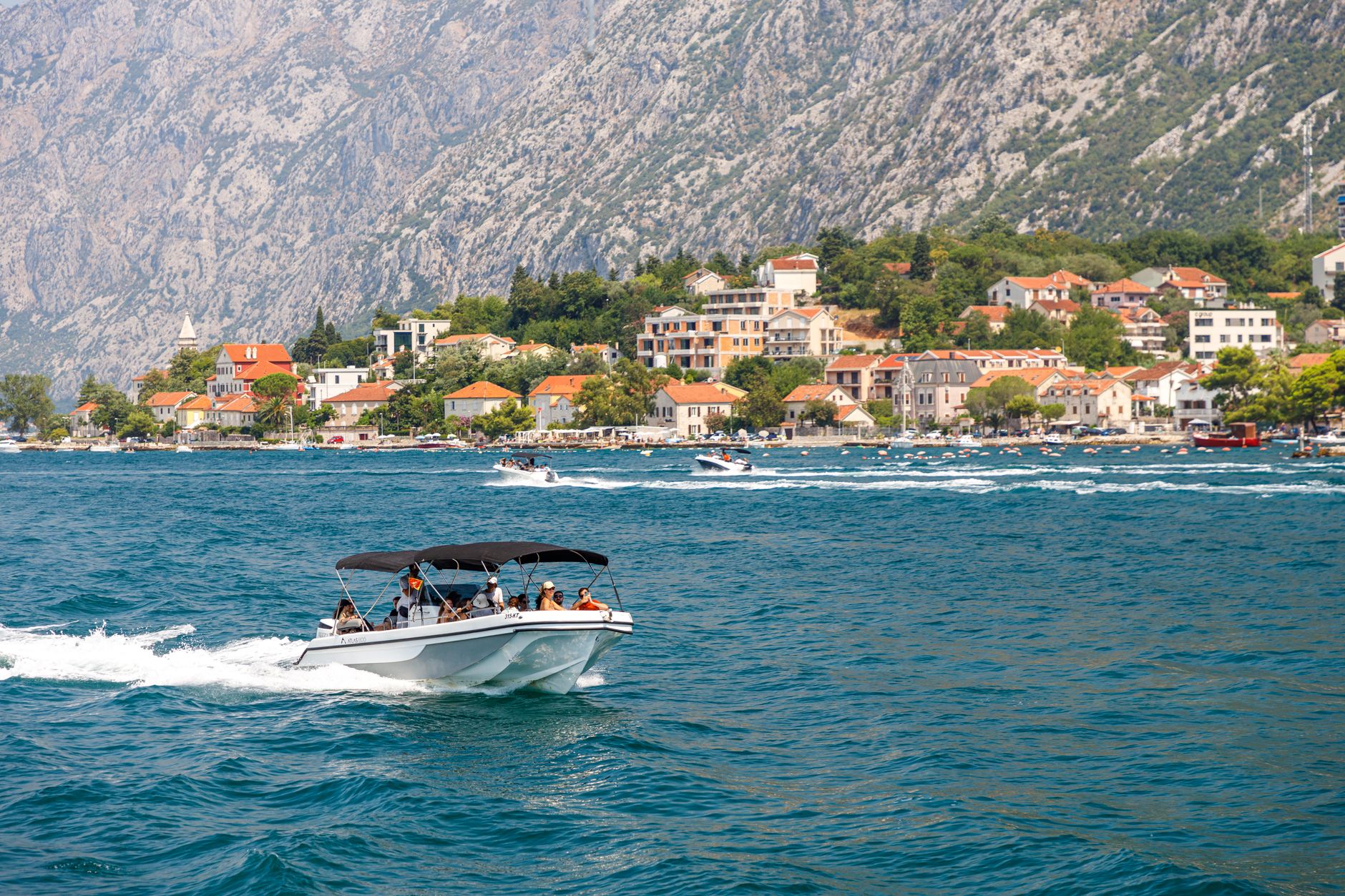
Montenegro is a small country where the geography refuses to be subtle. Within a couple of hours' drive you can move from a walled medieval port on the Adriatic to glacial mountain lakes sitting at altitude, with a railway line in between that crosses what was once the world's highest railway viaduct. The country only re-emerged as an independent state in 2006 — by the narrowest of referendum margins — so there is still something unfinished and alive about it, a place still deciding what it wants to be.
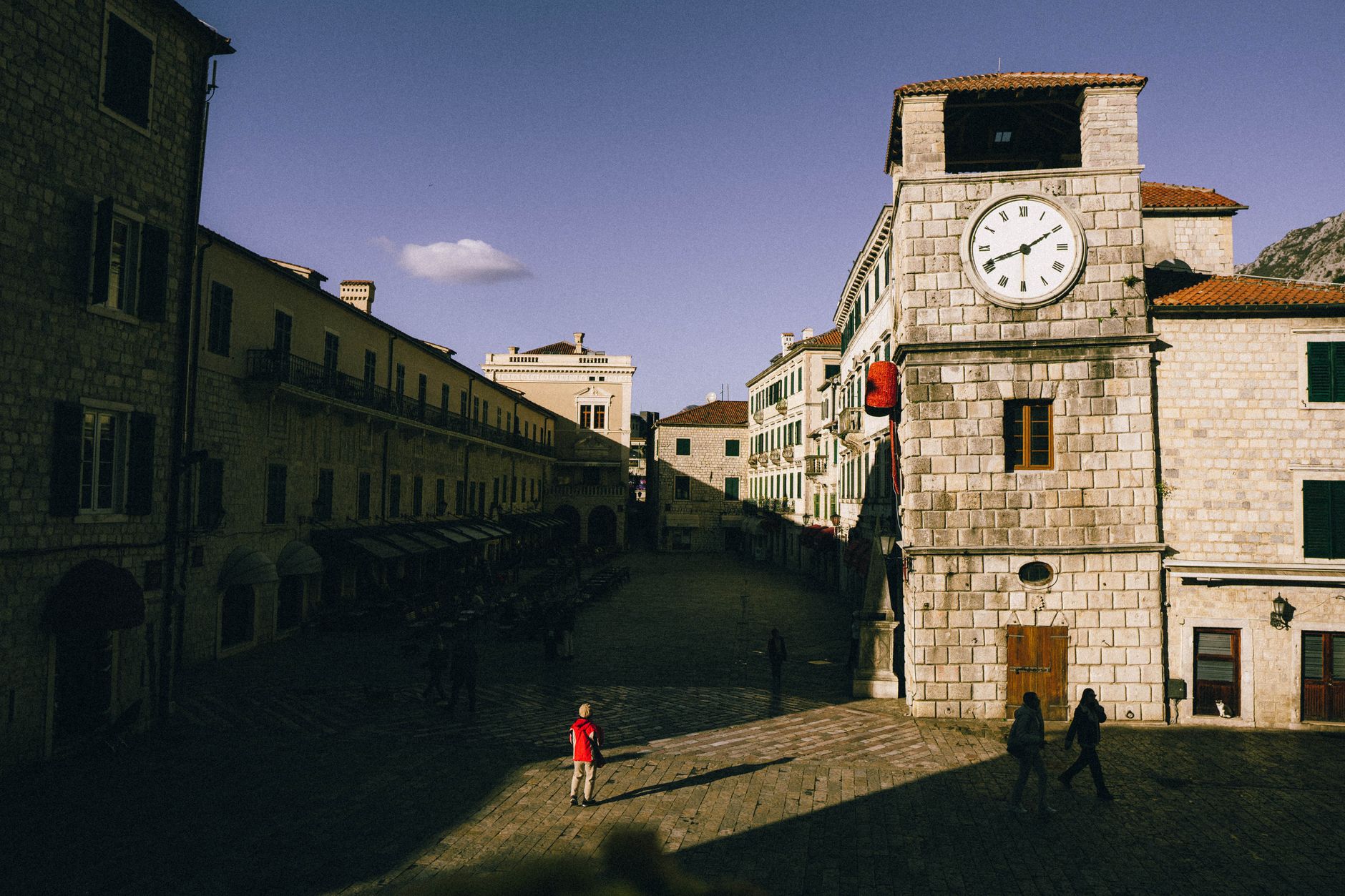
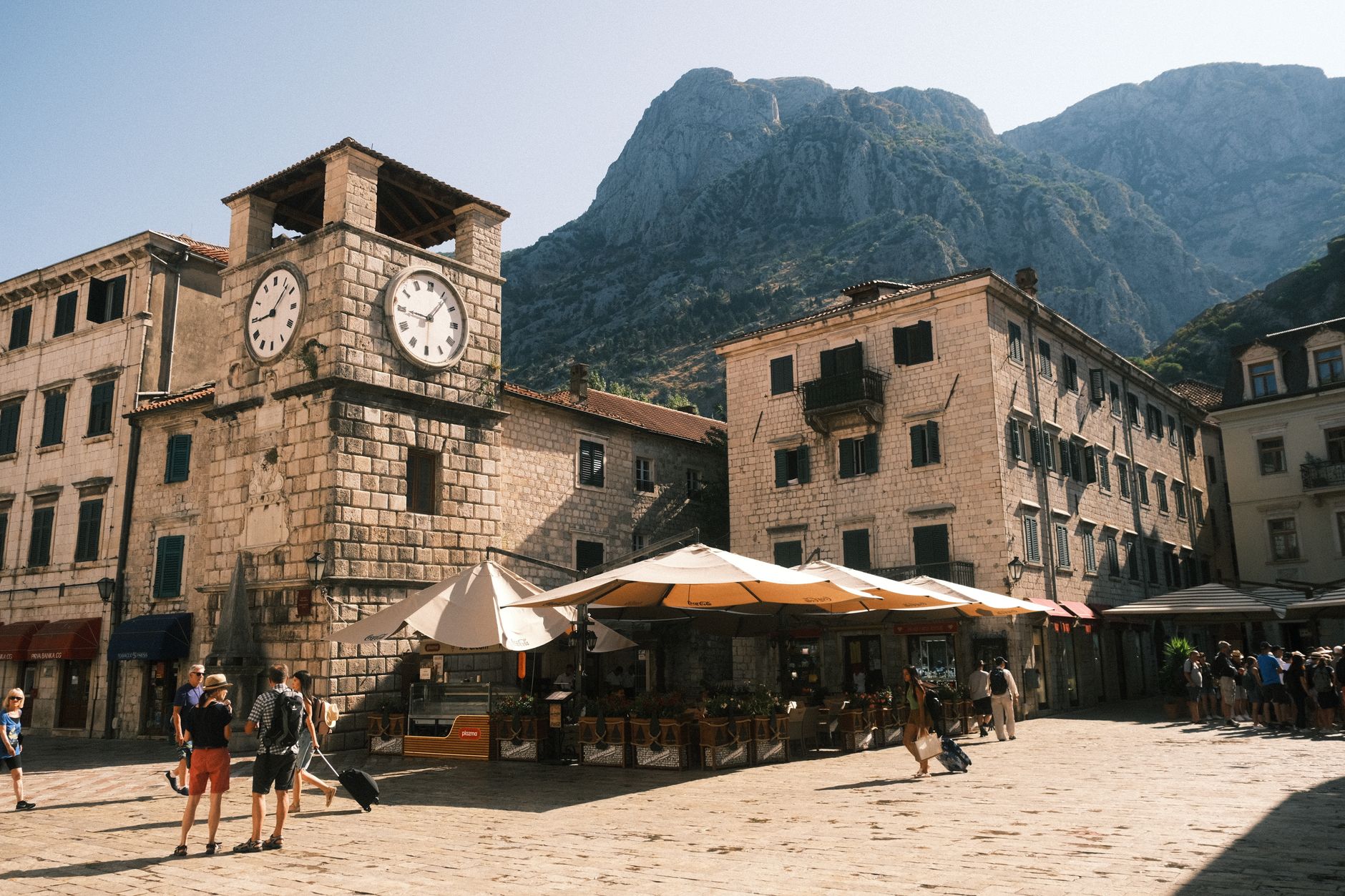
Kotor's old town, a UNESCO site, gives you 12th-century cathedral walls and a 9th-century gate in a single afternoon's walk. The Lovćen mountains hold a mausoleum reached by 461 stairs and lined inside with 200,000 gilded mosaic tiles. The scale is small; the contrasts are not.
Deals in Montenegro
Book directly at the provider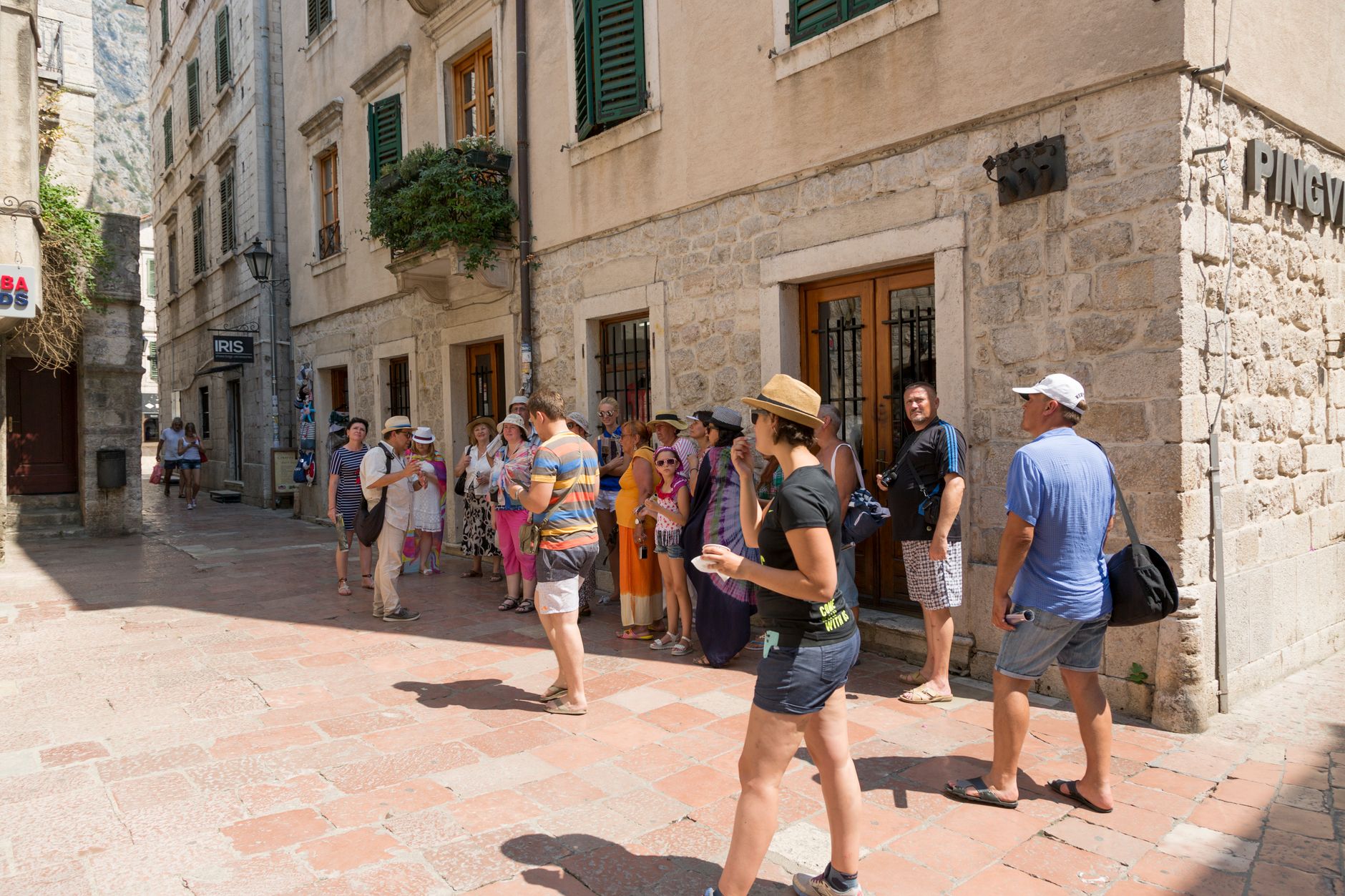


How Montenegro came to be
Montenegro's modern story begins in 1696, when the House of Petrović-Njegoš took control, running the territory first as a theocracy and then as a secular principality from the mountain town of Cetinje. International recognition came at the Congress of Berlin in 1878, and by 1910 the country had declared itself a kingdom. After the First World War it was folded into Yugoslavia, where it remained — through various configurations — for most of the 20th century.
The break came quietly in May 2006, when 55.5 percent of voters chose independence in a referendum, just clearing the required threshold. Petar I Petrović, who ruled from 1784 to 1830, remains the country's most venerated historical figure; his descendant Elena of Montenegro, born in Cetinje, became Queen of Italy.
Who and what shaped it
People who shaped it
Landmark buildings
See Montenegro in motion
Plan your visit
On the map
When to go
The coast runs warm and dry from June through September, with sea temperatures ideal for swimming in July and August; winters there are mild but wet, with most rainfall arriving between October and February. Inland and in the northern mountains, winters are serious — temperatures can fall to -25 °C or lower — while summer days in Podgorica can turn genuinely hot.
Right now
Background & history adapted from Wikipedia (CC BY-SA) · specs from Wikidata (CC0) · weather from Open-Meteo · map data © OpenStreetMap contributors · photos from Wikimedia Commons / Unsplash with per-image credit. No third-party reviews or social posts reproduced.