
Uruguay
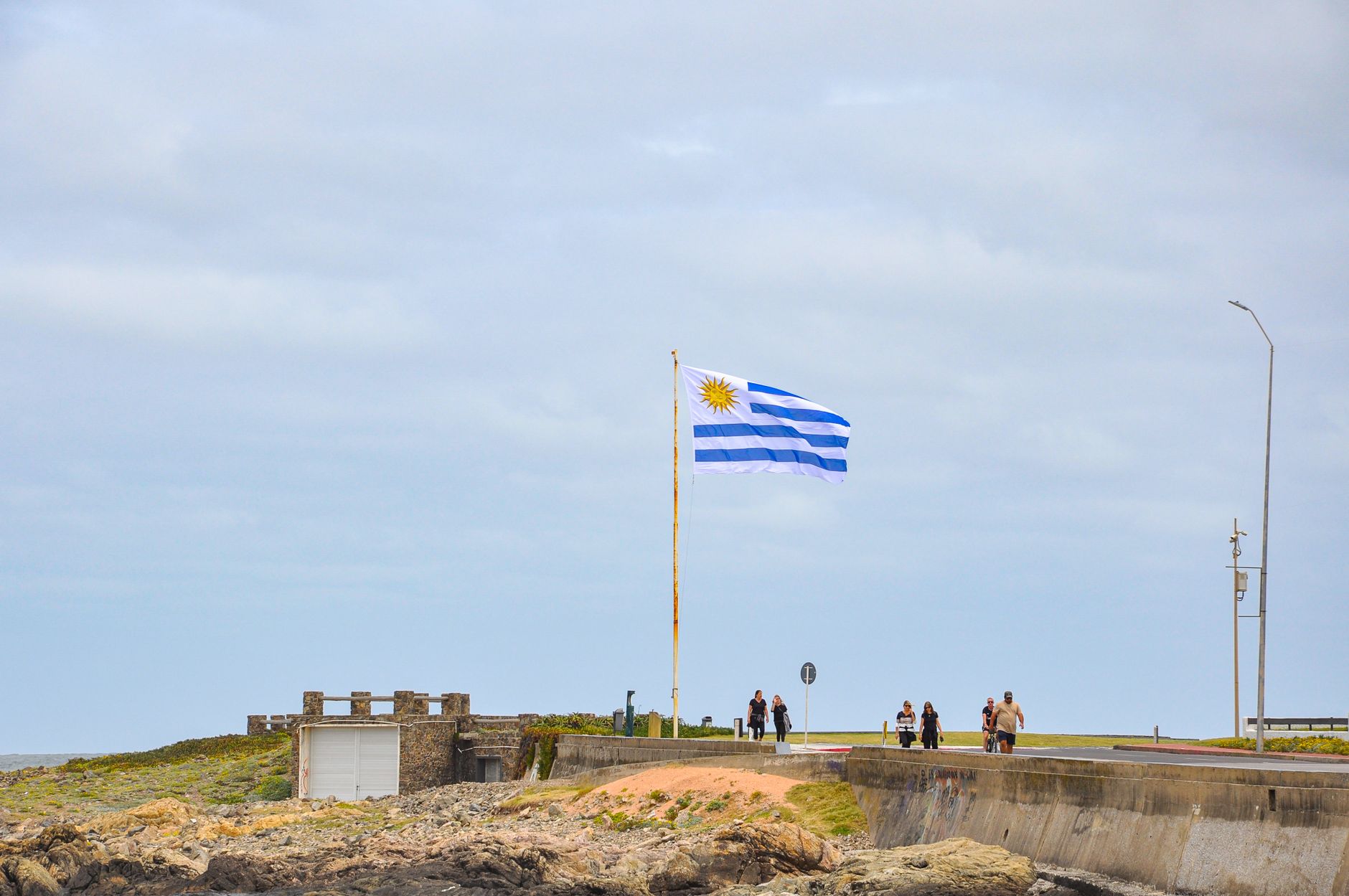
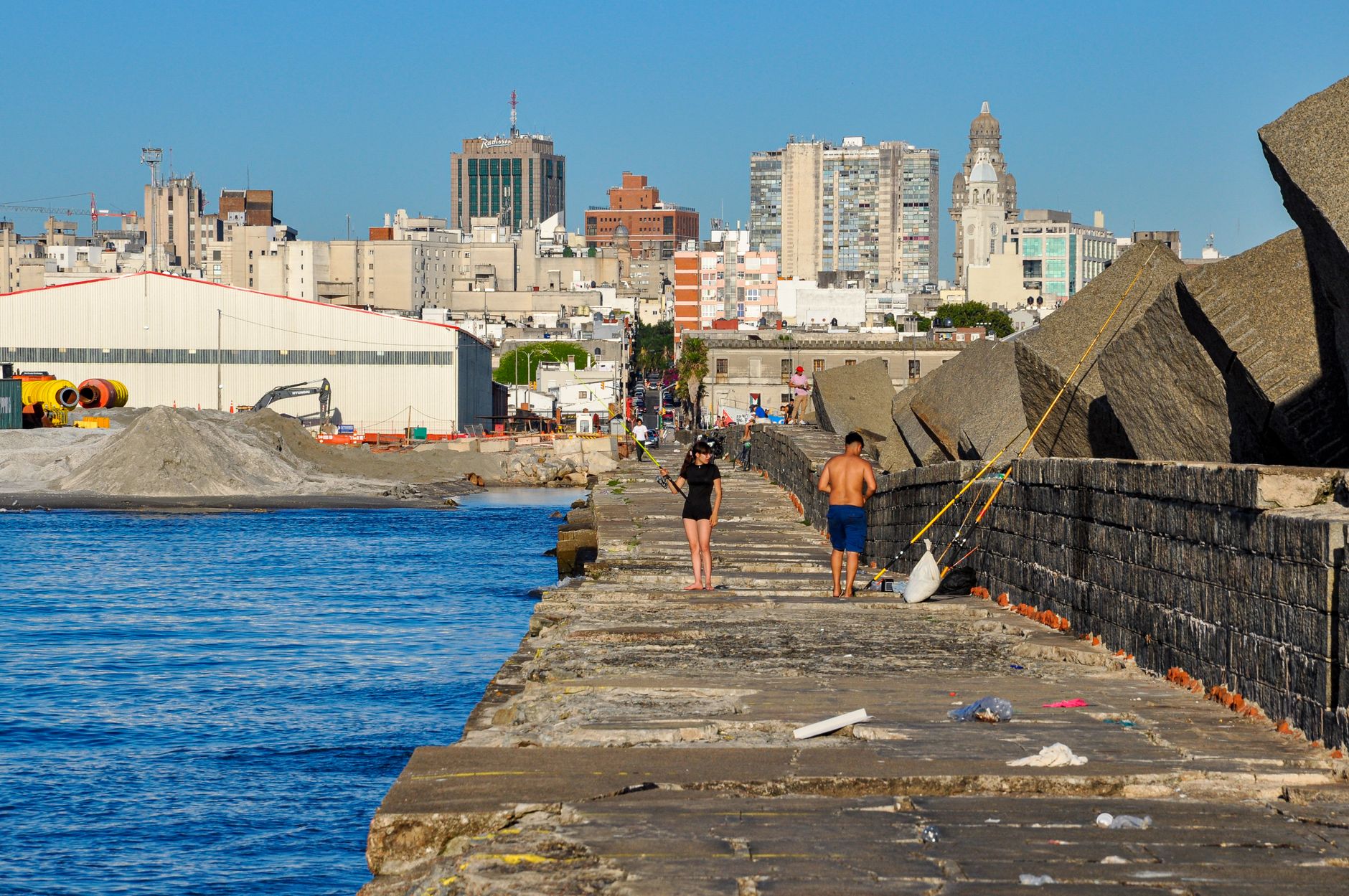
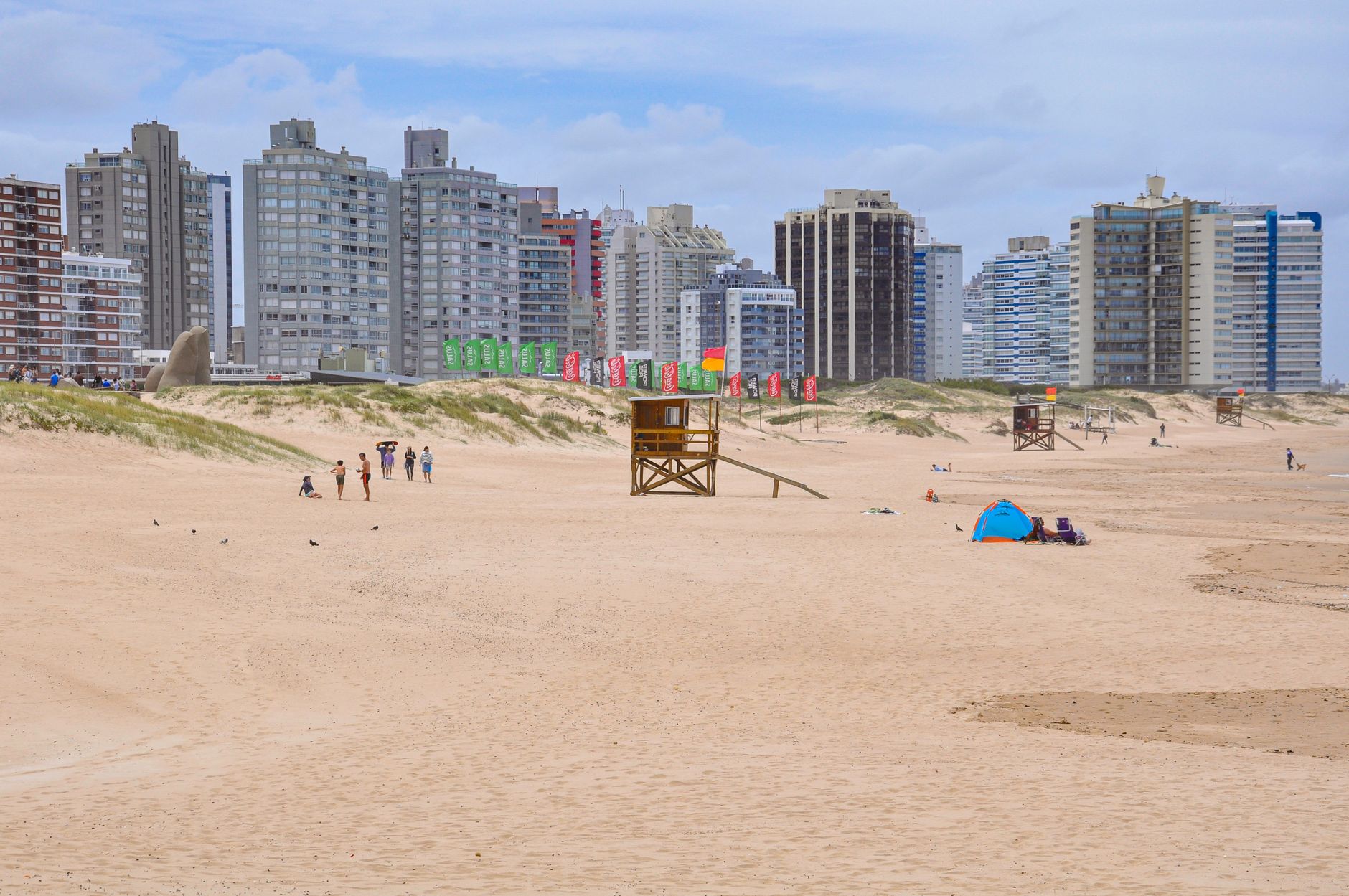
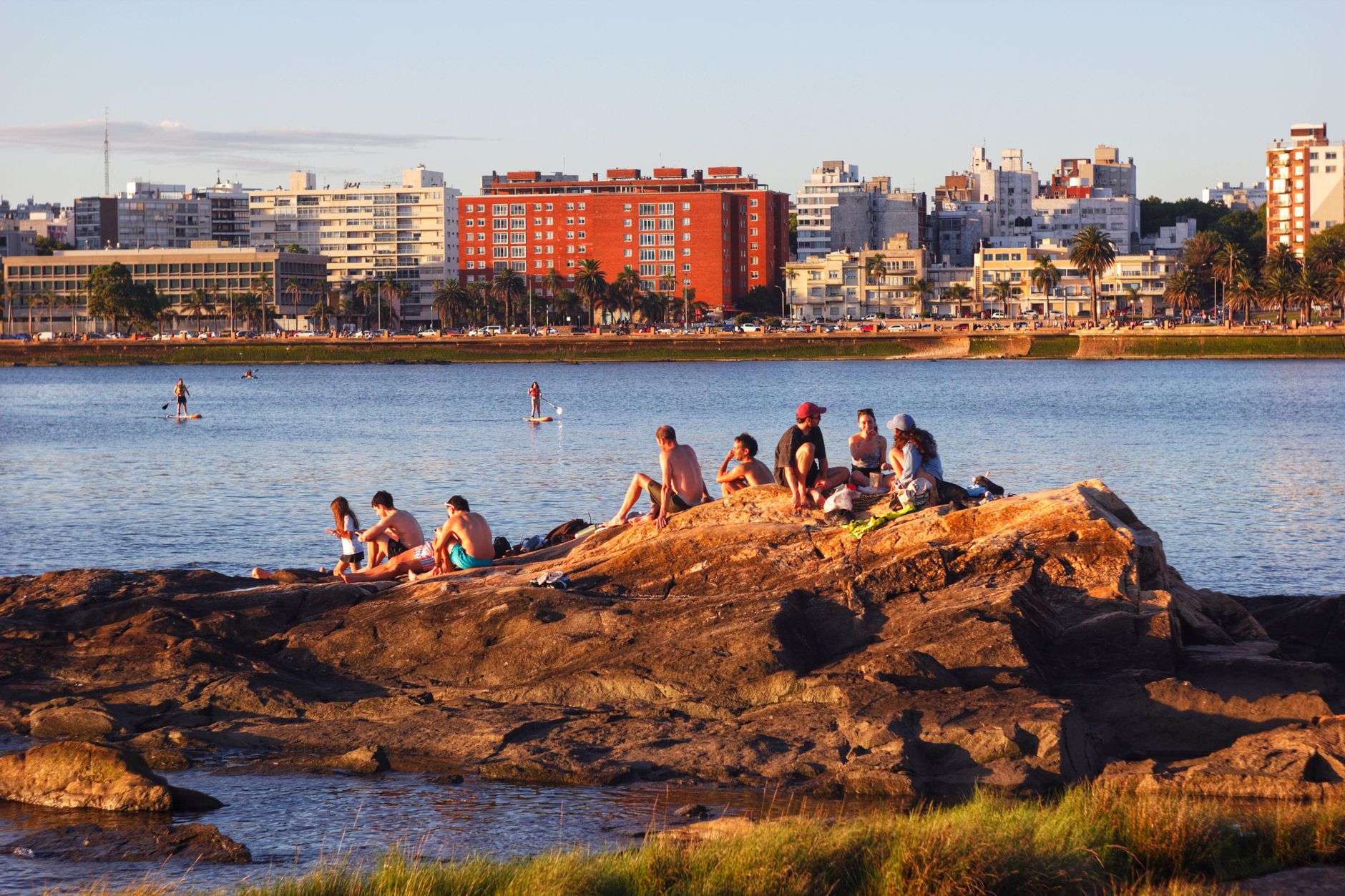
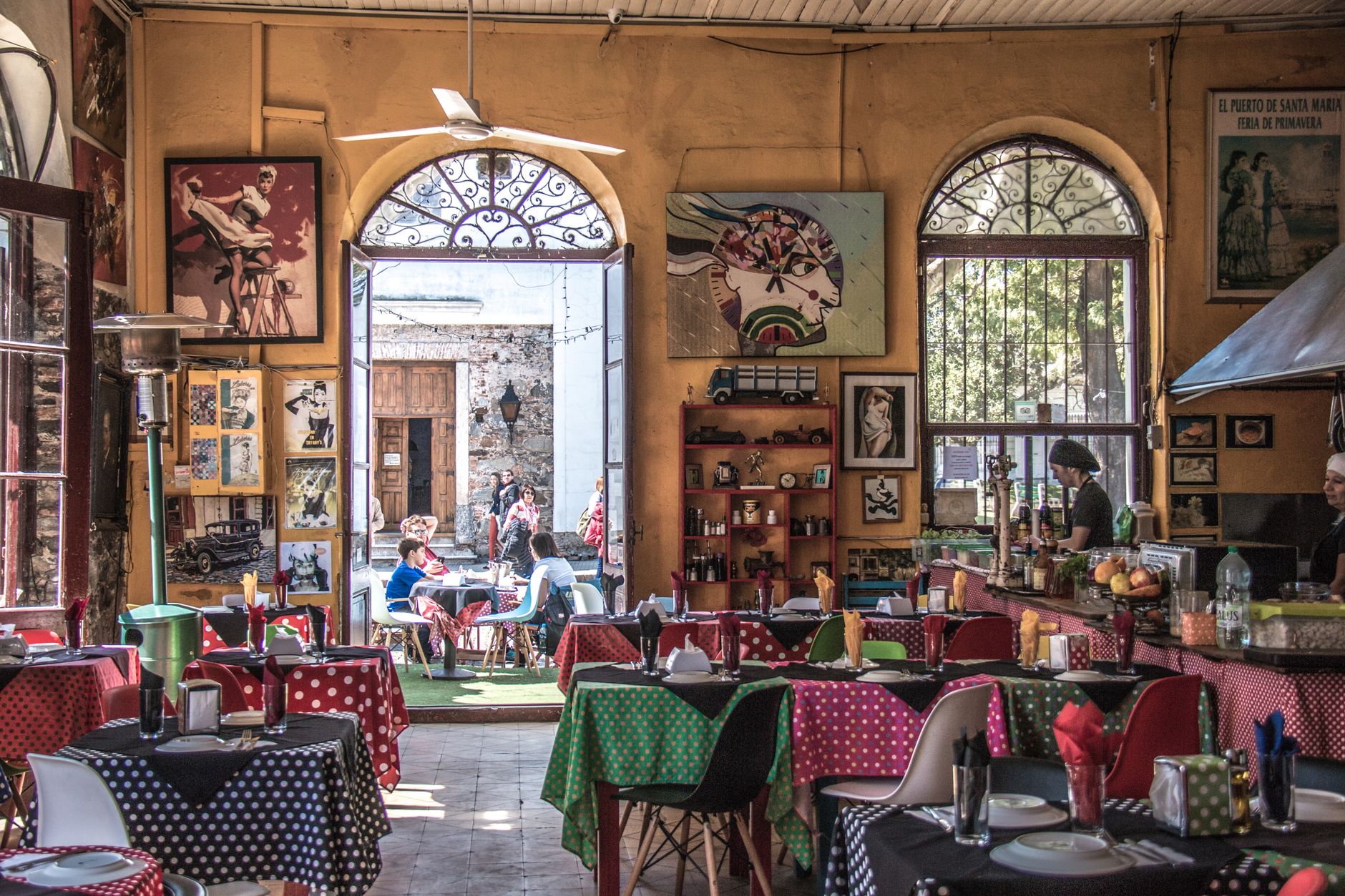
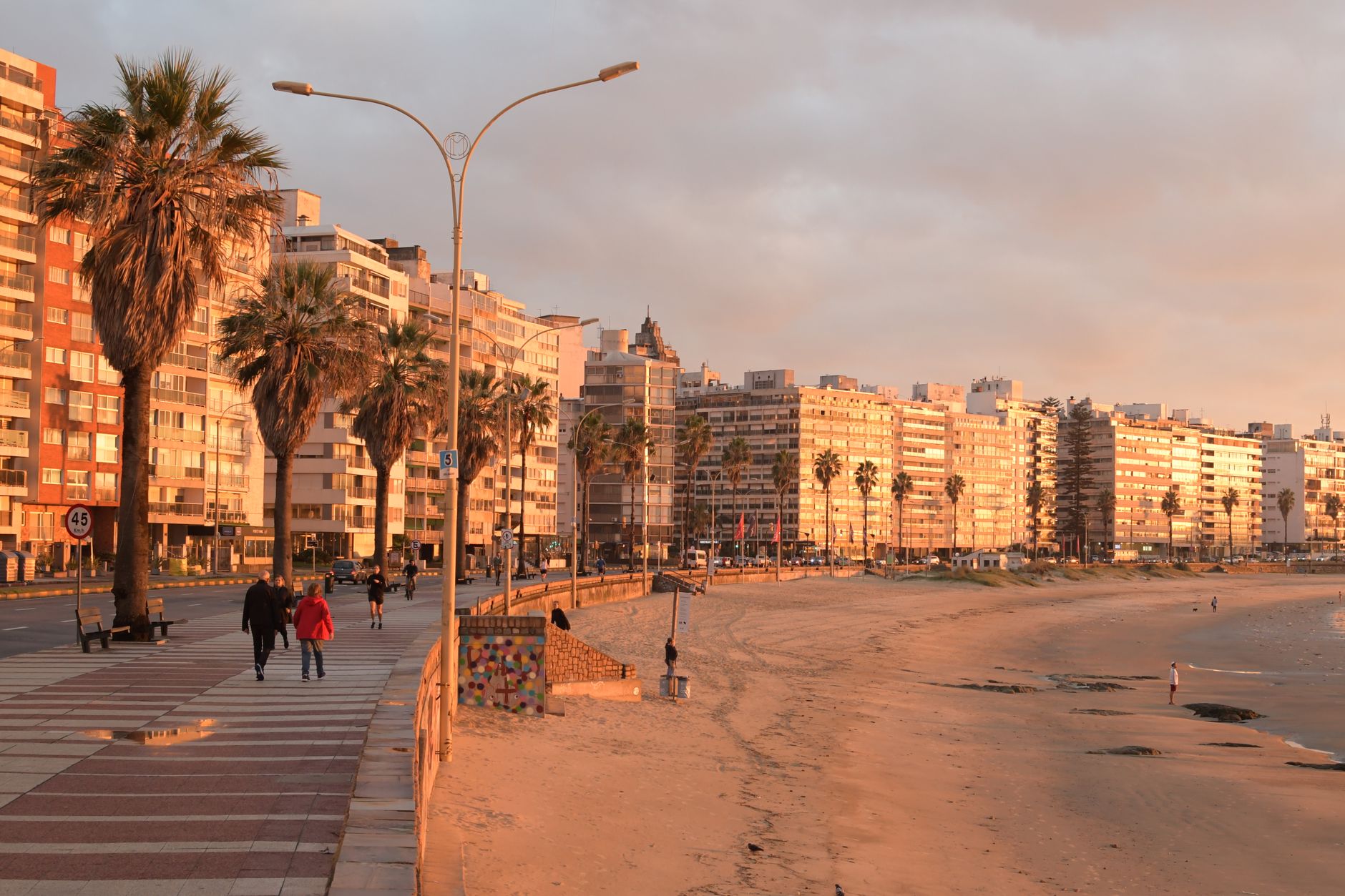
Uruguay is the kind of place that rewards patience. It's the smallest Spanish-speaking country in South America, wedged between Argentina and Brazil, and it carries none of the anxious self-promotion of its neighbours. Montevideo, the capital, sits on a wide estuary with a long rambla running along the water. Inland, the country opens into rolling grassland — cuchillas, the locals call them — dotted with estancias and the occasional hilltop fort.
What makes it distinctive is a certain civic seriousness. Uruguay was the first country in the Americas to establish a welfare state, the first in the world to fully legalize cannabis. The landscape is quiet, the architecture varied, and the tango — yes, the tango — has a claim here too.
💛 What travellers fall for
People who come back tend to time it around Carnival in Montevideo, which runs longer than Rio's. They eat at the Mercado del Puerto on a Saturday, when the parrillas are all firing at once and the smoke drifts up through the wrought-iron roof. And they make the drive to Casapueblo at dusk, when the white sculpted walls catch the last light off the Atlantic.
Deals in Uruguay
Book directly at the provider

How Uruguay came to be
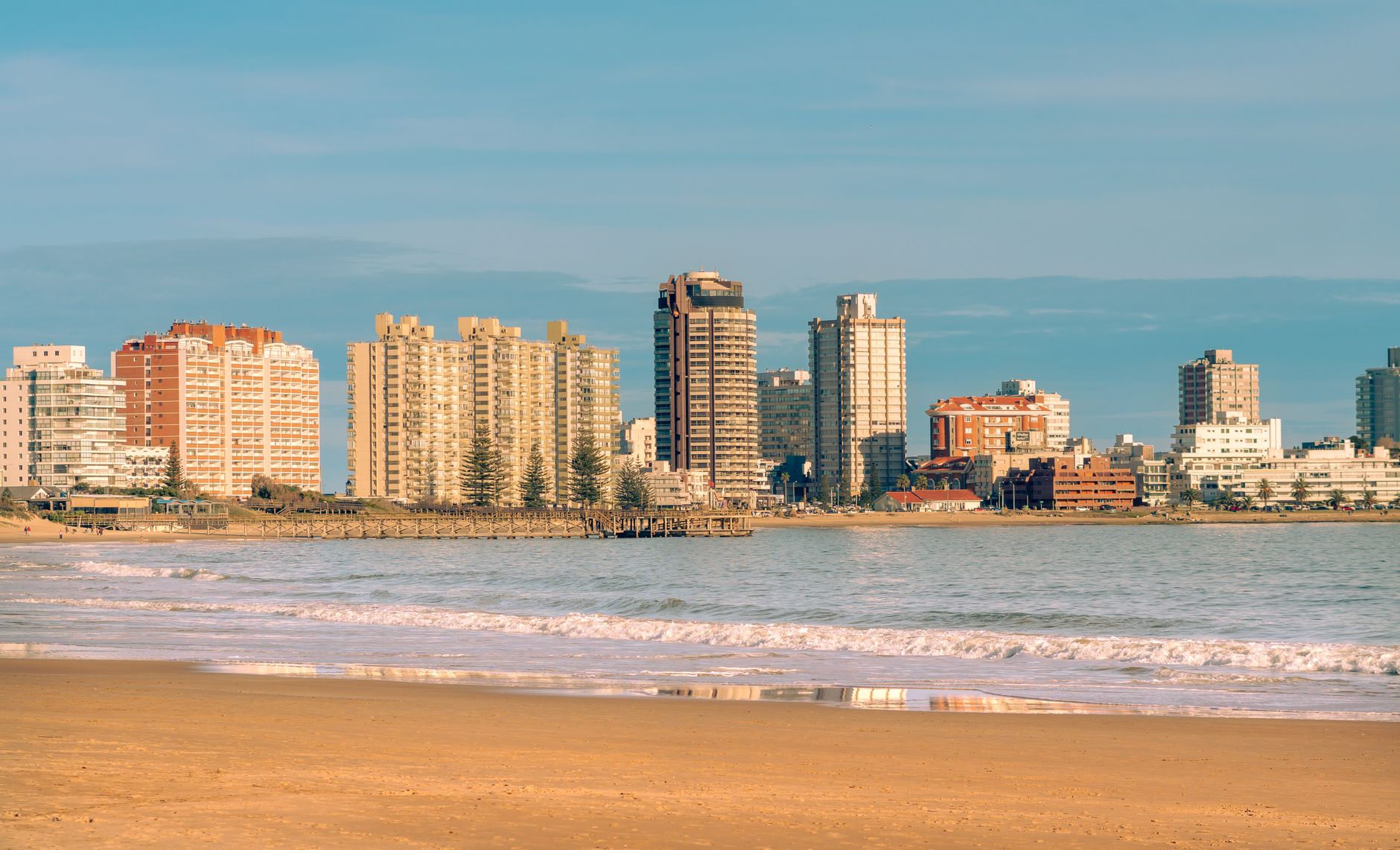
Juan Díaz de Solís reached the Río de la Plata in 1516, and the first European settlement followed in 1527. Montevideo was founded in 1726 as a Spanish military stronghold. The road to independence ran through José Gervasio Artigas, who defeated Spanish forces at the Battle of Las Piedras on 18 May 1811 — a date still marked as a national holiday. The territory was later annexed by the Empire of Brazil in 1824, but Juan Antonio Lavalleja led a resistance movement that drove out the Portuguese by 1825.
British mediation produced a peace agreement in 1828, and Uruguay's first constitution followed in 1830. From the mid-nineteenth century onward, waves of Spanish, Italian, and French immigrants reshaped the country's culture, cuisine, and architecture in ways still legible in Montevideo's layered streetscapes.
Who and what shaped it
People who shaped it
Landmark buildings
See Uruguay in motion
Plan your visit
On the map
When to go
Uruguay has a temperate climate with no extreme seasons. Spring (October–November) and autumn (March–April) offer the most agreeable conditions; summers are warm and breezy on the coast, while winter brings grey, damp days that empty the beach resorts entirely.
Right now
↡ Cities
No places match these filters.
Background & history adapted from Wikipedia (CC BY-SA) · specs from Wikidata (CC0) · weather from Open-Meteo · map data © OpenStreetMap contributors · photos from Wikimedia Commons / Unsplash with per-image credit. No third-party reviews or social posts reproduced.