
Seychelles
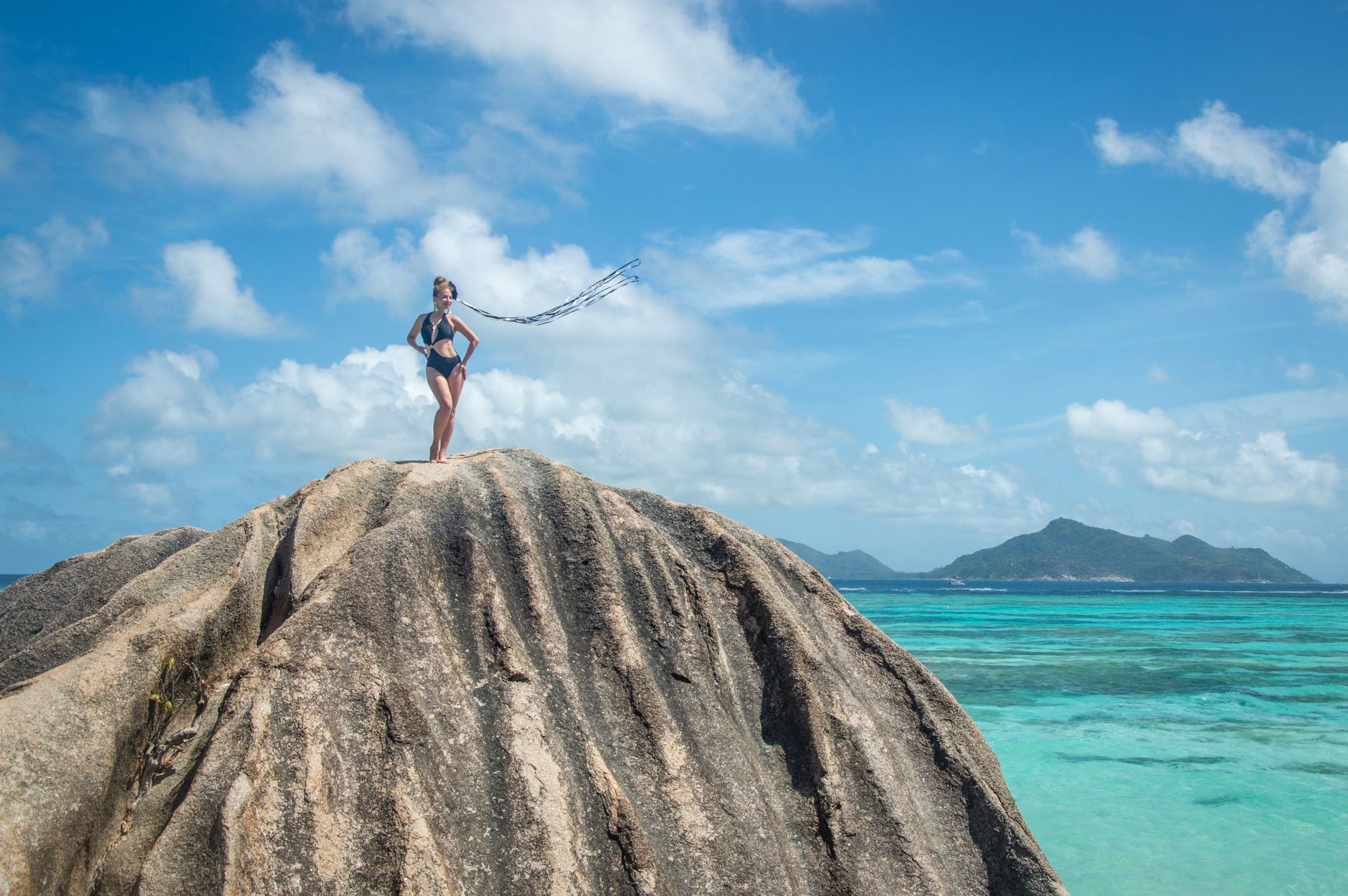
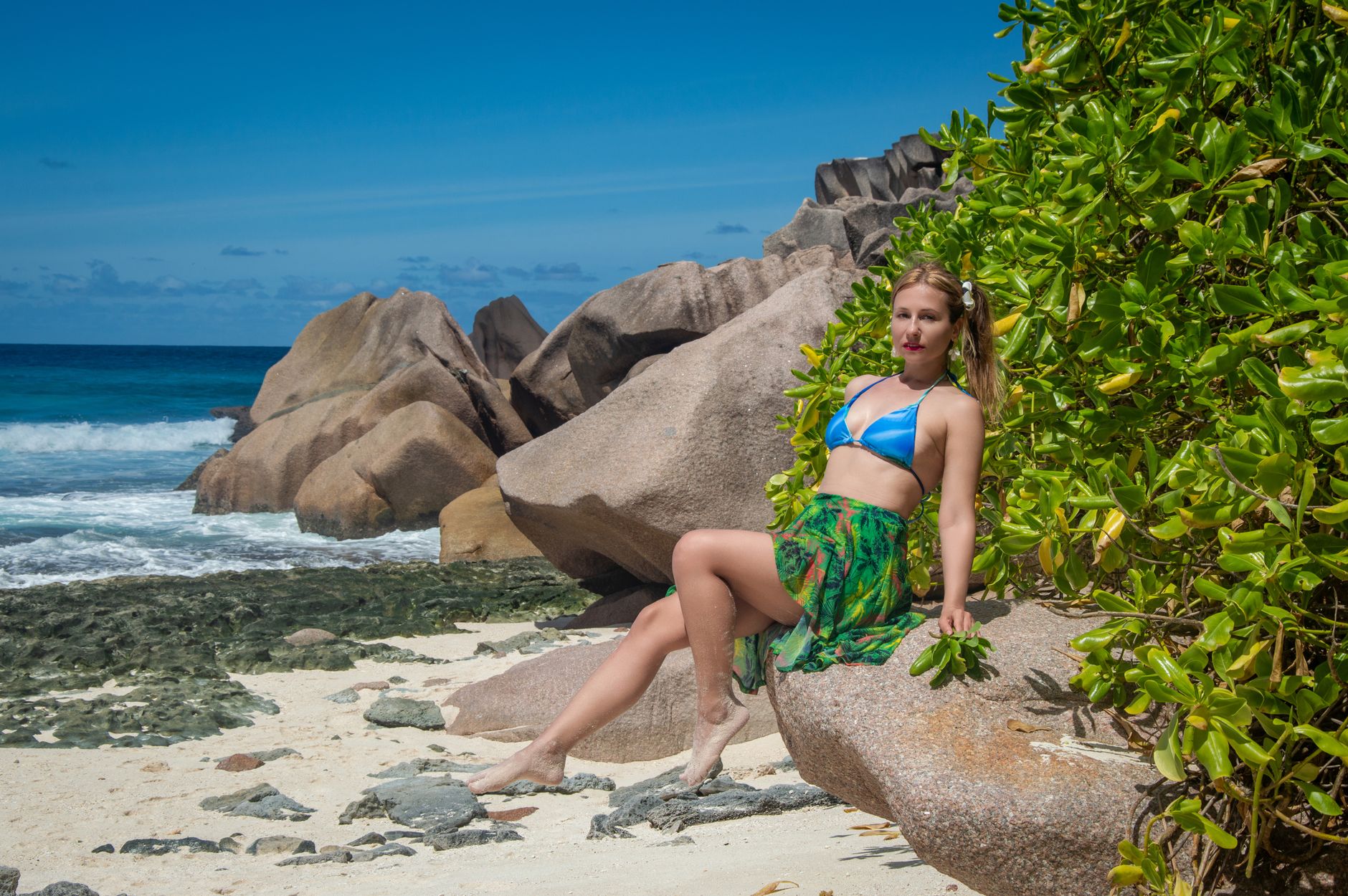
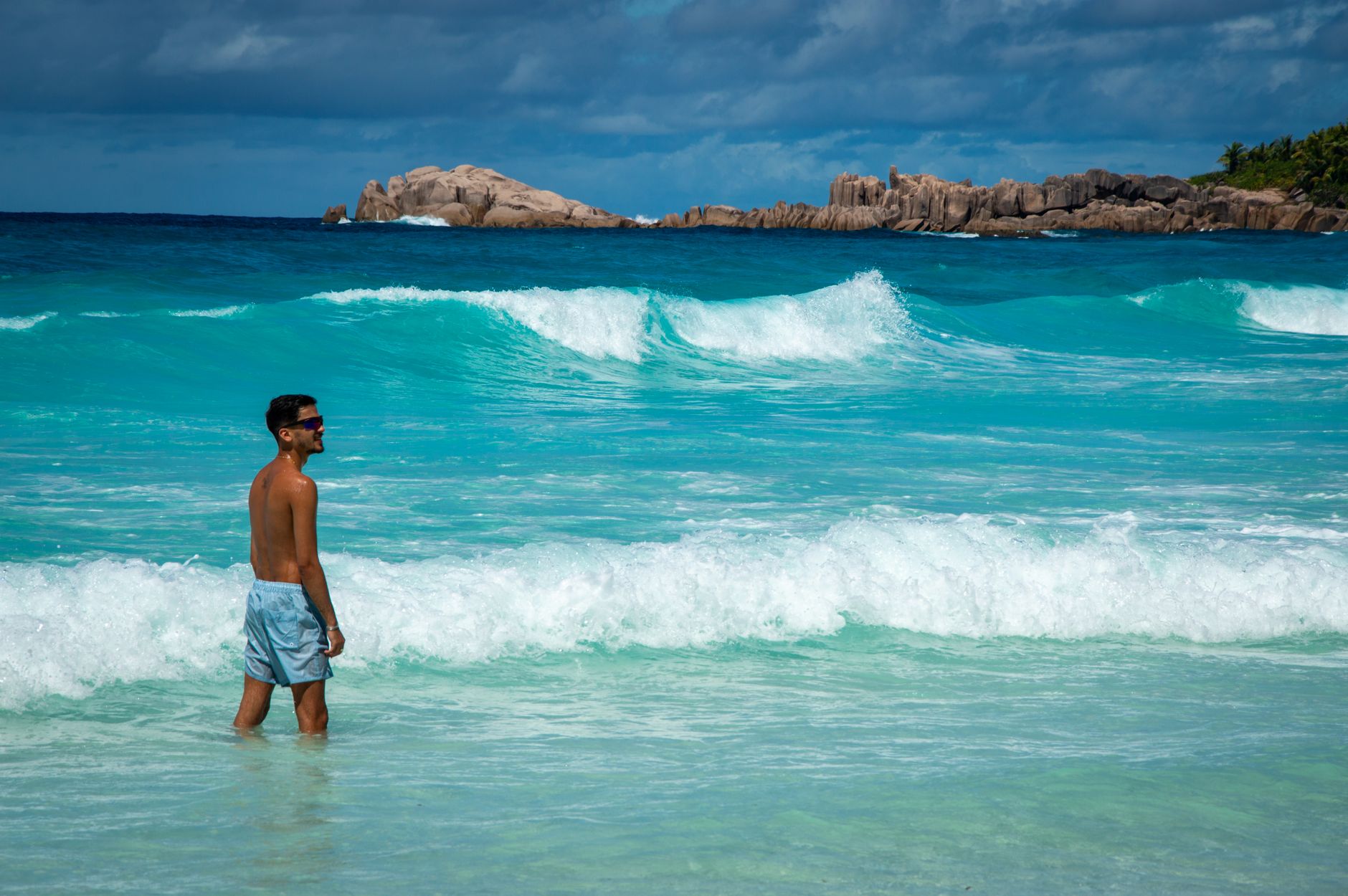

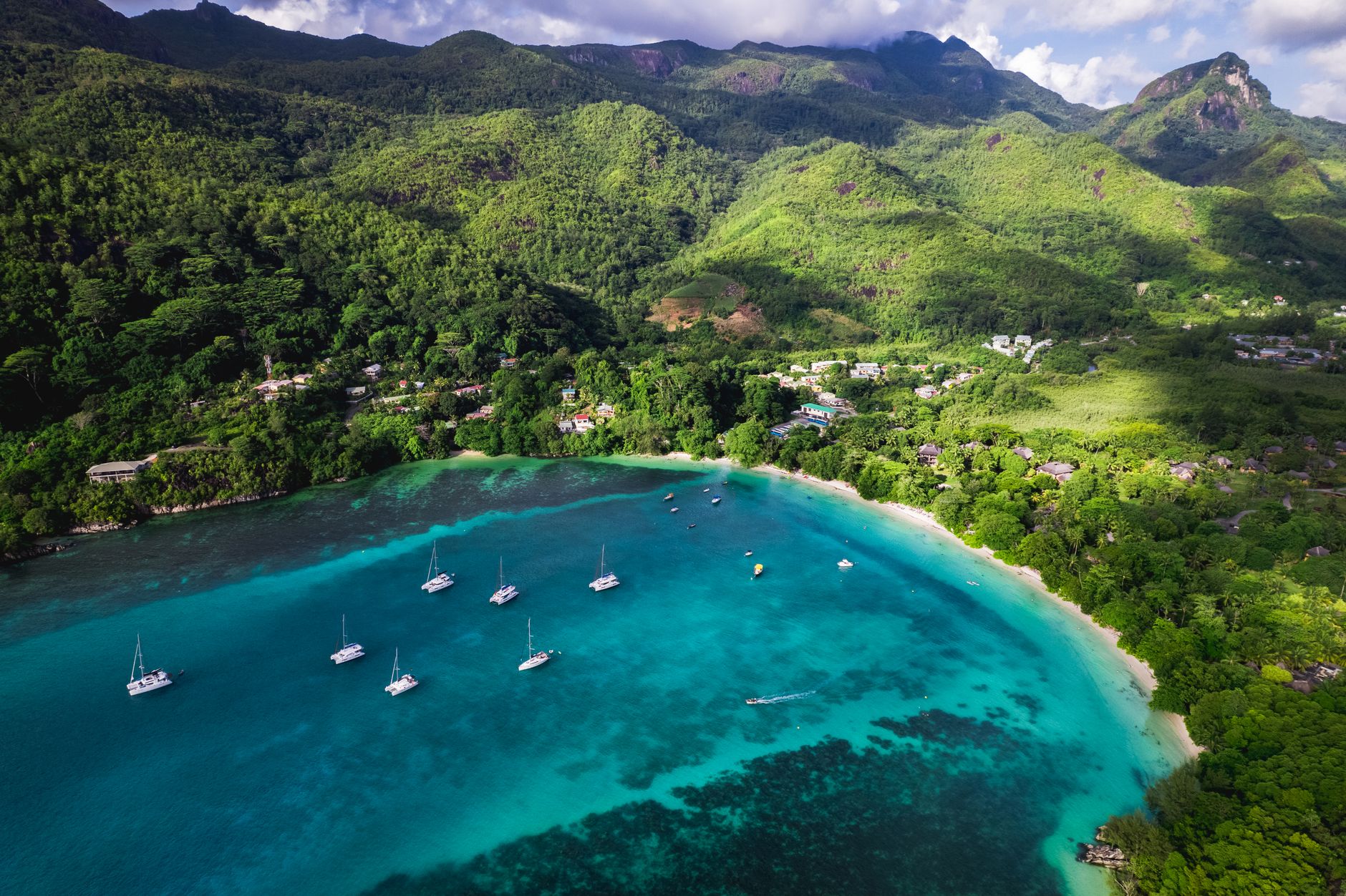

The Seychelles sits in the Indian Ocean about 1,500 kilometres east of mainland Africa — 115 islands strung across a stretch of water so blue it looks retouched. The three main islands, Mahé, Praslin and La Digue, hold most of the people and almost all of the logistics, but the archipelago's character is something more layered than its beaches suggest: Creole, French, British and East African threads running through the food, the architecture and the Kreol language itself.
Victoria, the capital on Mahé, is one of the smallest capital cities on earth. The Victoria Clock Tower — a replica of a London original, erected in 1903 — stands at its centre as a quietly absurd reminder of how far colonial reach extended.
Deals in Seychelles
Book directly at the provider

How Seychelles came to be
The first recorded European sighting came on 15 March 1503, when Vasco da Gama's expedition passed Silhouette Island. An English East India Company vessel made the first recorded landing in 1609, but sustained European interest came later: a French expedition arrived in 1742, and by 1756 France had formally annexed the archipelago, naming the largest island after Viscount Jean Moreau de Séchelles, the French Minister of Finance. The first permanent settlement followed in 1770, when the ship Thélemaque arrived carrying fifteen white men, eight Africans and five Indians.
Britain took control in 1810 and the islands were formally ceded by the Treaty of Paris in 1814, becoming a separate crown colony in 1903. Independence came on 29 June 1976, with James Mancham as the first president and France-Albert René as prime minister — though René seized power in a coup the following year and ran a socialist one-party state until multiparty elections resumed in 1993.
Who and what shaped it
People who shaped it
Landmark buildings
See Seychelles in motion
Plan your visit
On the map
When to go
The Seychelles is tropical year-round, sitting around 26°C in the cooler months and warmer through the northwest monsoon season (roughly November to March), which brings heavier rain and rougher seas on the west coasts. The southeast trade winds from May to September tend to bring clearer skies and calmer water on the sheltered sides of each island.
Right now
Background & history adapted from Wikipedia (CC BY-SA) · specs from Wikidata (CC0) · weather from Open-Meteo · map data © OpenStreetMap contributors · photos from Wikimedia Commons / Unsplash with per-image credit. No third-party reviews or social posts reproduced.