
Tunisia
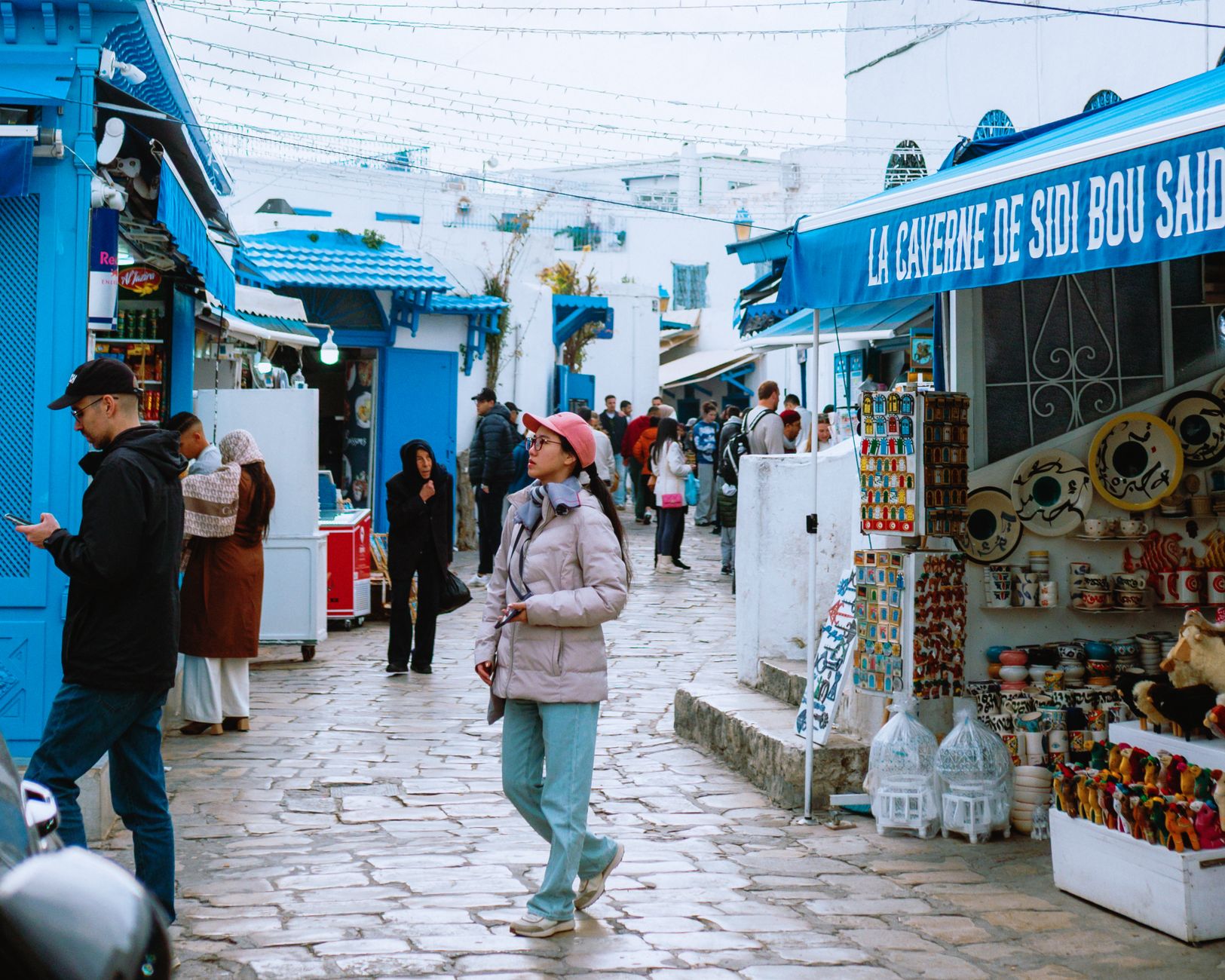
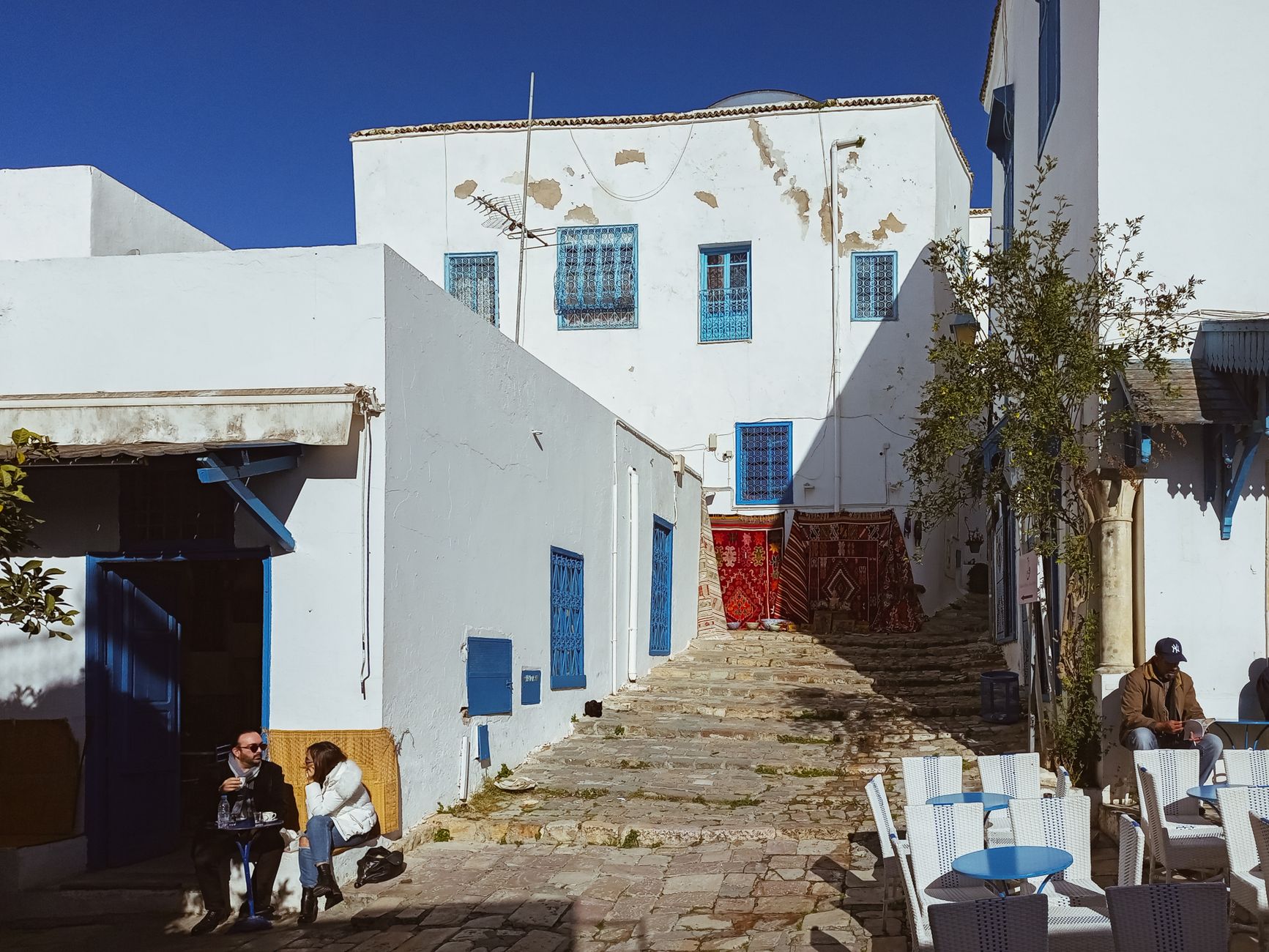
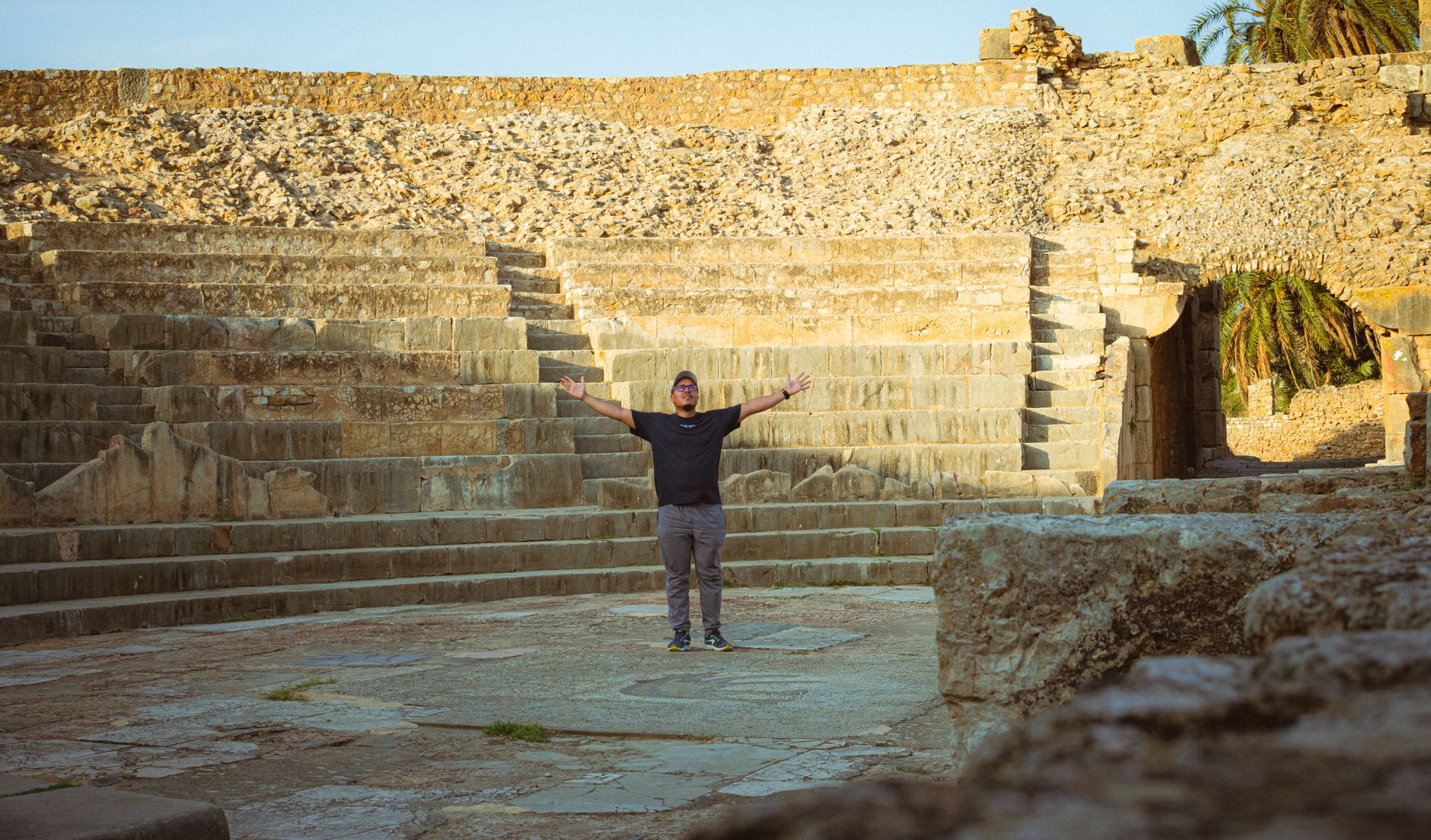
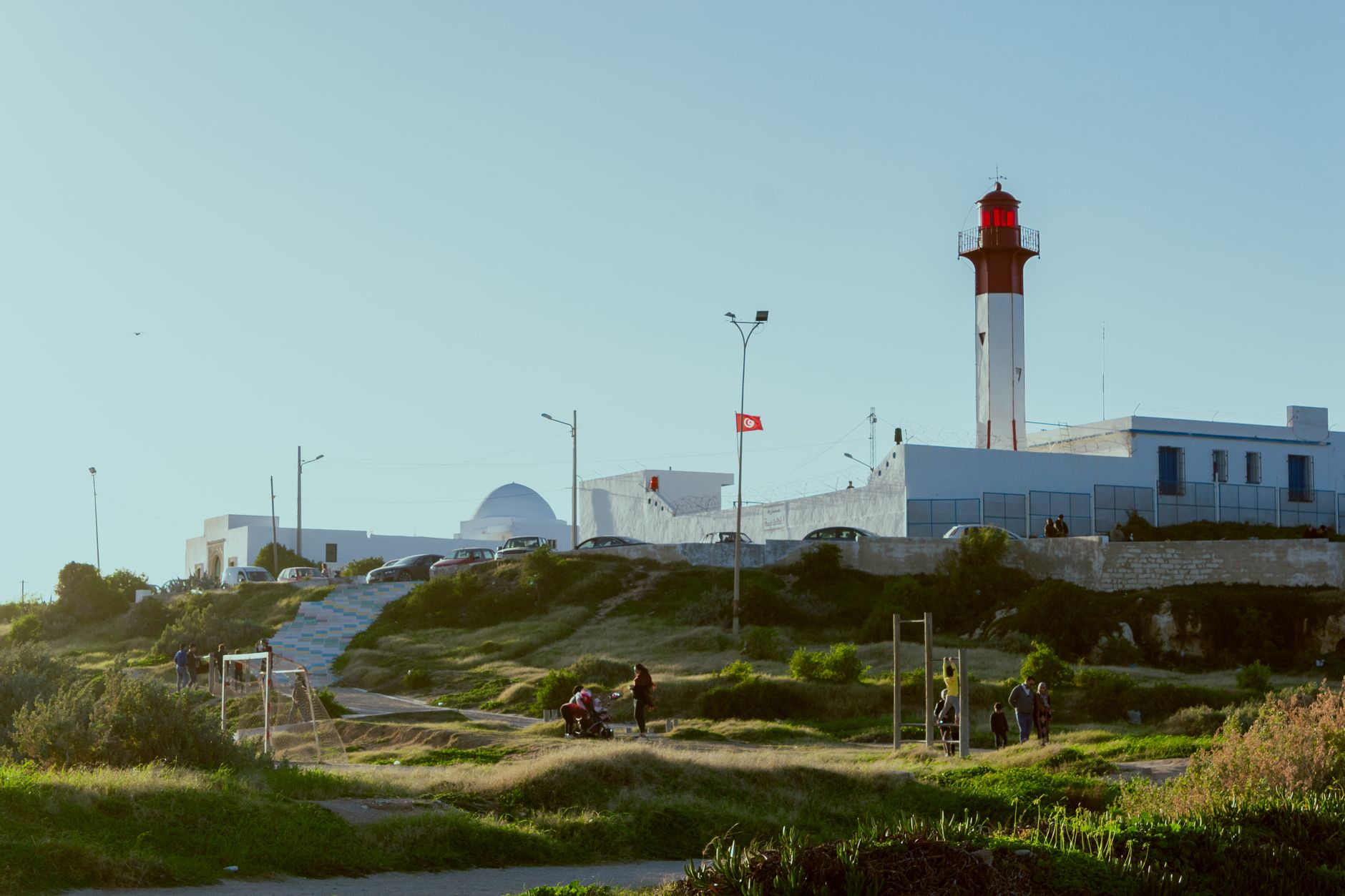
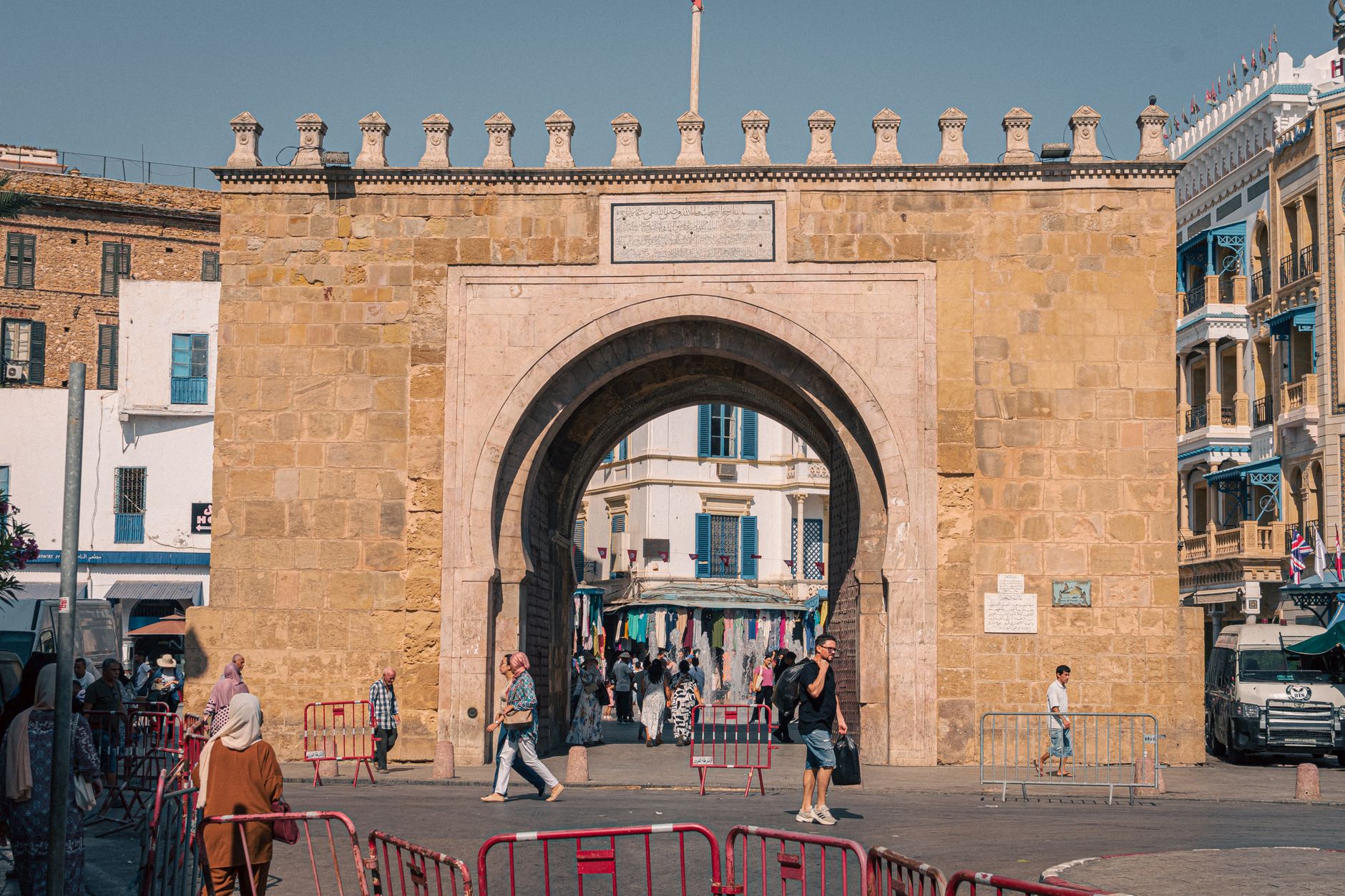
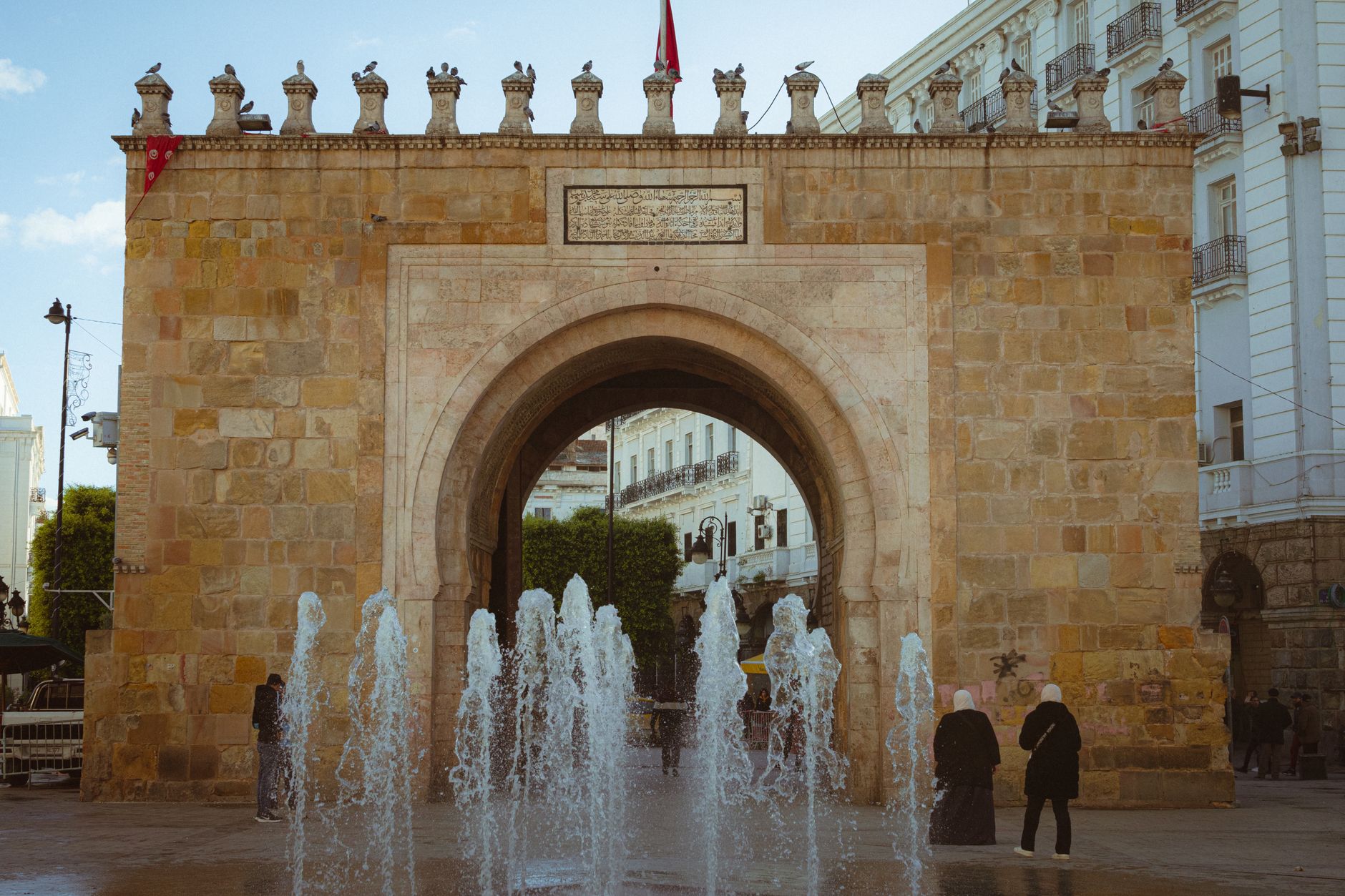
Tunisia sits at the crease where the Mediterranean meets the Sahara, and that collision runs through everything here — the food, the architecture, the light. Stand in the Medina of Tunis and you are inside a labyrinth of some 700 monuments built between the 12th and 16th centuries, while forty minutes south by train the ruins of Carthage look out over the same sea the Phoenicians once crossed.
This is a country that rewards slowing down. The TGM suburban train rattles you from the capital out to Sidi Bou Said for almost nothing. Louages — shared minibuses — connect towns that the railway misses. Cash in Tunisian dinar is the currency that actually works here, so arrive with some.
Deals in Tunisia
Book directly at the provider

How Tunisia came to be
Tunisia's recorded past stretches back through layers that few countries can match. Carthage rose here as a Phoenician trading post, was razed by Rome in 146 BC, then rebuilt as one of the empire's great cities — the Amphitheatre of El Jem, seating around 35,000, still stands as evidence of that Roman ambition. The Great Mosque of Kairouan was founded in the 7th century AD, and the Medina of Tunis flourished under the Almohad and Hafsid dynasties from the 12th century onward.
French colonialism arrived in 1881. The push back began with the Young Tunisian Party in 1907, gathered force through the Destour and Neo-Destour parties, and culminated on March 20, 1956, when independence was secured. Habib Bourguiba, who had led the nationalist movement through those final years, became the republic's first president in 1957.
Who and what shaped it
People who shaped it
Landmark buildings
See Tunisia in motion
Plan your visit
On the map
When to go
The north and coast follow a Mediterranean pattern — mild, sometimes rainy winters and hot, dry summers. Inland and toward the south, heat intensifies sharply from June through August; spring and autumn are the most practical seasons for travelling across the country's full range.
Right now
Background & history adapted from Wikipedia (CC BY-SA) · specs from Wikidata (CC0) · weather from Open-Meteo · map data © OpenStreetMap contributors · photos from Wikimedia Commons / Unsplash with per-image credit. No third-party reviews or social posts reproduced.