
Puerto Rico
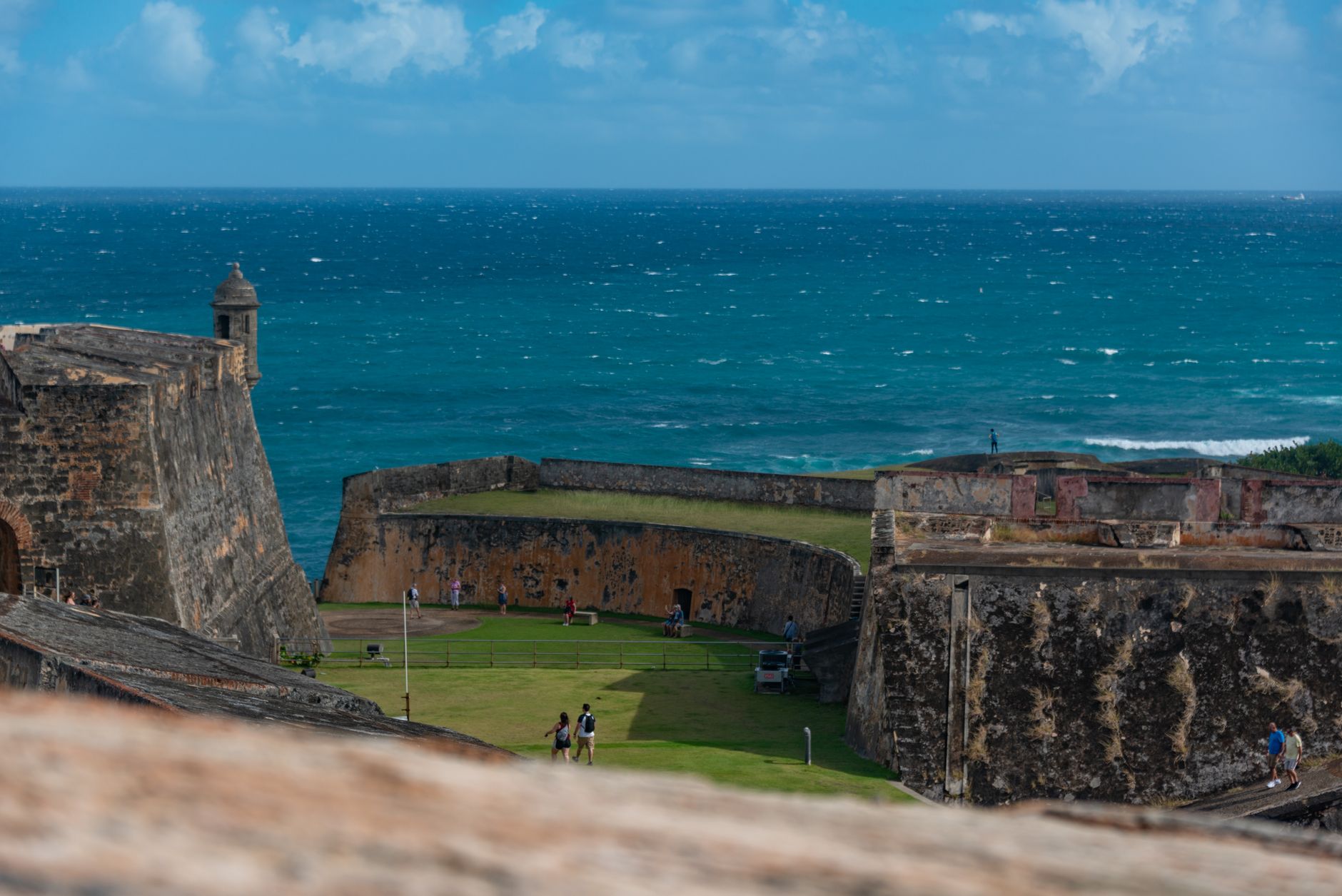
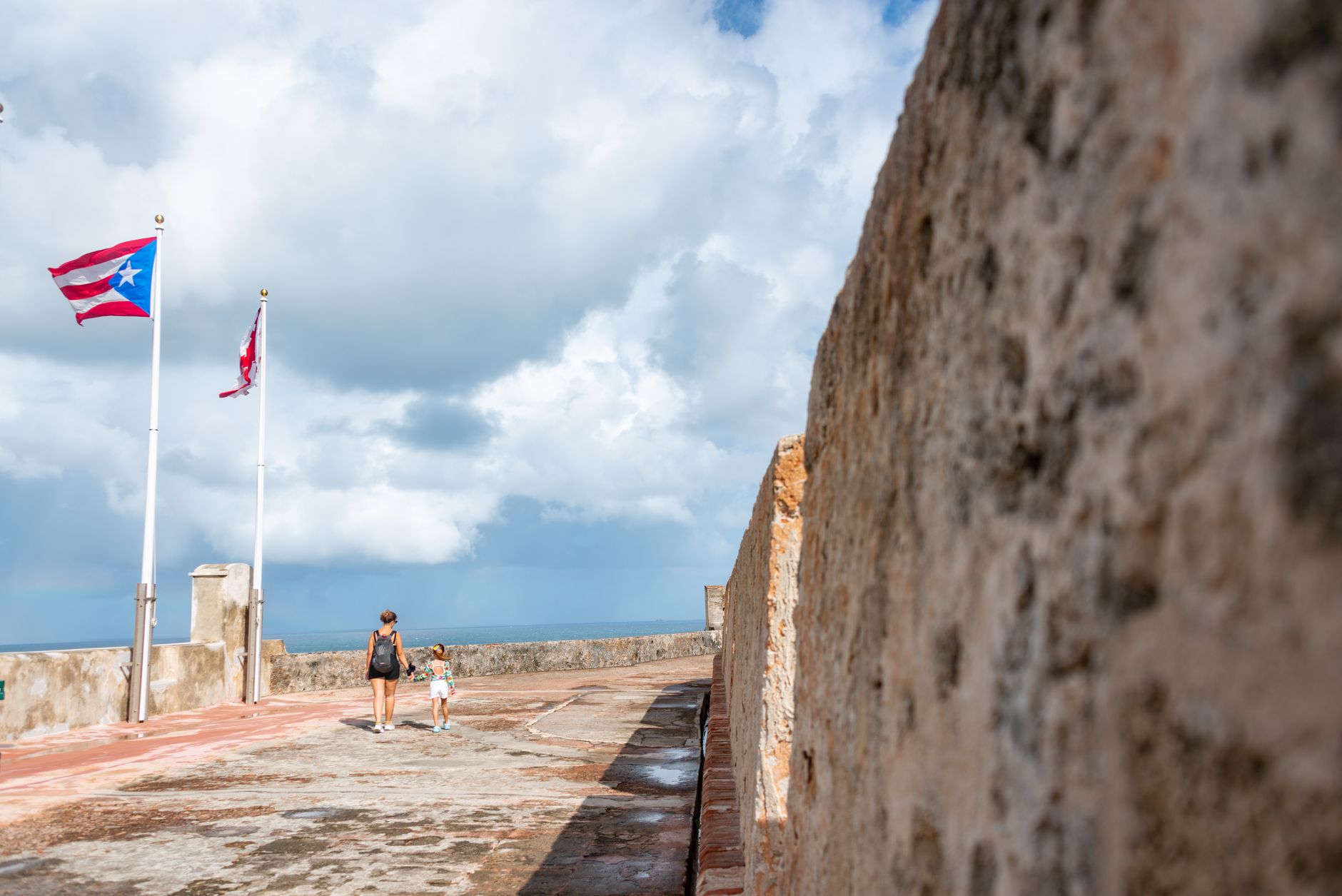
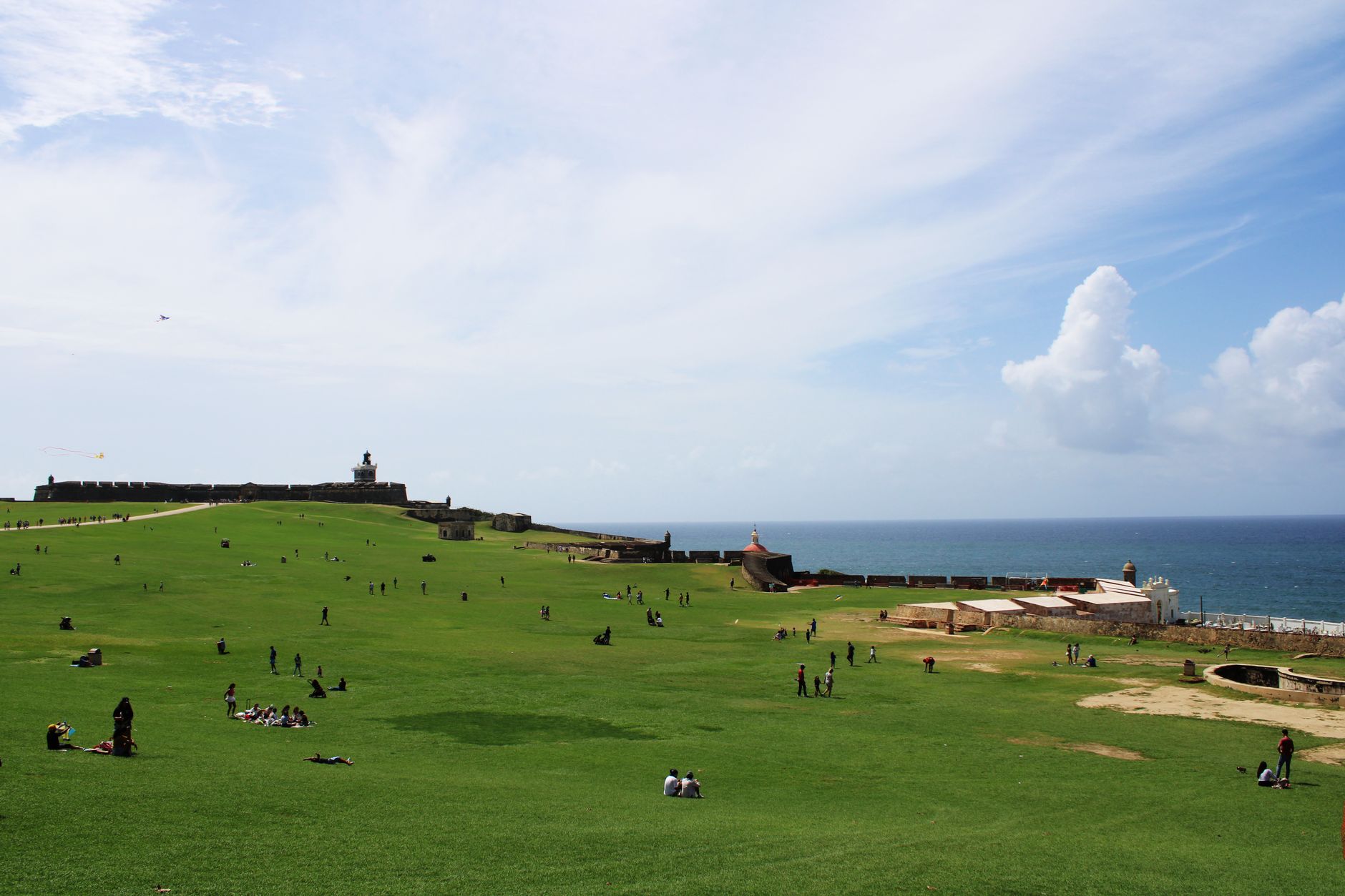
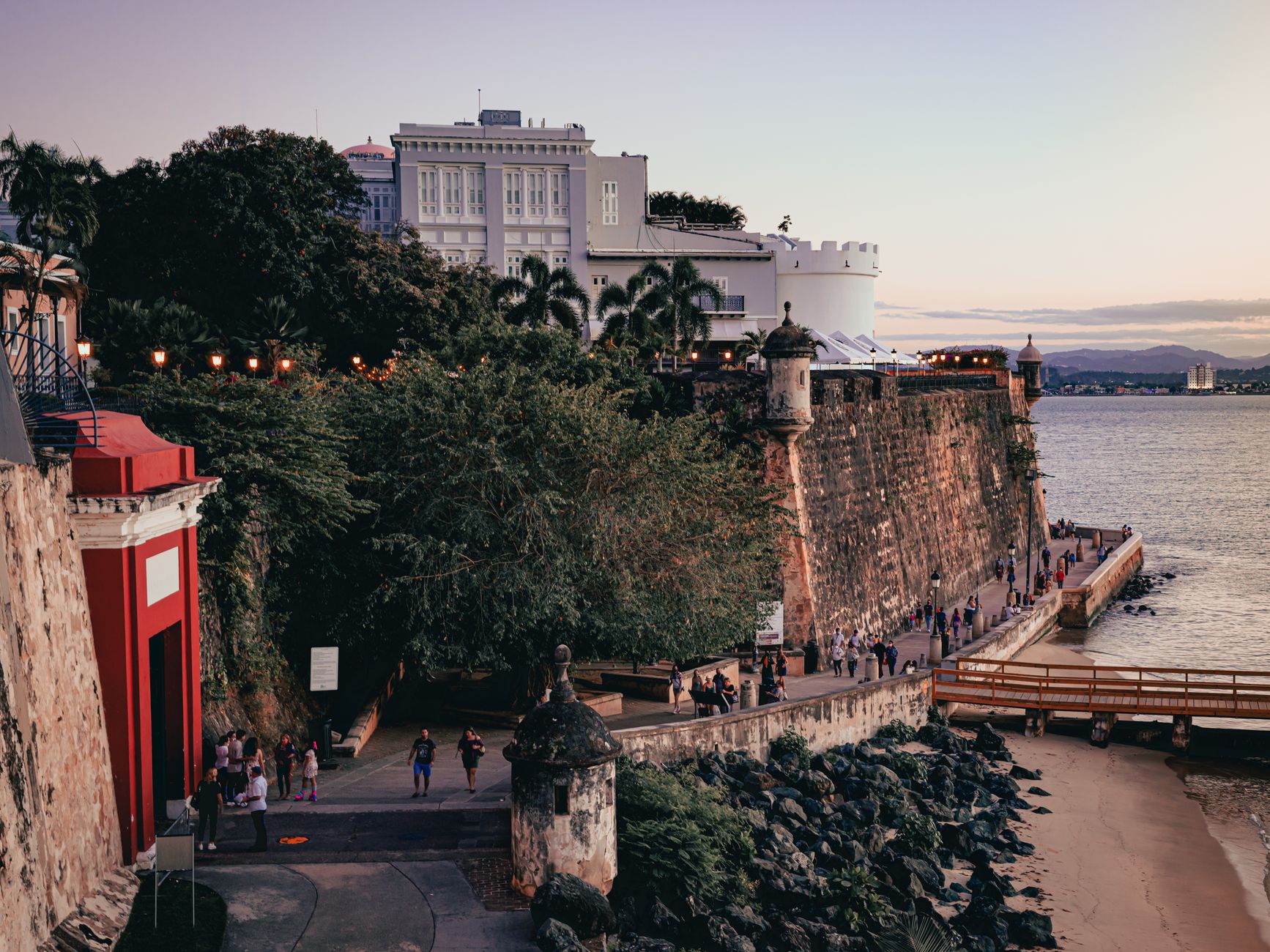
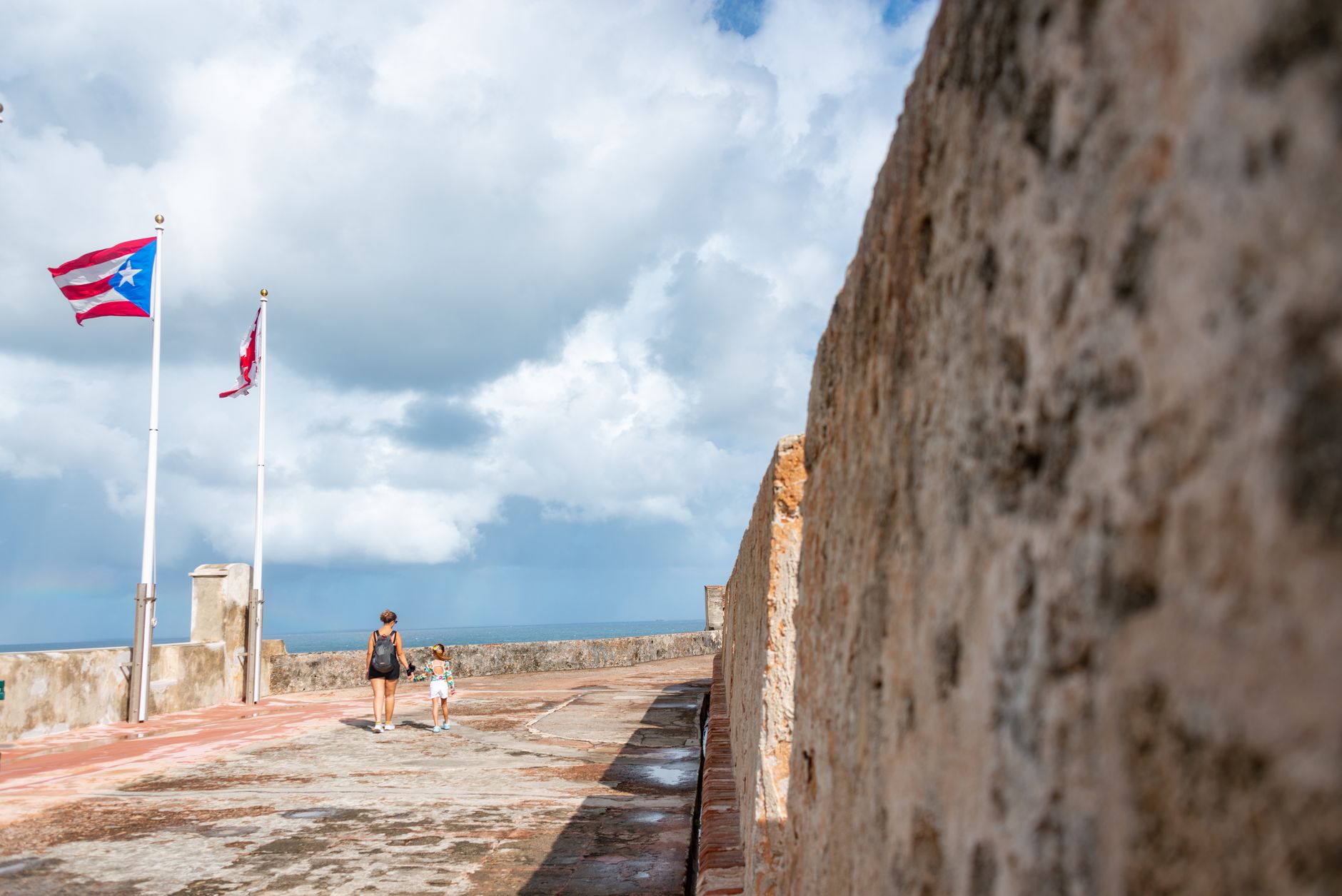
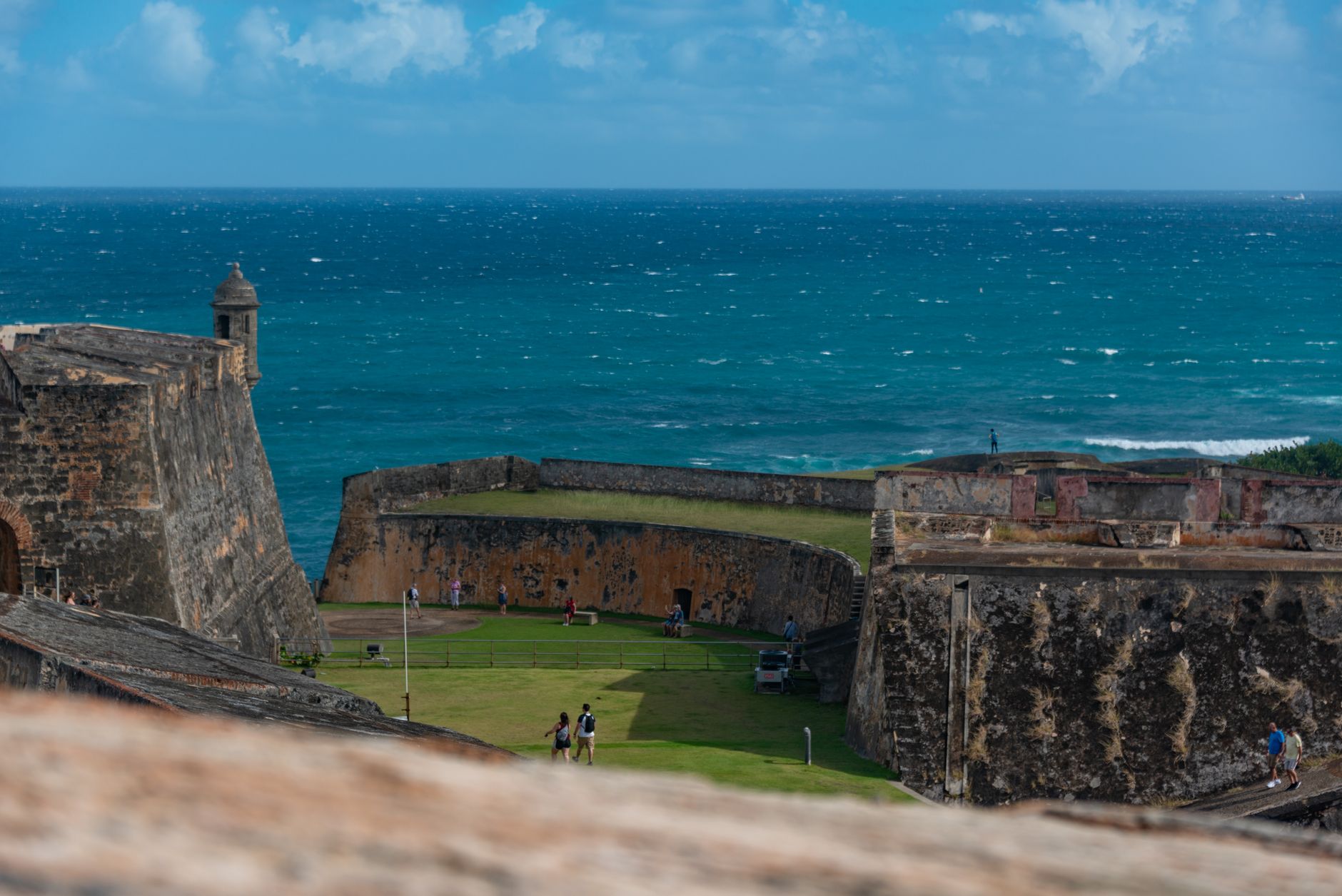
Puerto Rico sits in the northeastern Caribbean as a U.S. Commonwealth — which means you arrive without a passport if you're coming from the States, but land somewhere that runs on its own rhythms, its own food, its own Spanish-inflected sense of time. Old San Juan is ringed by 16th-century walls built by the Spanish to keep everyone else out, and the two great forts — El Morro at the harbor mouth, San Cristóbal guarding the land side — still shape the skyline in a way that no amount of later construction has managed to undo.
Beyond the capital, the island shifts: Ponce in the south has its own architectural confidence, San Germán holds churches older than most American cities, and the coastlines on each side behave differently depending on the season.
Popular regions in Puerto Rico

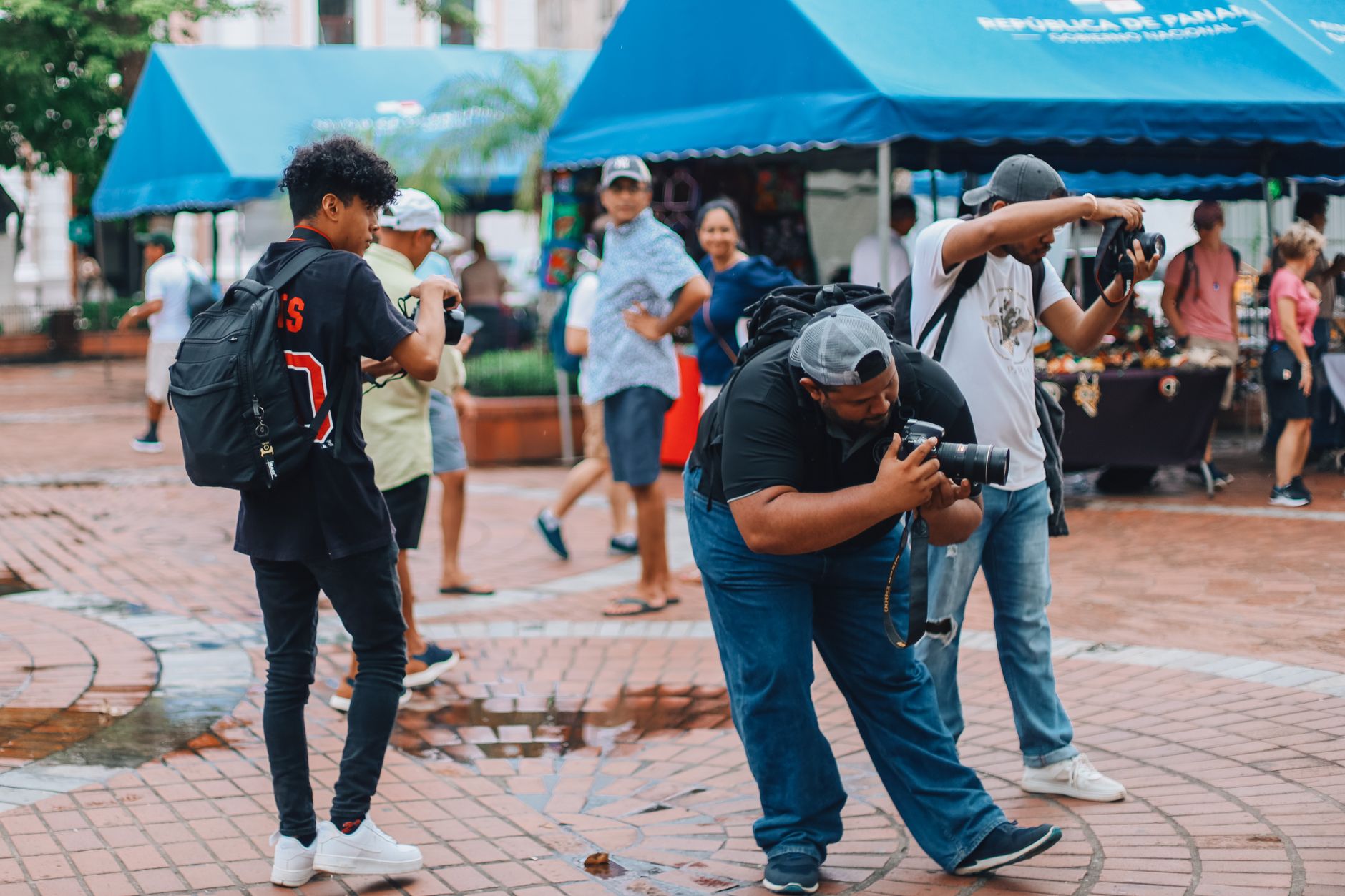
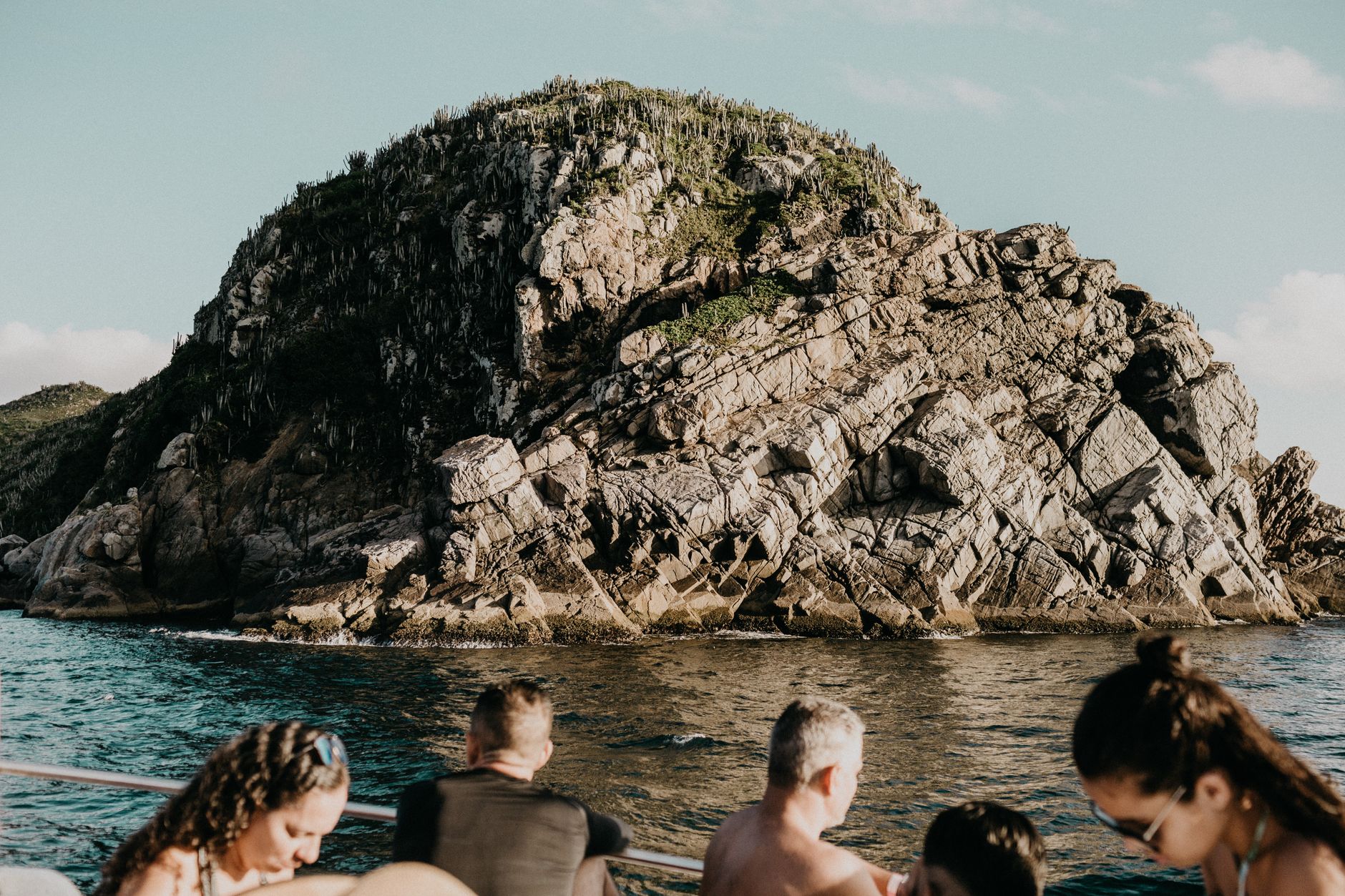
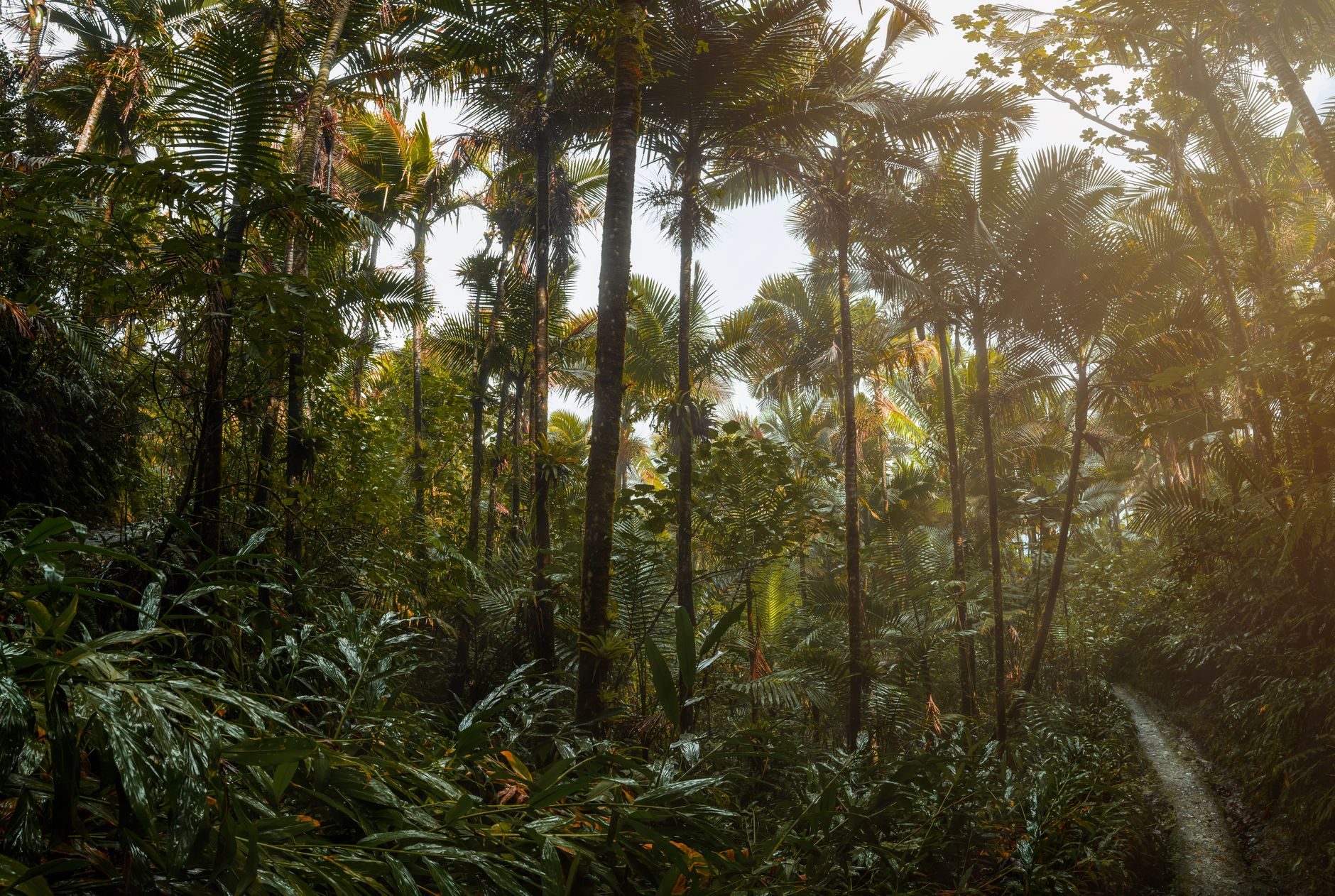
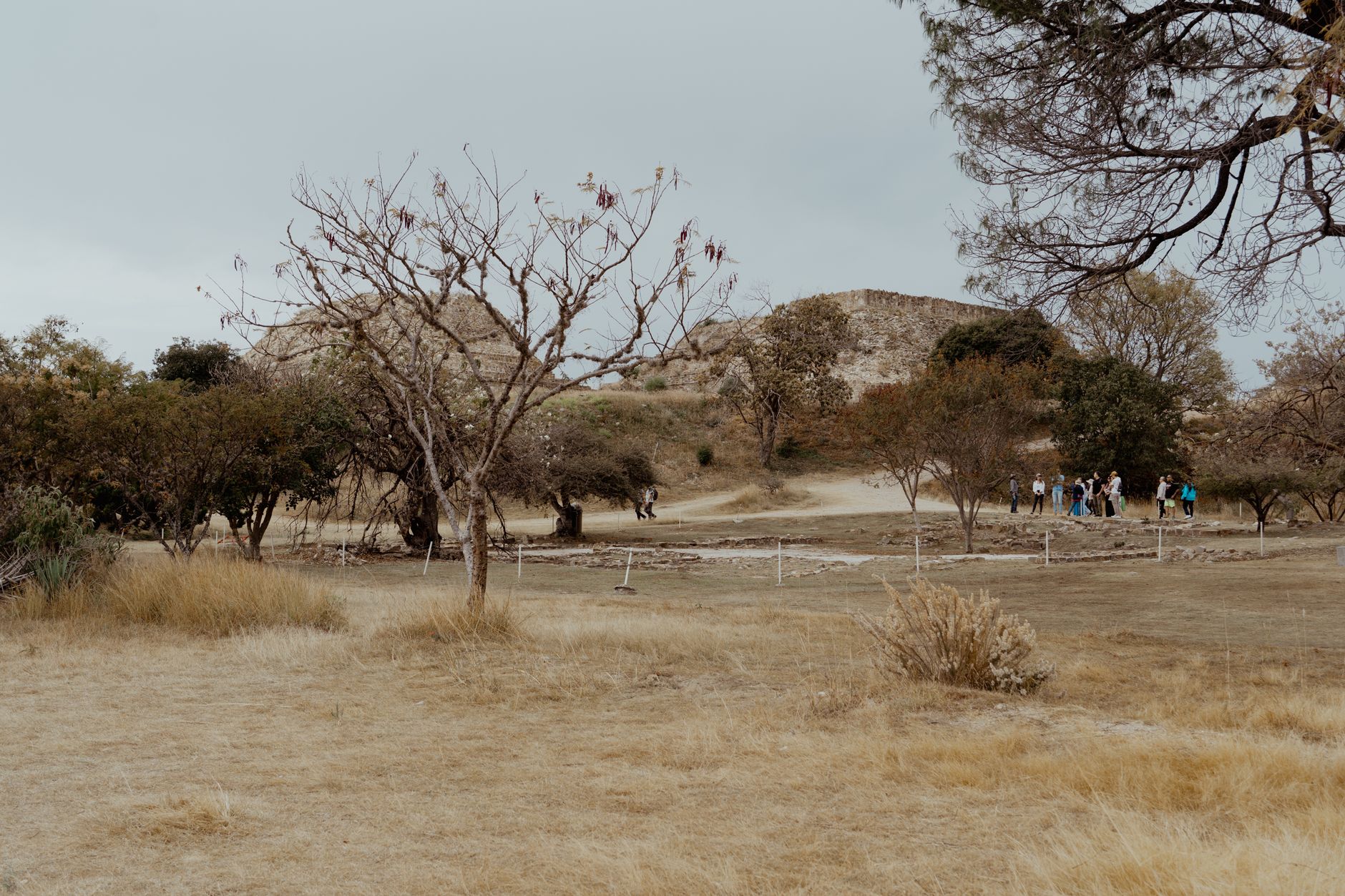
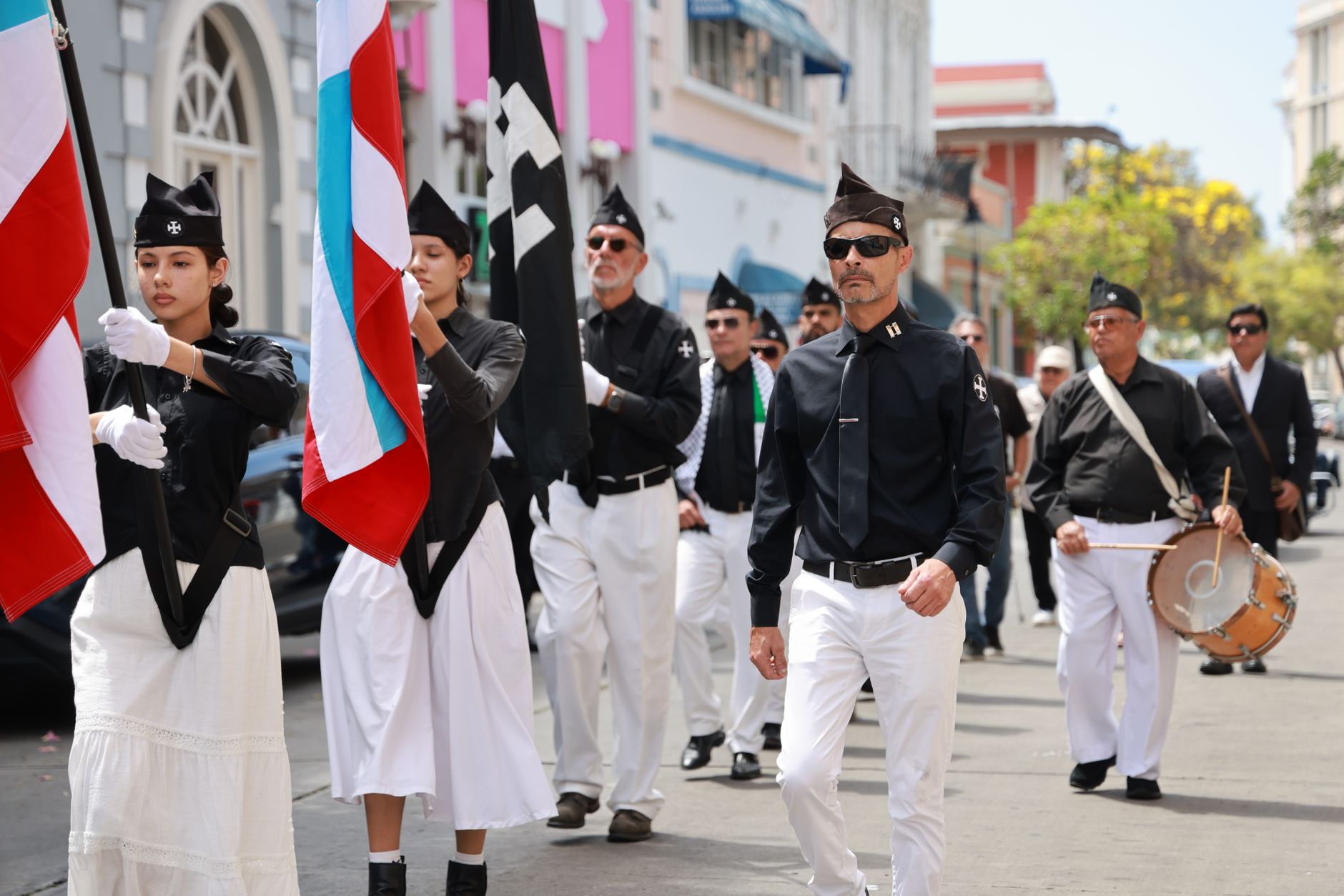
💛 What travellers fall for
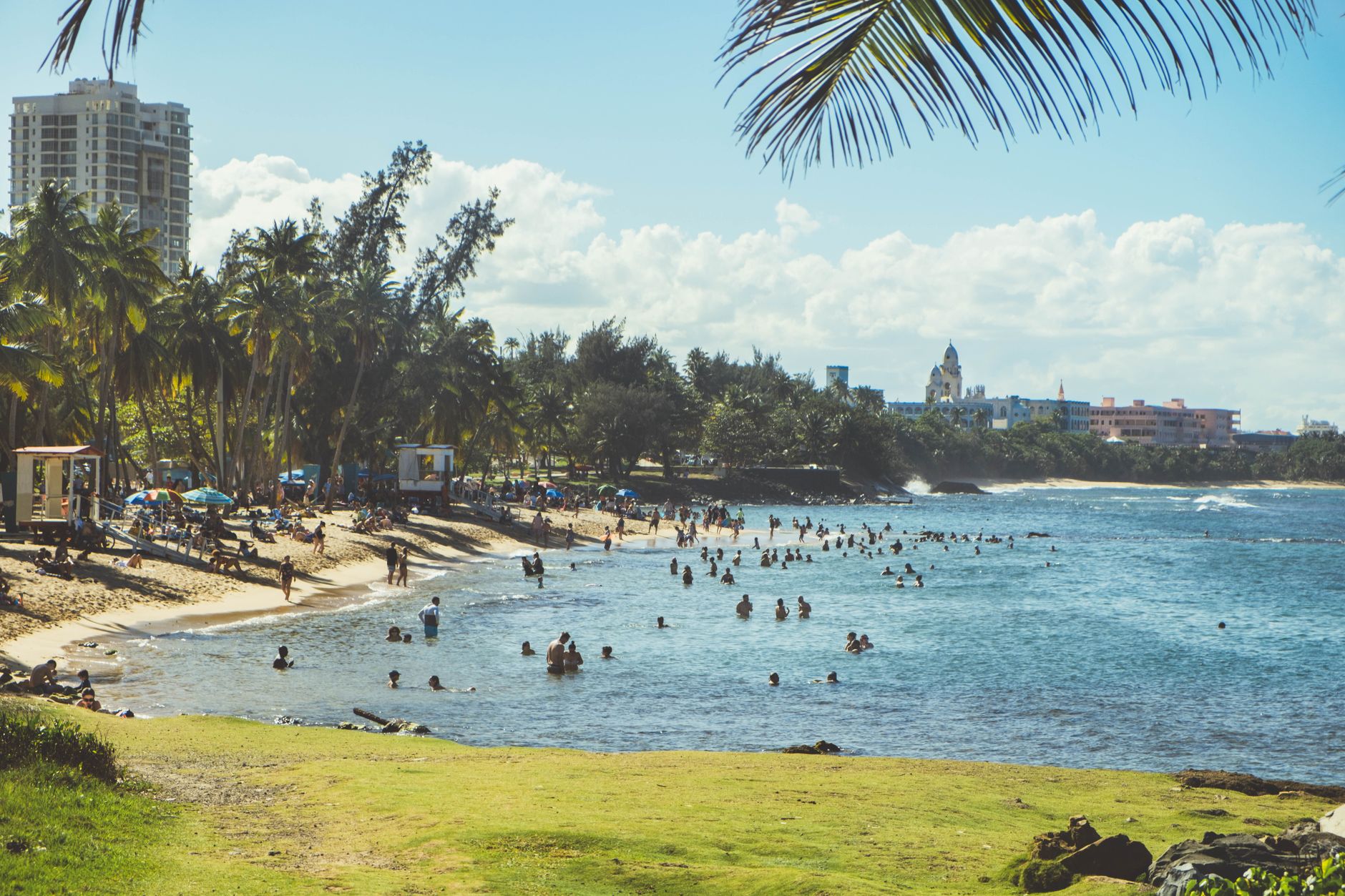
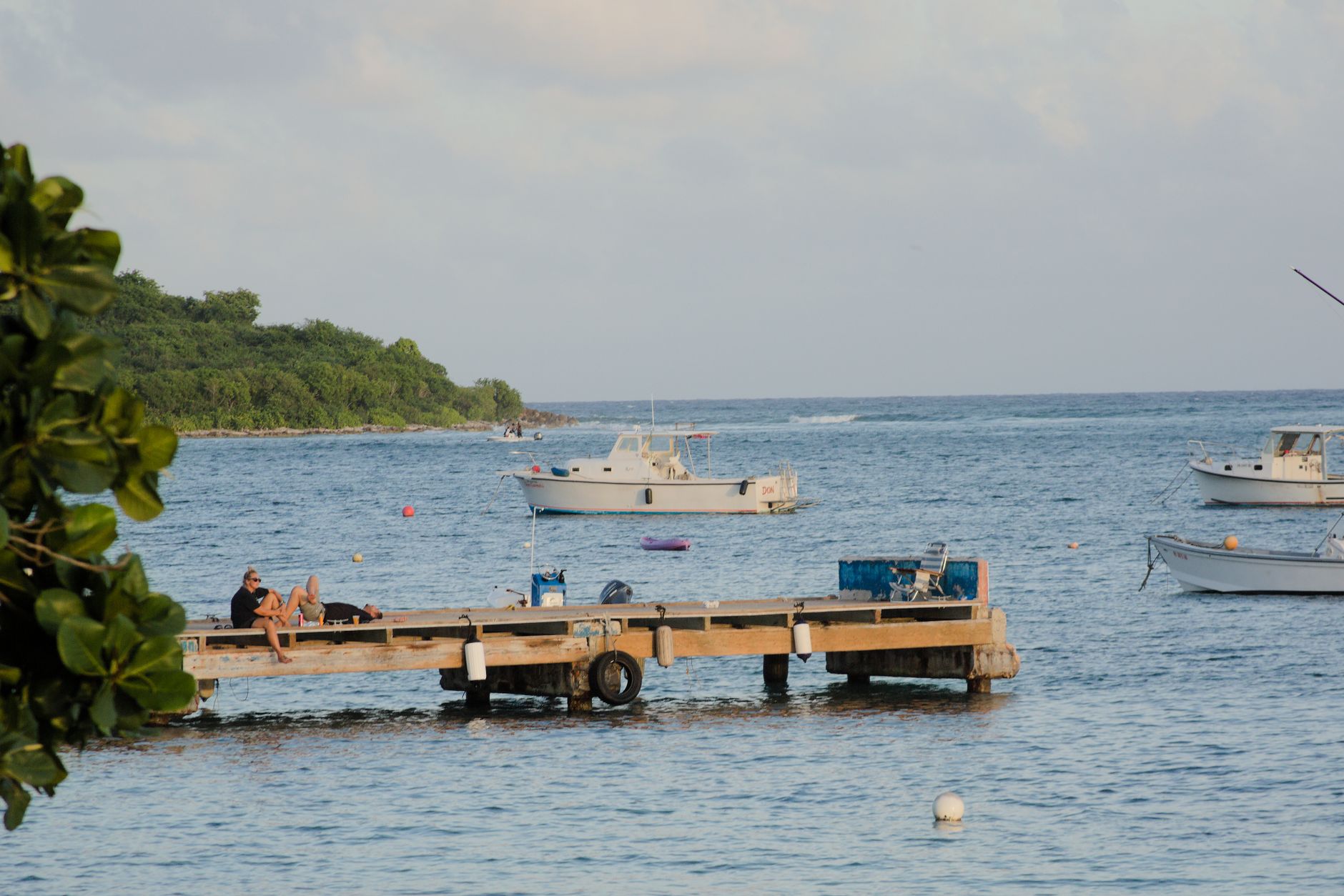
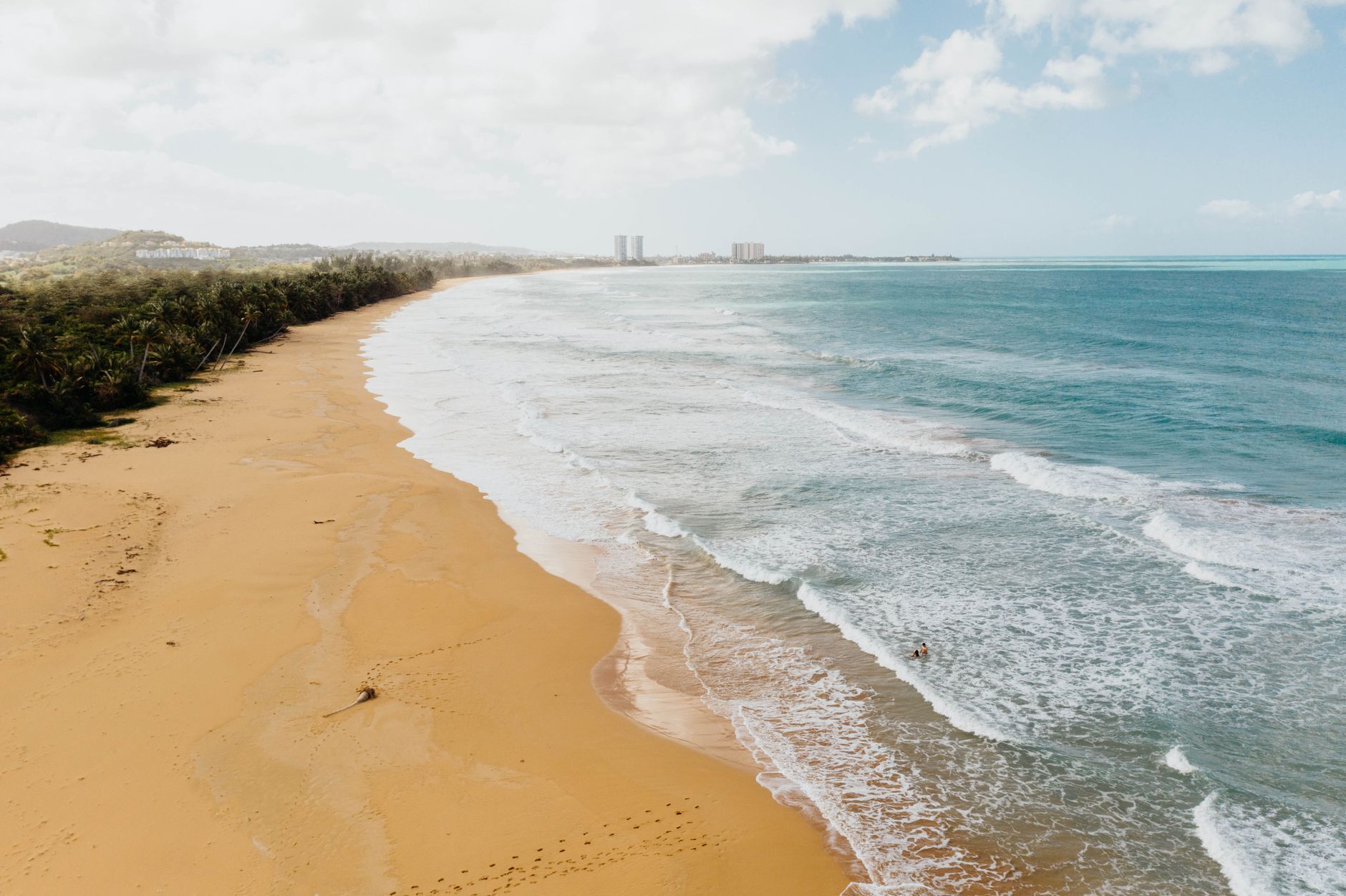
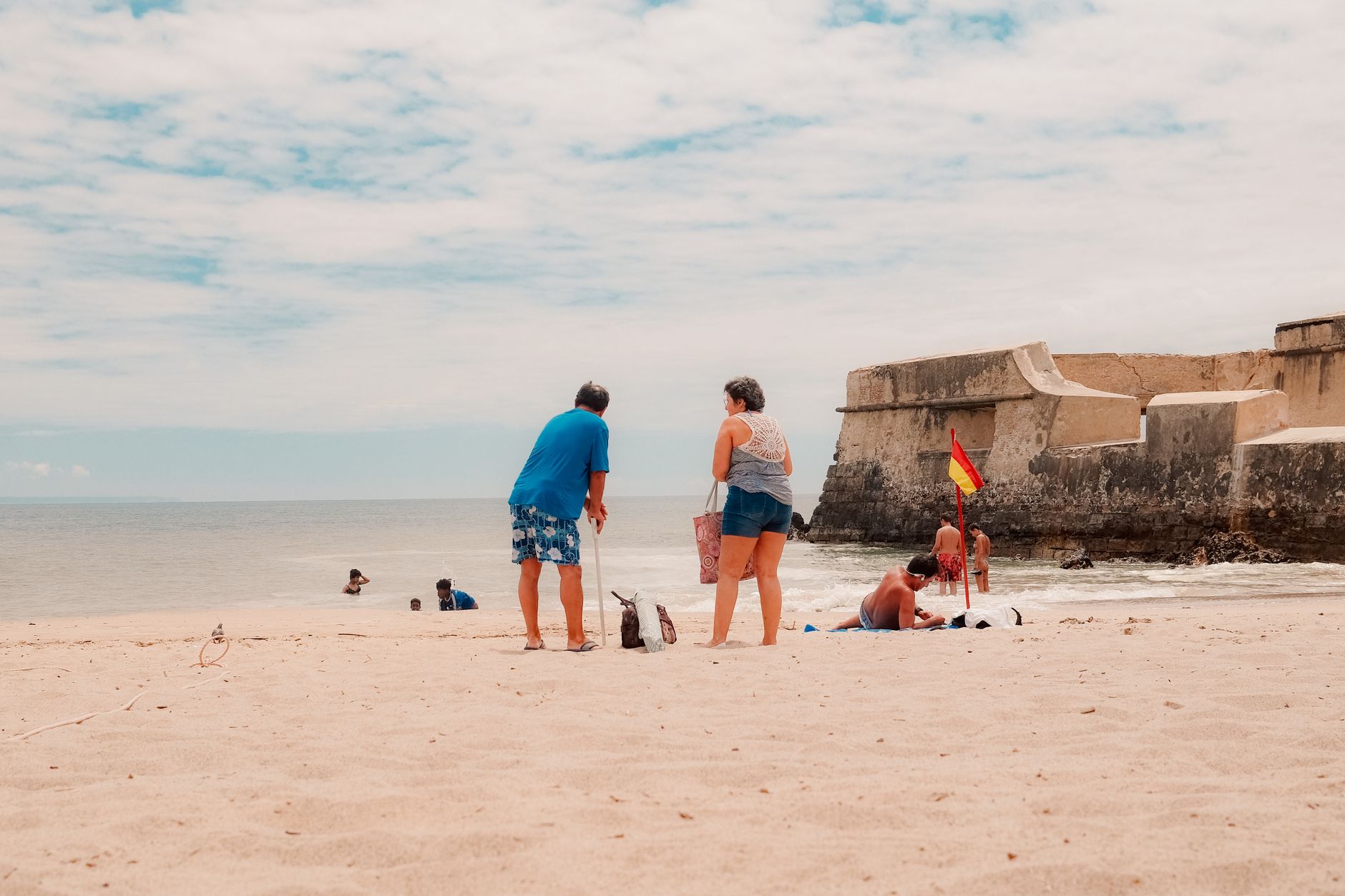
People who keep coming back tend to time it around the coasts — north and east for February and March when the water is clearest, south and west from December onward. The Cataño ferry across San Juan Bay costs almost nothing and gives you the best view of El Morro. La Fortaleza tours run free on weekdays; arrive early before the groups do.
Deals in Puerto Rico
Book directly at the provider


How Puerto Rico came to be
Columbus reached the island in November 1493, named it San Juan Bautista, and claimed it for the Spanish crown. Juan Ponce de León established the first Spanish settlement at Caparra in 1508; the capital that grew from it eventually swapped names with the island itself — what had been called Puerto Rico became San Juan, and vice versa. The Portuguese soldiers Philip II sent from Lisbon in 1593 built the first garrison at El Morro; the fortifications that followed made San Juan one of the most heavily defended harbors in the Caribbean.
Slavery was abolished in 1873, and Spain granted the island autonomy in 1897 — only for the Treaty of Paris a year later to transfer it to the United States. Puerto Ricans became U.S. citizens in 1917, and the island took its current Commonwealth status in 1952. Luis Muñoz Marín, elected in 1949, was the first governor born on the island itself.
Who and what shaped it
People who shaped it
Landmark buildings
See Puerto Rico in motion
Plan your visit
On the map
When to go
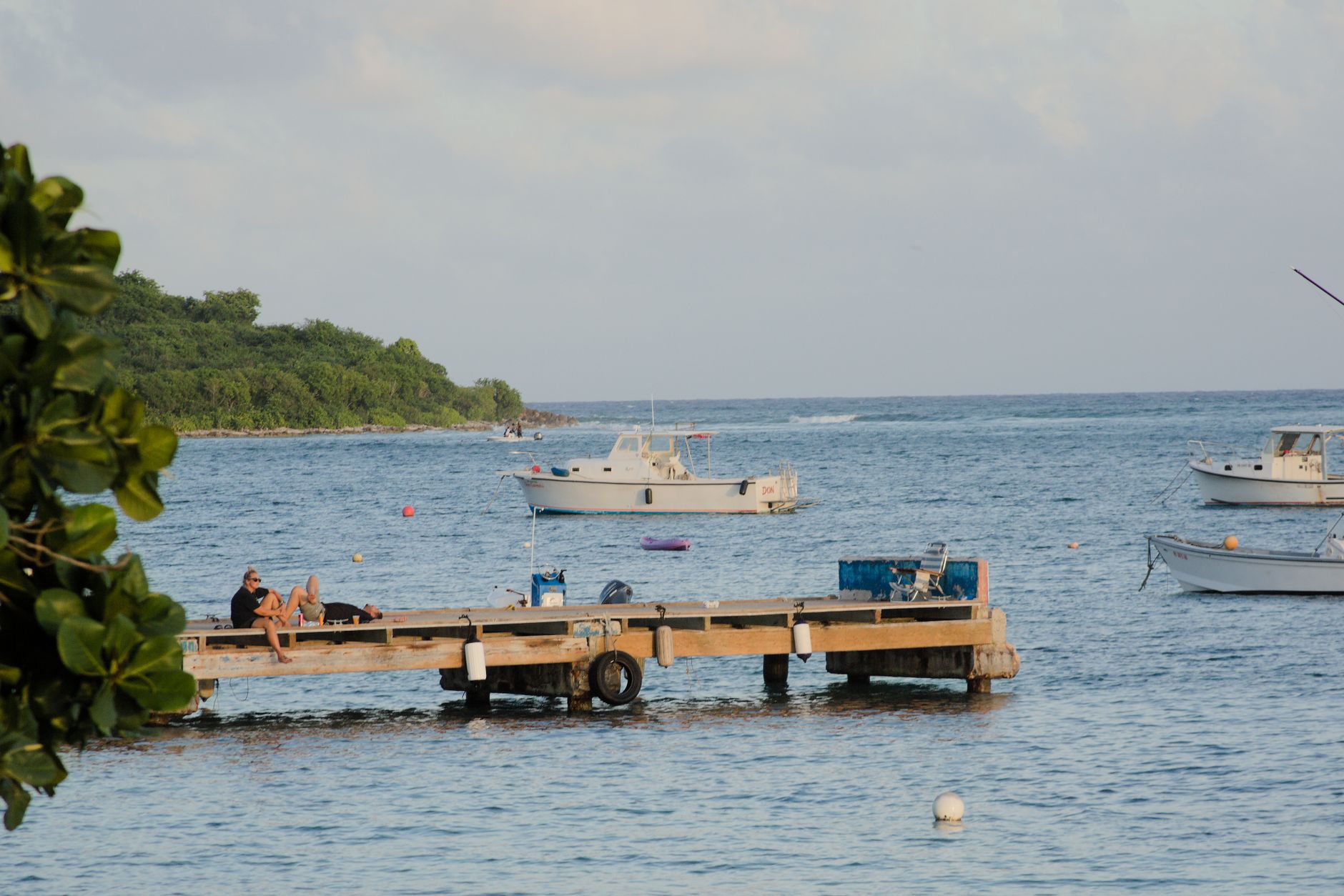
The north and east coasts are at their best from February through March; the south and west coasts are drier and calmer from December onward. Hurricane season runs roughly June through November — not impossible to visit, but worth factoring in.
Right now
↡ Regions
Background & history adapted from Wikipedia (CC BY-SA) · specs from Wikidata (CC0) · weather from Open-Meteo · map data © OpenStreetMap contributors · photos from Wikimedia Commons / Unsplash with per-image credit. No third-party reviews or social posts reproduced.