
Trinidad and Tobago


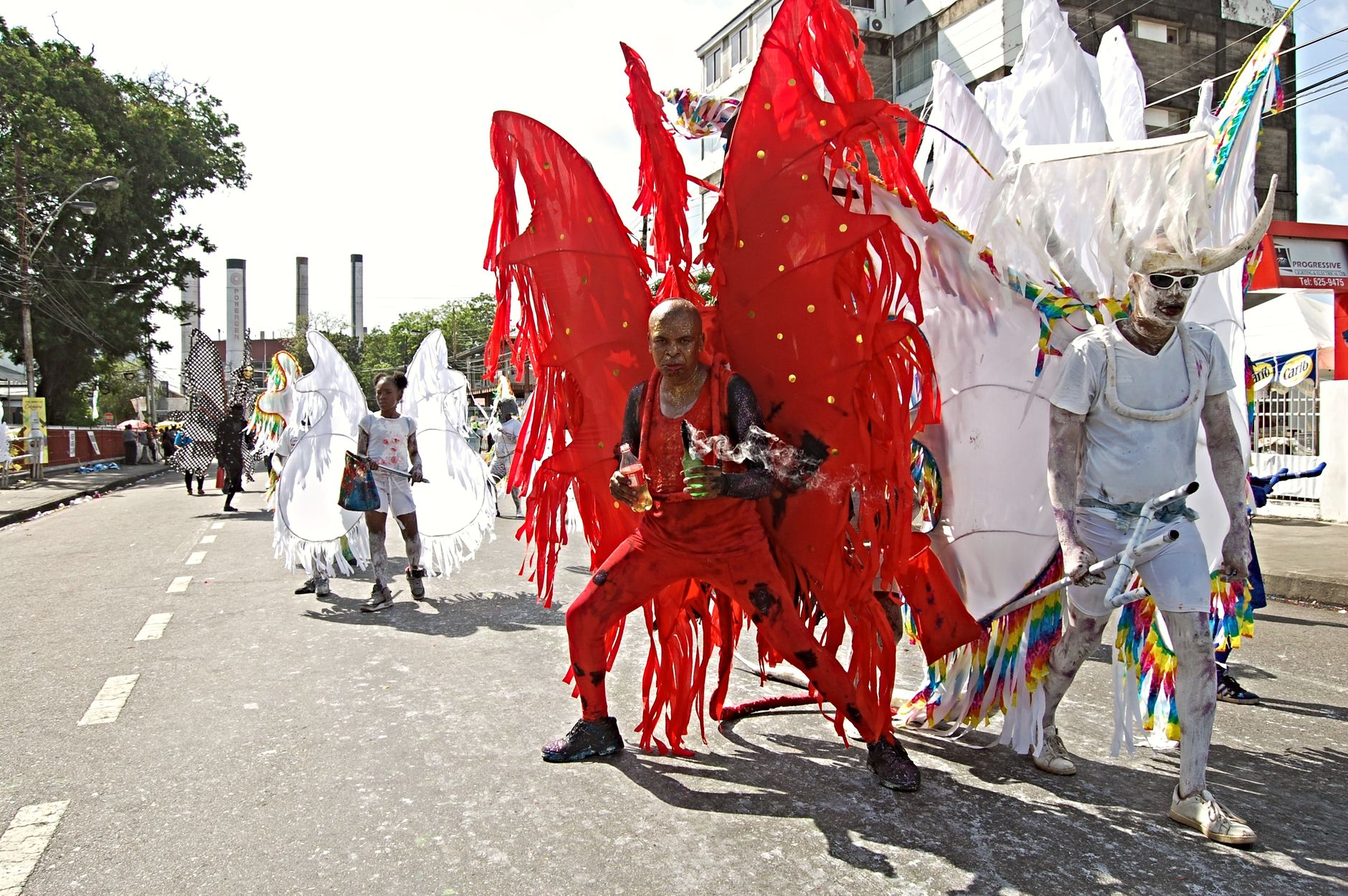



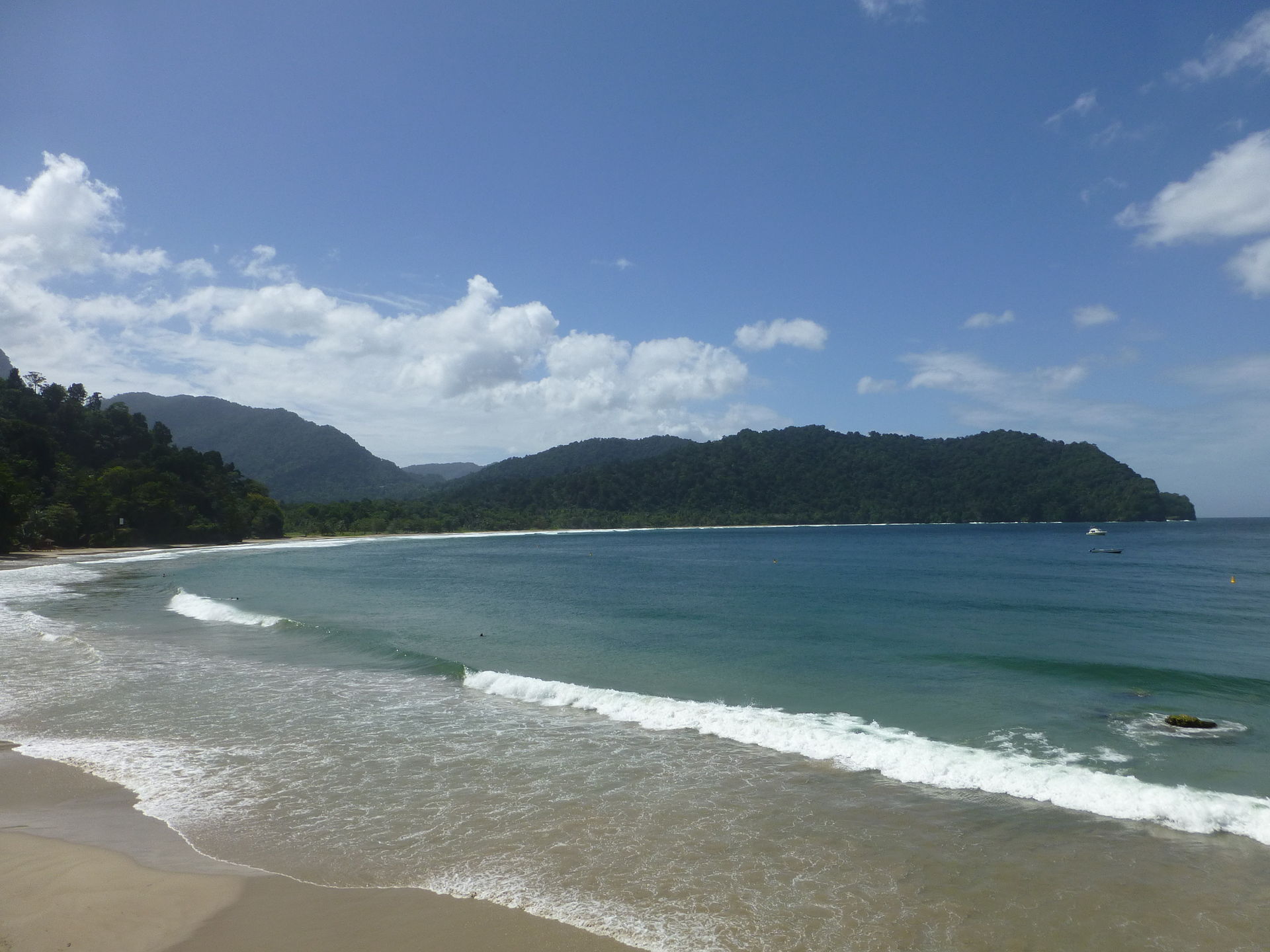
Trinidad and Tobago sits just off the Venezuelan coast, close enough to South America that its earliest settlers walked over from the mainland thousands of years ago when sea levels were lower. Today the two islands share a flag and a government but feel like different countries: Trinidad runs on oil money, Carnival, and a capital city where the Magnificent Seven mansions line the Queen's Park Savannah like a Victorian fever dream; Tobago moves at a slower pace, with reef-fringed water and the oldest protected rainforest in the Western Hemisphere.
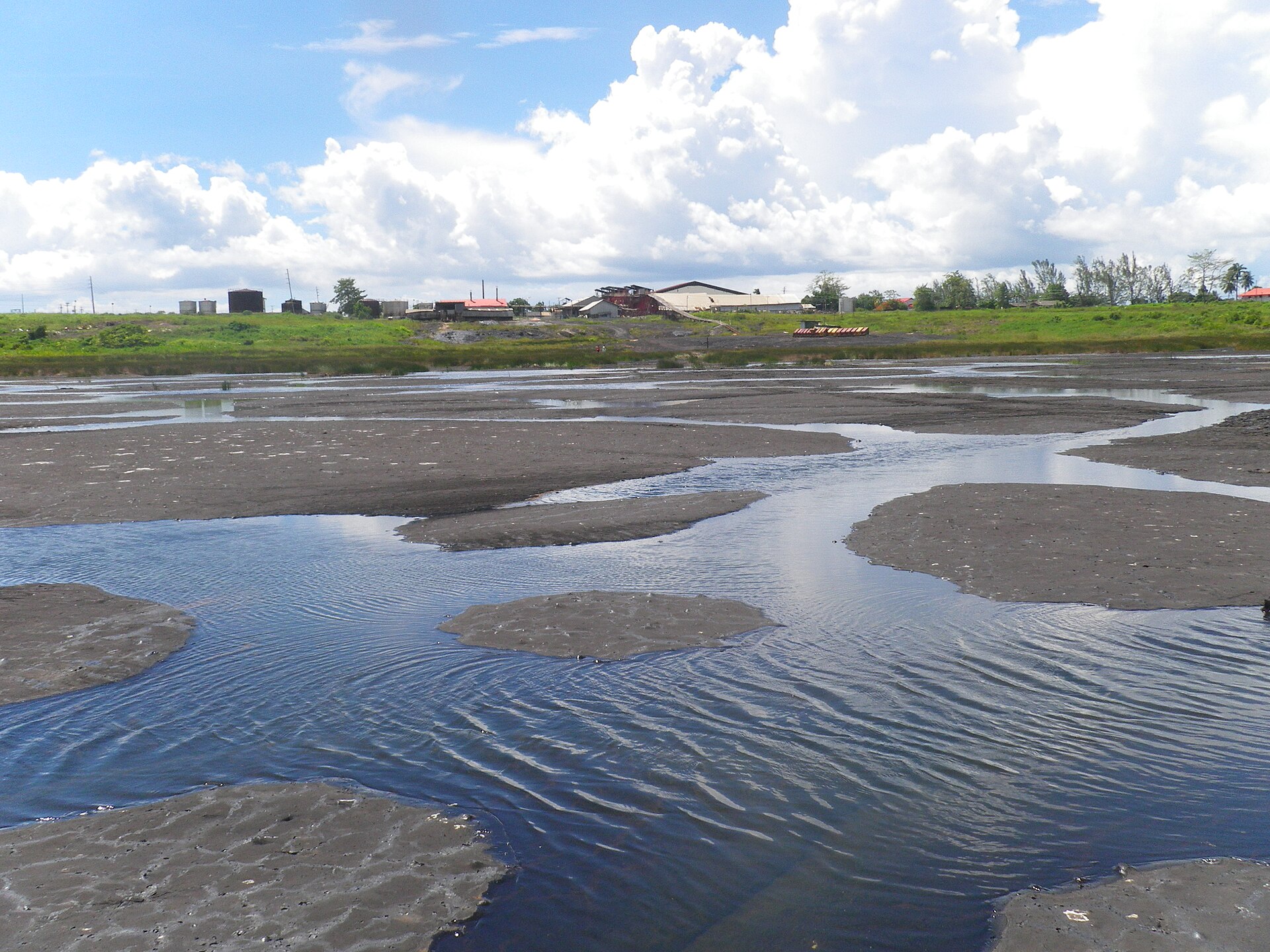
The country's carnival is widely regarded as the template from which others borrow. Steel pan music was invented here. Pitch Lake at La Brea is the largest natural asphalt deposit on earth — you can walk across it. These are not footnotes; they are the texture of the place.
Popular regions in Trinidad and Tobago
Deals in Trinidad and Tobago
Book directly at the provider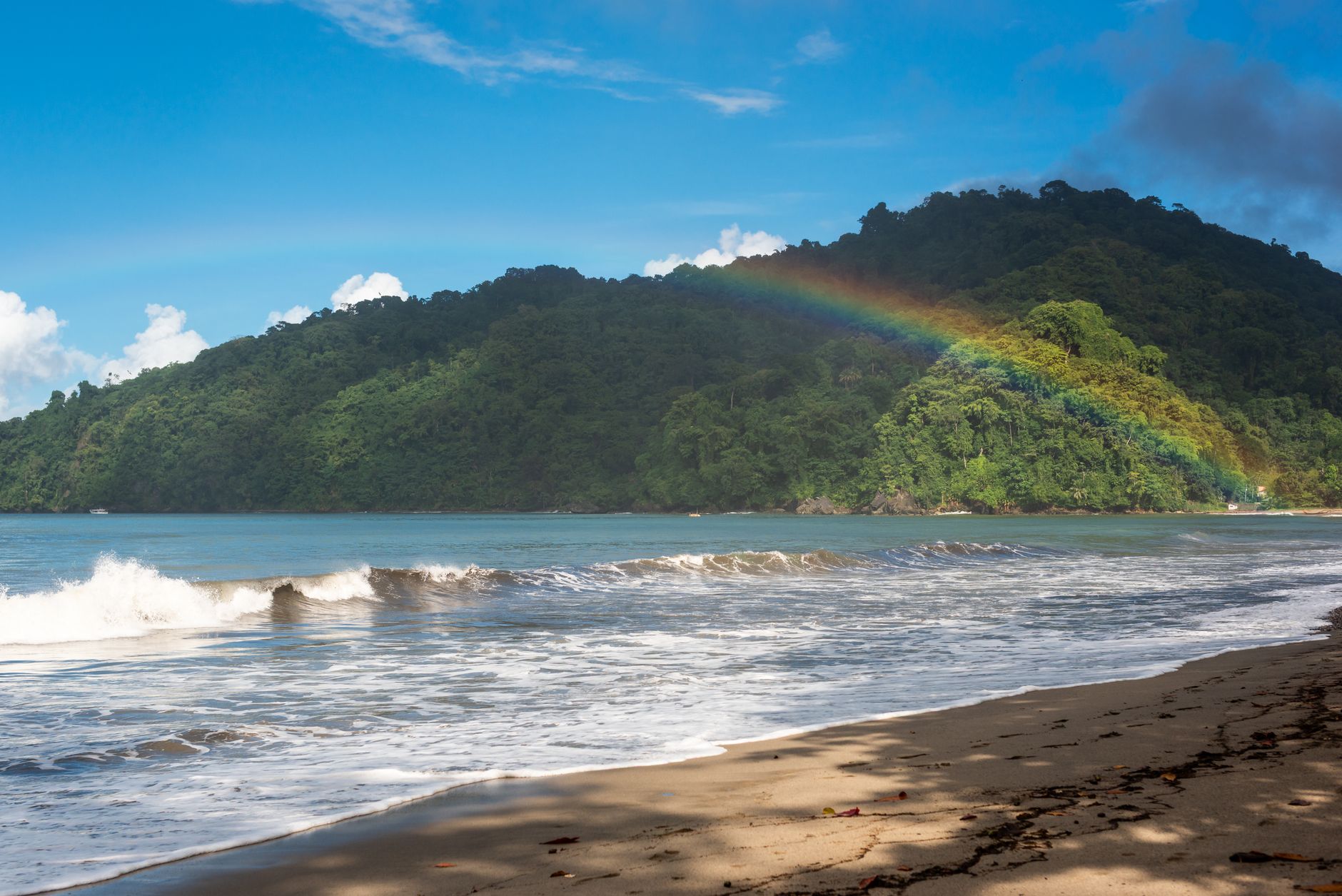


How Trinidad and Tobago came to be
People have lived on these islands for at least 7,000 years; the archaeological site at Banwari Trace, discovered in 1969, has yielded human remains and artifacts that predate the pyramids. Columbus reached Trinidad on his third voyage in 1498, though effective Spanish settlement didn't follow until Antonio de Berrio founded San José de Oruña — today's Saint Joseph — in 1592, making it the first European town in the country.
British forces under Sir Ralph Abercromby took Trinidad from Spanish governor José María Chacón in 1797, and the Treaty of Amiens formally handed both islands to Britain in 1802. The two were unified as a single colony in 1889. Independence came on 31 August 1962, with Eric Williams as first Prime Minister — a role he held until his death in 1981. The republic was declared on 1 August 1976, with the last Governor-General, Sir Ellis Clarke, becoming the country's first President.
Who and what shaped it
People who shaped it
Landmark buildings
See Trinidad and Tobago in motion
Plan your visit
On the map
When to go
The dry season runs roughly January through May — the window most visitors aim for, and when Carnival falls. The wet season brings daily afternoon showers from June onward, with September and October the heaviest months; temperatures stay warm year-round, rarely straying far from the low-to-mid 30s Celsius.
Right now
↡ Regions






No places match these filters.
Background & history adapted from Wikipedia (CC BY-SA) · specs from Wikidata (CC0) · weather from Open-Meteo · map data © OpenStreetMap contributors · photos from Wikimedia Commons / Unsplash with per-image credit. No third-party reviews or social posts reproduced.