
Pigeon Point, Tobago
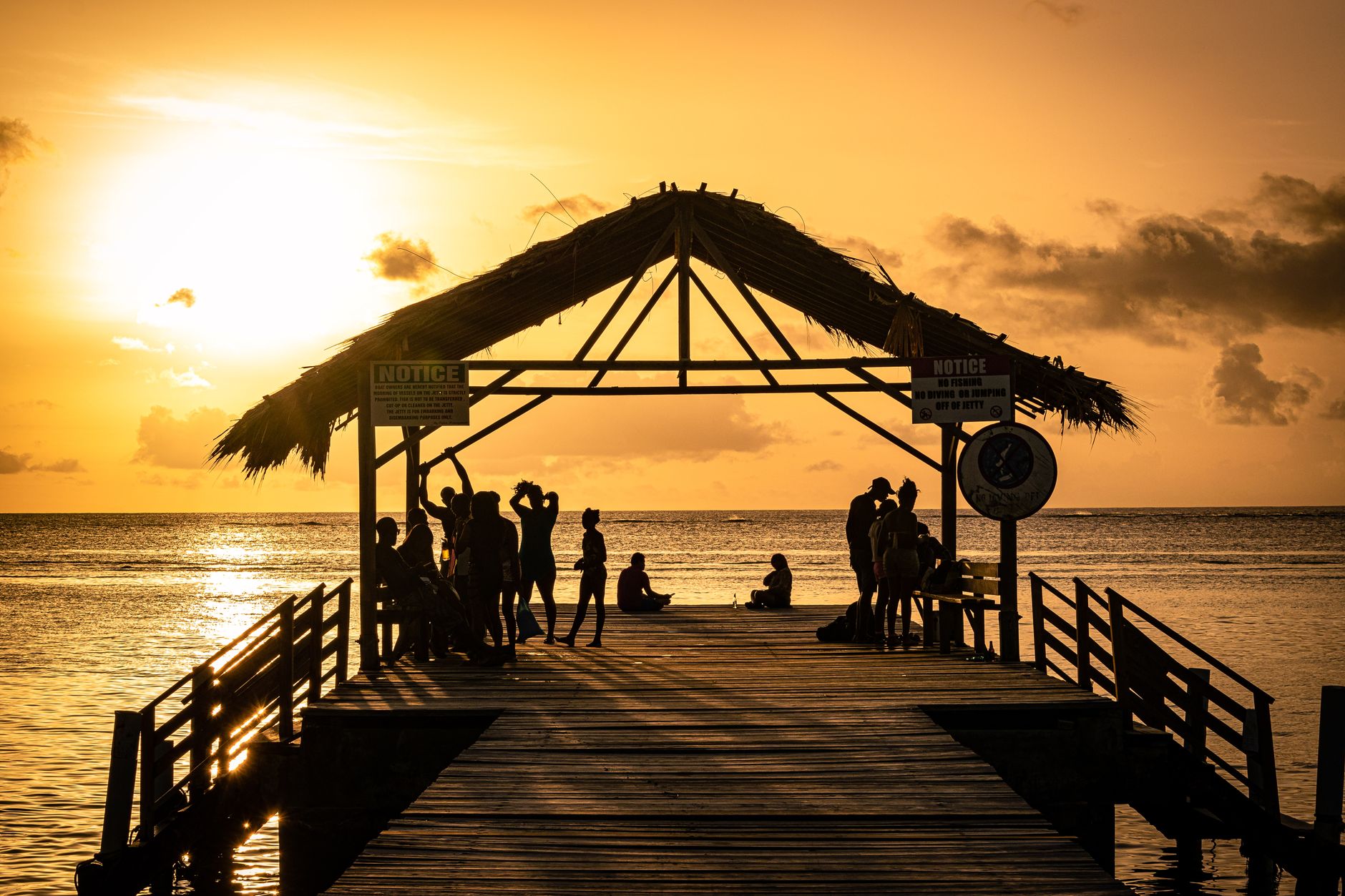
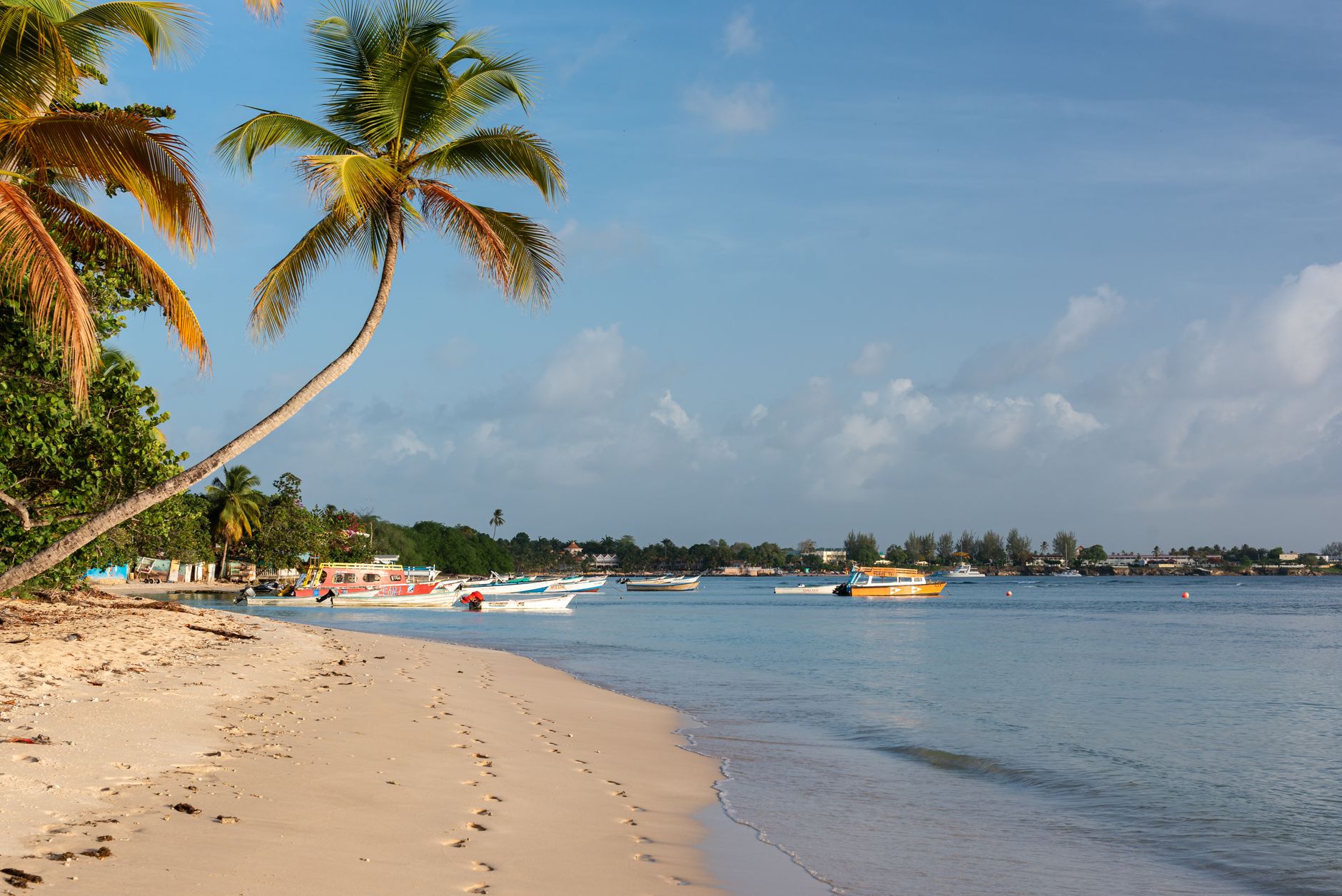
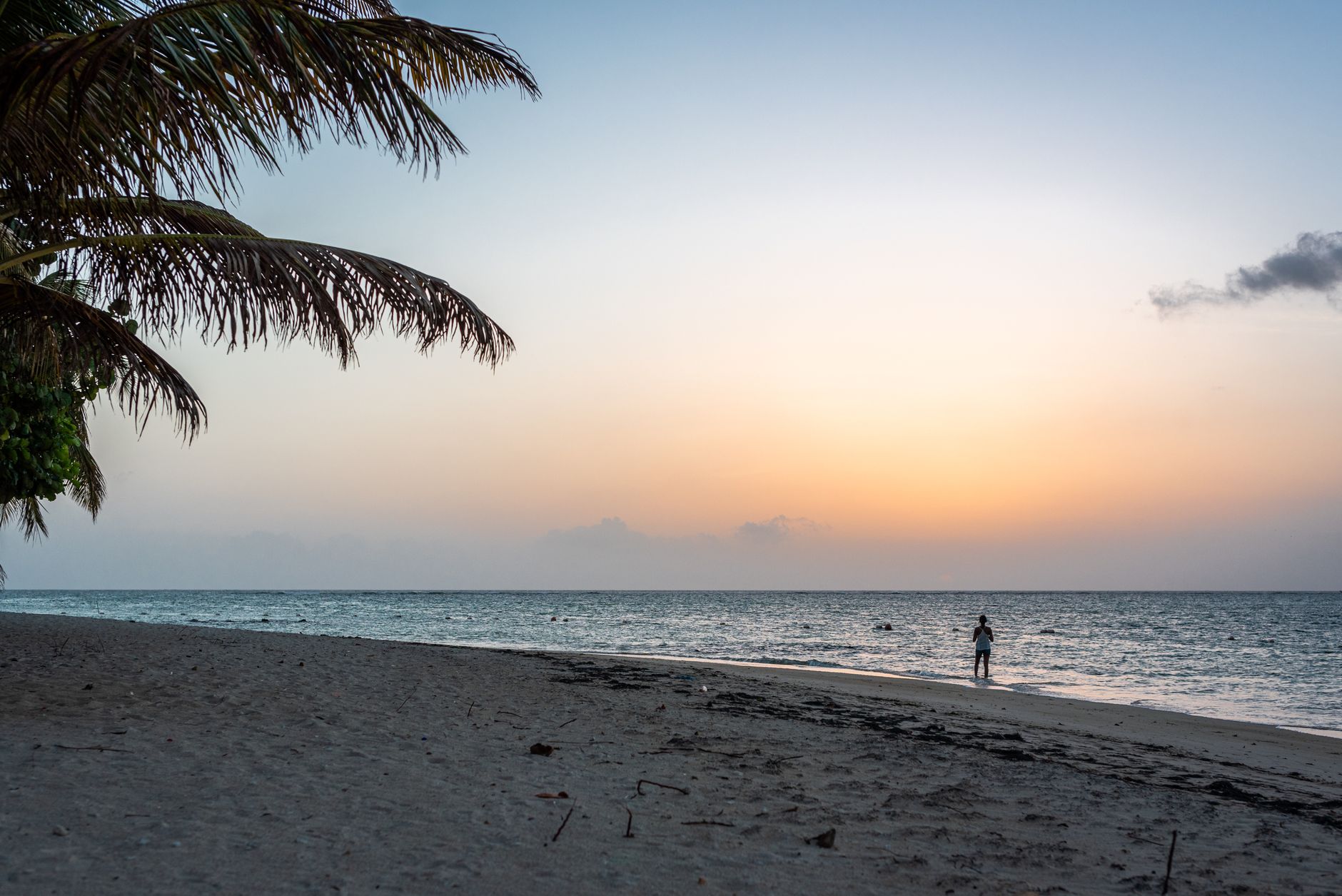
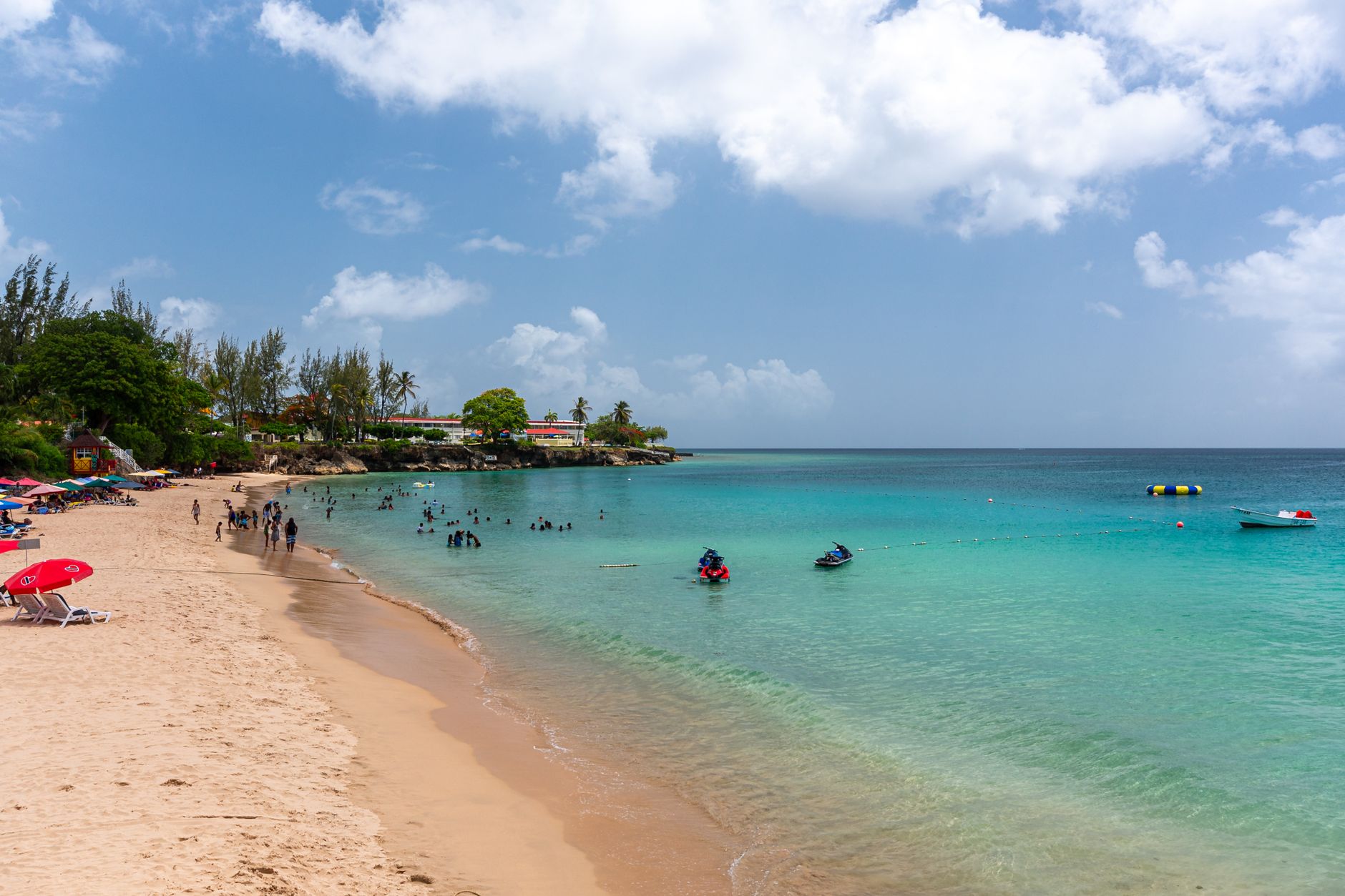
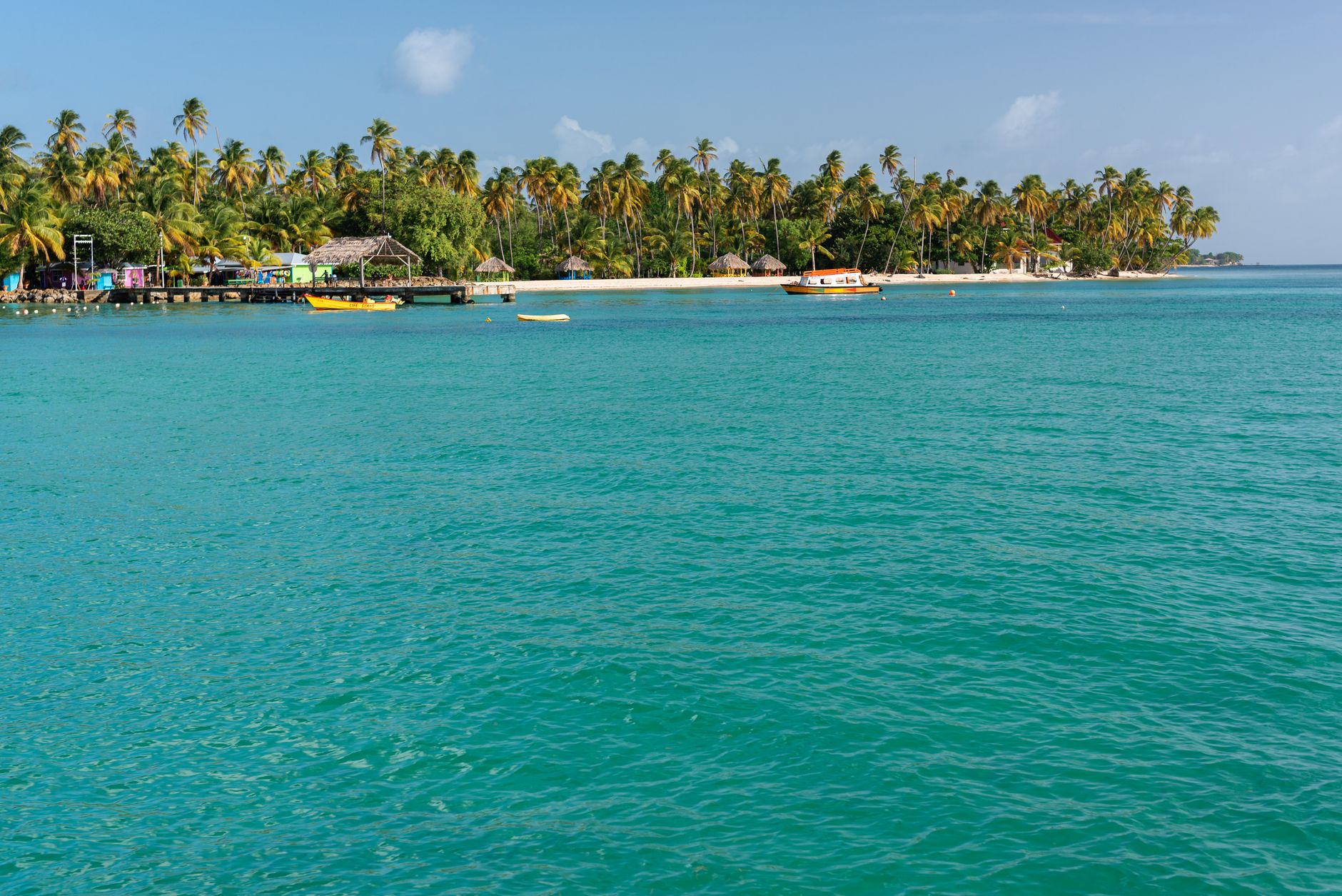
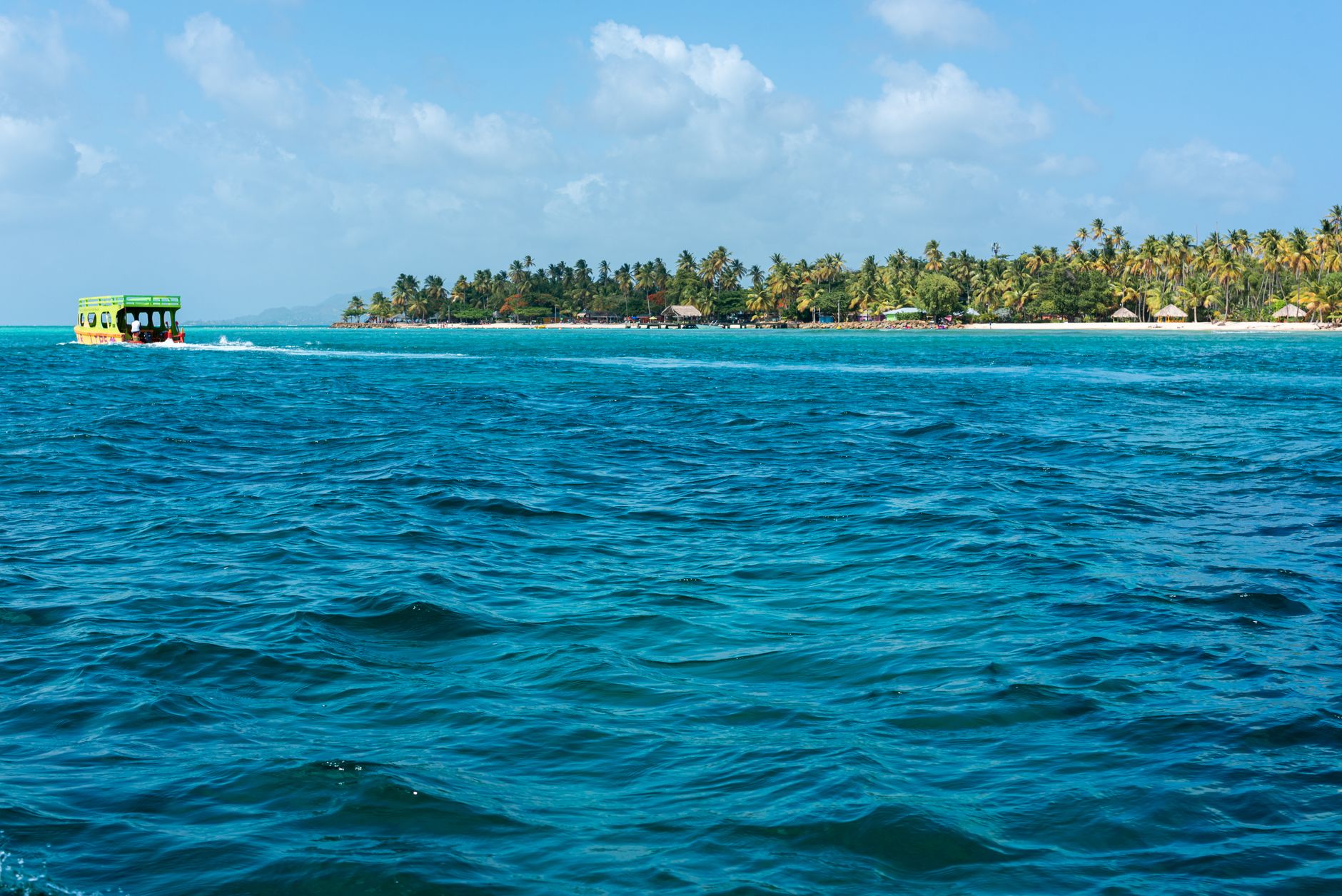
The thatch-roofed jetty at Pigeon Point is probably the most photographed structure in Tobago — you've likely seen it without knowing where it was. The wooden boardwalk stretches out over milky aqua water, ending in a small hut that looks assembled from a dream of the tropics. It's real, and it's the anchor of a 125-acre nature reserve on Tobago's southwestern coast, a few minutes from the airport.
Three beach areas — Main, North, and South — each pull a different crowd. Around the headland, the water turns choppy and windsurfers work the chop; on the calmer side, glass-bottom boats depart for Buccoo Reef. Vendors like Cleve Arnold, who ran the first booth here and was still at it three decades later, are part of the furniture.
💛 What travellers fall for
People who come back tend to time it for the quieter morning hours before the glass-bottom boat crowd arrives. Grab smoke herring with bake from Sharon's in the middle of Main Beach, then walk the wilder palm-dappled stretch before the main entrance — keep an eye overhead for falling coconuts. The weekly pass pays off fast.
How Pigeon Point, Tobago came to be
The name goes back to a 19th-century British plantation manager and amateur ornithologist named James Kirk, who recorded large flocks of wild pigeons roosting in the woodland here. That woodland was cleared in 1887 to make way for a coconut estate, and the pigeons — and the trees — largely disappeared.
For much of the 20th century the land was private. Dr. Anthony Sabga, founder of the Trinidad-based Ansa McAl conglomerate, owned the property before the government moved to acquire it. In early 2005 a deal was struck, and by late that year the Tobago House of Assembly had purchased the peninsula for TT$106 million, turning it into the public nature reserve it is today.
Who and what shaped it
People who shaped it
Landmark buildings
See Pigeon Point, Tobago in motion
Plan your visit
On the map
When to go
The dry season, roughly December through April, brings sunny days and calm seas — the best conditions for swimming and reef tours. The wet season (June–November) delivers more rain, but showers tend to be short-lived; trade winds blow year-round and keep the heat from becoming oppressive.
Right now
Background & history adapted from Wikipedia (CC BY-SA) · specs from Wikidata (CC0) · weather from Open-Meteo · map data © OpenStreetMap contributors · photos from Wikimedia Commons / Unsplash with per-image credit. No third-party reviews or social posts reproduced.