
Paraguay
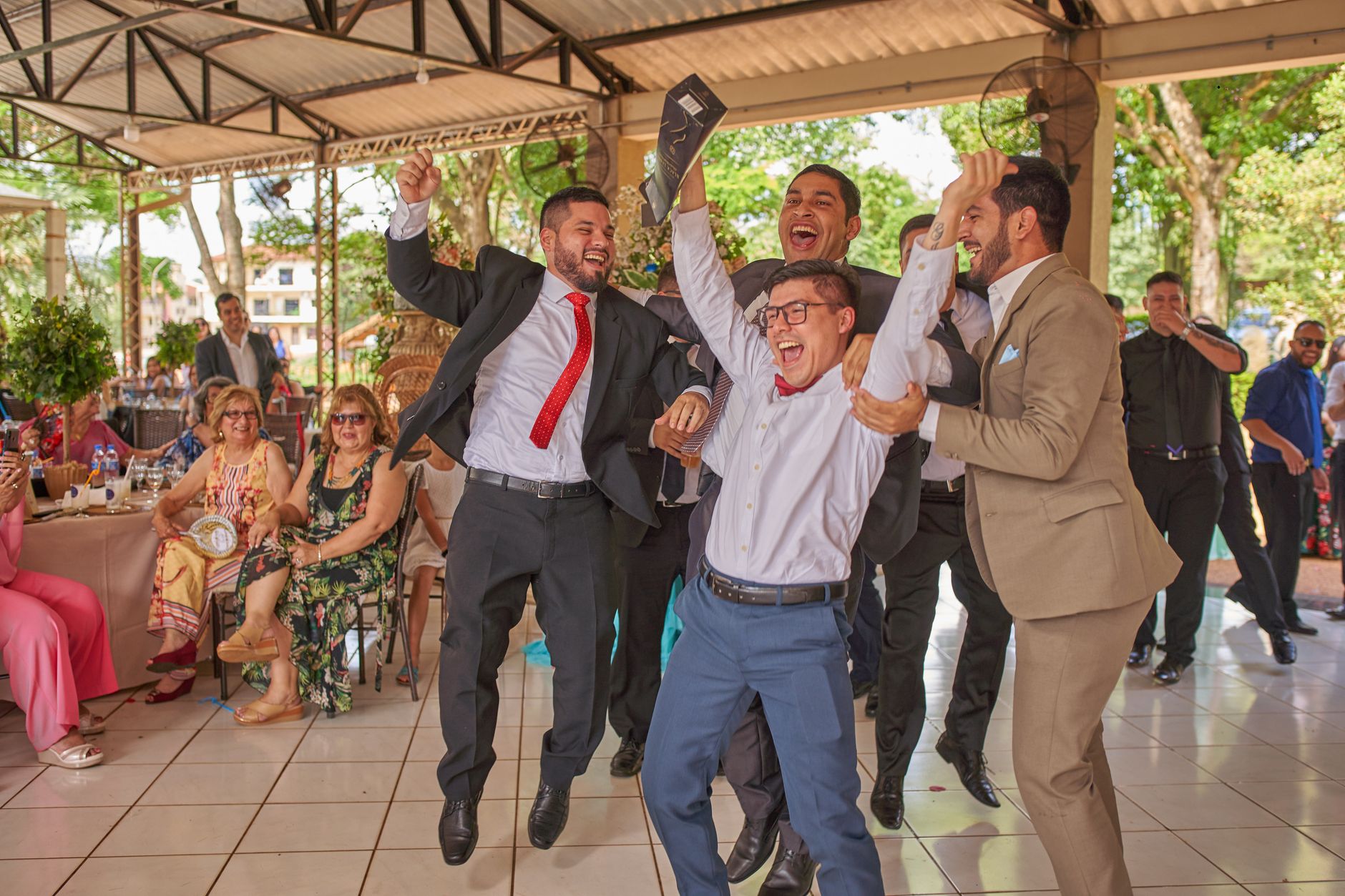
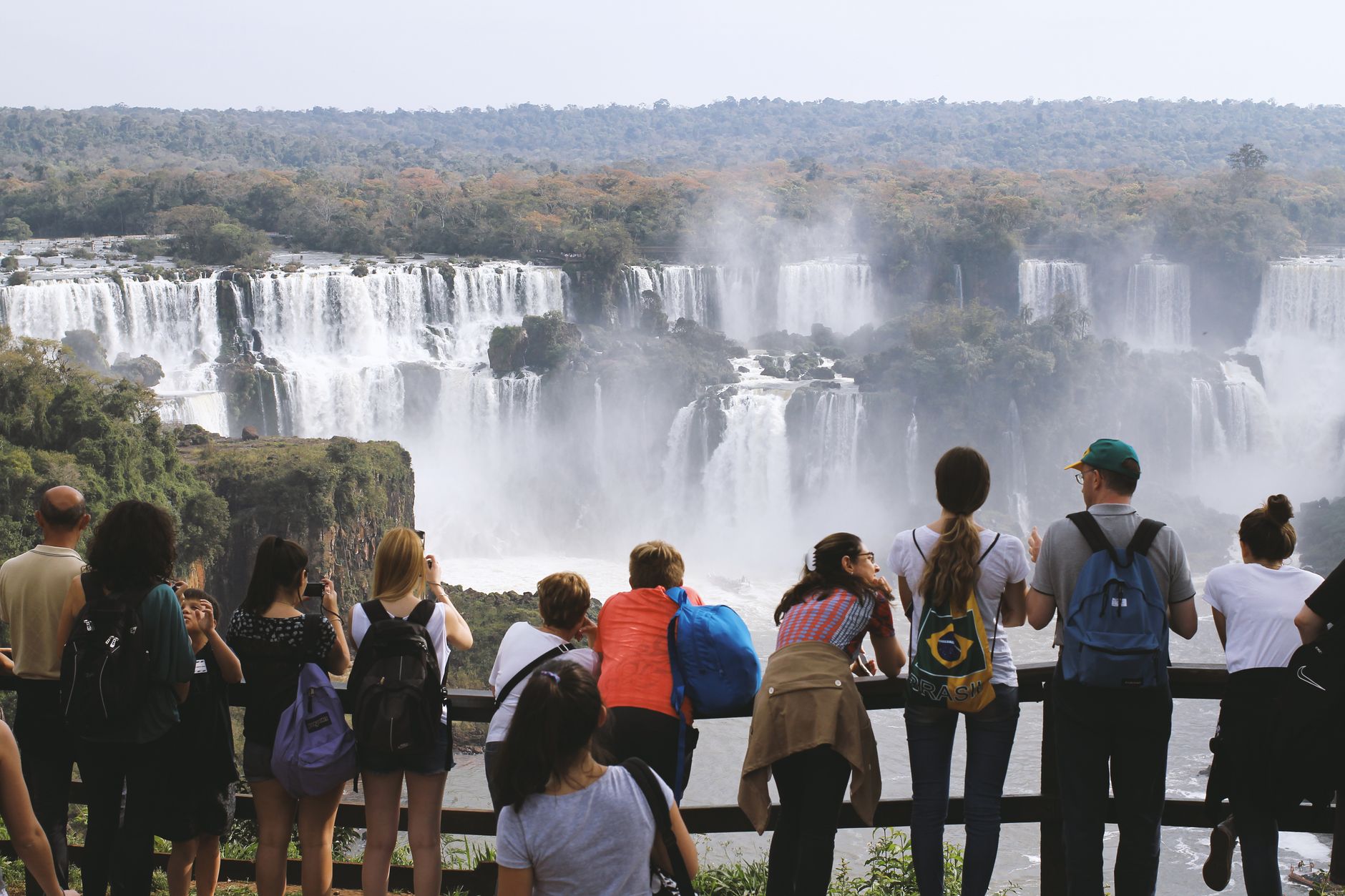
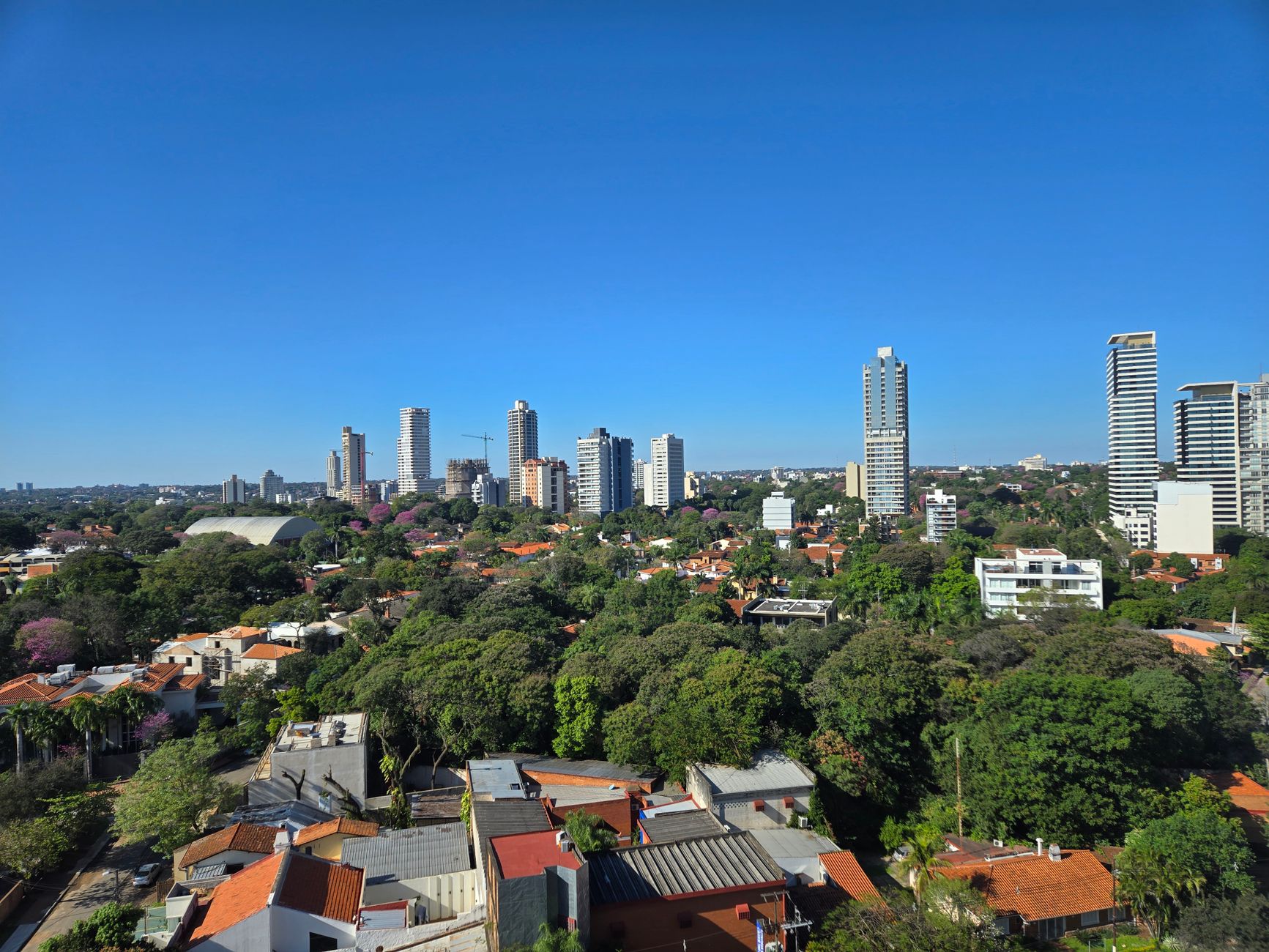
Paraguay sits landlocked at the center of South America, bordered by Brazil, Argentina, and Bolivia, yet it tends to slip past the itineraries of travelers moving between its more-visited neighbors. That relative quiet is part of what makes it worth your attention. Asunción, one of the oldest continuously inhabited cities in South America, was founded in 1537 on the eastern bank of the Paraguay River, and the river still shapes daily life — commerce, recreation, the particular light of late afternoon on the water.
The country runs on two languages, Spanish and Guaraní, and Guaraní is not merely ceremonial: you hear it in markets, on buses, in ordinary conversation. The national drink, tereré — cold yerba mate passed in a shared gourd — is consumed at most hours of the day, in plazas and doorways alike.
Deals in Paraguay
Book directly at the provider


How Paraguay came to be
Spanish colonization took hold in 1537 when Juan de Salazar y Espinoza founded Asunción, and the settlement grew under the long governorship of Domingo Martínez de Irala through the mid-16th century. Independence came quietly: on May 14, 1811, Pedro Juan Caballero and Fulgencio Yegros led the removal of the colonial governor, and the Republic was formally proclaimed on October 12, 1813. José Gaspar Rodríguez de Francia then consolidated power and governed in near-total isolation from the outside world until his death in 1840.
The country's defining trauma arrived a generation later. The War of the Triple Alliance (1864–1870), fought against the combined forces of Argentina, Brazil, and Uruguay, became the deadliest conflict in Latin American history and left Paraguay's population and territory devastated. The scars of that war run through the country's architecture, its commemorations, and its sense of itself.
Who and what shaped it
People who shaped it
Landmark buildings
See Paraguay in motion
Plan your visit
On the map
When to go
Summer (October through March) brings intense heat — Asunción regularly reaches 38 °C — along with heavy thunderstorms. Winter, from June to August, is mild and dry, with July averaging around 17 °C in the capital; that stretch is the most comfortable time to be here.
Right now
Background & history adapted from Wikipedia (CC BY-SA) · specs from Wikidata (CC0) · weather from Open-Meteo · map data © OpenStreetMap contributors · photos from Wikimedia Commons / Unsplash with per-image credit. No third-party reviews or social posts reproduced.