
Japan
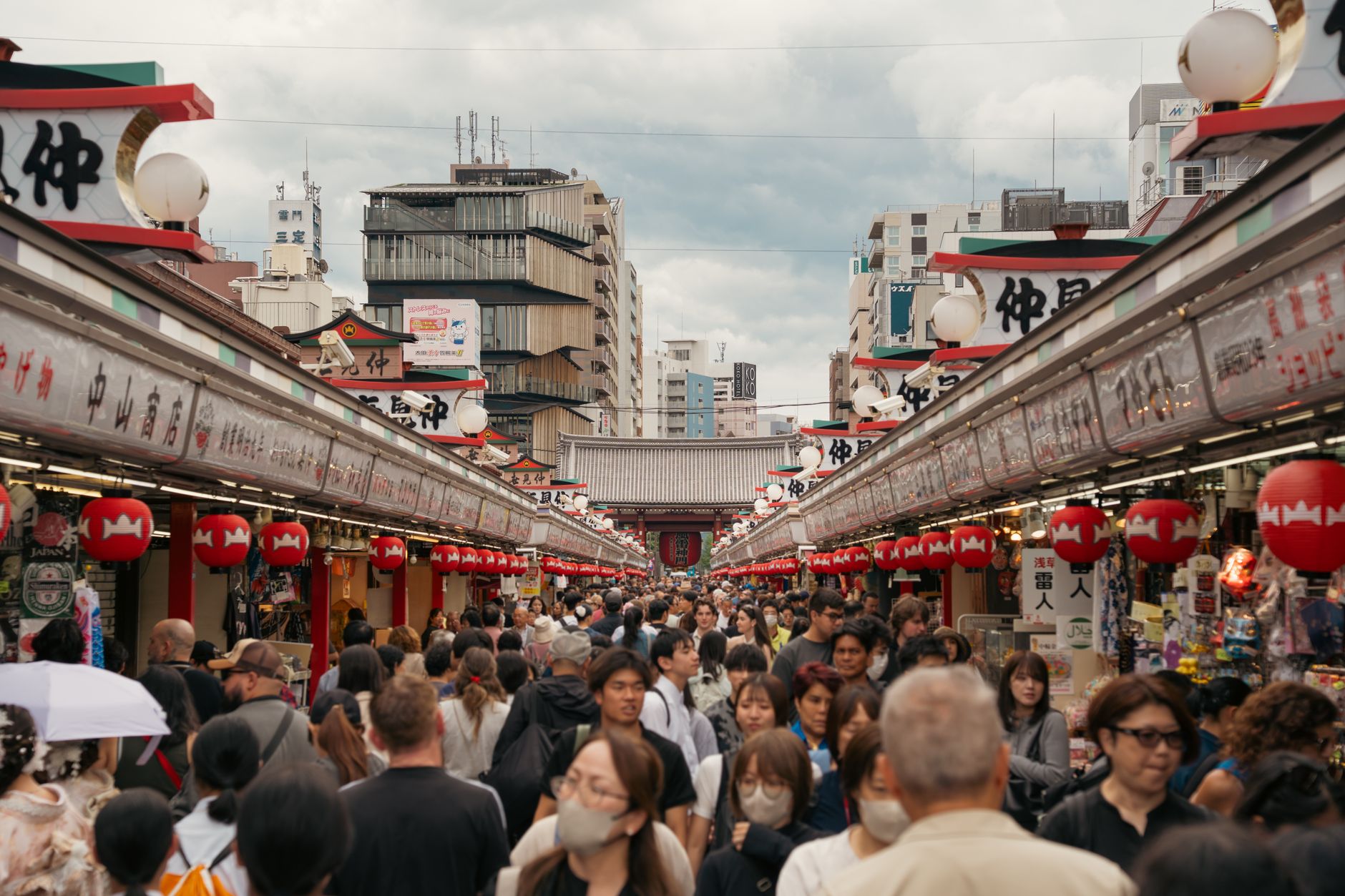
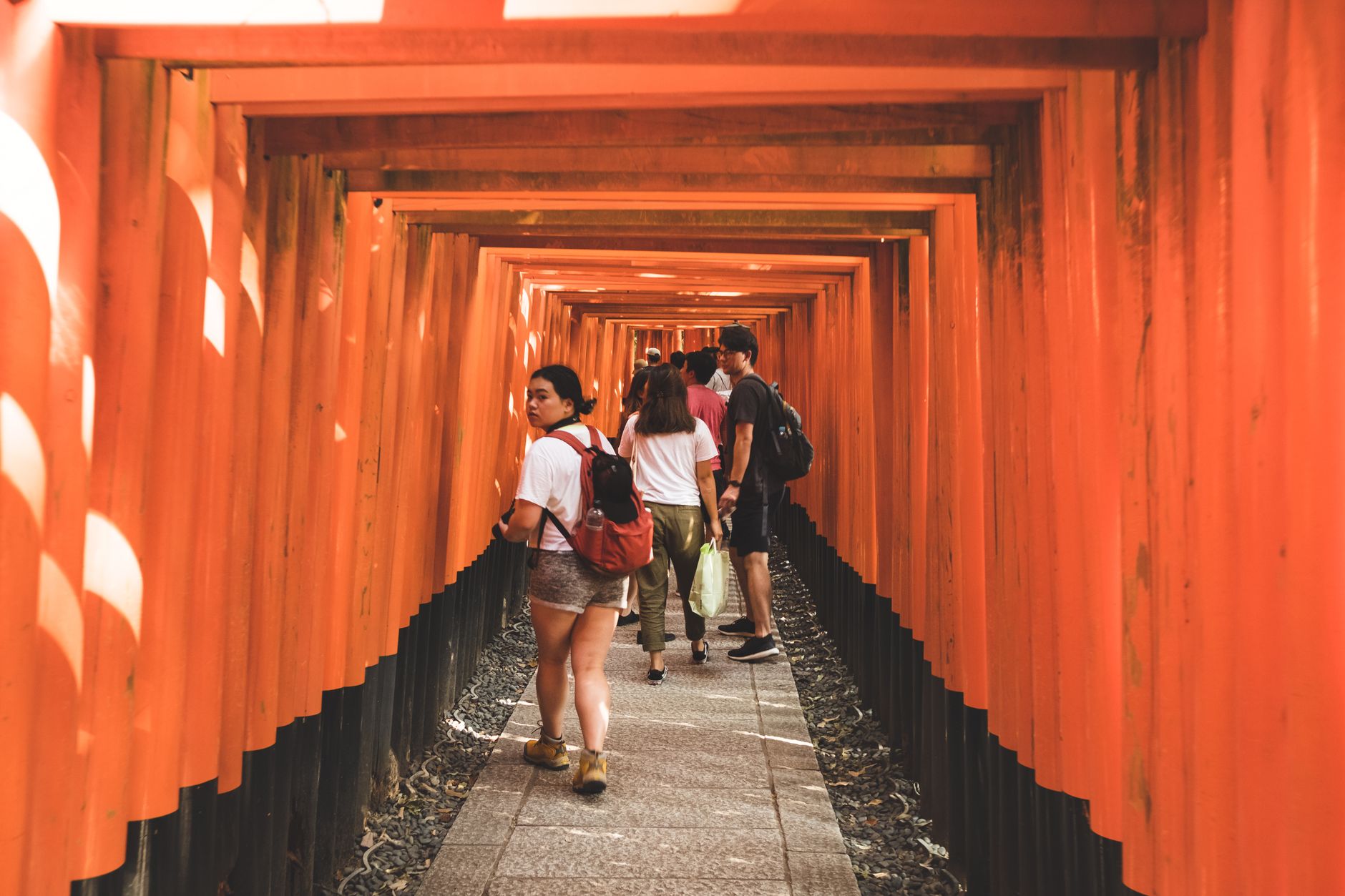
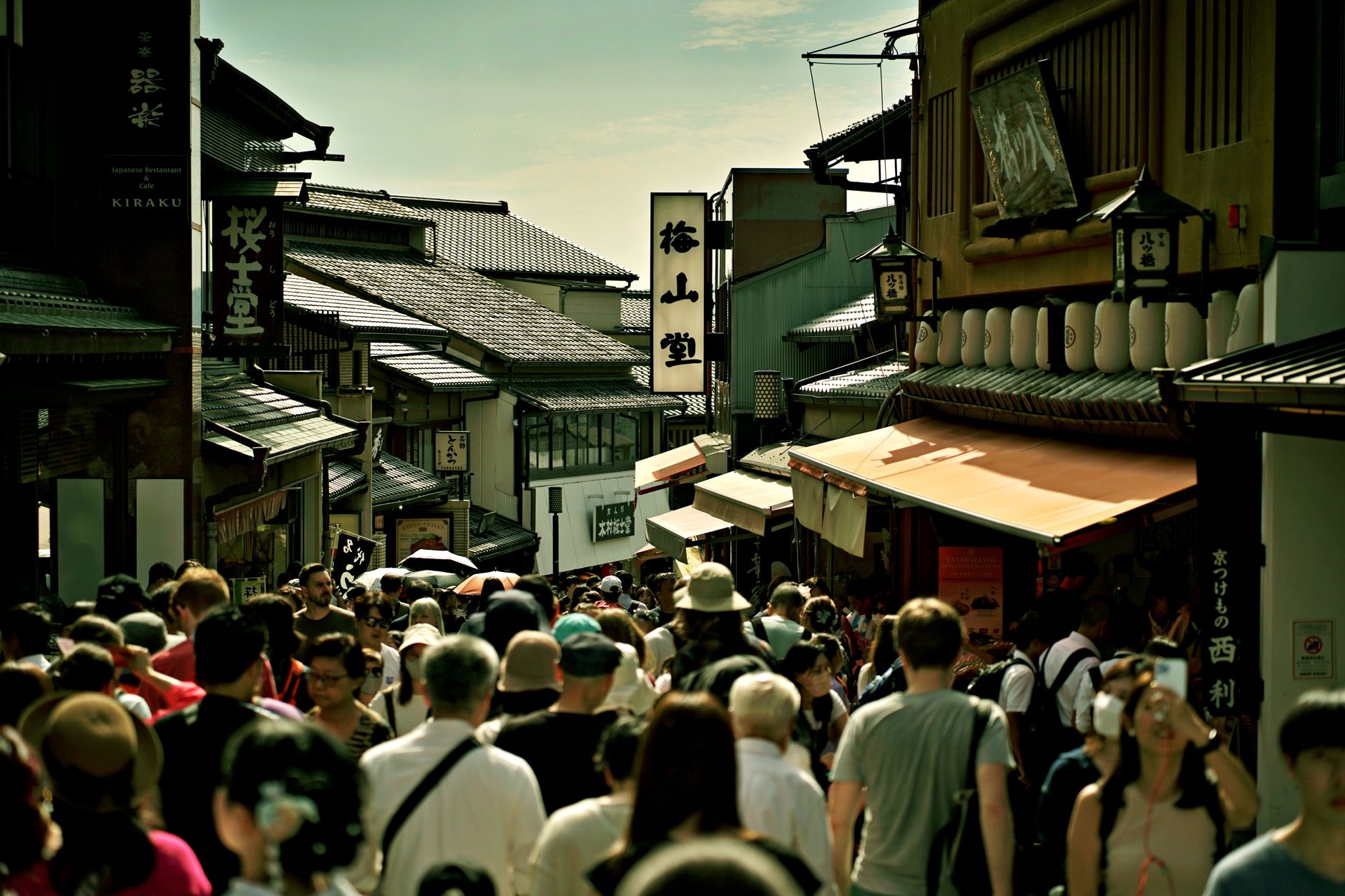
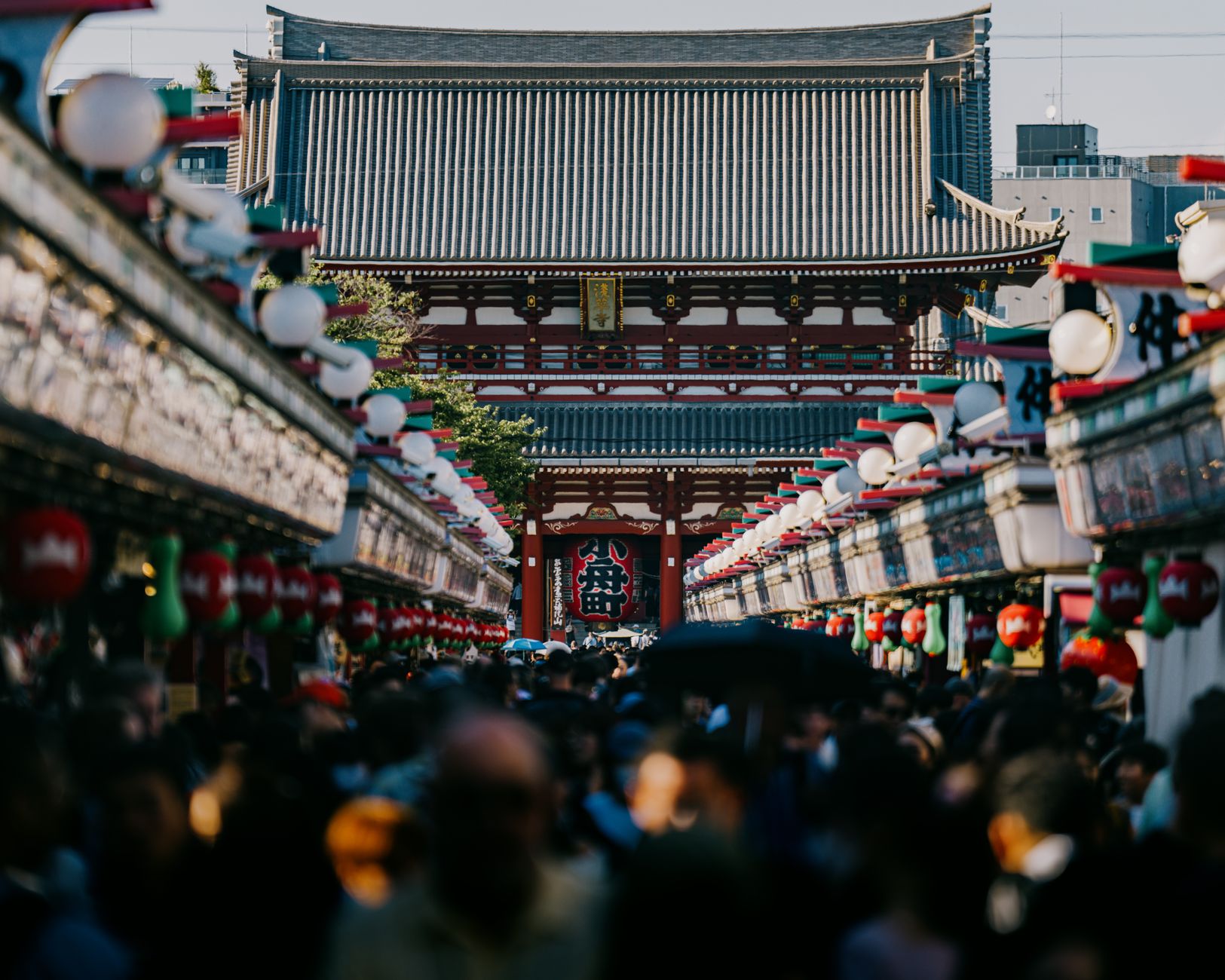
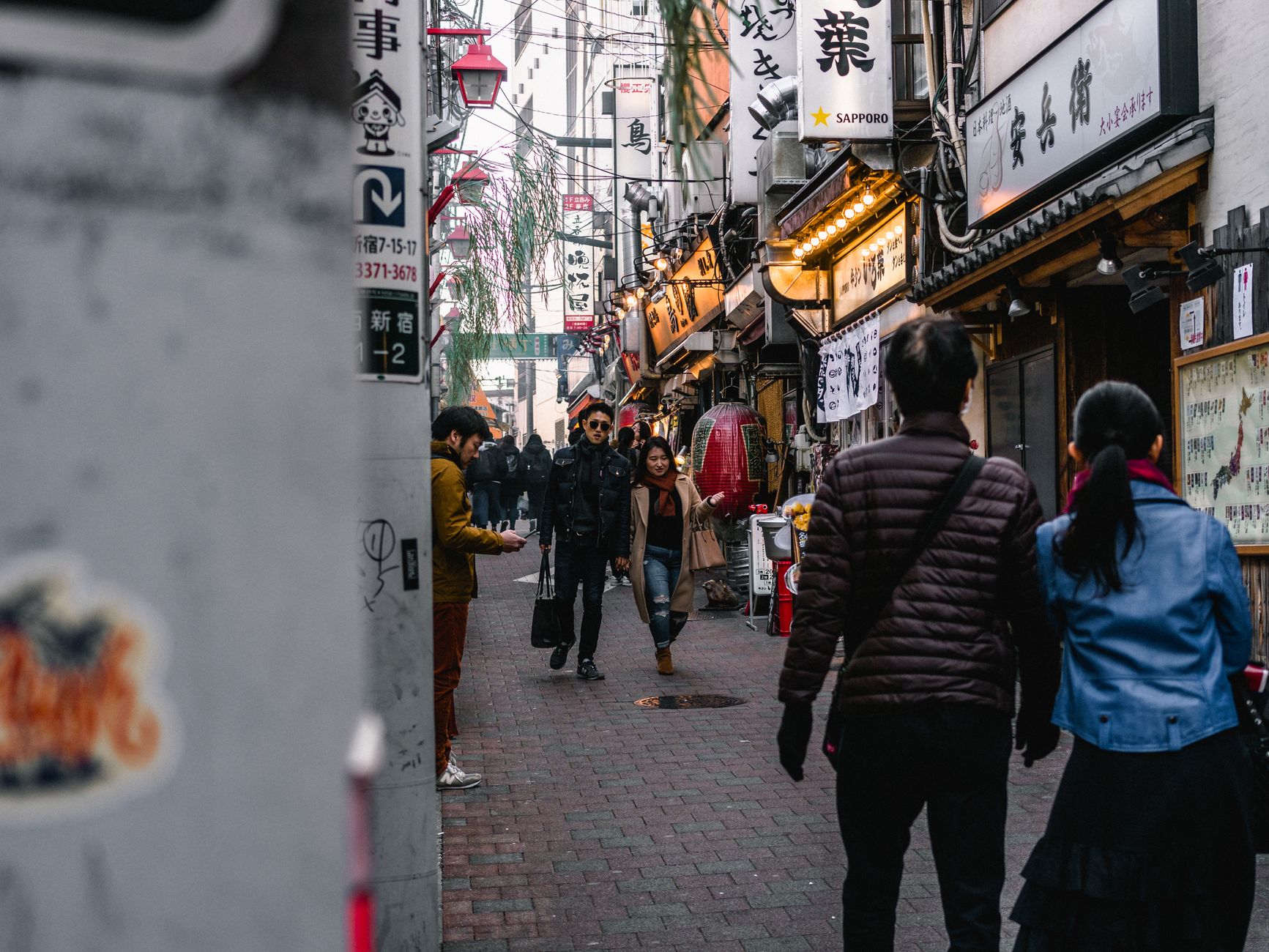
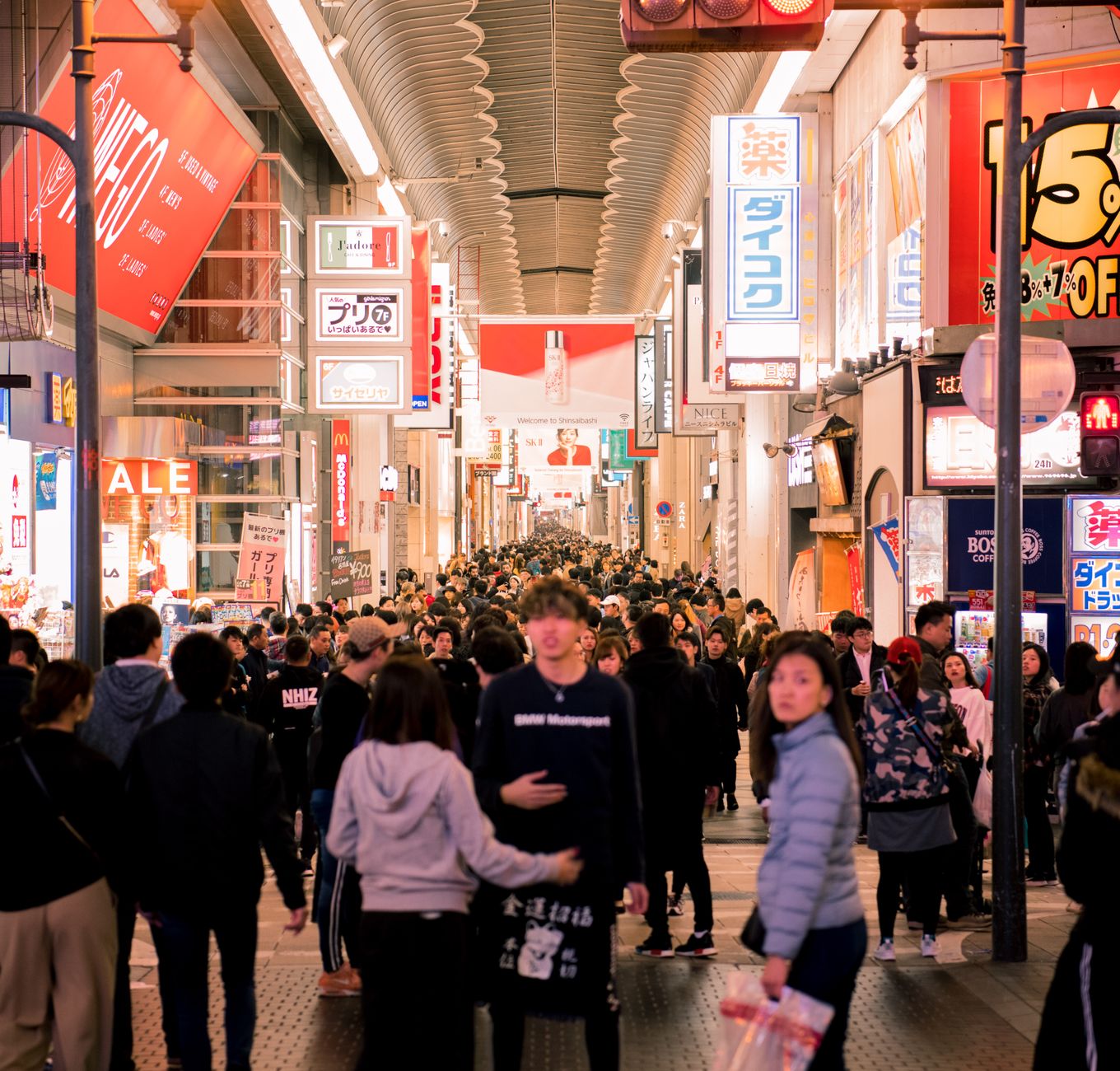
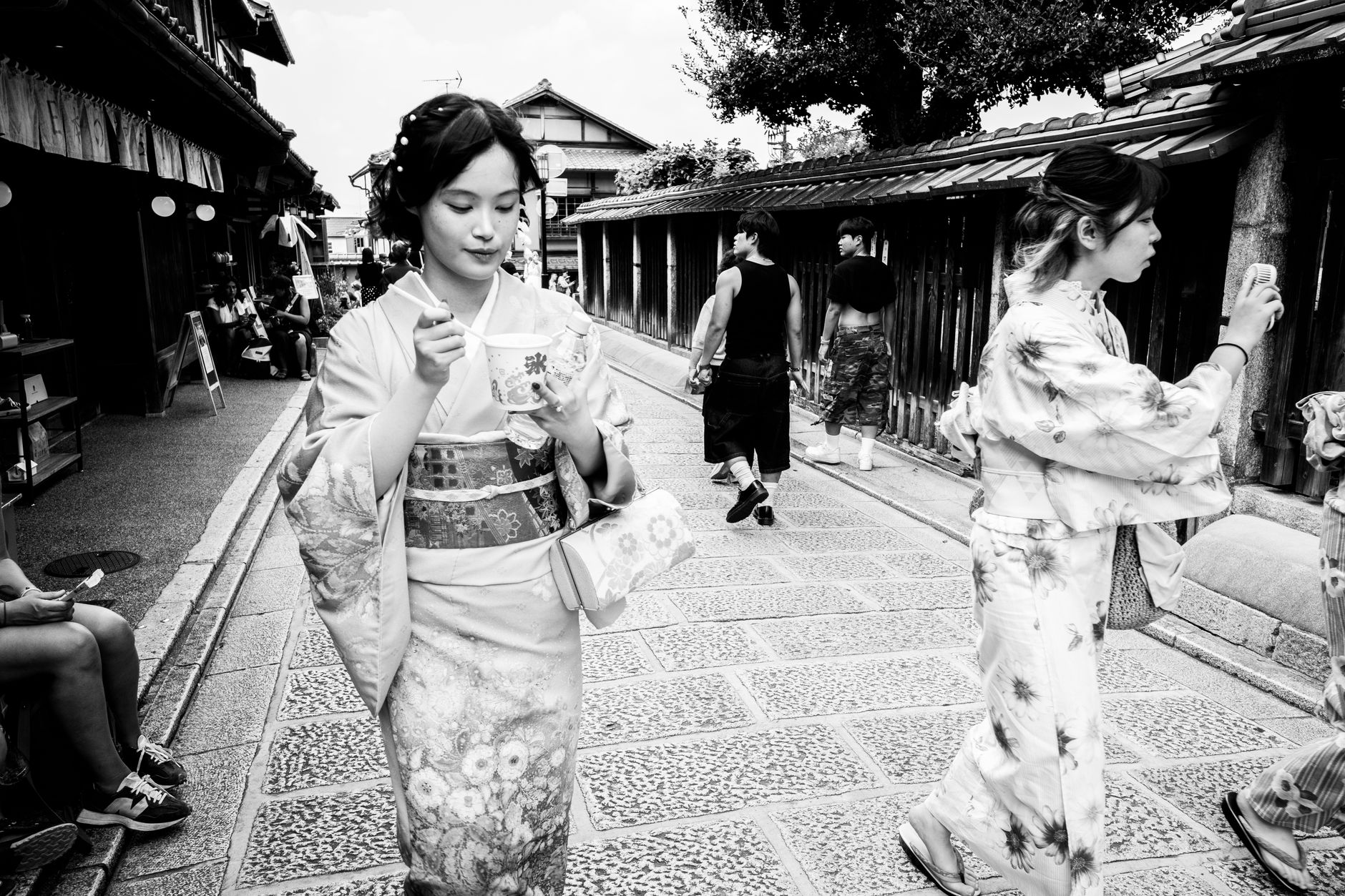
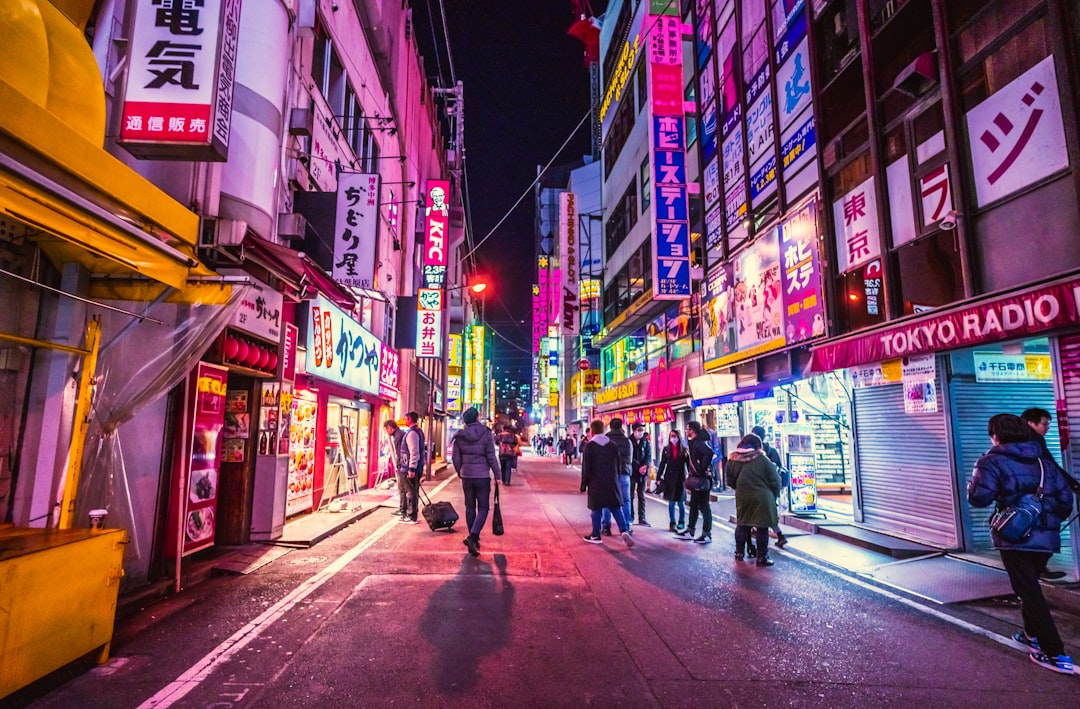
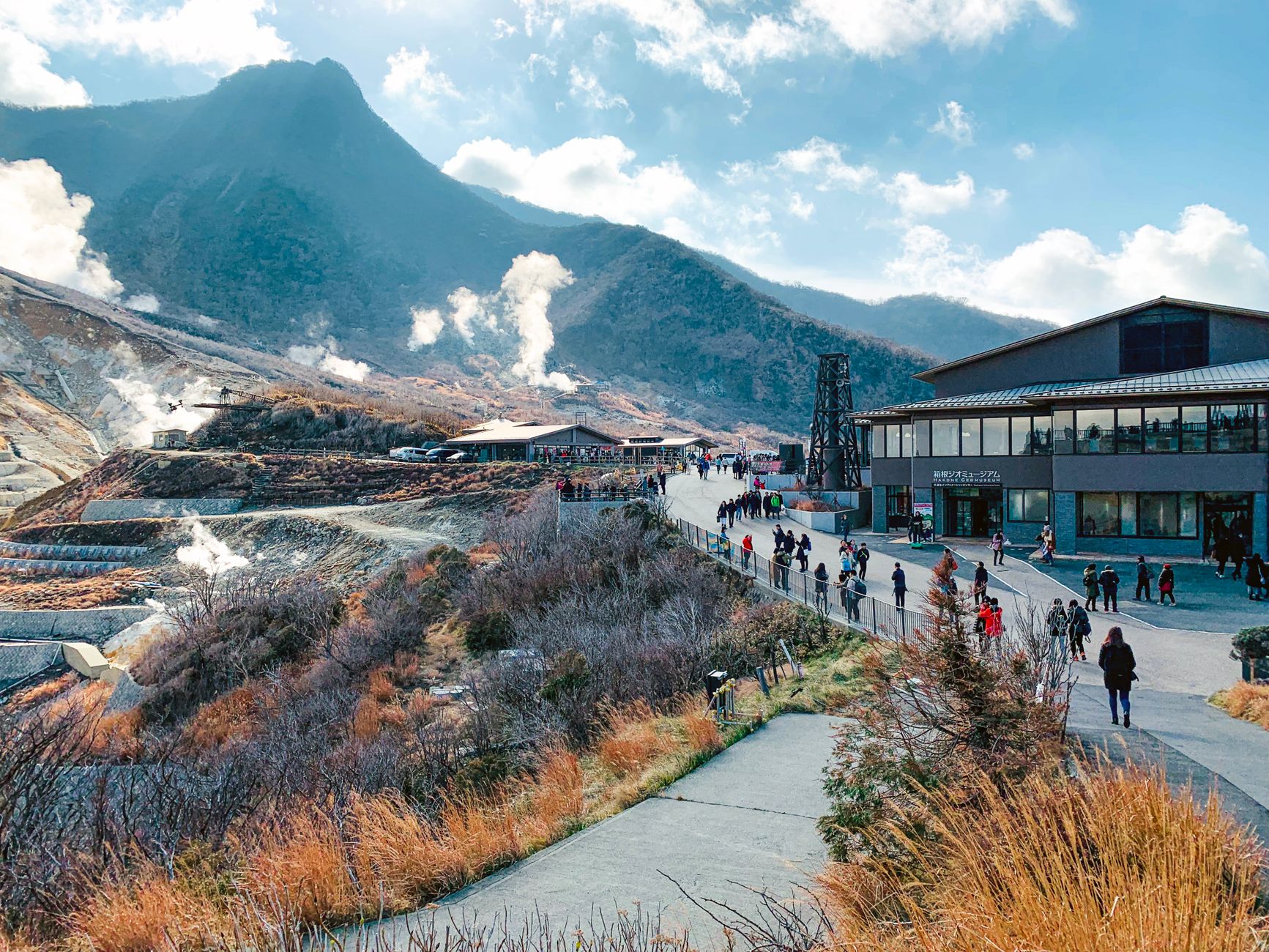
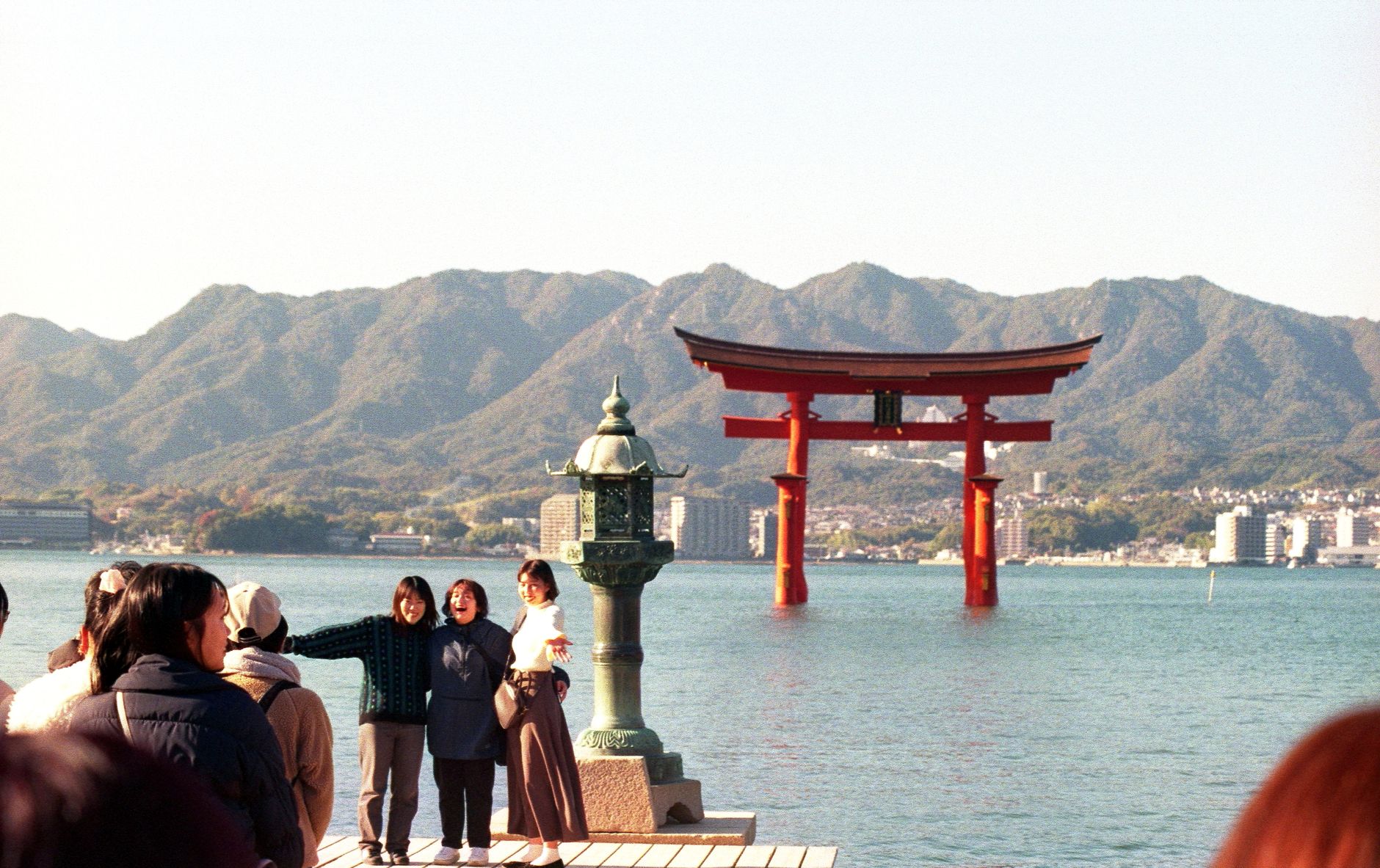
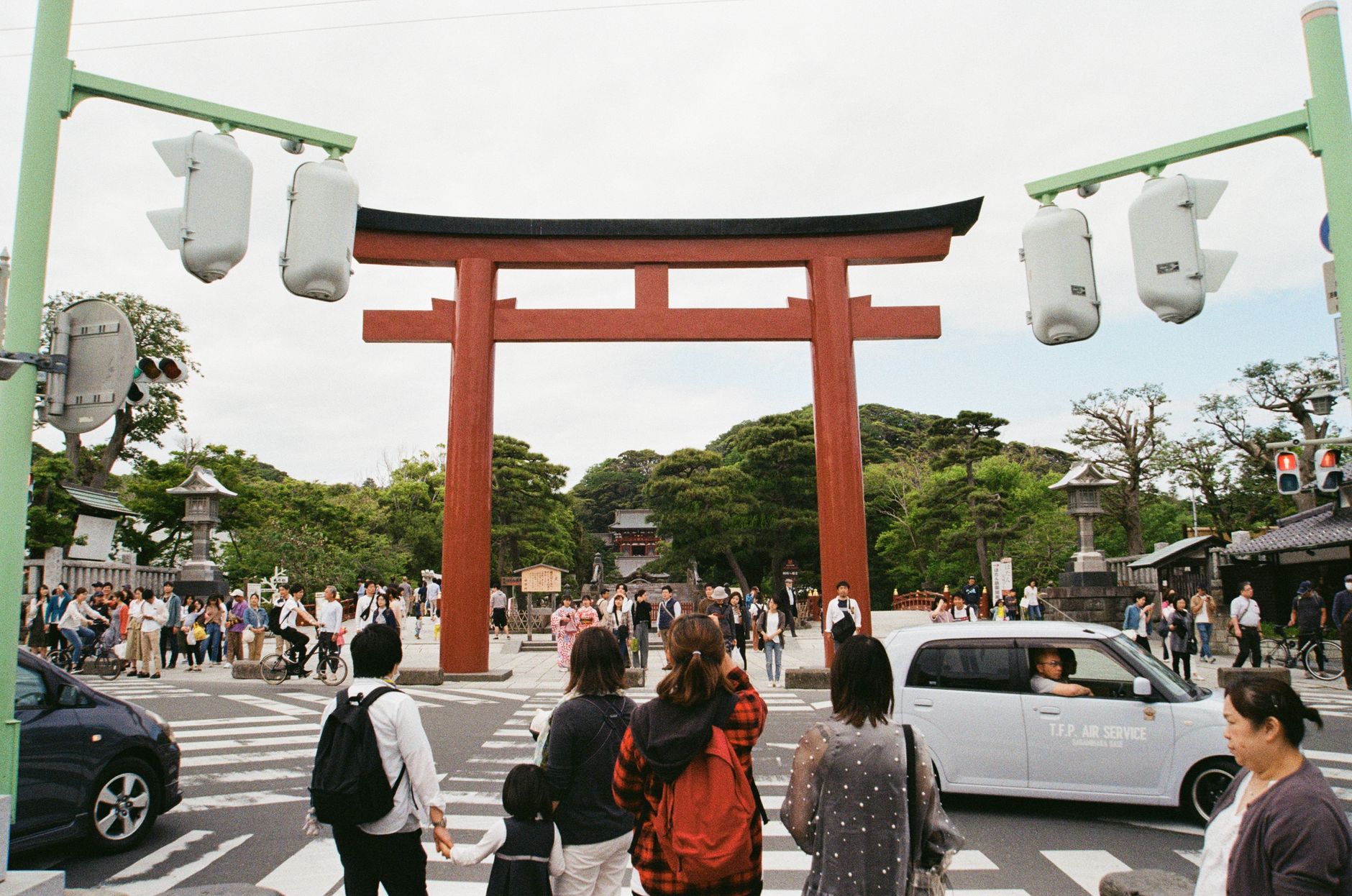
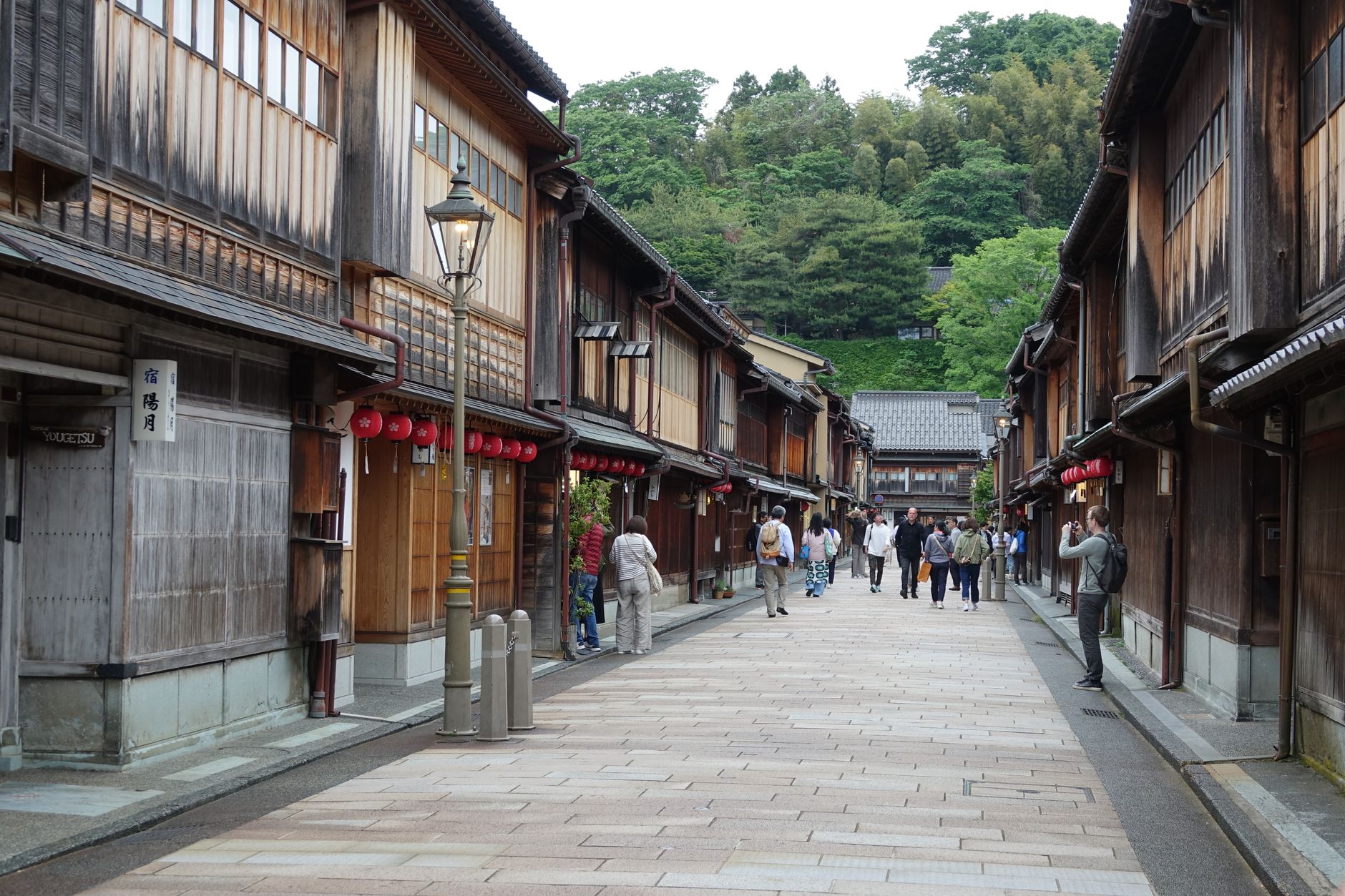
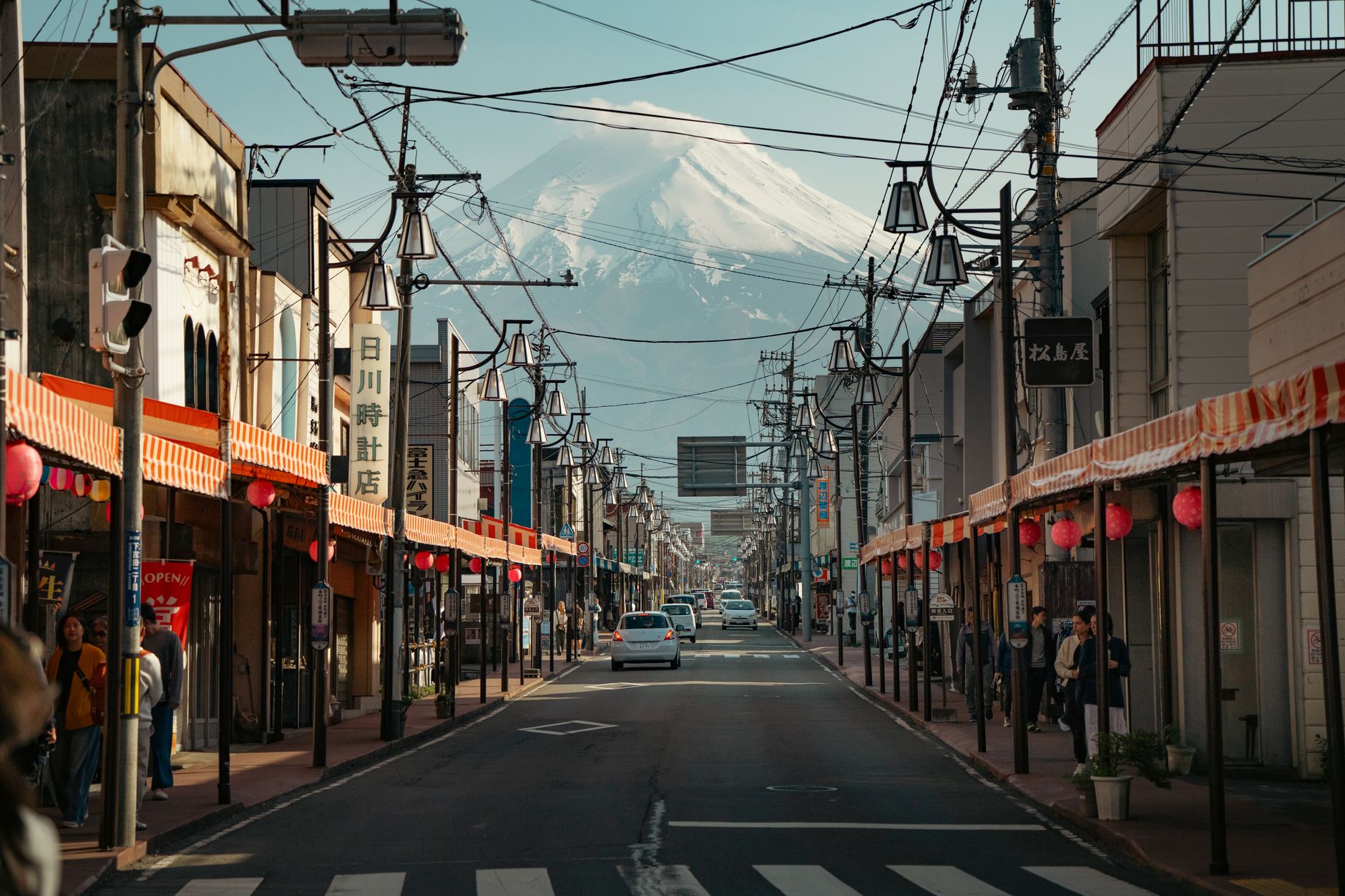
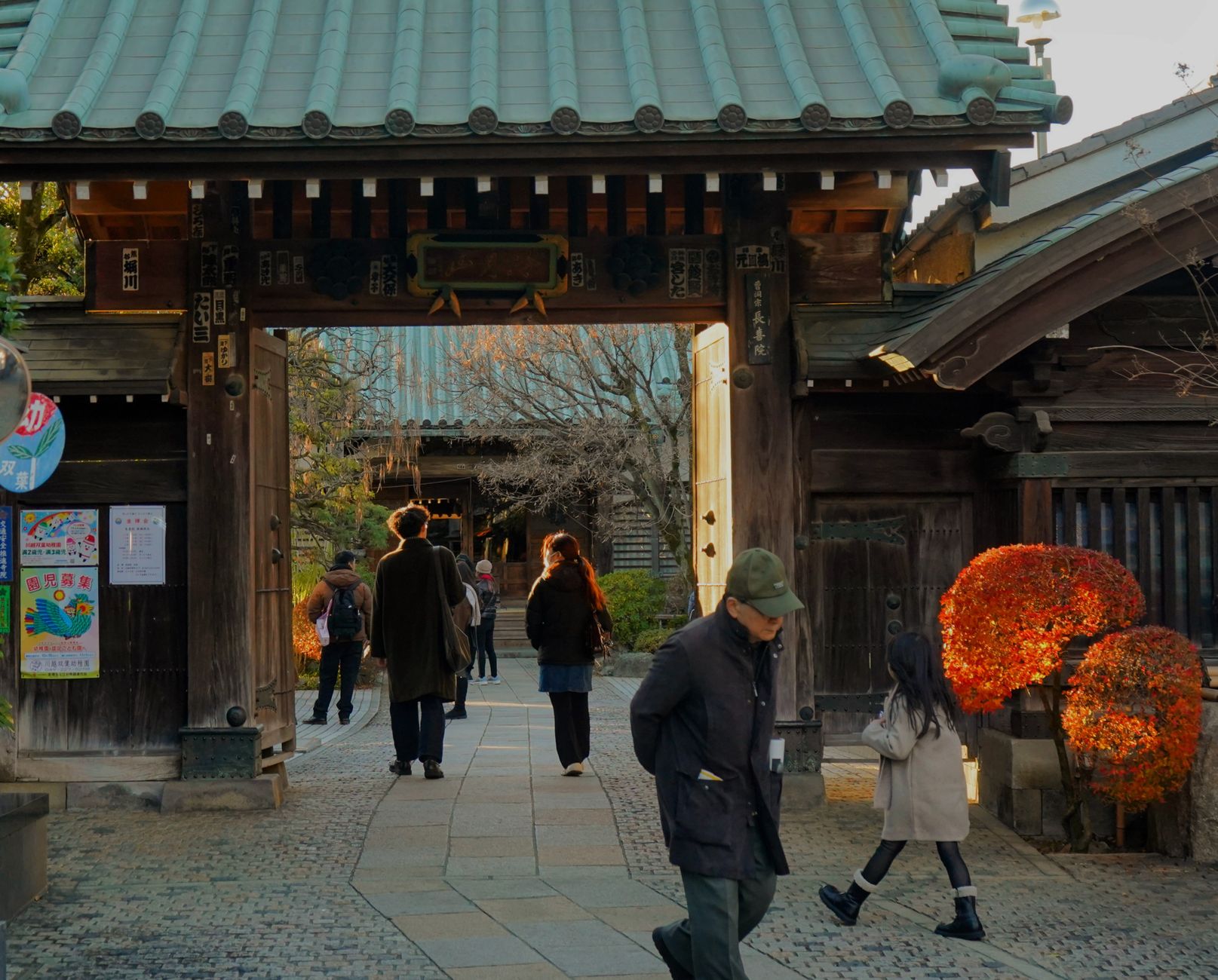
Japan runs on precision and ritual in ways that become visible the moment you step off the plane — the folded towel on your seat, the conductor bowing to an empty carriage before entering. Across four main islands and thousands of smaller ones, the country holds ancient cedar forests, volcanic peaks, and cities where a twelfth-century shrine sits a few minutes' walk from a convenience store open at 3 a.m.
What makes Japan worth returning to is the layering: a bullet train carries you from Tokyo to Osaka in two hours, yet the two cities feel like different worlds. The depth of the place — its temples, its food culture, its particular sense of order — tends to reveal itself slowly.
Popular regions in Japan
💛 What travellers fall for
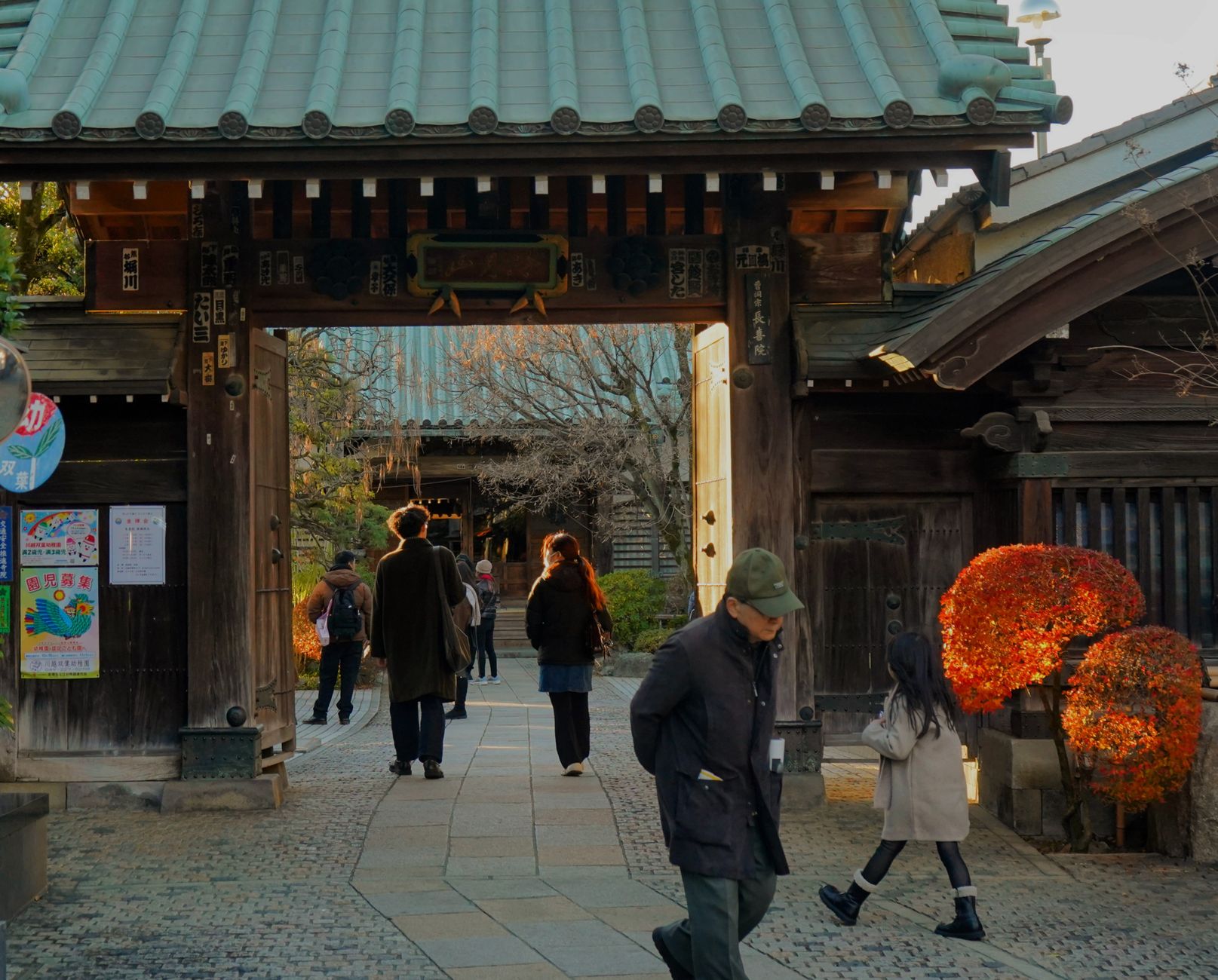
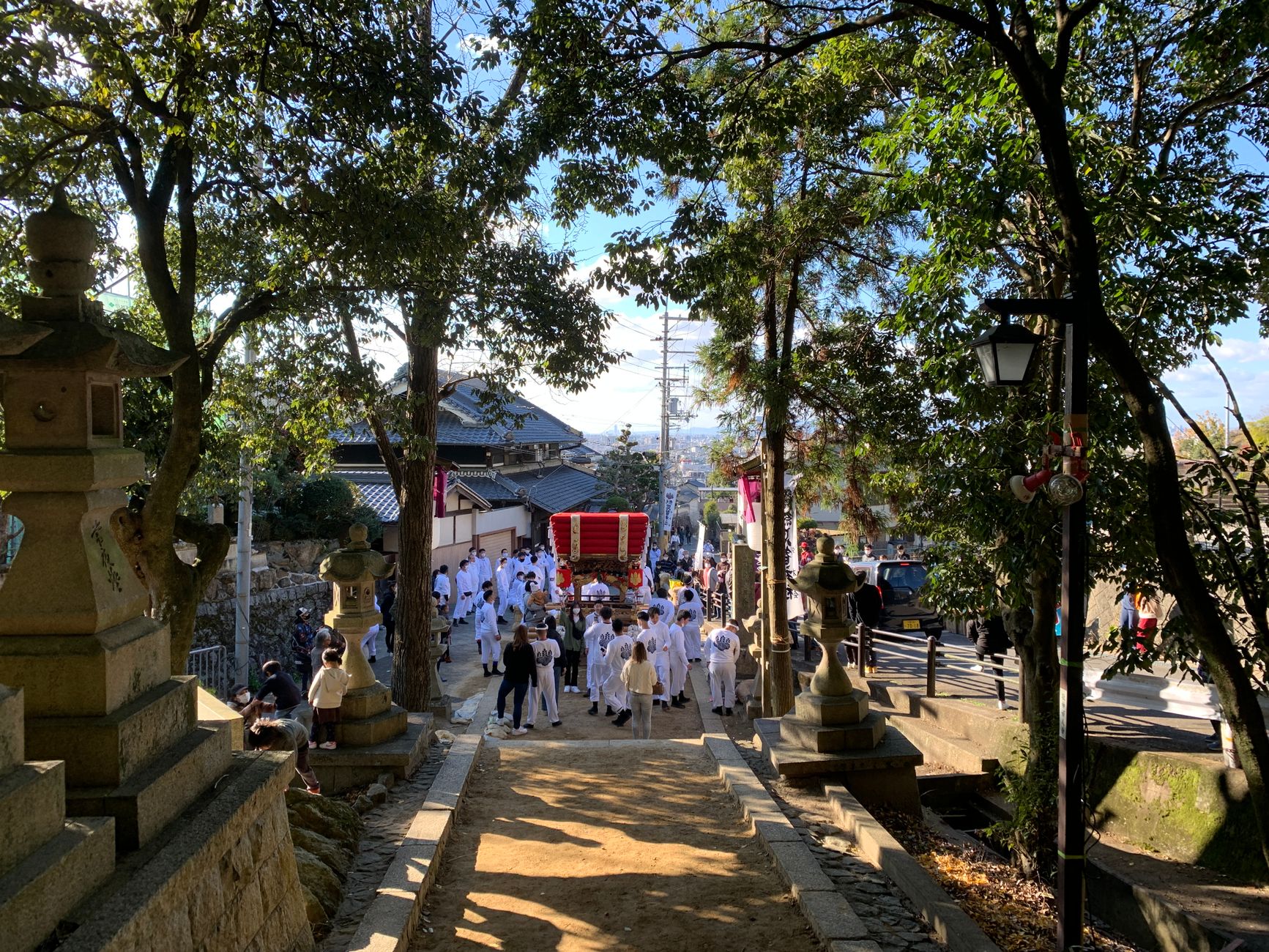
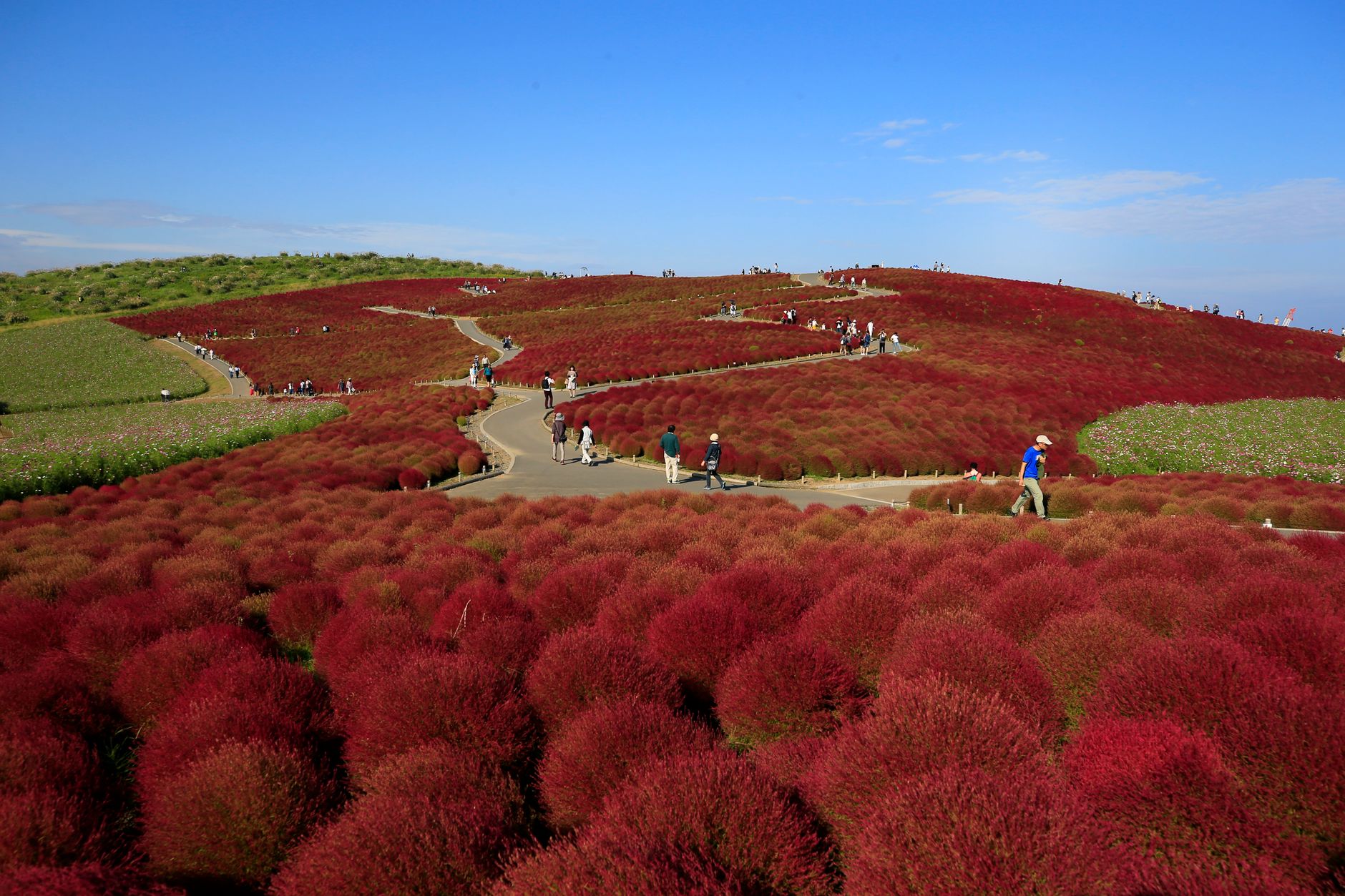
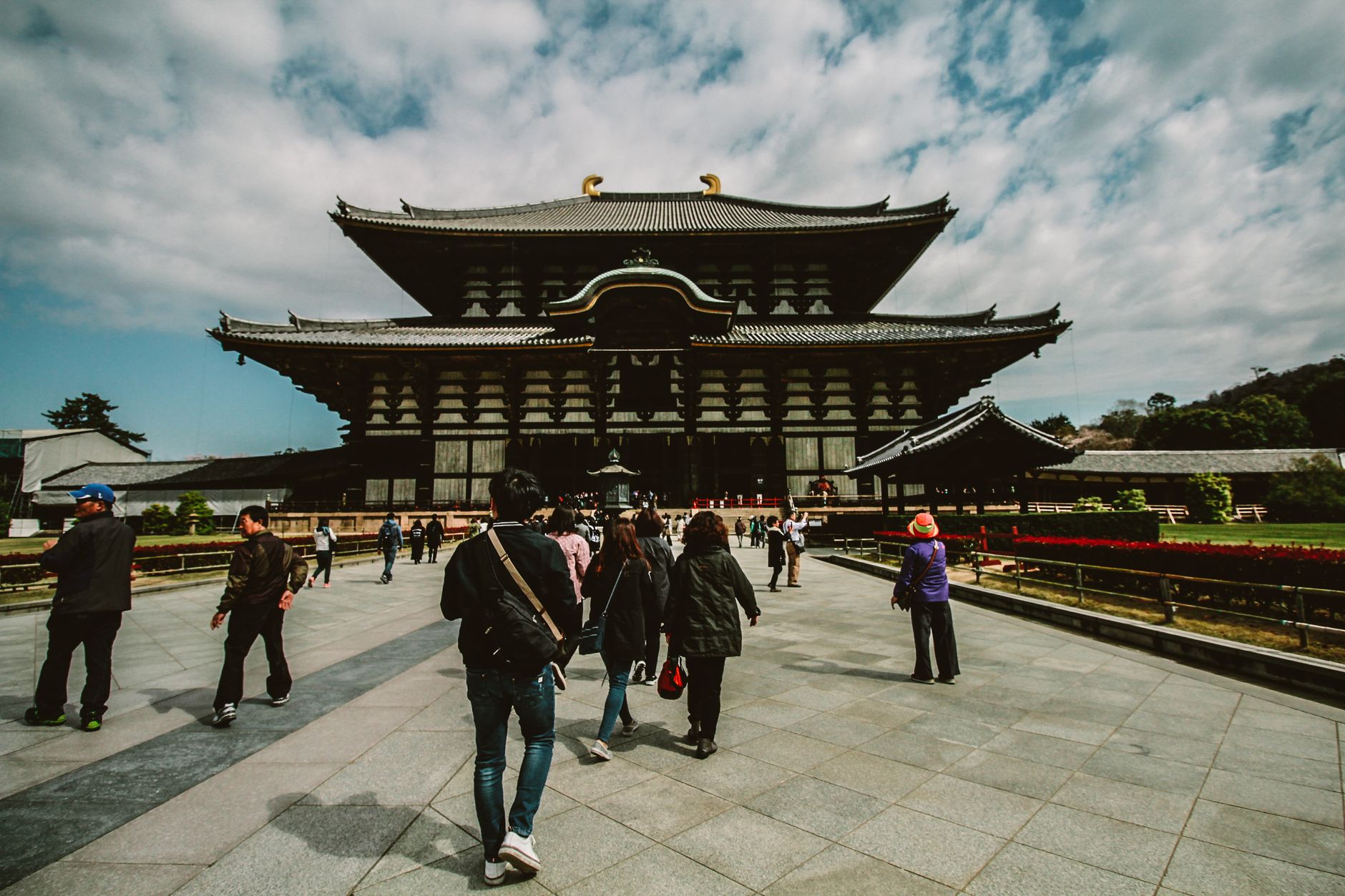
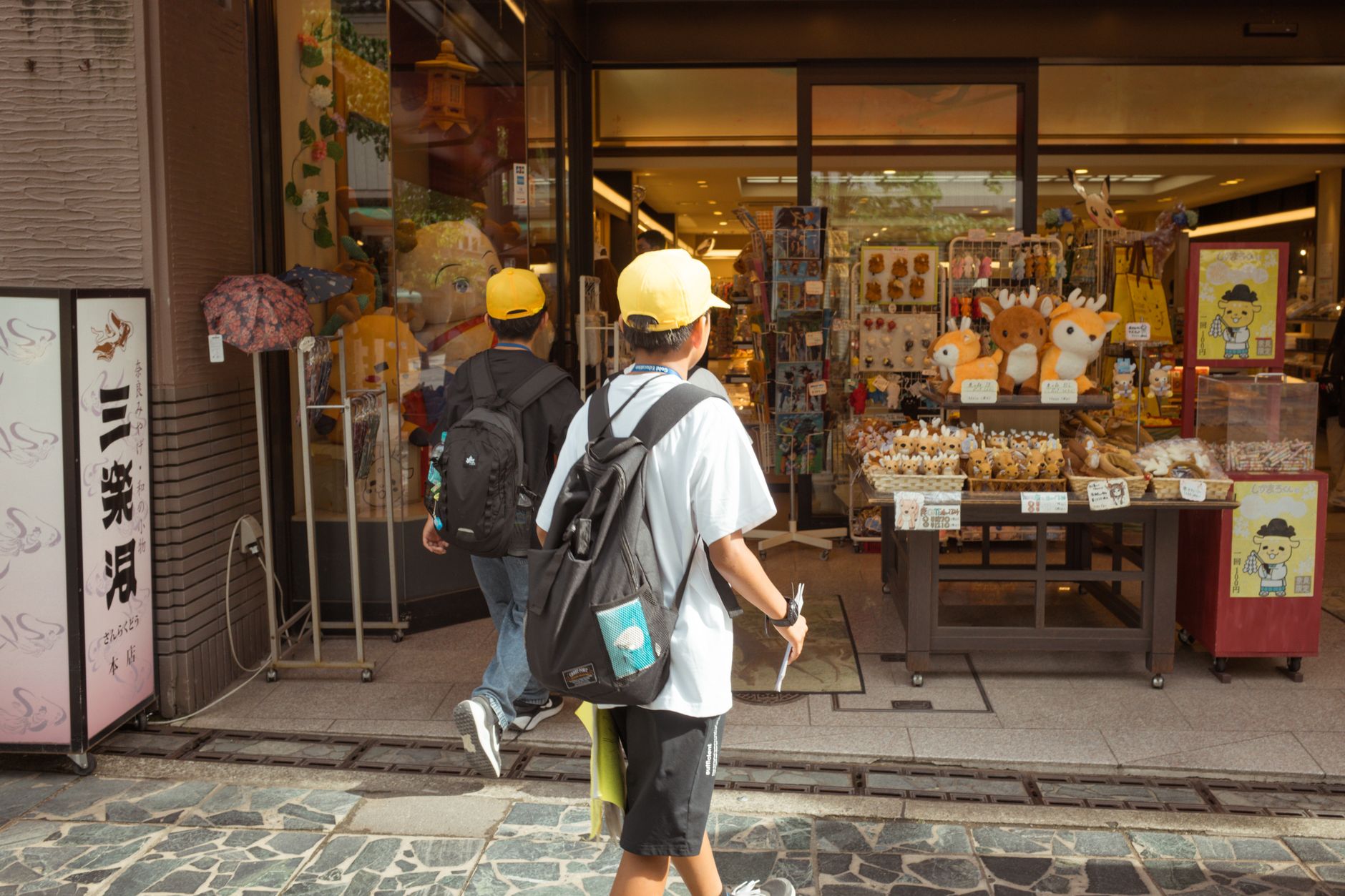
People who come back tend to say the same thing: leave more time for the smaller cities. Nara for an afternoon turns into two days once you've walked past Todai-ji's great bronze Buddha and found the back lanes. Uji, just south of Kyoto, is worth the short train ride for the Byodo-in alone.
Roundtrips through Japan

Deals in Japan
Book directly at the provider

How Japan came to be
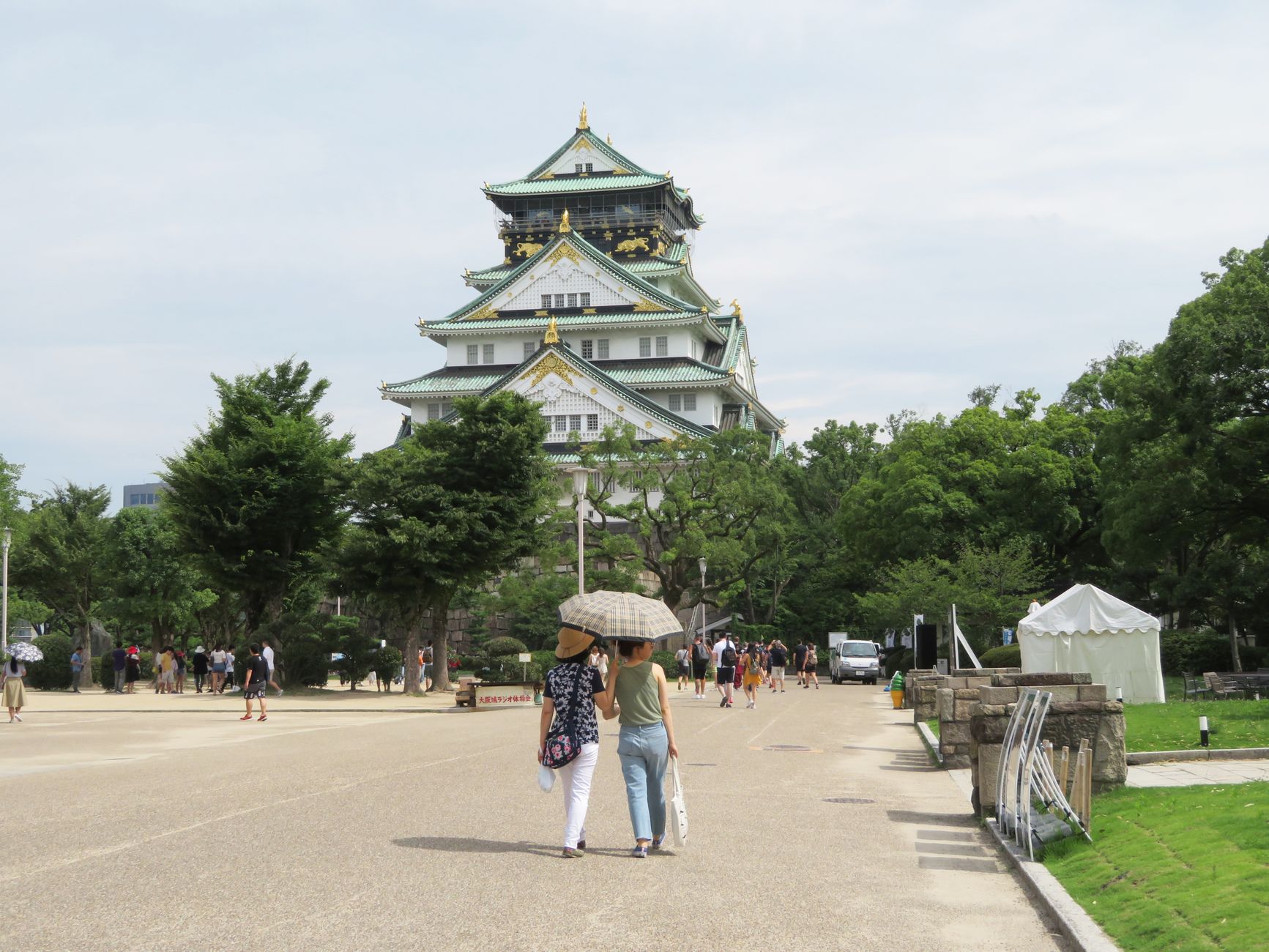
Human presence in Japan stretches back at least 32,000 years, and the Jōmon period — a long era of hunter-gatherer culture — lasted until roughly 1000 BC. Buddhism arrived in the sixth century, and by the eighth century an imperial state was taking shape. That imperial authority was progressively overshadowed by a warrior class: the samurai rose, and from the twelfth century military rulers known as shoguns held real power.
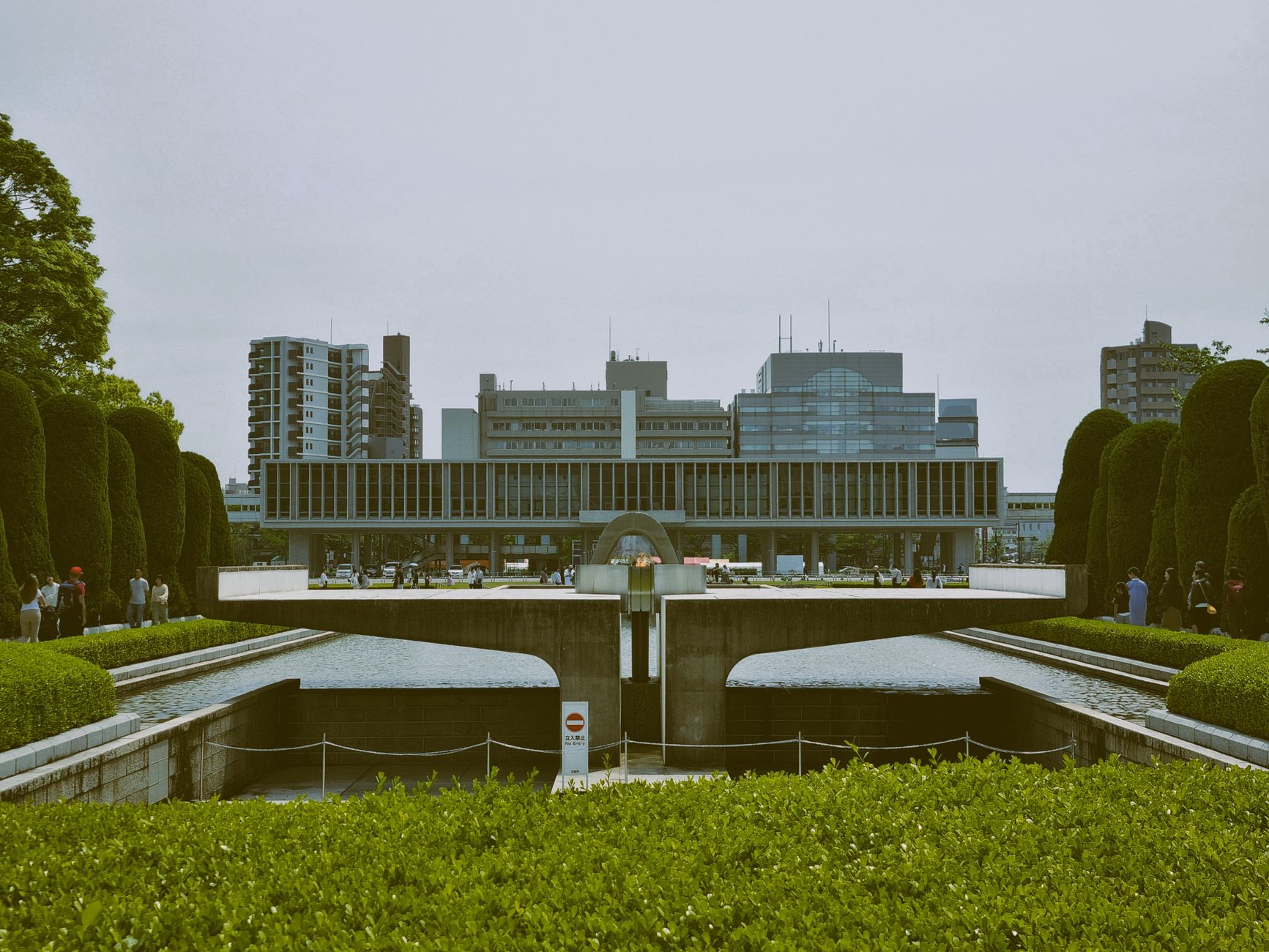
Centuries of civil war ended when Tokugawa Ieyasu unified the country in 1600, founding a shogunate that governed for over 250 years. The Meiji Restoration of 1868 dismantled that order, modernizing Japan at speed. The country emerged from the devastation of World War II — including the atomic bombings of Hiroshima and Nagasaki — to enact a new constitution in 1947, reshaping itself once more.
Who and what shaped it
People who shaped it
Landmark buildings
See Japan in motion
Plan your visit
On the map
When to go
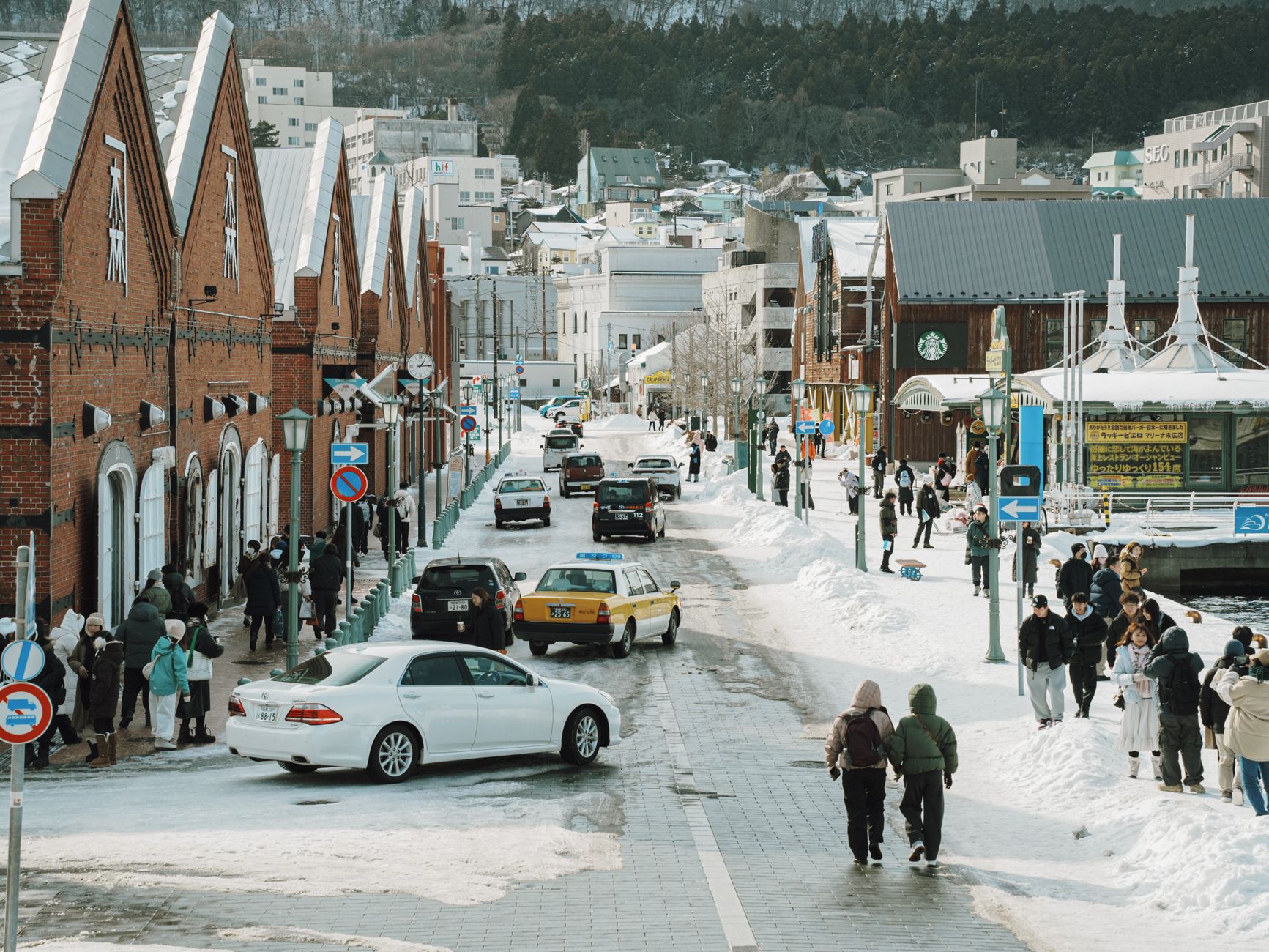
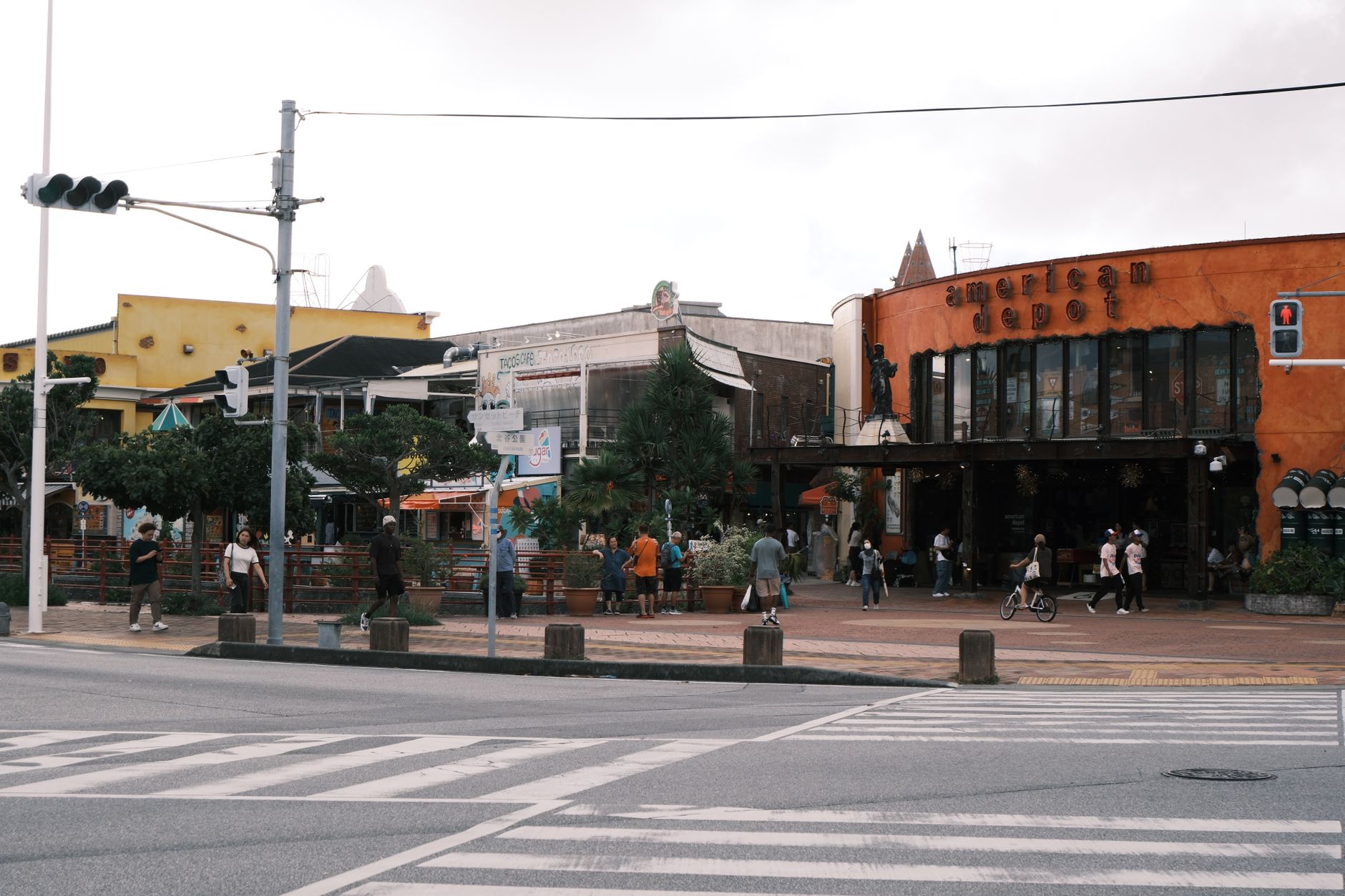
Japan's climate varies sharply by region and season: Hokkaido winters are cold and snowy, while Okinawa stays subtropical year-round. The main islands see hot, humid summers (June–August), a rainy season in early summer, and mild, clear autumns that are widely considered the most comfortable time to travel.
Right now
↡ Regions
↡ Cities

No places match these filters.
Background & history adapted from Wikipedia (CC BY-SA) · specs from Wikidata (CC0) · weather from Open-Meteo · map data © OpenStreetMap contributors · photos from Wikimedia Commons / Unsplash with per-image credit. No third-party reviews or social posts reproduced.