
Okinawa
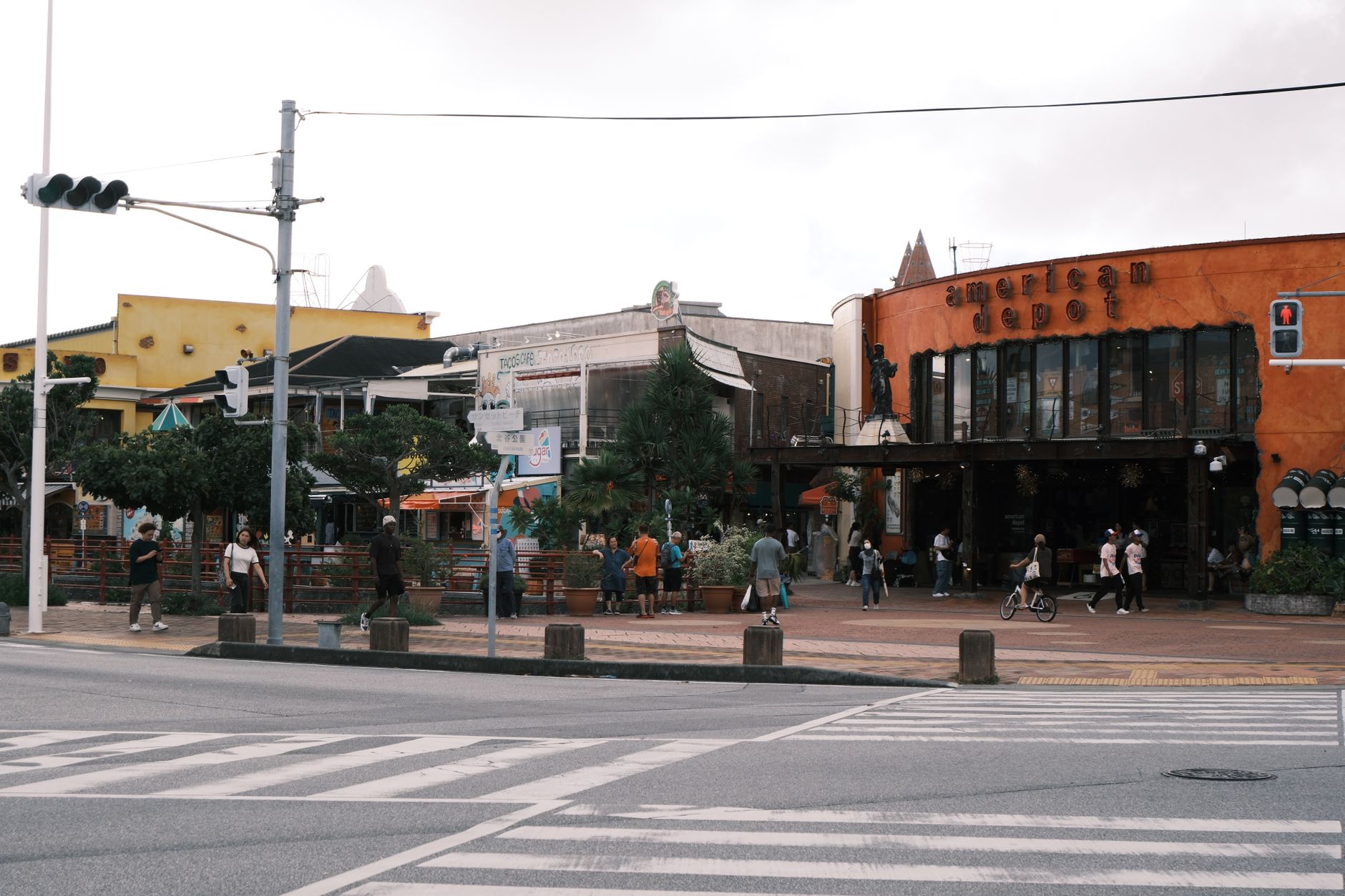
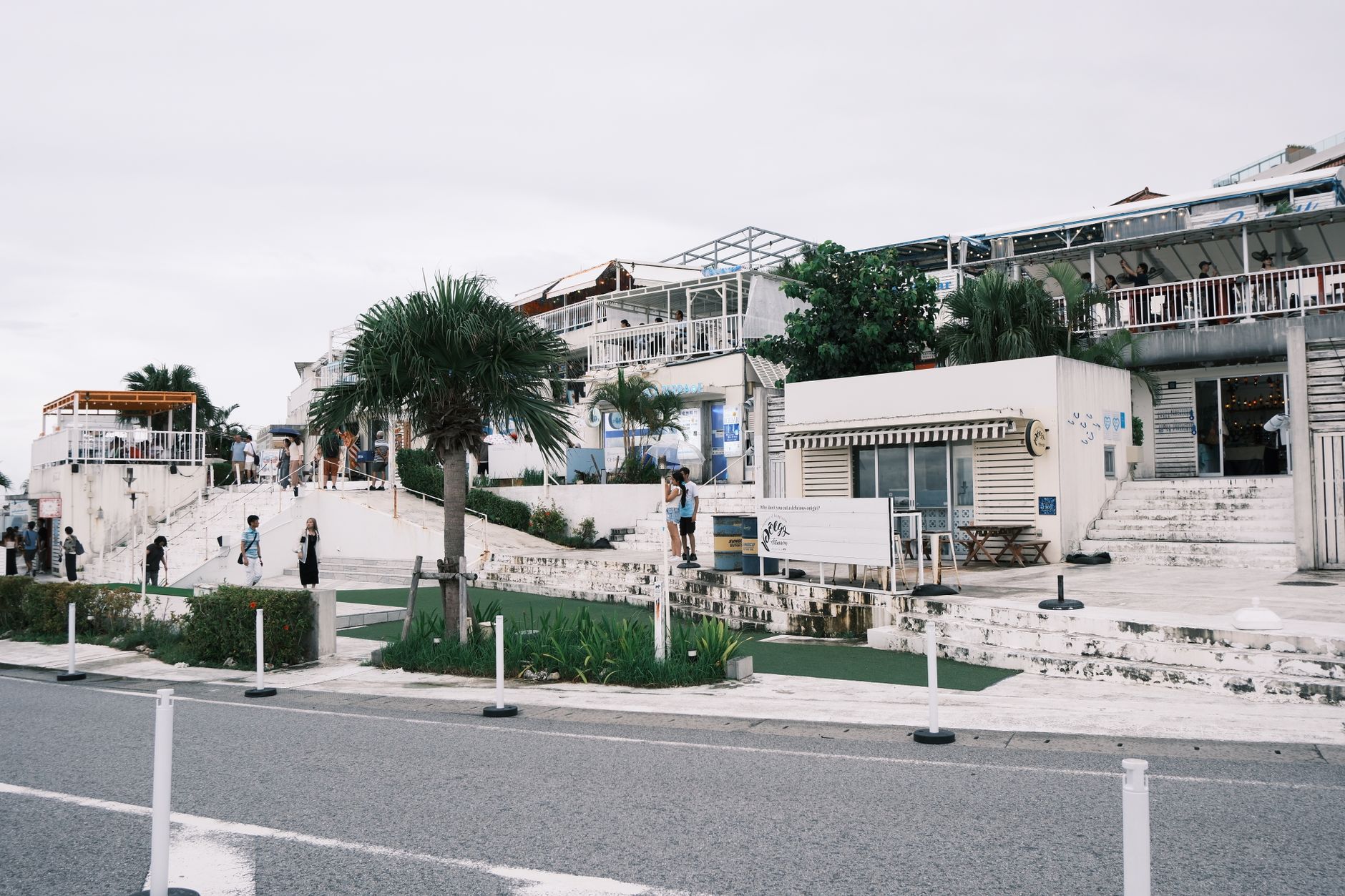
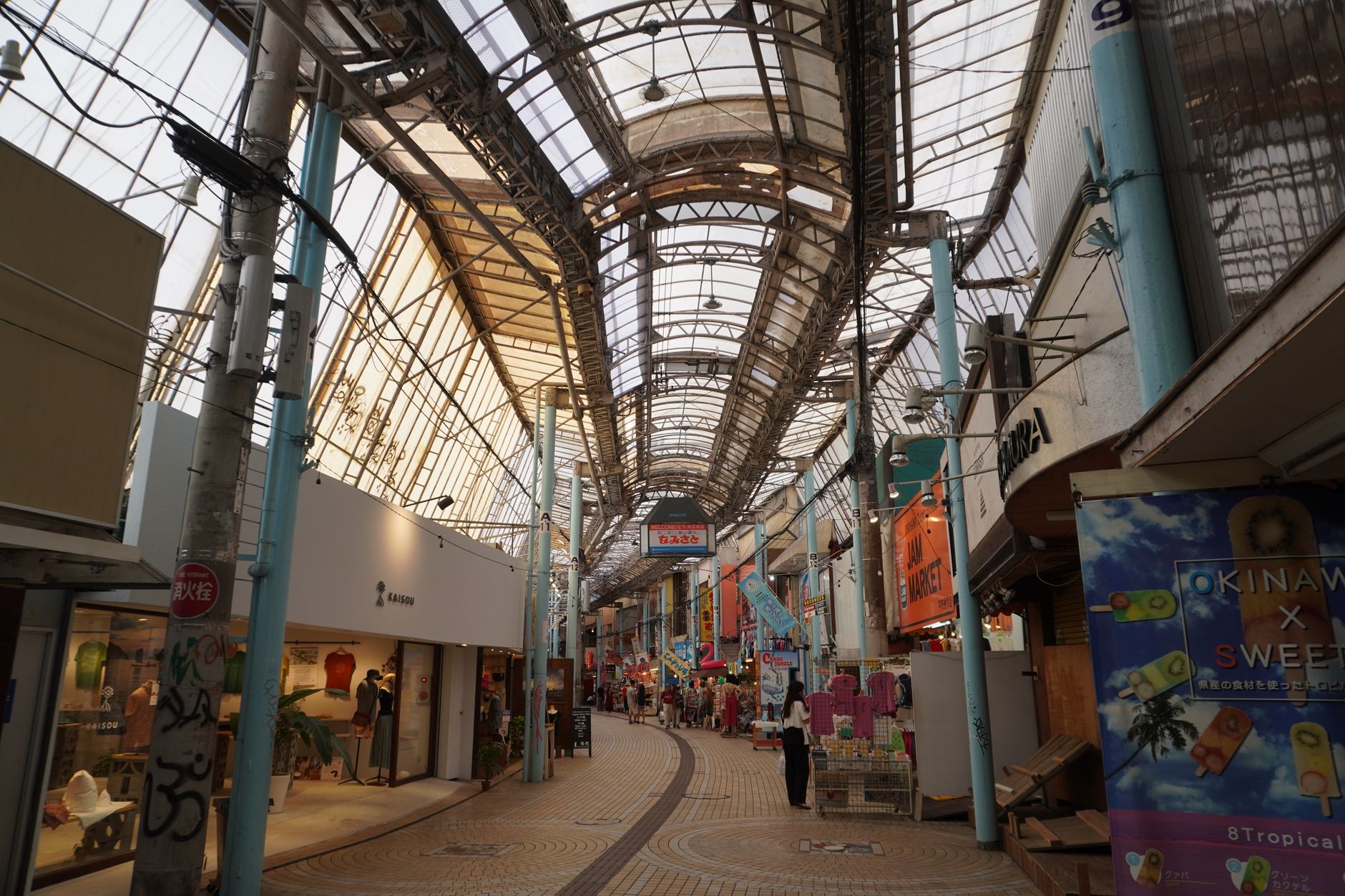
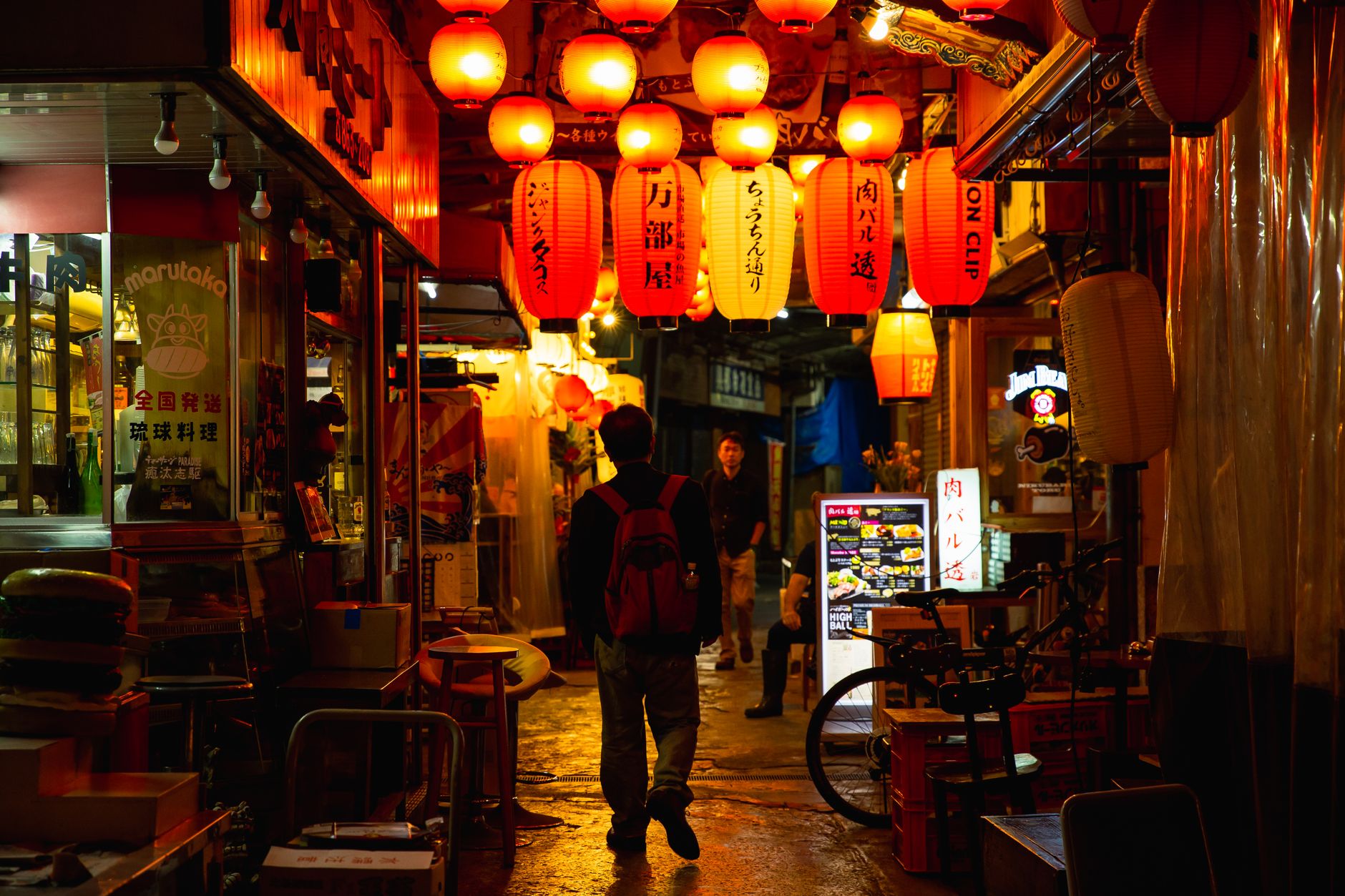
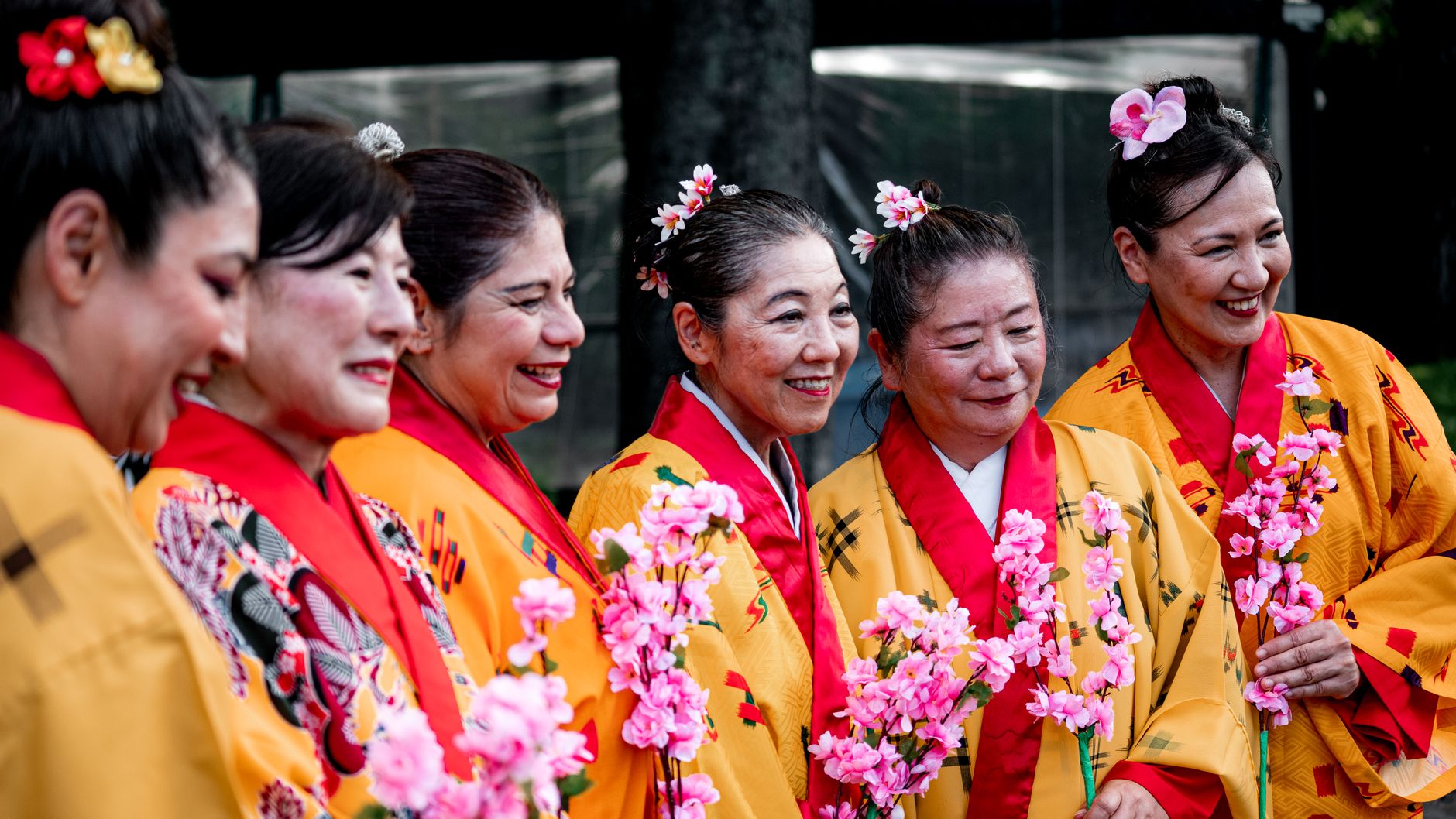
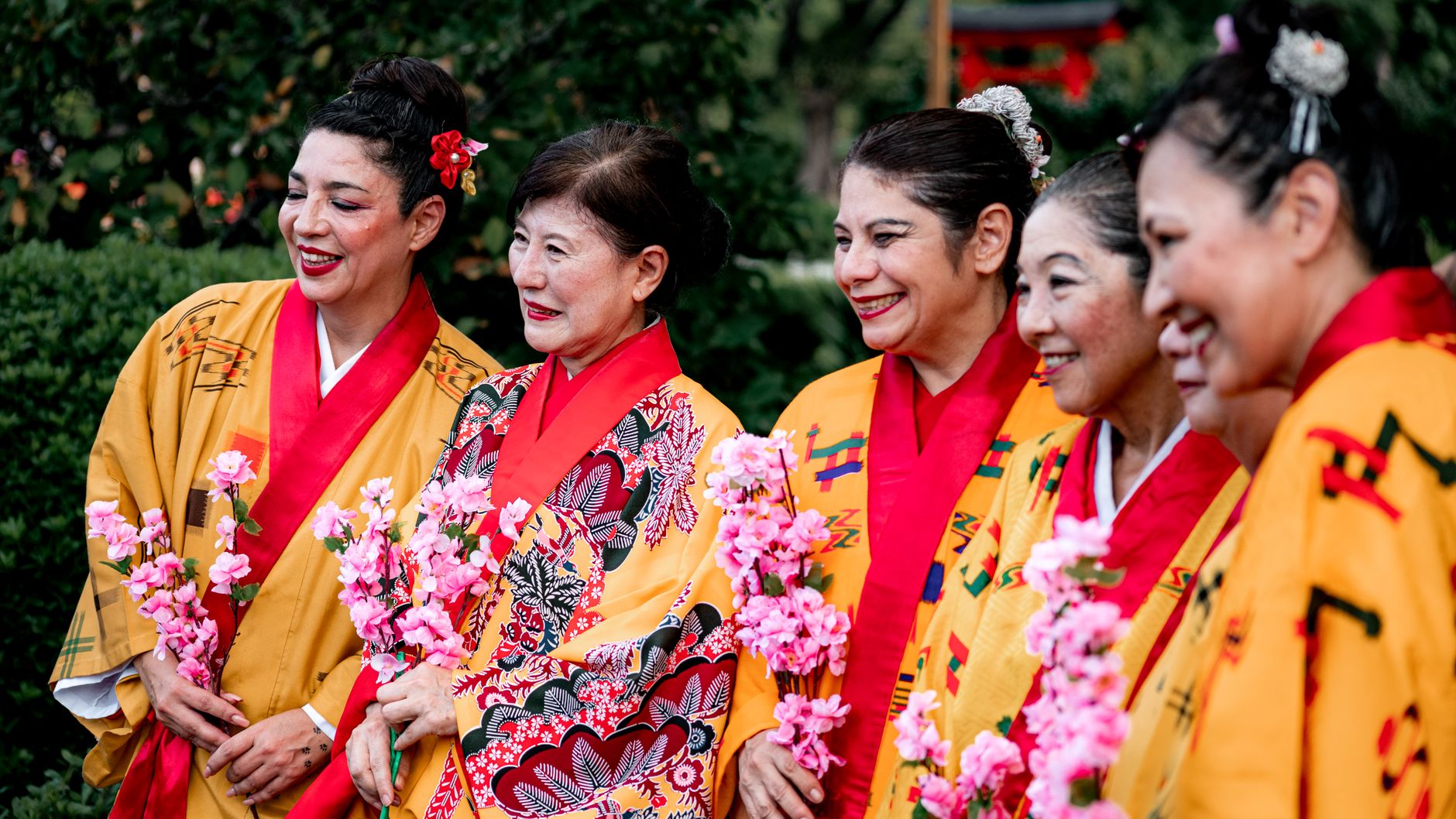
Okinawa sits at the southwestern edge of Japan, closer to Taiwan than to Tokyo, and the distance shows. The language, the food, the coral-stone walls of its ancient castles — almost everything here carries the memory of the Ryukyu Kingdom, a seafaring civilization that spent four centuries trading silk and lacquerware across East and Southeast Asia before Japan absorbed it in 1879.
The islands stretch across several hundred kilometres of the East China Sea, from the main island's city life around Naha down to the remote Yaeyama chain. Sacred groves, castle ruins, and shrines rebuilt after one of the Pacific War's most devastating battles sit alongside beaches and a local cuisine — goya, mozuku, awamori — that belongs to nowhere else in Japan.
How Okinawa came to be
Human bones found in Yamashita Cave date back around 32,000 years, but the story that shaped modern Okinawa begins in 1429, when Sho Hashi of Chuzan unified three rival kingdoms into the Ryukyu Kingdom and made Shuri his capital. For roughly 450 years, Ryukyu functioned as an independent maritime state, its merchants carrying goods between China, Korea, and Southeast Asia. That era ended in 1879 when the Meiji government formally annexed the archipelago as a Japanese prefecture.
The Second World War brought the Battle of Okinawa — eighty-two days of combat from April to June 1945 that killed around 150,000 civilians, a quarter of the island's population. The United States administered Okinawa for twenty-seven years after the war, returning it to Japanese sovereignty on 15 May 1972.
Who and what shaped it
People who shaped it
Landmark buildings
See Okinawa in motion
Plan your visit
On the map
When to go
Okinawa is subtropical: winters are mild and rarely cold, summers are hot and humid with frequent heavy rain. The typhoon season runs roughly July through September, when powerful storms can disrupt travel plans with little warning; October through May is generally the more reliable window for visiting.
Right now
Background & history adapted from Wikipedia (CC BY-SA) · specs from Wikidata (CC0) · weather from Open-Meteo · map data © OpenStreetMap contributors · photos from Wikimedia Commons / Unsplash with per-image credit. No third-party reviews or social posts reproduced.