
South Africa
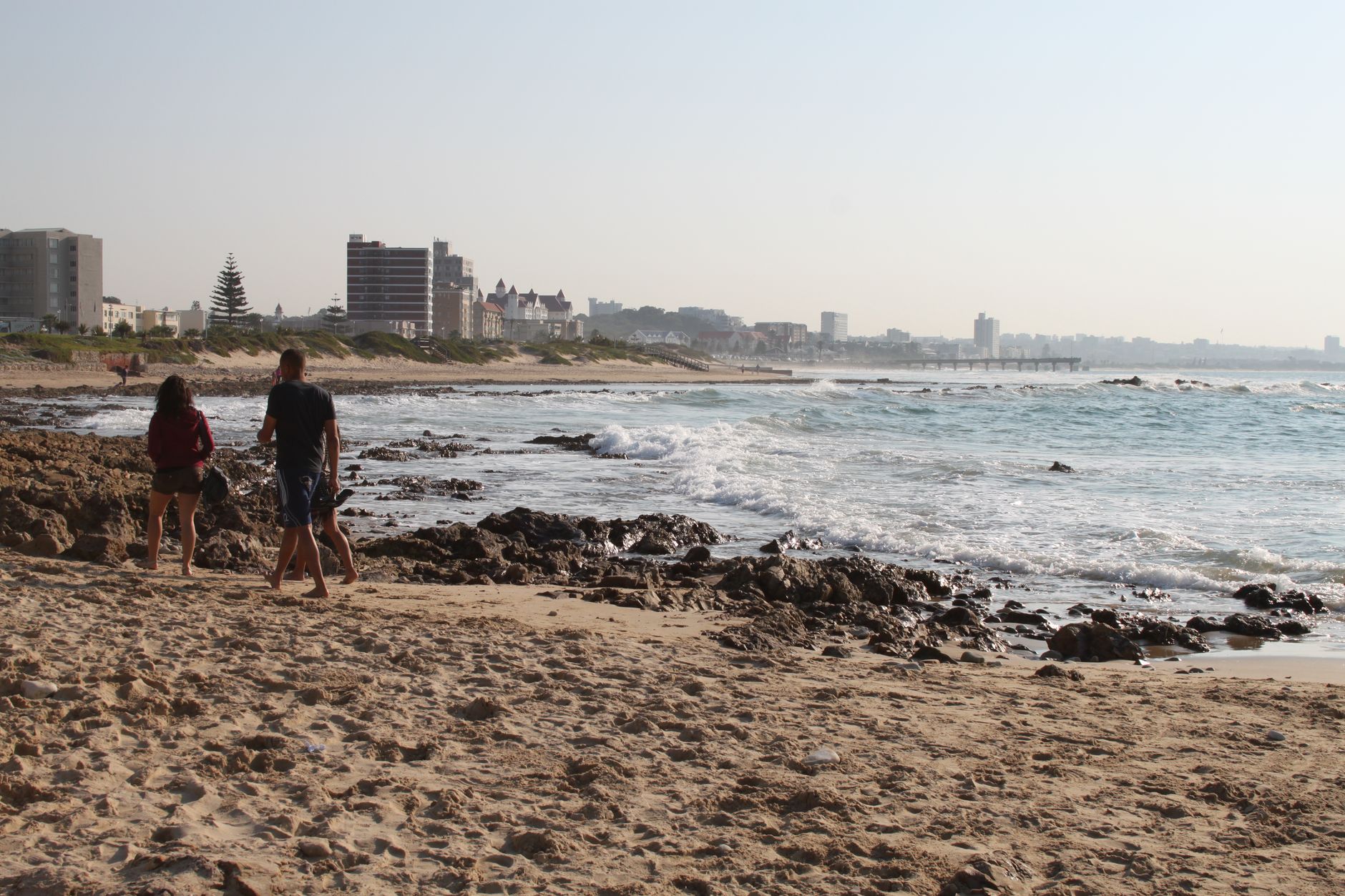
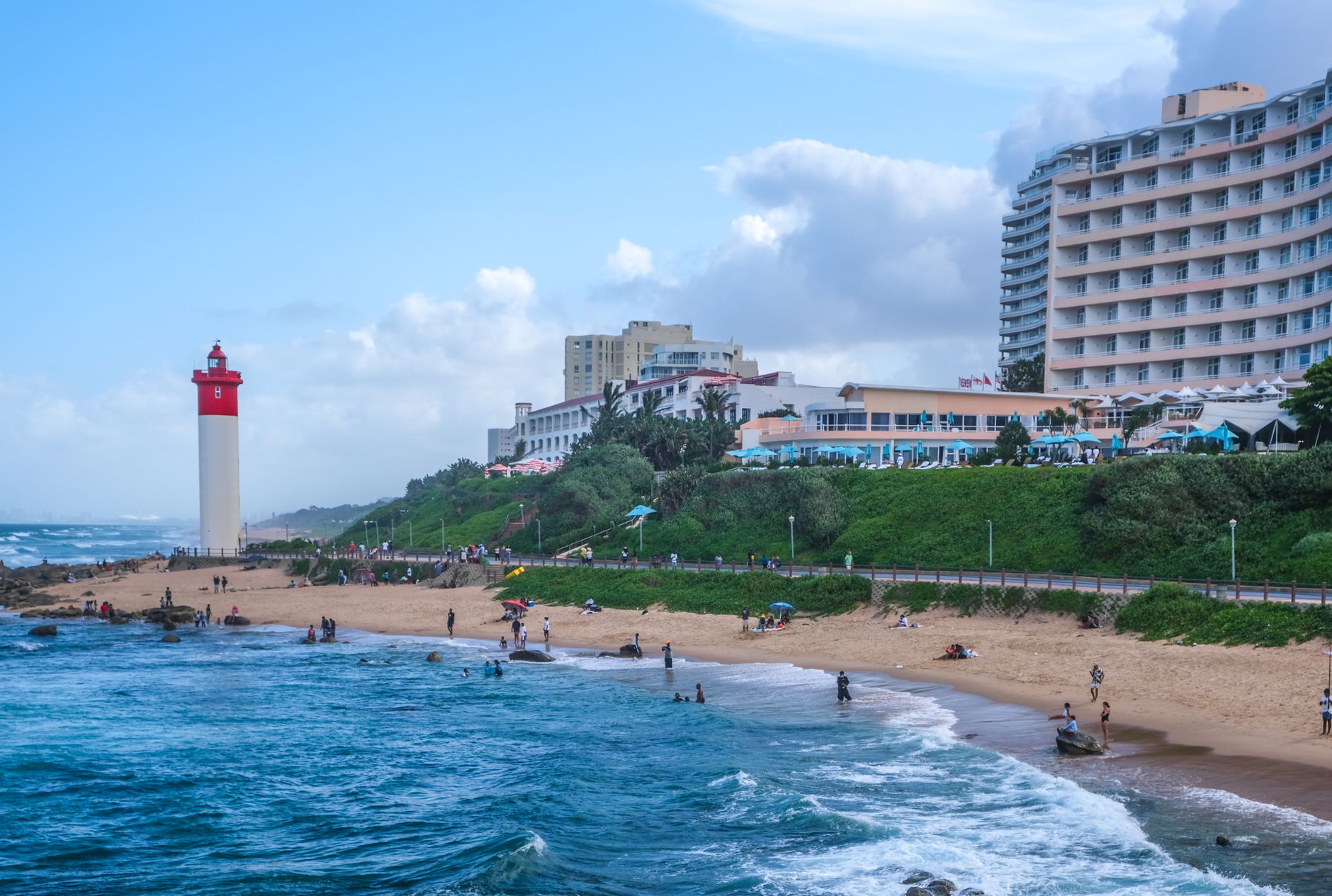
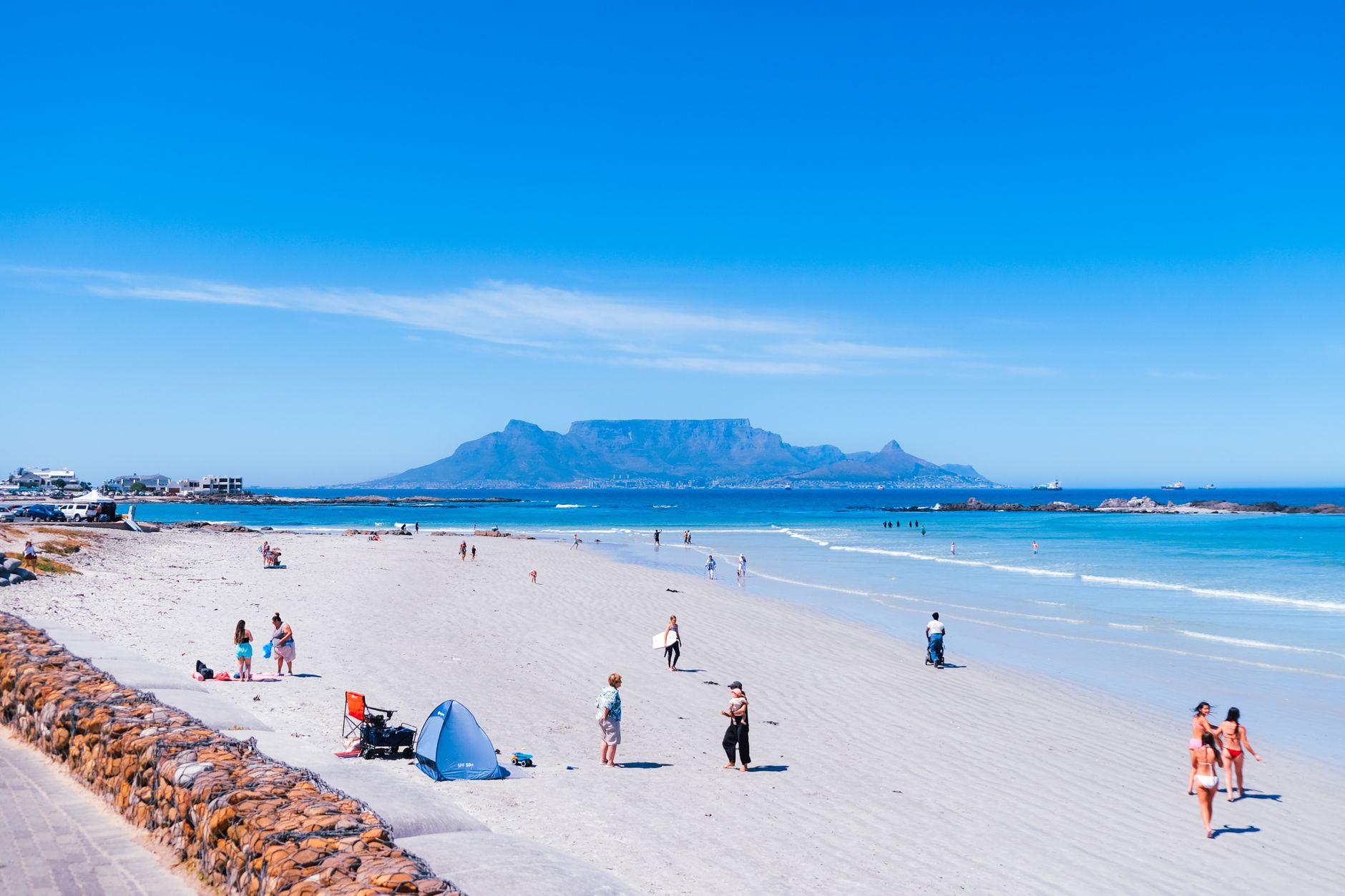
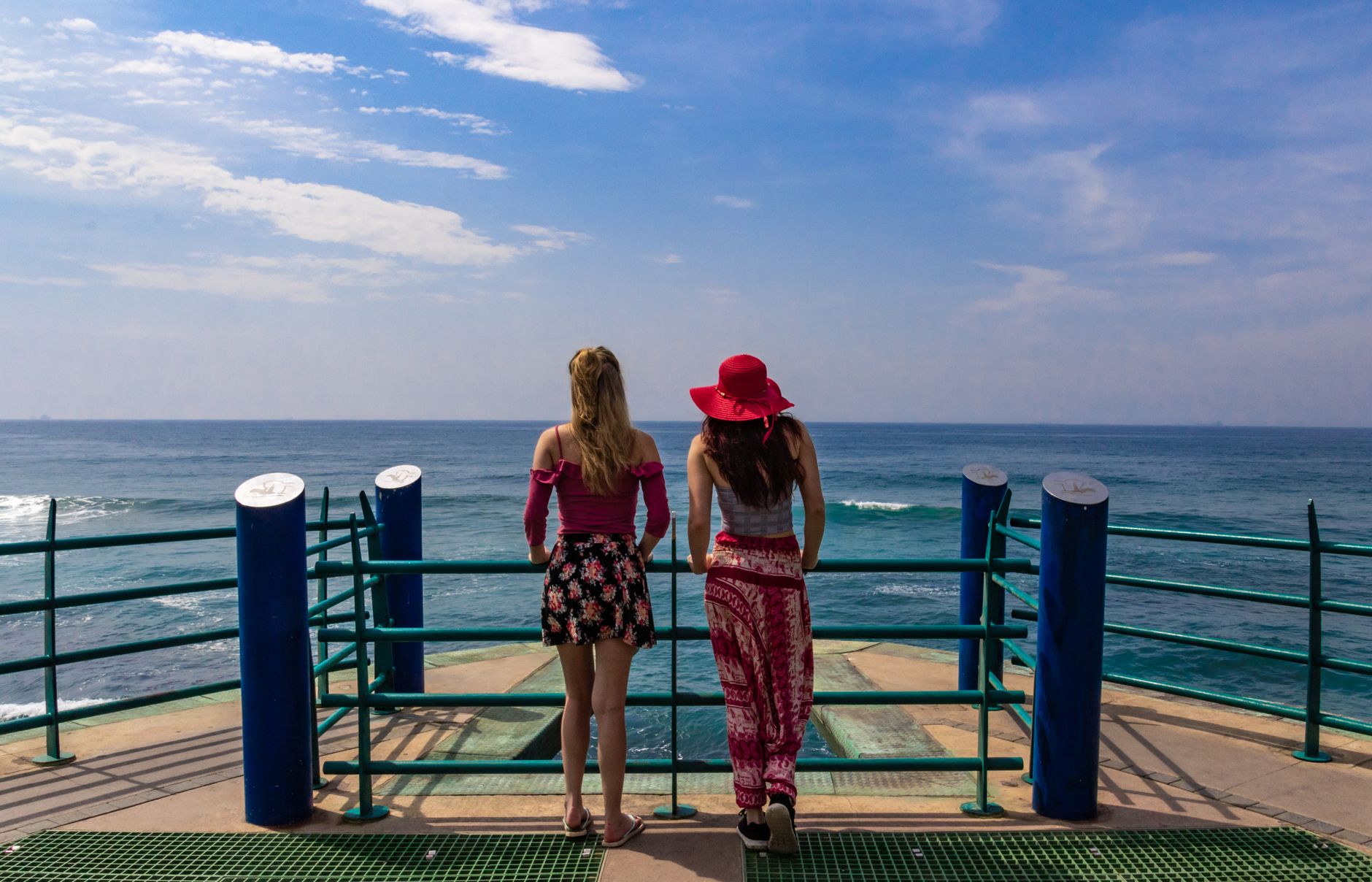
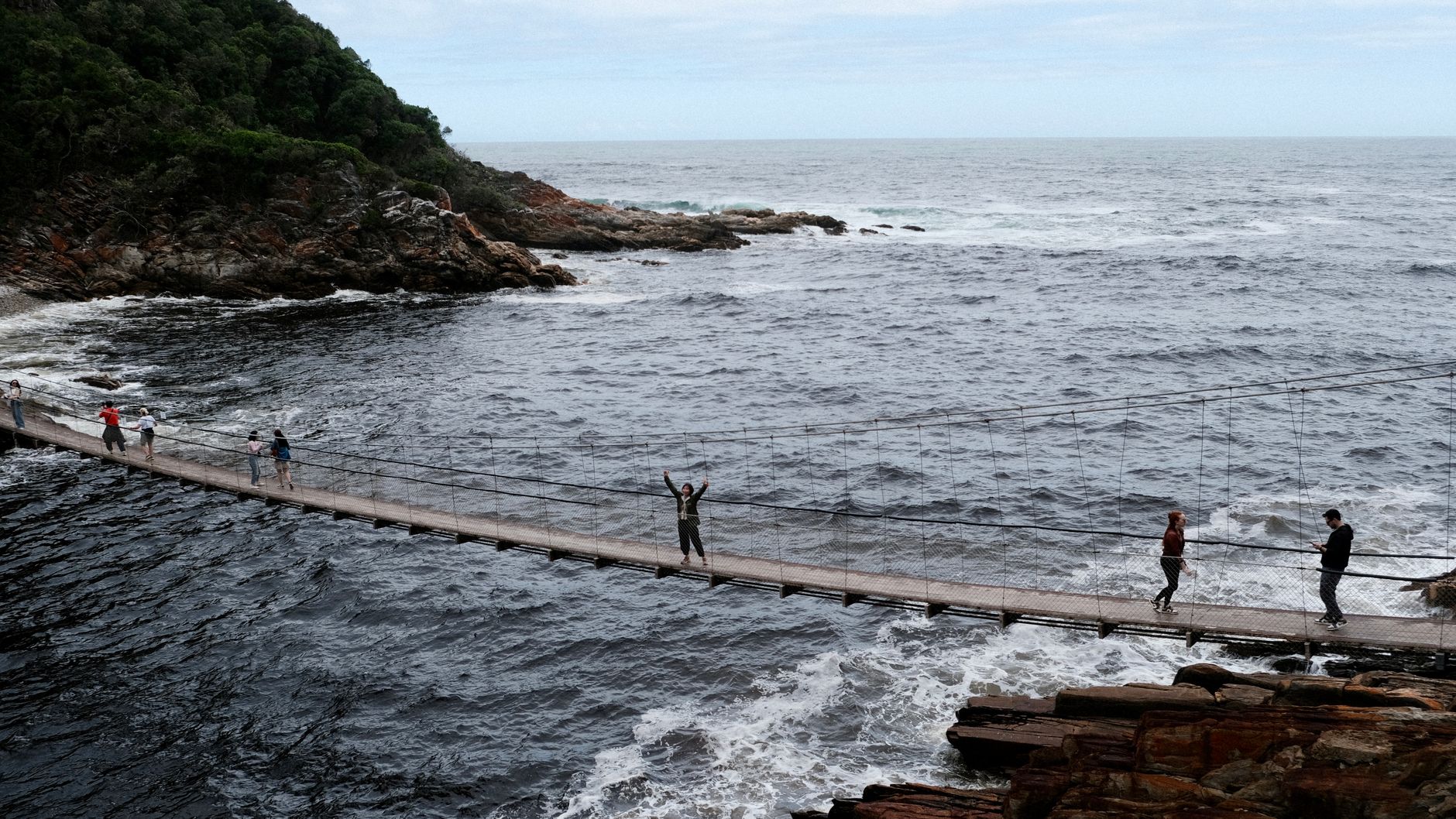
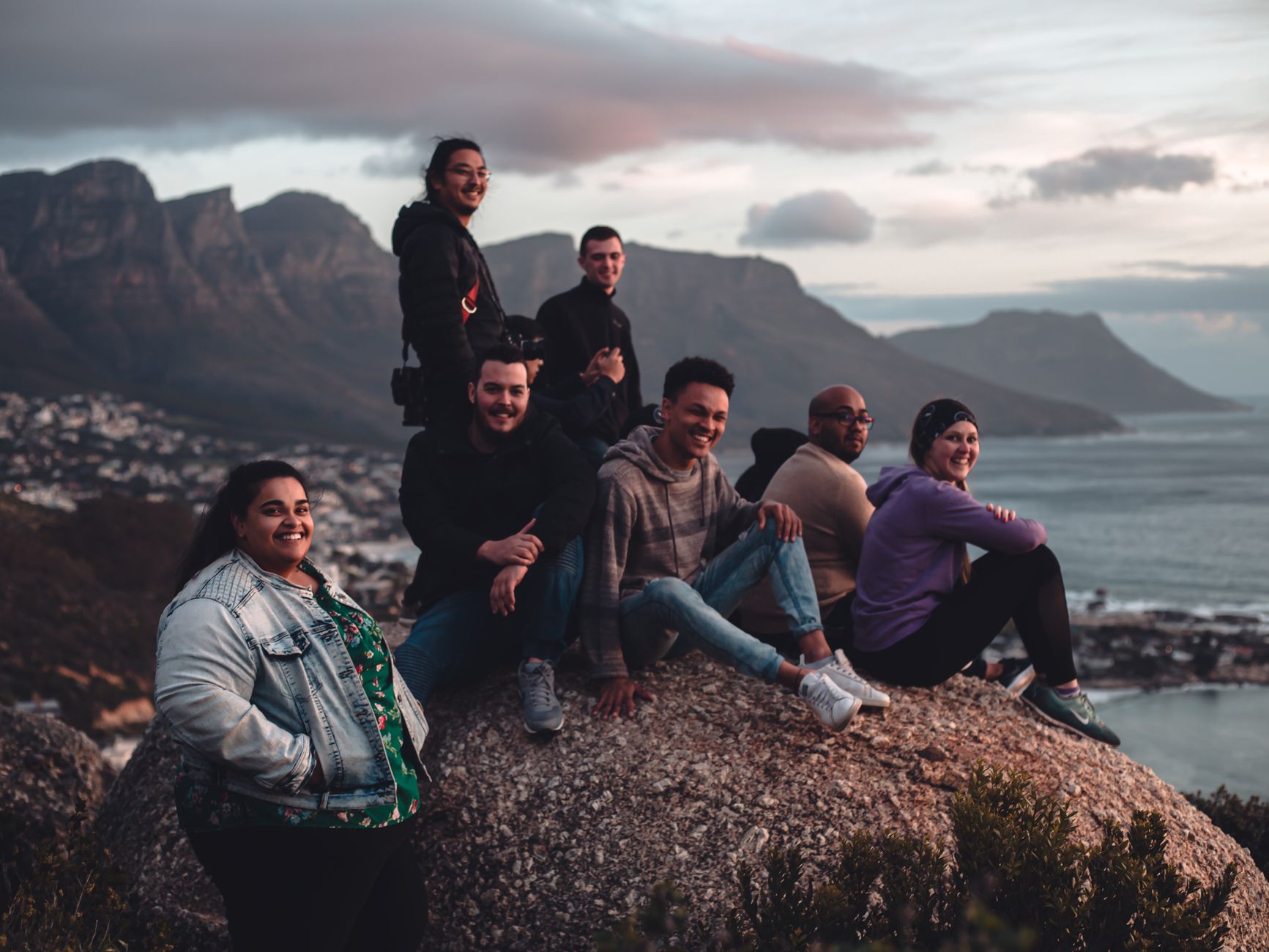
South Africa is a country where the evidence of deep time sits alongside the very recent past. At Klasies River Caves, modern humans left traces of their lives 125,000 years ago; at Robben Island, Nelson Mandela spent 18 years in a cell that still stands and can still be toured, sometimes with guides who were imprisoned there themselves. The distance between those two facts is the country's essential tension — ancient and unresolved, beautiful and scarred.
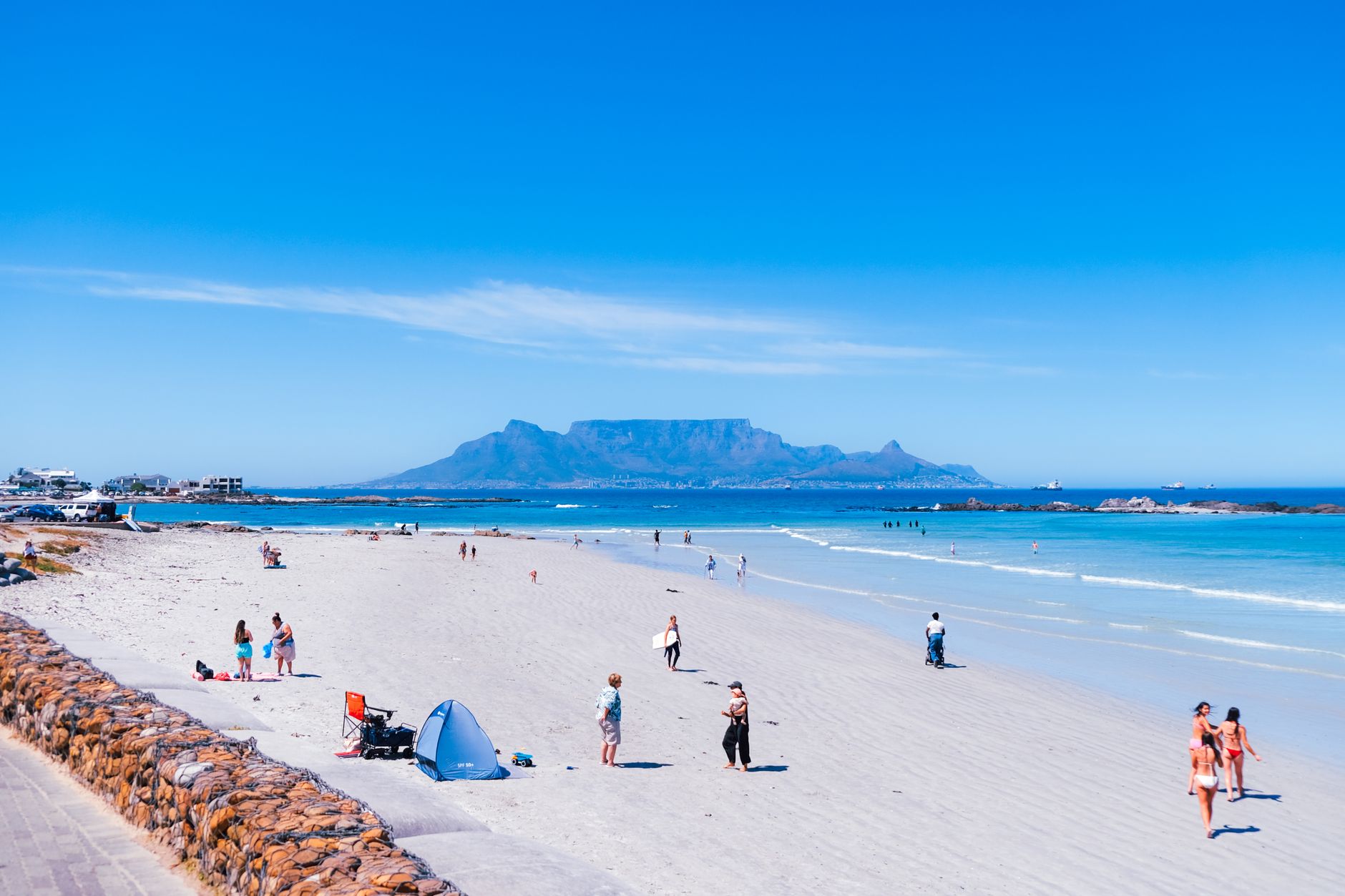
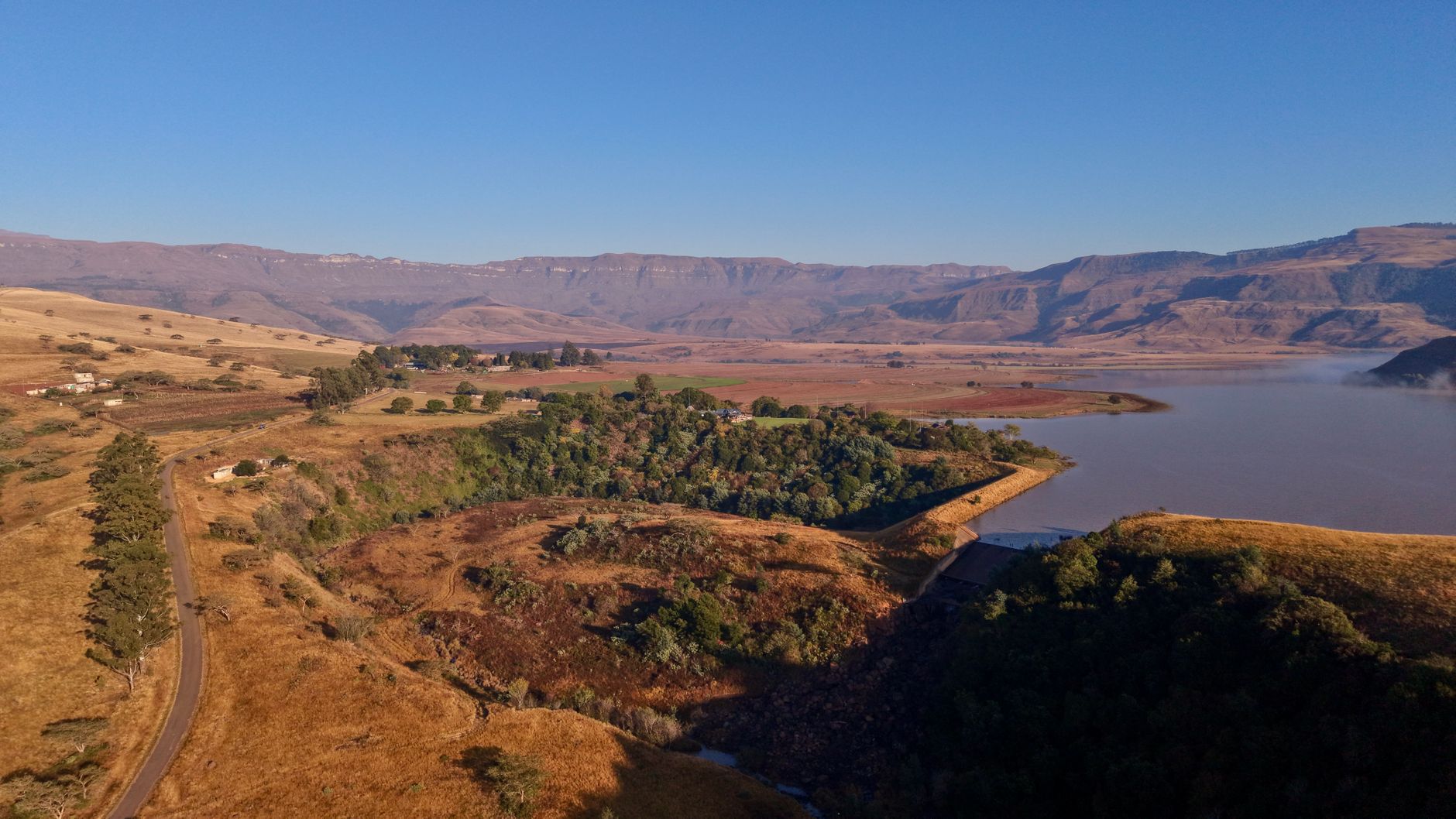
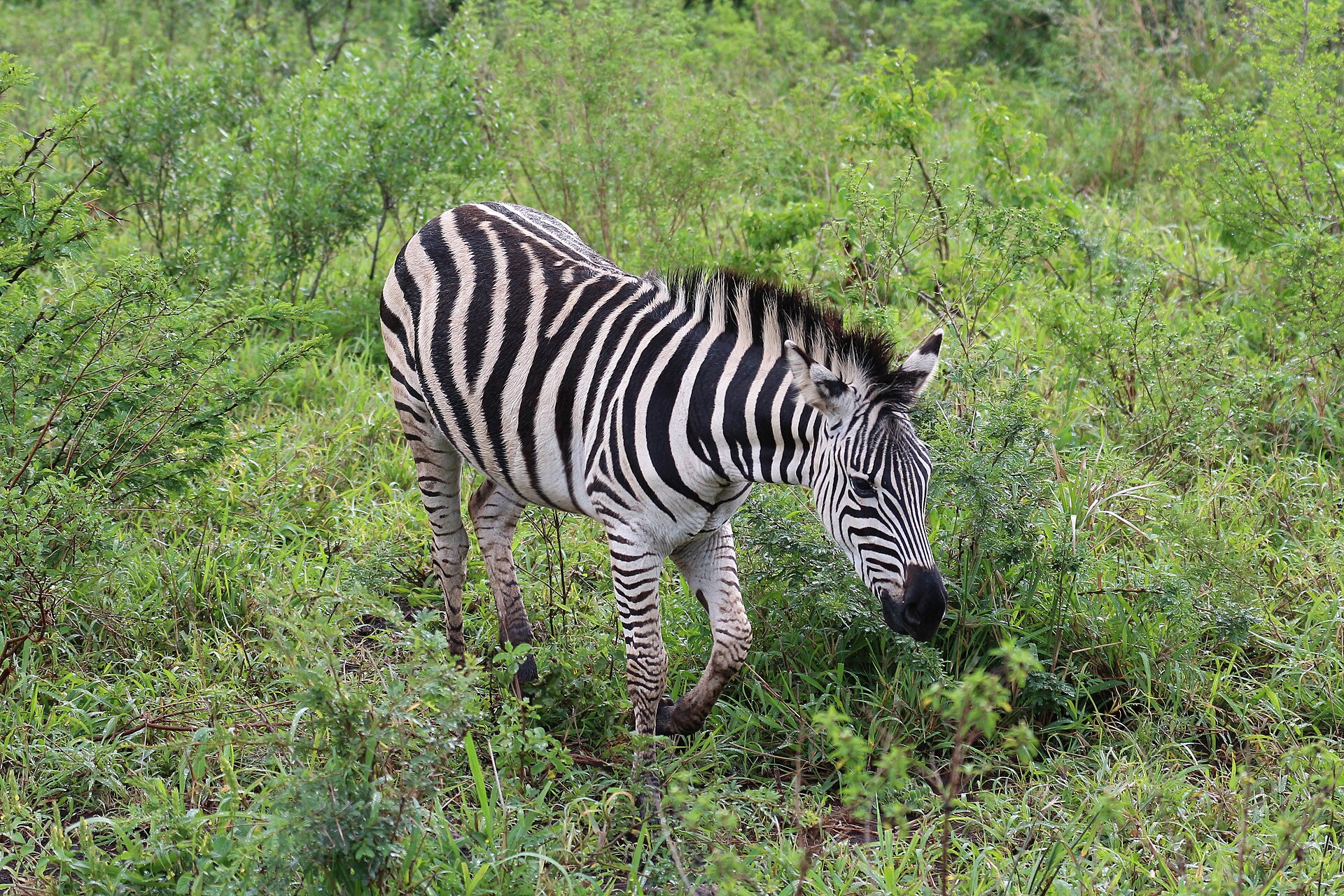
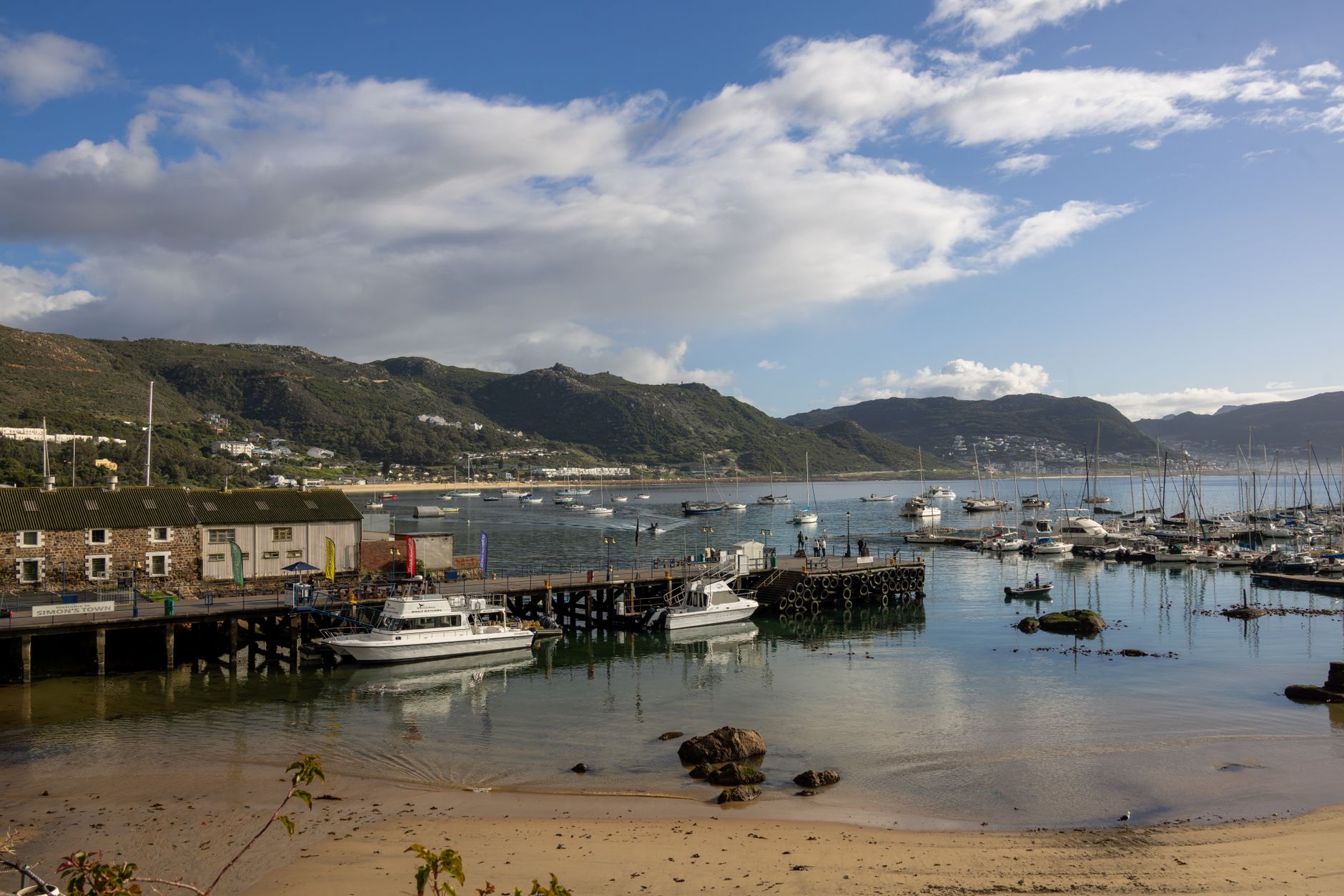
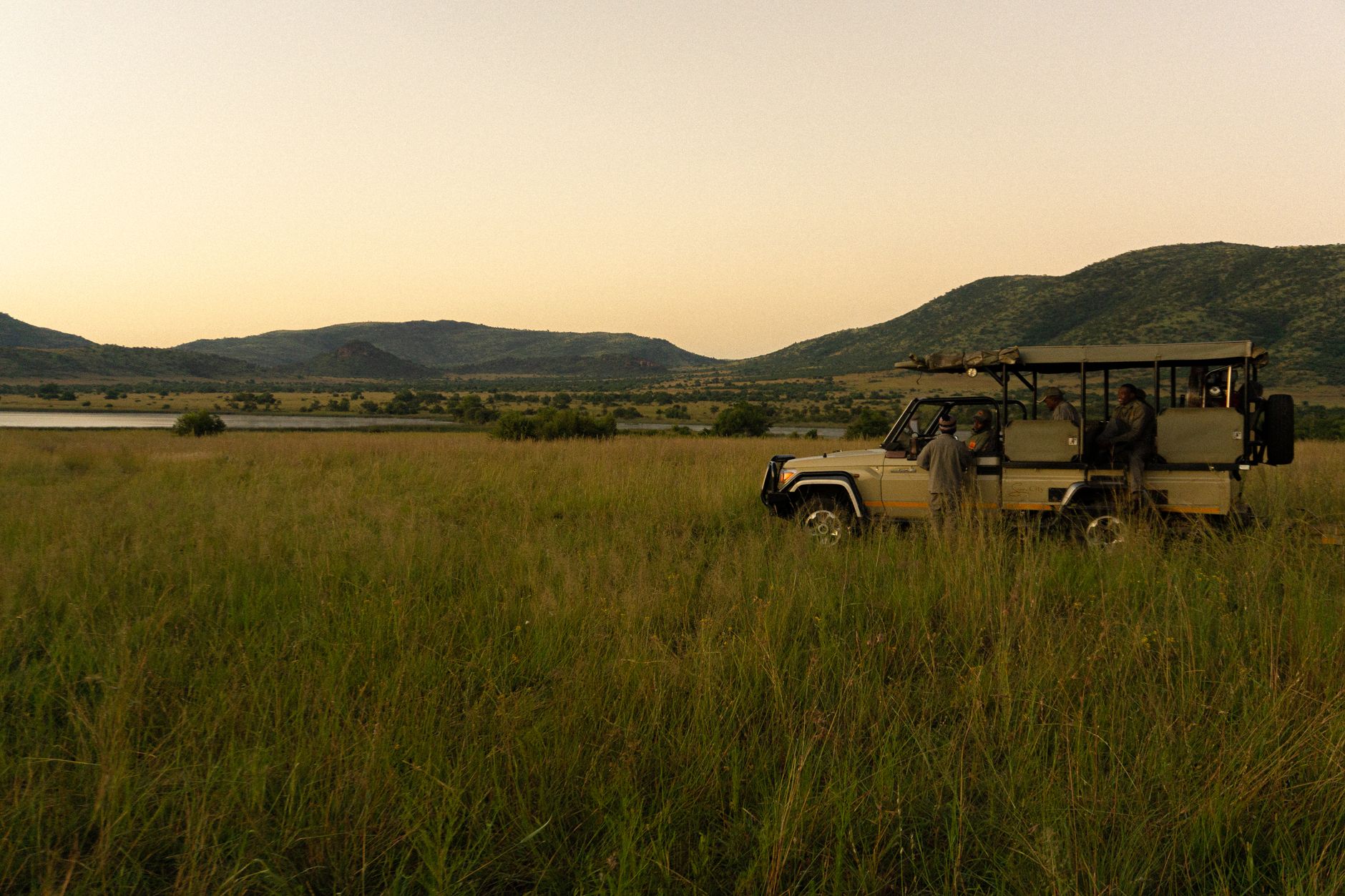
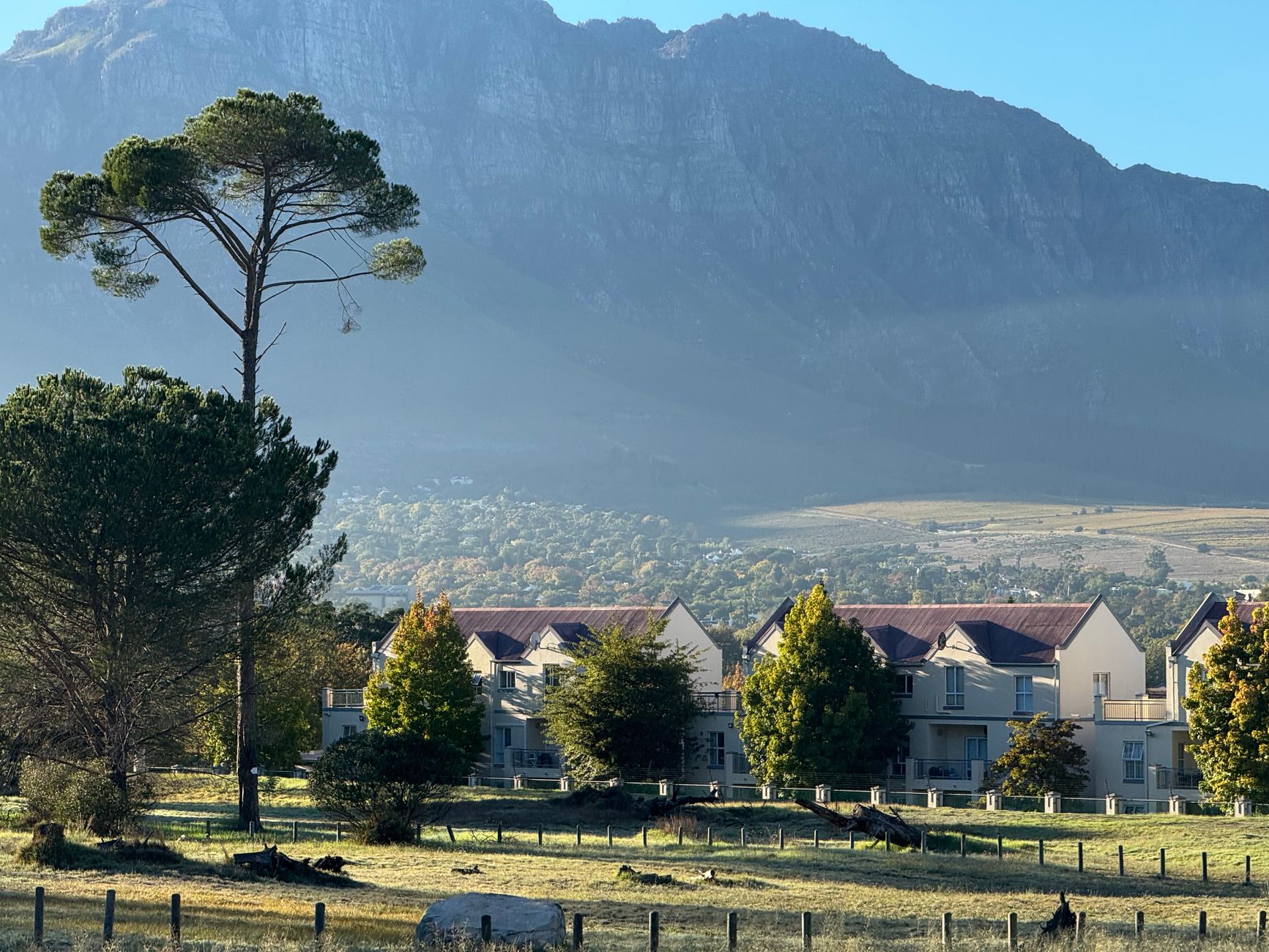
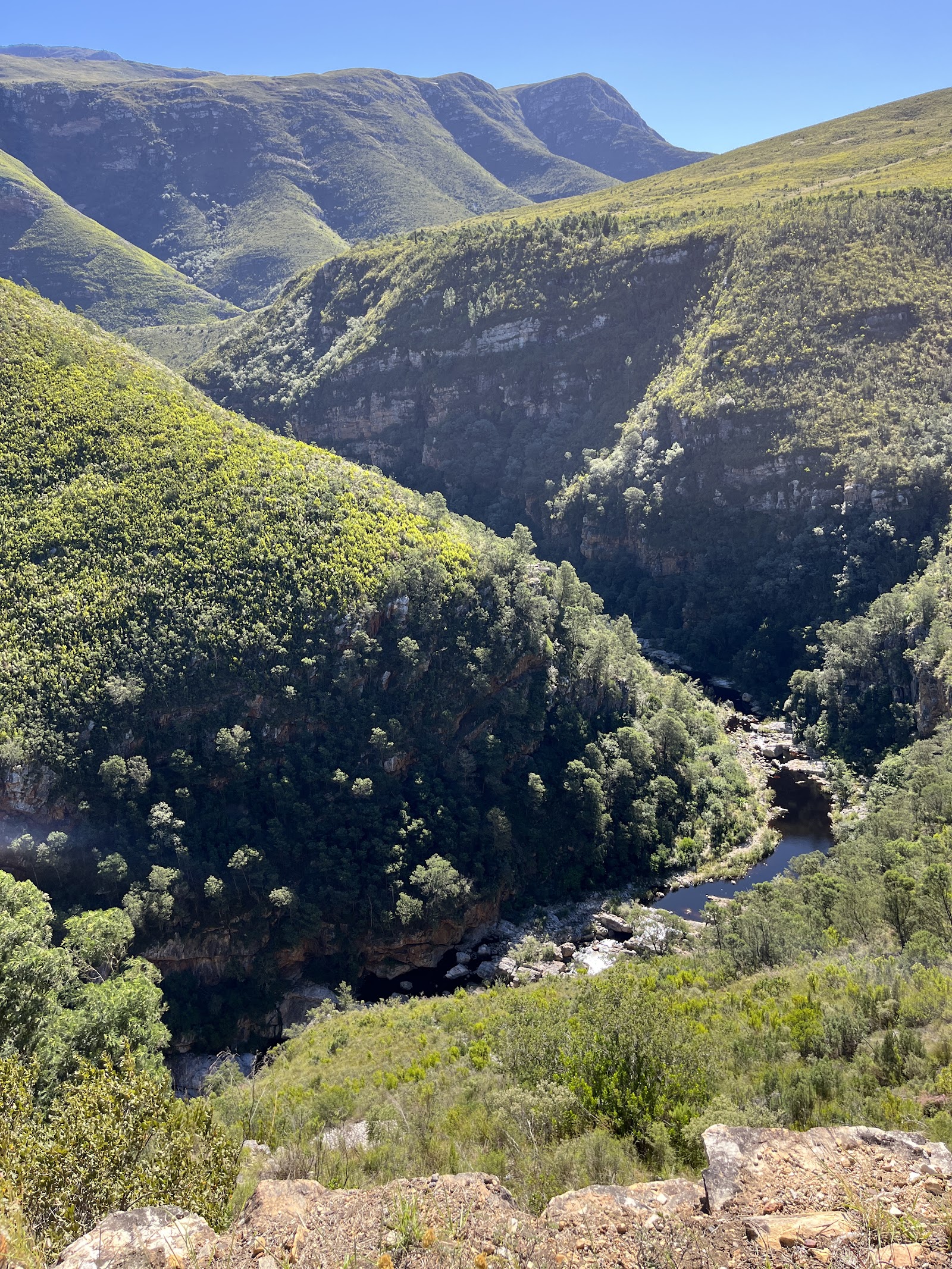
The landscape shifts dramatically as you move through it: fynbos-covered mountains dropping into cold Atlantic surf in the Western Cape, thornveld stretching toward Mozambique in the east, semi-desert in the northwest. Eleven official languages. Three capital cities. One country that rewards slow, attentive travel.
Popular regions in South Africa
Roundtrips through South Africa
Deals in South Africa
Book directly at the provider


How South Africa came to be
People have lived here longer than almost anywhere else on earth — the Klasies River Caves on the Eastern Cape coast hold some of the oldest evidence of anatomically modern humans. When Bartolomeu Dias rounded the coastline in 1488, he was the first European to do so. The Dutch East India Company followed in 1652, establishing a provisioning post at the Cape that grew into a full colony, drawing enslaved people from across the Indian Ocean world and displacing the Khoikhoi who had grazed the land for centuries.
British control, the Anglo-Boer Wars, and the 1910 union of four colonies into a self-governing dominion each reshaped the country's political geography. The National Party's election in 1948 formalized racial segregation into apartheid — a system of codified dispossession enforced for nearly five decades. The republic declared in 1961 was still an apartheid state. Full repeal came in 1994, when Black South Africans voted for the first time and Nelson Mandela became president.
Who and what shaped it
People who shaped it
Landmark buildings
See South Africa in motion
Plan your visit
On the map
When to go
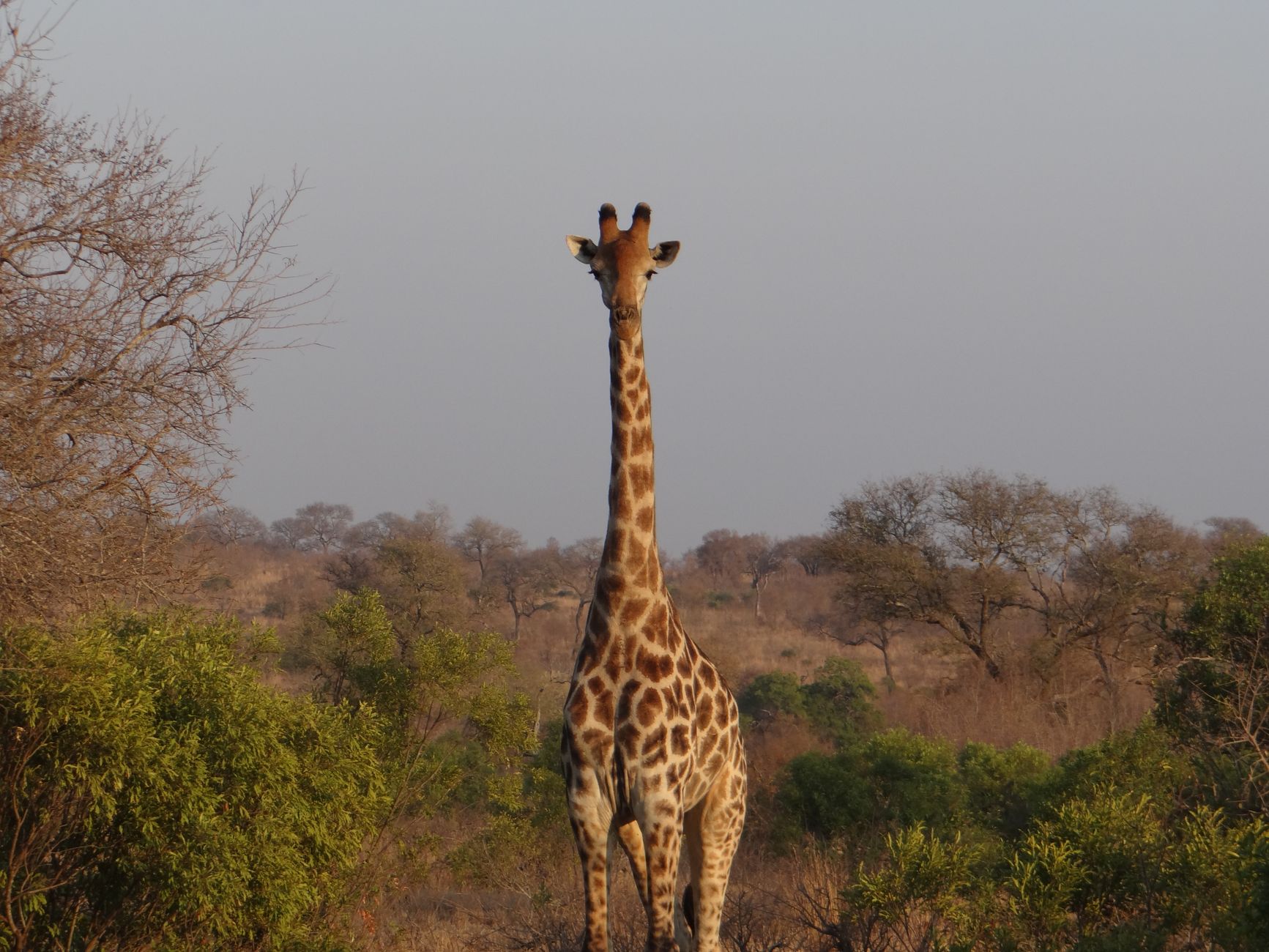
When and where you travel matters enormously here. The Western Cape — Cape Town and the Winelands — runs on a Mediterranean rhythm: rain falls May through September, while October to April brings warm, dry days around 26°C. The interior and the east, including Kruger, are the opposite: summers (December–February) bring oppressive heat and afternoon downpours, while the dry winter months of May to September offer cooler mornings, clear skies, and easier wildlife viewing.
Right now
↡ Regions
↡ Attractions

No places match these filters.
Background & history adapted from Wikipedia (CC BY-SA) · specs from Wikidata (CC0) · weather from Open-Meteo · map data © OpenStreetMap contributors · photos from Wikimedia Commons / Unsplash with per-image credit. No third-party reviews or social posts reproduced.