
Knysna
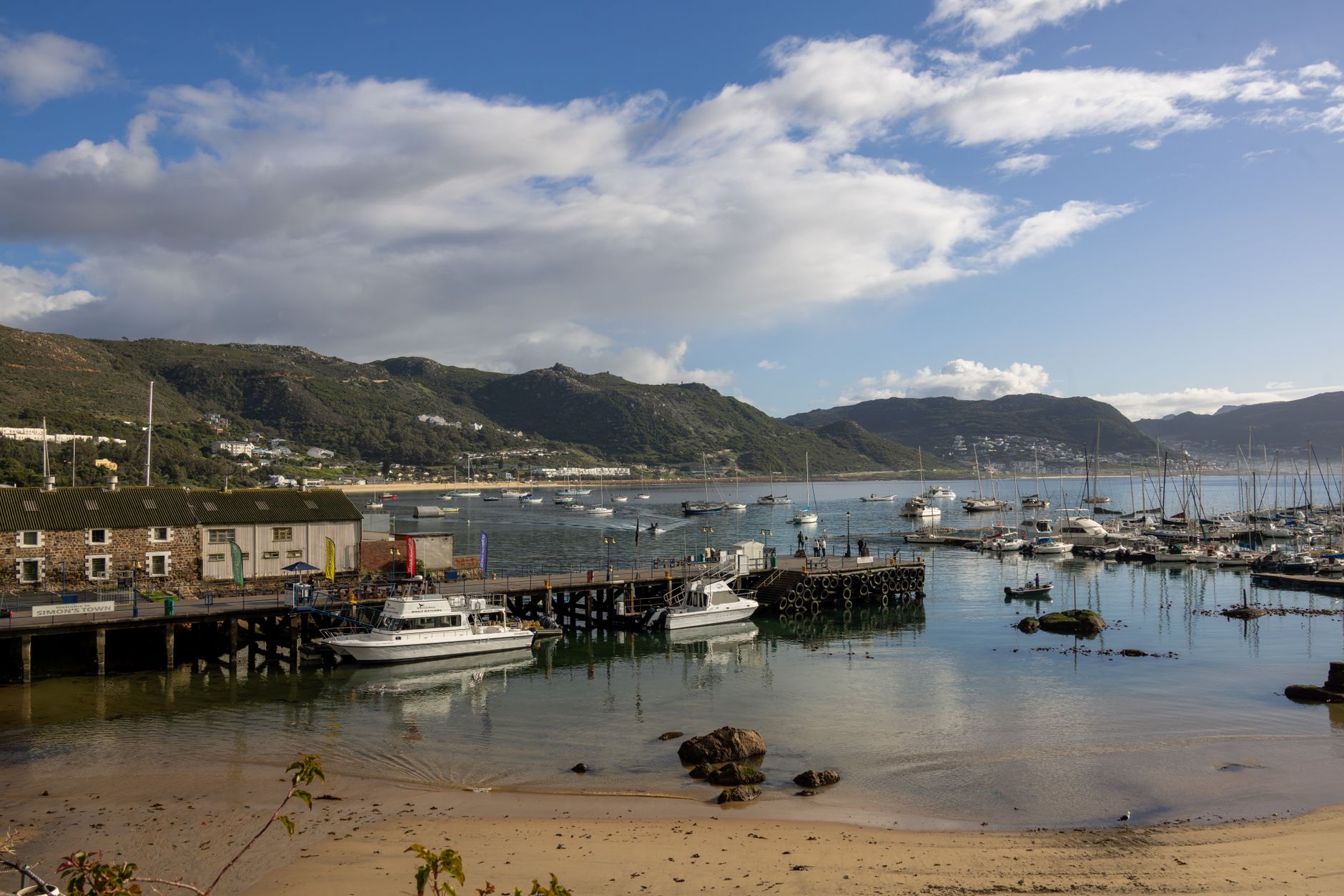
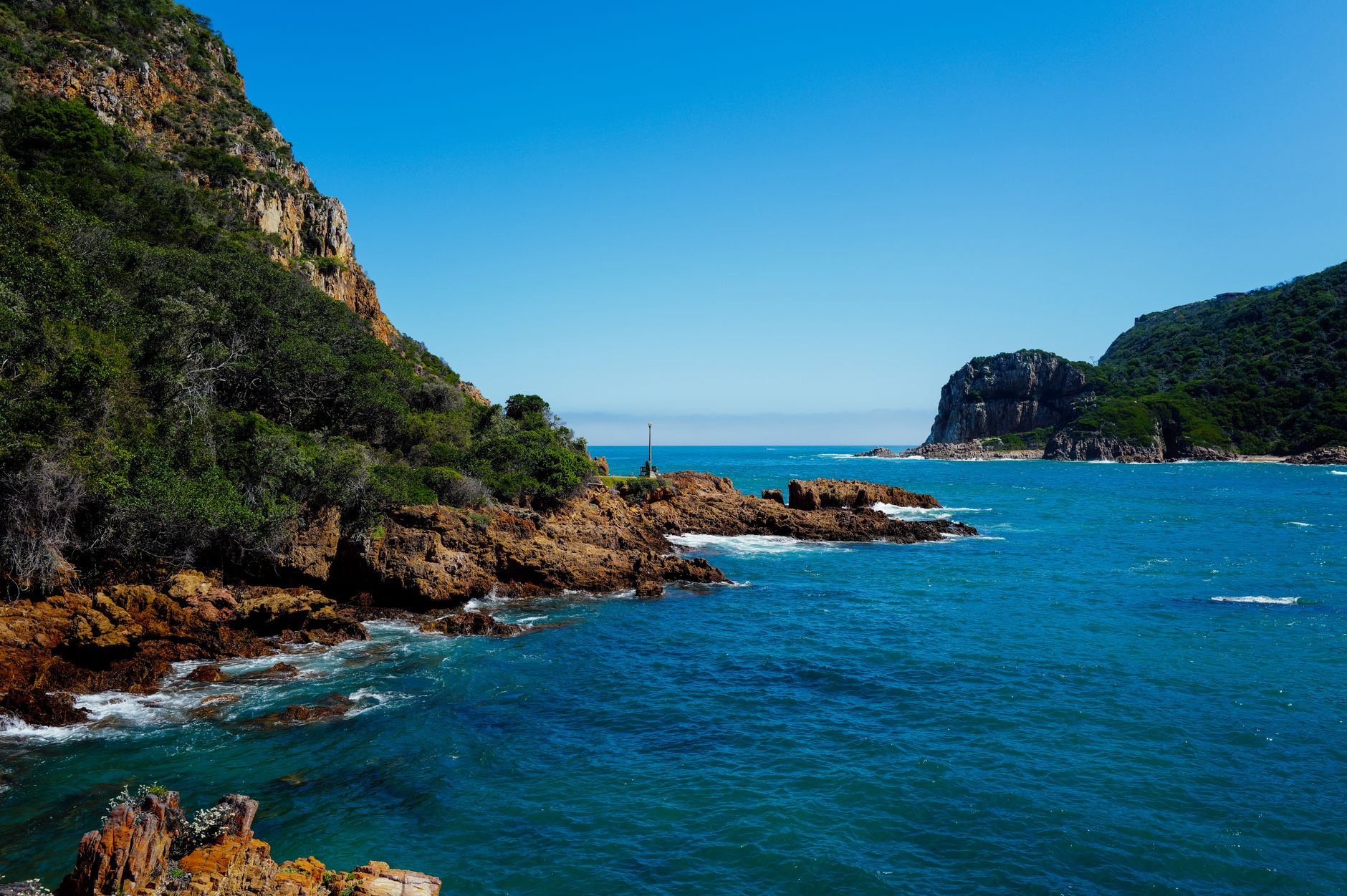
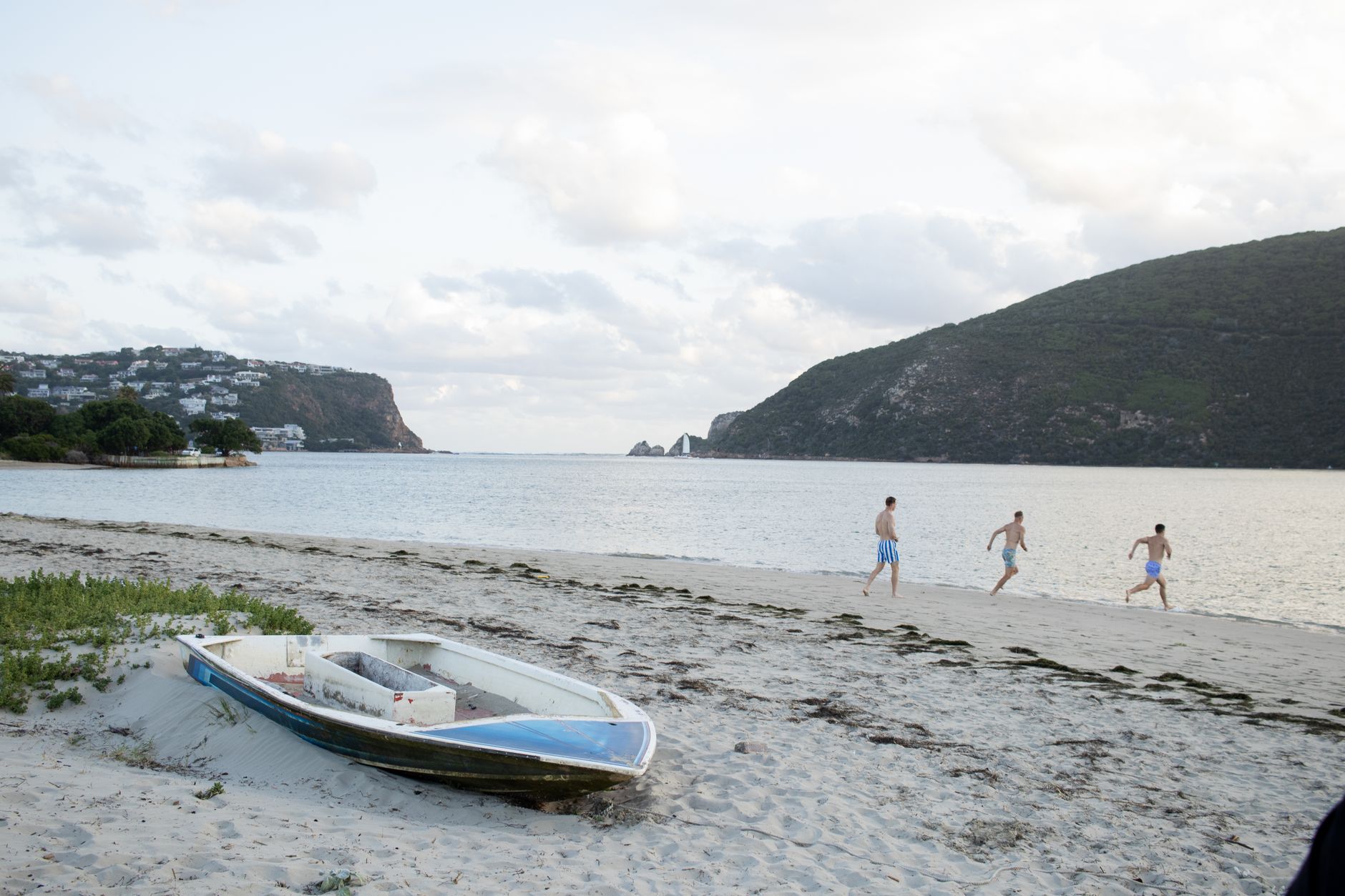
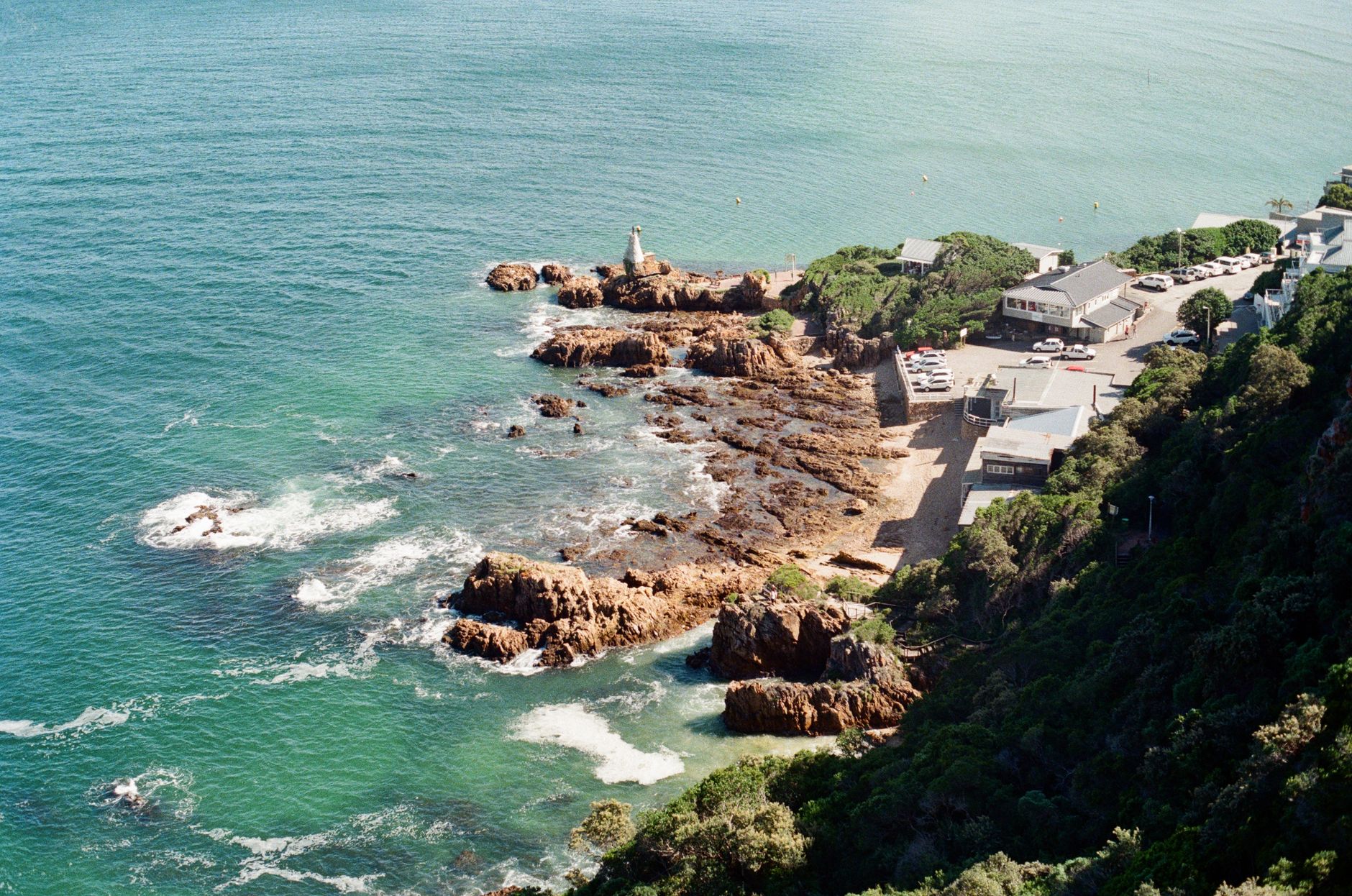
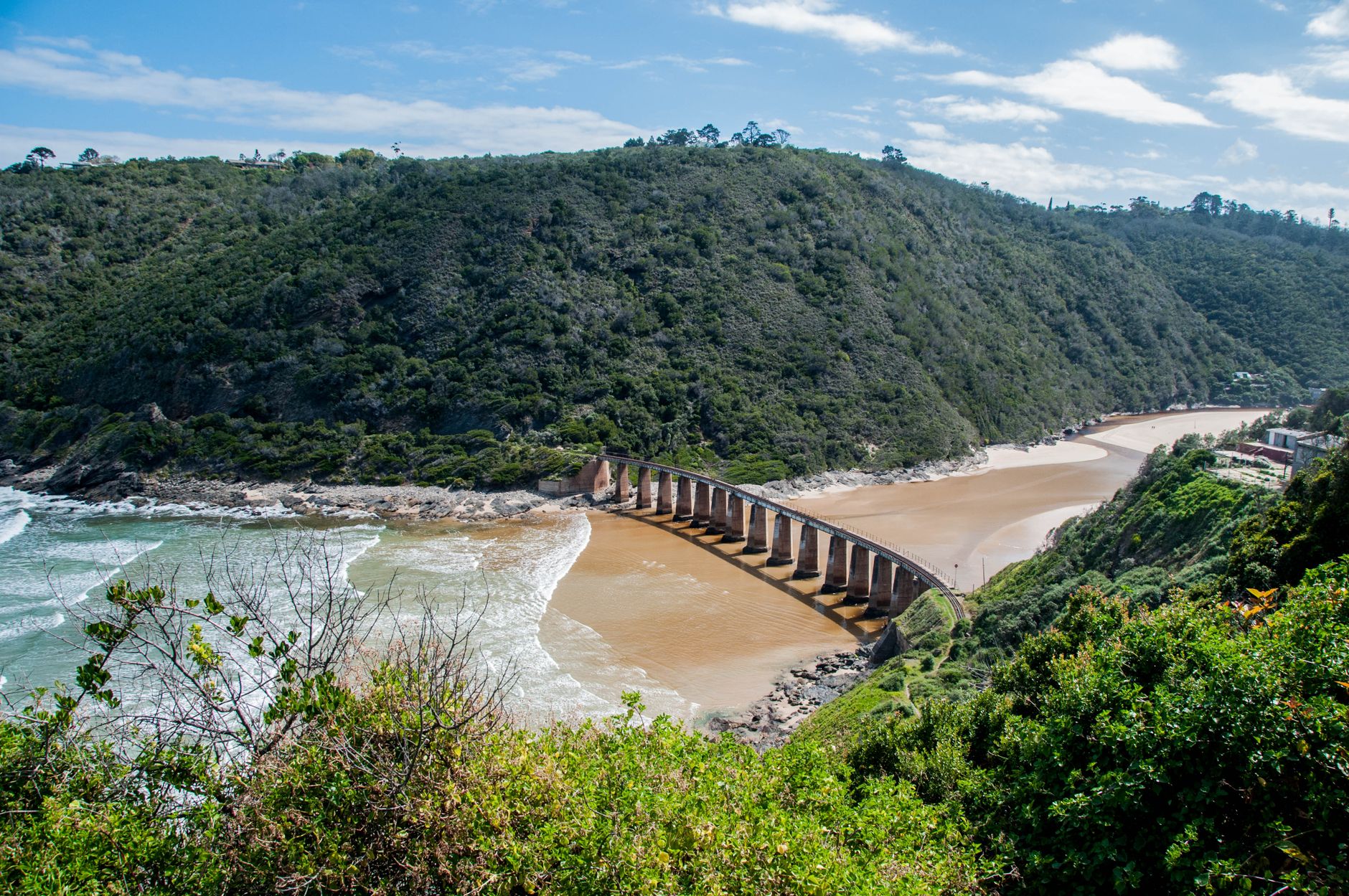
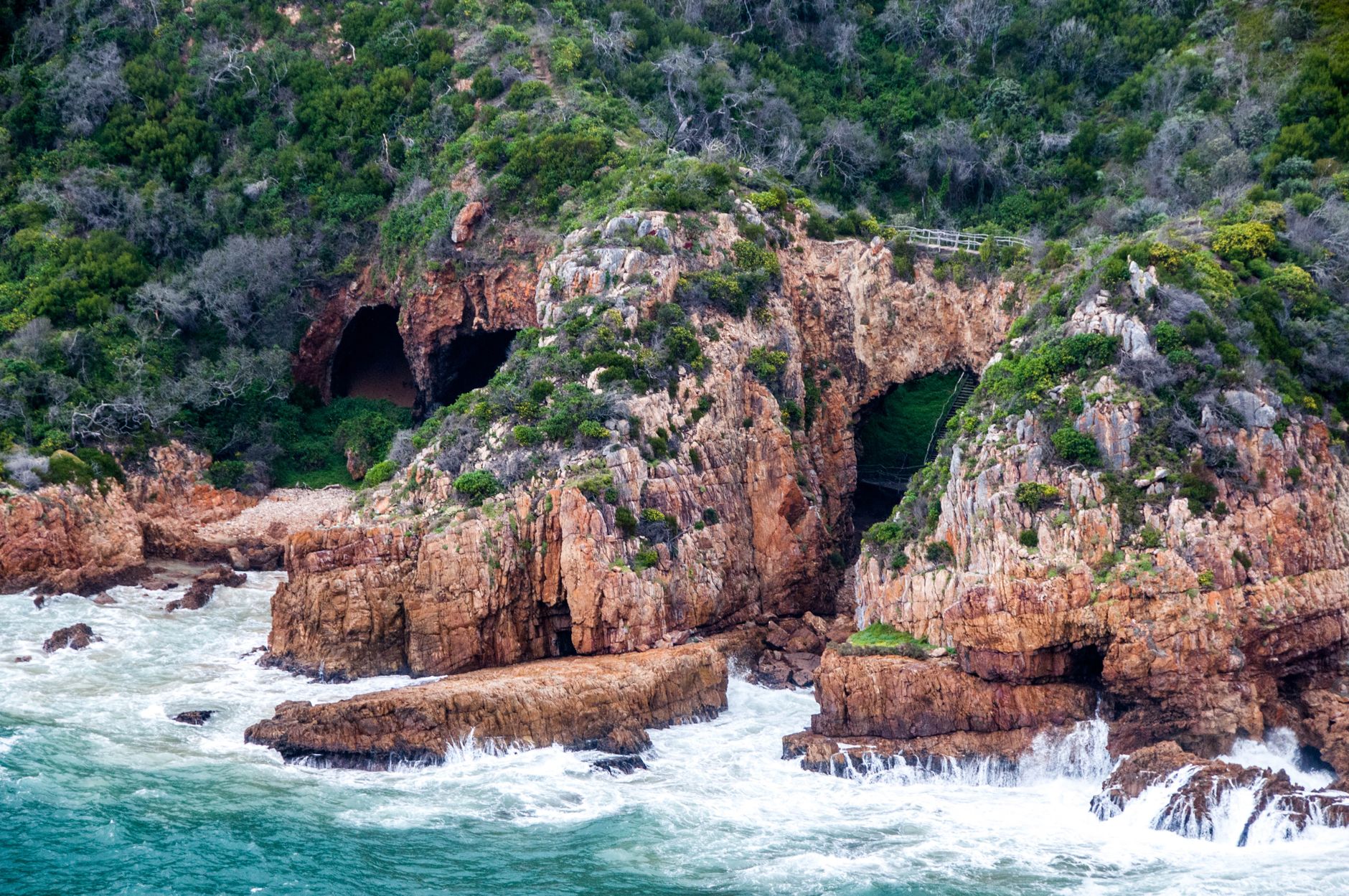
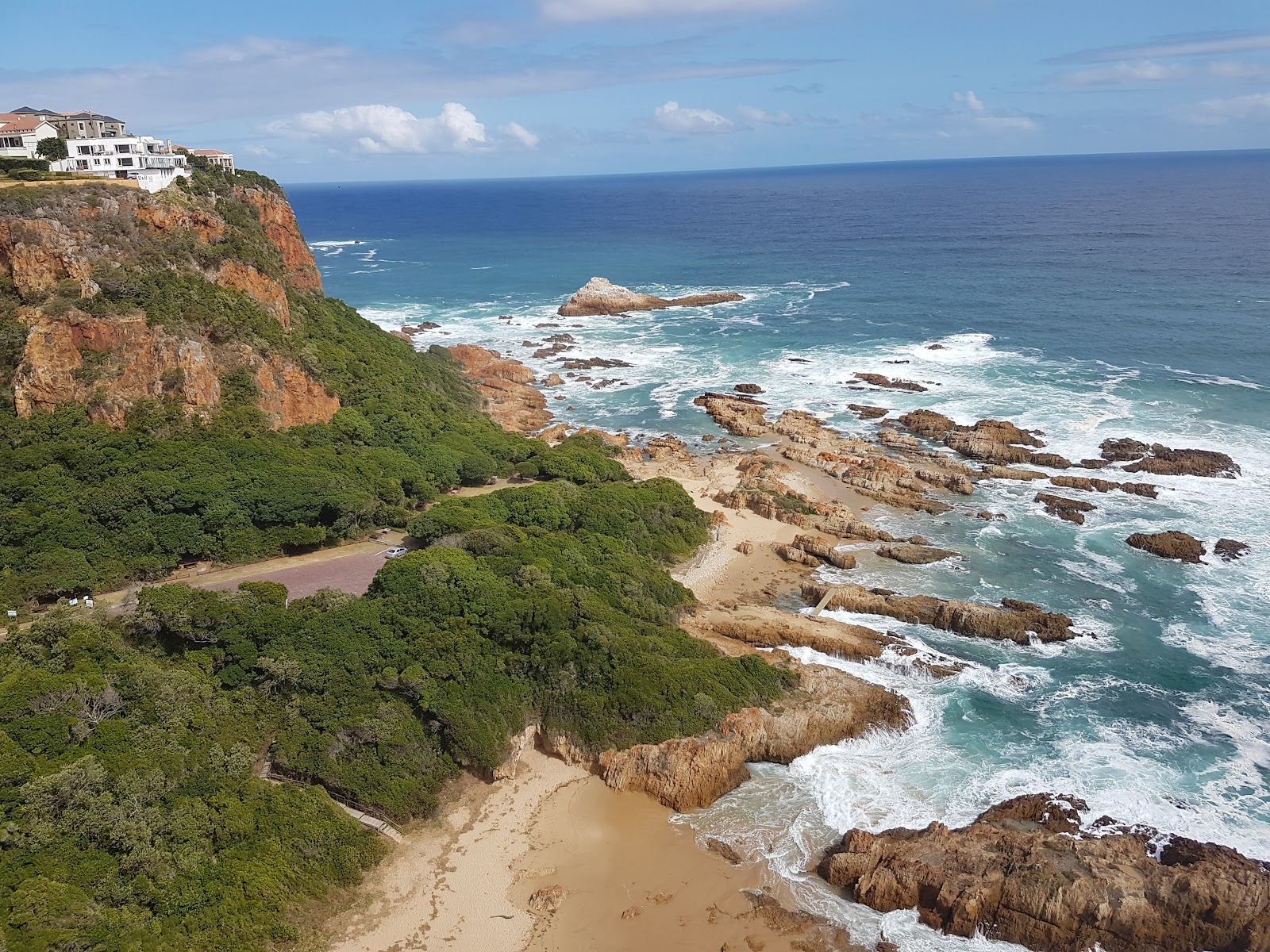
Knysna is defined by water and wood. The lagoon — broad, tidal, pinched at its mouth by two sandstone cliffs called the Heads — shapes almost everything here: the light in the morning, the smell of the air, the pace at which people move through the day. Behind the town, the Knysna Forest runs deep into the hills, one of the last remnants of the great Afrotemperate woodland that once covered this coast.
This is a region that rewards slowness. The N2 brings you through in an hour, but Knysna has a way of extending its grip — a walk along the lagoon edge, an afternoon in the old quarter, a boat trip out toward the Heads where the Indian Ocean swells roll in from the open water.
Popular cities in Knysna

How Knysna came to be
People have lived around this lagoon for an extraordinary stretch of time — fossilised hominid footprints in the area date to roughly 90,000 years ago. The Houtunqua, a Khoekhoe people whose name translates as 'The People Who Bear Honey', were the indigenous inhabitants when Europeans first arrived in 1760. The first European farmer, Stephanus Terblans, was granted a loan permit to work the eastern shore in 1770, establishing the farm Melkhoutkraal.
It was George Rex, a British-born entrepreneur, who gave the settlement its shape, acquiring Melkhoutkraal in 1804. The town that eventually incorporated in 1881 grew on timber — Norwegian settler Arnt Leonard Thesen opened the first trading store in 1870, and Birmingham industrialist George Parkes purchased over 3,400 hectares of forest in the 1880s and built the first sawmill. A brief gold rush followed the discovery of a nugget in a riverbed in 1876, making Knysna home to the first proclaimed goldfield in South Africa.
Who and what shaped it
People who shaped it
Landmark buildings
See Knysna in motion
Plan your visit
On the map
When to go
Knysna receives rainfall year-round rather than in a distinct wet season, so overcast days are possible in any month. Summer is warm and can be humid; winter is mild by South African standards, with cool evenings and occasional mist rolling in off the forest.
Right now
↡ Attractions
Background & history adapted from Wikipedia (CC BY-SA) · specs from Wikidata (CC0) · weather from Open-Meteo · map data © OpenStreetMap contributors · photos from Wikimedia Commons / Unsplash with per-image credit. No third-party reviews or social posts reproduced.