
Switzerland
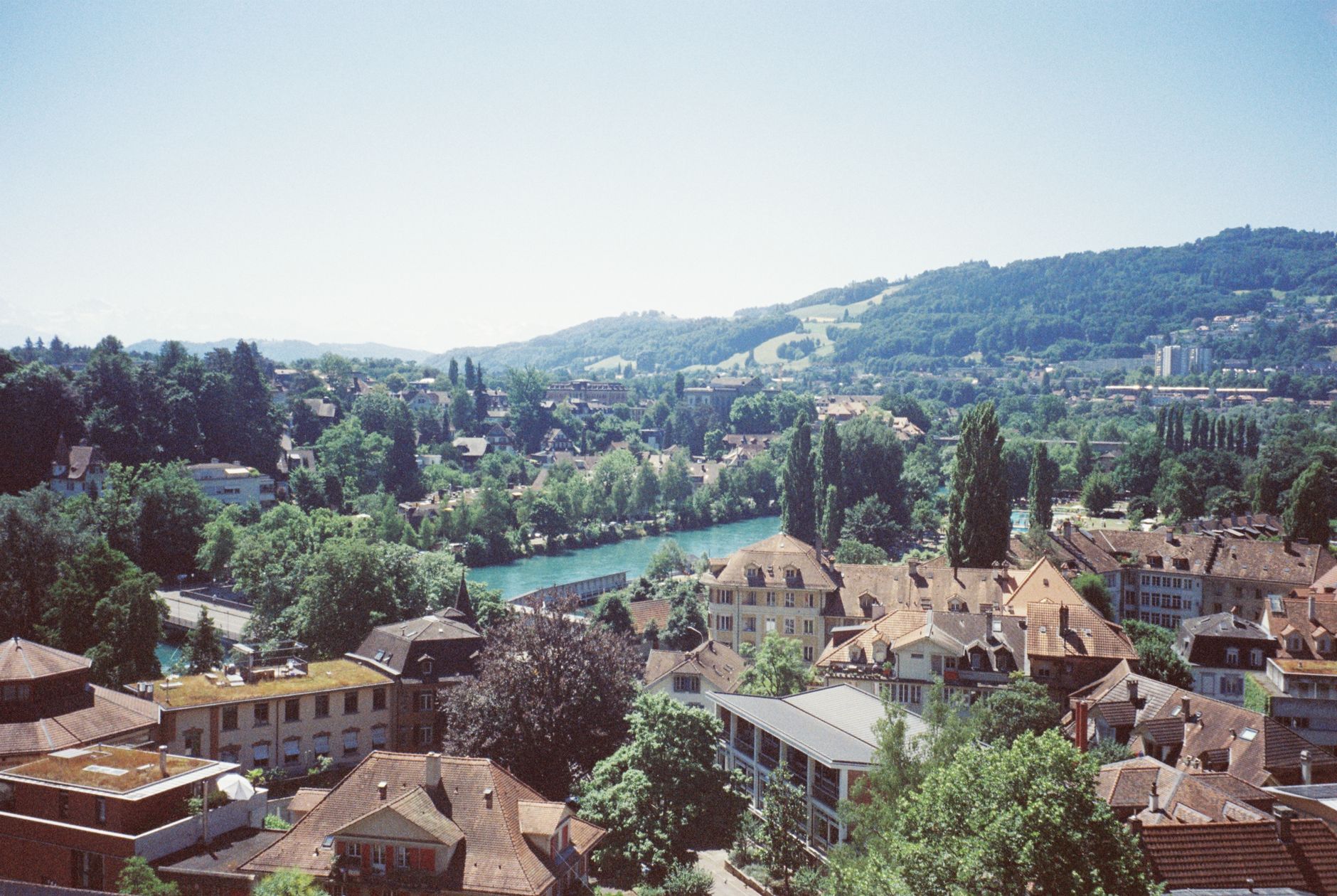
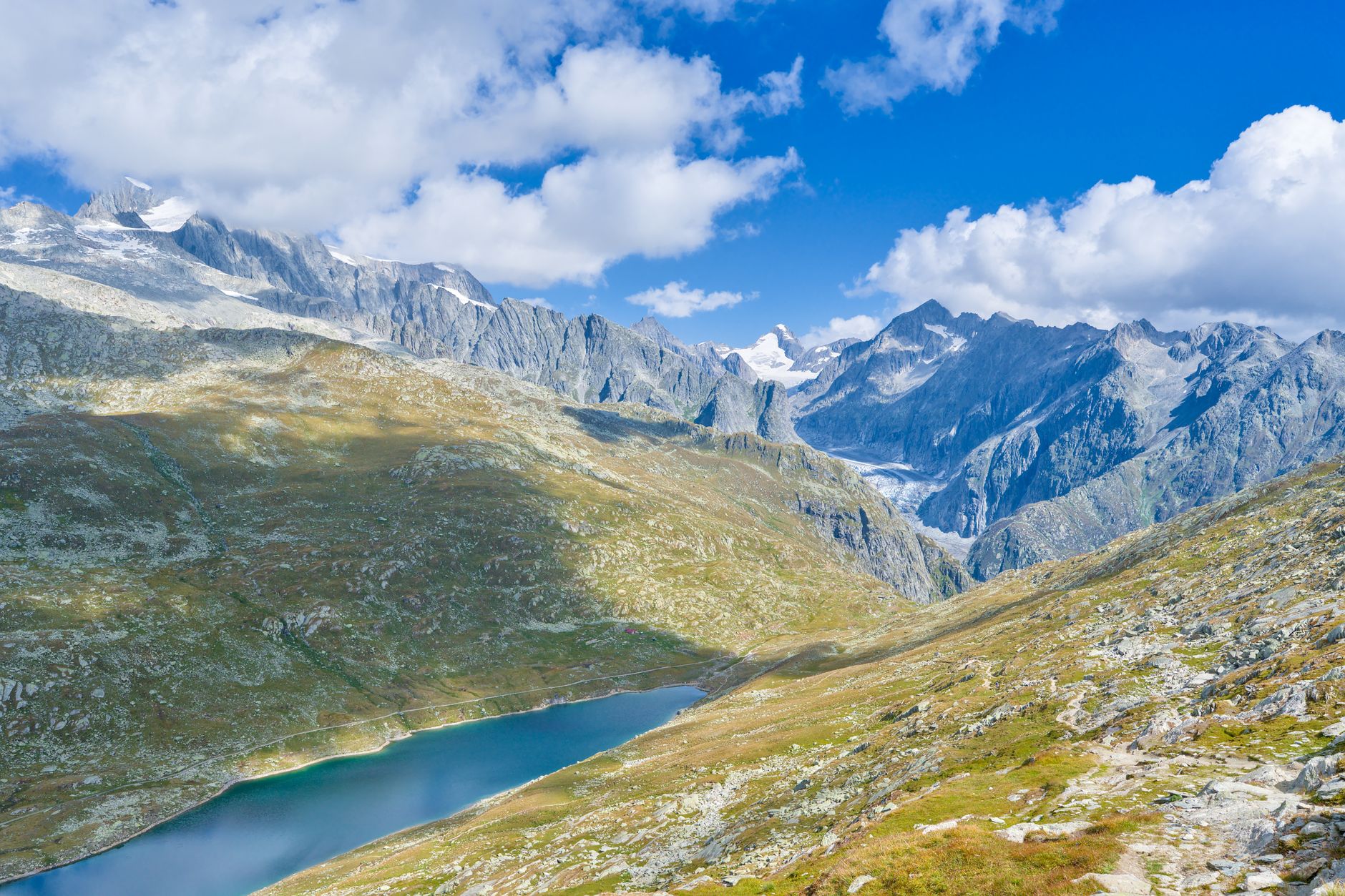
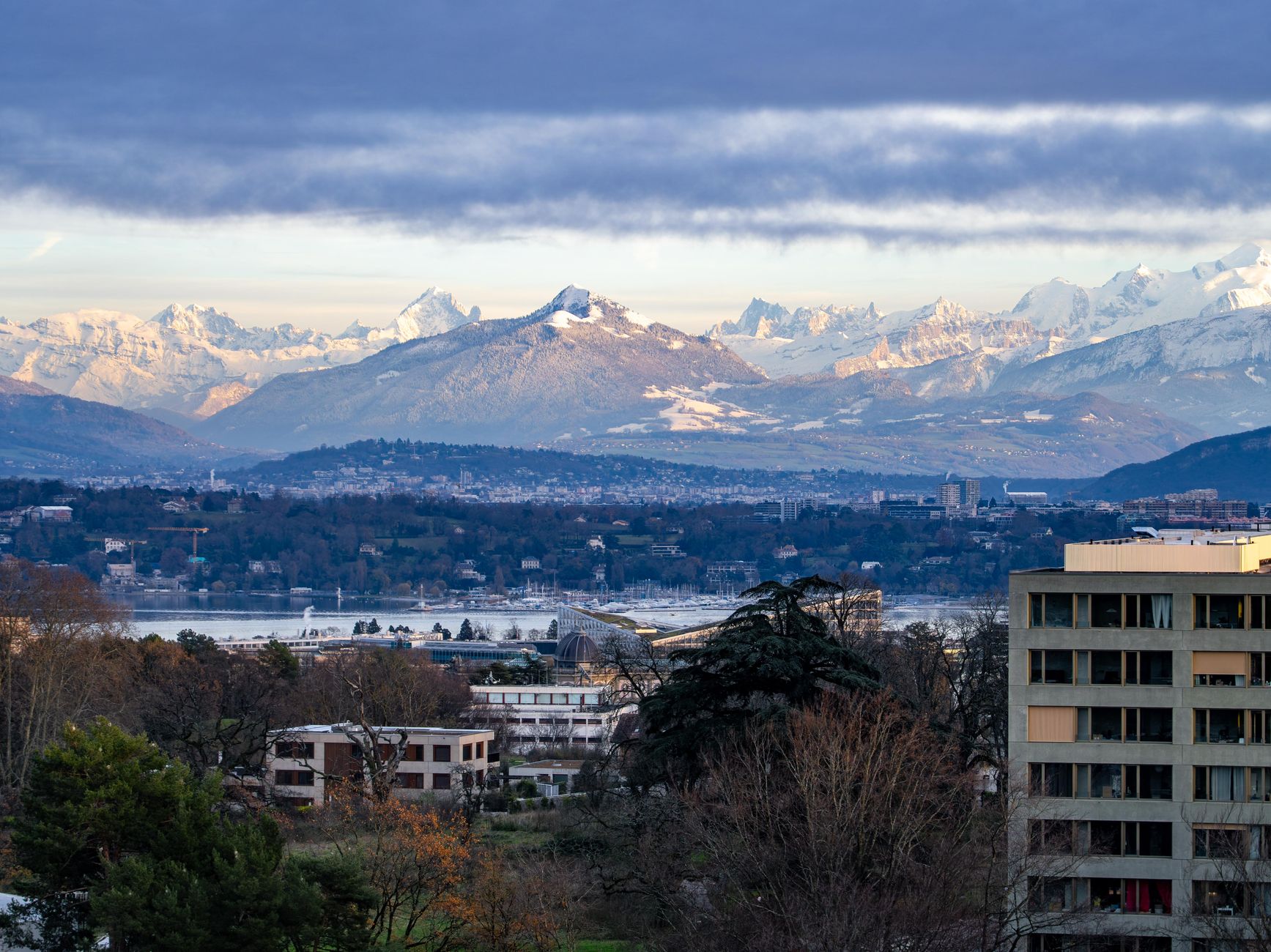
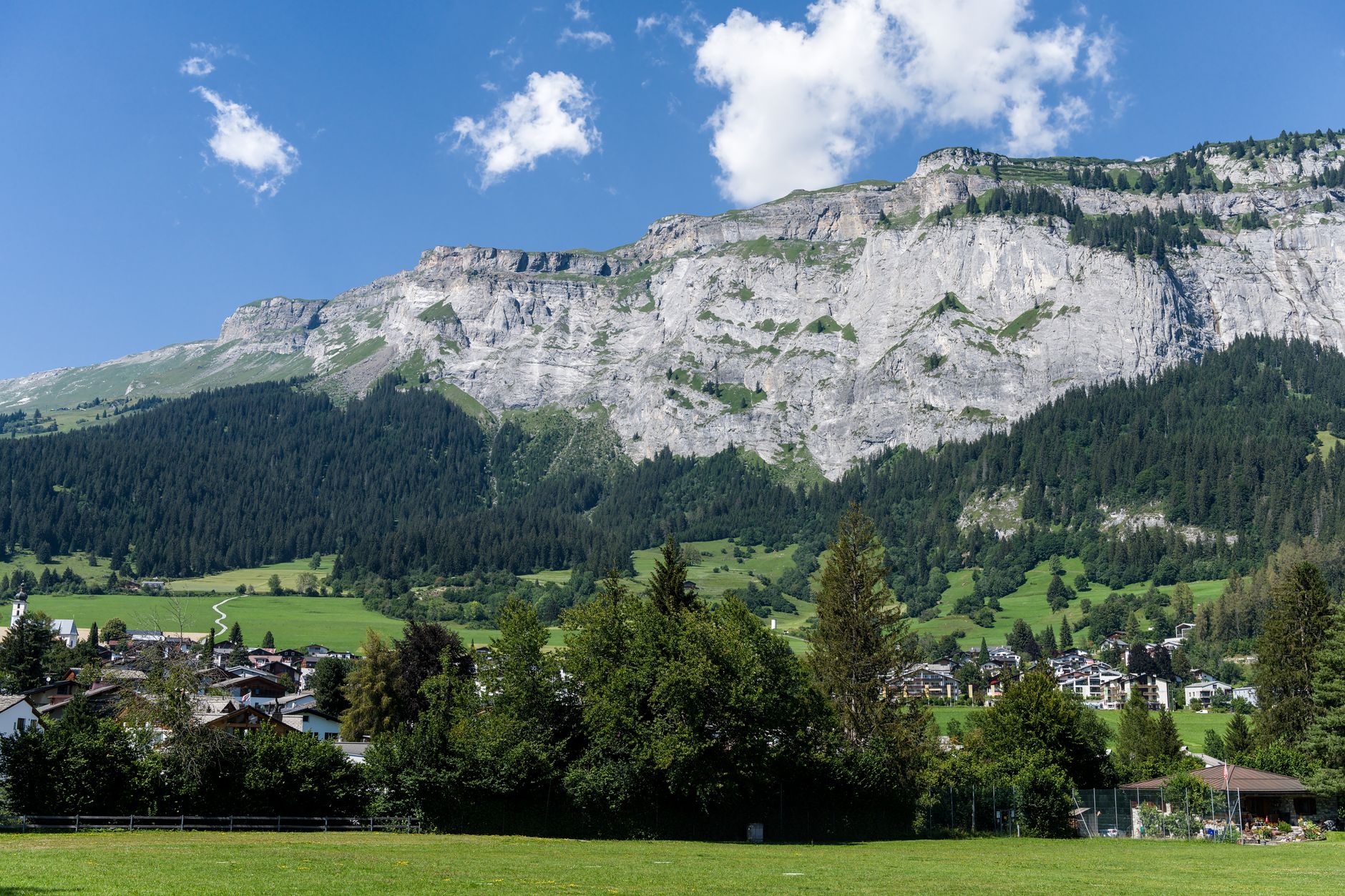
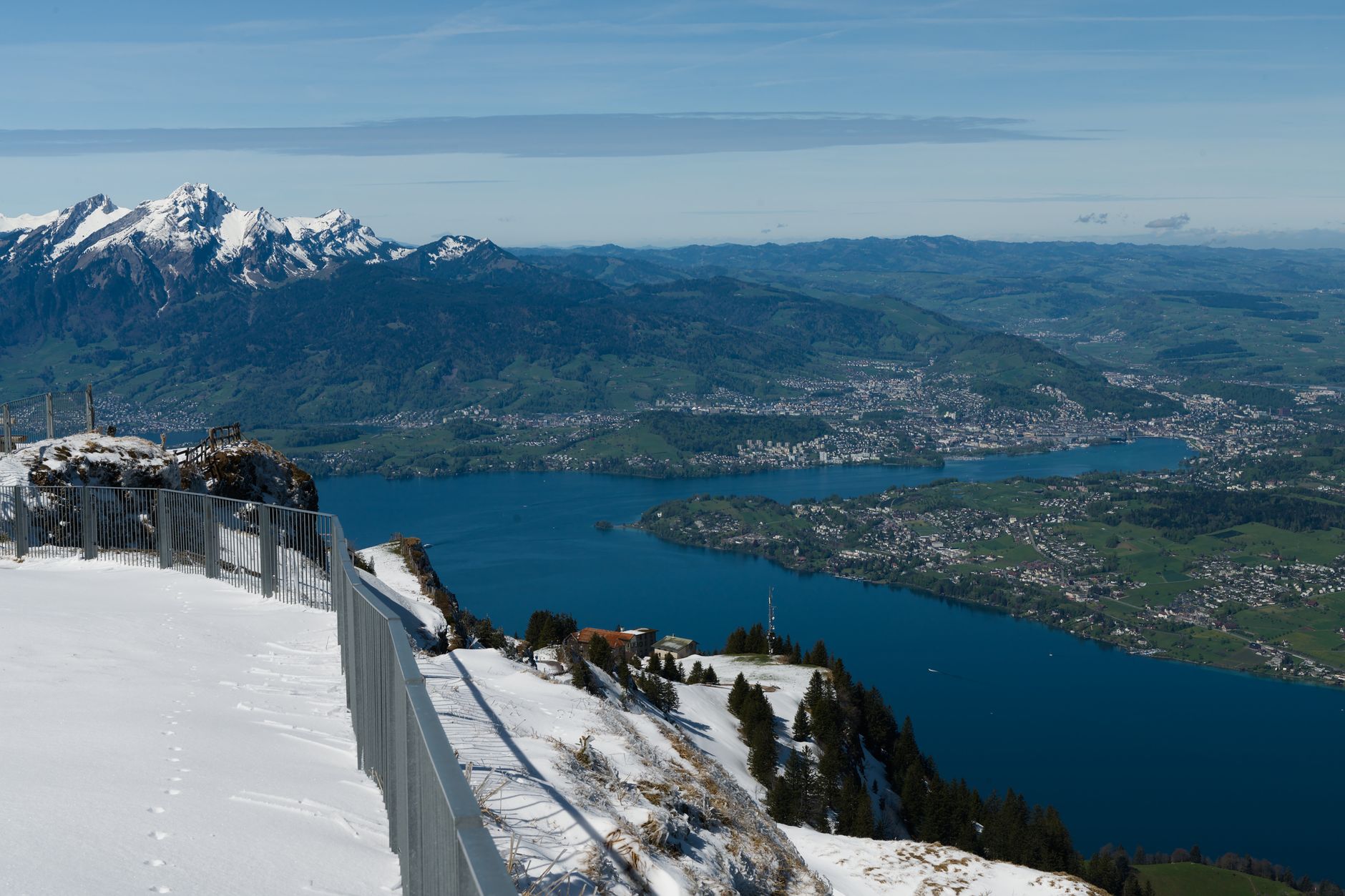
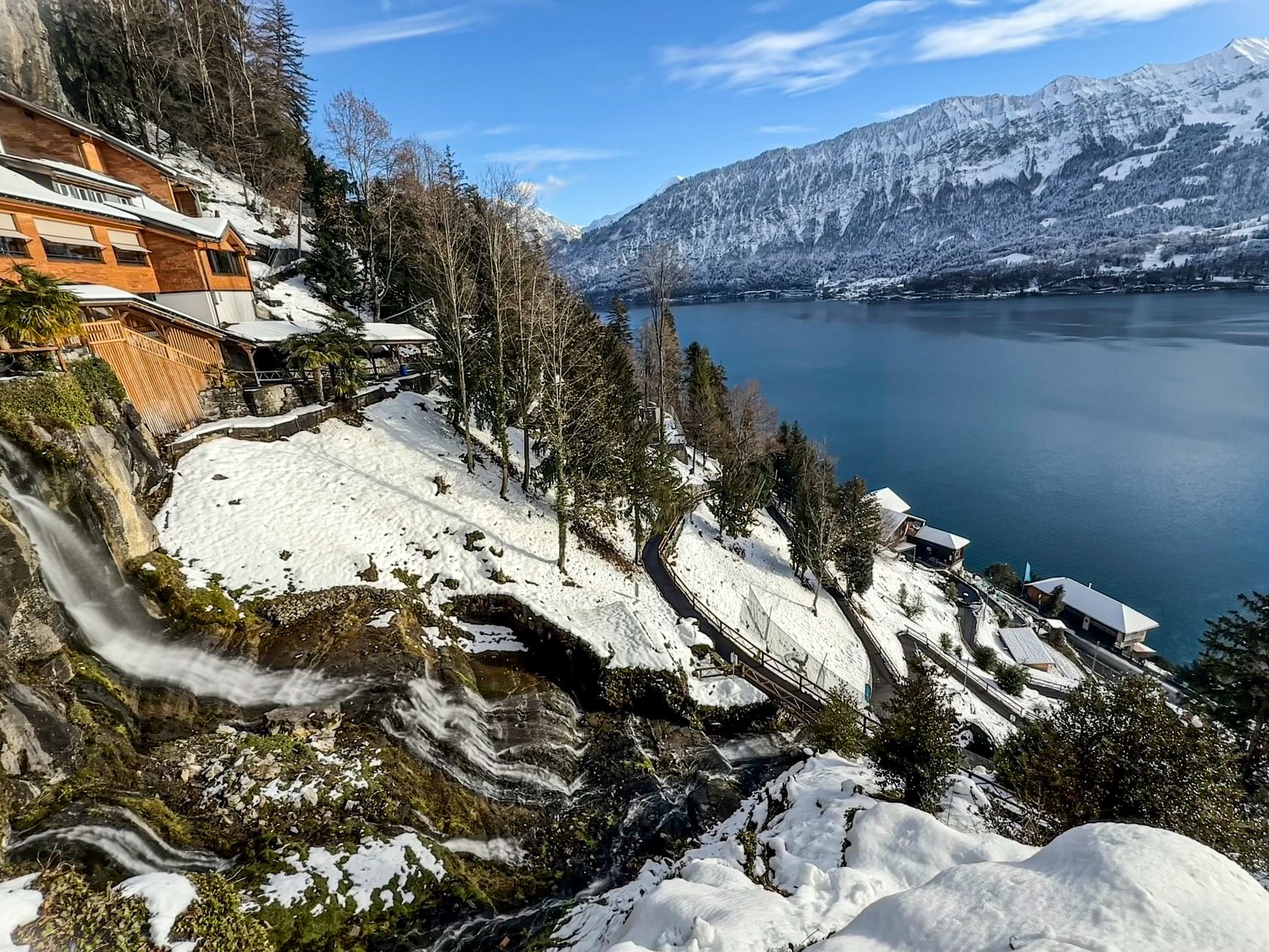
Switzerland runs its trains so precisely that the national timetable is built around a clock-face: intercity services leave at the top and bottom of the hour, and regional buses and trains slot in around them. It is a small, landlocked country in central Europe — four languages, twenty-six cantons, and an Alpine spine that splits its climate almost in two — and that same instinct for coordination runs through most of how it works.
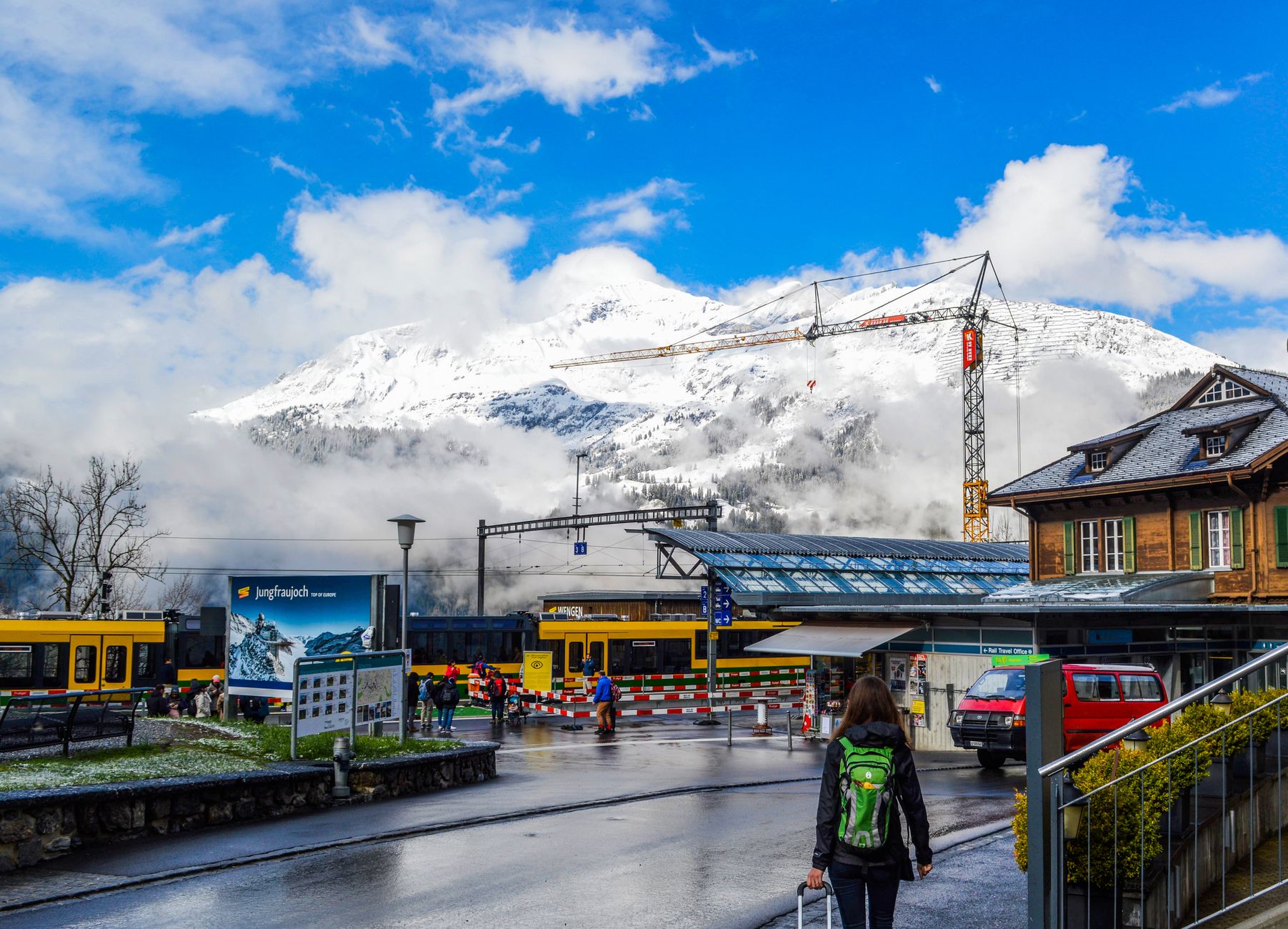
To travel here is to move between genuinely distinct worlds: the Germanic north, the French-speaking west, the Italian warmth of Ticino south of the Alps, and the Romansh-speaking valleys in between. The rail network, operated by SBB, is the most intensively used in Europe — roughly one train every nine minutes on any given line.
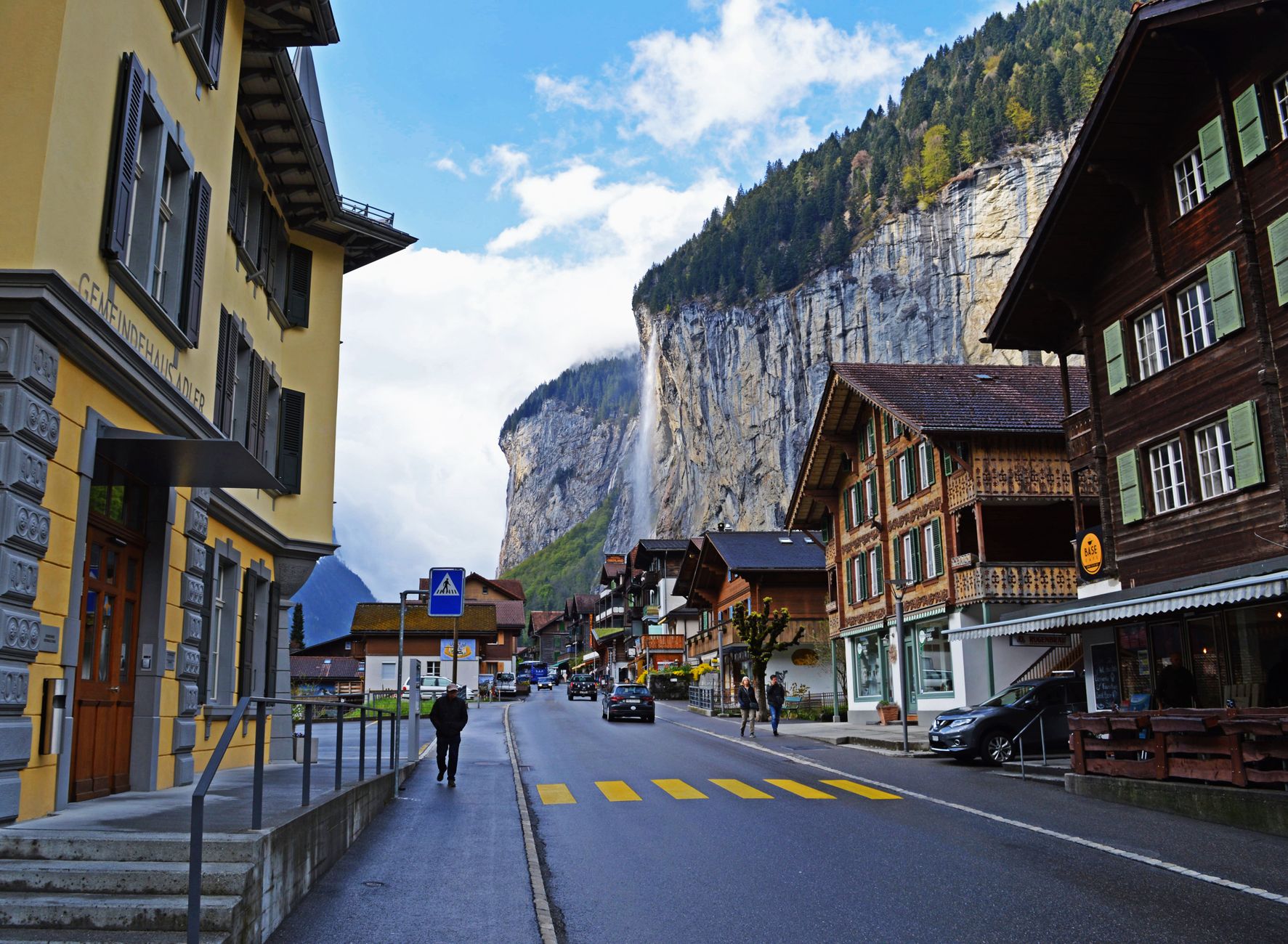
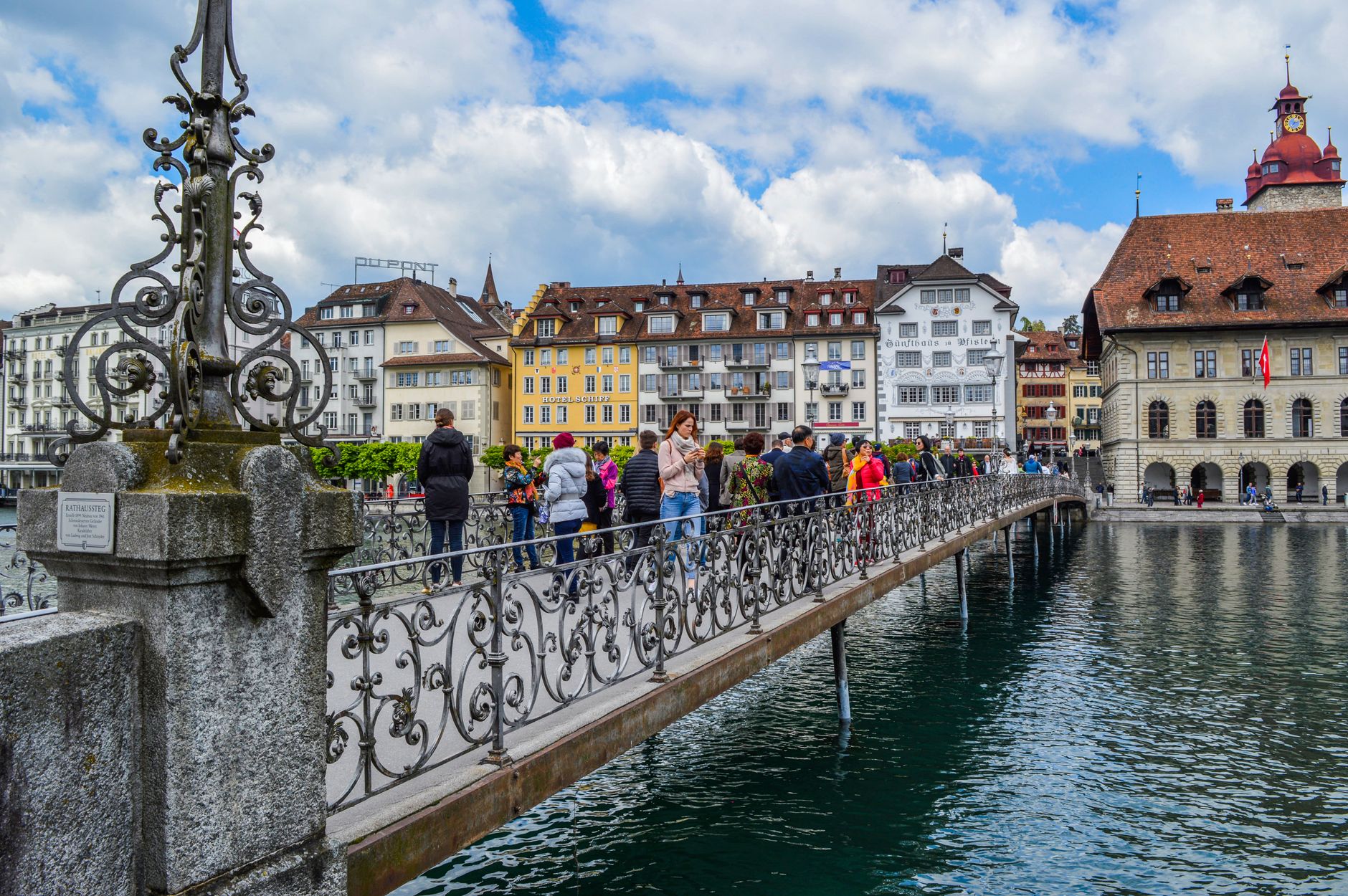
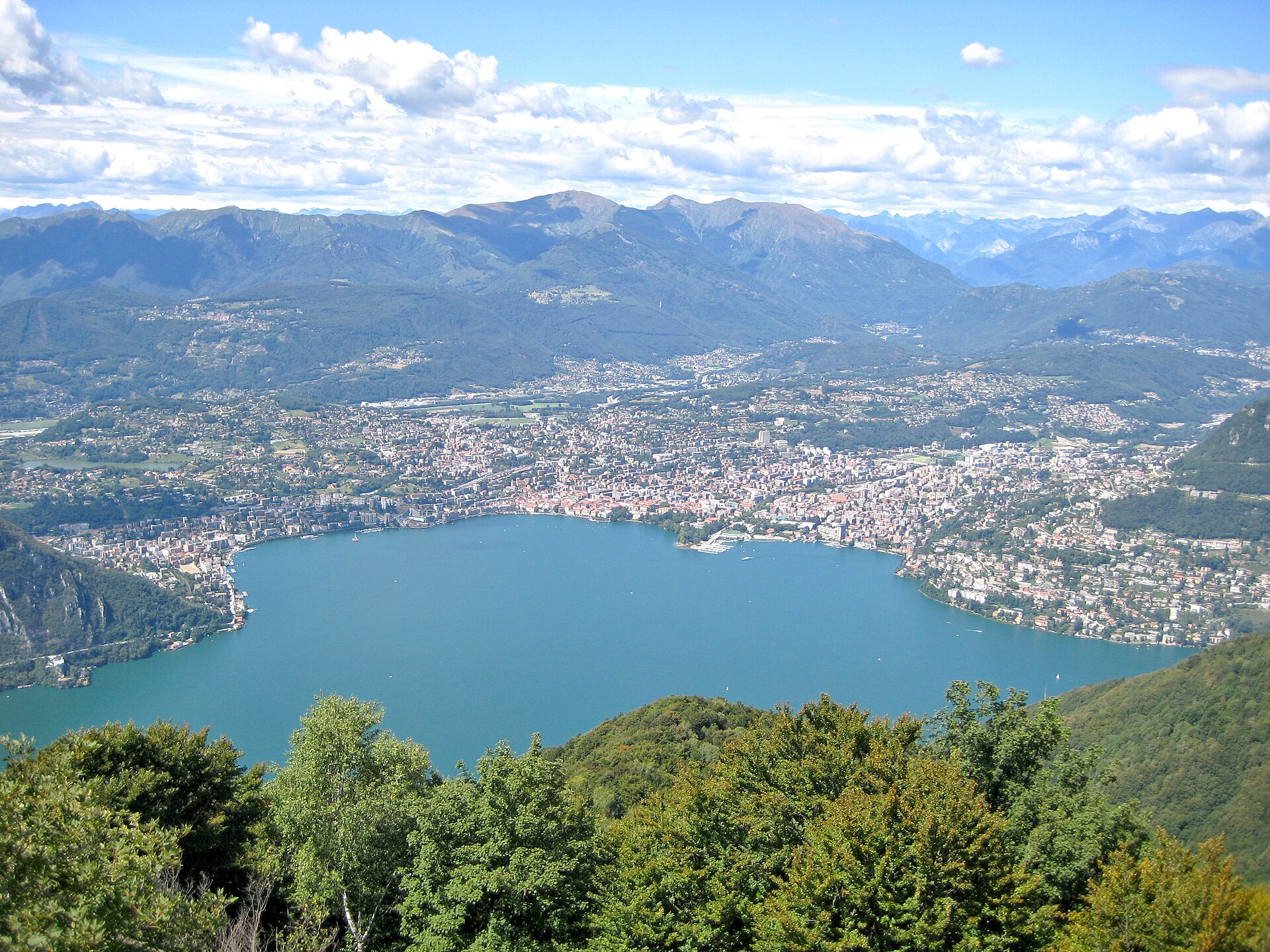
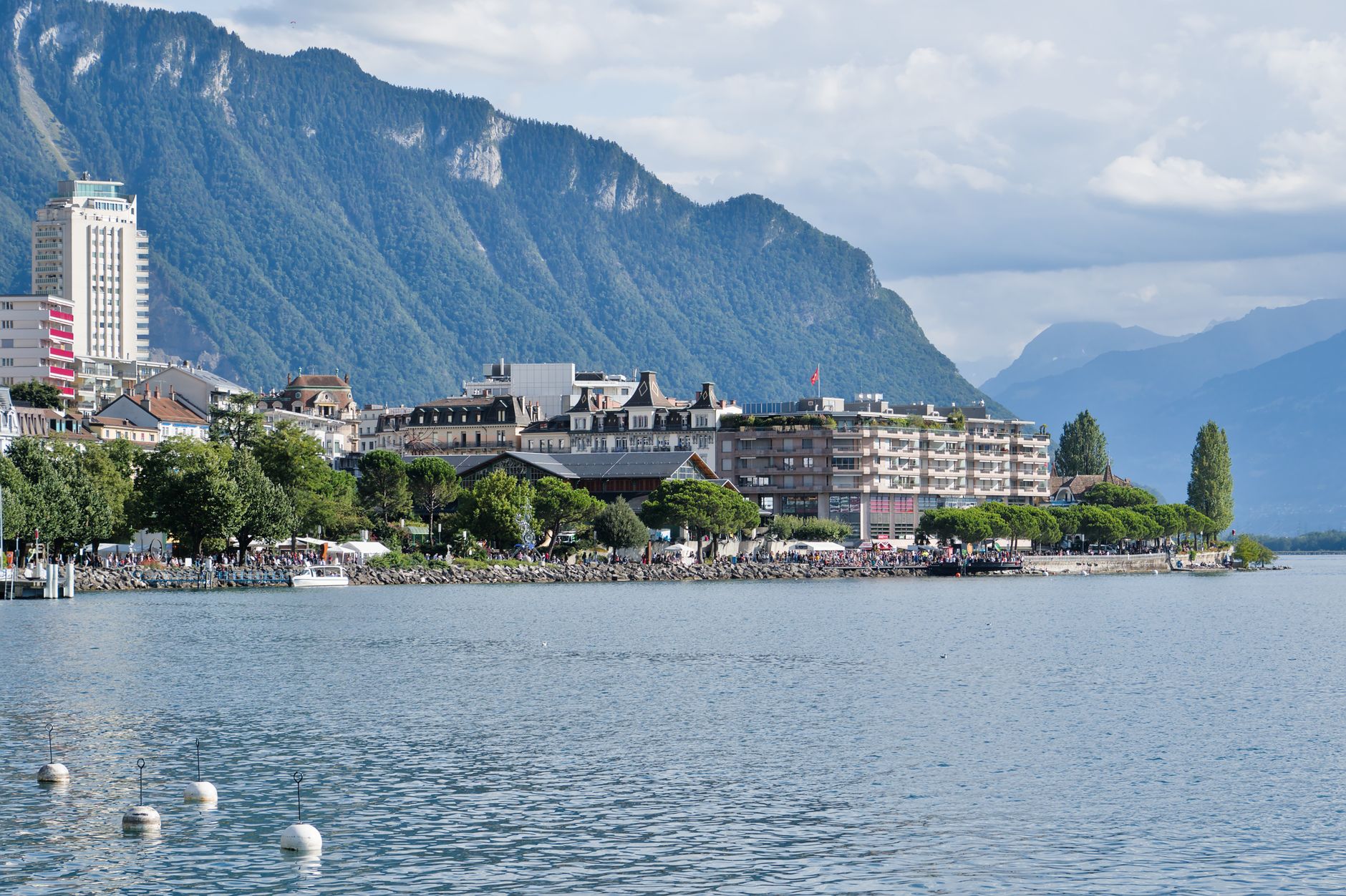
Popular regions in Switzerland
💛 What travellers fall for
People who return tend to pick a base and go deep rather than covering ground. The Swiss Travel Pass (available for 3, 4, 6, 8, or 15 consecutive days) removes most friction, and no reservation is needed even on major intercity routes. Supersaver tickets on SBB can cut costs by up to 70 percent if you book early.
Deals in Switzerland
Book directly at the provider


How Switzerland came to be
On 1 August 1291, the three forest cantons of Uri, Schwyz, and Unterwalden signed the Federal Charter — a mutual defence pact concluded in the aftermath of Emperor Rudolf I of Habsburg's death. That document is now regarded as Switzerland's founding text, though scholars have noted it may have been written as late as 1309 and backdated. By 1353, the original three had grown to eight, adding Glarus, Zug, Lucerne, Zürich, and Bern to form the Old Federation.
Formal independence from the Holy Roman Empire came with the Peace of Westphalia in 1648. The country took its modern shape with the Federal Constitution of 1848, which transformed a loose alliance of cantons into a federal state. The name Switzerland itself derives from Schwyz, one of those three original forest communities.
Who and what shaped it
People who shaped it
Landmark buildings
See Switzerland in motion
Plan your visit
On the map
When to go
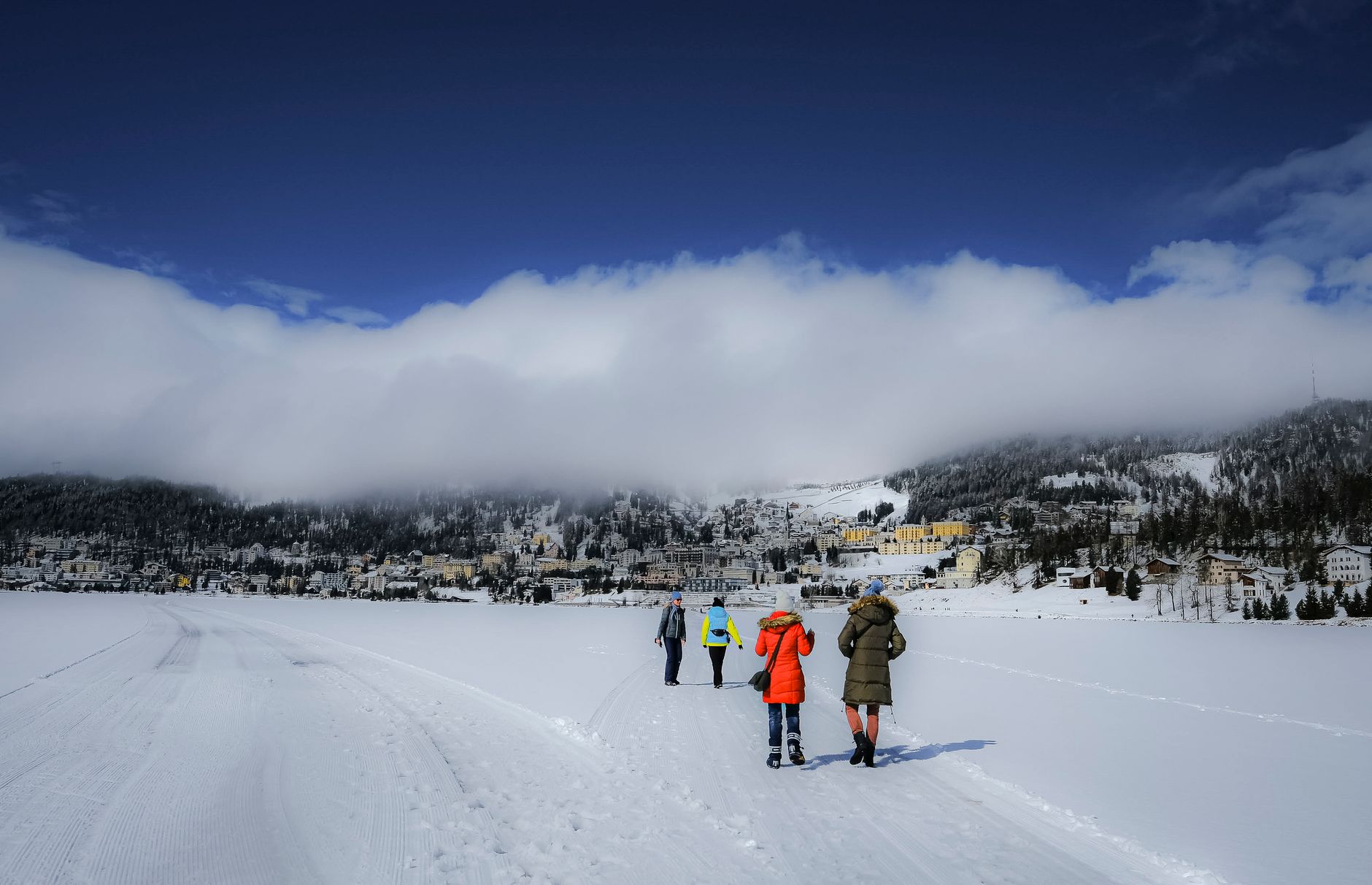
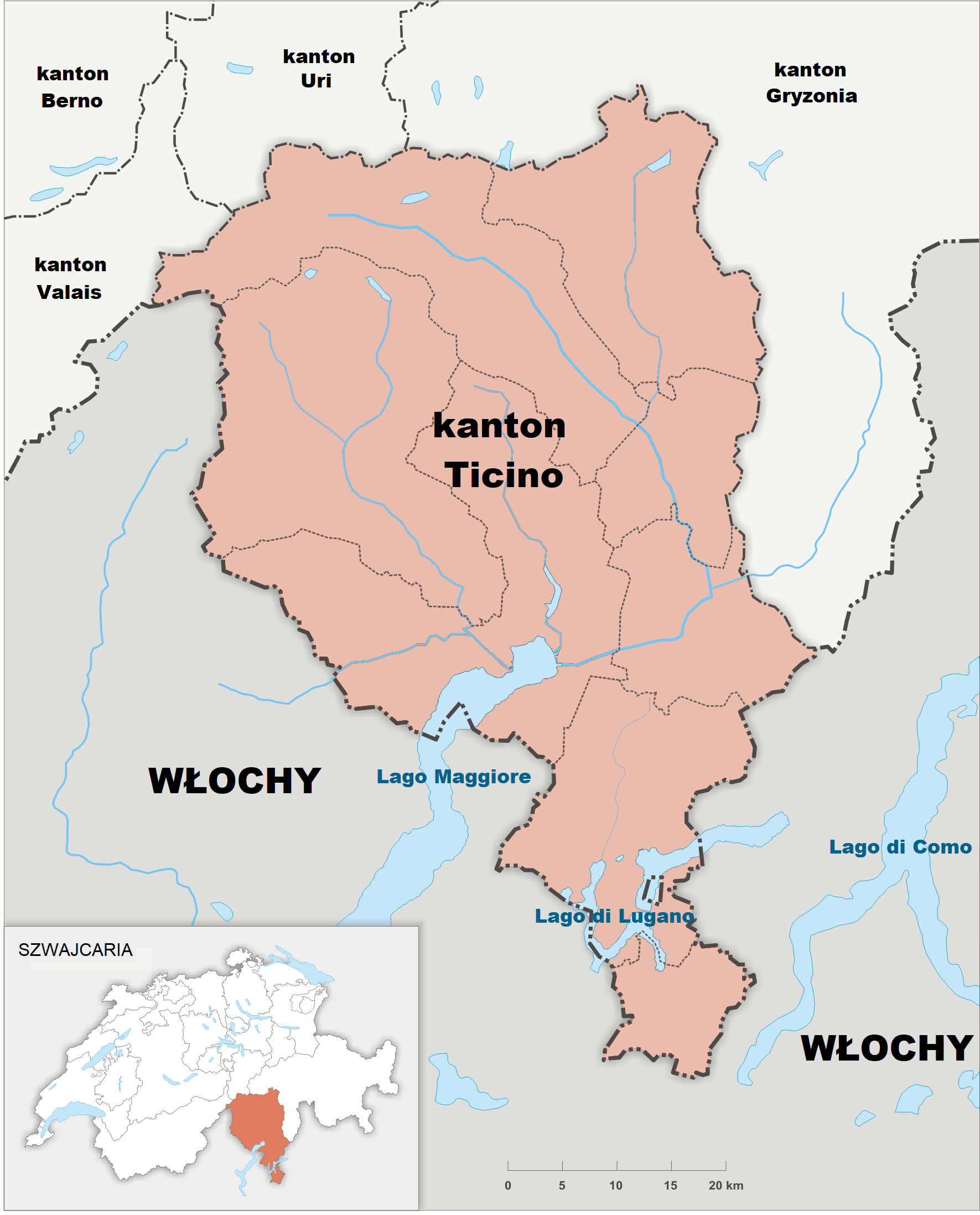
Winters run from around -2 to 7°C, with January the coldest month; summers reach 18–28°C and can spike above 30°C during heatwaves in July and August. The canton of Ticino, south of the Alpine divide, sits in a Mediterranean-influenced climate and feels noticeably warmer and sunnier than the north.
Right now
↡ Regions
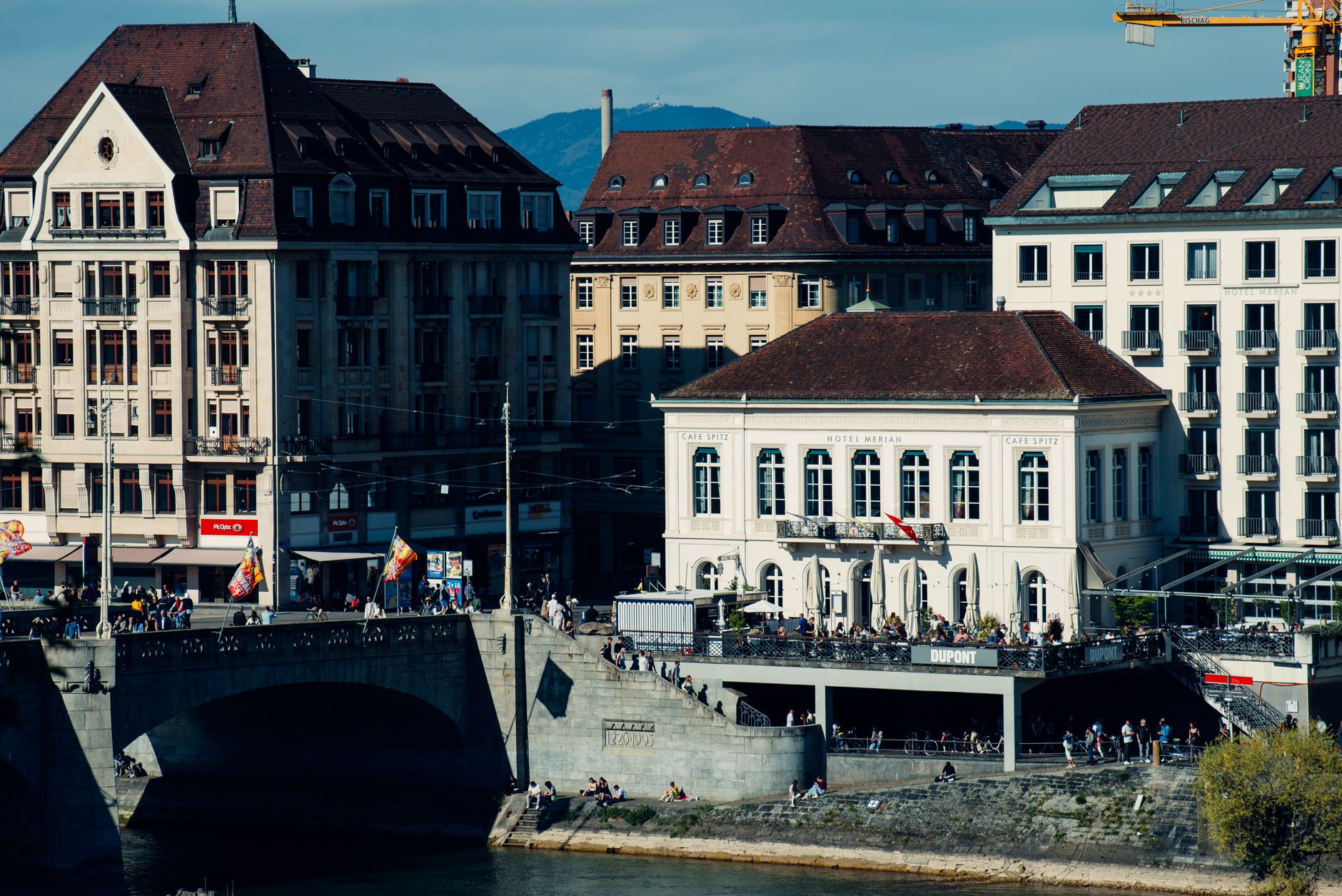
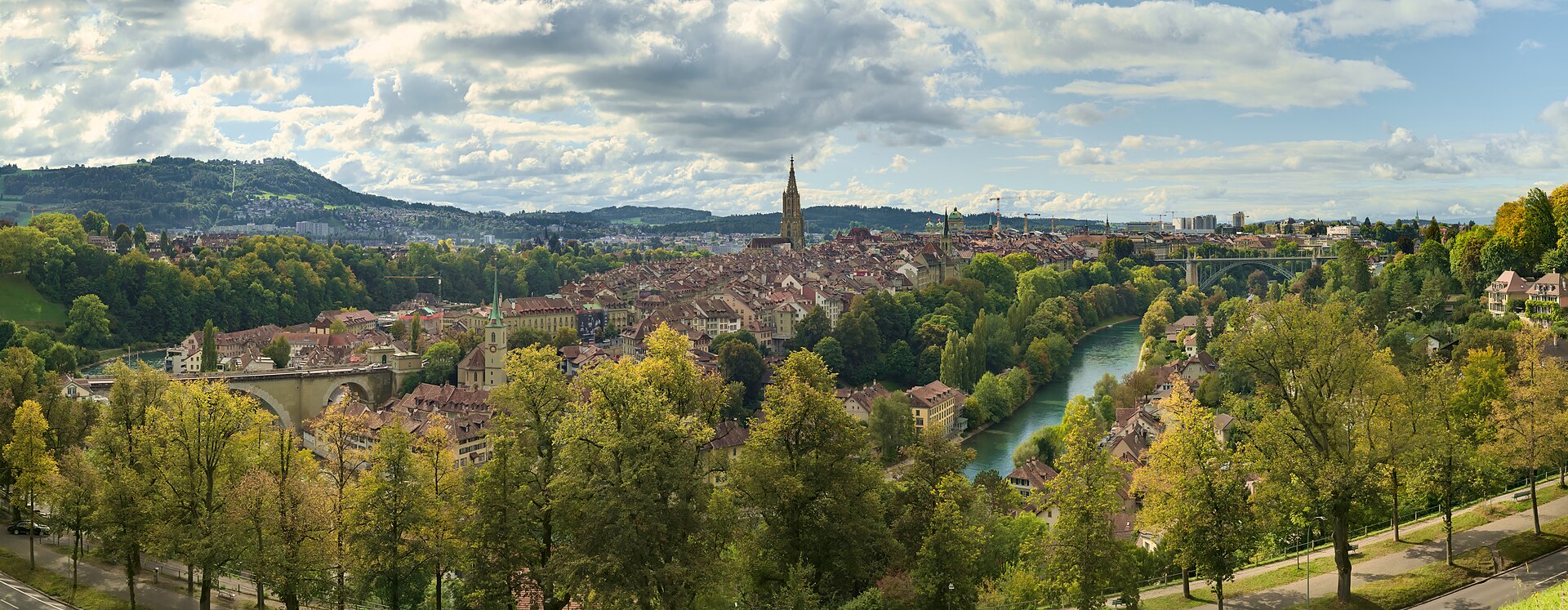
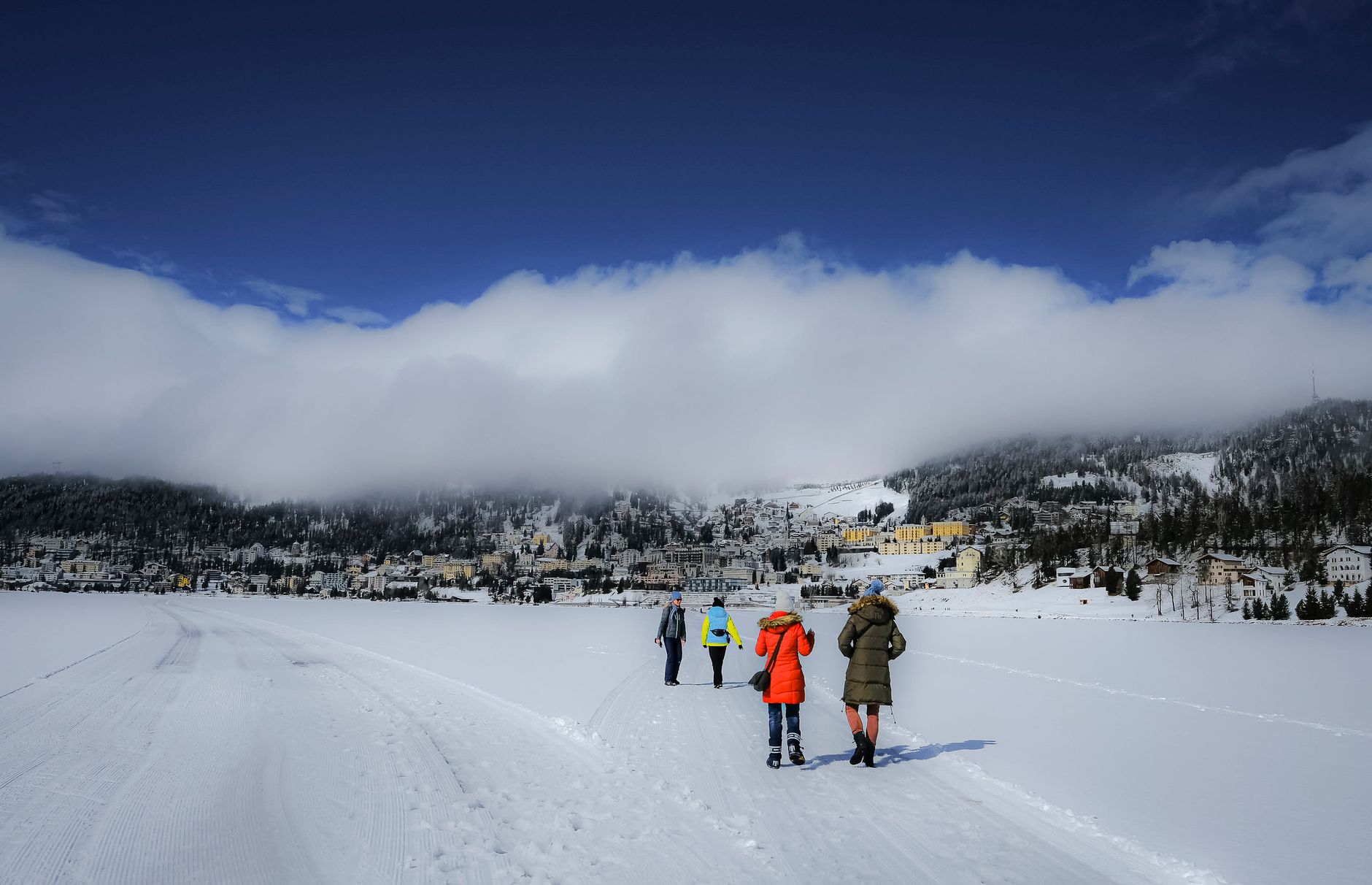
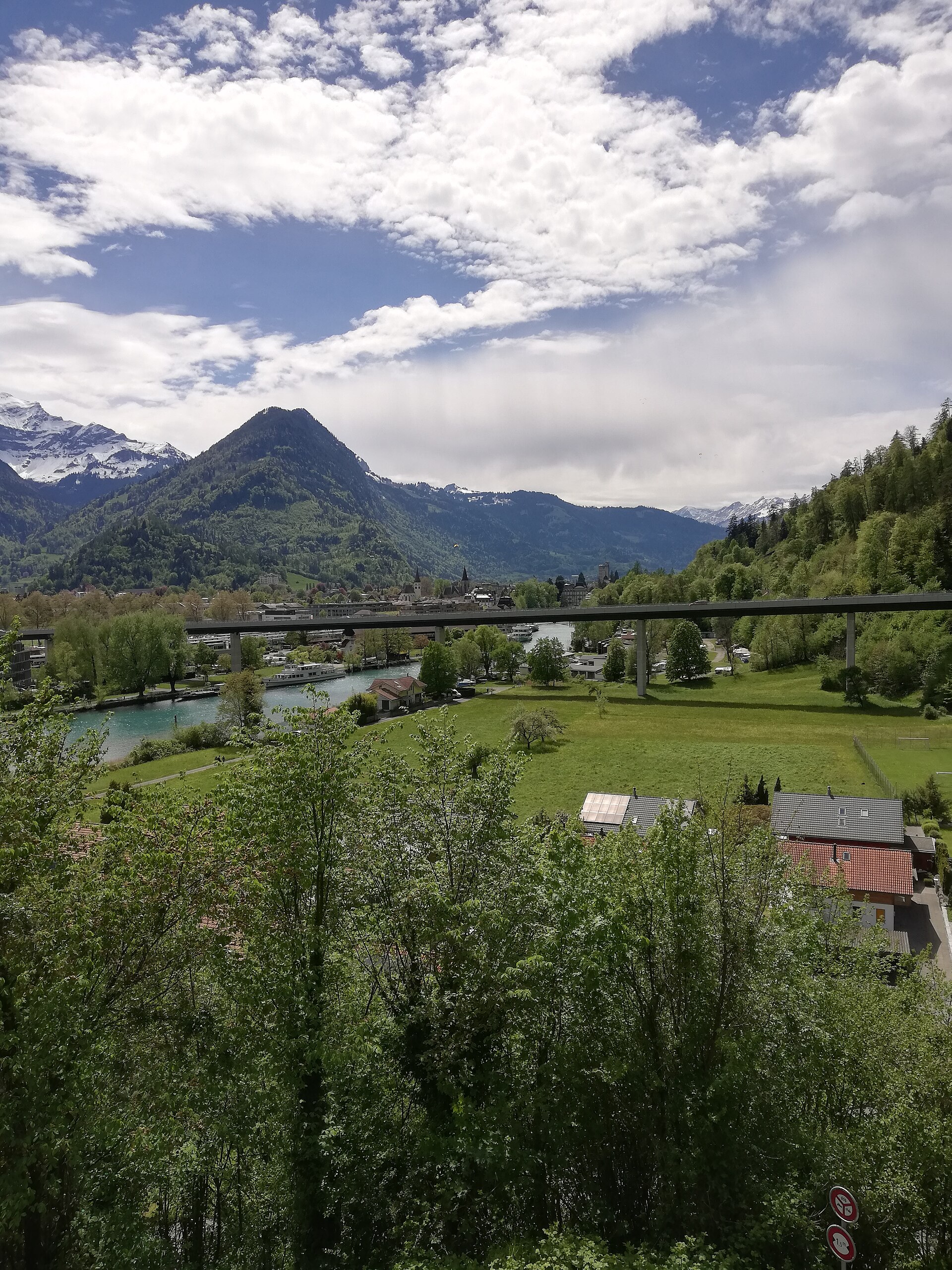
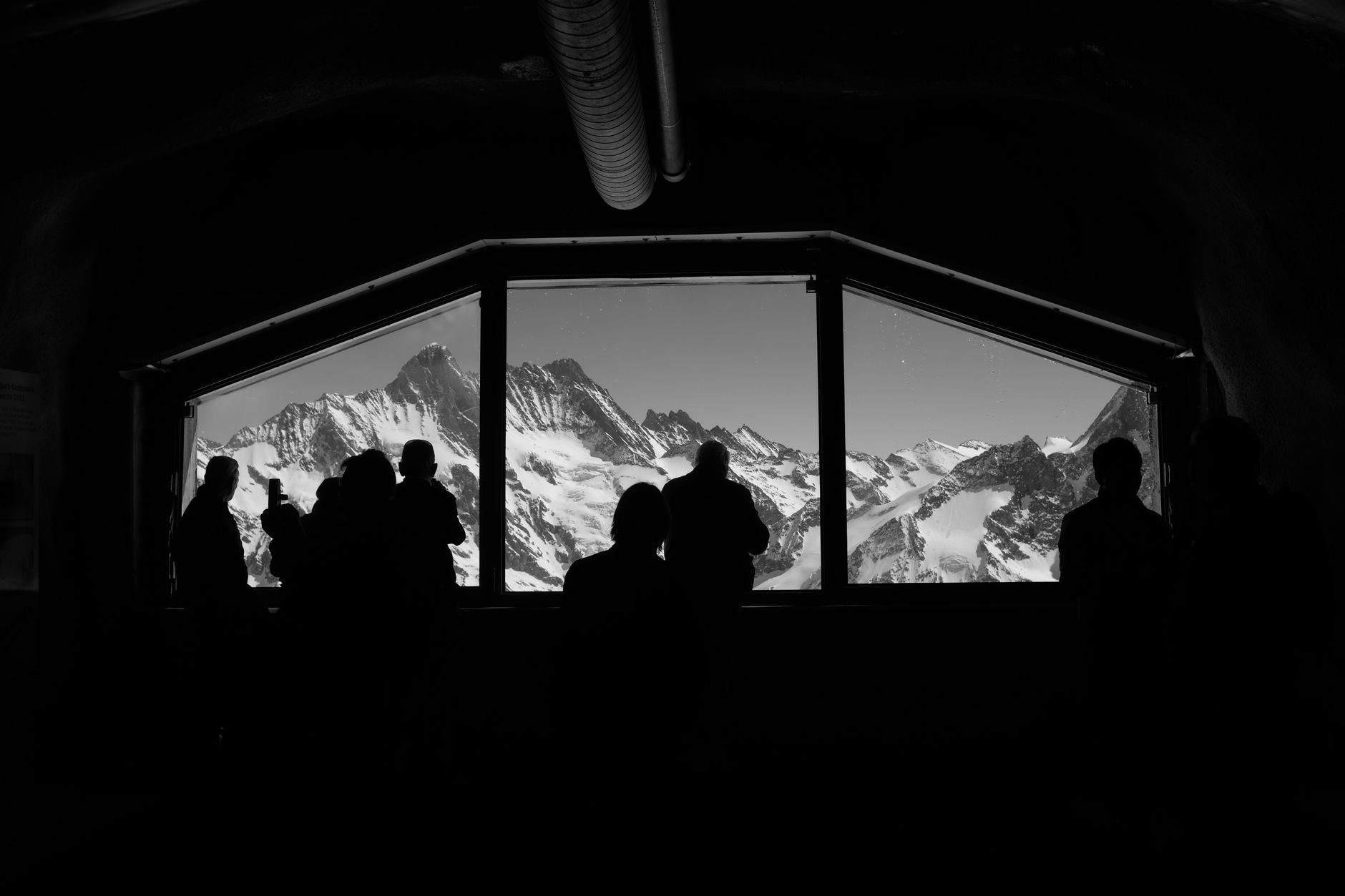
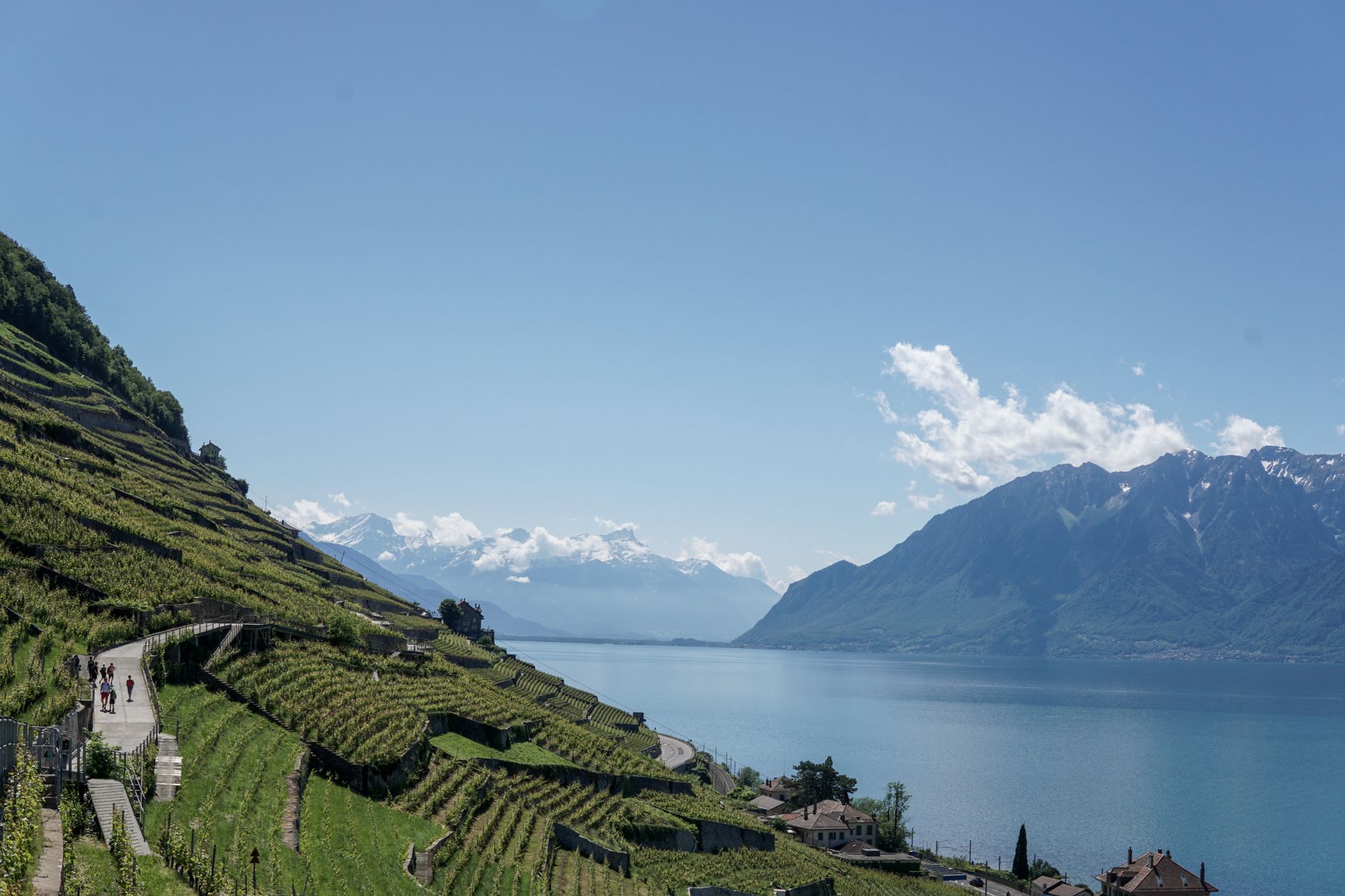

No places match these filters.
Background & history adapted from Wikipedia (CC BY-SA) · specs from Wikidata (CC0) · weather from Open-Meteo · map data © OpenStreetMap contributors · photos from Wikimedia Commons / Unsplash with per-image credit. No third-party reviews or social posts reproduced.