
Lausanne
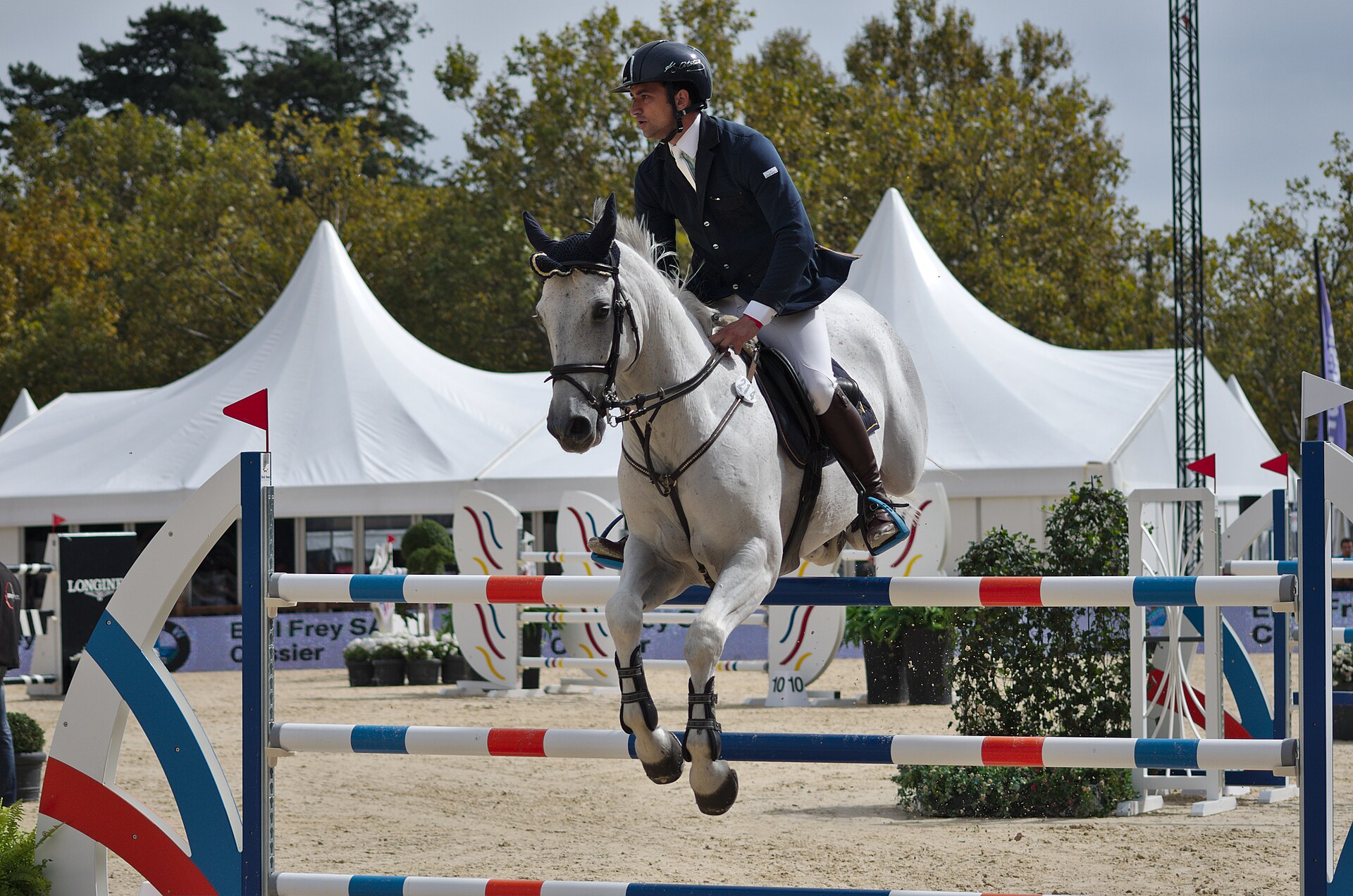
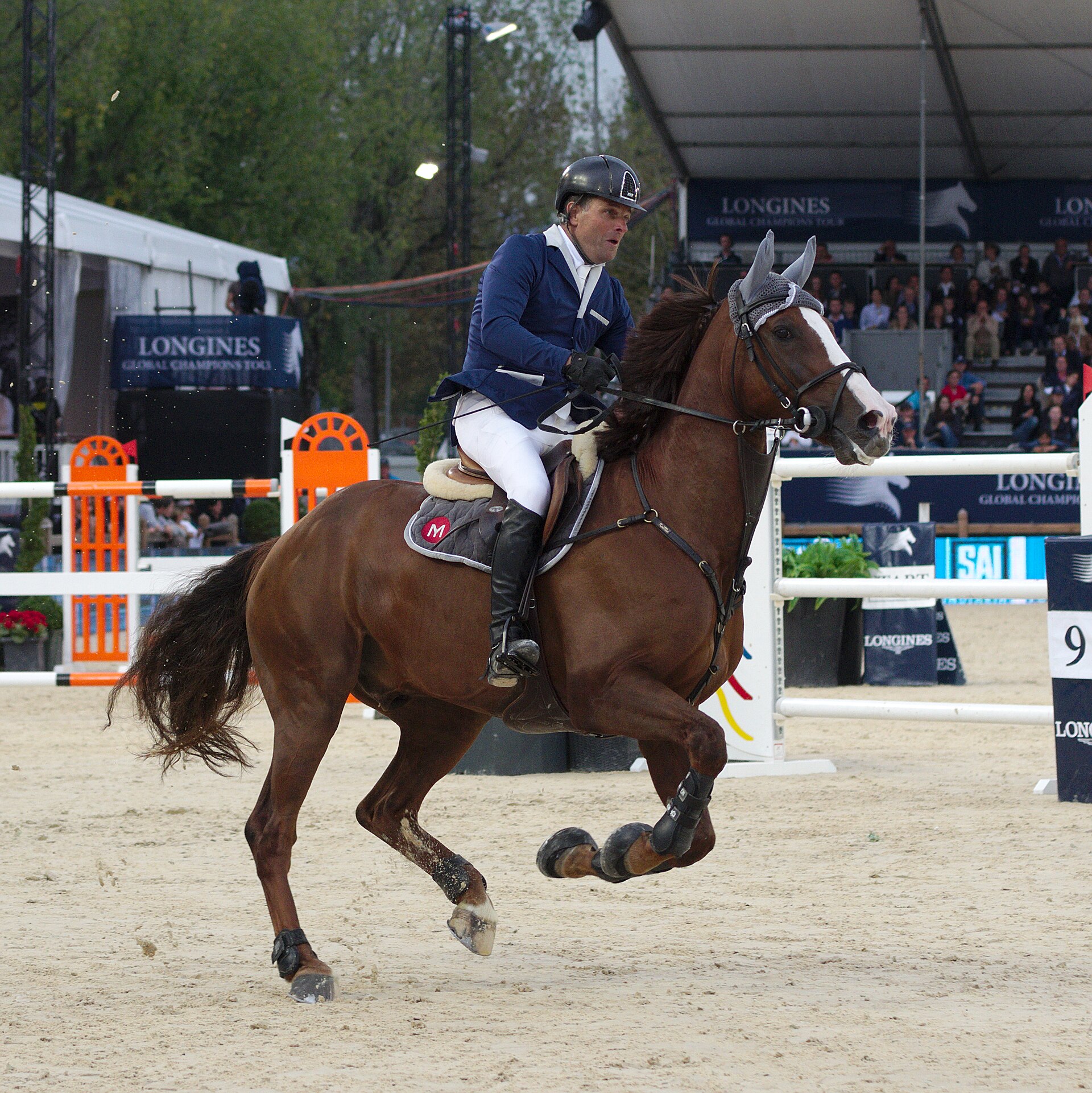
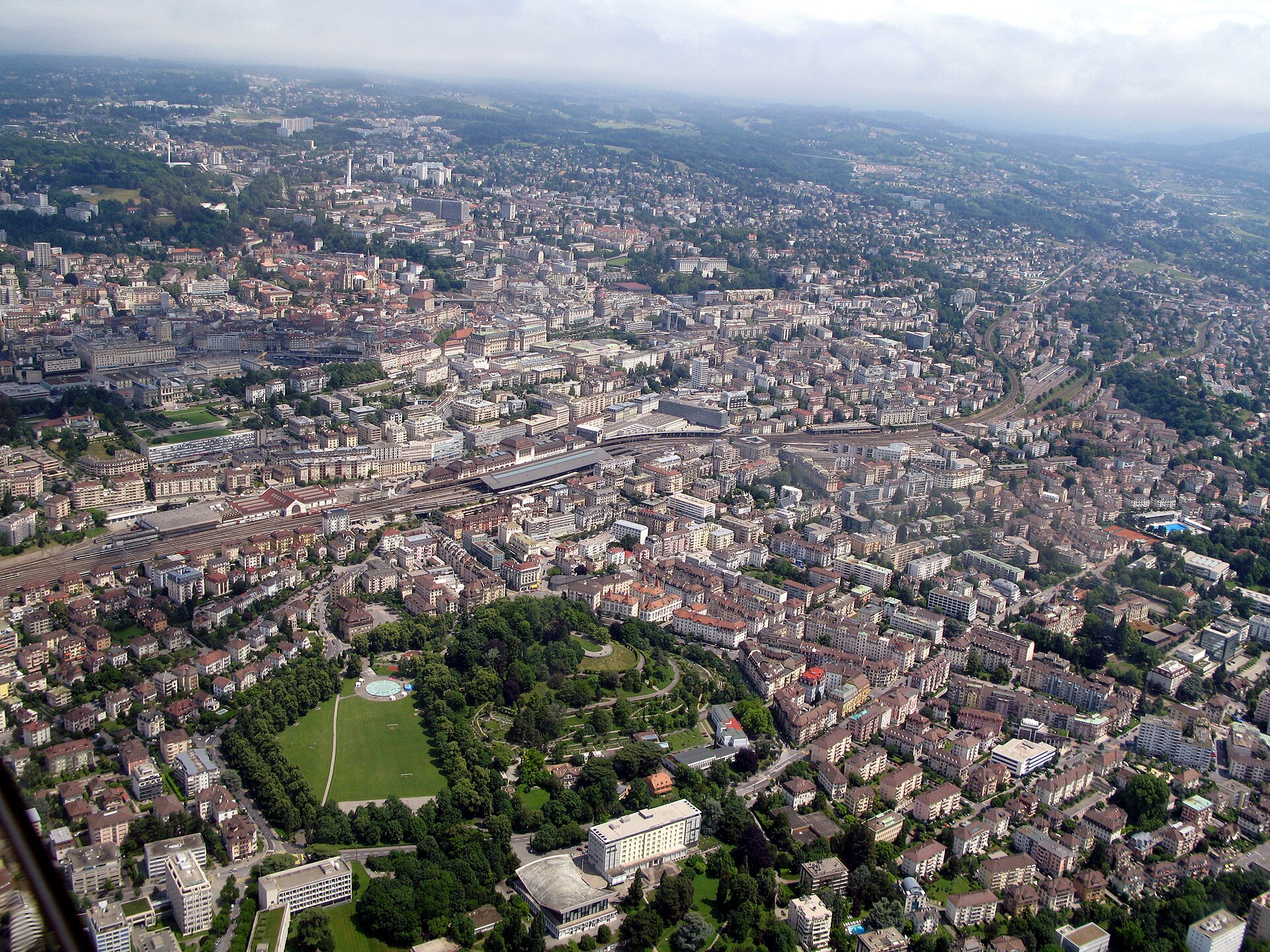
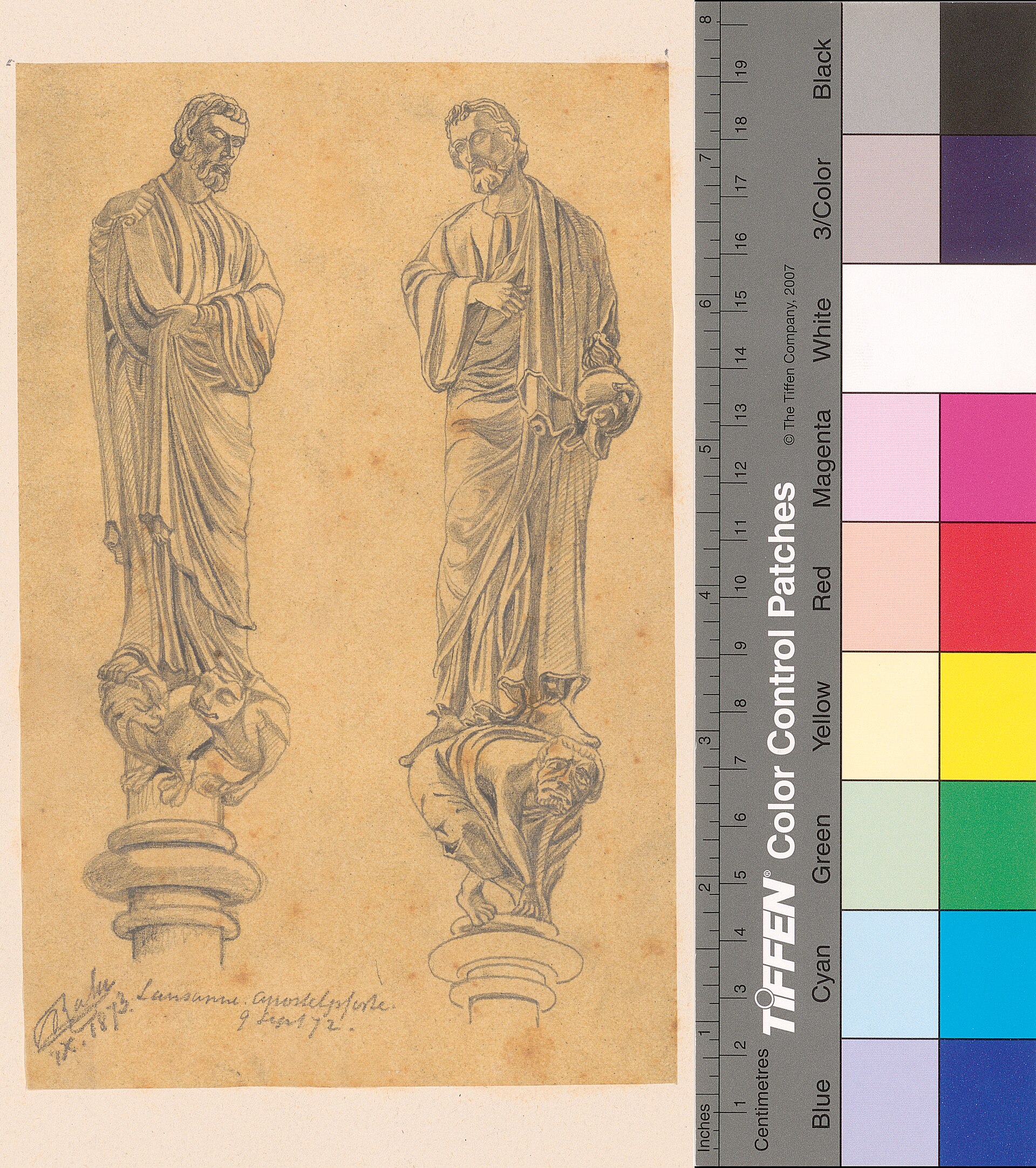
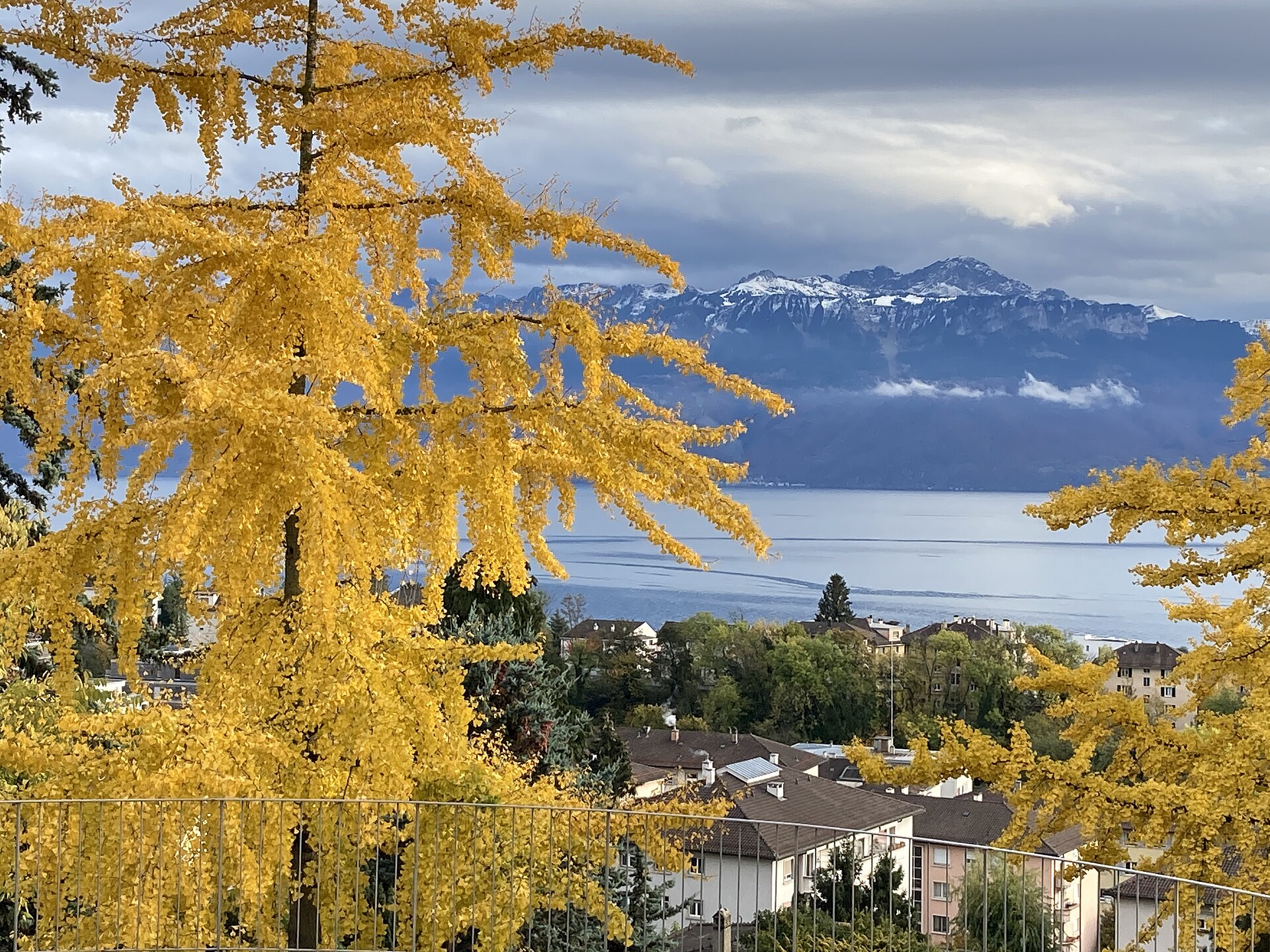
Lausanne climbs steeply from the northern shore of Lake Geneva in three distinct tiers — the waterfront at Ouchy, the commercial centre, and the medieval Old Town crowning the hill — and the city's metro was built precisely to stitch those levels together. Ride the M2 from the lake up through the city and you pass through six centuries of urban history in about eight minutes.
The city is the seat of the International Olympic Committee and home to EPFL, one of Europe's leading technical universities. That combination of sporting governance and scientific ambition gives Lausanne an unusually international character for a city of roughly 140,000 people.
How Lausanne came to be
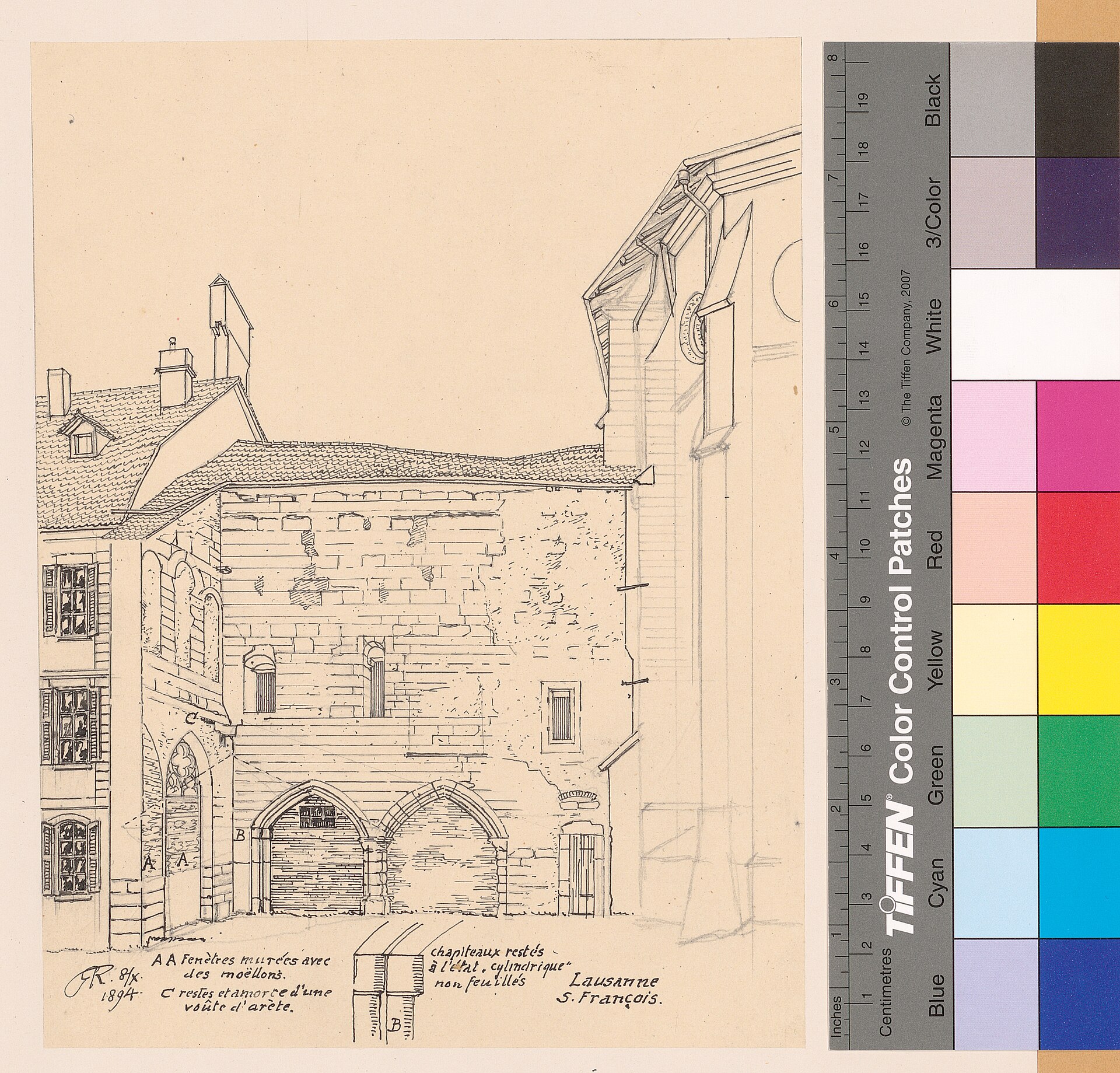
Romans established a settlement called Lousonna at Vidy on the lakeshore in 15 BC, but by the fourth century AD the exposed waterfront site had been abandoned in favour of the more defensible heights above — the ground that the Old Town still occupies. Christianity arrived early: by 590 the city was a bishop's seat. Berne came to dominate Lausanne in the 1530s and held that grip for more than two centuries.
Napoleon ended Bernese rule in 1798, and Lausanne became the capital of the newly constituted Vaud canton in 1803. More than a century later, in 1923, the city entered the history books again when the Treaty of Lausanne — which formally established the modern Turkish Republic — was signed here. The 1964 Swiss National Exhibition marked a further turning point, leaving behind Max Bill's Théâtre de Vidy as an accidental permanent gift to the city.
Who and what shaped it
People who shaped it
Landmark buildings
See Lausanne in motion
Plan your visit
On the map
When to go
Summers are warm and sunny, with lake temperatures high enough for swimming by July. Winters are cold and occasionally foggy along the shore, though the elevated Old Town often sits above the mist; snow is possible but rarely heavy. Spring and autumn tend to bring crisp, clear days with the Alps sharp on the horizon.
Right now
Background & history adapted from Wikipedia (CC BY-SA) · specs from Wikidata (CC0) · weather from Open-Meteo · map data © OpenStreetMap contributors · photos from Wikimedia Commons / Unsplash with per-image credit. No third-party reviews or social posts reproduced.