
French Guiana

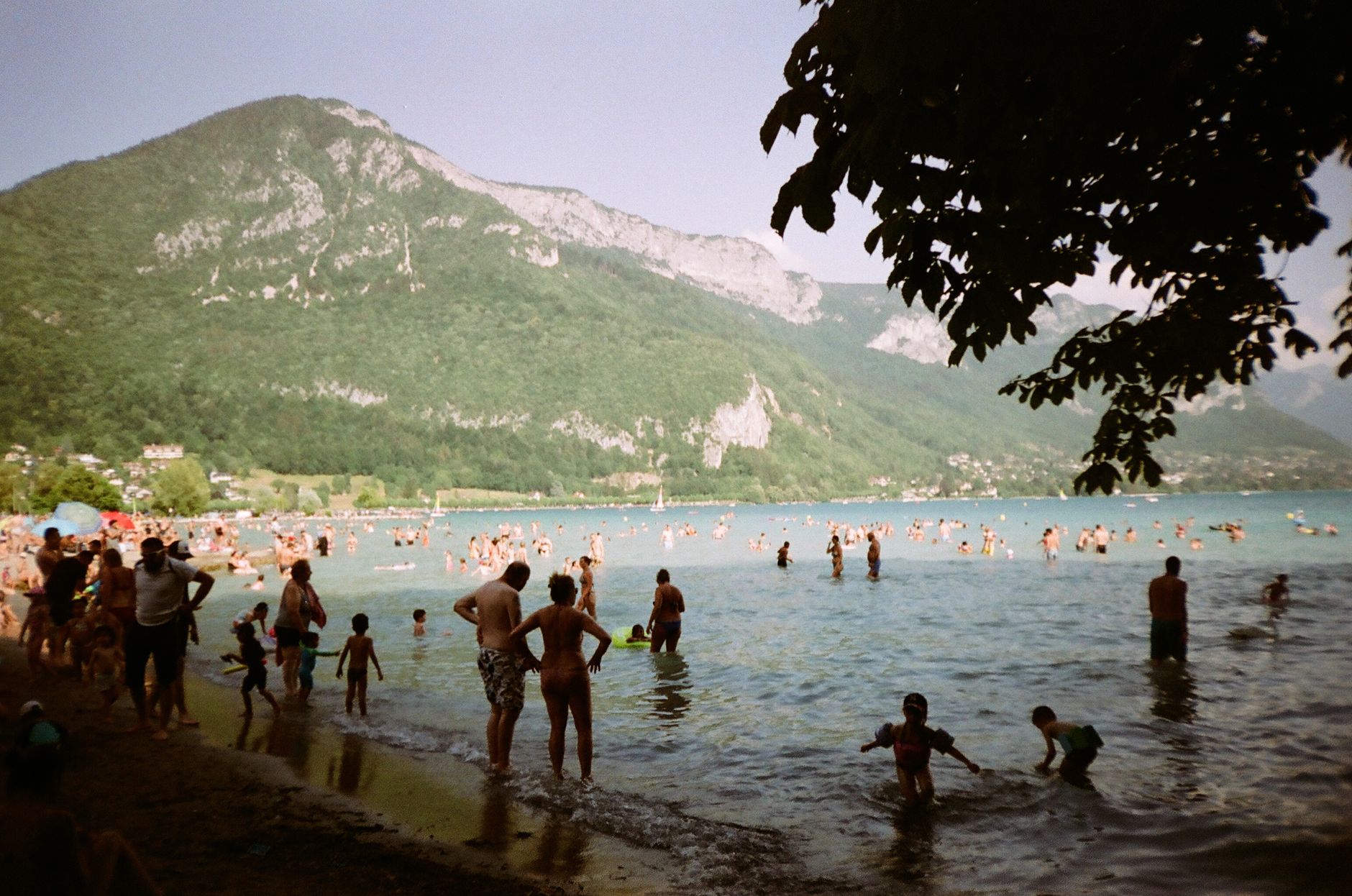
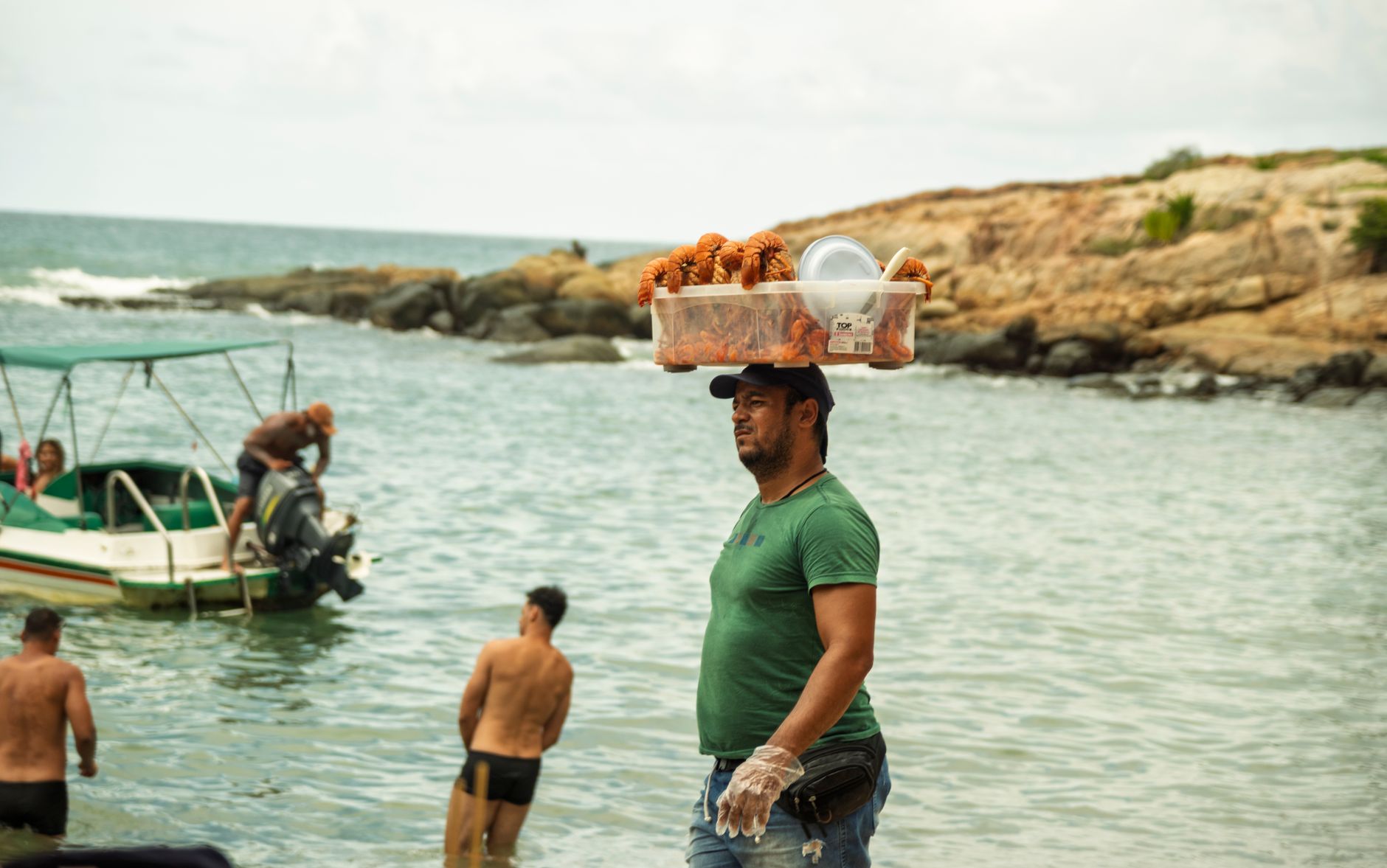

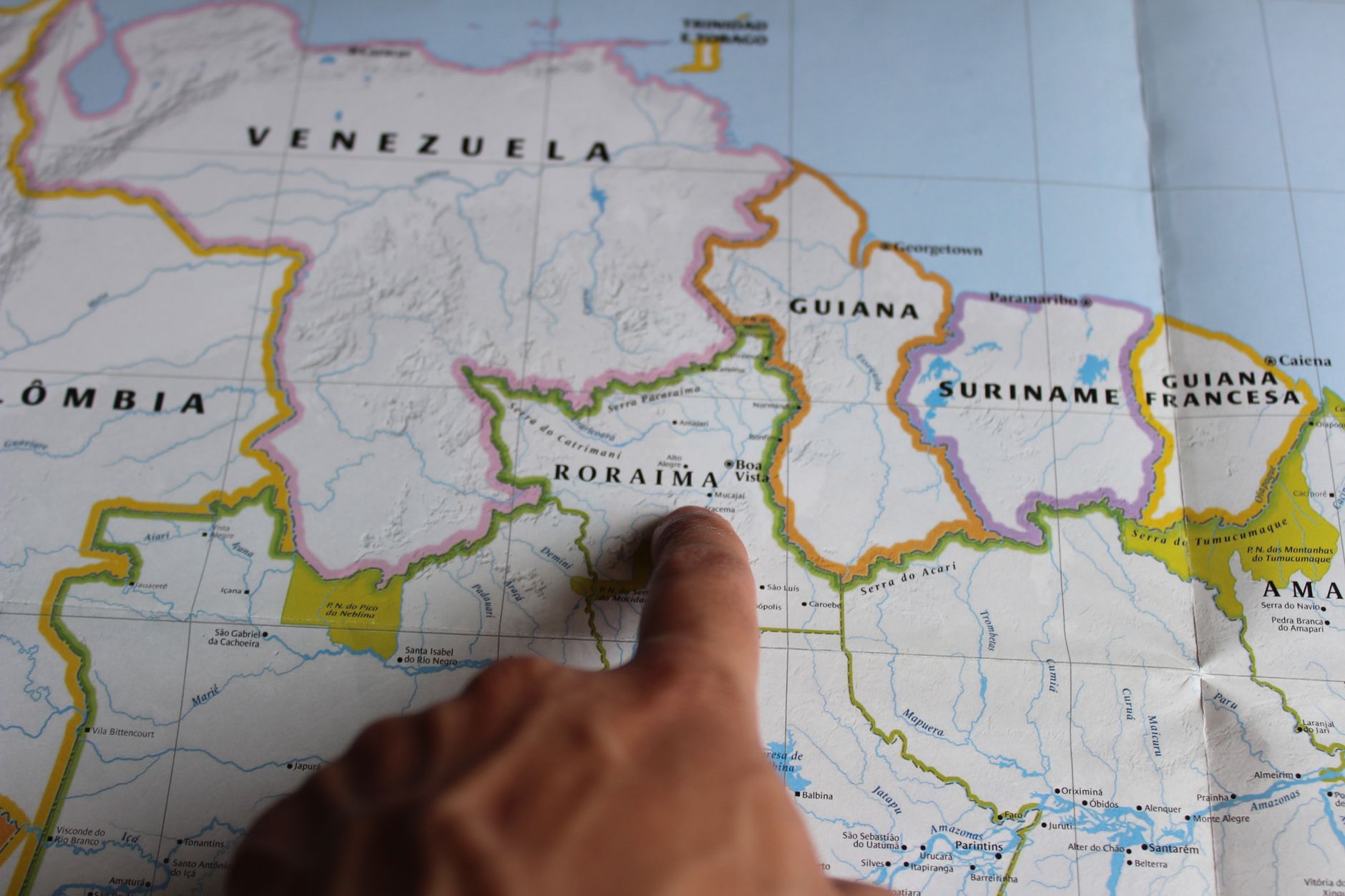

French Guiana is technically France — same passport control, same currency, same administrative machinery — yet it sits on the northeastern shoulder of South America, bordered by rainforest that covers roughly nine-tenths of its land. That tension between the familiar and the genuinely foreign runs through everything here: a rocket launching from Kourou above a canopy of cecropia trees, Creole pepper sauce on a café table that could otherwise pass for a Parisian zinc.
The coast is where most people arrive and most infrastructure clusters, but the interior — accessed by small plane or dugout canoe — belongs to rivers, Indigenous communities, and a density of wildlife that the road network simply cannot reach.
Experiences you don't want to miss




Deals in French Guiana
Book directly at the provider


How French Guiana came to be
Indigenous peoples — among them the Kalina, Lokono, Palikur, and Wayana — had long inhabited this territory before France made its first recorded contact in 1503. A durable settlement at Cayenne followed in 1643, though early attempts repeatedly collapsed. After the Treaty of Breda in 1667 confirmed French sovereignty, the colony developed around enslaved African labour on sugar plantations. Slavery was abolished in French Guiana following the National Convention's decree of February 1794, earlier than in most French territories.
The territory's darkest chapter arrived in 1852, when the first convict ships landed. For nearly a century, France transported tens of thousands of prisoners — including Alfred Dreyfus, wrongly convicted of treason — to penal colonies that included the infamous Îles du Salut. The camps closed formally in 1951. French Guiana became an overseas département in 1946, and the establishment of the Guiana Space Centre at Kourou in 1964 reshaped the economy and accelerated population growth in ways still visible today.
Who and what shaped it
People who shaped it
Landmark buildings
See French Guiana in motion
Plan your visit
On the map
When to go
French Guiana has two wet and two dry seasons. The main dry season runs roughly August through November, and a shorter one falls in February and March — either window offers the most reliable conditions for travel, particularly if you plan to move into the interior by river or light aircraft. Humidity is high year-round.
Right now
Background & history adapted from Wikipedia (CC BY-SA) · specs from Wikidata (CC0) · weather from Open-Meteo · map data © OpenStreetMap contributors · photos from Wikimedia Commons / Unsplash with per-image credit. No third-party reviews or social posts reproduced.