
Rwanda
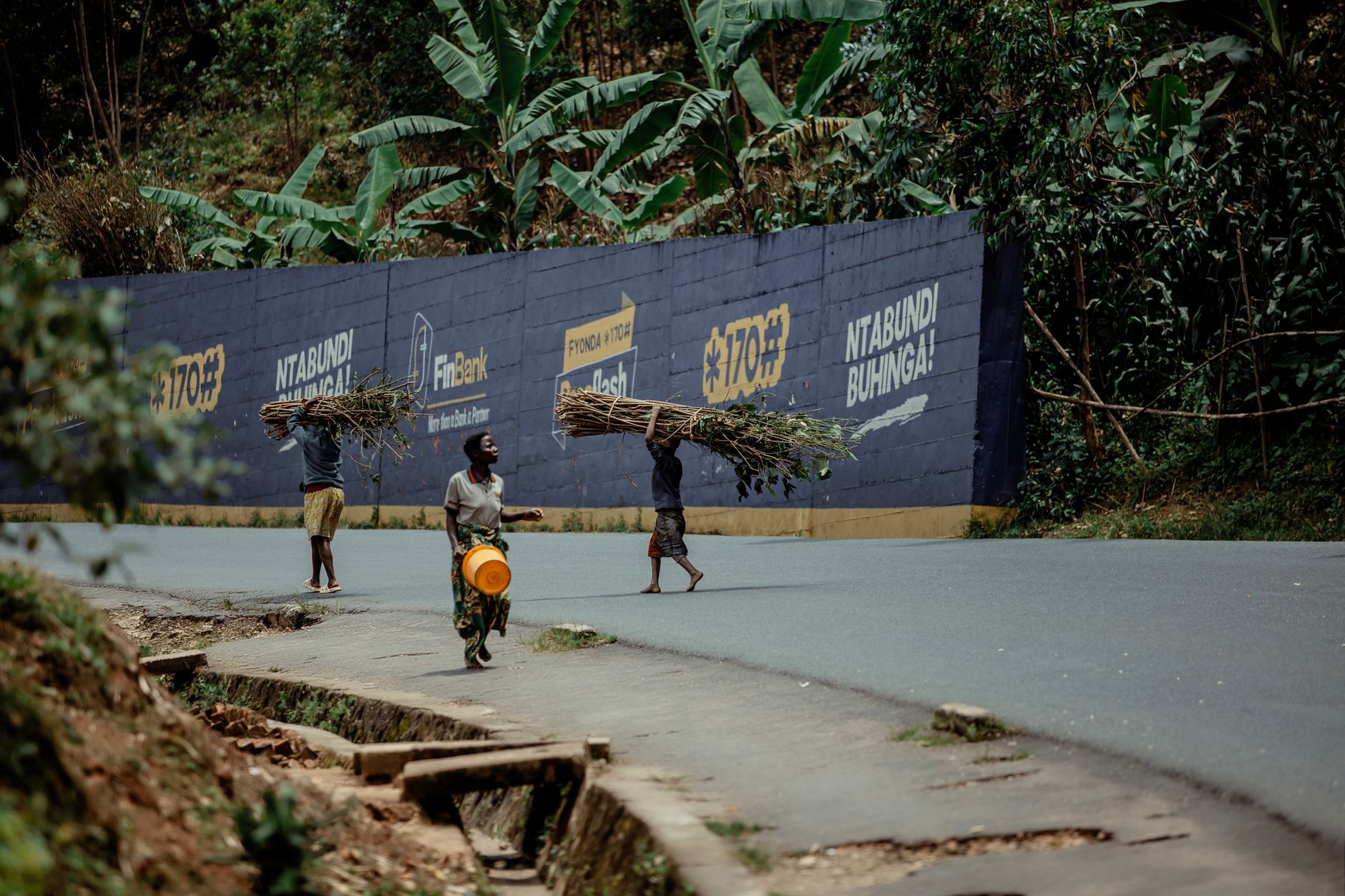
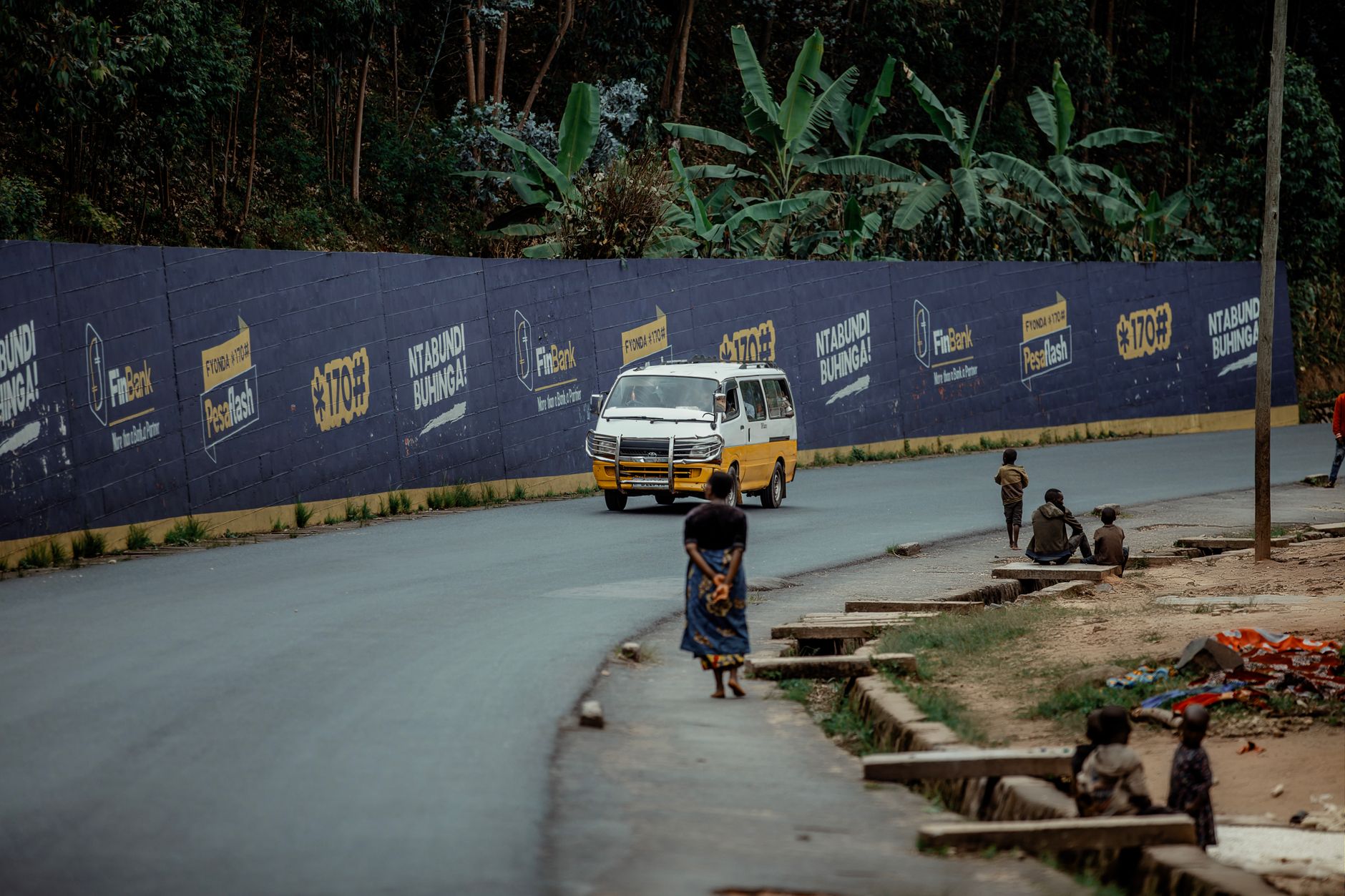
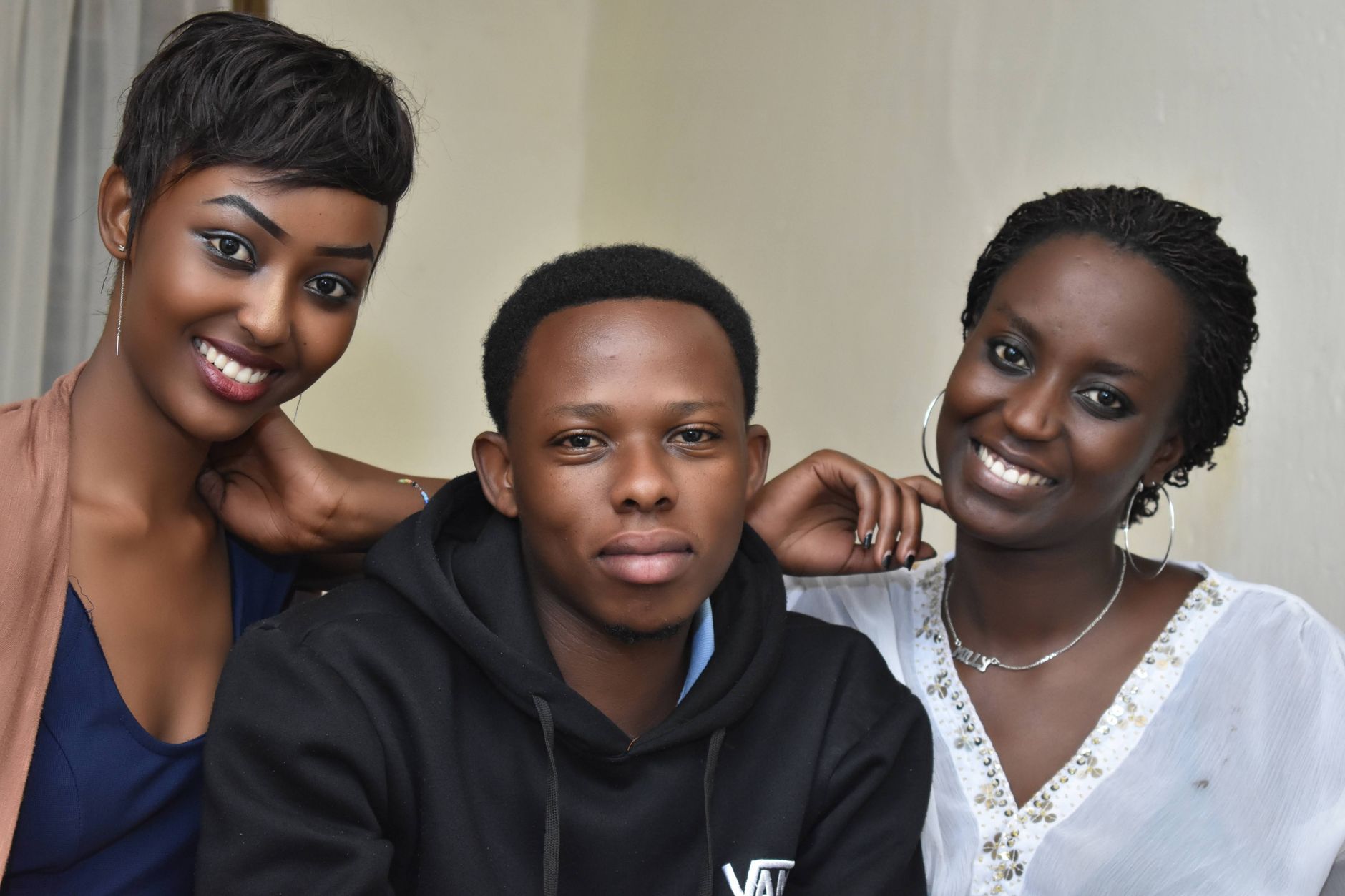
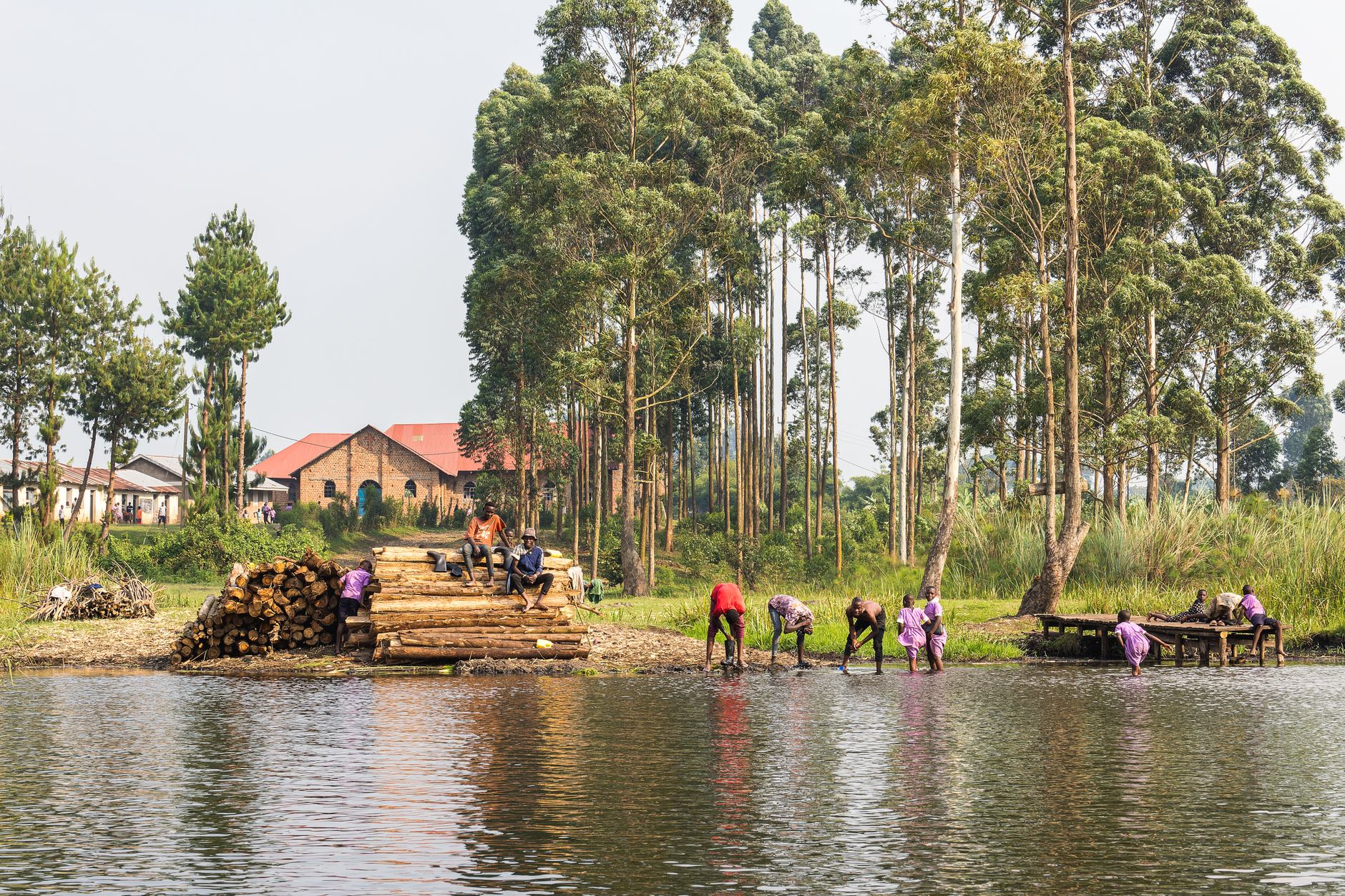
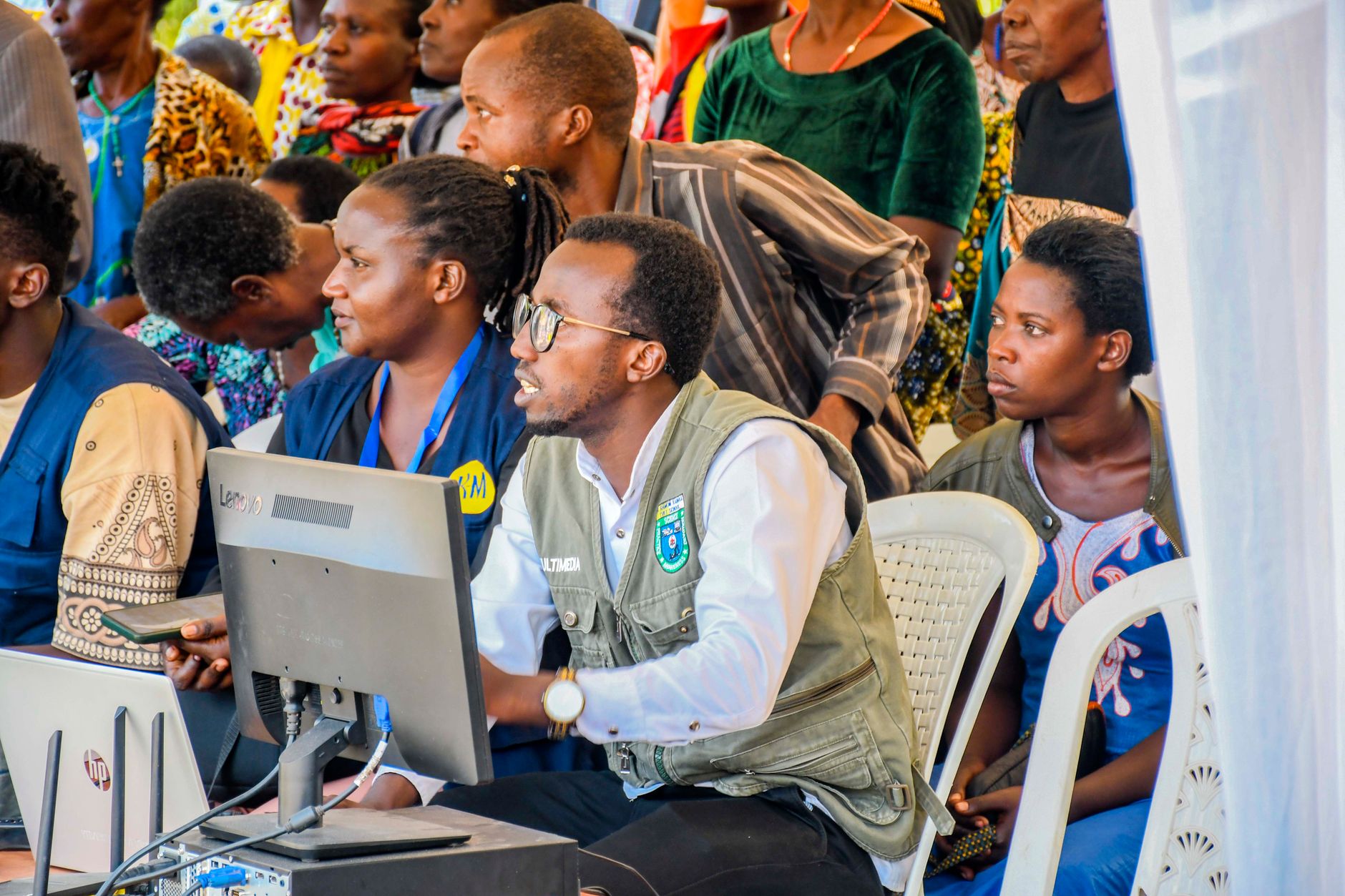
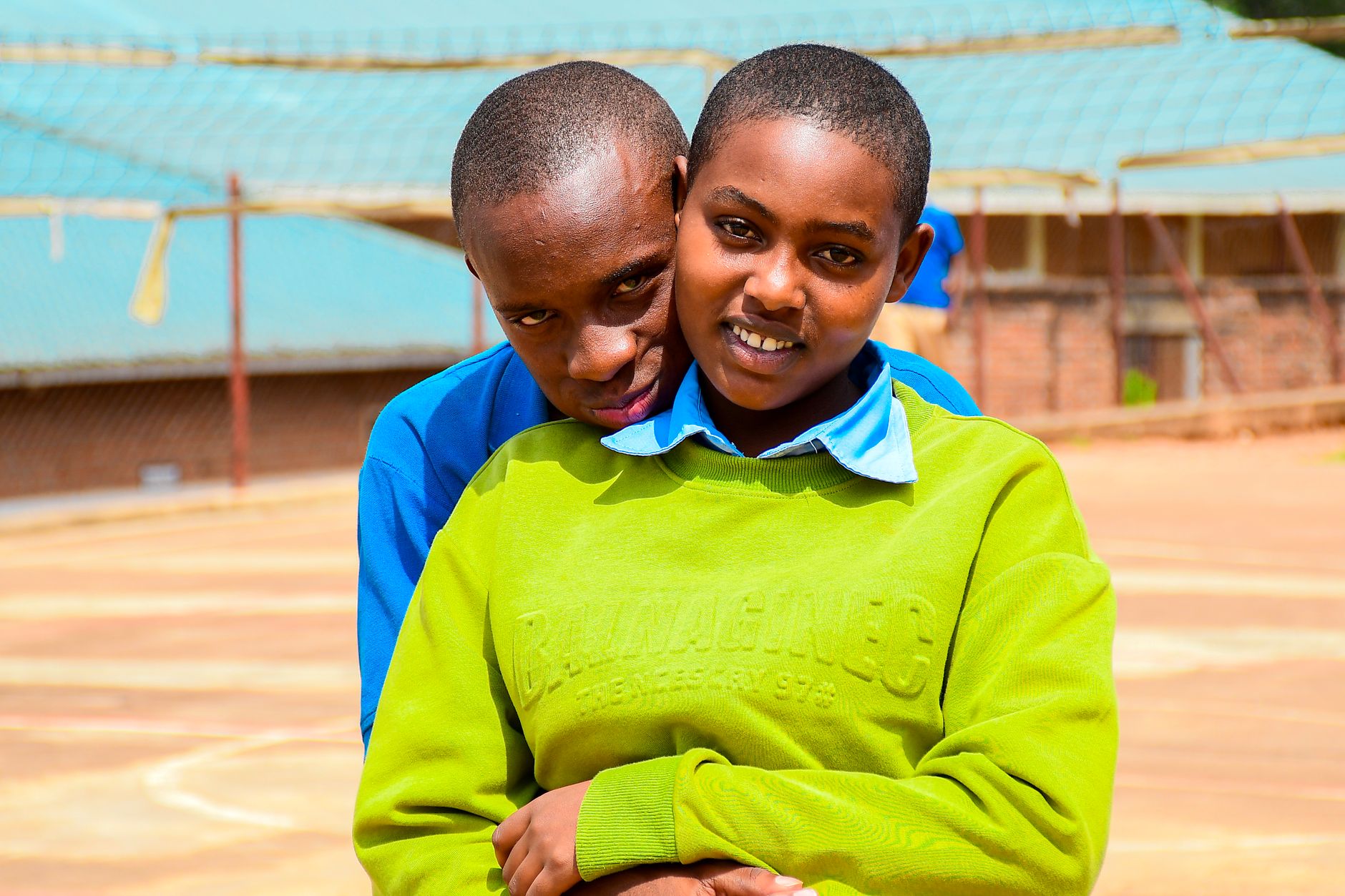
Rwanda sits almost exactly at the centre of Africa, a small, landlocked country of steep hills and deep valleys where the altitude keeps things cool even at the equator. Most of the country lies on a plateau around 1,500 metres up, and that elevation shapes everything — the light, the temperature, the pace. Kigali is one of the cleanest capitals on the continent, a city that has rebuilt itself with striking intentionality since 1994.
The country holds the continent's oldest national park (Volcanoes, gazetted in 1929), milk bars in Kigali's Nyamirambo neighbourhood where steamed glasses of fresh cow's milk come with cocoa or honey, and a form of geometric art made from cow dung and coloured soils in the southeast that exists nowhere else on earth.
💛 What travellers fall for
People who return tend to anchor in Nyamirambo for at least a morning — the milk bars are the specific thing worth seeking. They also mention arriving with more time than planned for the western parks: the temperature drop in the Volcanoes area is real, and the roads demand patience. Pack a layer you didn't think you'd need.
Deals in Rwanda
Book directly at the provider
How Rwanda came to be
Rwanda's precolonial history stretches back to at least the 15th or 16th century, when Ruganzu I Bwimba established a Tutsi kingdom near the region that is now Kigali. European colonisation came late: Germany administered the territory first, with Dr Richard Kandt serving as its first resident governor — his former residence in Kigali is now a museum. After World War One, Belgium took control, administering Rwanda and Burundi together as Ruanda-Urundi.
A Hutu uprising in November 1959 set the country on a violent trajectory. Rwanda declared independence on July 1, 1962, with Grégoire Kayibanda as its first president. In 1994, the Genocide against the Tutsi killed more than one million people in roughly 100 days. The Kigali Genocide Memorial, established in 1999, holds the remains of more than 250,000 victims. A new constitution followed in 2003, and the country's first multiparty elections since independence were held that same year. Every April 7, the Kwibuka commemoration begins — 100 days of remembrance.
Who and what shaped it
People who shaped it
Landmark buildings
See Rwanda in motion
Plan your visit
On the map
When to go
The plateau altitude keeps temperatures stable year-round — Kigali sits around 26–28°C by day, cooler at night. Head into the western mountains and it drops noticeably, with the Volcanoes area receiving most of the country's rainfall; June to mid-September is drier across the country and generally the clearest window for travel.
Right now
Background & history adapted from Wikipedia (CC BY-SA) · specs from Wikidata (CC0) · weather from Open-Meteo · map data © OpenStreetMap contributors · photos from Wikimedia Commons / Unsplash with per-image credit. No third-party reviews or social posts reproduced.