
United States
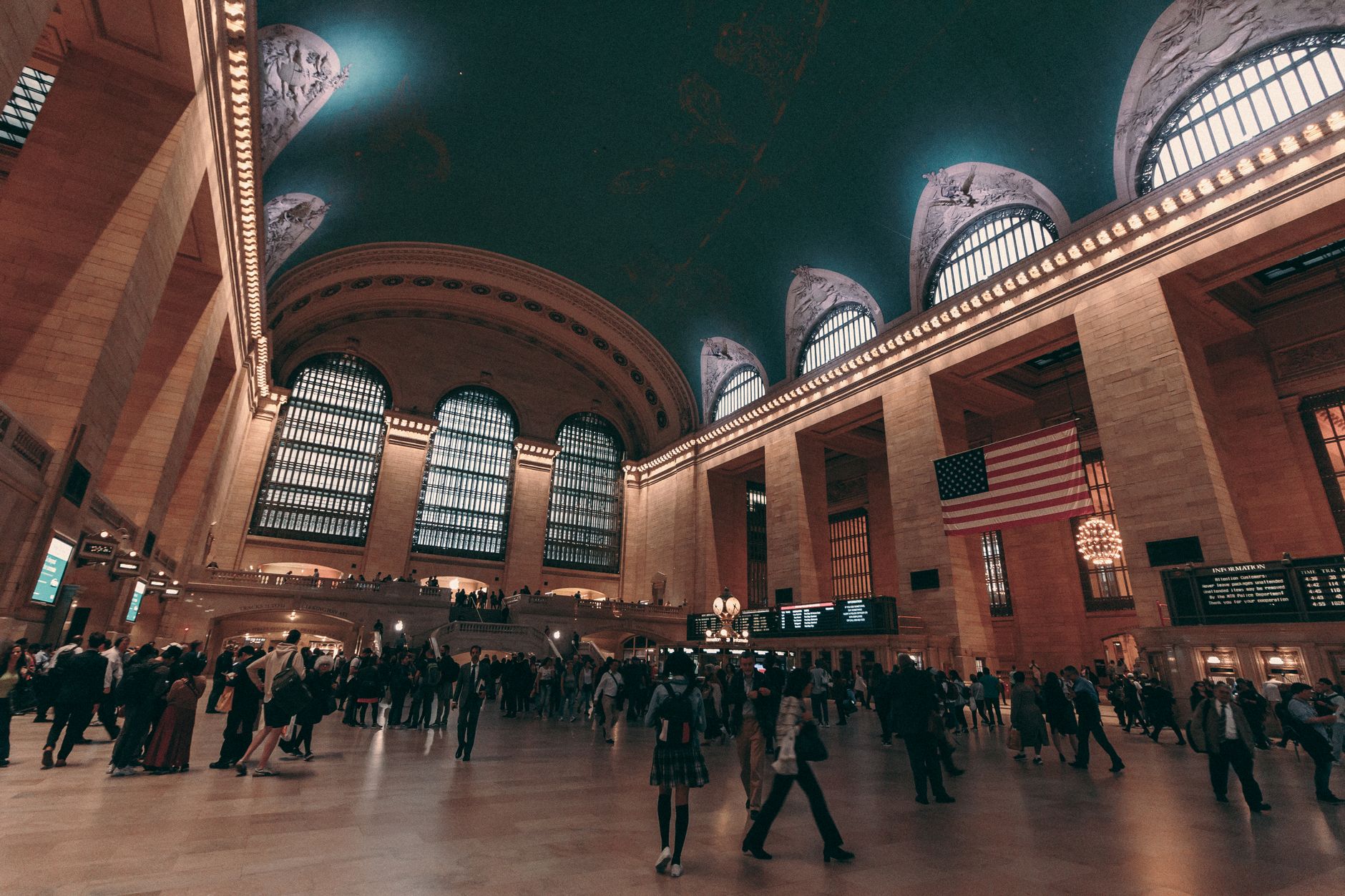

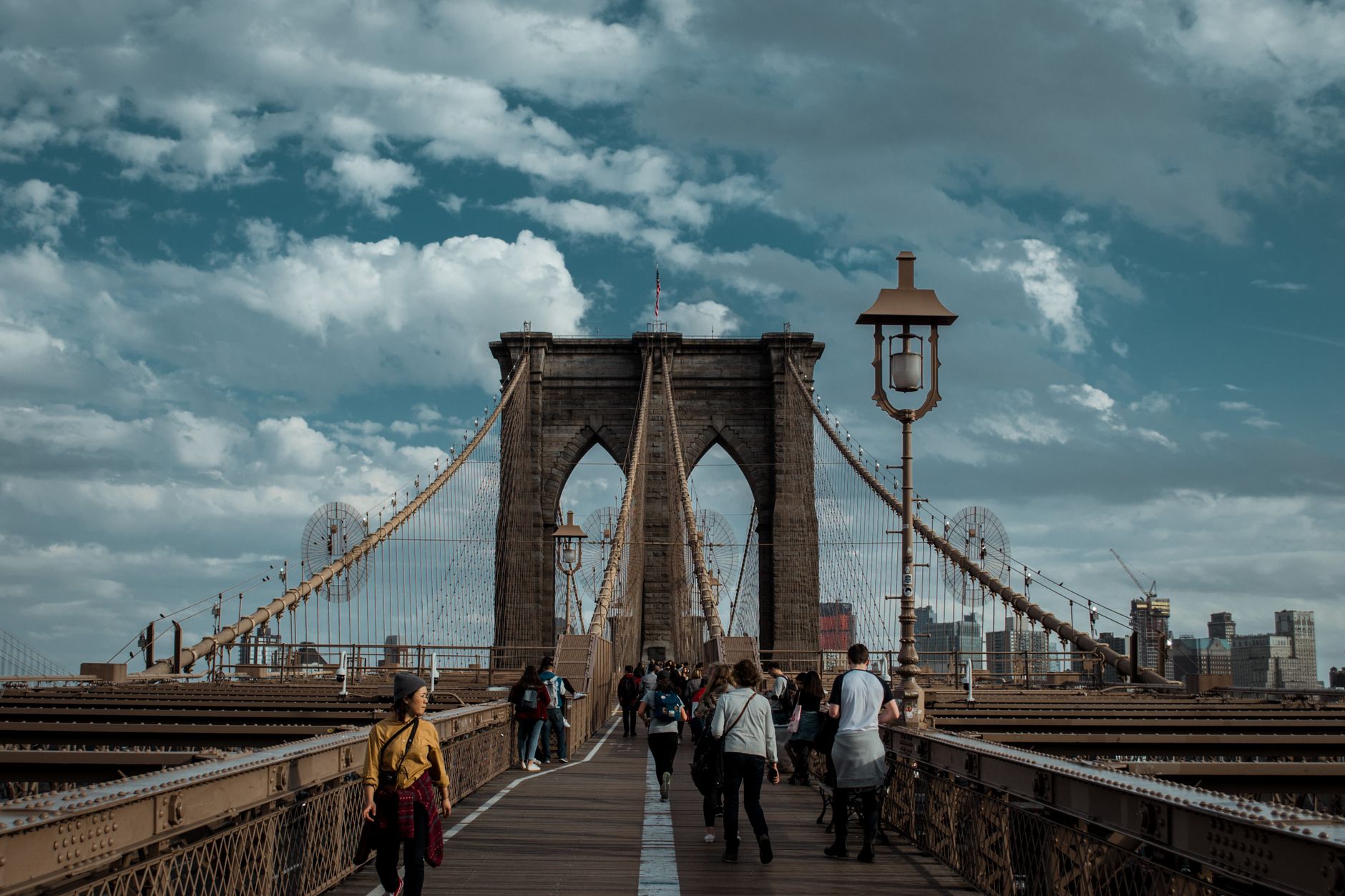
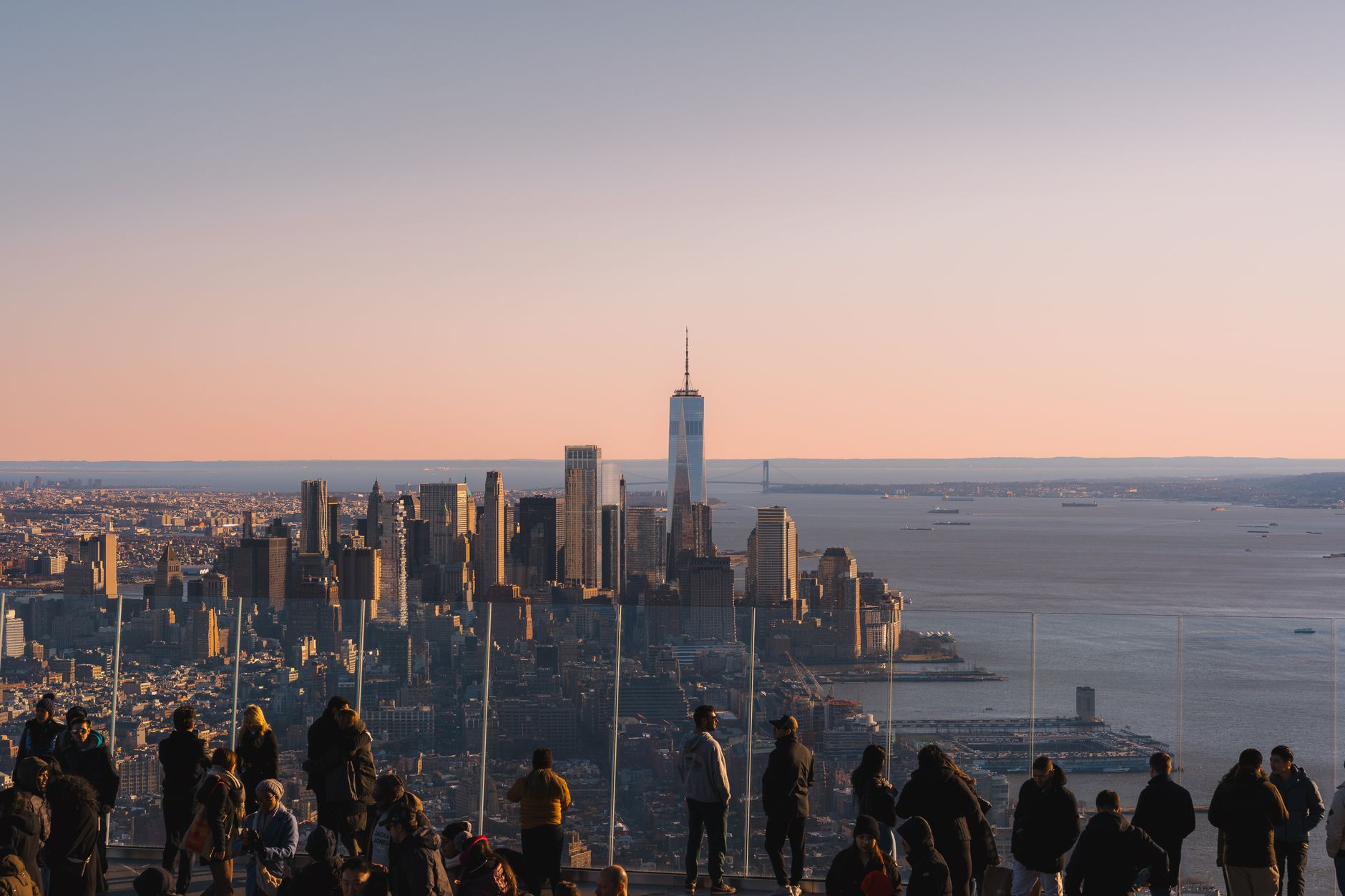
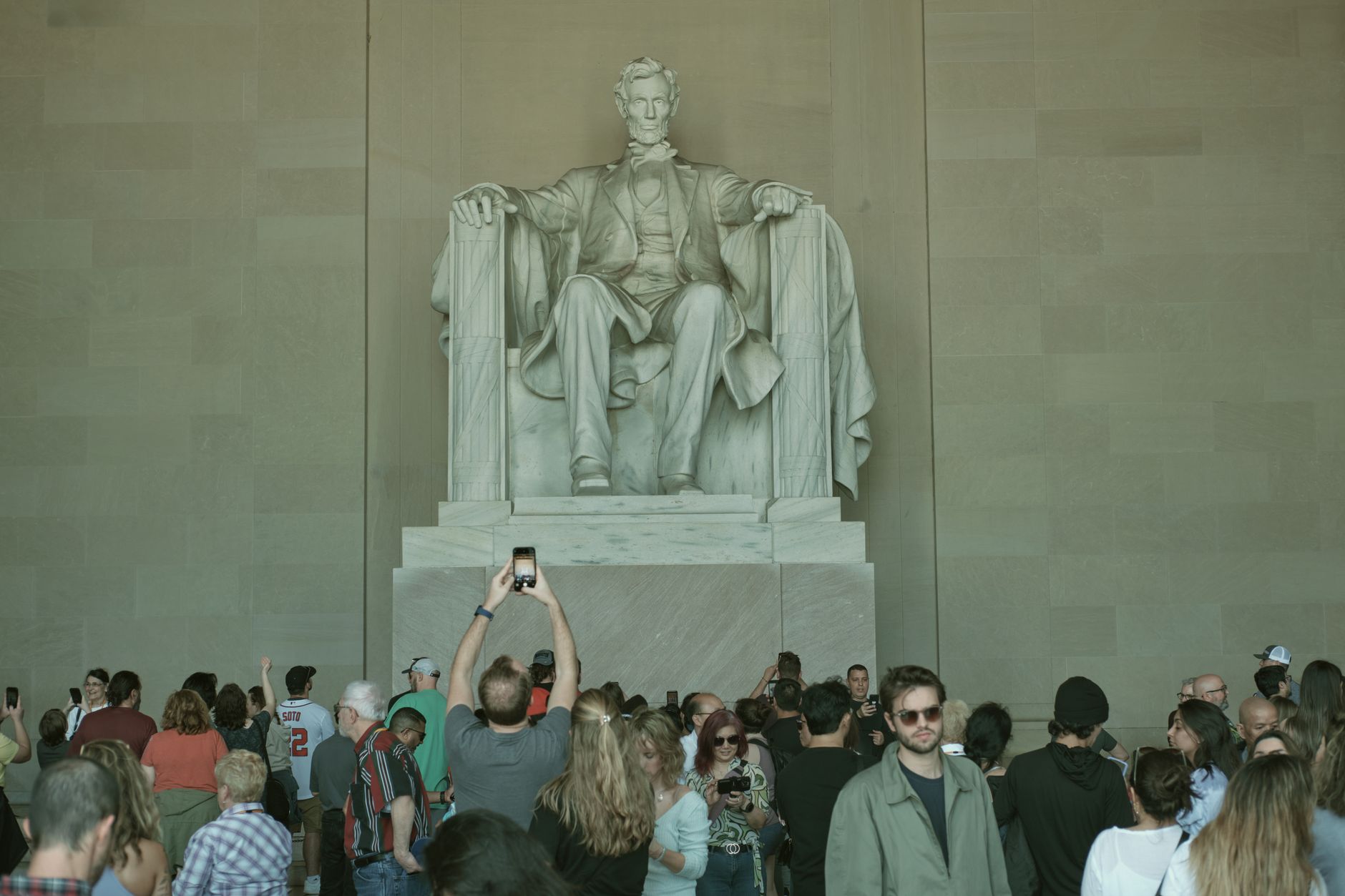
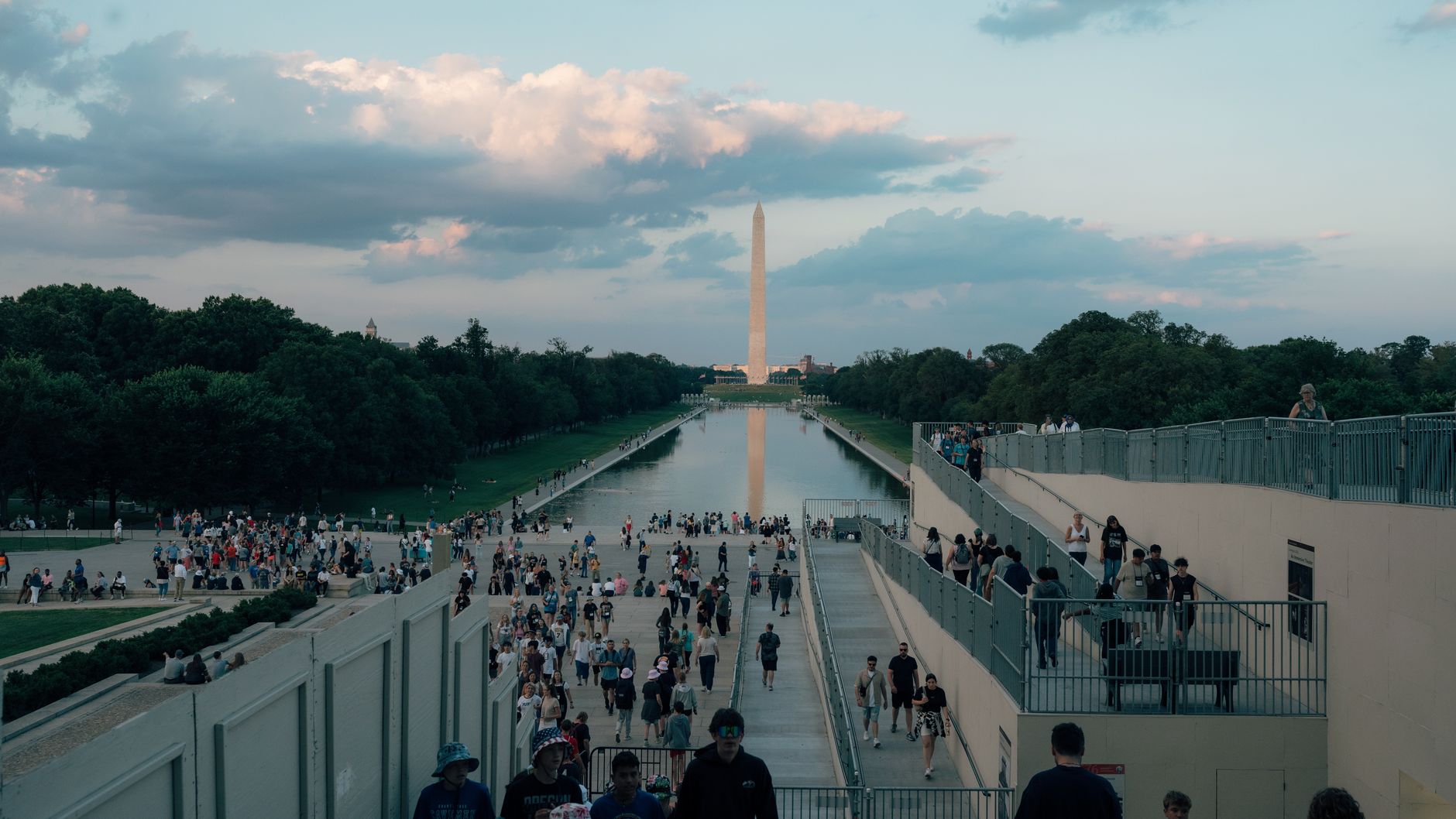
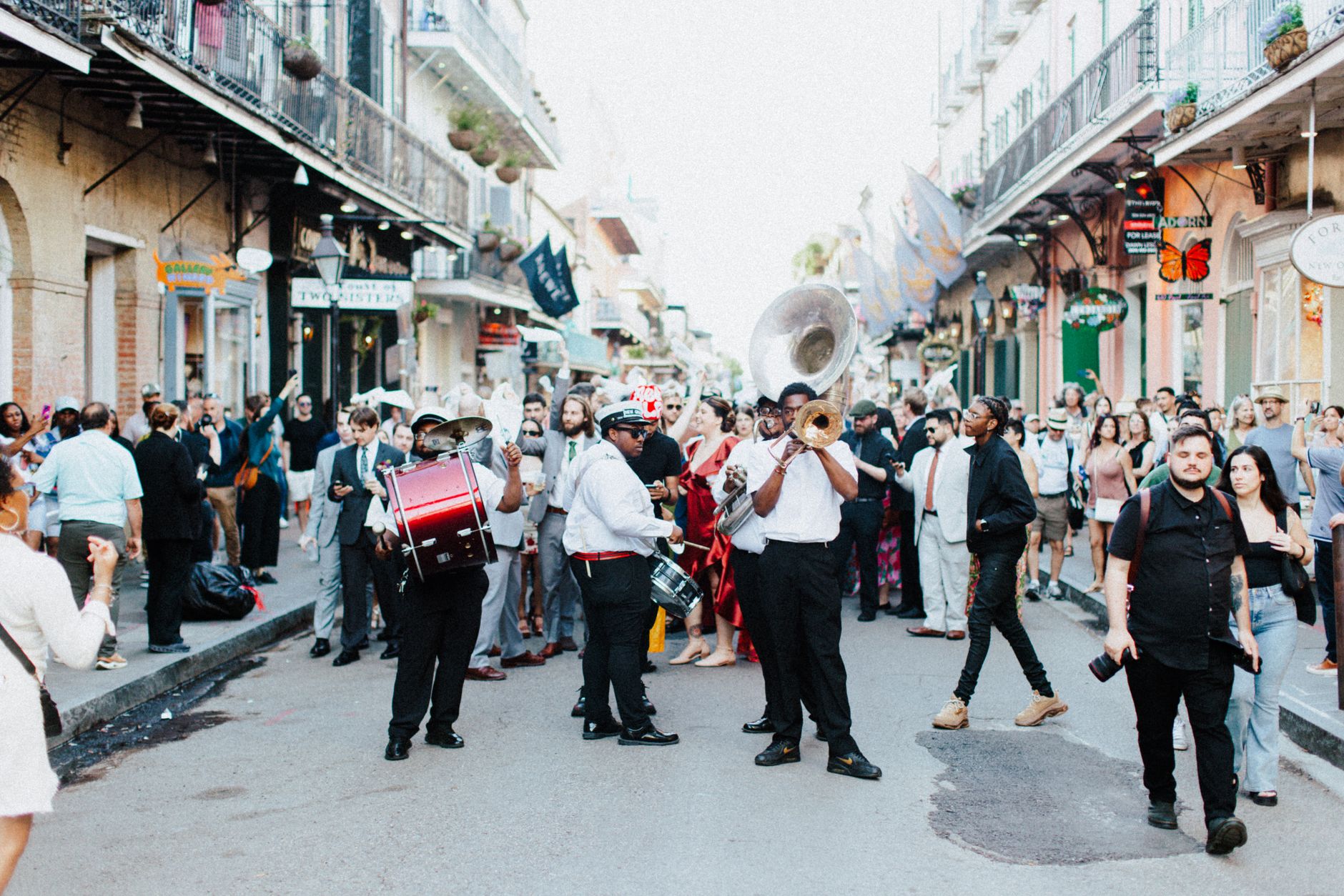
The United States is large enough to contain genuine contradictions: a desert canyon and a glacial fjord, a jazz bar in New Orleans and a Shaker meeting house in rural Maine, all operating under the same passport control. What holds it together is harder to name than a flag. Start with the specifics — the smell of a Douglas fir forest after rain, the flatness of the Great Plains seen from a car window at dusk — and the country begins to make a kind of sense.
For the traveller arriving from elsewhere, the scale takes adjustment. A domestic flight from New York to Los Angeles takes longer than crossing most of Europe. Plan accordingly, and resist the urge to cover too much ground.
Popular regions in United States


💛 What travellers fall for
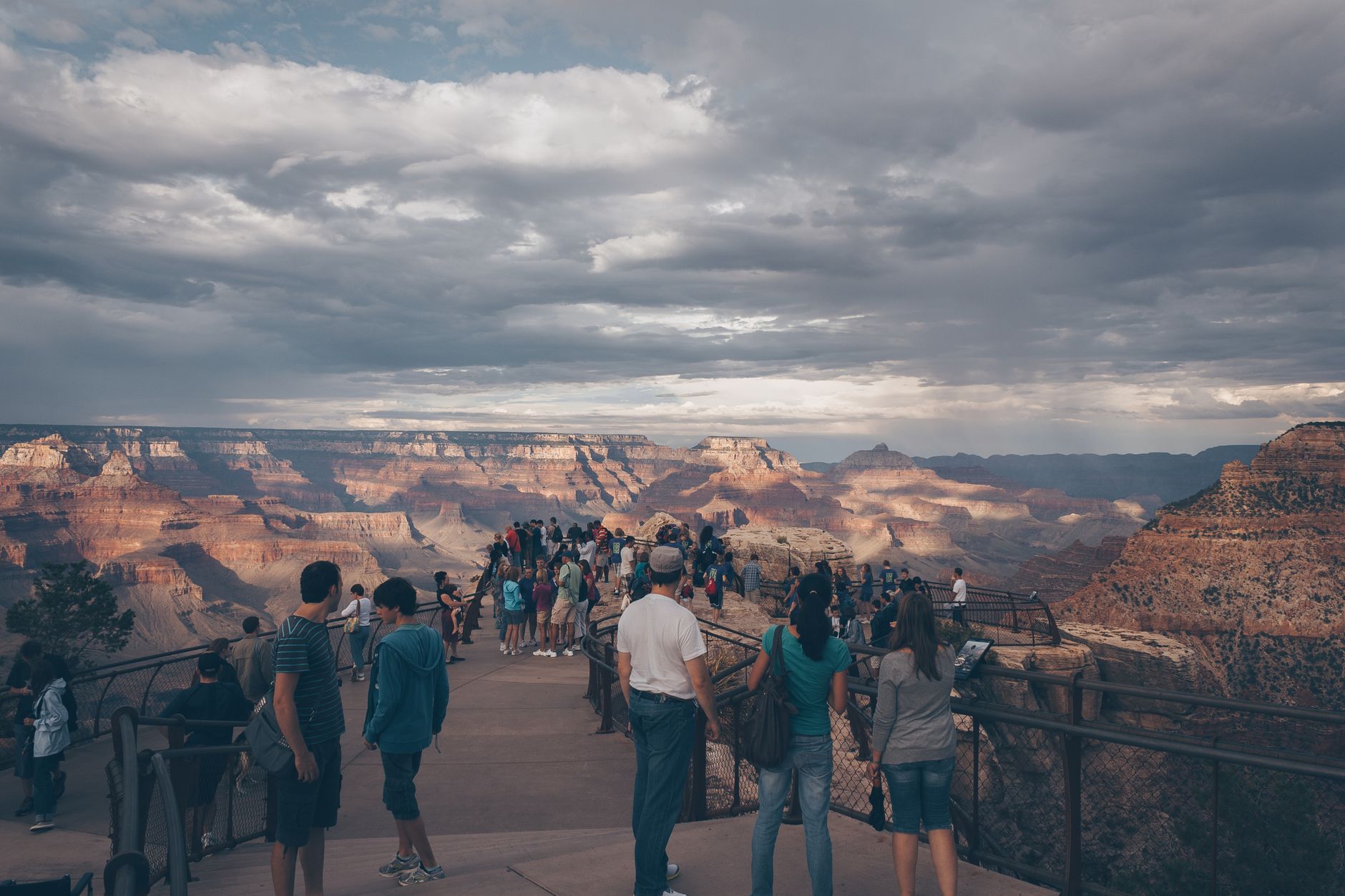
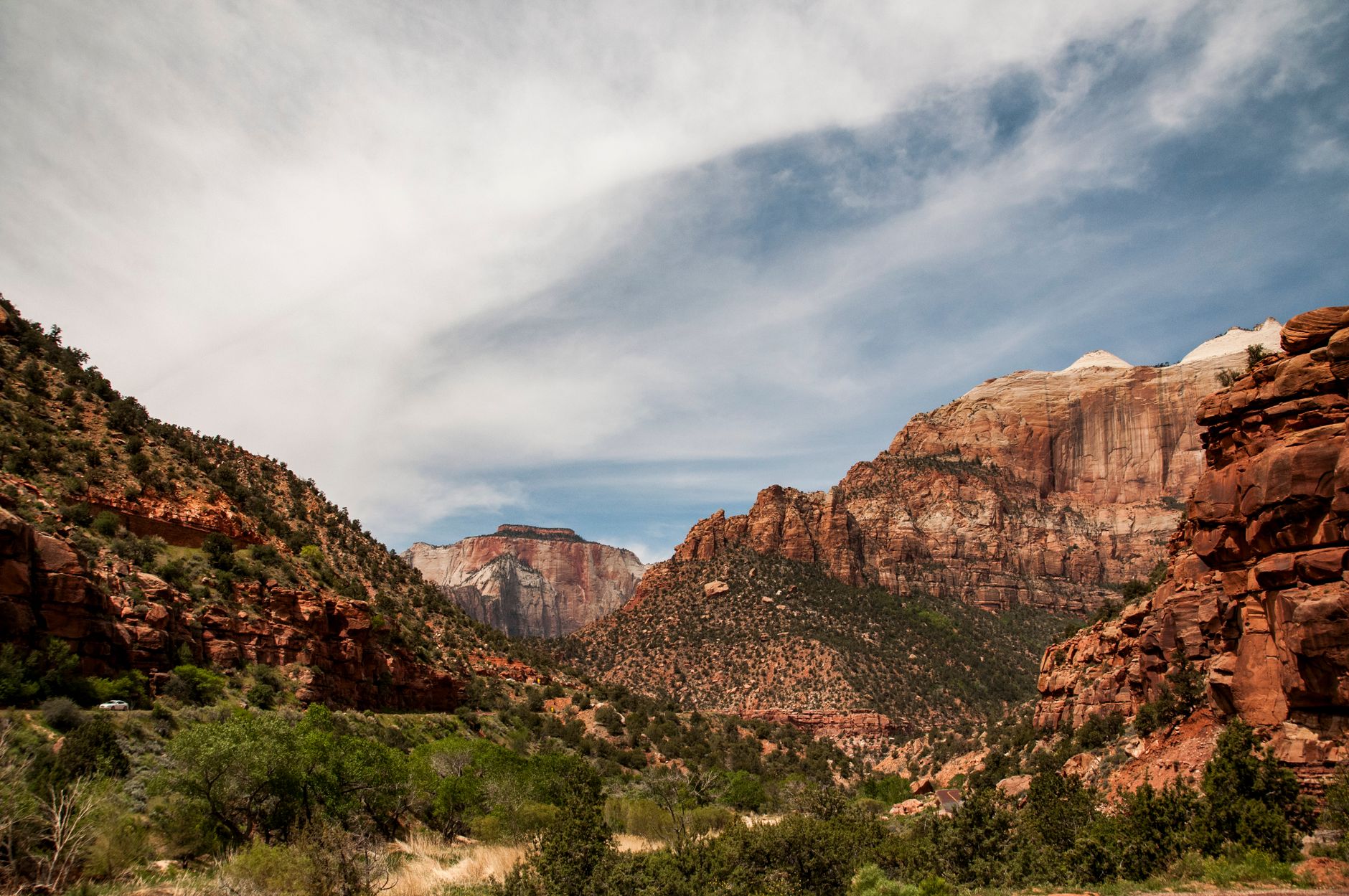
People who keep coming back tend to stop trying to do the whole country and instead go deep on a region. The Southwest in spring, when the desert is cool and the light is long. The Northeast in October, when the foliage is not a cliché but an actual physical event. Pick a corridor and drive it slowly.
Deals in United States
Book directly at the provider

How United States came to be
On July 4, 1776, the Second Continental Congress adopted the Declaration of Independence at the Pennsylvania State House in Philadelphia — a Georgian-style hall completed in 1753, now known as Independence Hall and designated a UNESCO World Heritage Site. Thomas Jefferson wrote the original draft between June 11 and 28 of that year, with edits from John Adams and Benjamin Franklin among the Committee of Five. The engrossed version was signed on August 2, with 56 delegates eventually adding their names — the last being Thomas McKean in January 1777.
The Revolutionary War that formalised the break from Britain ran from 1775 to 1783. What followed was a slow, contested process of expansion, civil conflict, immigration, and reinvention that produced the country you arrive in today — one still visibly working through the terms of its founding documents.
Who and what shaped it
People who shaped it
Landmark buildings
See United States in motion
Plan your visit
On the map
When to go
The country spans nearly every climate type: winters in the Northeast are long and genuinely cold (January averages can drop well below freezing), while the Southwest desert stays relatively mild year-round, often reaching 70–80°F even in winter. The Pacific Northwest runs cool and overcast from autumn through spring, then turns brilliantly clear in summer; the Southeast is hot and humid from late spring through September.
Right now
↡ Cities
↡ Regions








No places match these filters.
Background & history adapted from Wikipedia (CC BY-SA) · specs from Wikidata (CC0) · weather from Open-Meteo · map data © OpenStreetMap contributors · photos from Wikimedia Commons / Unsplash with per-image credit. No third-party reviews or social posts reproduced.