
Miami
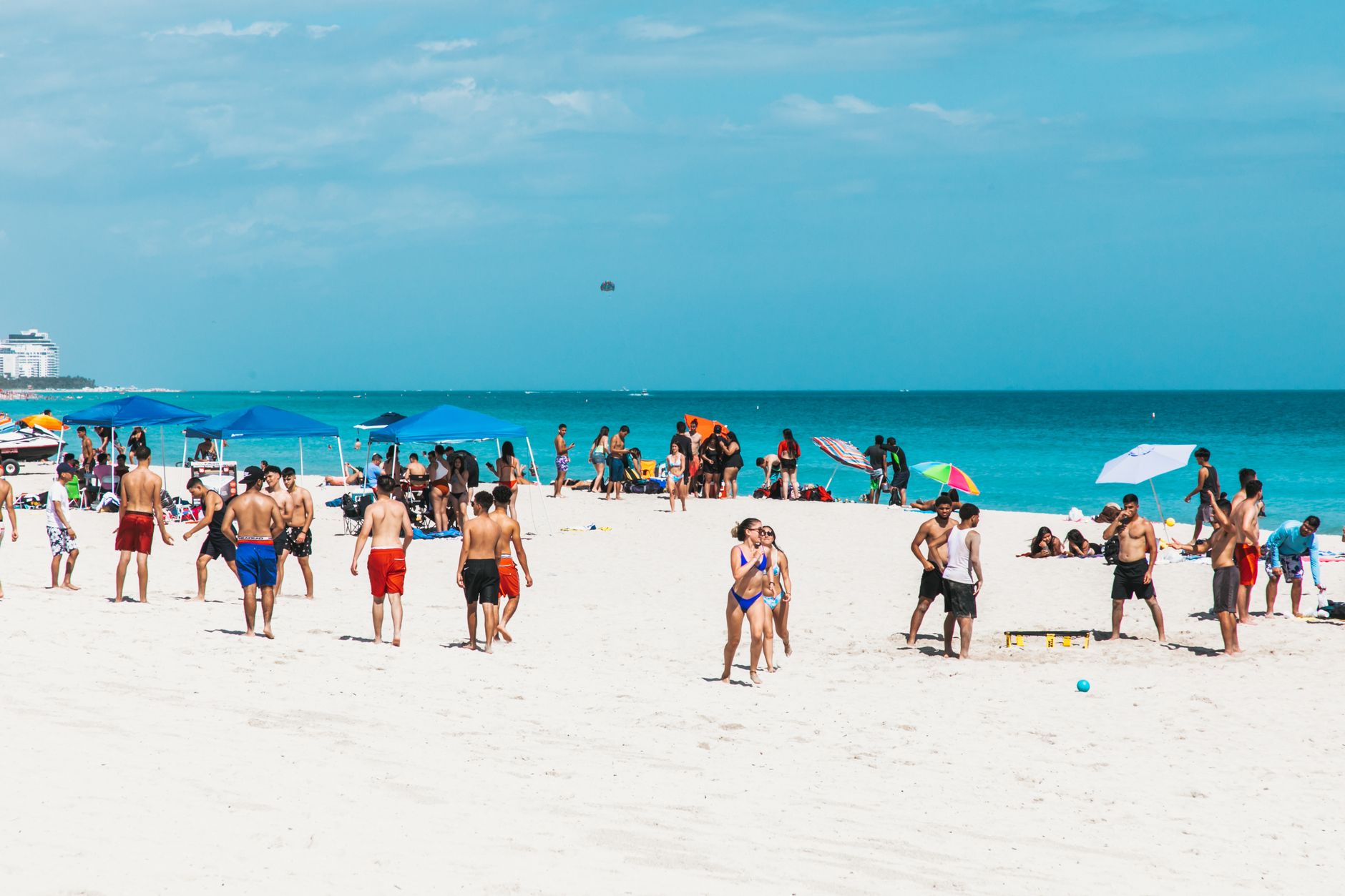
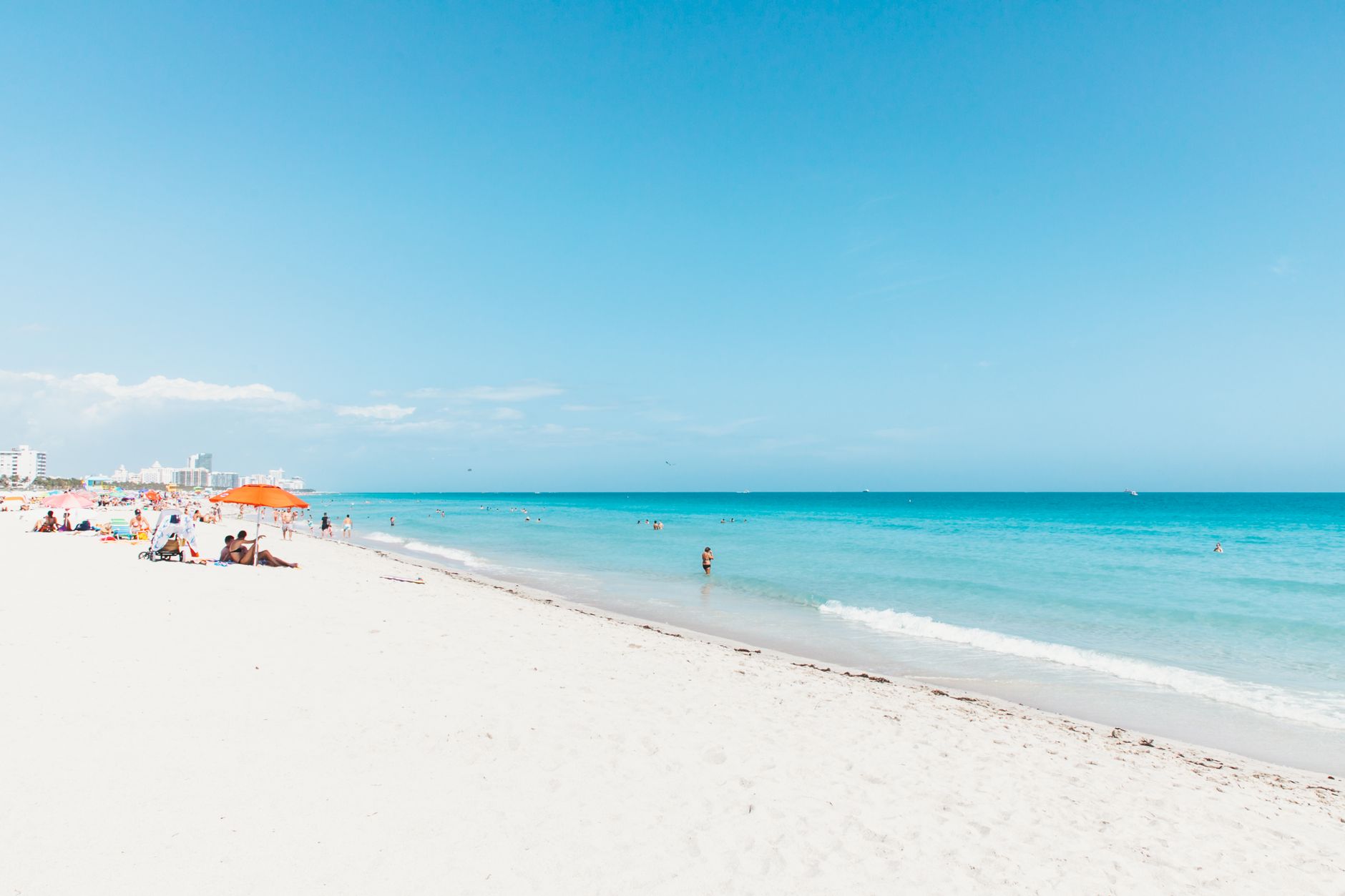
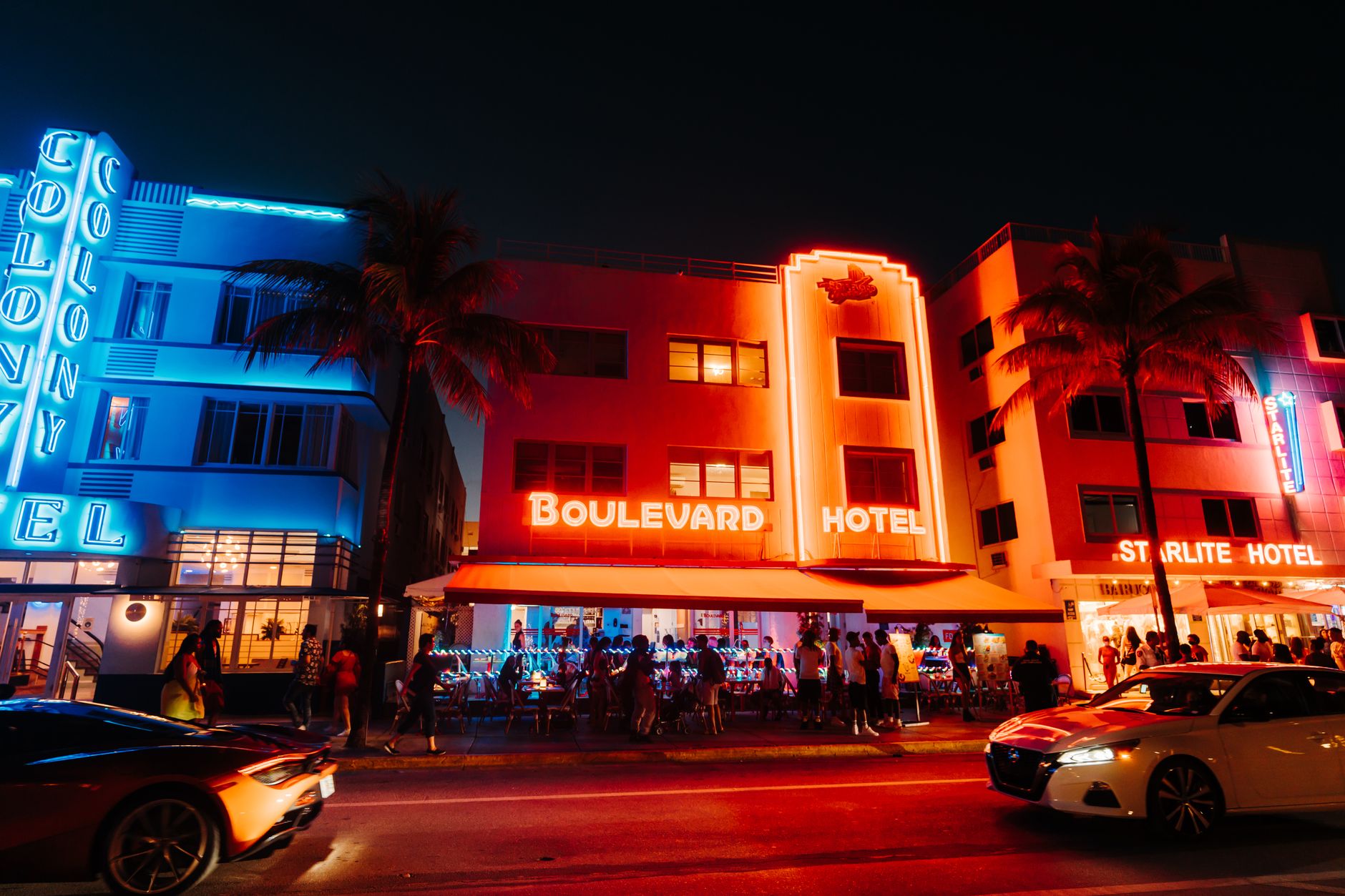
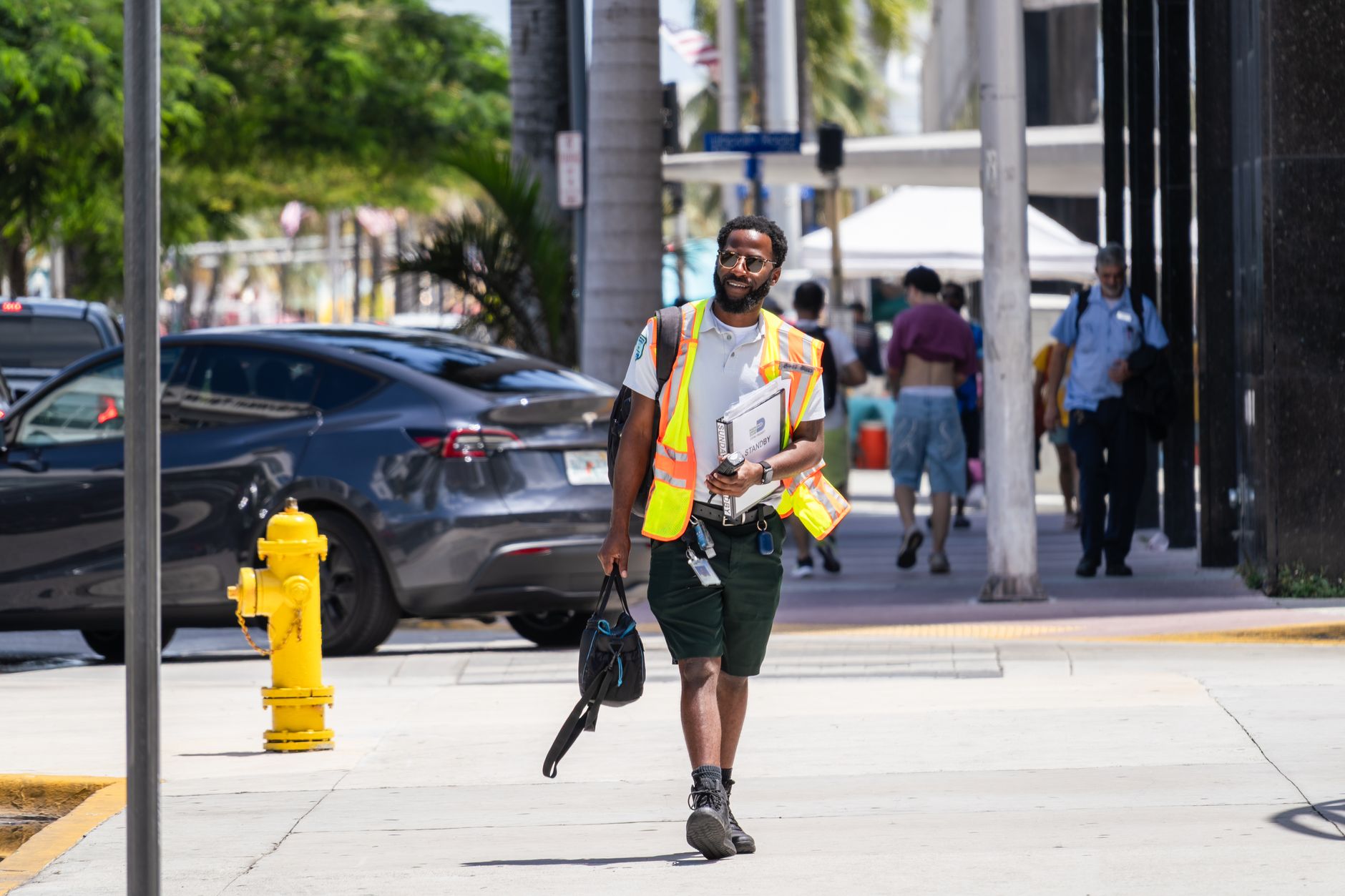
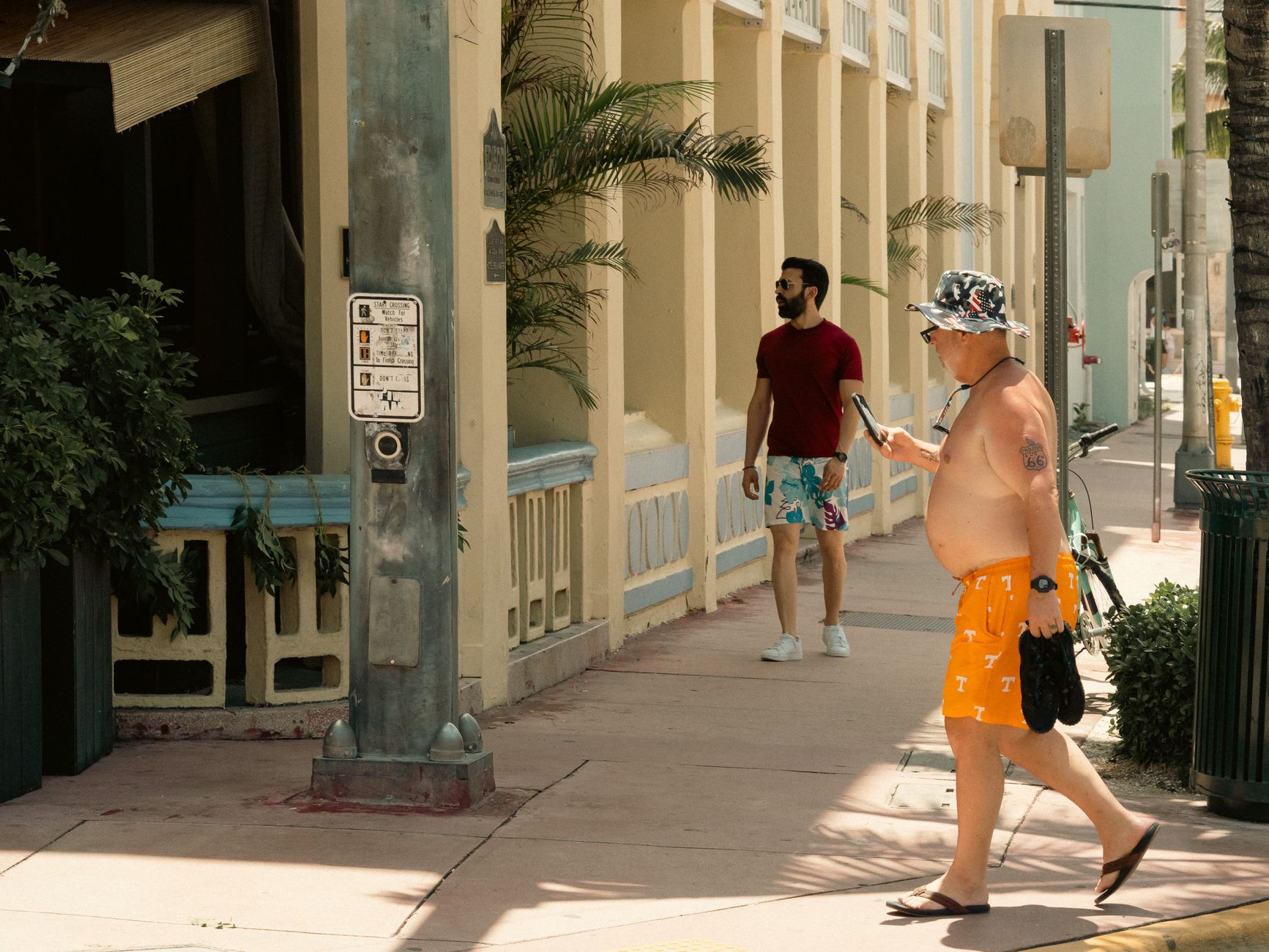
Miami is where the Atlantic meets a city that has always moved fast. It was incorporated in 1896 with a population of barely 300 people, and within a generation it had a world-famous skyline of pastel Art Deco hotels lining Ocean Drive. Today the metro area stretches from Coconut Grove to Hialeah, from Brickell's glass towers to the low-slung streets of Little Havana, each neighborhood carrying its own distinct weight.
What holds it together is the light — flat, almost white at midday, turning the bay into hammered silver by late afternoon. Miami rewards the curious traveler who slows down enough to read the city's layers: the architectural, the political, the deeply Caribbean.
💛 What travellers fall for
People who come back tend to do the Art Deco Walking Tour with the Miami Design Preservation League before anything else — even if they've done it before. It resets your eye. After that, the Metromover becomes your best friend: free, air-conditioned, and a genuine shortcut between Brickell and downtown without the parking headache.
How Miami came to be
Miami is the only major U.S. city founded by a woman. Julia Tuttle, a Cleveland-born entrepreneur who had settled on the north bank of the Miami River, spent years trying to persuade railroad magnate Henry Flagler to extend his Florida East Coast Railway south. The Great Freeze of 1894–95 made her case for her: every citrus crop in Florida was destroyed except hers. Flagler's first train pulled into Miami on April 13, 1896; the city was incorporated that July with 300 residents.
The boom of the 1920s ended abruptly when the real-estate bubble burst in 1925, followed by a devastating hurricane in 1926 and then the Depression. Yet construction on Miami Beach never fully stopped, and the result is the largest concentration of Art Deco architecture in the world — some 800 buildings between 5th and 23rd Streets. That district might have been demolished in the 1970s had activist Barbara Capitman not co-founded the Miami Design Preservation League and fought to have it listed on the National Register of Historic Places in 1979. Then, in 1959, the Cuban Revolution sent wave after wave of exiles north across the Florida Straits, permanently reshaping Miami's culture, food, and political character.
Who and what shaped it
People who shaped it
Landmark buildings
See Miami in motion
Plan your visit
On the map
When to go
Miami has a tropical monsoon climate: summers (June–September) are hot, very humid, and broken up by heavy afternoon thunderstorms, while winters are warm and noticeably drier, with temperatures that rarely dip below the mid-60s Fahrenheit. The dry season, roughly November through April, is the most comfortable time to be outdoors for any length of time.
Right now
Background & history adapted from Wikipedia (CC BY-SA) · specs from Wikidata (CC0) · weather from Open-Meteo · map data © OpenStreetMap contributors · photos from Wikimedia Commons / Unsplash with per-image credit. No third-party reviews or social posts reproduced.