
Norway
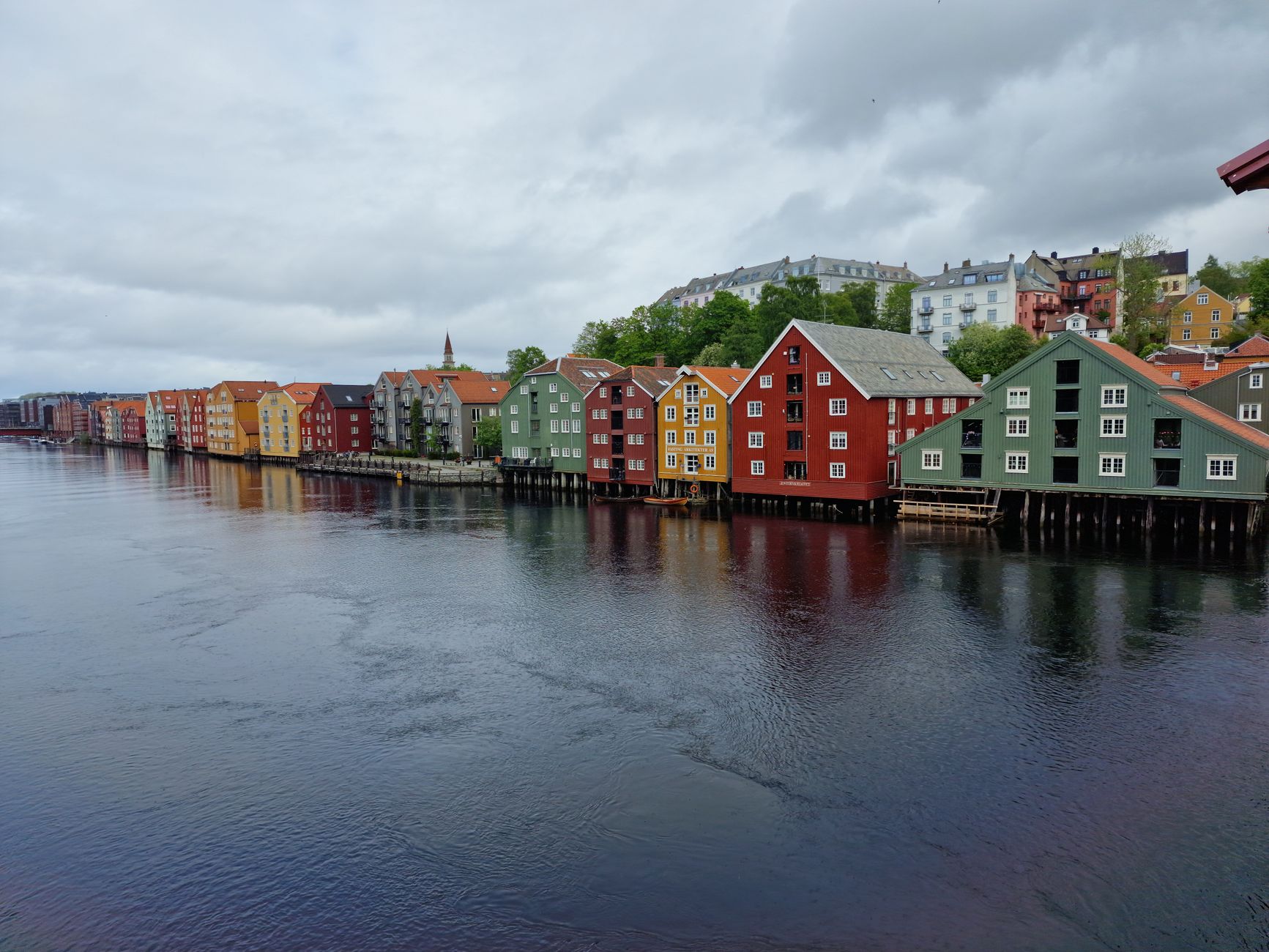
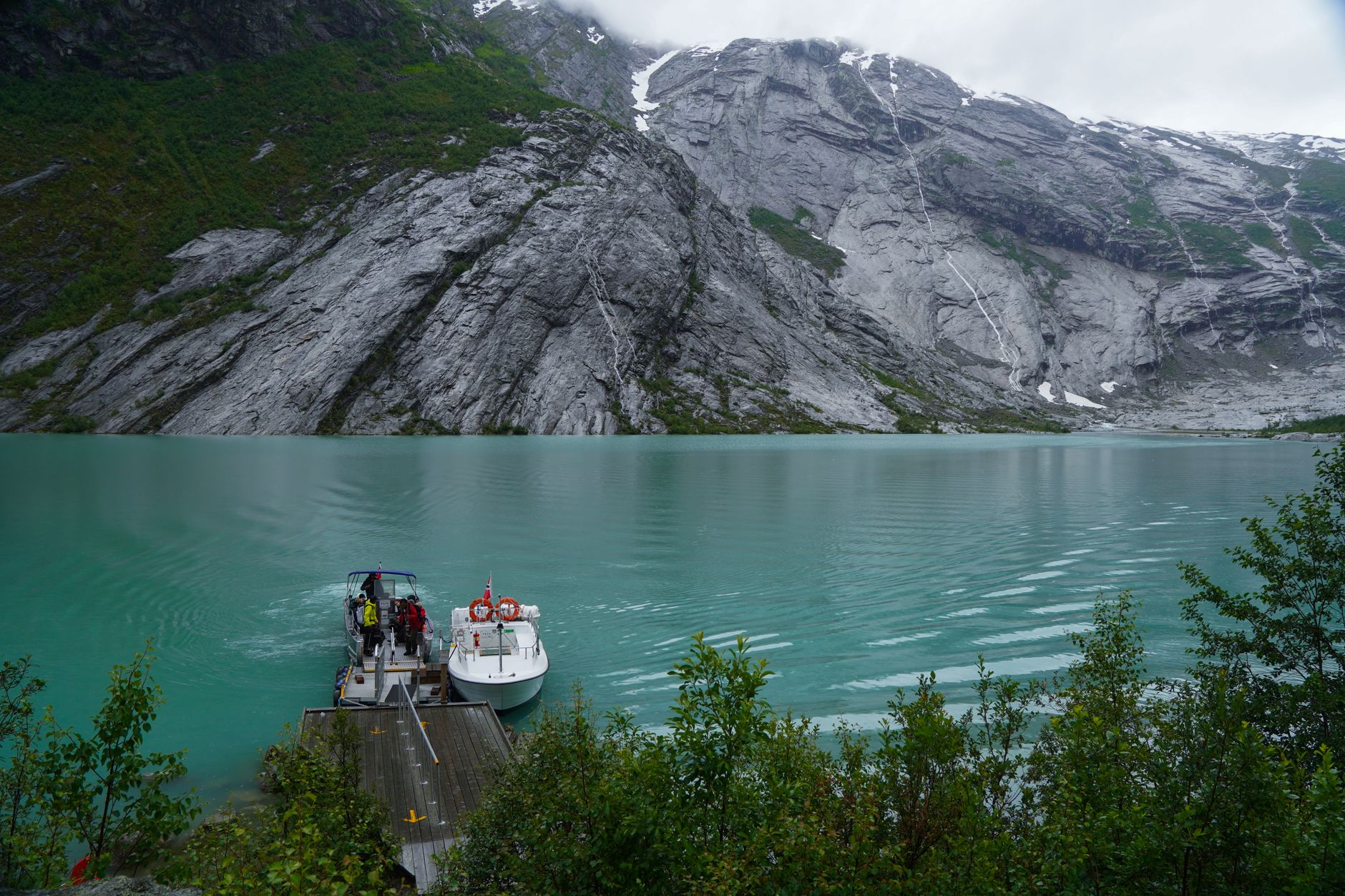
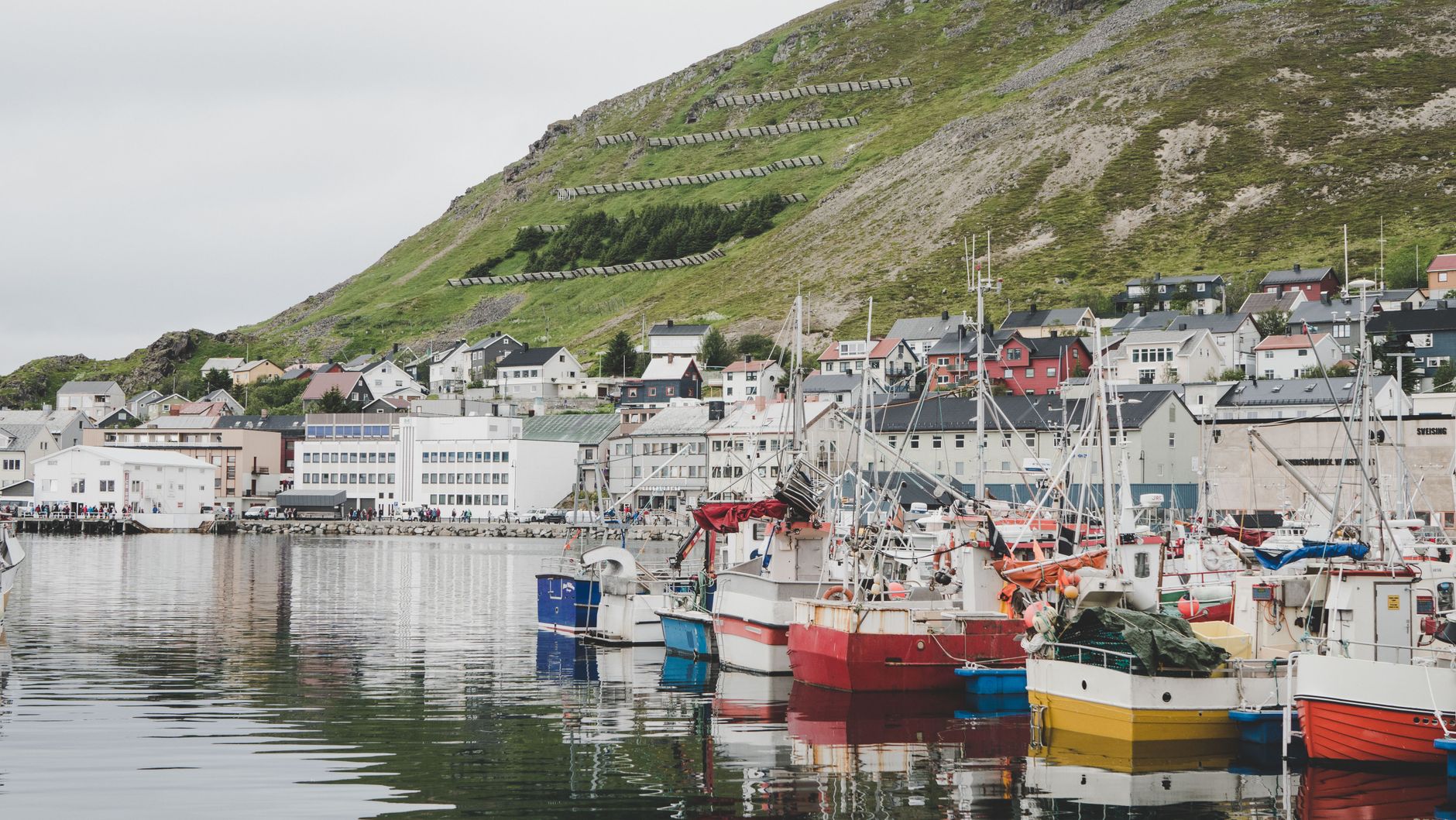
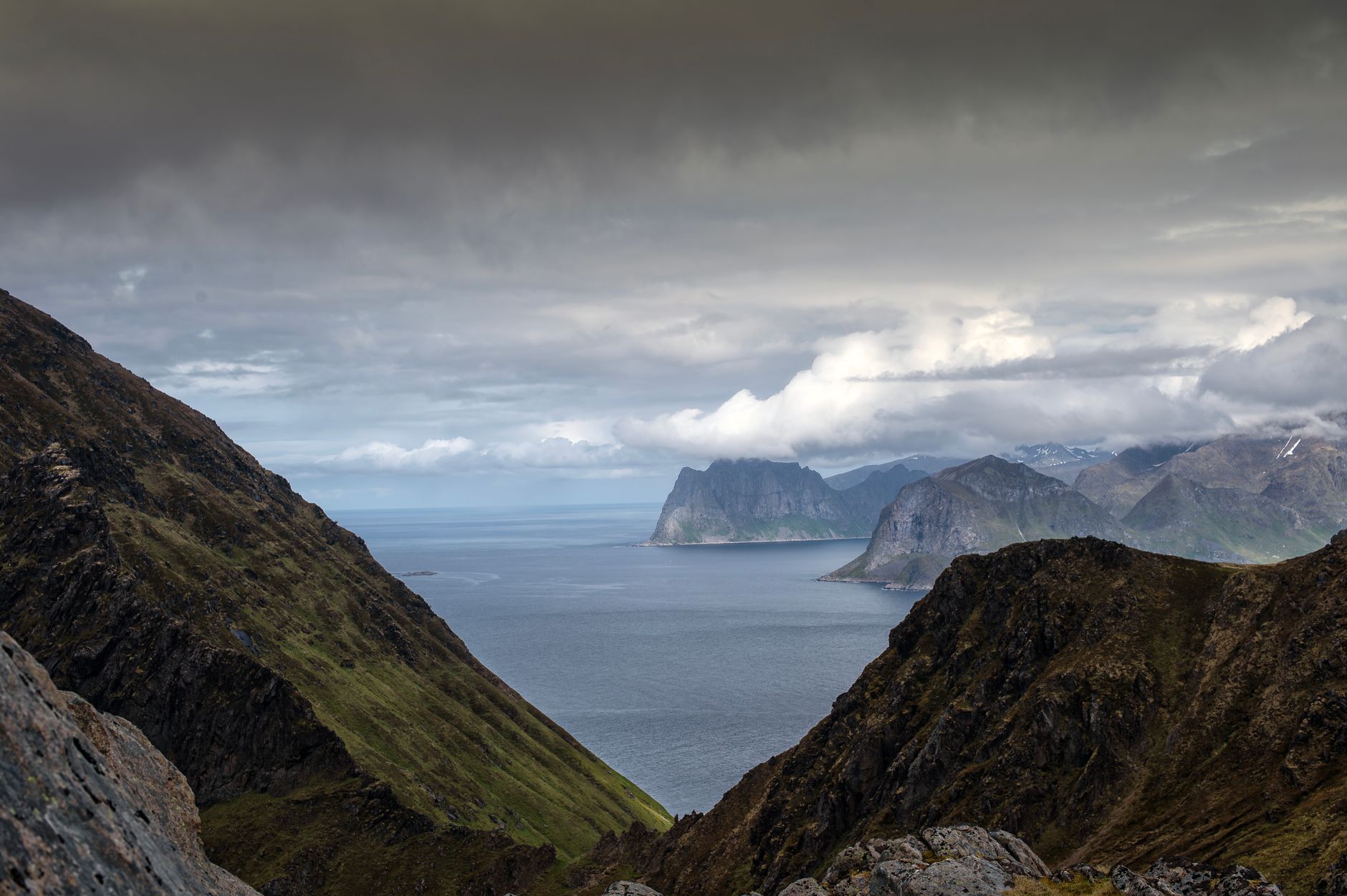
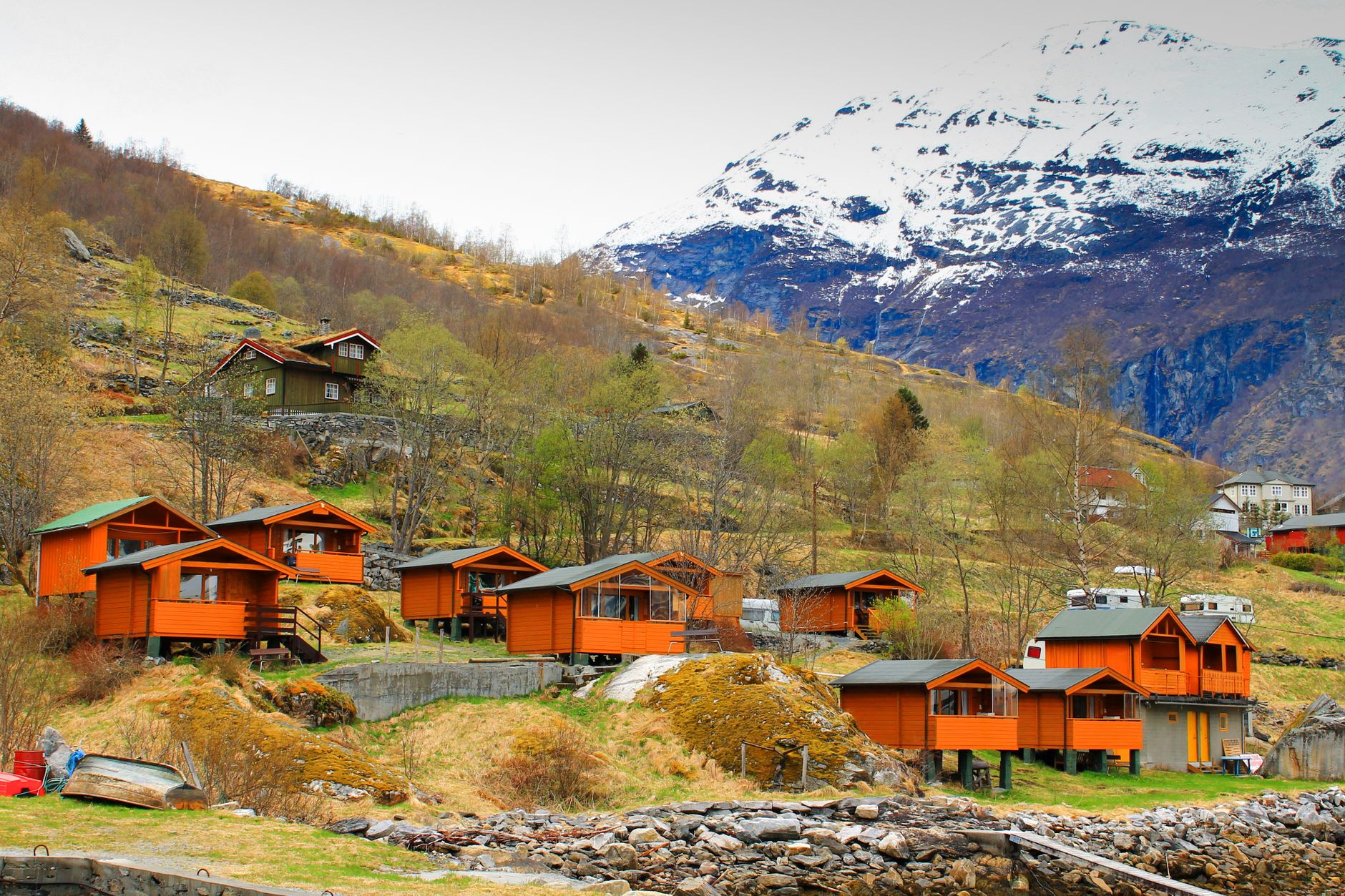
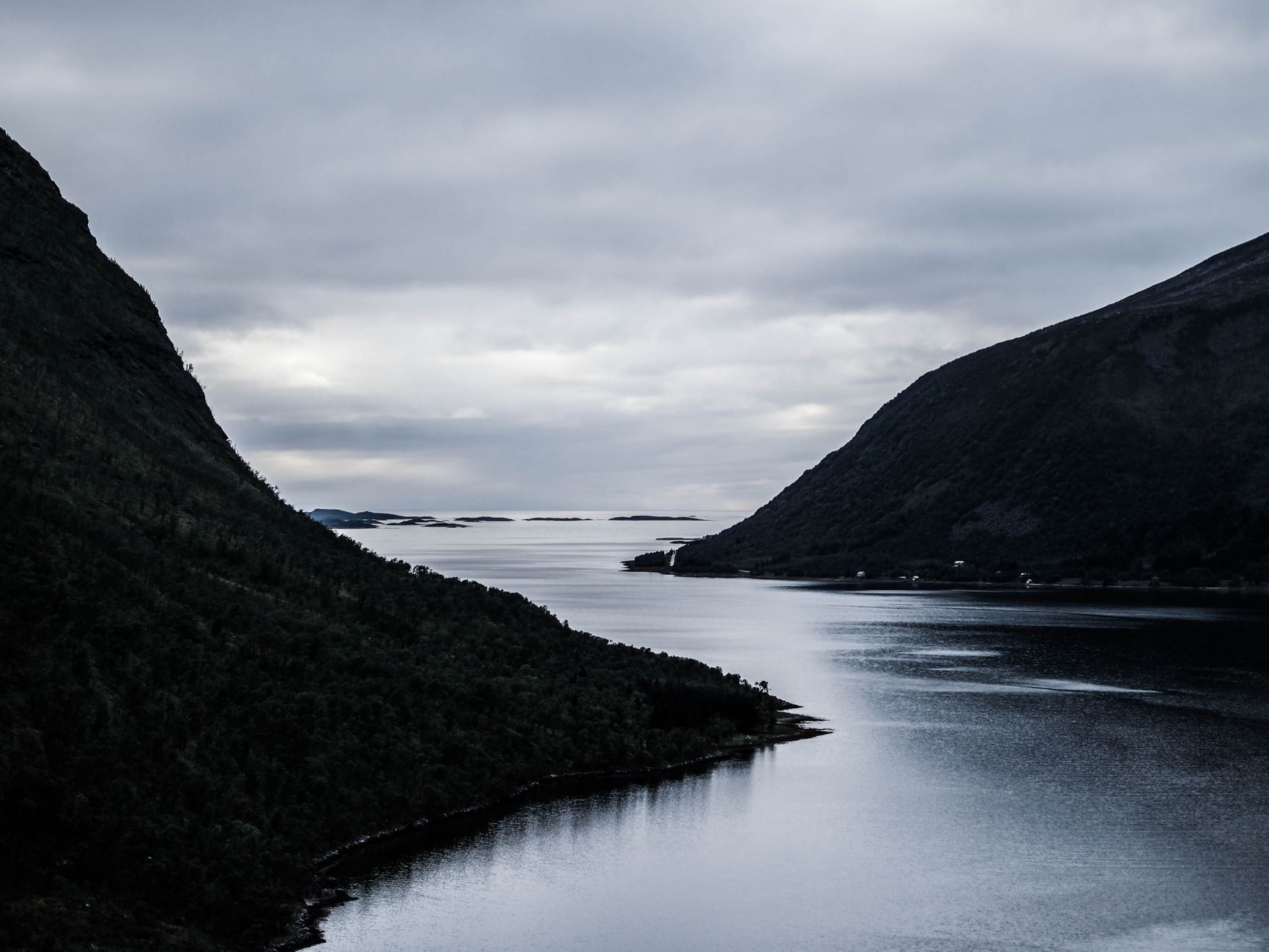
Norway is a country where the land itself keeps score of deep time — coastlines carved by glaciers, fjords that push seawater dozens of kilometres inland, and a glacier at Jostedalsbreen that remains the largest on mainland Europe. People have been arriving here since around 12,000 BC, drawn by the same things that draw travellers today: the sea, the fish, the light that does strange and generous things at certain latitudes.
The country runs from the agricultural south to the Arctic north, where the Atlantic and Arctic Oceans meet at the North Cape. Between those two points you'll find stave churches that have stood since the twelfth century, a railway between Oslo and Bergen that opened in 1909, and cities built around waterfronts that have been trading for a thousand years.
Deals in Norway
Book directly at the provider

How Norway came to be
The coast was settled around 12,000 BC as the ice retreated, and for millennia the sea defined everything — trade, diet, identity. The political shape of Norway came later and roughly: Harald Fairhair unified the country after the Battle of Hafrsfjord around 870–900, and Olav Tryggvason, who became king in 995, founded Trondheim two years later while pushing Christianity across the country. Bergen was established around 1070 and by 1200 had become the country's economic and administrative centre, its Bryggen wharf serving as the headquarters of the Hanseatic League from the mid-1300s to the mid-1700s.
Norway spent centuries under foreign crowns — demoted to a puppet state under Denmark in 1537, then ceded to Sweden by the Treaty of Kiel after the Napoleonic Wars. It declared independence on 17 May 1814, a date still marked as the national day, though a union with Sweden held until June 1905. The discovery of crude oil on the continental shelf in 1969 reshaped the economy in ways that are still unfolding.
Who and what shaped it
People who shaped it
Landmark buildings
See Norway in motion
Plan your visit
On the map
When to go
On the coast, winters are relatively mild and wet, with snow staying largely in the mountains; inland, winters are cold and snowy in earnest. Summers are long-dayed and, in the north, genuinely Arctic — the light alone is worth planning a trip around.
Right now
Background & history adapted from Wikipedia (CC BY-SA) · specs from Wikidata (CC0) · weather from Open-Meteo · map data © OpenStreetMap contributors · photos from Wikimedia Commons / Unsplash with per-image credit. No third-party reviews or social posts reproduced.