Continent

Europe

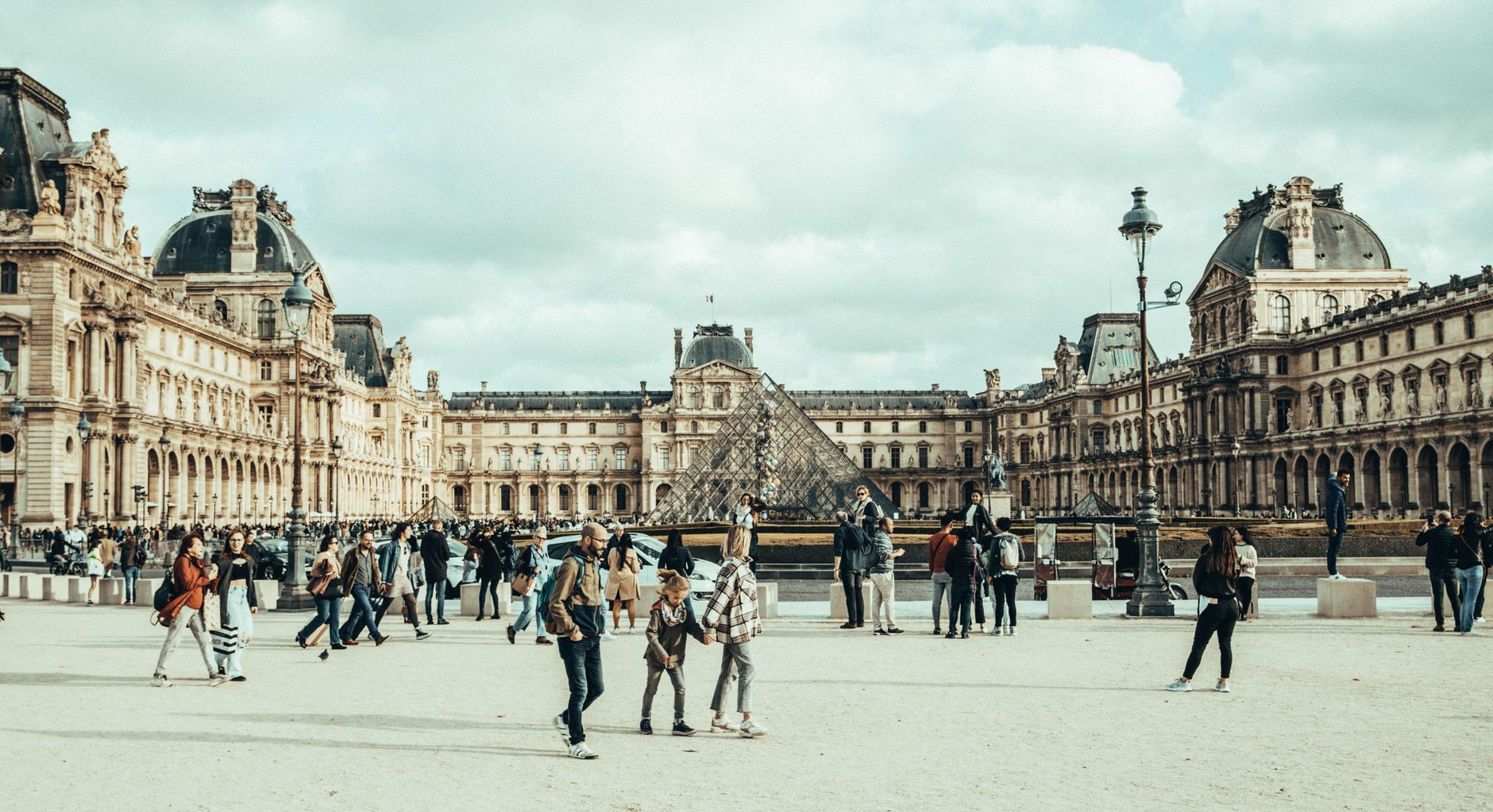
A continent you can cross in an afternoon — and never finish exploring.
Europe
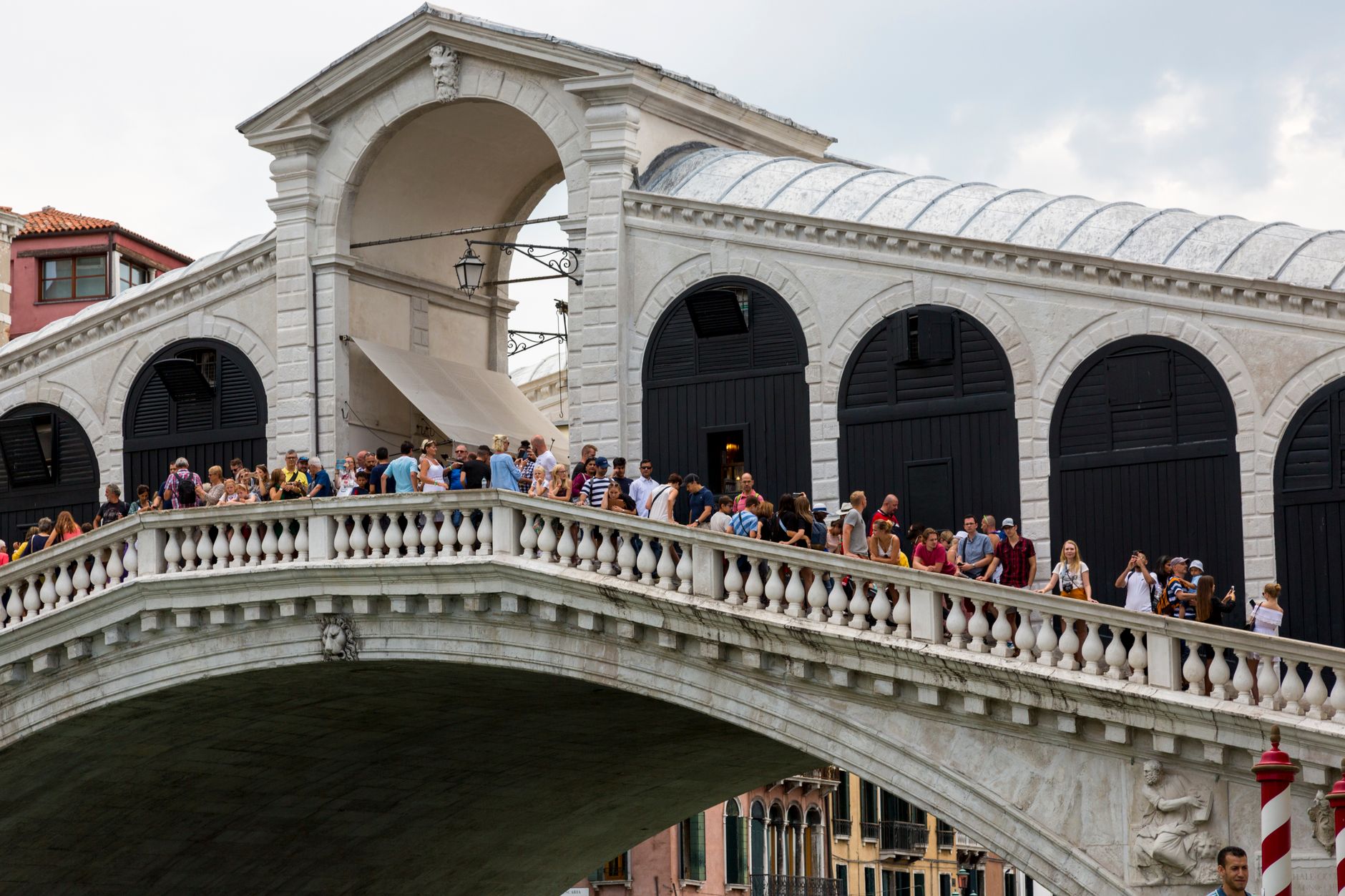
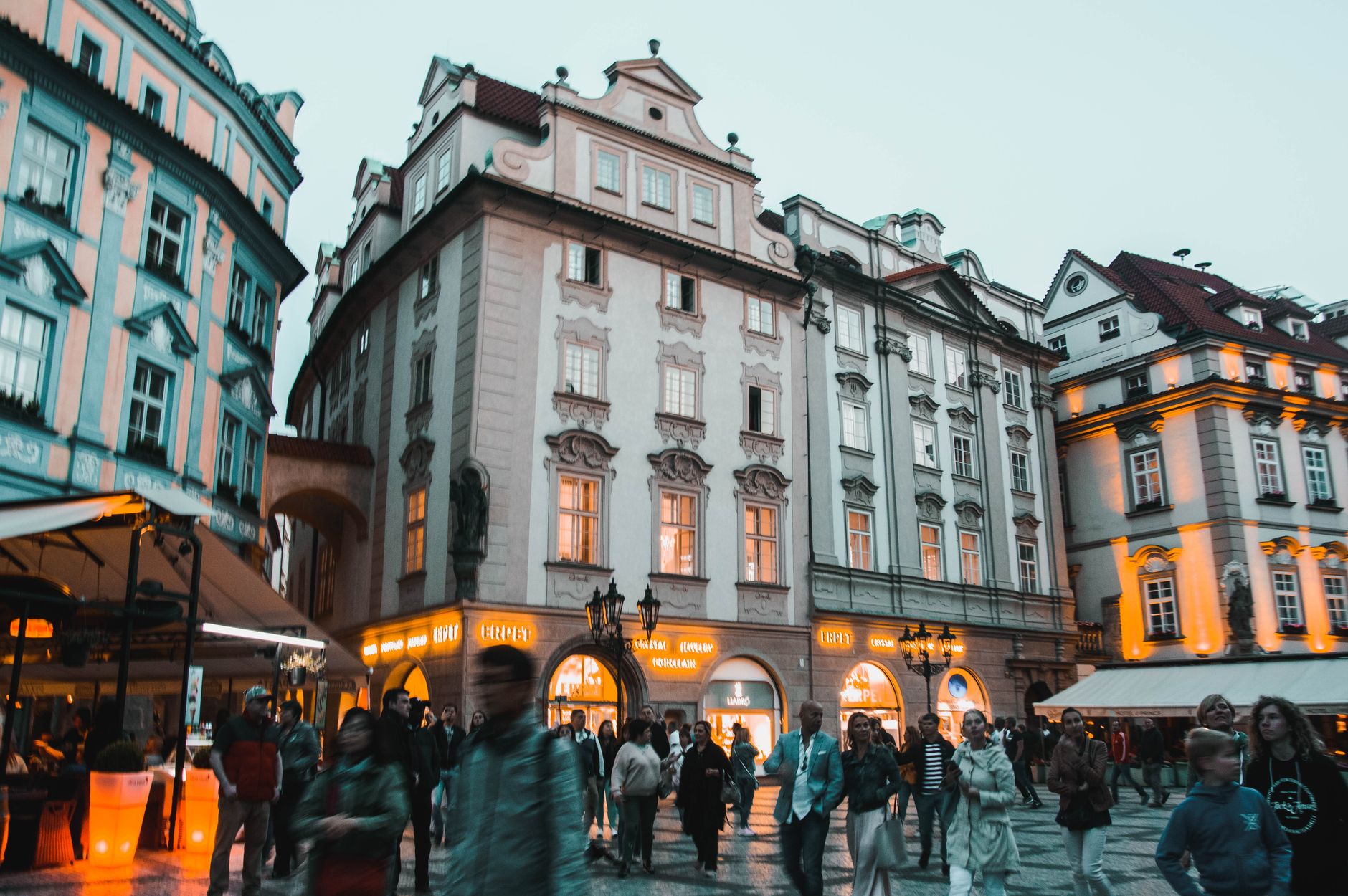
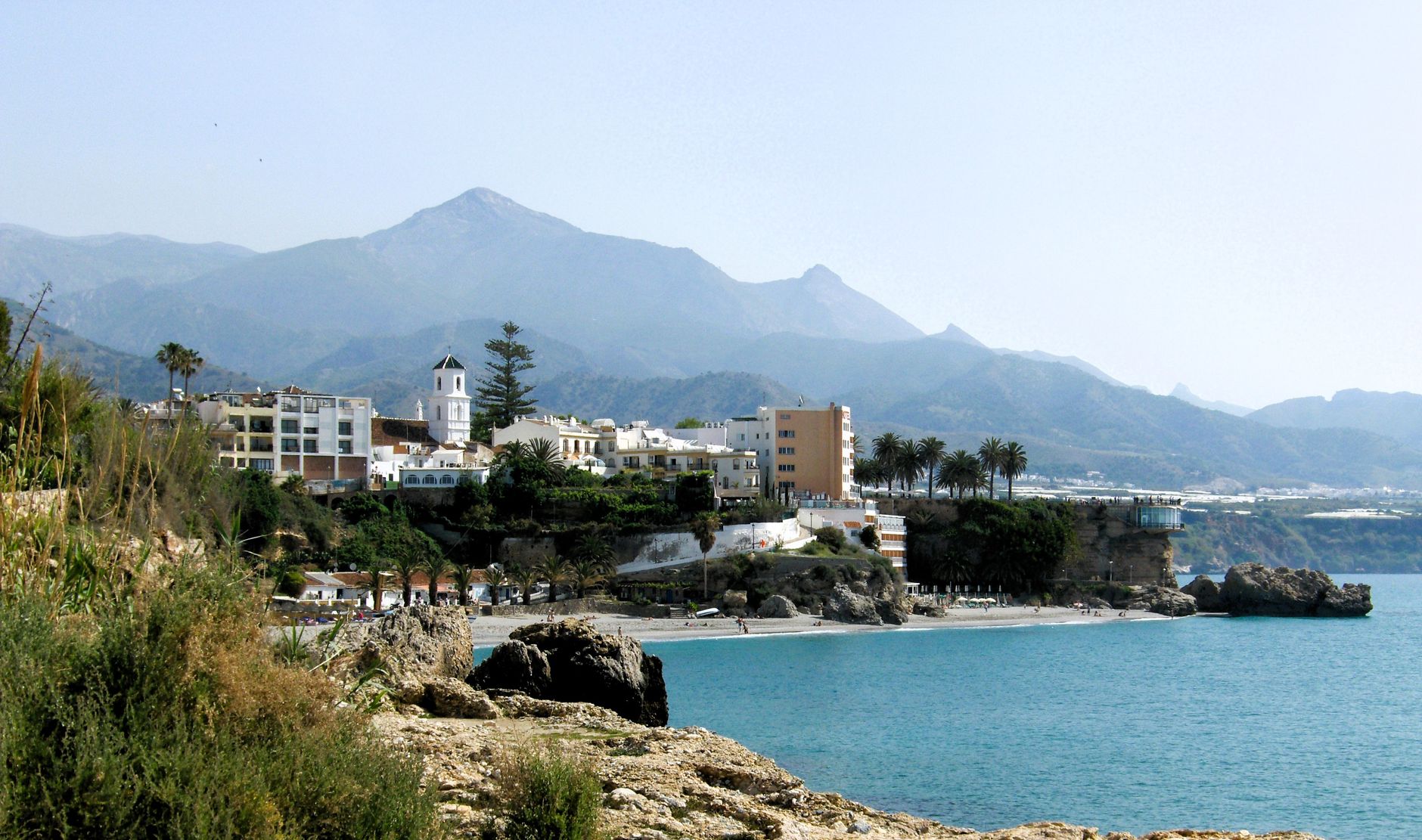
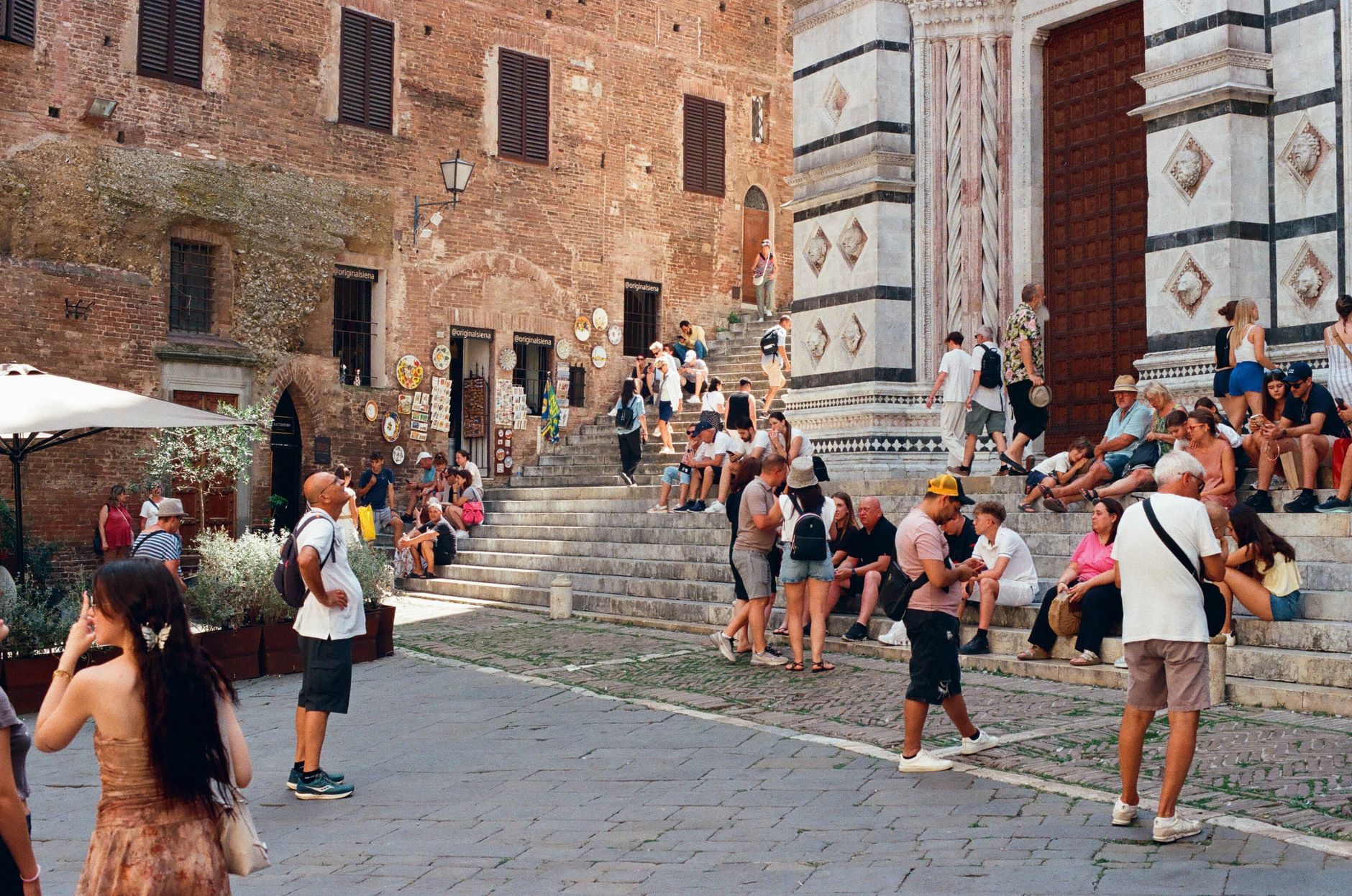
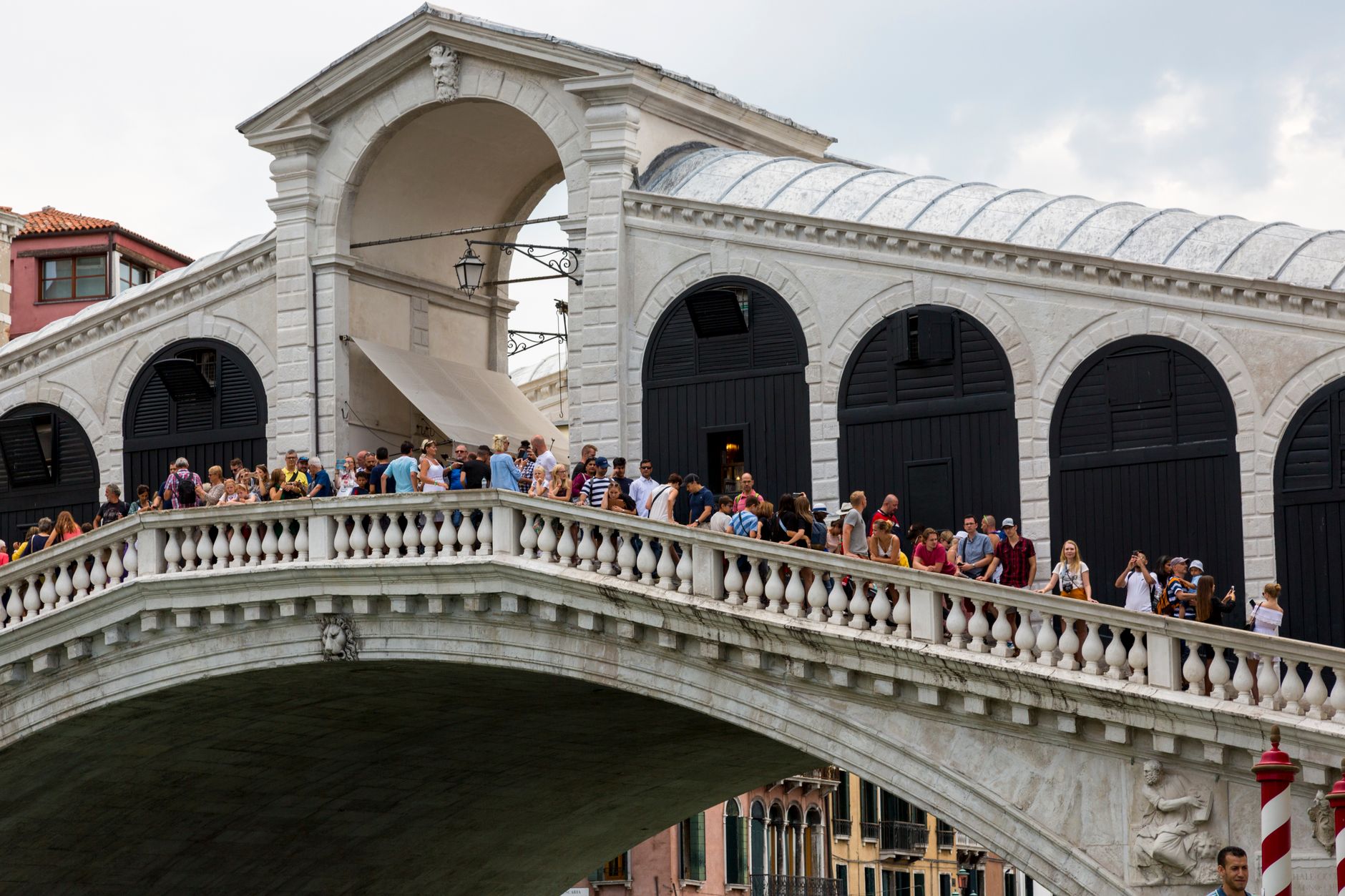
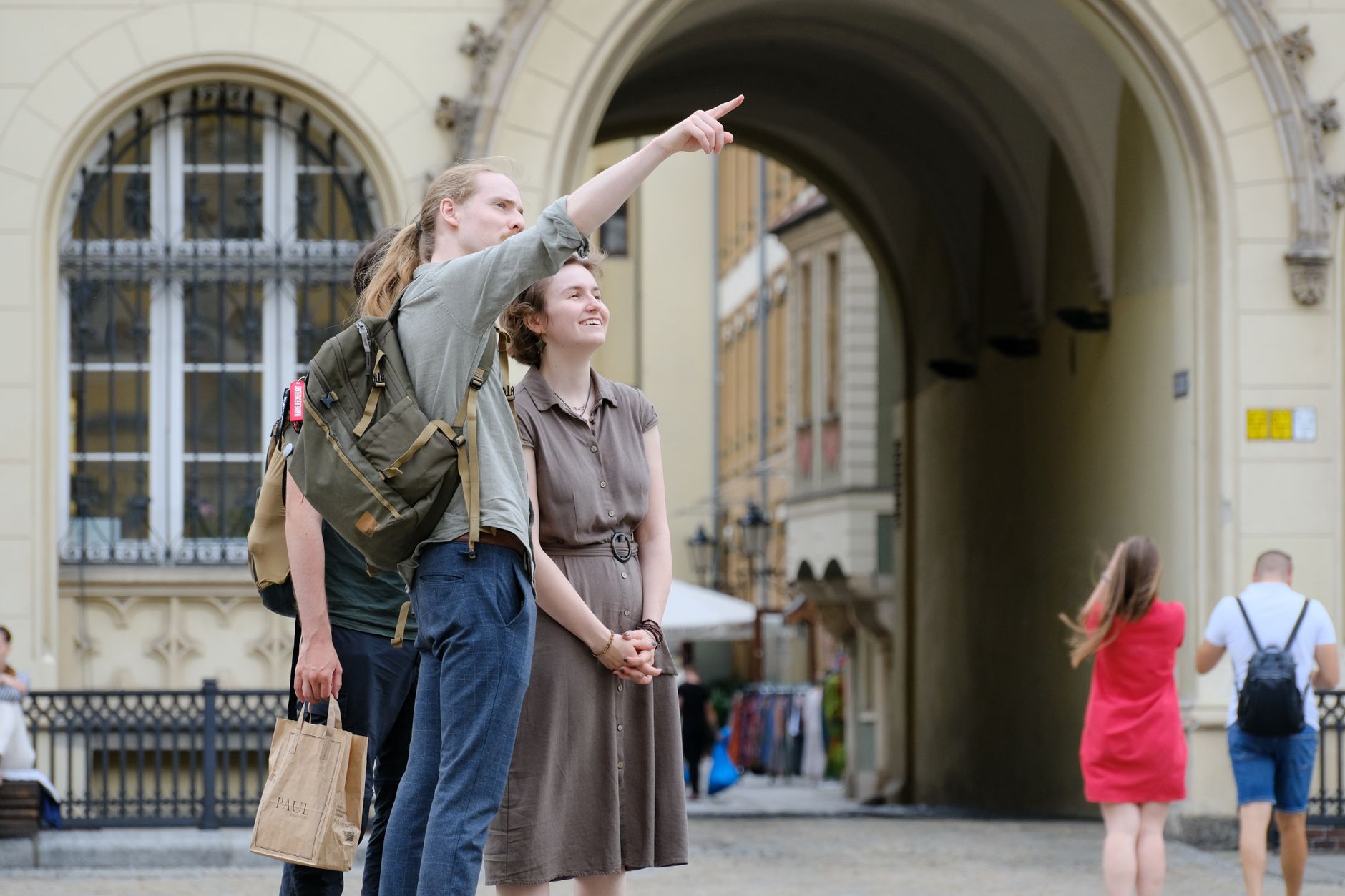
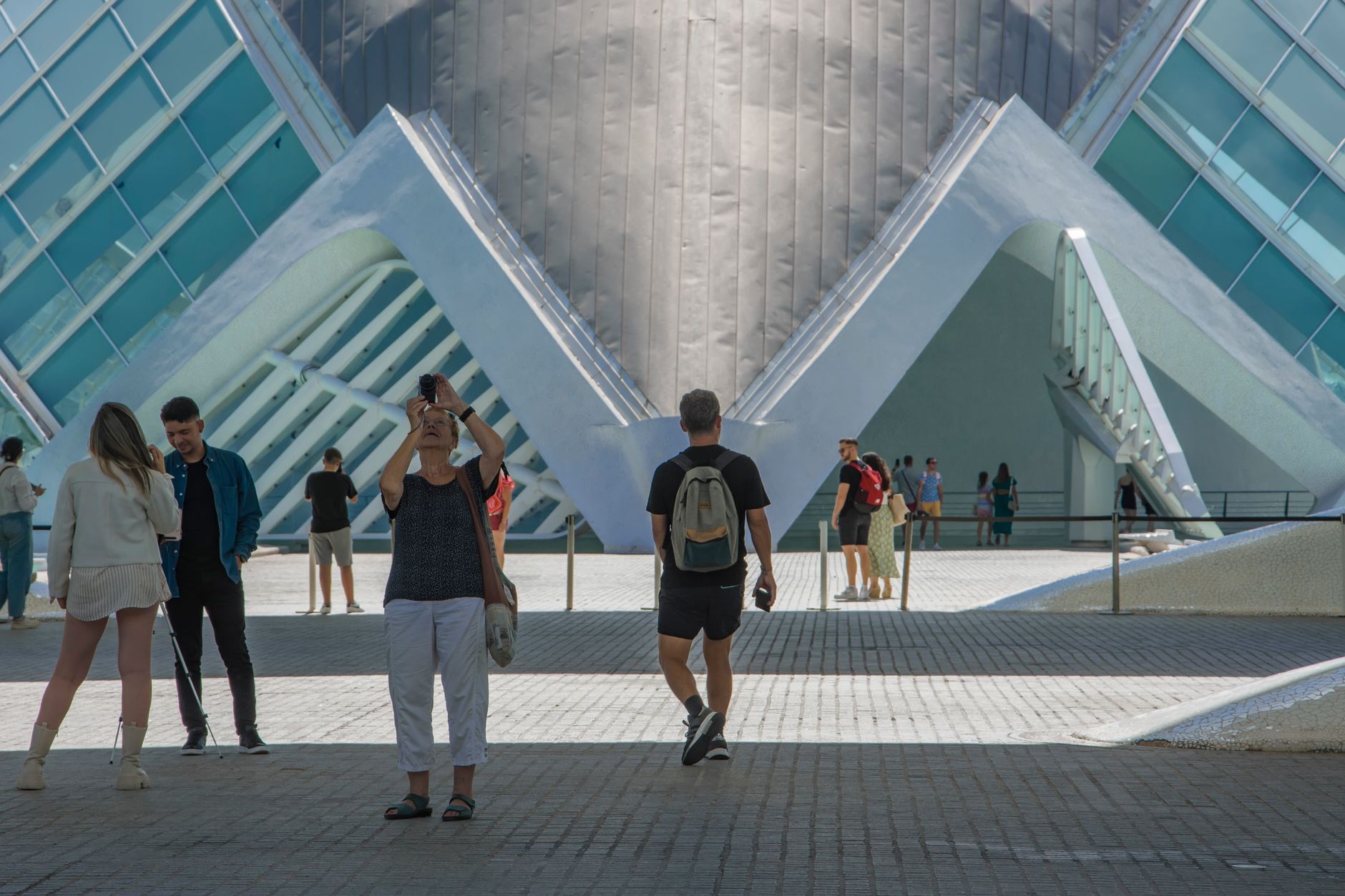
Photo by Ana Hidalgo Burgos on Pexels
Europe
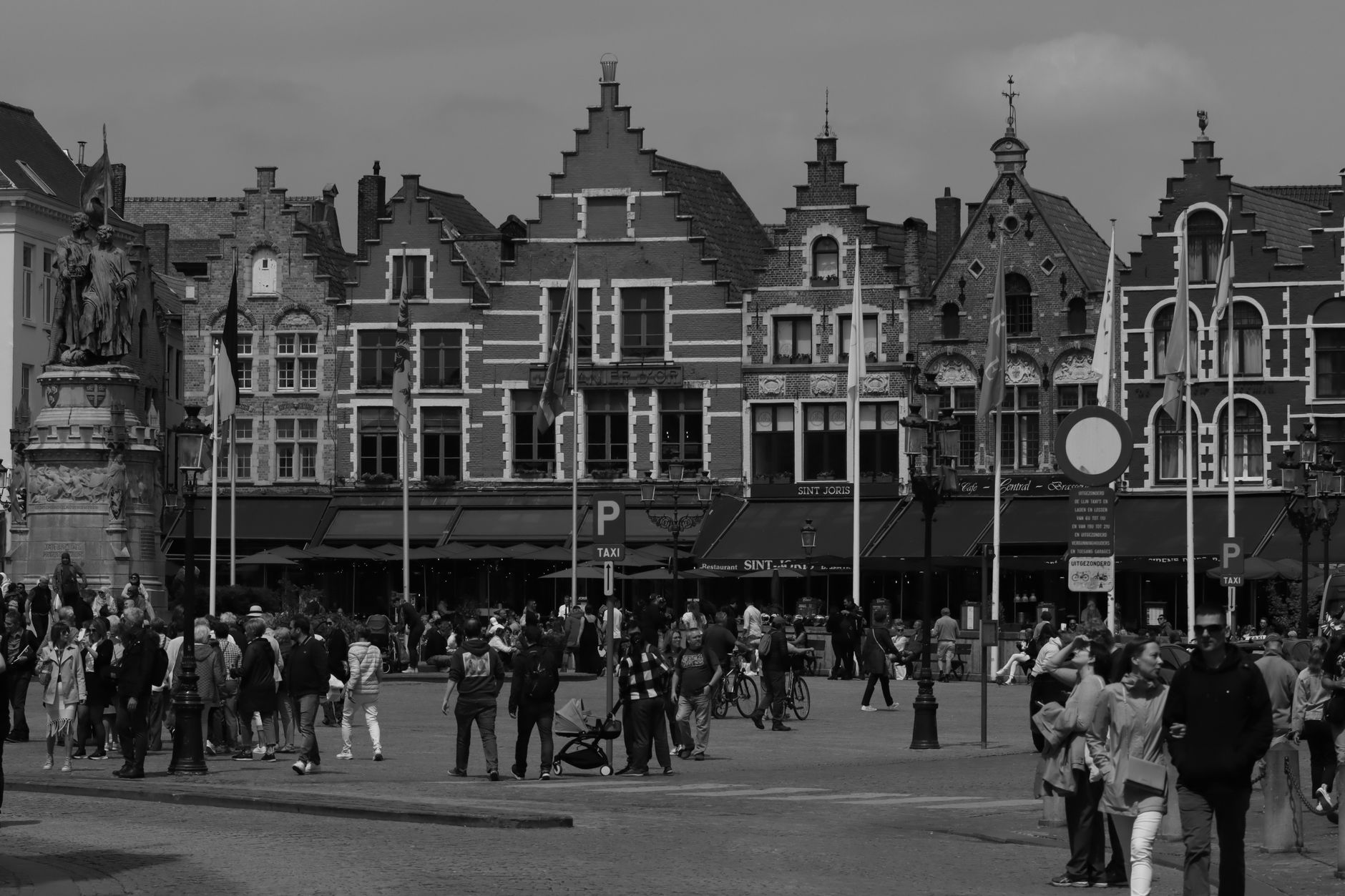
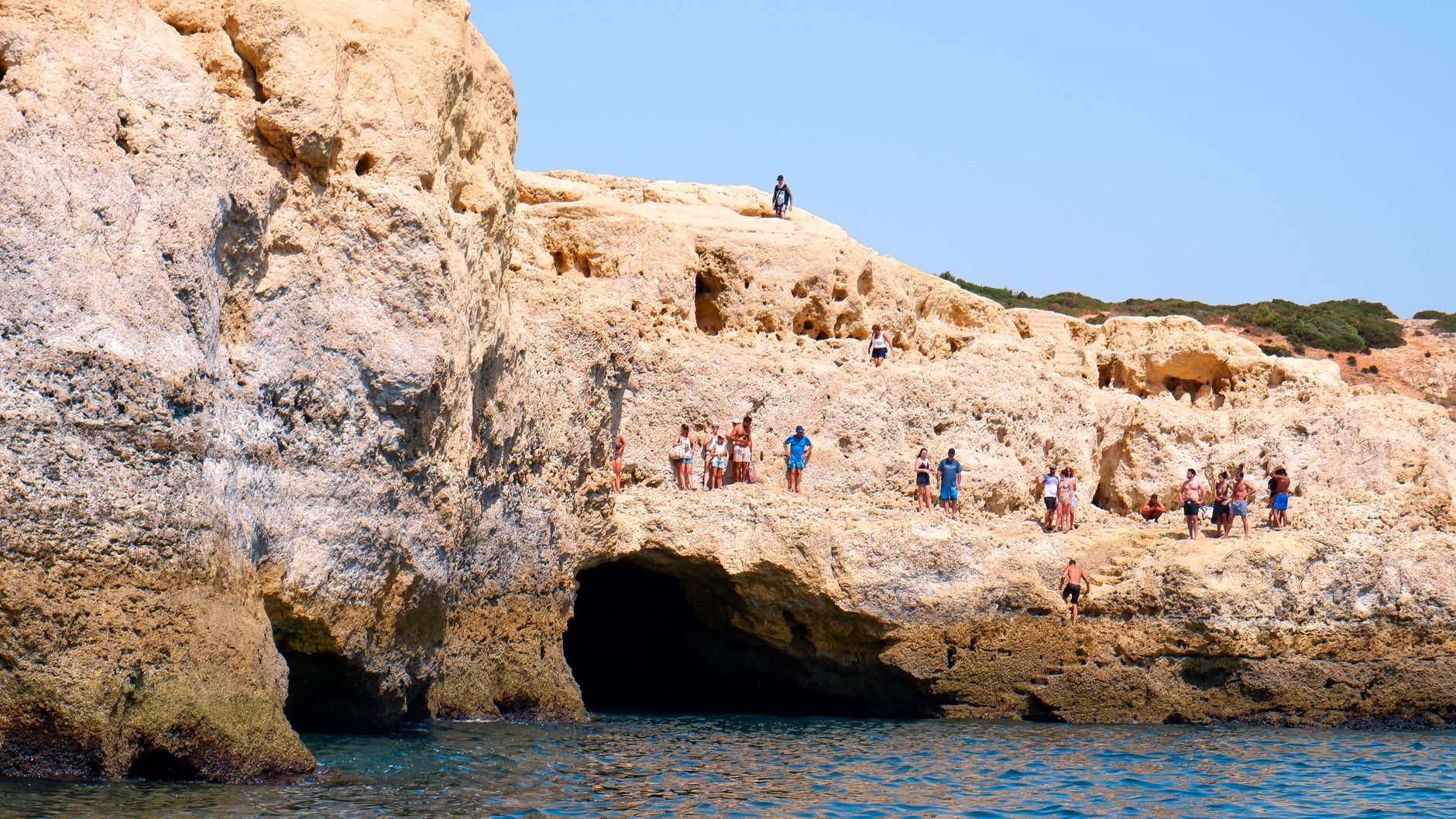
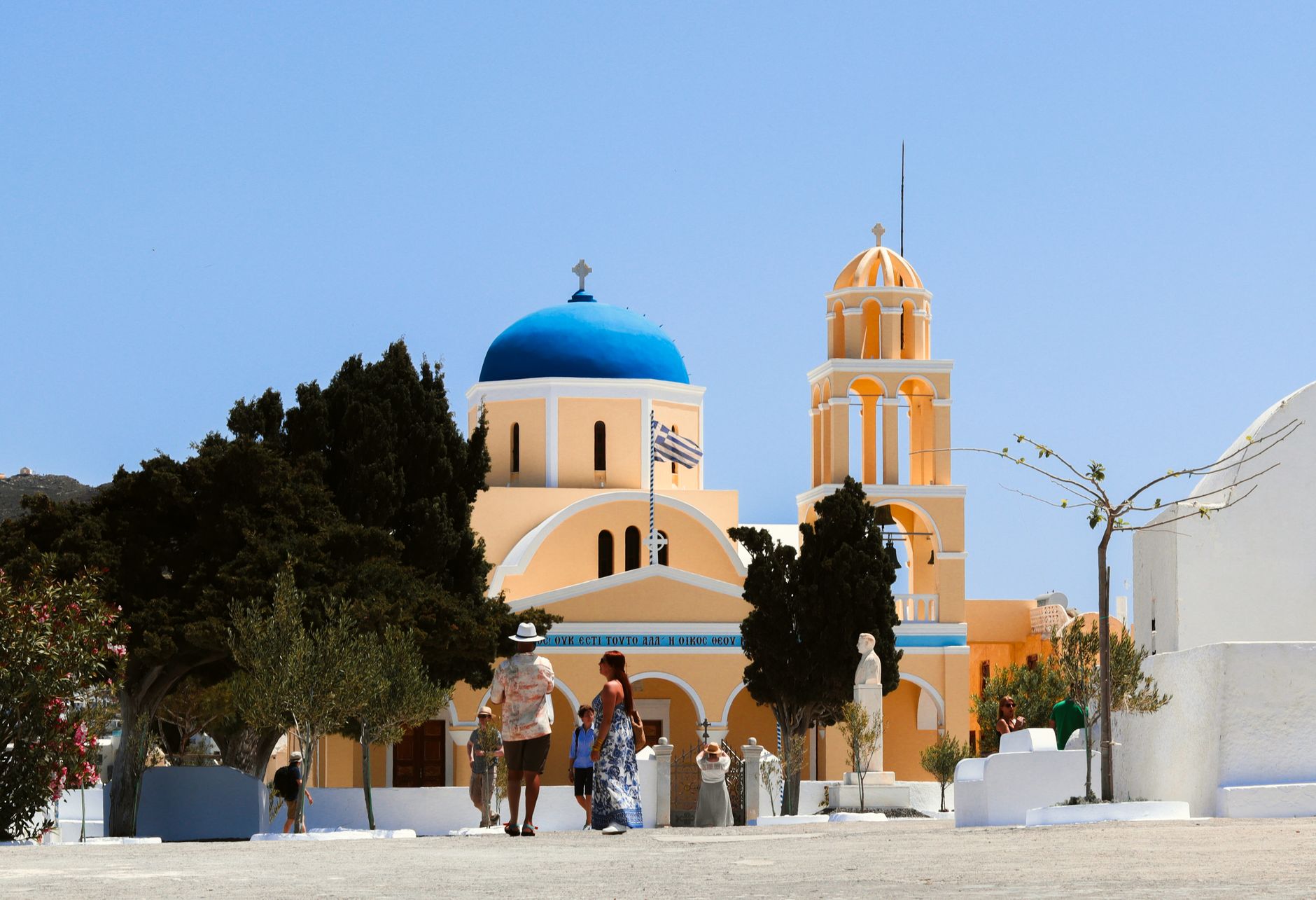
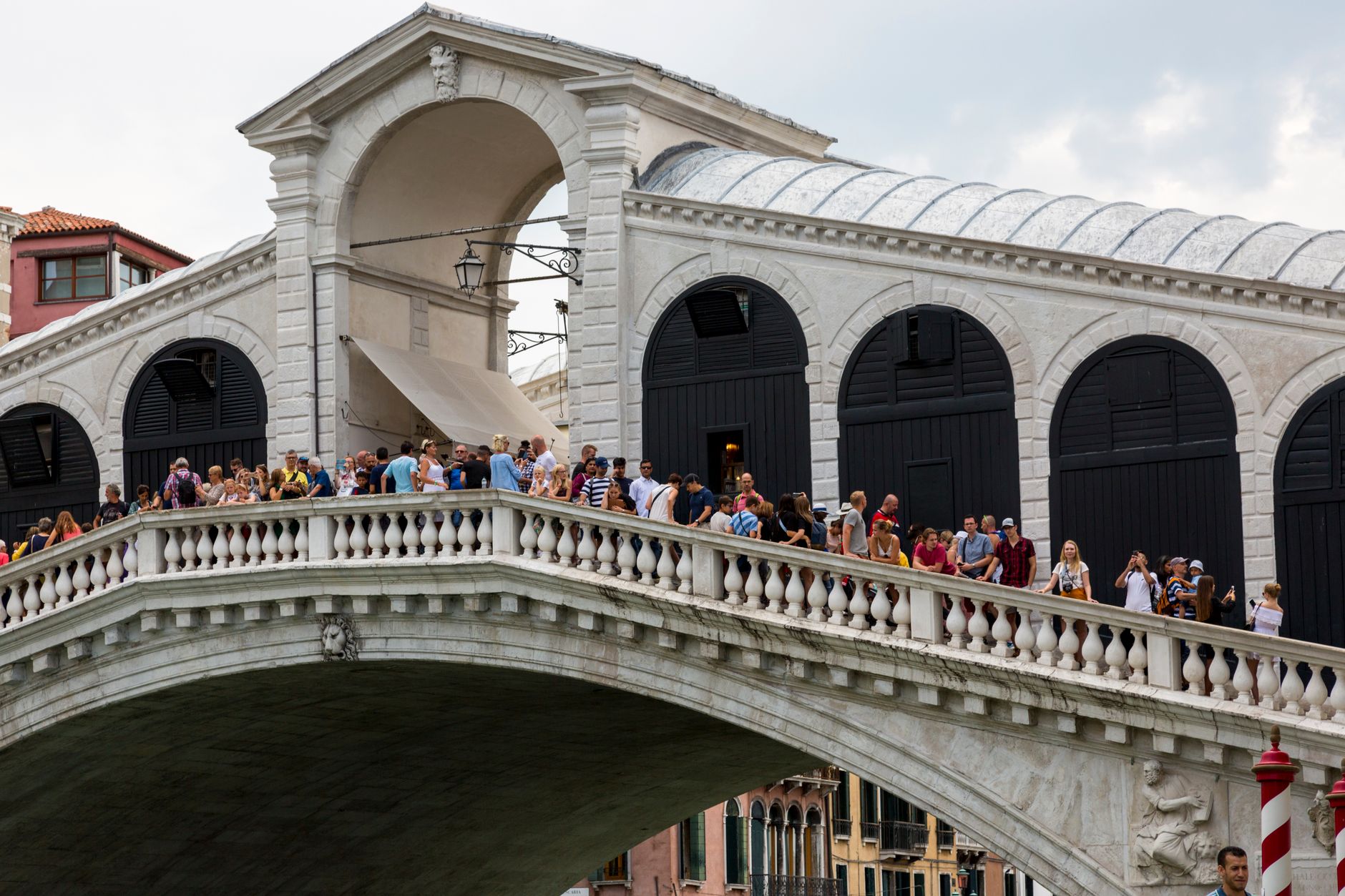
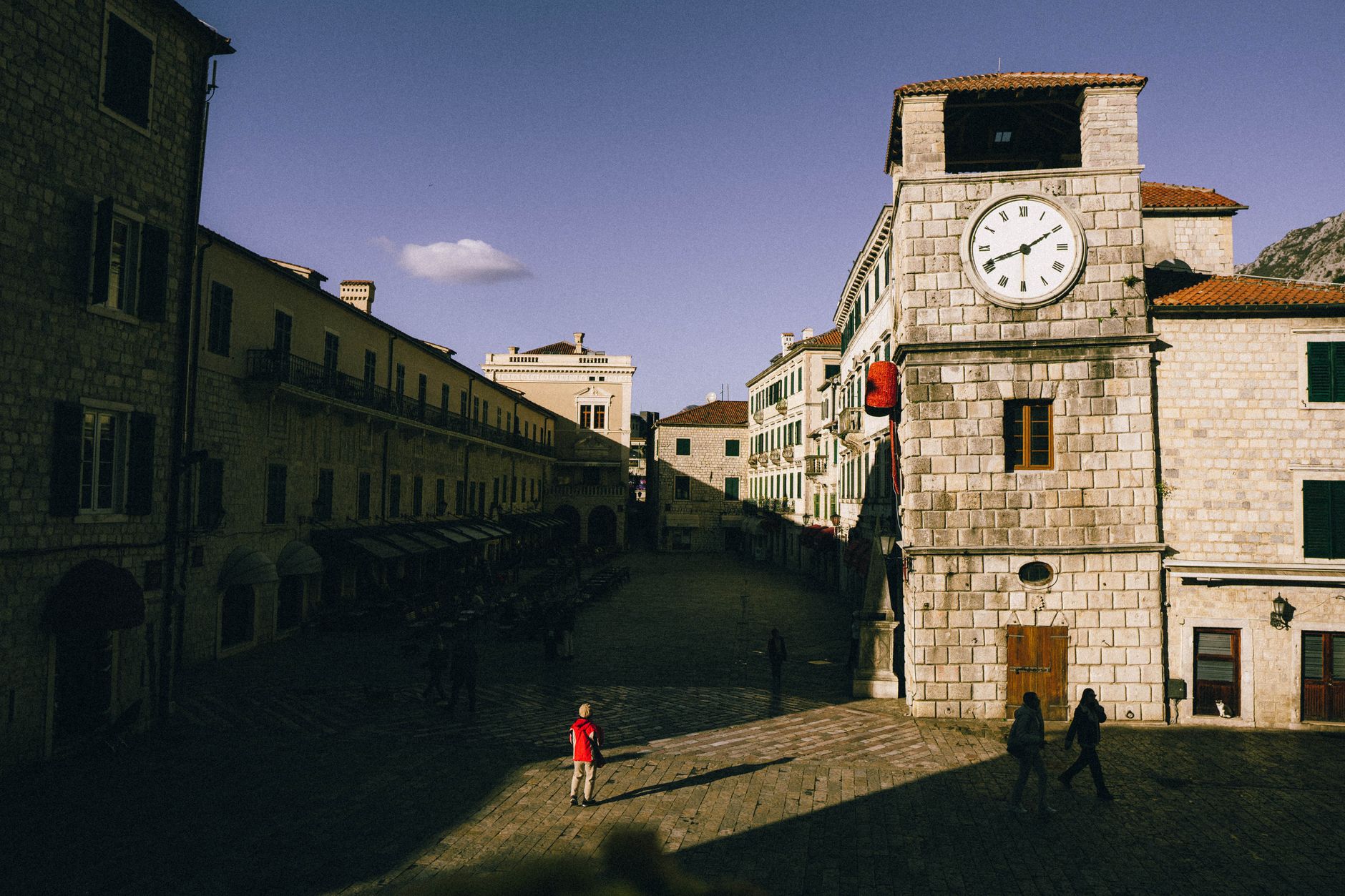
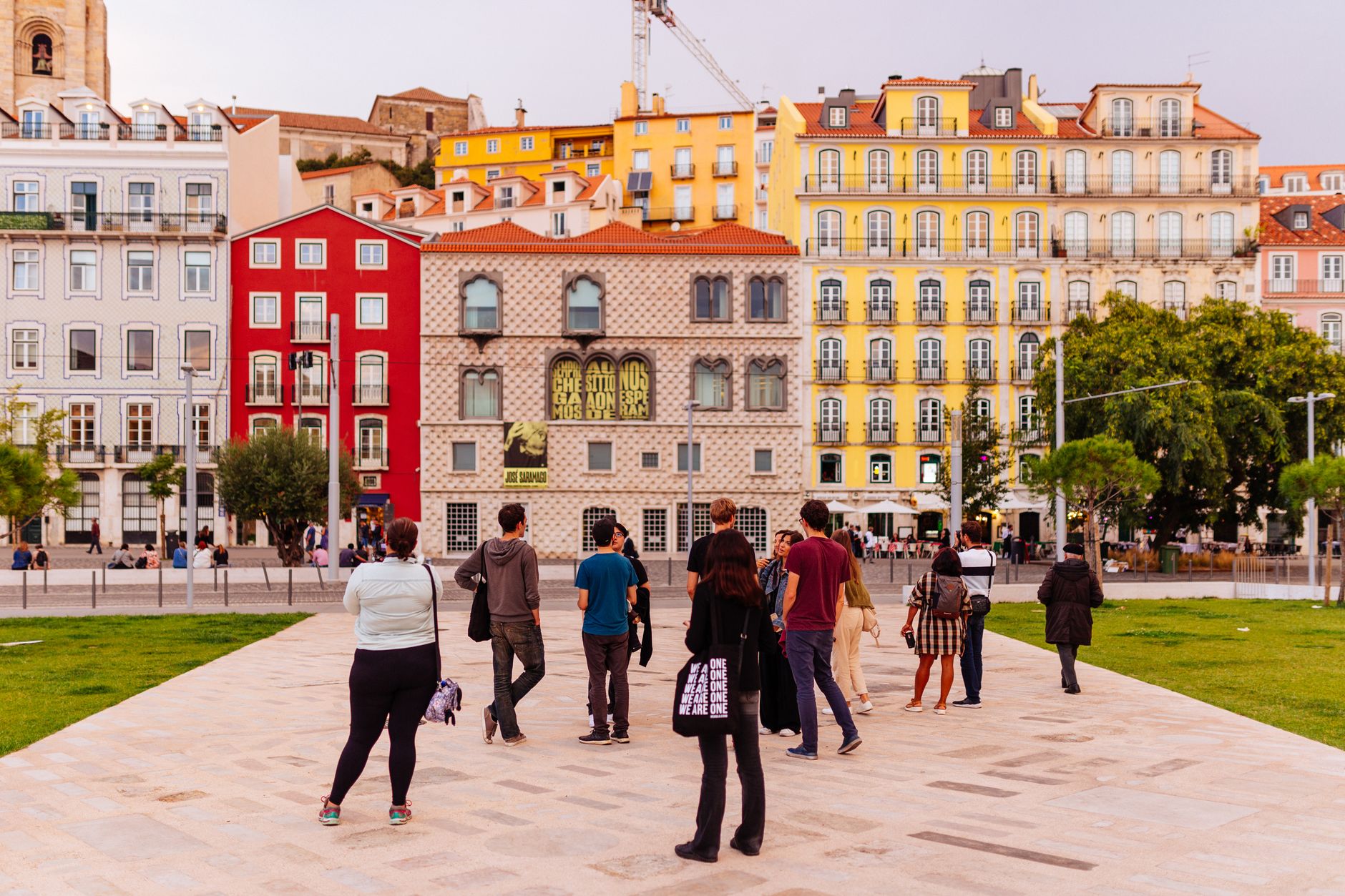
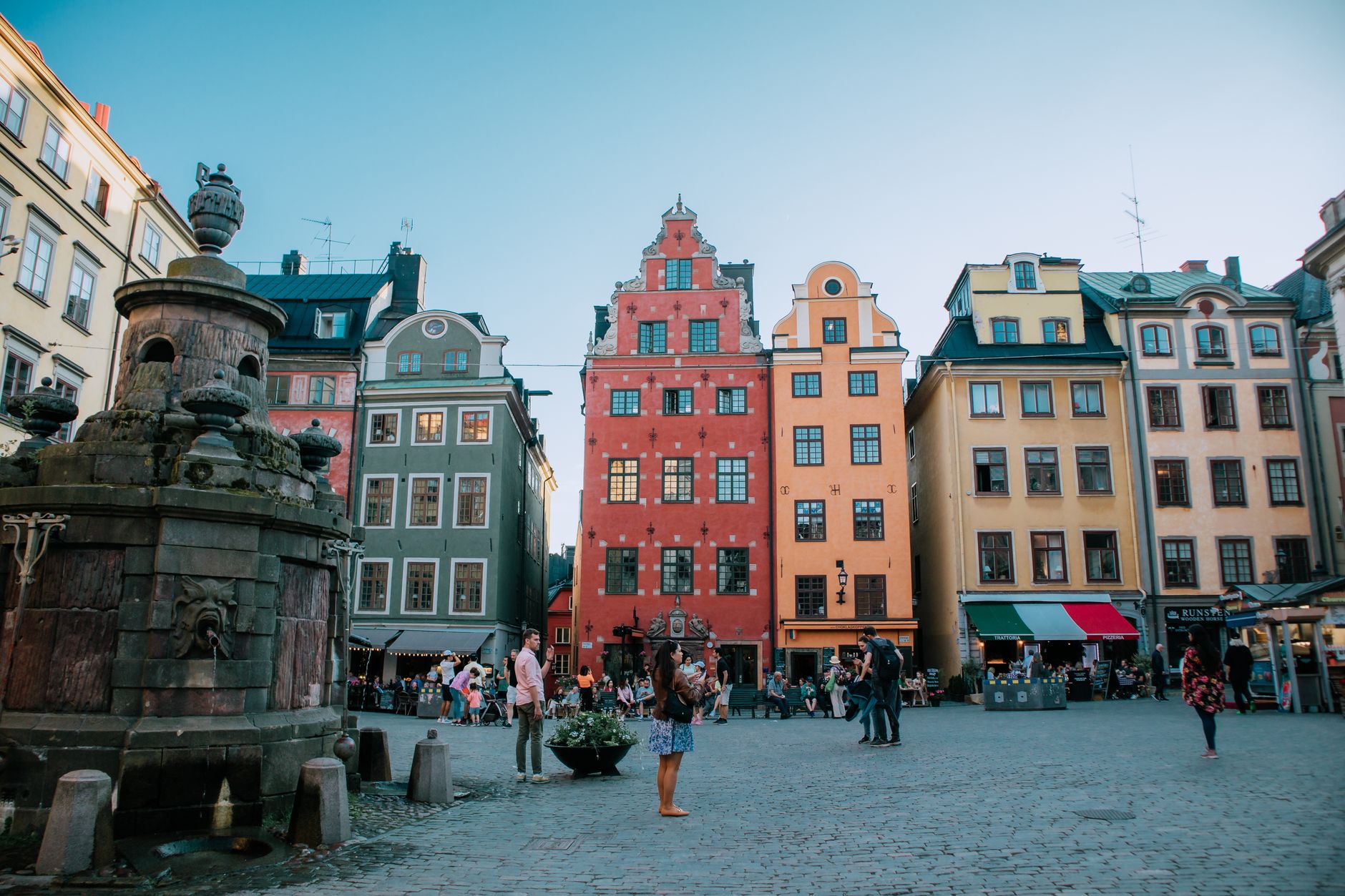
Photo by Valentin Ivantsov on Pexels
Europe
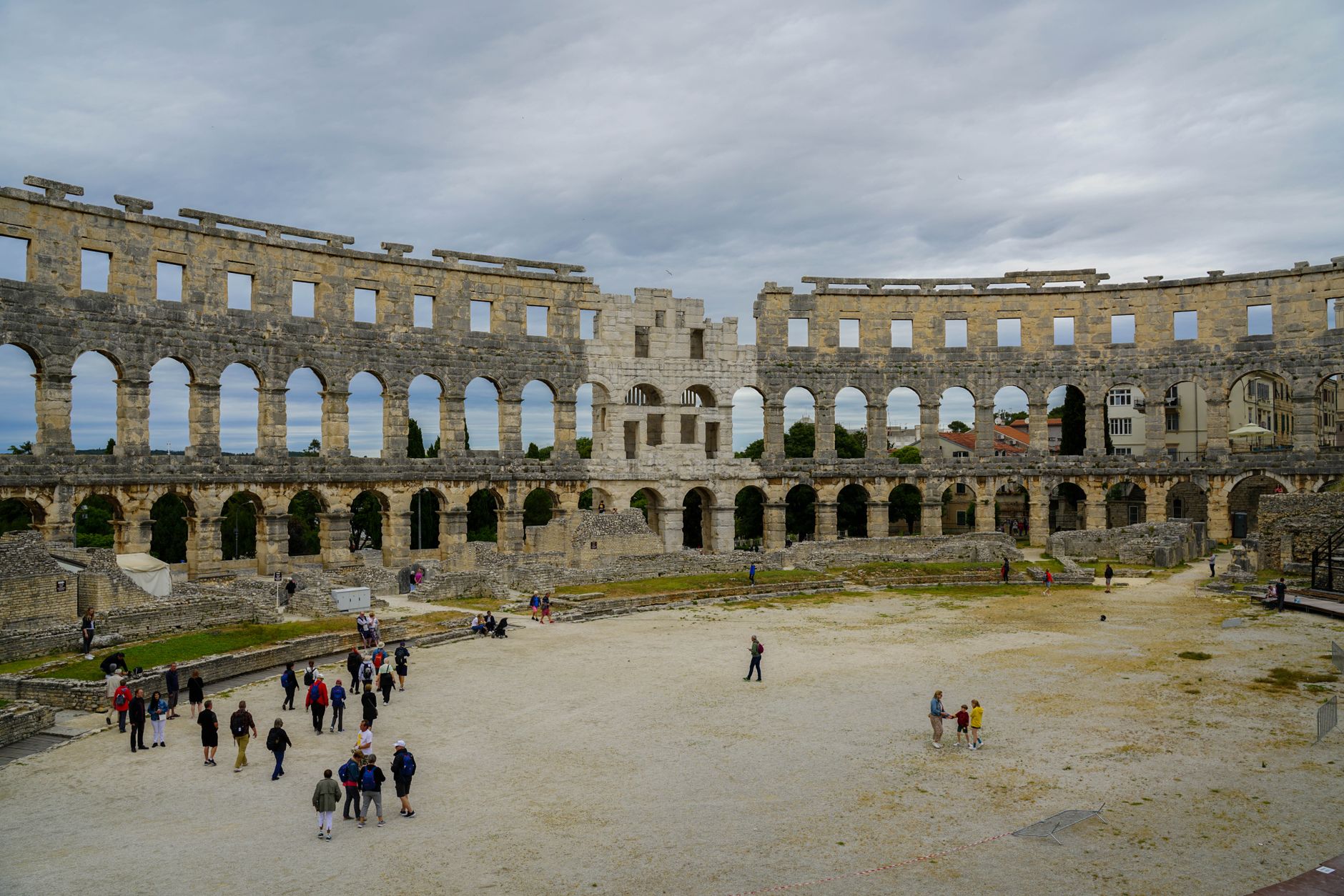
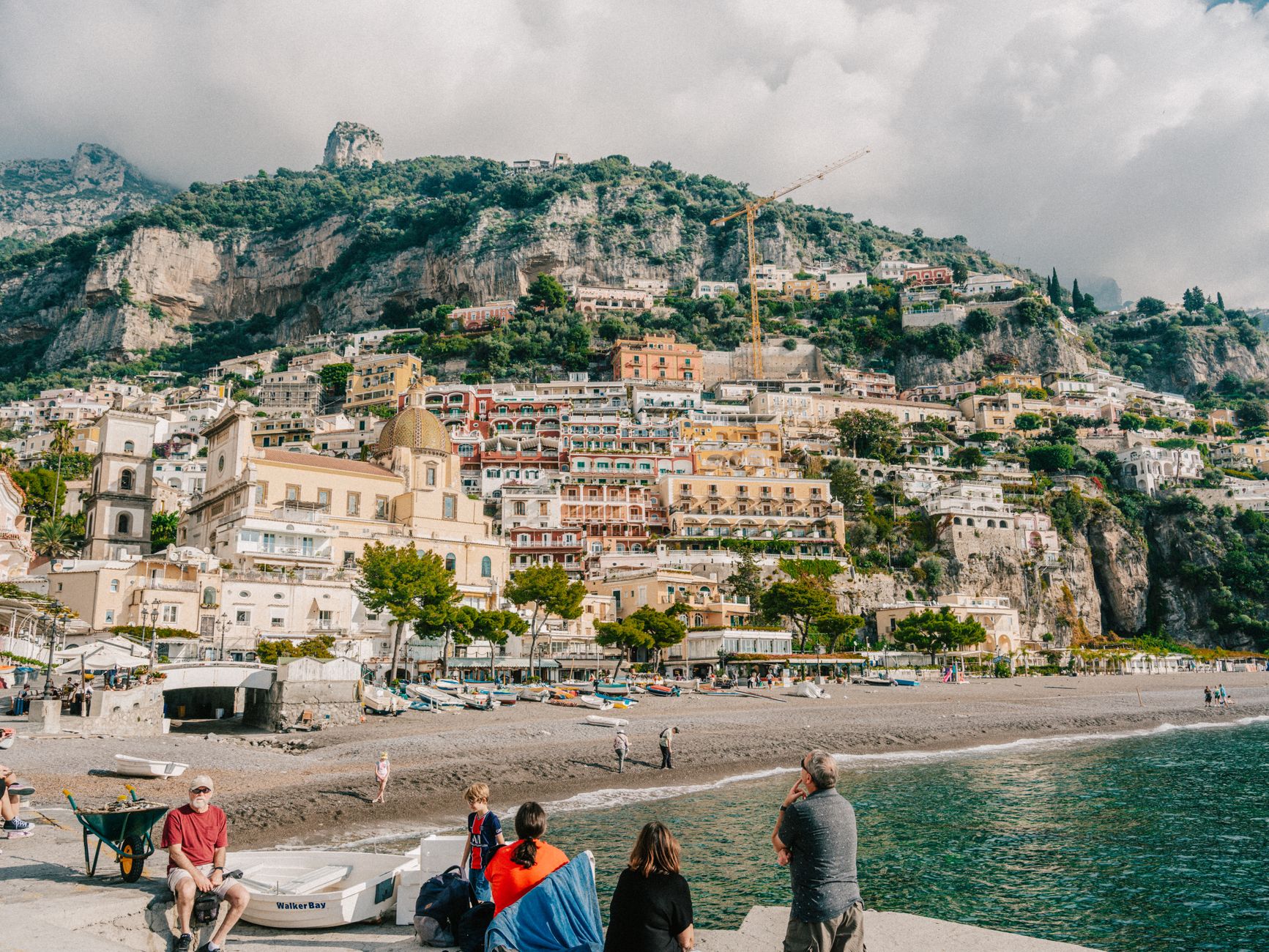
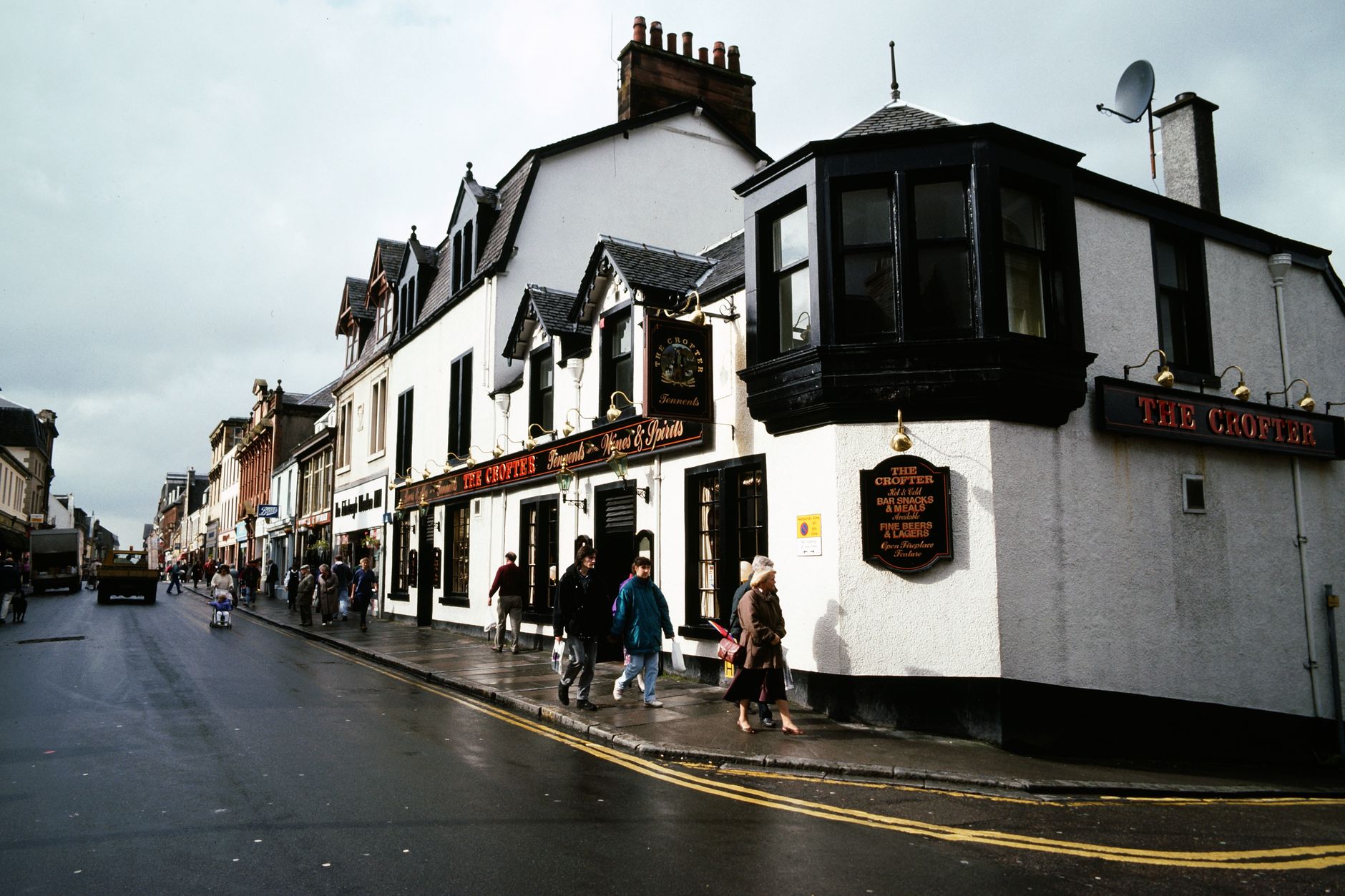
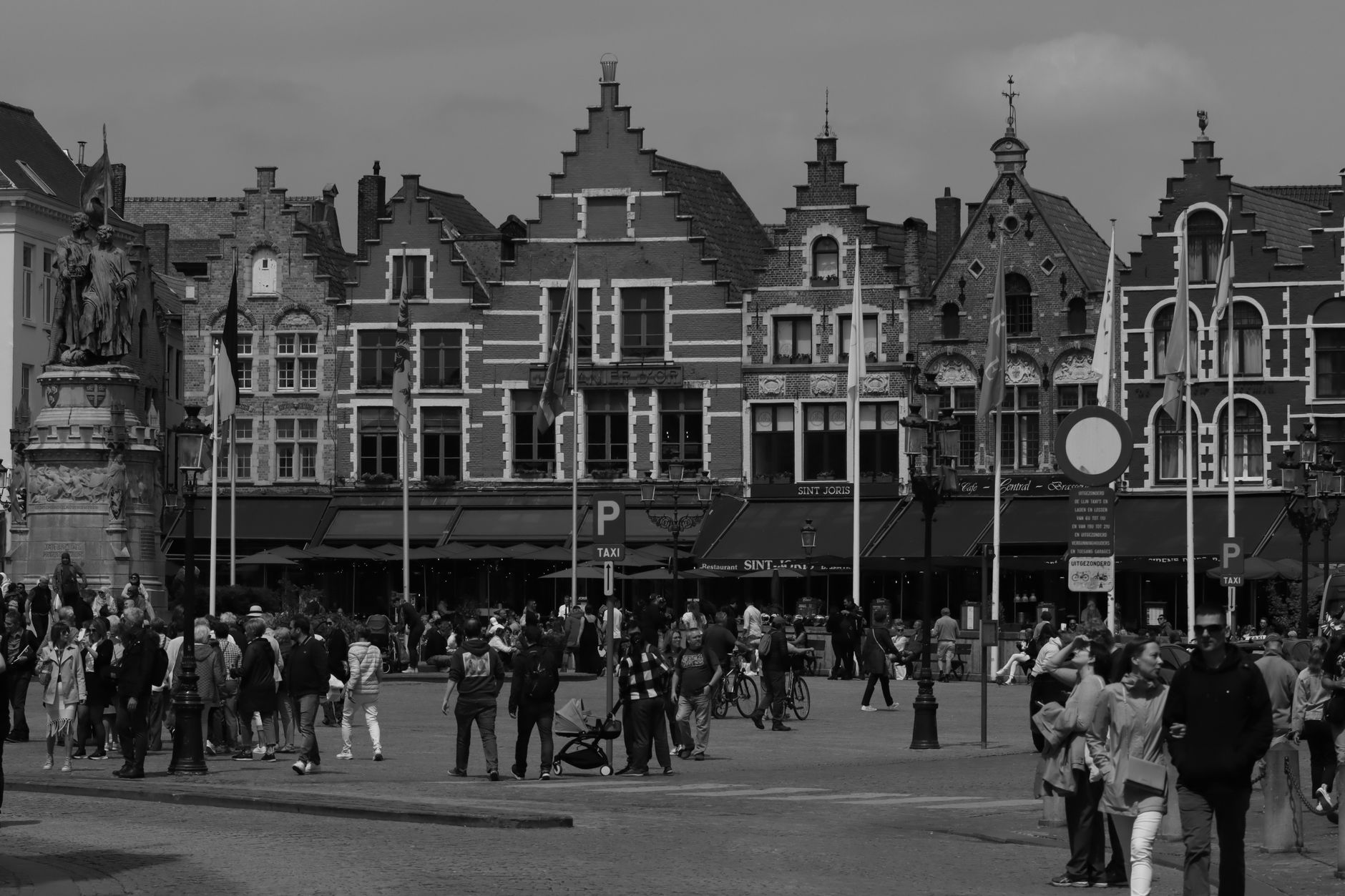
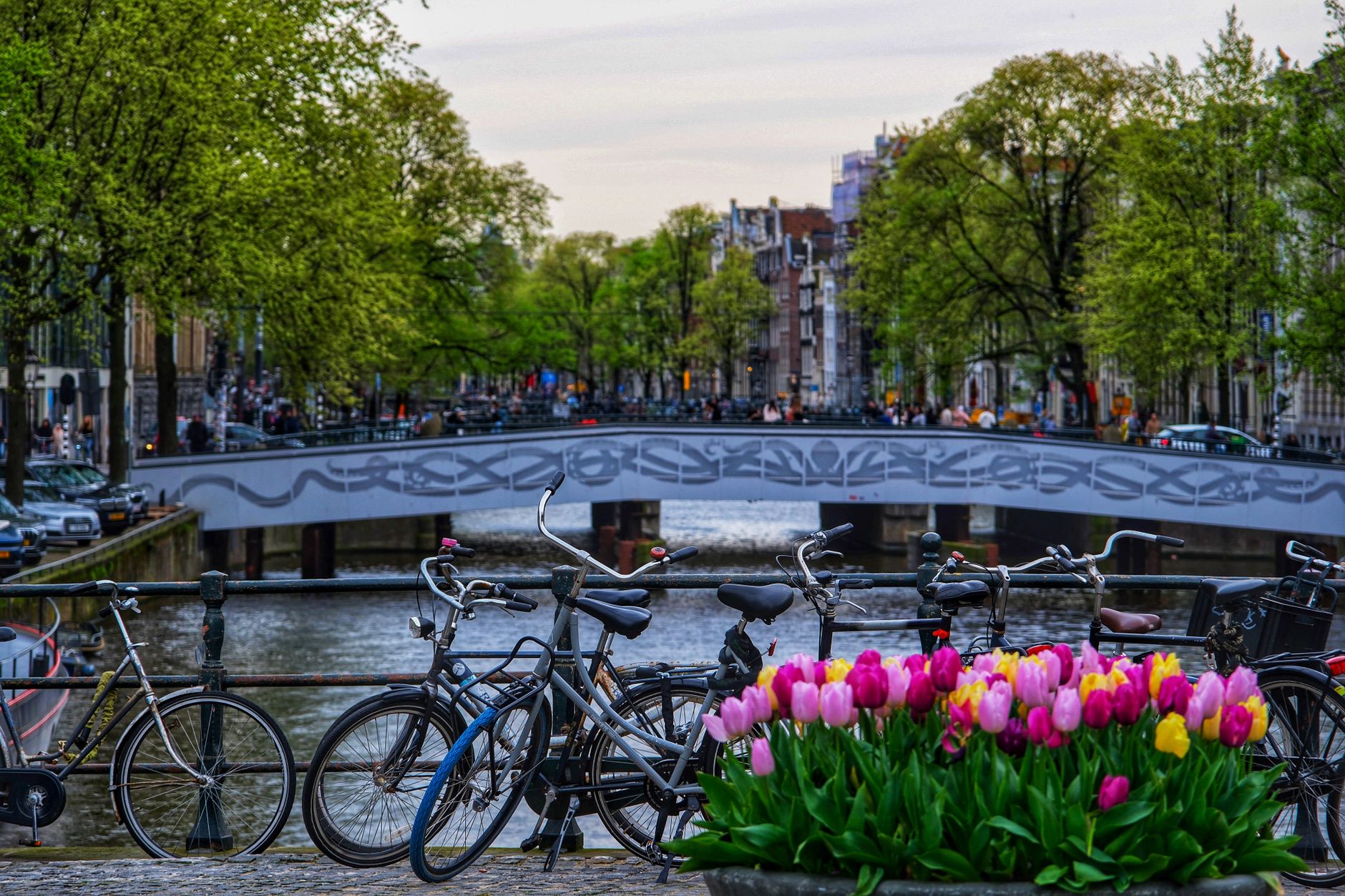
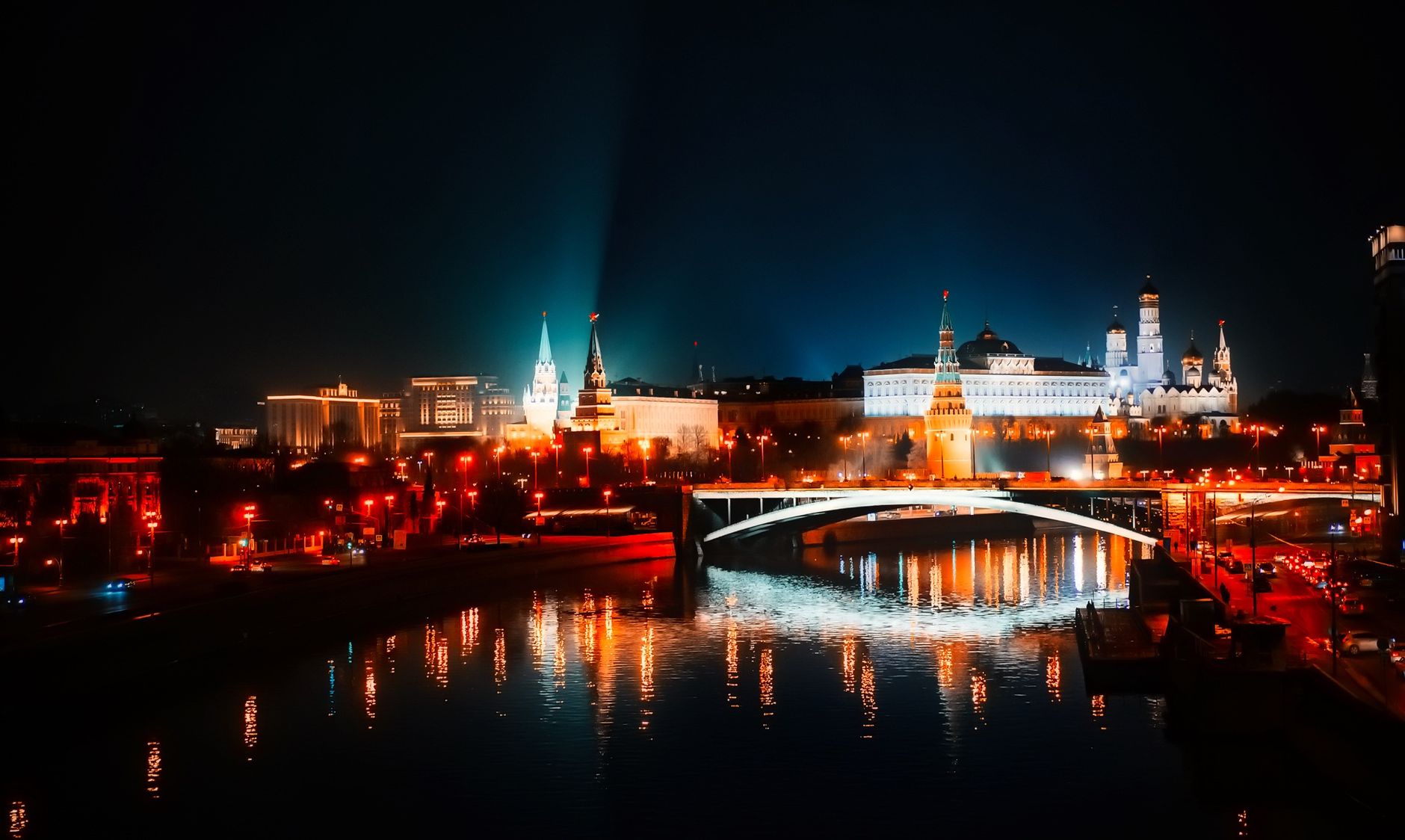
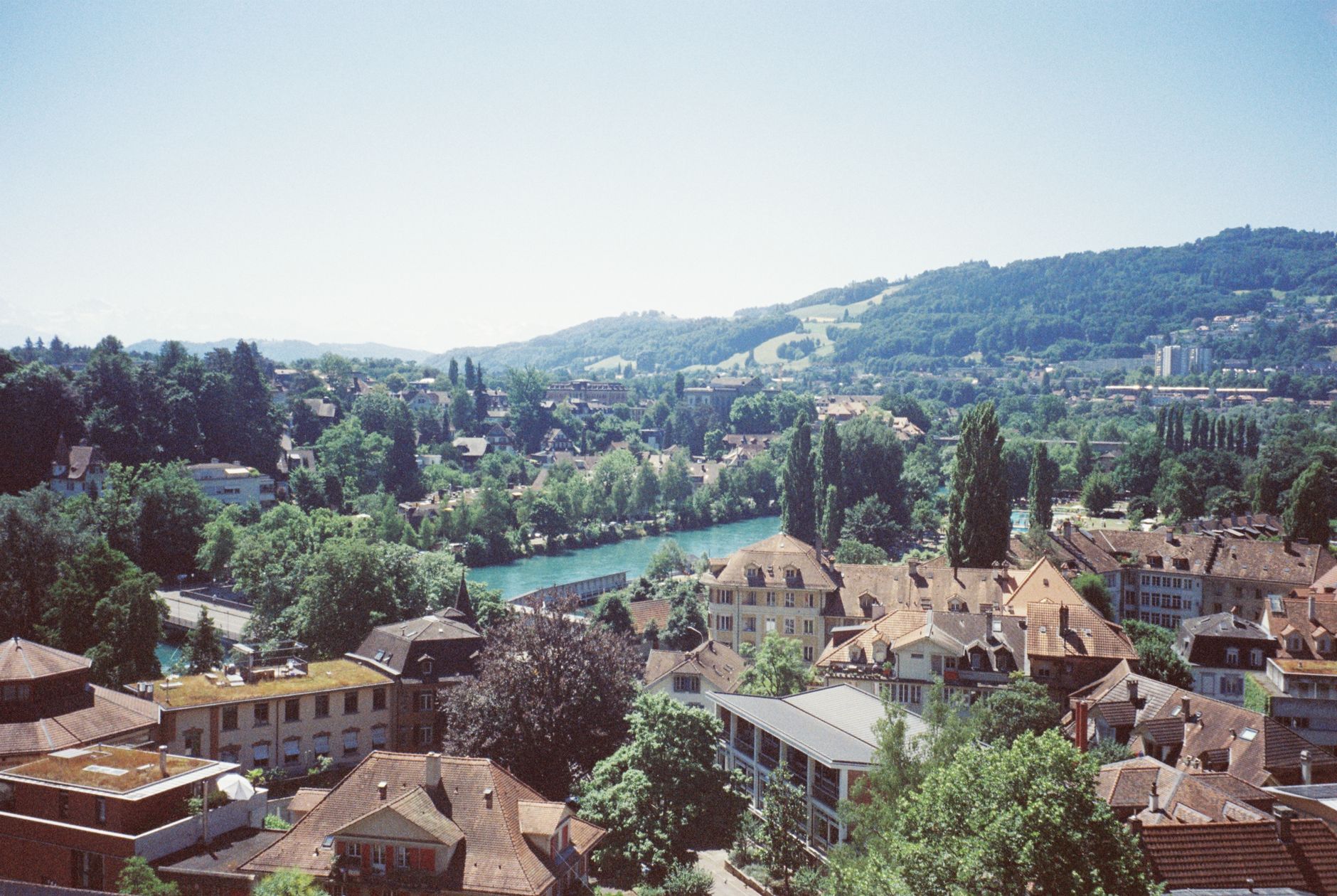
Photo by Efrem Efre on Pexels
Europe
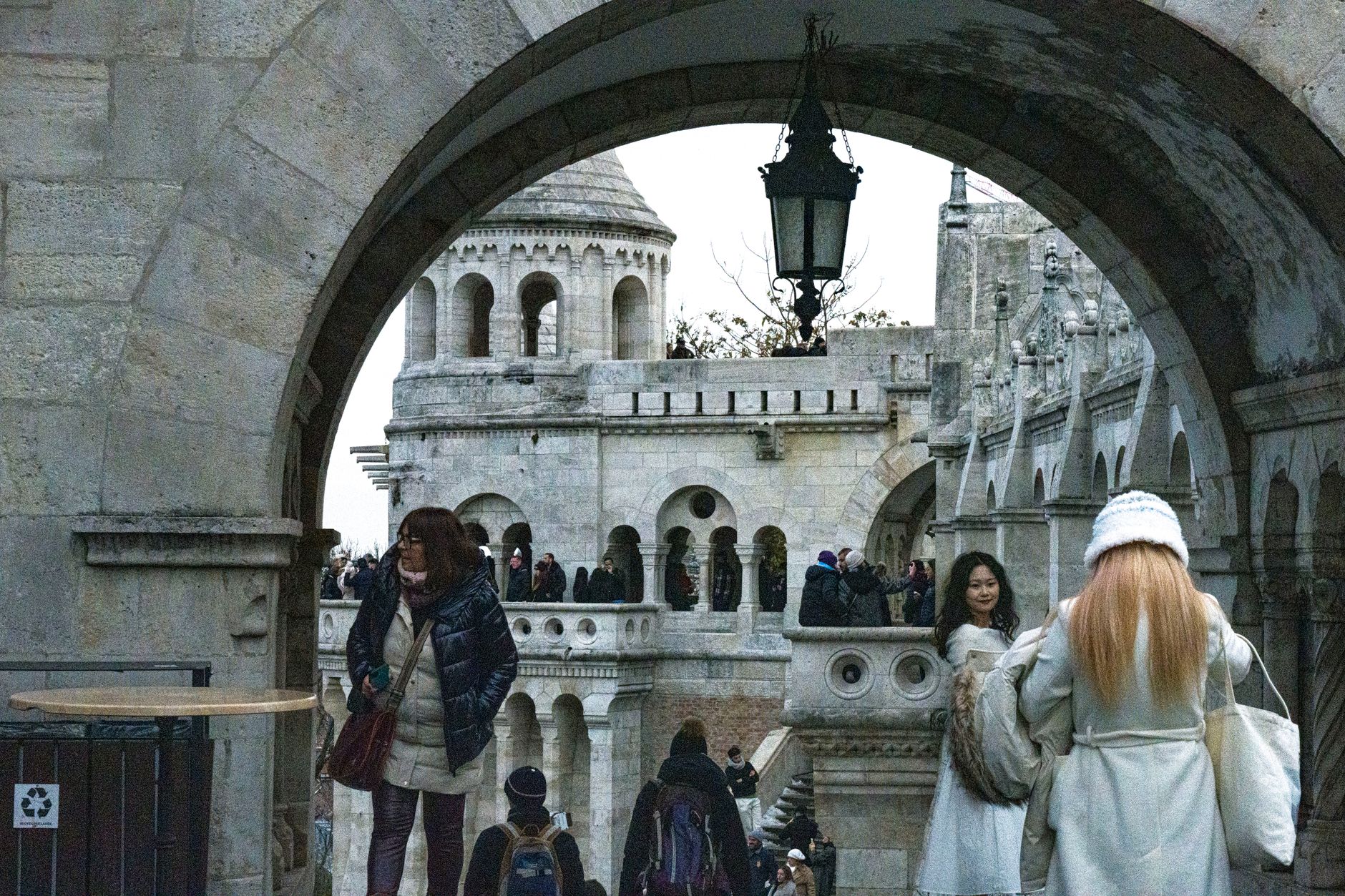
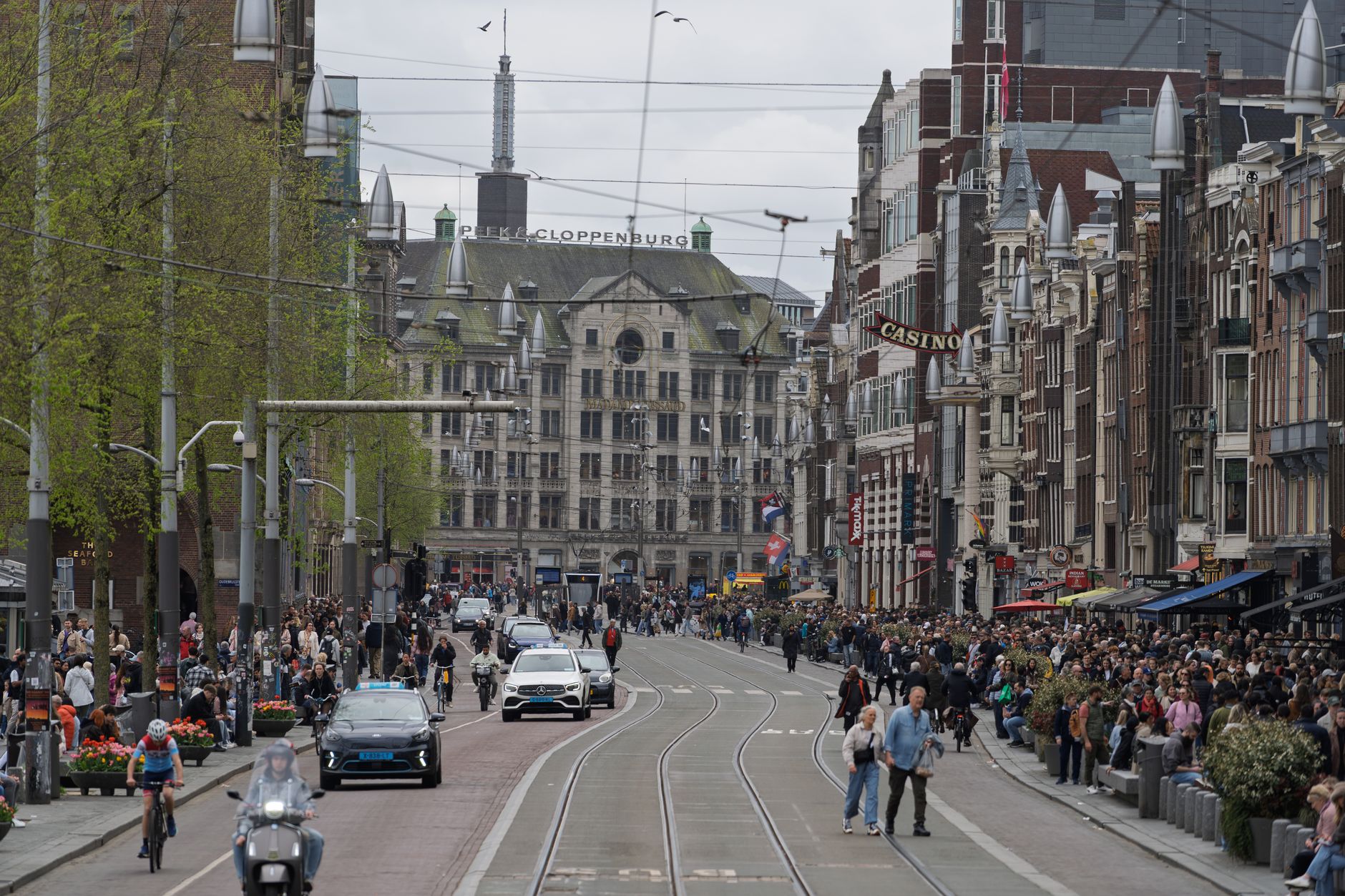
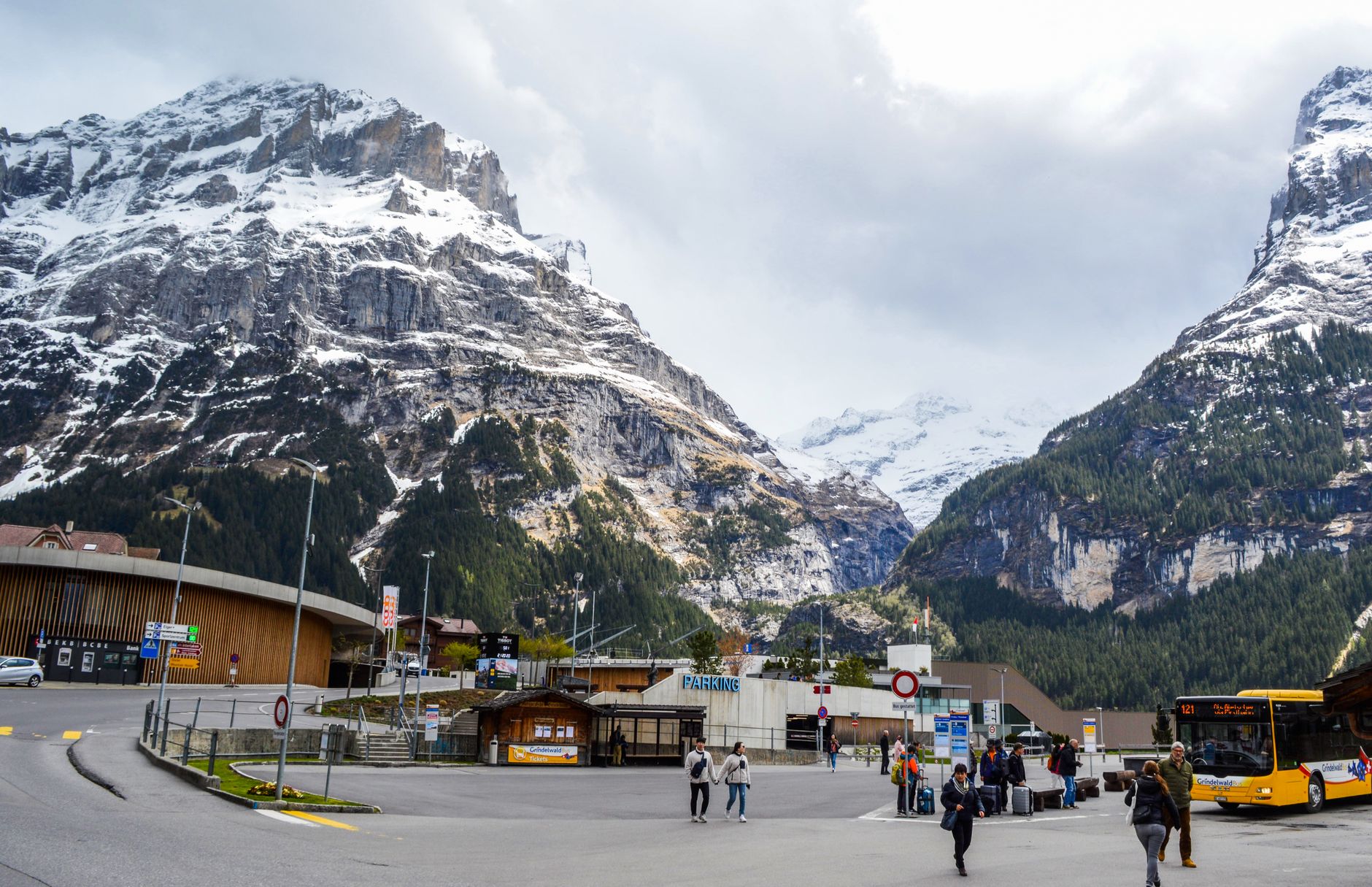
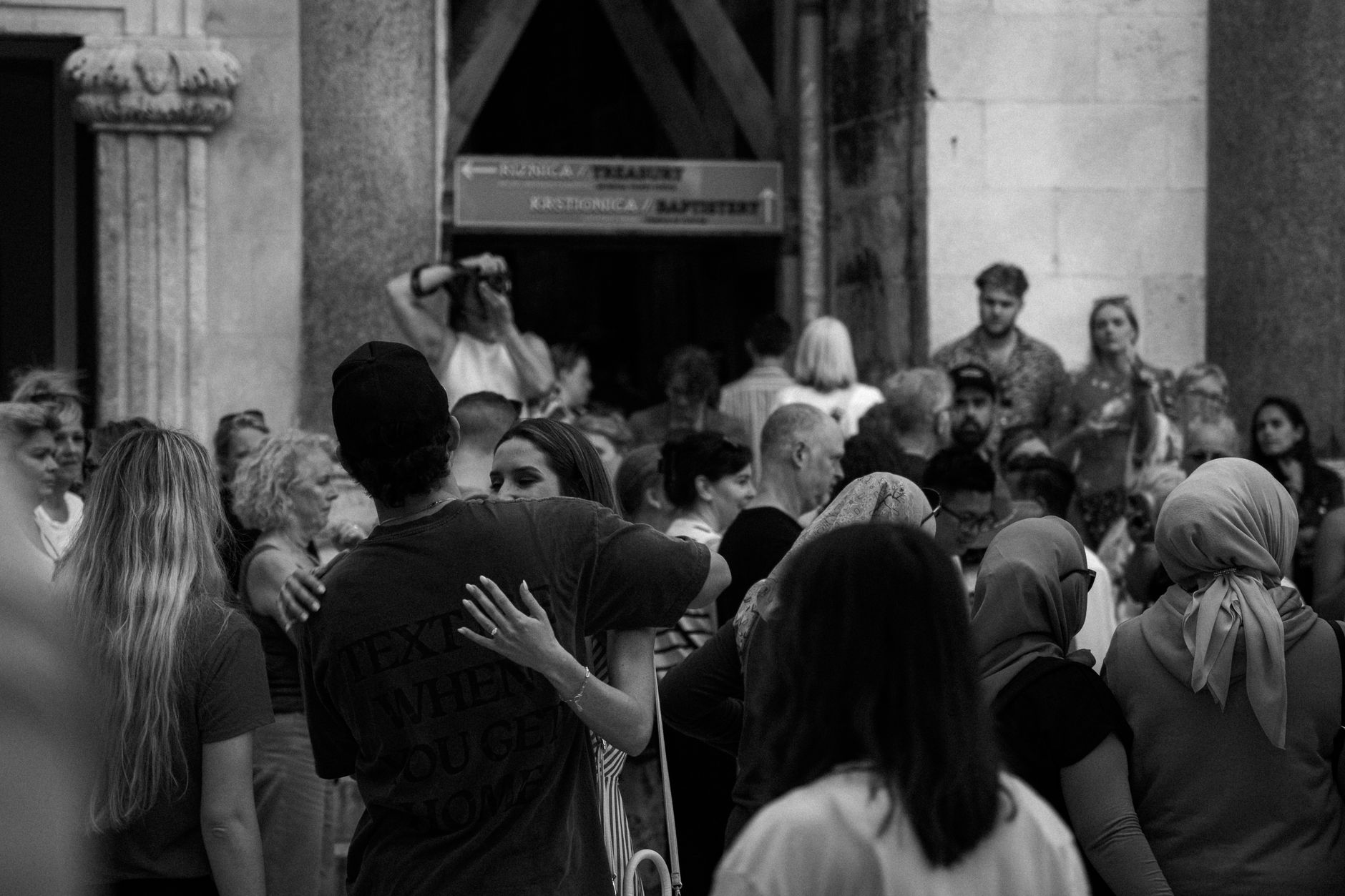
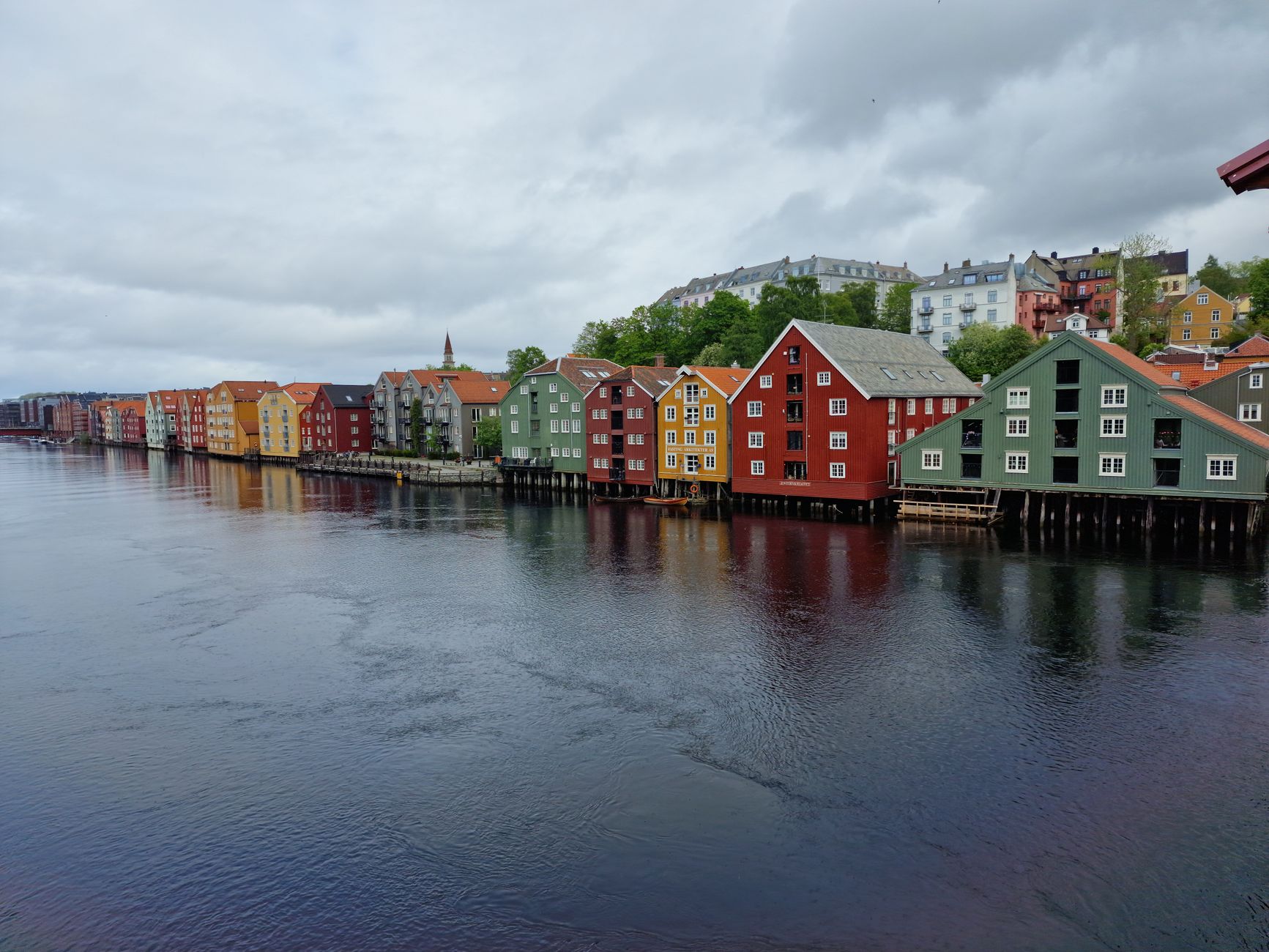
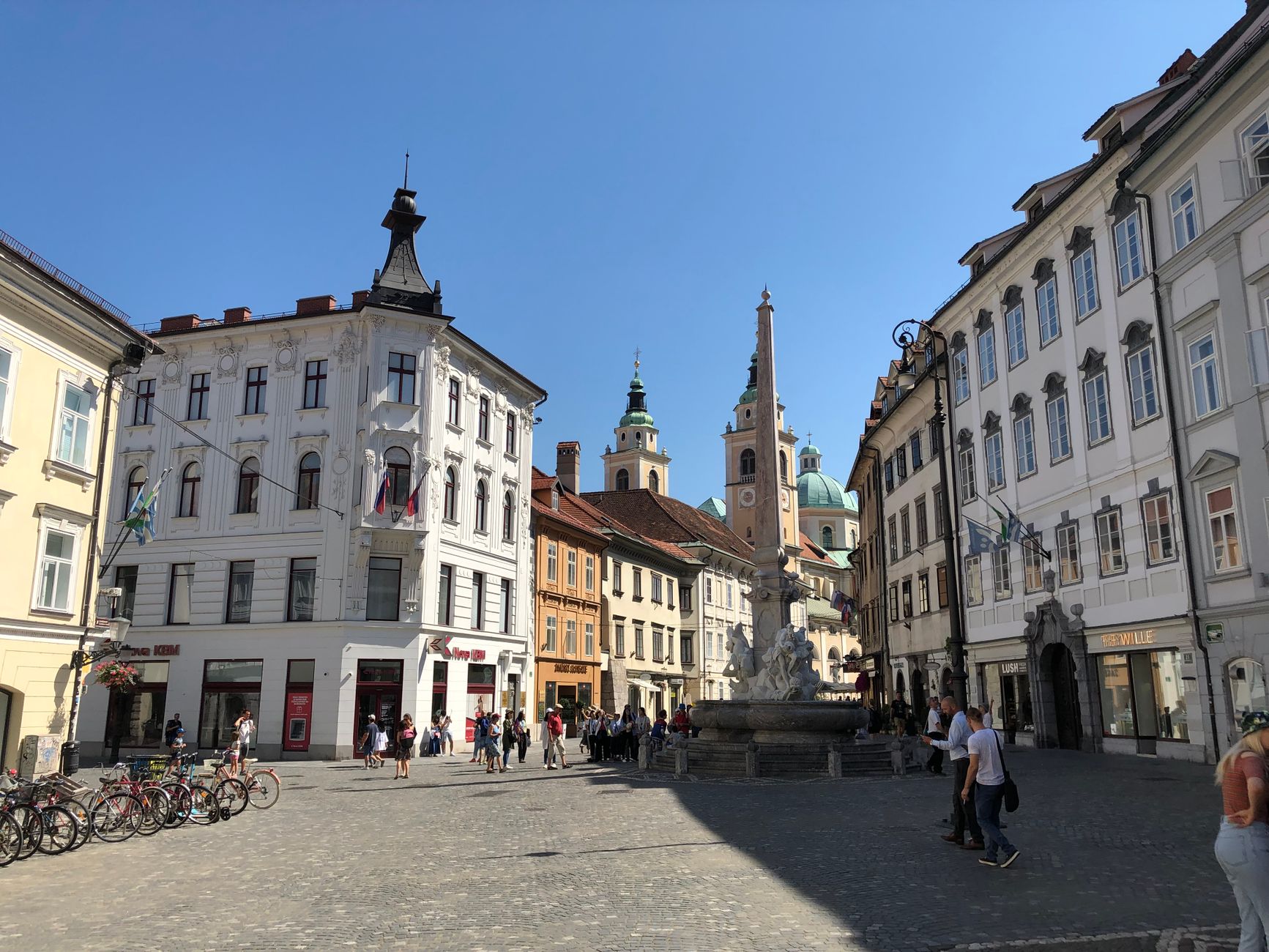
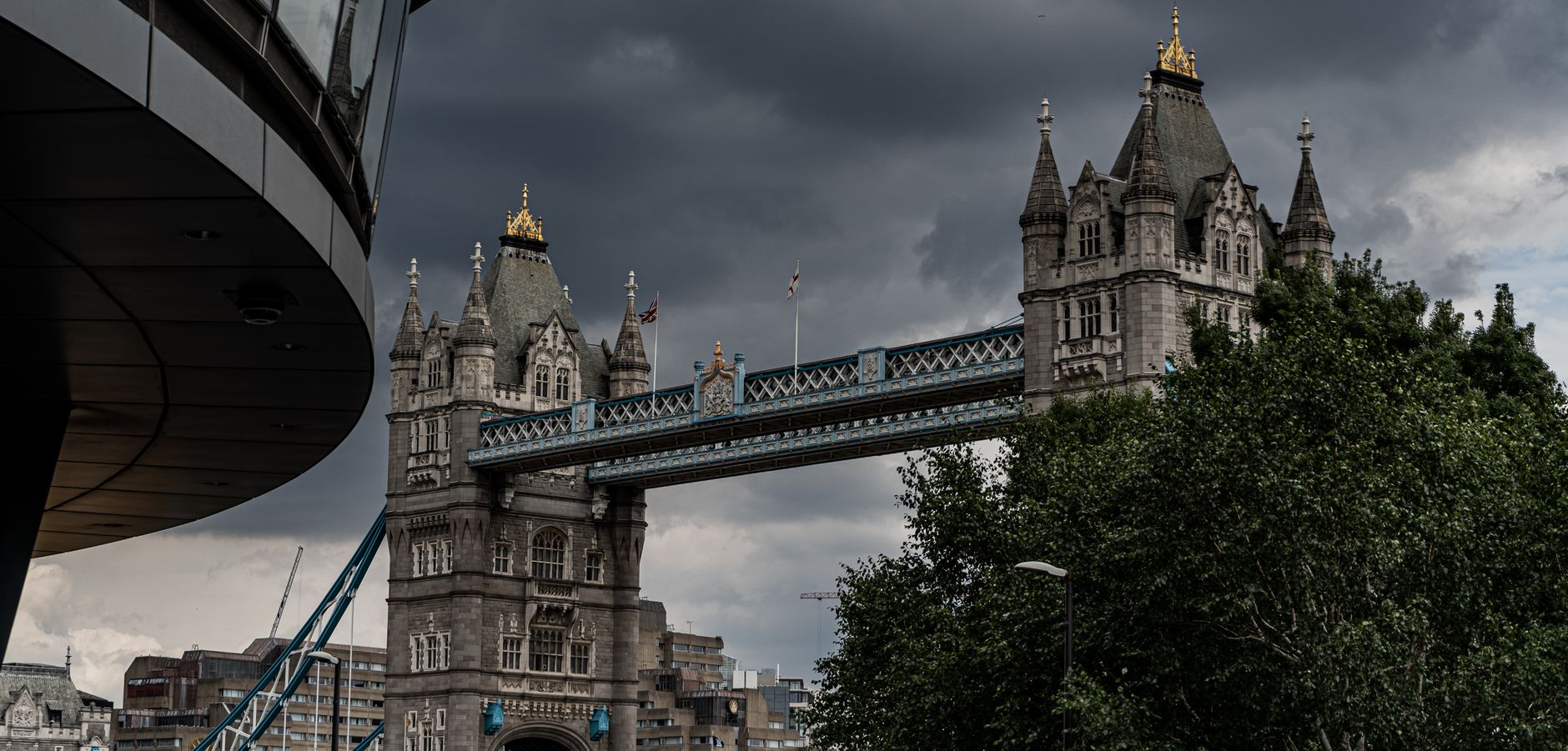
Photo by Vladimir Srajber on Pexels
Europe
Photo by Jing Zhan on Pexels
Europe
Photo by Veronika Kuznetsova on Pexels
City break Culture & history Nature & outdoors

The Greeks invented the word Europa as a counterpoint to Asia — a conceptual edge of the known world. Today that edge has dissolved into 44 countries, over 400 UNESCO sites, and a railway network stretching more than 200,000 kilometres. You can board a high-speed train in Paris and reach Barcelona before dinner, or cross from the Baltic to the Adriatic in a long weekend.

And yet Europe rewards slowness. The continent's scale is deceptive: a medieval lane in Stockholm's Gamla Stan, dating to the 13th century, feels entirely removed from a Roman forum excavated two millennia deep. The closer you look, the more time folds.

💛 What travellers fall for

A few things come up again and again: buy a multi-country rail pass before you leave home (it's almost always cheaper), keep at least one unscheduled day per week, and resist the urge to treat a capital city as the whole story of its country. The smaller cities — Porto, Ghent, Ljubljana, Tallinn — tend to be where the texture is.

Good to know
A Eurail or Interrail pass (choose depending on where you live) unlocks international rail travel across up to 18 countries. High-speed trains like the Eurostar require advance seat reservations. In cities, tap your contactless card on metros and trams — but always validate; spot-checks are real and fines are steep.
The story

How Europe came to be

The first humans reached Europe around 35,000 BC, and by 2700 BC the Minoan civilisation had established the continent's earliest known trade networks. Rome eventually pulled much of it into a single imperial orbit; at its height in the 2nd century CE, Roman culture was pressed into roads, laws and languages that still shape everyday life. When Rome fell, the Byzantine Empire carried that thread until 1450.

The centuries that followed were defined by rupture: the Thirty Years' War ended in 1648, the French Revolution turned 1789 into a hinge point, and the two World Wars of the 20th century redrew borders and populations entirely. The fall of the Berlin Wall on 9 November 1989, and the Soviet Union's collapse in 1991, set the stage for the European Union — founded in 1993 — which remains the continent's most ambitious attempt at shared identity.

People & landmarks

Who and what shaped it

People who shaped it

Gustave Eiffel
Designed and built the Eiffel Tower for the 1889 Universal Exhibition of Paris.
Gaudí
Designed the Sagrada Familia in Barcelona.
Michelangelo
Co-designed St. Peter's Basilica in Vatican City.
Gian Lorenzo Bernini
Co-designed St. Peter's Basilica in Vatican City.
King Louis XIV
Ruled France for 72 years from the Palace of Versailles in the 17th–18th centuries.
King Ludwig II
Commissioned Neuschwanstein Castle in 1869, the most famous castle globally.
Nicolae Ceaușescu
Commissioned the Palace of Parliament in 1983.

Landmark buildings

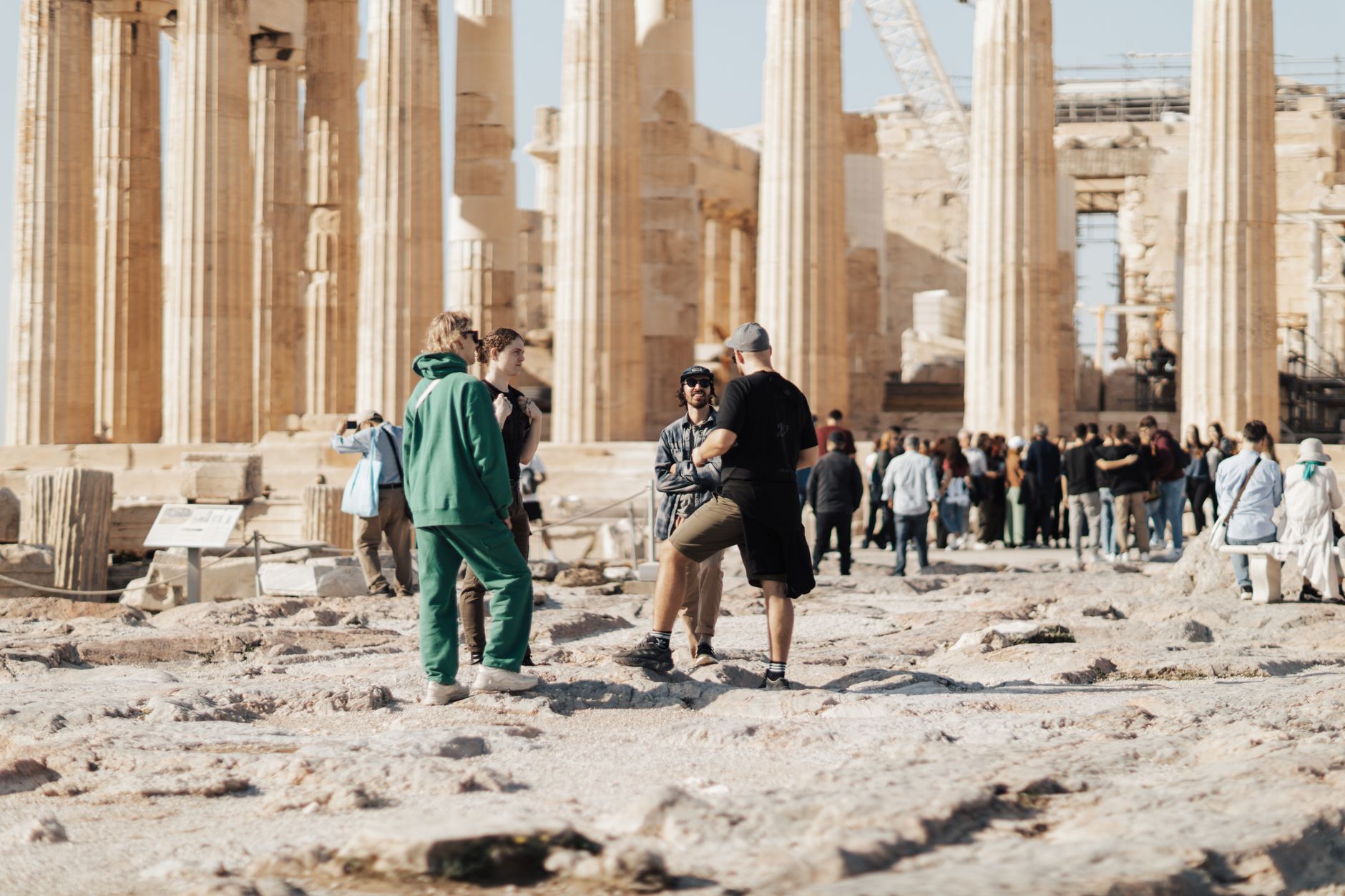
The Acropolis
Constructed between 495–429 BCE under Pericles in Athens; foundational classical monument.
The Colosseum
Built over 2,000 years ago in Rome; iconic ancient amphitheater.
Forum Romanum
Roman Forum in Rome; part of the world's most famous excavation site.
St. Peter's Basilica
Main landmark of Vatican City with the world's tallest dome; designed by Michelangelo and Bernini.
Neuschwanstein Castle
Constructed in 1869 for King Ludwig II; the most famous castle globally.
Gamla Stan
Old Town of Stockholm dating to the 13th century; one of Europe's best-preserved medieval city centers.
The Eiffel Tower
324 m high; designed by Gustave Eiffel for the 1889 Universal Exhibition of Paris.
Brandenburg Gate
Built 1788–1791 in Berlin; commissioned by King Frederick William II of Prussia.
German Parliament Building
Started in 1894; glass dome added during restoration in 1999.
Palace of Versailles
Located 22 km from Paris; residence of French kings during the 17th–18th centuries.
Type Theme

↡ Regions

↡ Countries
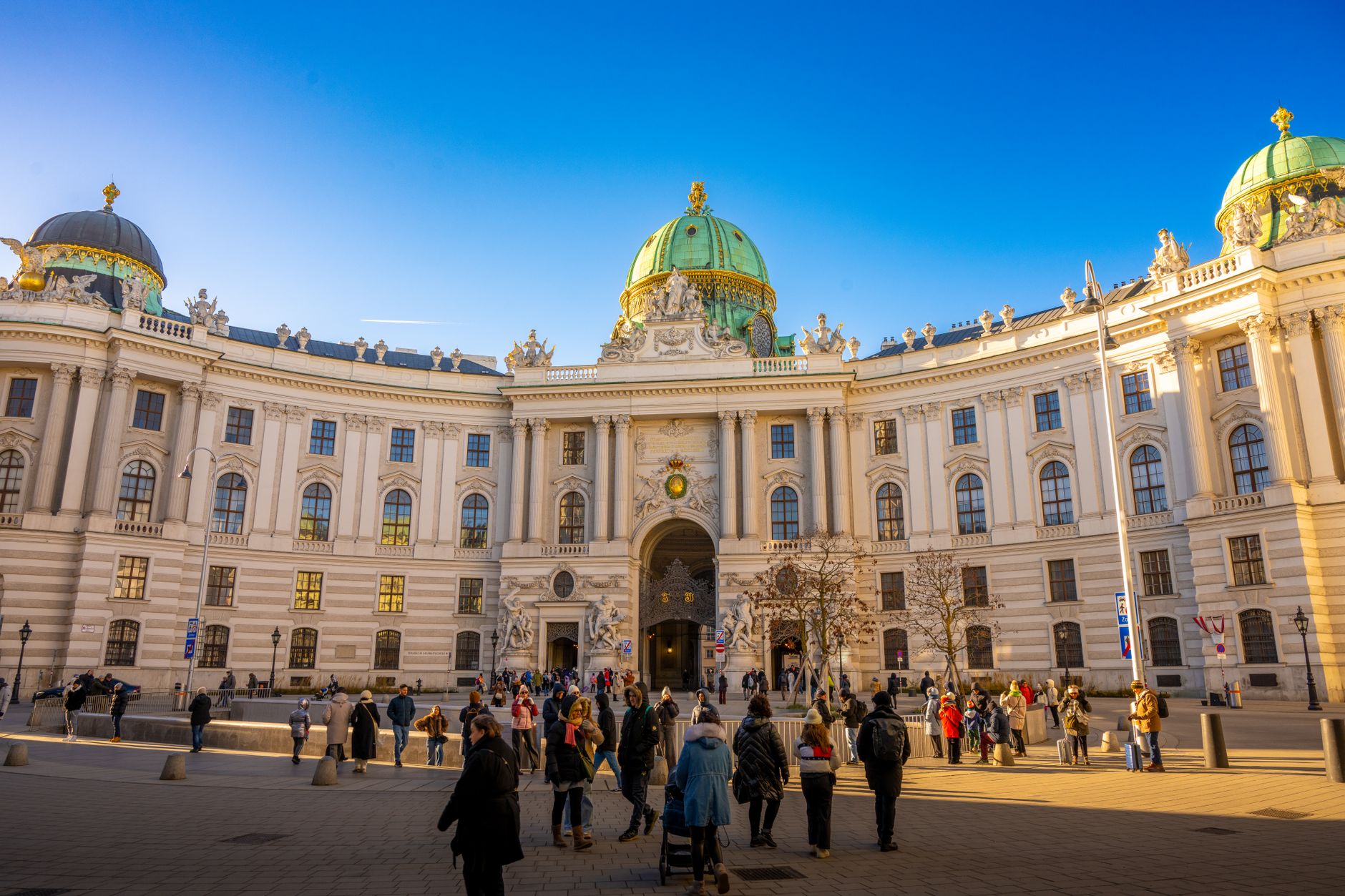
Austria
Country · Europe
Austria
16 regionsCity break
Belgium
Country · Europe
Belgium
15 regionsCity break
Croatia
Croatia
Europe · 16 regions
Culture & historyIslands & tropicalBeach & sun
Czech Republic
Czech Republic
Europe · 15 regions
City breakCulture & history
Denmark
Denmark
Europe · 1 regions
City breakCulture & historyFood & drink
Finland
Finland
Europe
Wellness & spaNature & outdoorsWinter sports & ski
Germany
Germany
Europe · 23 regions
City breakCulture & historyFood & drink
Greece
Greece
Europe · 17 regions
Culture & historyRomantic getawayIslands & tropical
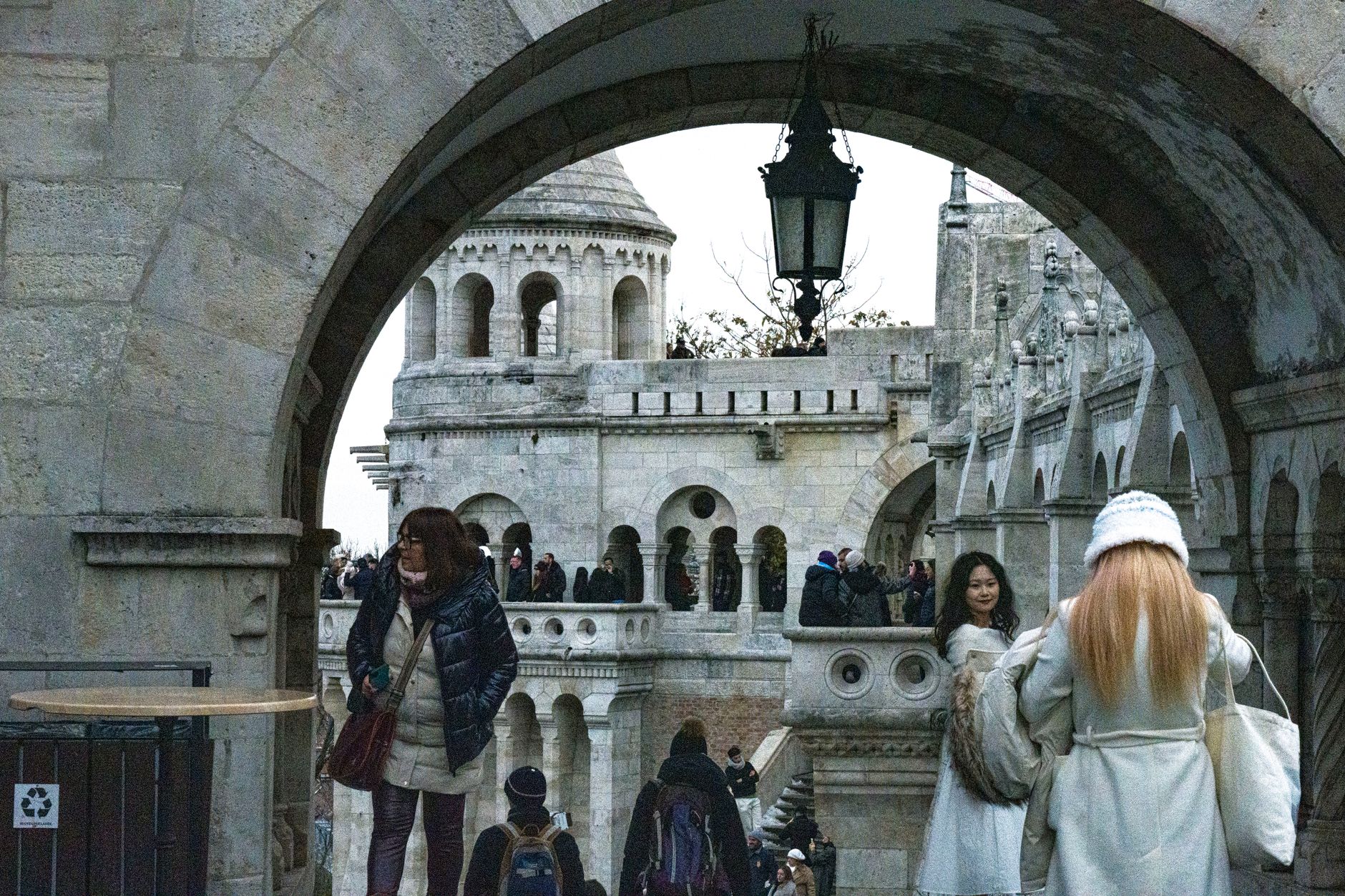
Hungary
Hungary
Europe · 15 regions
City breakCulture & historyWellness & spa
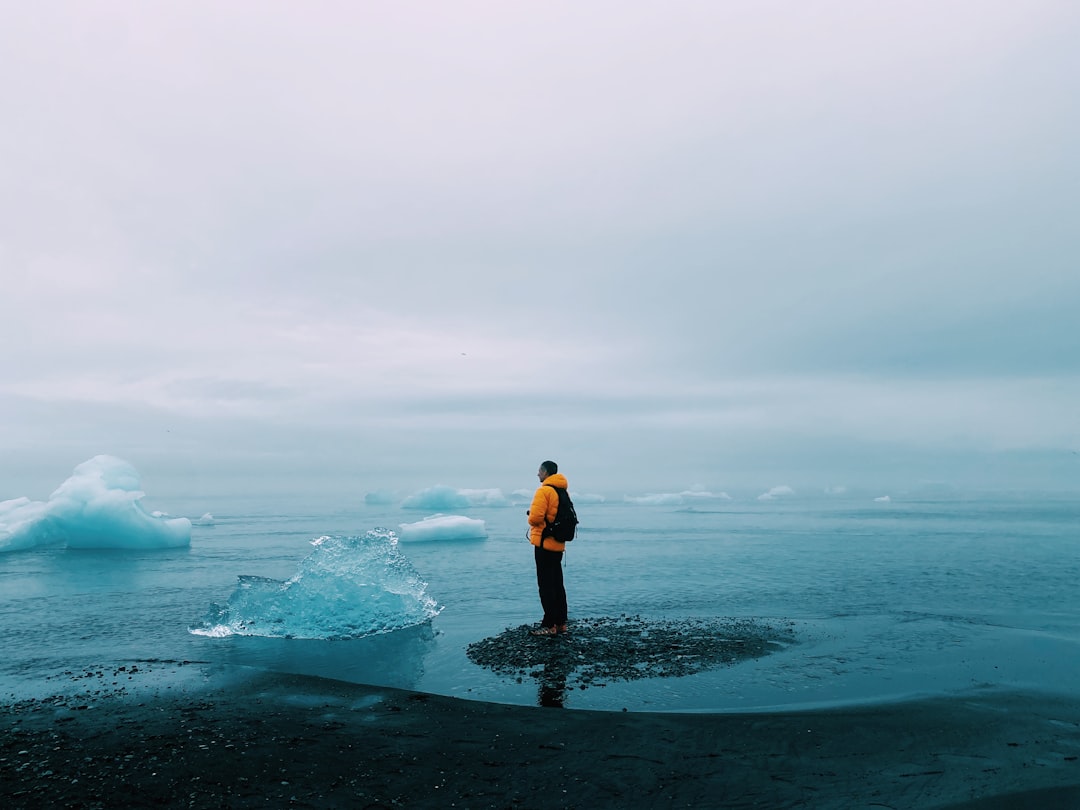
Iceland
Iceland
Europe · 1 regions
Nature & outdoorsHiking & mountainsAdventure & active
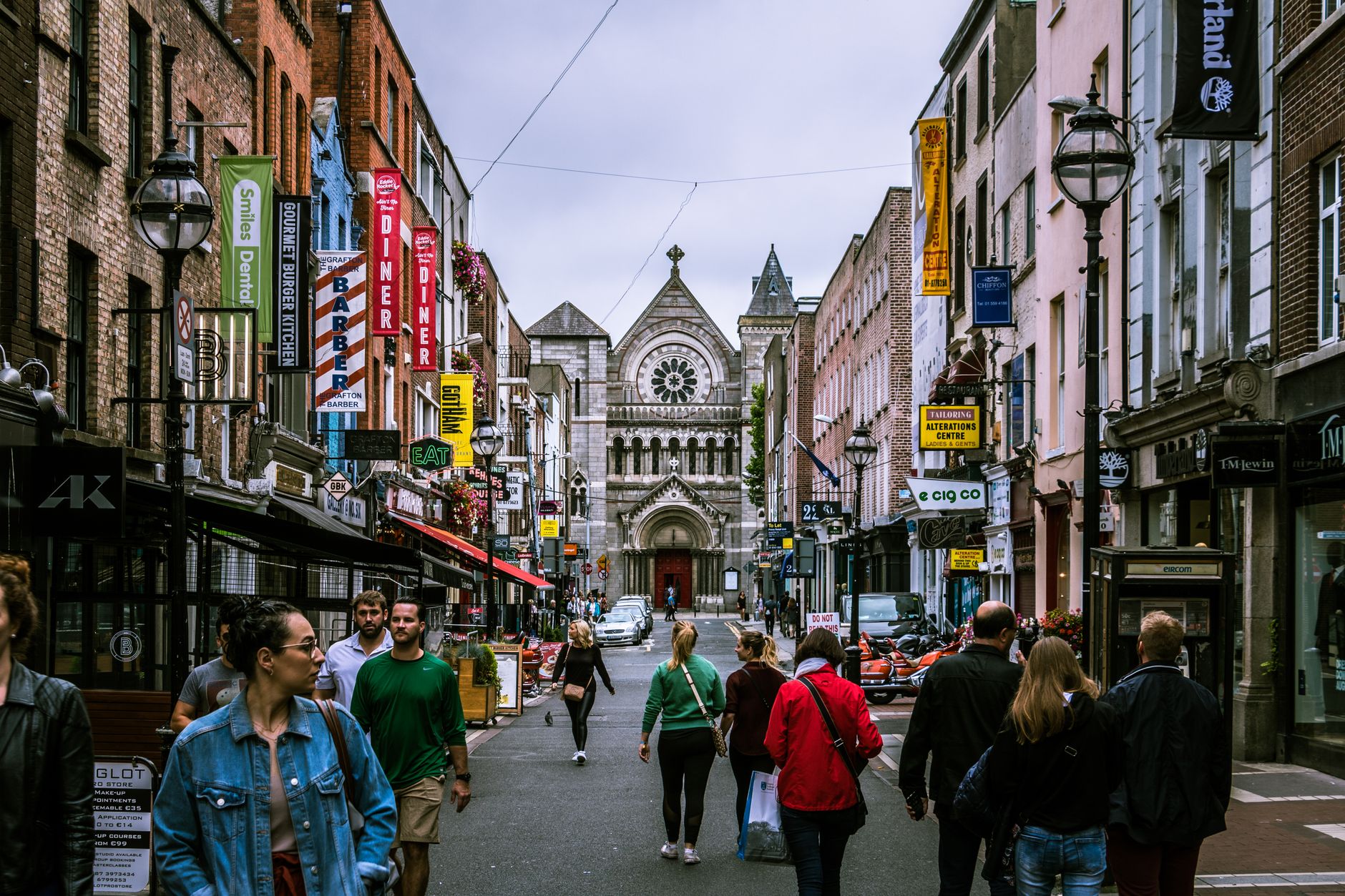
Ireland
Ireland
Europe · 1 regions
Culture & historyNature & outdoorsRomantic getaway
Italy
Italy
Europe · 25 regions
City breakCulture & historyFood & drink
Montenegro
Montenegro
Europe
Culture & historyHiking & mountainsAdventure & active
Netherlands
Netherlands
Europe · 16 regions
City breakCulture & historyRoad trip & touring
Norway
Norway
Europe
Nature & outdoorsHiking & mountainsAdventure & active
Poland
Poland
Europe · 16 regions
City breakCulture & history
Portugal
Portugal
Europe · 15 regions
Food & drinkRomantic getawayBeach & sun
Russia
Russia
Europe
Culture & historyAdventure & activeRoad trip & touring
Slovenia
Slovenia
Europe
City breakCulture & historyNature & outdoors
Spain
Spain
Europe · 24 regions
City breakCulture & historyFood & drink
Sweden
Sweden
Europe · 1 regions
City breakWellness & spaNature & outdoors
Switzerland
Switzerland
Europe · 17 regions
City breakNature & outdoorsHiking & mountains
United Kingdom
United Kingdom
Europe · 22 regions
City breakCulture & historyFood & drink
France
France
Europe · 27 regions
Culture & historyFood & drinkRomantic getaway

No places match these filters.


Background & history adapted from Wikipedia (CC BY-SA) · specs from Wikidata (CC0) · weather from Open-Meteo · map data © OpenStreetMap contributors · photos from Wikimedia Commons / Unsplash with per-image credit. No third-party reviews or social posts reproduced.

Top