
Provence-Alpes-Côte d'Azur, France


The Pont du Gard rises fifty metres above the Gardon River without a drop of mortar — Roman engineers moving water fifty kilometres across the landscape, purely by gravity, in the first century AD. That blend of ambition and precision runs through everything here. Provence-Alpes-Côte d'Azur is France's southeastern corner: limestone plateaus giving way to Alpine peaks, lavender-threaded plains dropping to a Mediterranean coast where the light turns the sea a particular shade of blue that painters kept coming back to try to name.
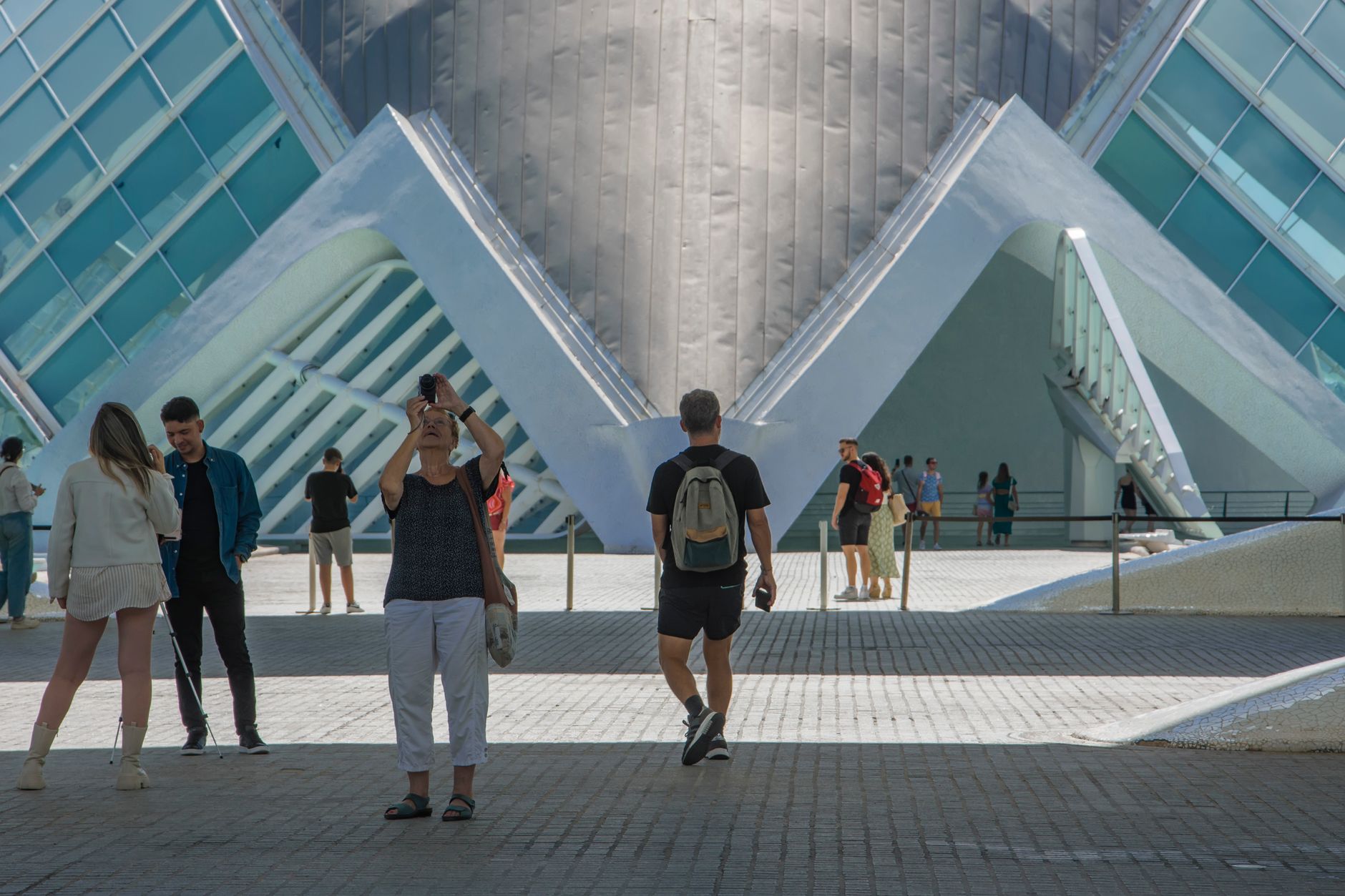
This is a region of genuine contrasts held in one frame — Marseille's rough, polyglot port energy; the quieter Roman stones of Arles; the Riviera's studied glamour; and the Verdon Gorge cutting through the interior like something from another continent entirely.
💛 What travellers fall for
Return visitors tend to anchor in one town and radiate outward. Arles rewards this most — the arena, the Luma tower, the Tuesday market — but the real trick is arriving before June or after August, when the light is still extraordinary and the roads are not. The Luberon villages are beautiful and crowded; the Var coast less so.
How Provence-Alpes-Côte d'Azur, France came to be
People have been here a very long time. The shores near what is now Nice show evidence of settlement around 400,000 BC, and the Ligurian Celts left dolmens and hilltop forts across the landscape. In 600 BC, Phocaean Greeks from Asia Minor founded Marseille — making it one of the oldest cities in France — and established outposts at Antibes and Nice. Rome followed, creating its first province outside Italy here in the late second century BC, the original Provincia from which 'Provence' descends.
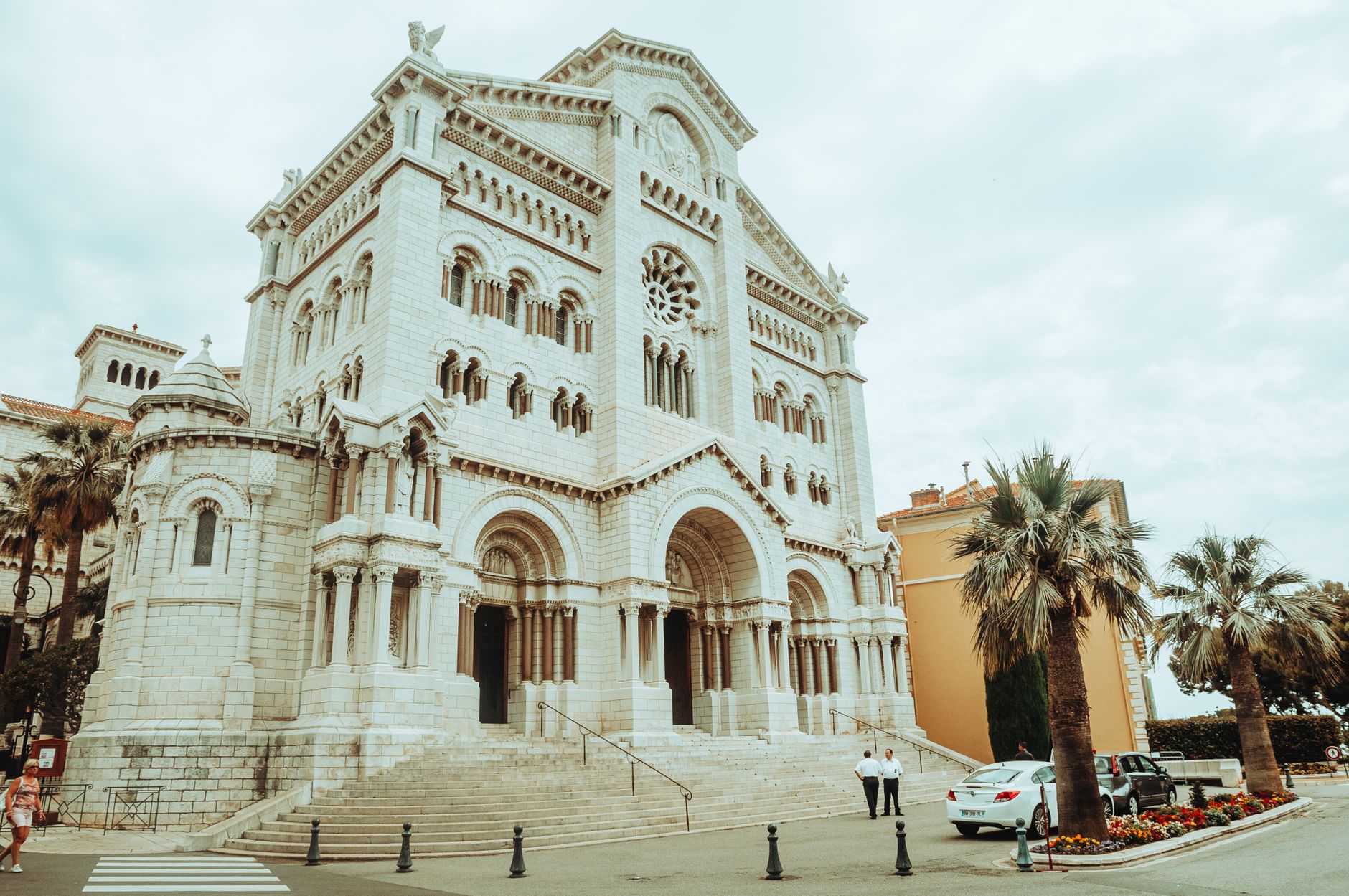
The medieval centuries layered on Catalan, Burgundian and Angevin rule before the region joined France in 1481. The fourteenth century brought an unlikely detour: the papacy relocated to Avignon, and the Palais des Papes — ten acres of fortified Gothic architecture — still dominates the city. The Paris–Marseille railway arrived in 1848, extended to Nice by 1864, and the Riviera's role as Europe's fashionable winter refuge was sealed.
Who and what shaped it
People who shaped it
Landmark buildings
See Provence-Alpes-Côte d'Azur, France in motion
Plan your visit
On the map
When to go
The coast runs to 300 days of sunshine a year, with mild winters averaging around 7°C in January and hot, reliably dry summers pushing well above 30°C. Inland and at altitude, winters are genuinely cold — the Alps here are real Alps — so the region wears its seasons very differently depending on where you are.
Right now
↡ Cities
Background & history adapted from Wikipedia (CC BY-SA) · specs from Wikidata (CC0) · weather from Open-Meteo · map data © OpenStreetMap contributors · photos from Wikimedia Commons / Unsplash with per-image credit. No third-party reviews or social posts reproduced.